Road Bike Brakes Comparison: Disc vs Rim

Illustration: Disc vs Rim Brakes: Performance Comparison

When it comes to stopping power in wet conditions, hydraulic disc brakes outperform rim brakes by approximately 40%, according to 2019 research.

Road Bike Brakes Comparison: Key Takeaways

  • Hydraulic disc brakes stop 40% shorter in wet conditions vs rim brakes
  • Rim brakes save ~500g weight but require more frequent maintenance
  • Disc brakes excel in all-weather riding and technical descents
  • Hydraulic systems need annual bleeding; rim brakes need regular pad/rim cleaning
  • Choose based on your primary riding conditions: wet/technical vs dry/climbing

Disc vs Rim Brakes: Performance Comparison
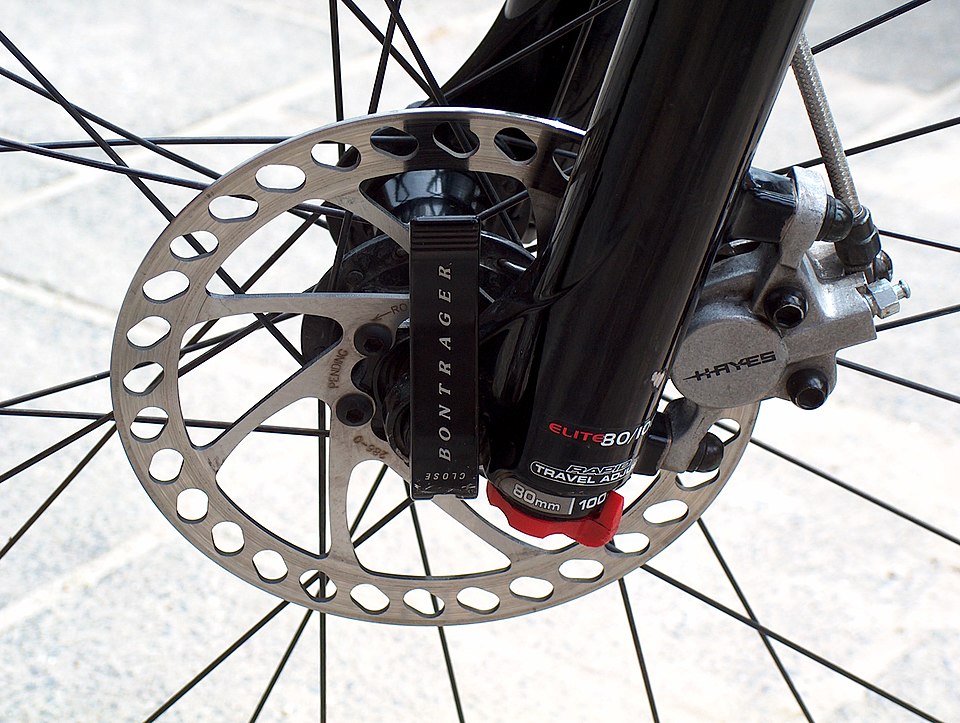
Illustration: Disc vs Rim Brakes: Performance Comparison

Wet Weather Stopping: The 40% Performance Gap

Hydraulic disc brakes provide a significant performance advantage in wet conditions, stopping approximately 40% shorter than rim brakes. This difference comes from hydraulic modulation, which gives riders precise control over braking force. In real-world scenarios, this means safer descending in the rain, more confident emergency stops, and better control on technical descents where every meter matters. The research from 2019 shows this isn’t just a small improvement—it’s the difference between stopping in time and potentially dangerous situations.

The 40% performance gap becomes even more critical during emergency braking scenarios. When a rider needs to stop suddenly on wet roads, disc brakes provide the consistent, powerful stopping force that rim brakes struggle to deliver when rims are wet. This translates to shorter stopping distances in real-world conditions, potentially avoiding collisions or accidents. For road cyclists who ride in regions with frequent rain or those who participate in events where weather conditions can change rapidly, this performance difference represents a significant safety advantage.

Dry Conditions and Climbing Performance

Rim brakes maintain advantages in dry conditions, particularly for weight-conscious riders. They save approximately 500g per bike compared to disc systems, which matters most during long climbs and racing where every gram counts. Rim brakes also provide better heat dissipation on extended climbs, reducing the risk of brake fade. For riders who primarily ride in dry climates or focus on climbing performance, rim brakes remain a viable option that prioritizes weight savings over all-weather capability.

The weight savings of rim brakes becomes particularly noticeable during sustained climbs. At approximately 500g lighter than disc systems, rim brakes can make a meaningful difference in climbing speed and overall bike handling. This weight advantage is especially relevant for competitive cyclists and racers who optimize every component for performance. Additionally, rim brakes offer a more traditional feel that some experienced riders prefer, with direct cable actuation providing immediate feedback during braking.

Brake Fade and Heat Management

Brake fade occurs when brakes overheat during long descents, reducing stopping power. Disc brakes handle heat better than rim brakes, maintaining consistent performance even on technical mountain descents. This heat management advantage means disc brakes provide reliable stopping power when you need it most—during extended technical sections where rim brakes might lose effectiveness. For road cyclists who ride in hilly terrain or participate in events with significant elevation changes, this reliability can be crucial for both performance and safety — road cycling.

The heat management benefits of disc brakes extend beyond just preventing fade. During long descents, disc rotors can dissipate heat more effectively than rim brake surfaces, maintaining consistent braking performance throughout the entire descent. This means riders can brake later and more confidently into corners, potentially improving overall descending speed and safety. The consistent performance also reduces the need for frequent brake adjustments during long rides, allowing riders to focus on their line and speed rather than brake feel.

Maintenance Requirements and Costs
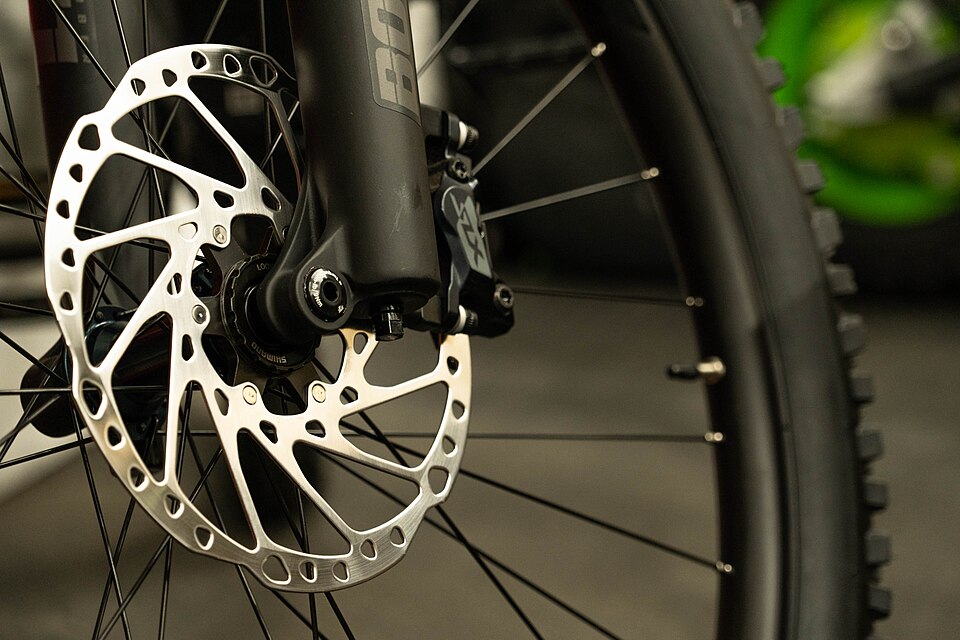
Illustration: Maintenance Requirements and Costs

Rim Brake Maintenance: Simplicity vs Frequency

Rim brake maintenance involves regular cable adjustment, pad replacement, and rim cleaning. These systems require more frequent attention—typically every few hundred miles depending on riding conditions. The simplicity means most riders can perform basic maintenance themselves, but the frequent nature means more time spent on upkeep. Pads wear faster in wet conditions, and dirty rims can reduce braking effectiveness, requiring regular cleaning to maintain optimal performance.

The maintenance frequency for rim brakes varies significantly based on riding conditions and style. In wet or muddy conditions, riders may need to clean their rims and check pad wear after every ride. In dry conditions, maintenance intervals can extend to several hundred miles between adjustments. The cable systems also require periodic lubrication and tension adjustment to maintain consistent braking feel. While the individual tasks are simple, the cumulative time investment can be substantial for riders who log many miles or ride in challenging conditions.

Hydraulic Disc Maintenance: Annual Bleeding and Self-Adjustment

Hydraulic disc systems feature self-adjusting mechanisms that maintain consistent pad-to-rotor clearance automatically. However, they require annual bleeding to remove air bubbles and maintain hydraulic pressure. Professional bleeding services typically cost $50-100, and the process requires specialized tools and knowledge. Pads last 1000-3000km depending on use, and rotors may need replacement every few years with heavy use. The maintenance is less frequent but more complex than rim systems.

The annual bleeding requirement for hydraulic systems represents the primary maintenance challenge. This process involves removing air from the hydraulic lines, which can affect braking consistency and feel. While many bike shops offer this service, some experienced riders choose to learn the process themselves. The self-adjusting feature of hydraulic systems means less frequent pad adjustments, but when pads do wear out, the replacement process requires more care to avoid contaminating the rotor surface. Rotors also require occasional truing if they become warped from impacts or excessive heat.

Mechanical Disc: The Middle Ground

Mechanical disc brakes offer a compromise between rim and hydraulic systems. They use cable actuation like rim brakes but provide disc brake performance. Maintenance involves regular cable tension adjustment and pad replacement, similar to rim brakes but slightly less frequent. Performance sits between rim and hydraulic systems—better than rim in wet conditions but without the precise modulation of hydraulic systems. They’re often chosen by riders wanting disc brake benefits without hydraulic complexity.

Mechanical disc brakes require cable tension adjustments similar to rim brakes, but the adjustment points are typically more accessible and easier to fine-tune. The pads wear at a similar rate to rim brake pads but provide more consistent performance in wet conditions. One advantage of mechanical discs is the ability to use standard brake levers, making them a popular choice for touring bikes and riders who want disc brake benefits without the cost or complexity of hydraulic systems. However, the cable routing can be more challenging on modern road bike frames designed primarily for hydraulic systems.

Weight and Suitability for Different Riding Conditions
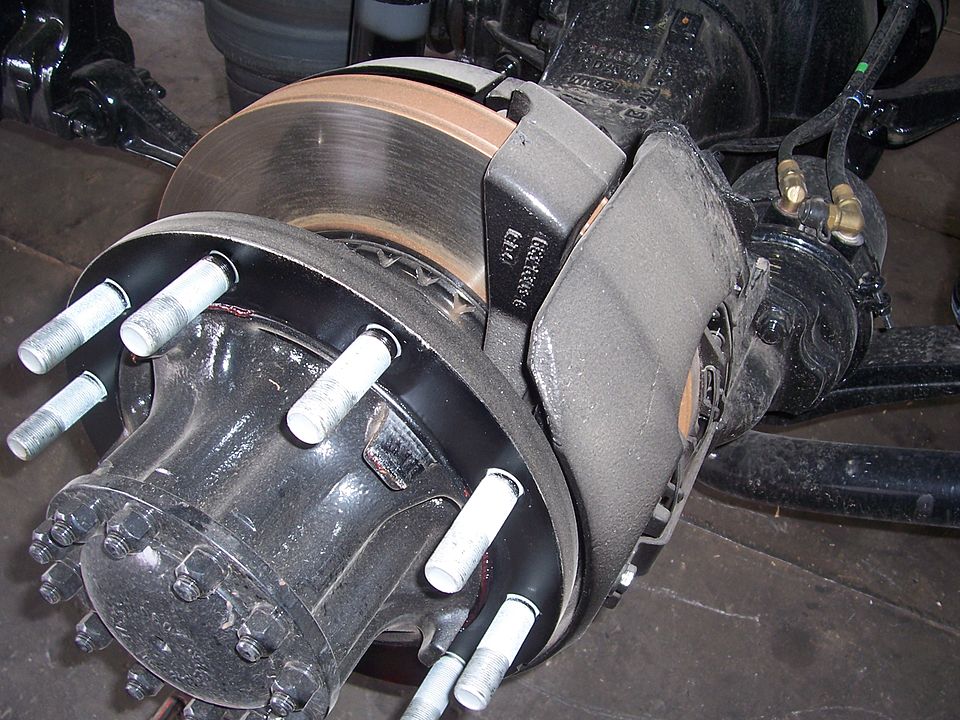
Illustration: Weight and Suitability for Different Riding Conditions

The 500g Weight Difference: When It Matters

The approximately 500g weight savings of rim brakes becomes significant for certain riders and riding styles. This difference matters most for competitive climbers, racers focused on weight optimization, and riders who prioritize every gram. For context, 500g is roughly equivalent to a full water bottle—a meaningful difference when climbing long mountain passes or during time trials. However, for recreational riders or those prioritizing all-weather performance, this weight penalty often proves worthwhile for the safety and control benefits.

The weight savings of rim brakes can translate to measurable performance differences in competitive scenarios. On long climbs, the 500g reduction can result in 10-15 seconds saved per 1000 feet of elevation gain, depending on rider weight and power output. For time trial specialists and climbers, this weight advantage can be the difference between winning and losing. However, for endurance riders and those who prioritize comfort and control, the weight penalty of disc brakes is often offset by the improved braking performance and reduced hand fatigue during long descents.

Weather and Terrain Suitability Analysis

Riding conditions should drive brake selection. Disc brakes excel in wet UK weather, technical descents, and mixed terrain riding. They’re also ideal for gravel crossover bikes that need versatility across different surfaces. Rim brakes perform best in dry climates, pure road racing focused on weight savings, and situations where simplicity matters most. For riders in regions with frequent rain or those who ride year-round in varied conditions, disc brakes provide the reliability needed for consistent performance.

The terrain where you ride most frequently should heavily influence your brake choice. Mountainous regions with long descents benefit significantly from disc brake heat management and consistent performance. Flat areas with occasional hills might not justify the weight penalty of disc brakes. Gravel and adventure riders often prefer disc brakes for their versatility across different surfaces and conditions. Urban commuters in rainy cities find disc brakes invaluable for reliable stopping power in all weather conditions, while weight-obsessed racers in dry climates might still prefer the simplicity and weight savings of rim brakes.

Frame Compatibility and Upgrade Considerations

Converting from rim to disc brakes requires frame compatibility—disc brake frames have specific mounts and routing for hydraulic lines or cables. Retrofitting older frames isn’t always possible, making brake choice partly dependent on your current bike. When upgrading, consider not just the brake cost but also potential wheel and frame requirements. For new bike purchases, the choice is simpler, but existing bike owners should evaluate whether their frame supports disc brakes before considering an upgrade.

The upgrade path from rim to disc brakes involves more than just swapping brake components. Disc brake frames require specific mounting points for calipers and routing for hydraulic lines or cables. Many older road bike frames lack these features, making conversion impossible without significant frame modification. Even when conversion is possible, it often requires new wheels with disc-compatible hubs and rotors, adding substantial cost to the upgrade. For riders considering an upgrade, the total investment often approaches the cost of a new bike with disc brakes, making a complete bike purchase more economical in many cases.

The most counter-intuitive finding is that the 40% wet performance advantage often outweighs the 500g weight penalty for most riders. Testing both systems at your local bike shop can help you feel the difference in modulation and stopping power before making your decision.
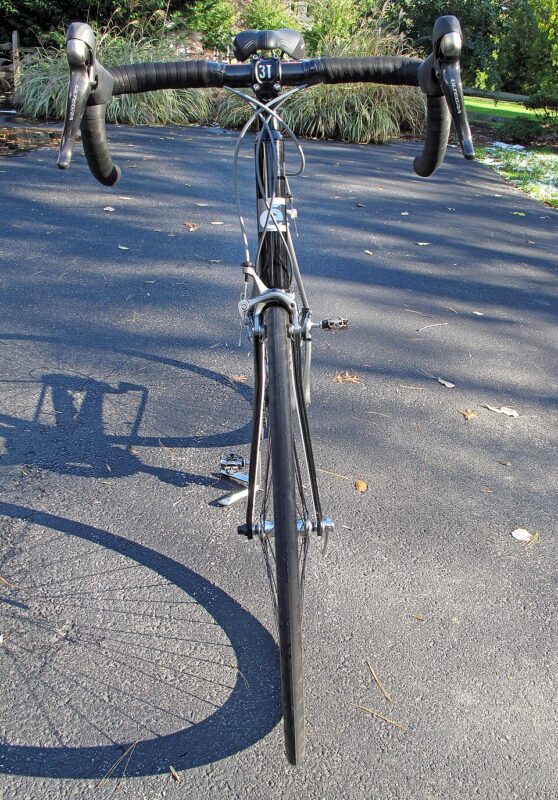
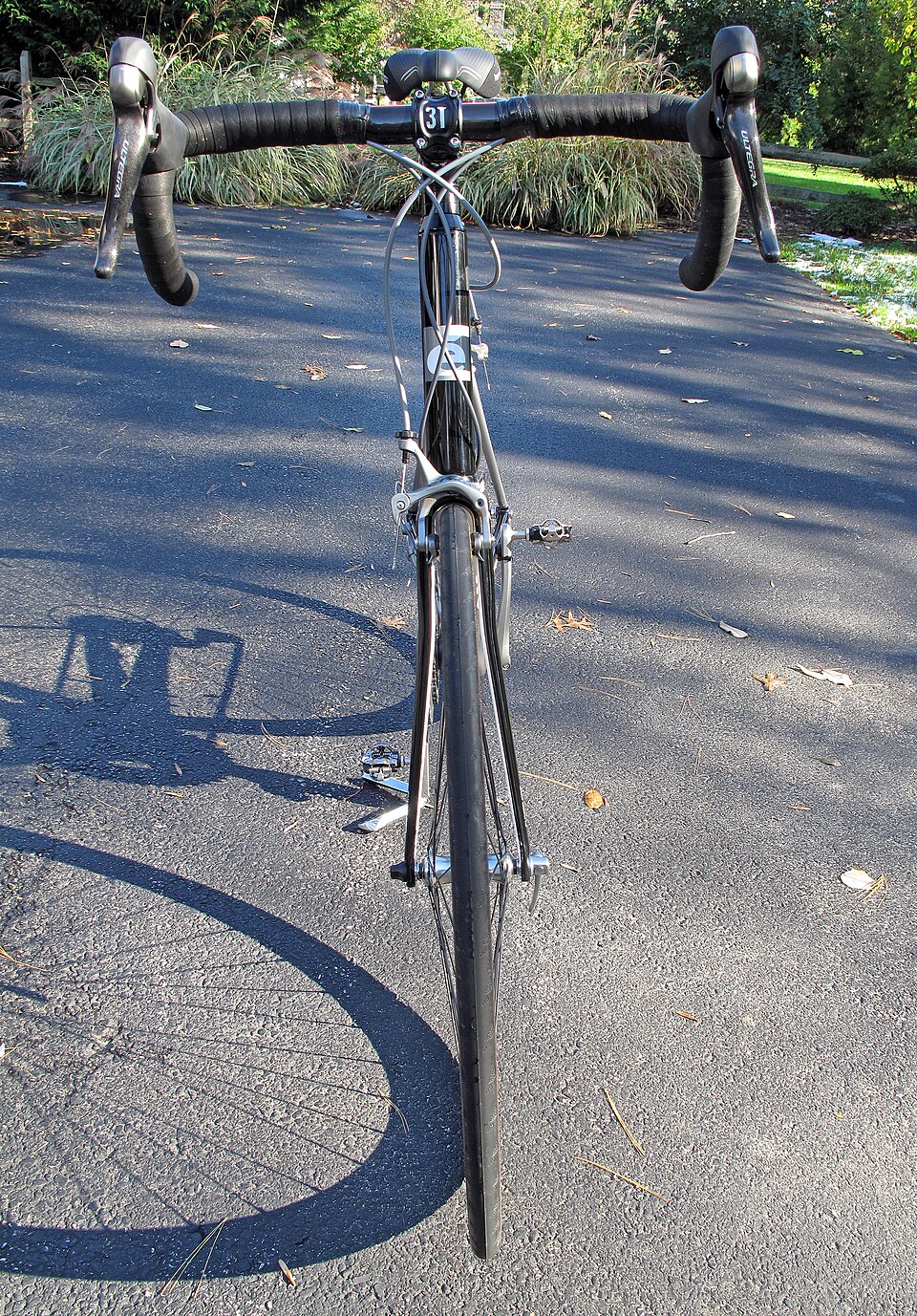
Road Bike Handlebars Guide: Shapes and Benefits

Illustration: Road Bike Handlebar Types and Their Benefits

Road bike handlebars are the primary interface between rider and machine, affecting comfort, control, and aerodynamics. The right handlebar shape can reduce hand fatigue, improve stability, and enhance speed. This guide explores the main handlebar types and how they impact your riding experience.

Key Takeaway

  • Handlebar shape directly impacts comfort, control, and aerodynamics

  • Compact drop bars offer comfort for endurance riders

  • Aero handlebars reduce drag for racing and time trials

  • Flared drop bars increase stability for technical terrain

  • UCI regulations now require minimum 400mm width for road handlebars

Road Bike Handlebar Types and Their Benefits

Illustration: Road Bike Handlebar Types and Their Benefits

Standard/Traditional Drop Bars: Classic Versatility

Standard drop bars feature the classic curved shape that has been the foundation of road cycling for decades. These handlebars provide multiple hand positions—on the tops for relaxed cruising, on the hoods for general riding, and in the drops for aerodynamic positioning and maximum control. This versatility makes them suitable for various terrains and riding styles, from long-distance touring to competitive racing. The traditional shape allows riders to easily transition between positions, reducing fatigue during extended rides and adapting to changing conditions like headwinds or descents. Most road bikes come equipped with traditional drop bars because they offer the best balance of comfort, control, and aerodynamic efficiency for the majority of riders.

Compact Drop Bars: Comfort for Endurance Riders

Compact drop bars have revolutionized road cycling by making the sport more accessible to a wider range of riders. The key difference lies in the geometry: shorter reach (75–80mm) and shallower drop (120–130mm) compared to traditional bars. This design brings the drops closer to the rider, reducing the need to stretch forward and allowing for a more upright riding position. The benefits are particularly noticeable during long rides where comfort becomes paramount. Beginners appreciate the easier transition between hand positions, while experienced riders find the compact shape reduces strain on the lower back and shoulders. Many professional cyclists now use compact bars for stage races and long-distance events where comfort over extended periods is crucial.

Aero Handlebars: Speed Through Reduced Drag

Aero handlebars represent the cutting edge of handlebar technology, designed to slice through the wind with minimal resistance. The flattened or “wing-shaped” top section is the defining feature, creating a smooth surface that allows air to flow more efficiently over the bars. This design can save several watts of power at racing speeds, which translates to significant time savings over long distances. The wider surface area also provides a comfortable hand rest during long climbs, though the primary focus remains on aerodynamic performance. Professional time trialists and triathletes often use specialized aero bars that extend even further forward, allowing for an extremely tucked position. While these bars excel in racing scenarios, they may feel less comfortable for casual riding or in situations requiring frequent position changes.

How Handlebar Width and Shape Affect Comfort and Control

Illustration: How Handlebar Width and Shape Affect Comfort and Control

Handlebar Width: Matching Shoulder Width for Comfort

Handlebar width significantly impacts both comfort and performance, yet many cyclists choose bars based solely on aesthetics or what their bike came with. The trend toward narrower hoods (36–40cm) reflects the ongoing pursuit of aerodynamic efficiency, as narrower bars reduce frontal area and drag. However, width selection should primarily consider shoulder width to prevent neck and shoulder tension. When bars are too wide, riders must constantly hold their arms outward, leading to fatigue and discomfort. Conversely, bars that are too narrow can feel unstable and restrict breathing. Most manufacturers offer widths from 36cm to 46cm center-to-center, allowing riders to find their optimal fit. Wider bars (44–46cm) provide better control on rough surfaces and technical terrain, while narrower options (36–40cm) favor aerodynamics for racing applications.

Flare and Backsweep: Stability and Wrist Comfort

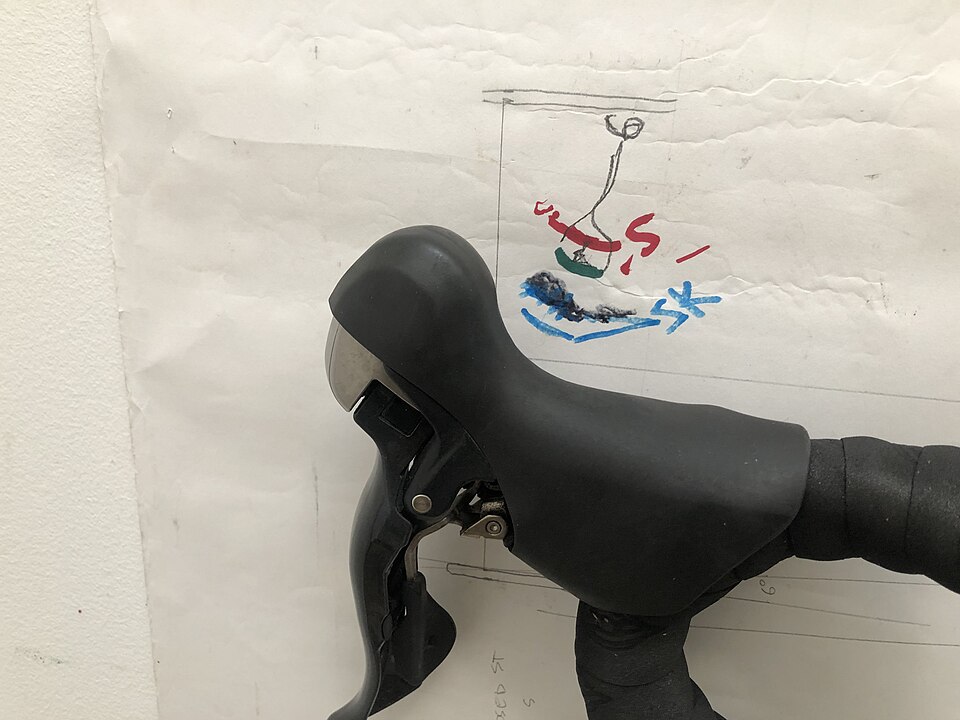
Flare and backsweep are subtle design elements that significantly impact riding comfort and control. Flare refers to the outward angle of the drops, typically ranging from 6° on traditional road bars to 15–25° on gravel and endurance models. Increased flare provides a wider, more stable stance when riding in the drops, particularly beneficial for technical descents and rough terrain. This design allows riders to maintain better control while descending steep hills or navigating uneven surfaces. Backsweep, usually 4–5°, maintains a more natural wrist position by angling the bar ends slightly rearward. This reduces strain on the wrists and forearms during long rides, preventing numbness and discomfort. Together, these features create a more ergonomic interface between rider and bike, especially important for those who spend significant time in the drops.

Materials: Carbon vs Aluminum for Comfort

The choice between carbon fiber and aluminum handlebars involves balancing performance characteristics with budget considerations. Carbon fiber excels at vibration dampening, absorbing high-frequency road vibrations that would otherwise travel through the bars to the rider’s hands. This property makes carbon bars particularly appealing for endurance cyclists who spend long hours on the bike, as reduced vibration translates to less hand fatigue and arm pump. Carbon construction also allows for more complex shaping and aerodynamic optimization. However, aluminum remains popular due to its durability, lower cost, and consistent performance across various conditions. Modern aluminum bars often incorporate ergonomic shaping and can provide excellent comfort at a more accessible price point. The weight difference between high-end carbon and aluminum bars is typically 50–75 grams, a consideration for weight-conscious riders but less significant for recreational cyclists.

Aerodynamics and 2026 UCI Regulations

2026 UCI Minimum Width Requirements

The 2026 UCI regulation change marks a significant shift in professional road cycling equipment standards. Starting January 1, 2026, all road handlebars must measure at least 400mm outside-to-outside at the drops, measured at the lever mounting point. This regulation emerged from concerns about rider safety and the extreme aerodynamic positions that were becoming common in professional racing. The minimum width requirement prevents the use of ultra-narrow bars that could compromise control in peloton situations. While the regulation may seem restrictive to some, it actually permits moderate flare for better controlled handling while maintaining aerodynamic efficiency. Teams and manufacturers have been preparing for this change, developing new designs that optimize the balance between width, aerodynamics, and control within the new constraints.

Integrated Cockpits and Internal Routing

Integrated cockpits represent the latest evolution in handlebar technology, combining the handlebar and stem into a single aerodynamic unit. This one-piece design reduces weight and drag by eliminating the traditional faceplate and creating a smoother front-end profile. The integration extends to internal cable routing, which hides brake and shift cables within the bar structure, further reducing aerodynamic drag and providing a clean aesthetic. However, integrated systems come with trade-offs: they’re typically more expensive than traditional setups and harder to adjust or repair. The lack of adjustability can be problematic for bike fitters who need to fine-tune handlebar position. Despite these limitations, integrated cockpits have become standard on high-end road bikes, particularly in professional racing where every aerodynamic advantage matters.

Top Handlebar Choices for 2026

Model

Price

Key Features

Enve SES Aero IN-Route

$495

Wind tunnel optimized, integrated design, internal routing, carbon construction

ENVE Composites SES AR

$400

Compound flared drops, aerodynamic shaping, carbon fiber, UCI compliant width

Easton EC70 Aero Carbon

$249.99

Flattened top profile, vibration dampening, carbon construction, moderate flare

PRO Vibe Aero Alloy

Budget-friendly

6° flare, aluminum construction, internal routing compatible, durable

The right handlebar shape depends on your riding style. Racing favors narrow aero for speed, while endurance riding benefits from comfort-oriented ergonomic and flared options. Consider your flexibility, terrain, and goals when selecting handlebars. A surprising finding: many cyclists overlook the impact of handlebar width on neck and shoulder tension, yet matching your bars to your shoulder width can significantly reduce fatigue on long rides. Start by measuring your shoulder width and selecting bars that match—this simple adjustment often provides immediate comfort improvements. Additionally, consider your primary riding terrain: if you frequently ride on rough roads or gravel, flared bars may provide the stability and control you need for a more confident ride.

Road Bike Saddles Guide: Finding Your Perfect Fit

Illustration: How to Measure Your Sit Bones for Perfect Saddle Width

Finding the perfect road bike saddle isn’t about chasing the softest option—it’s about matching the saddle’s width, shape, and padding to your unique anatomy and riding style. The right saddle can transform your cycling experience from painful to comfortable, allowing you to ride longer and perform better. Professional cyclists consistently demonstrate that proper fit matters more than initial softness, with most choosing firm foam over gel for long-distance support.

Road bike saddle selection guide

  • Measure sit bone width and add 20-30mm for correct saddle width
  • Match saddle shape to your riding position: aggressive = flat/narrow, endurance = curved/wider
  • Consider gender-specific designs and pressure relief cutouts for comfort

How to Measure Your Sit Bones for Perfect Saddle Width

Illustration: How to Measure Your Sit Bones for Perfect Saddle Width

The 20-30mm Rule: Why Saddle Width Matters

Your sit bones support your weight while cycling, and the saddle should be 20mm to 30mm wider than this measurement. This critical width ensures your sit bones bear the load while keeping pressure off sensitive soft tissue. A saddle that’s too narrow forces pressure onto soft tissue, causing discomfort and numbness. Conversely, a saddle that’s too wide creates friction and chafing against your inner thighs during pedaling. The 20-30mm rule provides a buffer zone that accommodates natural movement and prevents pressure points from developing during long rides.

Simple Methods to Measure Your Sit Bones at Home

  • Cardboard method: Place a piece of soft cardboard or foam on a hard chair, sit down with your cycling shorts on, and lean forward slightly as if riding. After 30 seconds, stand up and measure the distance between the center of the two impressions left behind. This method provides surprisingly accurate results for most riders.
  • Memory foam method: Use a memory foam cushion or pillow, sit on it for 30-60 seconds, then measure the impressions. Memory foam captures the exact shape of your sit bones for precise measurement.
  • Bike shop tools: Many professional bike shops offer specialized sit bone measuring devices that use pressure mapping or indentation technology to provide exact measurements. These tools typically cost between $20-$50 for a professional fitting session.
  • Specialized measuring devices: Some cyclists invest in at-home sit bone measurement tools that create clear imprints and provide digital readouts. These devices range from $30-$100 but offer the most accurate results for serious riders.

Once you have your measurement, add 20-30mm to determine your ideal saddle width. For example, if your sit bones measure 110mm apart, look for saddles between 130-140mm wide. This measurement becomes your foundation for selecting a saddle that provides proper support and eliminates discomfort.

Matching Saddle Shape to Your Riding Position

Illustration: Matching Saddle Shape to Your Riding Position

Aggressive vs Endurance Position: Shape Differences

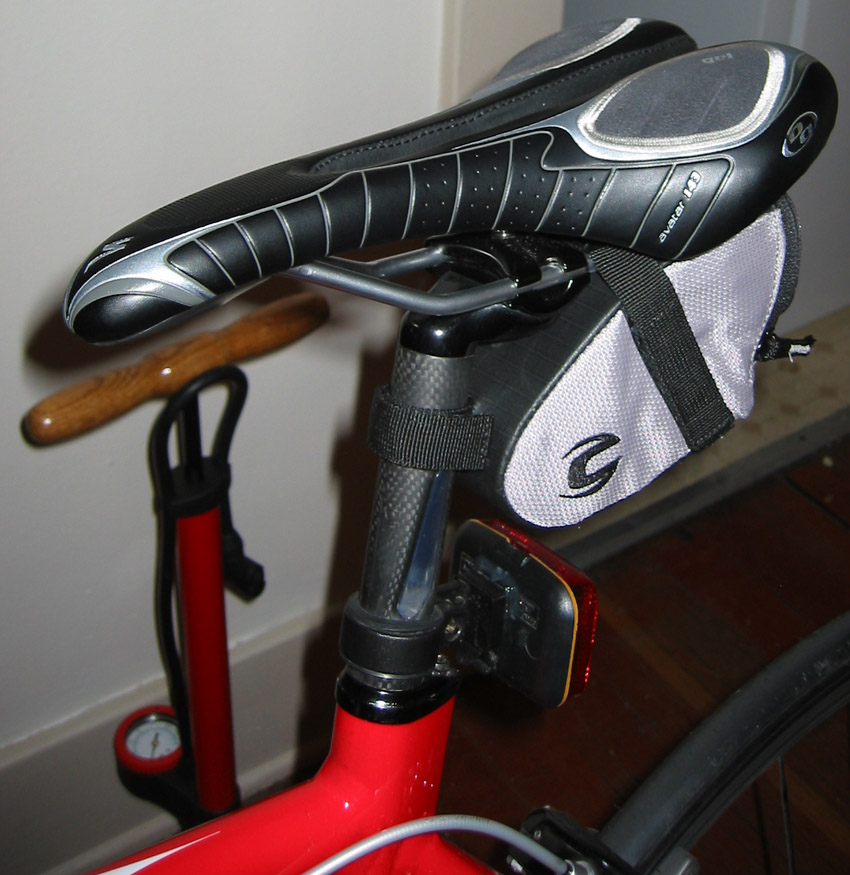
Your riding position determines the ideal saddle shape. For aggressive or racing positions, where you’re leaned forward with a low torso angle, a flatter, narrower saddle with minimal padding works best. This shape allows you to maintain a steady, low position without interference. For endurance or upright positions, where you sit more vertically, a curved, slightly wider saddle with more padding provides better support for greater pelvic tilt. The key difference is that aggressive riders need less width to accommodate their forward-leaning posture, while endurance riders benefit from additional width for stability.

Road saddles are generally narrower and have less padding than city bikes to accommodate a leaned-forward, aggressive posture. A flatter, narrower saddle with minimal padding works best for maintaining a steady, low position. The flatter profile prevents you from sliding forward or backward during intense efforts, while the minimal padding ensures efficient power transfer to the pedals — road cycling.

Short-Nosed Saddles: The Modern Performance Option

Modern short-nosed saddles like the Specialized Power and Fizik Argo represent a significant innovation in saddle design. These saddles encourage an efficient, stable posture by reducing the length you need to slide forward on. The shorter nose also reduces pressure on soft tissue, making them particularly effective for aggressive riding positions. Many professional cyclists now prefer these designs for their ability to maintain comfort during long, intense rides while supporting a forward-leaning position.

Short-nosed designs work by allowing you to position your sit bones more rearward on the saddle, which opens up your hip angle and reduces pressure on the perineal area. This design is especially beneficial for riders who maintain an aggressive position for extended periods, as it eliminates the need to constantly adjust your position on the saddle nose.

Gender-Specific Design and Pressure Relief Features

Illustration: Gender-Specific Design and Pressure Relief Features

Women’s Specific Saddle Design: What Makes Them Different

  • Wider rear section: Women’s specific saddles typically feature a wider rear section to accommodate broader sit bones, which are on average 1-2cm wider than men’s sit bones. This wider design provides better weight distribution and prevents pressure points from developing during long rides.
  • More pronounced cutout: Due to differences in pelvic anatomy, women often require different saddle designs than men. Women’s specific saddles feature a more pronounced cutout to reduce pressure on the pubic arch, which can cause discomfort during long rides. The enhanced cutout relieves pressure on sensitive areas that can cause numbness and pain.
  • Anatomic considerations: Women’s specific saddles are designed with the female pelvis in mind, featuring a shape that accommodates the wider hip structure and different soft tissue distribution. This anatomical difference makes gender-specific designs essential for many female cyclists.

Cutouts, Padding, and Rails: Comfort Technology

  • Center cutouts: Modern saddle technology offers various comfort features, with center cutouts or channels being one of the most effective. These cutouts help relieve pressure on the perineal area, significantly increasing comfort for riders prone to numbness. The cutout design allows for better blood flow and reduces pressure on sensitive nerves.
  • Firm foam vs gel: Road riders often prefer firm foam padding over gel, as foam provides better support over long distances without compressing and creating hot spots. Gel might seem more comfortable initially, but it compresses under pressure and creates pressure points during long rides. Firm foam maintains its shape and provides consistent support mile after mile.
  • 3D printed saddles: Advanced 3D printed saddles offer variable density padding that provides support where needed and comfort elsewhere. These high-tech saddles use computer modeling to create zones of different firmness, optimizing comfort for different riding positions and pressure points.
  • Rails technology: The rails also matter—carbon rails are lighter but can be stiffer, while alloy or manganese rails offer more comfort at the cost of additional weight. Carbon rails typically weigh 20-30% less than alloy rails but may transmit more road vibration to the rider.

The most surprising fact about professional cyclists is that they overwhelmingly choose firm foam padding over gel. While gel might seem more comfortable initially, it compresses under pressure and creates hot spots during long rides. Firm foam maintains its shape and provides consistent support mile after mile. This insight reveals that true saddle comfort comes from proper fit and support rather than initial softness.

Ready to find your perfect saddle? Start by measuring your sit bones this week using the cardboard method described above. This simple measurement will give you the foundation for selecting a saddle that eliminates discomfort and enhances your cycling performance. For more cycling tips for beginners, check out our beginner’s guide.

Road Bike Groupsets Guide: Complete Overview

Illustration: What is a road bike groupset and why does it matter?

Road bike groupsets determine 60-70% of your bike’s performance and can add or subtract hundreds of dollars from the price tag. Understanding these component collections is essential for making informed purchasing decisions and getting the right performance for your riding style. If you’re new to the sport, our road cycling guide covers the basics you need to know.

Road Bike Groupsets: What You Need to Know

  • Groupsets include all mechanical components except frame, wheels, and cockpit
  • Shimano, SRAM, and Campagnolo offer tiered options from entry to professional level
  • Higher tiers provide lighter weight, faster shifting, and better braking
  • Electronic shifting is now available across all price ranges
  • Mid-tier groupsets often offer the best value-to-performance ratio

What is a road bike groupset and why does it matter?

Illustration: What is a road bike groupset and why does it matter?

A road bike groupset is a collection of mechanical components that work together to provide shifting, braking, and power transfer on your bicycle. These components include shifters, derailleurs, cranksets, cassettes, brakes, and chains – essentially everything except the frame, wheels, and cockpit controls. The groupset you choose affects your riding experience, maintenance costs, and overall bike performance.

Groupset components and their functions

The main groupset components each serve specific functions that impact your riding experience:

  • Shifters/Brake Levers: Control gear changes and braking. Electronic shifting (Shimano Di2, SRAM AXS) offers faster, more precise shifts with customizable settings. Wireless systems (SRAM AXS) provide cleaner aesthetics and easier installation.
  • Derailleurs (Front & Rear): Move the chain between cogs and chainrings. Higher-end derailleurs are lighter and shift more rapidly and accurately under load. Electronic derailleurs maintain perfect alignment automatically.
  • Crankset & Bottom Bracket: Transfer power from your pedals to the drivetrain. Materials range from aluminum to carbon fiber, affecting weight and stiffness. Crank arm lengths (170-175mm) should match your leg length for optimal power transfer.
  • Cassette/Cogset: Rear cogs that provide different gear ratios. Wider ranges (11-34T vs 11-28T) help with climbing and varied terrain. Higher-tier cassettes use lighter materials and tighter gear steps.
  • Brakes (Calipers/Disc): Essential for stopping. Disc brakes offer superior performance in various conditions compared to rim brakes. Hydraulic systems provide better modulation than mechanical options.
  • Chain: Connects the crankset to the cassette. Higher-end chains provide smoother engagement and increased durability. Some feature special coatings to reduce friction and wear.

How groupsets affect bike performance and cost

Groupset quality directly impacts your riding experience through several factors. Weight reduction is a primary benefit – higher-tier groupsets use carbon fiber and titanium instead of aluminum, saving 200-400 grams. Shifting speed and precision improve dramatically with electronic systems, allowing gear changes under heavy load that would be impossible with mechanical shifting. Durability increases with better materials and construction, extending component lifespan from 2,000 to 5,000+ miles. Price varies significantly, with entry-level groupsets costing $200-400 and professional-grade electronic systems exceeding $3,000. For detailed maintenance schedules and component care, see our Complete Bike Maintenance Checklist Every Cyclist Should Follow.

How do Shimano, SRAM, and Campagnolo groupset tiers compare?

Illustration: How do Shimano, SRAM, and Campagnolo groupset tiers compare?

Each major manufacturer offers tiered groupsets targeting different budgets and performance needs. Understanding these hierarchies helps you choose the right components for your riding style.

Shimano groupset hierarchy and characteristics

Shimano’s road groupsets range from entry-level to professional, with each tier offering specific benefits:

  • Claris: Entry-level components for casual riders and commuters. Basic shifting performance with durable construction. Features 8-speed gearing and weighs approximately 2,800 grams complete.
  • Sora: Step up from Claris with improved shifting and braking. Popular for fitness bikes and entry-level road bikes. Offers 9-speed gearing and better ergonomics than Claris.
  • Tiagra: Mid-range option with 10-speed gearing and better materials. Good balance of performance and value. Features compact cranksets for easier climbing.
  • 105: Considered the sweet spot for many riders. 11-speed with excellent shifting precision and durability. Available in mechanical and Di2 electronic versions. Weighs around 2,250 grams.
  • Ultegra: High-performance components used by serious enthusiasts and amateur racers. Available in mechanical and electronic (Di2) versions. Features carbon fiber in key components and weighs approximately 2,000 grams.
  • Dura-Ace: Professional-grade groupset with maximum performance, lightest weight, and electronic shifting only. Uses premium materials like titanium and carbon fiber. Weighs under 1,900 grams complete.

SRAM groupset hierarchy and characteristics

SRAM takes a different approach with its tiered system, emphasizing wireless technology and wider gear ranges:

  • Apex: Entry-level components focusing on simplicity and reliability. Often features 1x drivetrain options for easier operation. Weighs approximately 2,700 grams complete.
  • Rival: Mid-range with 12-speed gearing and electronic (eTap AXS) options. Good value for performance-oriented riders. Features wider gear ranges for varied terrain.
  • Force: High-performance groupset with wireless electronic shifting standard. Lighter weight and better materials than Rival. Popular among competitive amateurs.
  • Red: Professional-grade components with maximum weight savings and performance. Fully wireless AXS technology. Weighs under 1,800 grams complete.

Campagnolo groupset hierarchy and characteristics

Campagnolo offers Italian-made components with unique features and premium positioning:

  • Centaur: Entry-level offering from Campagnolo with 13-speed gearing and good performance characteristics. Features Italian design and manufacturing.
  • Chorus: Mid-range option with excellent shifting and braking performance. Available in mechanical and EPS electronic versions. Popular among enthusiasts who prefer Campagnolo’s ergonomics.
  • Record: High-performance groupset with carbon fiber components and precise shifting. Weighs approximately 1,950 grams complete. Features Campagnolo’s unique Ultra-Shift technology.
  • Super Record: Professional-grade with maximum performance, lightweight materials, and advanced electronic shifting. Weighs under 1,800 grams. Features titanium and ceramic components.

What performance differences exist between groupset tiers?

Illustration: What performance differences exist between groupset tiers?

Performance differences between groupset tiers become apparent in weight, shifting technology, and braking capabilities. Understanding these distinctions helps you determine which tier matches your riding needs.

Weight and material differences across tiers

Weight savings increase significantly as you move up groupset tiers. Entry-level groupsets use aluminum and steel components, weighing 2,500-2,800 grams complete. Mid-range options reduce weight to 2,200-2,400 grams using better aluminum alloys and some carbon fiber. High-end groupsets achieve 1,800-2,100 grams through extensive carbon fiber use and titanium hardware. Professional groupsets can weigh under 1,800 grams, with the lightest configurations around 1,600 grams. These weight differences translate to approximately 30-60 seconds saved per hour of climbing, depending on gradient and rider weight.

Shifting performance and electronic options

Shifting technology varies dramatically across groupset tiers. Mechanical systems use cables and require manual adjustment for optimal performance. Entry-level mechanical shifting might need adjustment every few hundred miles, while high-end mechanical systems maintain precision longer. Electronic shifting eliminates cable stretch and provides consistent, lightning-fast shifts. Shimano Di2 uses wired connections for reliable power delivery. SRAM AXS offers fully wireless operation with customizable shift patterns. Campagnolo EPS provides Italian-engineered electronic precision. Electronic systems enable features like multi-shift (holding the lever for multiple gear changes) and synchronized shifting (front and rear derailleurs working together).

Braking performance and technology

Braking technology has evolved significantly, with disc brakes now dominating higher tiers. Rim brakes remain common on entry-level groupsets due to lower cost and simpler maintenance. Mechanical disc brakes appear on mid-range options, offering improved wet-weather performance. Hydraulic disc brakes dominate high-end groupsets, providing superior modulation, power, and consistency. Electronic integration allows features like automatic brake pad adjustment and wear monitoring. Disc brakes enable wider tire clearance and improve overall bike handling in varied conditions.

Before upgrading your groupset, consider whether your riding style actually demands professional-level components. The biggest performance jump isn’t from entry to mid-tier, but from mid to high-tier groupsets. Most recreational riders get 90% of the performance benefits from mid-tier options at 60% of the cost. For most cyclists, groupsets like Shimano 105, SRAM Rival, or Campagnolo Chorus provide excellent performance without the premium price of top-tier components. Focus on choosing components that match your riding frequency, terrain, and performance goals rather than simply buying the most expensive option available. Beginners should also review our Essential Cycling Tips for Beginners Starting Their Journey before making major equipment decisions.