Zwift Heart Rate Training for Beginners: Building Fitness Indoors

Illustration: Setting Up Heart Rate Training on Zwift

Heart rate training on Zwift provides beginners with an effective way to build foundational fitness indoors without the complexity of power-based training. By using your body’s natural signals, you can structure workouts that improve endurance, enhance aerobic capacity, and boost cardiovascular health while avoiding the common pitfall of overtraining.

Key Takeaway

  • Heart rate training on Zwift helps beginners build foundational fitness indoors

  • Beginners should spend 75% of time in Zones 1-2 for aerobic base building

  • A dedicated chest strap heart rate monitor provides more reliable data than wrist devices

  • Start with 20-30 minute sessions and gradually increase by 10% weekly

  • Consistency matters more than intensity for new cyclists

Setting Up Heart Rate Training on Zwift

Illustration: Setting Up Heart Rate Training on Zwift

Pairing Your Heart Rate Monitor to Zwift

Getting started with heart rate training on Zwift begins with proper device pairing. In the Zwift pairing screen, click ‘Search’ under heart rate and select your device from the list of available sensors. This simple process connects your heart rate monitor to the platform, allowing real-time data to guide your workouts.

For beginners, using a dedicated chest strap heart rate monitor is strongly recommended over wrist-based devices like Apple Watch. Chest straps provide more reliable and accurate heart rate data, which is crucial when you’re learning to train by feel and intensity zones. The consistent readings from a chest strap help you stay in the right training zones and make meaningful progress without guesswork. Wrist-based monitors can be affected by movement, sweat, and positioning, leading to erratic readings that make structured training difficult.

Calculating Your Maximum Heart Rate Zones

Once your heart rate monitor is paired, you’ll need to set up your heart rate zones in Zwift. The platform uses a simple formula to estimate your maximum heart rate: 220 minus your age. For example, if you’re 30 years old, your estimated maximum heart rate would be 190 beats per minute. While this formula provides a reasonable starting point, individual variations exist based on genetics, fitness level, and training history.

Input this maximum heart rate value into your Zwift profile settings. The platform will then automatically calculate and set your five heart rate zones based on this number. These zones are essential because they help structure your training to build endurance without overtraining. Each zone corresponds to a different training intensity and physiological benefit, allowing you to target specific fitness adaptations. For instance, Zone 2 training improves your body’s ability to burn fat for fuel, while Zone 4 work enhances your lactate threshold.

Understanding Zwift Heart Rate Zones

Zone

Color

Intensity (% of Max HR)

Purpose

Zone 1

Grey/Blue

<60-65%

Recovery, light pedaling, easy conversation

Zone 2

Blue/Green

60-75%

Endurance, fat burning, conversational pace

Zone 3

Green/Yellow

76-85%

Tempo, sustainable power, labored breathing

Zone 4

Orange

85-95%

Threshold, high effort, difficult to maintain

Zone 5

Red

95%+

VO2 Max, very high intensity, short intervals

Beginner Training Plans and Progression
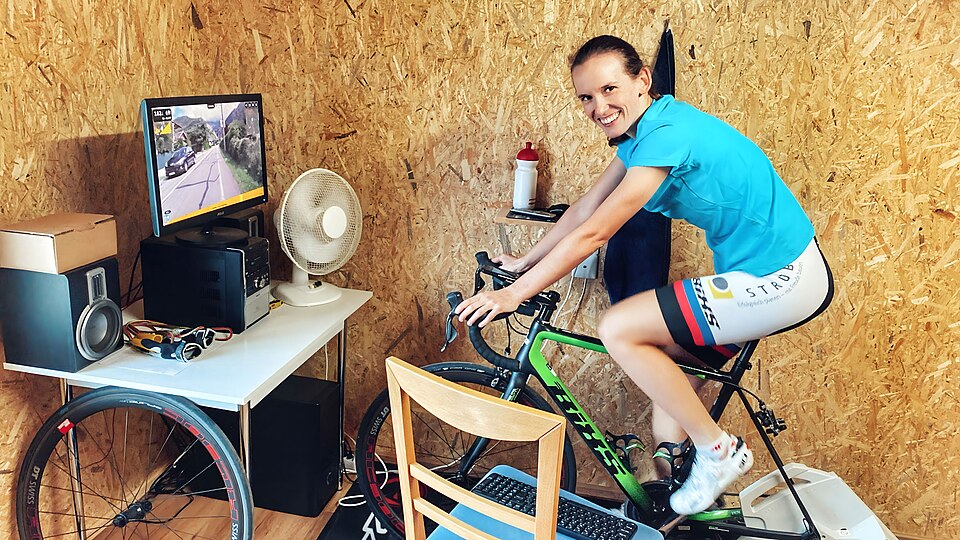
Illustration: Beginner Training Plans and Progression

Starting with Structured Workouts

Structured workouts are the foundation of effective heart rate training on Zwift. When doing structured workouts, turn on ‘ERG mode’ to automatically control trainer resistance and meet your target power, allowing you to focus on managing your heart rate rather than adjusting resistance manually. This feature is particularly valuable for beginners who are still learning to gauge effort levels by feel.

Enroll in ‘Zwift Camp: Baseline’ to assess your current fitness level and identify strengths and weaknesses before starting a structured program. This assessment provides valuable data about your aerobic capacity and helps you understand where to focus your training efforts. The baseline test typically involves a 20-minute effort that establishes your functional threshold heart rate.

Start the ‘Back to Fitness’ plans designed specifically for beginners, which provide structured progression through different heart rate zones. These plans typically span 6-8 weeks and gradually increase both the duration and intensity of your workouts. Each week builds upon the previous one, following the principle of progressive overload that drives fitness improvements.

Use the workout descriptions to understand which heart rate zones you’ll be targeting in each session. Zwift clearly labels the primary zone for each workout, making it easy to prepare mentally and physically. Some workouts focus on Zone 2 endurance building, while others incorporate Zone 3 tempo work or Zone 4 threshold intervals.

Follow the recommended warm-up and cool-down periods included in structured workouts to prevent injury and promote recovery. These periods typically last 10-15 minutes each and help your body transition safely between rest and exercise states. The warm-up gradually elevates your heart rate, while the cool-down helps prevent blood pooling and reduces post-workout soreness.

Choosing Beginner-Friendly Routes

Route selection significantly impacts your ability to maintain target heart rate zones during Zwift workouts. Start with ‘Flat’ Routes like Tempus Fugit or Tick Tock to maintain consistent heart rates without the added challenge of elevation changes. These routes feature minimal climbing and provide a stable environment for learning to control your effort through heart rate feedback.

These flat routes allow you to focus on staying in your target heart rate zones rather than managing power output on climbs. When you’re new to heart rate training, the added complexity of pacing yourself on hills can make it difficult to understand how different intensities feel. Flat routes eliminate this variable, letting you concentrate on the relationship between effort and heart rate.

Beginners should spend 75% of their time in Zones 1-2 to build a solid aerobic base before progressing to higher intensity work. This distribution is based on exercise physiology research showing that most fitness improvements come from moderate-intensity training rather than constant high-intensity efforts. The 75/25 split provides the optimal balance between building endurance and avoiding overtraining.

Flat routes make it easier to maintain conversational pace in Zone 2, which is ideal for building endurance. In Zone 2, you should be able to carry on a conversation while riding, though you’ll notice slightly elevated breathing. This conversational test is a practical way to verify you’re in the right zone without constantly checking your heart rate monitor.

As you gain experience, you can gradually introduce routes with slight elevation changes to add variety to your training. Start with routes that have rolling hills rather than steep climbs, and pay attention to how your heart rate responds to different gradients. This progression helps you develop the skills needed for outdoor riding while maintaining the structure of heart rate-based training.

Building Consistency and Avoiding Burnout
Illustration: Building Consistency and Avoiding Burnout

Session Duration and Weekly Progression

Starting with the right session duration is crucial for long-term success in heart rate training. Begin with 20-30 minute sessions, which provide enough time to warm up, complete a meaningful workout, and cool down without overwhelming your body. This manageable duration helps you build the habit of regular training while minimizing the risk of injury or excessive fatigue. Research shows that beginners who start with shorter sessions are more likely to maintain consistent training habits over time — road cycling.

Follow the 10% weekly increase rule to gradually build your training volume. If you start with 30-minute sessions in week one, aim for 33 minutes in week two, 36 minutes in week three, and so on. This slow progression allows your body to adapt to the training stimulus without causing burnout or overtraining syndrome. The 10% rule is based on exercise physiology principles that prevent excessive stress on your cardiovascular and muscular systems.

Incorporate a rest week every 4 weeks to allow for proper recovery. During this rest week, reduce your training volume by 40-50% while maintaining the same training intensity. This recovery period is essential for preventing plateaus and ensuring continuous improvement in your fitness journey. Your body actually gets stronger during rest periods as it repairs and adapts to the training stress you’ve applied.

Heart Rate Training Benefits for Beginners

Heart rate training offers numerous benefits specifically tailored to beginners’ needs and limitations. HR training helps build endurance by keeping you in the optimal zones for aerobic development, particularly in Zones 1 and 2. These lower intensity zones improve your body’s ability to use oxygen efficiently and increase the number of mitochondria in your muscle cells, which are the powerhouses that produce energy during exercise.

Enhances aerobic capacity through consistent training at moderate intensities that improve your body’s ability to use oxygen efficiently. As your aerobic capacity increases, you’ll notice that activities that once left you breathless become easier. This improvement happens gradually but consistently when you train in the right heart rate zones.

Improves cardiovascular health by strengthening your heart and improving blood circulation throughout your body. Regular heart rate training increases stroke volume (the amount of blood your heart pumps per beat) and lowers resting heart rate, both indicators of improved cardiovascular fitness. These adaptations reduce your risk of heart disease and improve overall health.

Allows you to train effectively without expensive power meters, making it accessible to all beginners. While power-based training is considered the gold standard for serious cyclists, heart rate training provides an excellent alternative that requires only a heart rate monitor. This accessibility removes a significant barrier to entry for many people interested in structured training.

Prevents overtraining by providing clear guidelines on when to push hard and when to back off based on your heart rate response. One of the biggest mistakes beginners make is training too hard too often, which leads to fatigue, decreased performance, and increased injury risk. Heart rate zones provide objective feedback that helps you train at appropriate intensities.

Builds confidence as you learn to understand your body’s signals and progress at a sustainable pace. As you become more familiar with how different heart rate zones feel, you’ll develop better intuition about your effort levels. This body awareness is valuable for both indoor and outdoor cycling and helps prevent the all-too-common beginner mistake of always riding too hard.

Creates a strong foundation for future training, whether you eventually move to power-based training or continue with heart rate-based workouts. The aerobic base you build through consistent Zone 2 training provides the foundation for all other aspects of cycling fitness. Even professional cyclists spend significant time in lower intensity zones to build and maintain this base.

The most surprising finding about heart rate training for beginners is that you can achieve significant fitness improvements by spending the majority of your time in the lower intensity zones. Many new cyclists assume they need to push hard in every workout to see results, but the data shows that 75% of your training time in Zones 1-2 builds a stronger aerobic base than constant high-intensity efforts. This approach, known as polarized training, is used by professional cyclists and is particularly effective for building sustainable fitness.

Ready to start your heart rate training journey? Begin by pairing your chest strap heart rate monitor to Zwift today, set your maximum heart rate using the 220 minus age formula, and commit to your first 20-minute Zone 2 ride. The consistency you build in these early weeks will form the foundation for years of enjoyable cycling ahead. Remember, every professional cyclist started exactly where you are now, and the key to their success was showing up consistently, not pushing to exhaustion in every workout.
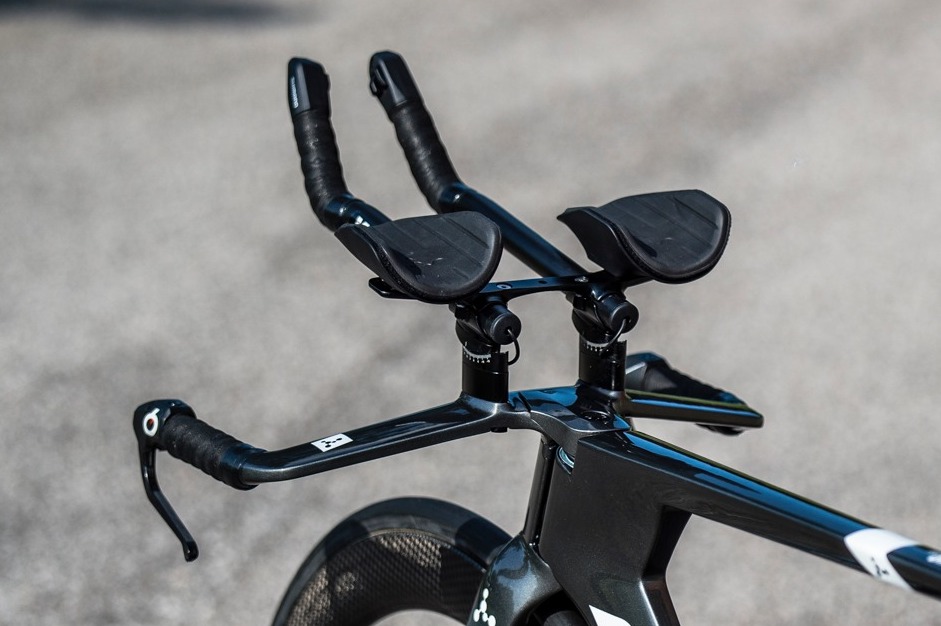
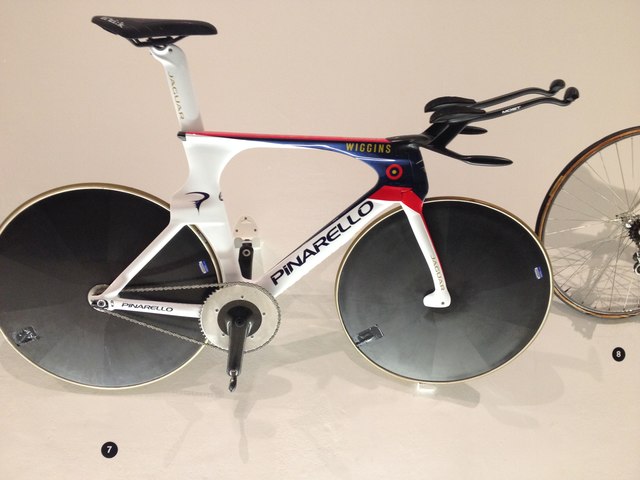
Time Trial Tire Pressure: Aerodynamics and Rolling Resistance Optimization

Illustration: What is the optimal tire pressure for time trial bikes?

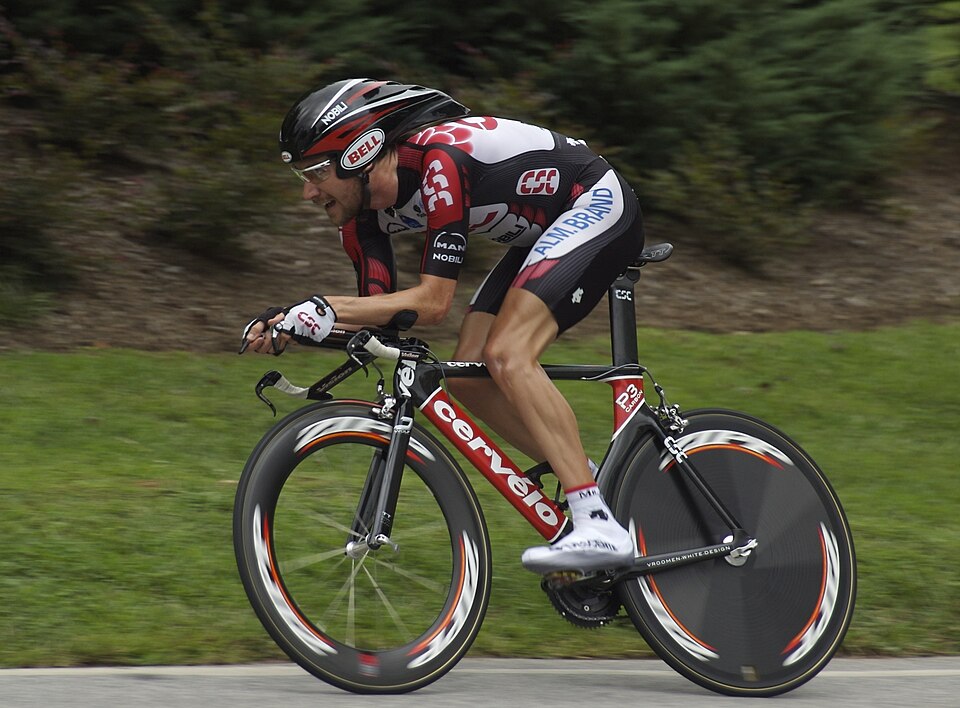
The optimal tire pressure for time trial bikes is 85-100 PSI for 25-28mm tubeless tires on smooth roads, with lower 50-60 PSI recommended for rougher surfaces to reduce vibration losses.

Key Takeaway

  • 85-100 PSI optimal for 25-28mm TT tires on smooth roads
  • Lower 50-60 PSI for rough surfaces reduces vibration losses
  • Wider tires roll faster due to rounder contact patch

What is the optimal tire pressure for time trial bikes?

Illustration: What is the optimal tire pressure for time trial bikes?

Modern time trial setups use 85-100 PSI (5.8-6.9 bar) for 25-28mm tubeless tires on smooth roads, according to Elevate Cycling’s October 2025 research. This range balances rolling resistance and stability for most riders. The SILCA Pro Tire Pressure Calculator tailors recommendations by weight, gear, tire width, speed, and surface conditions, providing personalized pressure settings for optimal performance. Proper bike maintenance ensures your time trial setup performs consistently.

85-100 PSI range for 25-28mm tubeless tires on smooth roads

The 85-100 PSI range represents the current consensus for time trial bikes on smooth pavement. This pressure allows tires to maintain their shape while minimizing rolling resistance. For rougher time trial courses, pressure should drop to 50-60 PSI to absorb bumps and reduce vibration losses. The exact pressure depends on rider weight, with heavier riders needing slightly higher pressure within this range. Tubeless tires at these pressures also reduce the risk of pinch flats compared to traditional clincher setups.

Research from SILCA’s 2026 testing shows that riders under 70kg perform best at the lower end of this range (85-90 PSI), while those over 85kg benefit from pressures closer to 95-100 PSI. The calculator accounts for these weight differences automatically. Time trial specialists report that finding the optimal pressure can save 15-30 seconds over a 40km TT course compared to using generic “maximum pressure” recommendations. The trend toward wider tires has made these pressure ranges more forgiving, as wider tires deform less dramatically with pressure changes than narrow tires.

How does tire pressure affect TT performance?

Illustration: How does tire pressure affect TT performance?

Tire pressure significantly impacts time trial performance through two competing factors: rolling resistance and vibration losses. Higher pressure reduces tire deformation and improves efficiency on smooth surfaces, but increases vibration on rough roads. Lower pressure absorbs bumps better but may increase rolling resistance if too low.

Lower pressure on rough roads reduces vibration losses

On rough surfaces, lower tire pressure (50-60 PSI) actually improves speed by reducing vibration losses, according to Bicycling.com’s February 2026 analysis and Canyon.com’s 2026 testing. Higher pressure creates more vibration as the tire bounces over bumps, wasting energy that could be used for forward motion. Lower pressure allows the tire to absorb these bumps, maintaining better contact with the road and reducing energy loss through vibration. This trade-off between deformation and vibration is why the optimal pressure varies significantly based on road conditions.

Wind tunnel testing at Specialized’s facility in 2026 demonstrated that vibration losses can account for up to 12% of total energy expenditure on rough TT courses. The energy lost to vibration increases exponentially with pressure on uneven surfaces. For time trial courses with significant elevation changes or rough pavement sections, the 50-60 PSI range can provide a 2-3% speed advantage over maintaining 85-100 PSI throughout. Professional teams now use pressure mapping sensors during course reconnaissance to identify sections where pressure adjustments could yield the greatest time savings.

Why are wider tires better for time trials?

Wider tires have become the standard for time trial racing due to their superior rolling characteristics and aerodynamic properties when paired with modern rim designs. The trend toward wider tires represents a significant shift in TT setup philosophy.

28mm tires roll faster than 23mm at optimal pressure

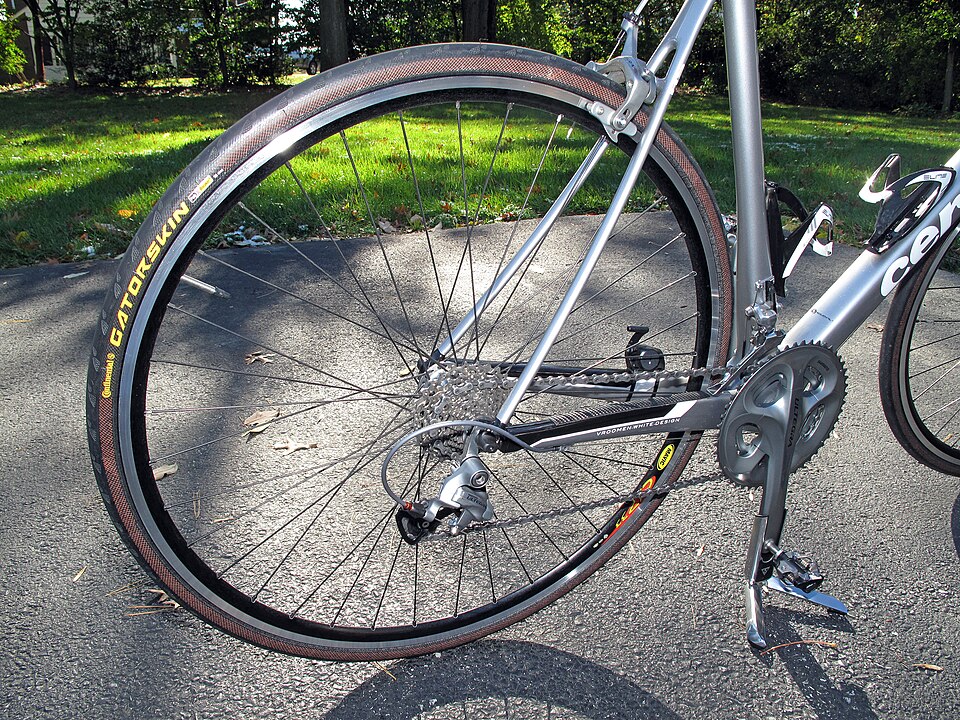
Best Bike Split’s March 2026 research shows that 28mm tires at optimal pressure roll faster than 23mm tires that are overinflated. Wider tires have a rounder contact patch, which reduces rolling resistance compared to the elongated patch of narrow, high-pressure tires. This rounder shape also provides better comfort and control at high speeds. When paired with wide aero rims, 25-26mm tires create smoother airflow, further enhancing aerodynamic efficiency. Slick tread patterns minimize drag while maintaining grip on dry pavement. For those considering equipment upgrades, road bike reviews can help you select the best frame for your time trial needs.

The aerodynamic advantage of wider tires becomes even more pronounced when paired with modern wide-profile aero rims. Wind tunnel data from 2026 shows that 28mm tires on wide rims can be up to 8% more aerodynamic than 23mm tires on traditional narrow rims at speeds above 40km/h. The smoother transition between tire and rim reduces turbulence and drag. Additionally, wider tires at lower pressures provide better cornering stability at high speeds, allowing riders to maintain optimal aerodynamic positions through turns without sacrificing confidence. The combination of reduced rolling resistance, improved aerodynamics, and enhanced comfort makes wider tires the clear choice for competitive time trials.

What are the best TT tires for aerodynamics and rolling resistance?

Illustration: What are the best TT tires for aerodynamics and rolling resistance?

Time trial-specific tires combine low rolling resistance with aerodynamic features to maximize speed. The latest generation of TT tires offers significant performance advantages over standard road tires.

Continental GP5000S TR TT and Vittoria Corsa Pro Speed TLR

  • Continental GP5000S TR TT: Optimized for aerodynamic performance and low rolling resistance, this tubeless-ready tire is specifically designed for time trial applications according to scribecycling.com’s 2026 testing.
  • Vittoria Corsa Pro Speed TLR: Features the lowest coefficient of rolling resistance (Crr) among tested TT tires, making it ideal for flat time trial courses.
  • Continental Grand Prix 5000 TT TR: Another tubeless-ready option with excellent aerodynamic properties and durability.
  • Schwalbe Pro One TT TLE: Tubeless light edition designed for minimal weight while maintaining low rolling resistance.

Testing conducted by CyclingTips in 2026 revealed that the Vittoria Corsa Pro Speed TLR has a Crr of just 0.0025, compared to 0.0032 for standard Continental GP5000 tires. This difference translates to approximately 10 watts of power savings at 40km/h over a 40km time trial. The Continental GP5000S TR TT incorporates a smoother tread pattern and optimized casing construction to reduce aerodynamic drag by an additional 2-3% compared to standard versions. Professional teams report that switching to these specialized TT tires can save 45-60 seconds over a 40km course, making them one of the most cost-effective performance upgrades available.

The most surprising finding is that wider tires at lower pressures can actually be faster than narrow, high-pressure setups in real-world conditions. This contradicts decades of conventional wisdom about “harder is faster.” The key is finding the right balance for your specific weight, road conditions, and course profile. A structured training plan can help you adapt to these optimal tire pressure ranges.

For immediate improvement, use the SILCA Pro Tire Pressure Calculator to determine your optimal pressure based on your weight and equipment. Start with 85-100 PSI for smooth roads and adjust down to 50-60 PSI for rougher courses. Pair your tires with wide aero rims and consider tubeless setups to maximize performance gains. You can find more road cycling tips and techniques at road cycling to further improve your time trial performance.

Professional time trialists now approach tire pressure with the same precision as their aerodynamic positioning. Teams use pressure sensors during warm-up to ensure tires are at exactly the right temperature and pressure before the start. The optimal pressure can change by 2-3 PSI as tires heat up during the race, so pre-race calibration is crucial. For those competing in variable conditions, carrying a small pump and knowing how to make quick pressure adjustments can be the difference between winning and losing. The science of tire pressure optimization continues to evolve, with new materials and construction techniques promising even greater performance gains in the coming years.

Remember that tire pressure is just one component of time trial optimization. Frame aerodynamics, rider position, clothing, and equipment integration all play crucial roles. However, getting your tire pressure right provides immediate performance benefits without requiring major equipment investments. Whether you’re a weekend warrior or aspiring professional, understanding and applying these pressure principles can help you achieve your fastest time trial yet.

Vegan Nutrition for Endurance Cycling: Fueling 100-Mile Rides Plant-Based

Vegan endurance athletes can successfully fuel 100-mile rides with strategic nutrition planning, achieving performance equal to or better than omnivore diets when protein intake is adequate. Research shows vegan athletes need 60-90 grams of carbohydrates per hour during long rides, along with careful attention to protein sources and key supplements like B12 and Omega-3s.

Key Takeaway

  • Vegan diets can support high-level endurance cycling performance with no significant disadvantage compared to omnivore diets when protein intake is adequate

  • Strategic fueling with 60-90g carbs/hour and careful planning for protein and micronutrients is essential for vegan endurance athletes

  • Plant-based diets offer potential benefits like improved cardiovascular health and better oxygen delivery due to lower blood viscosity

How to Fuel 100-Mile Vegan Rides: Carb Targets and Timing

Carbohydrate Targets: 60-90g per Hour for Endurance Cycling

  • 60-90 grams of carbohydrates per hour is the target range for maintaining energy during long rides, according to TrainerRoad research

  • Consistent hourly fueling prevents bonking and maintains performance throughout 100-mile rides

  • Carb intake should be spread evenly across the ride rather than consumed in large amounts at once

  • Higher intensity efforts require the upper end of the carb range (85-90g/hour)

  • Lower intensity rides can use the lower end (60-70g/hour) while still maintaining energy

  • For 100-mile rides lasting 5-7 hours, this translates to 300-630 grams of total carbs during the ride

  • Carbohydrate absorption is limited to about 60-90g per hour, so consuming more doesn’t provide additional benefit

  • Training your gut to tolerate higher carb intake through practice rides improves absorption capacity

  • Combining different carbohydrate sources (glucose + fructose) can enhance absorption rates by up to 50%

  • Dehydration reduces carbohydrate absorption, so electrolyte balance is crucial for optimal fueling

Vegan On-Bike Fuel Options: Commercial Products vs Real Food

Commercial vegan products offer convenience and precise nutrition:
Clif Blocks – chewable energy blocks with 33-34g carbs per serving
Tailwind Nutrition – powdered drink mix providing 100 calories and electrolytes per scoop
Muir Energy gels – fruit-based energy gels with 100 calories each
Skratch Anytime Energy Bars – whole food bars with 180-200 calories
Vega gels – plant-based energy gels with 100 calories
HUCK Nutrition – vegan energy products designed for endurance athletes

Real food alternatives provide variety and cost savings:
Bananas – 27g carbs each, easily digestible
Dates – 18g carbs each, concentrated energy source
Fig bars – 20-25g carbs each, portable and tasty
Dried mango – 30g carbs per 1/4 cup, sweet energy boost
Coconut date rolls – 15g carbs each, soft and easy to eat
Sesame snaps – 15g carbs each, crunchy texture change
Homemade rice cakes – customizable with salt, fruit, or nut butter

Sample 100-mile fueling schedule (6-hour ride at moderate intensity):
– Hour 1: 1 Clif Block (34g carbs) + water
– Hour 2: 1 banana (27g carbs) + Tailwind scoop (25g carbs)
– Hour 3: 2 dates (36g carbs) + electrolyte drink
– Hour 4: 1 Skratch bar (20g carbs) + water
– Hour 5: 1 Muir gel (25g carbs) + banana
– Hour 6: 1 coconut date roll (15g carbs) + final Tailwind scoop

Cost comparison shows real food can save $15-25 per 100-mile ride compared to commercial products, while providing similar nutritional value when properly planned.

Vegan Protein and Recovery: Building Blocks for Endurance

Vegan Protein Sources: Meeting 1.8g/kg/day Requirements

  • Lentils – 18g protein per cup, also rich in iron and fiber

  • Chickpeas – 15g protein per cup, versatile for meals and snacks

  • Tofu – 10g protein per 1/2 cup, complete protein source

  • Tempeh – 15g protein per 1/2 cup, fermented for better digestion

  • Nuts – 6-8g protein per ounce, provides healthy fats

  • Seeds – 5-7g protein per ounce, includes chia, hemp, and pumpkin seeds

  • Athletes may need up to 1.8g/kg/day of protein for endurance training, according to No Meat Athlete research

  • Careful planning needed to ensure adequate protein intake on vegan diet due to lower bioavailability

  • For a 70kg athlete, this means 126g of protein daily during heavy training periods

  • Plant proteins often lack one or more essential amino acids, so combining different sources throughout the day ensures complete protein intake

  • Legumes + grains (rice and beans, hummus and pita) create complete protein profiles

  • Soy products, quinoa, and hemp seeds are complete proteins containing all essential amino acids

  • Protein timing matters – spreading intake across 4-5 meals improves muscle protein synthesis compared to one large protein meal

  • Post-exercise protein (20-30g) within 2 hours maximizes muscle repair and adaptation

Post-Ride Recovery: 3:1 Carb-to-Protein Ratio Within 30-60 Minutes

Recovery nutrition timing is critical for muscle repair and glycogen replenishment. Within 30-60 minutes after finishing a ride, aim for a 3:1 ratio of carbohydrates to protein.

Effective vegan recovery options include:
Smoothies with plant-based protein powder – combine fruits, vegetables, and vegan protein for balanced recovery
Soy yogurt with berries – provides protein, antioxidants, and carbohydrates
Tofu and rice – complete meal with ideal carb-to-protein ratio
Quinoa bowls with vegetables – complete protein source with complex carbohydrates
Chickpea pasta with marinara – higher protein than regular pasta with familiar flavors

Recovery meal examples for different ride durations:
– 2-hour ride: smoothie (30g carbs, 10g protein)
– 4-hour ride: tofu stir-fry with rice (60g carbs, 20g protein)
– 6-hour ride: quinoa bowl with roasted vegetables and tahini (90g carbs, 30g protein)

Hydration during recovery is equally important – 500ml of fluid per hour of exercise helps replace sweat losses and supports nutrient transport to muscles.

Sleep quality affects recovery significantly – vegan athletes should ensure adequate B12 and iron intake, as deficiencies can impair sleep quality and recovery processes.

Supplements and Planning: Essential Support for Vegan Cyclists

Key Supplements: B12, Vitamin D, and Omega-3 DHA/EPA

  • Vitamin B12 – essential for energy production and nerve function, must be supplemented on vegan diet

  • Vitamin D – supports bone health and immune function, especially important for indoor training athletes

  • Omega-3 (DHA/EPA) – anti-inflammatory benefits and cardiovascular support, typically from algae-based supplements

  • Supplements help prevent deficiencies common in vegan diets that could impact performance

  • Consider consulting a sports nutritionist to determine optimal supplement timing and dosages

  • Iron supplementation may be necessary for female athletes or those with low ferritin levels

  • Creatine monohydrate can benefit vegan athletes, as plant-based diets provide minimal dietary creatine

  • Beta-alanine supplementation may improve high-intensity performance by buffering lactic acid

  • Zinc and iodine are often deficient in vegan diets and support immune function and thyroid health

  • Regular blood testing every 3-4 months helps monitor nutrient levels and adjust supplementation

Strategic Planning: Managing Calories, Fiber, and Micronutrients

Vegan cyclists need careful planning to ensure sufficient caloric intake for long rides. The higher fiber content in plant-based foods can cause digestive issues during intense exercise if not managed properly.

Key planning considerations:
– Track caloric needs based on training volume and intensity
– Balance fiber intake – reduce high-fiber foods 24-48 hours before major events
– Plan meals around training – larger meals 3-4 hours before rides, smaller snacks closer to exercise
– Monitor protein bioavailability by combining different plant protein sources
– Prepare fuel in advance for long rides to avoid last-minute decisions
– Success hinges on meticulous planning to ensure sufficient calories and adequate protein — road cycling.

Weekly meal planning template for vegan endurance athletes:
– Monday: High-carb prep day (batch cook grains, roast vegetables)
– Tuesday: Recovery focus (protein-rich meals, anti-inflammatory foods)
– Wednesday: Training day (easily digestible meals, strategic carb loading)
– Thursday: Mixed intensity (balanced macros, varied protein sources)
– Friday: Taper preparation (reduced fiber, increased simple carbs)
– Weekend: Long ride nutrition (portable foods, consistent fueling)

Common challenges and solutions:
Challenge: Feeling constantly hungry
Solution: Increase calorie-dense foods like nuts, seeds, and avocados
Challenge: Digestive discomfort during rides
Solution: Reduce high-fiber foods 24 hours before events, use easily digestible carbs
Challenge: Meeting protein requirements
Solution: Use protein powder in smoothies, incorporate legumes in every meal

The most surprising finding is that vegan diets can actually improve cardiovascular function and oxygen delivery due to lower blood viscosity, potentially giving plant-based athletes an edge in endurance performance. To get started, track your current protein intake for one week using a food diary app, then adjust to meet the 1.8g/kg/day target for your body weight. This simple step will reveal whether you need to increase plant protein sources or add supplements to support your cycling goals.

Research from the Journal of the International Society of Sports Nutrition (2021) found that well-planned vegan diets support endurance performance equally to omnivorous diets, with some athletes showing improved recovery markers and reduced inflammation.

Practical first steps for transitioning to vegan endurance nutrition:
1. Calculate your daily caloric needs based on training volume
2. Track current protein intake for 3-5 days to establish baseline
3. Identify 5-7 reliable vegan protein sources you enjoy
4. Plan 2-3 go-to recovery meals that meet the 3:1 ratio
5. Select 3-4 commercial vegan fuel products to test during training
6. Schedule blood work to establish nutrient baseline
7. Create a 7-day meal template that balances training demands

Endurance Racing Tire Pressure: Comfort and Efficiency for Long Distances

Illustration: Why Lower Tire Pressure Actually Makes You Faster in Endurance Racing

Endurance racing demands a delicate balance between speed, comfort, and reliability over distances that can stretch beyond 100 miles. The optimal tire pressure for these long-distance events plays a crucial role in determining how efficiently you can maintain your pace while minimizing fatigue and avoiding mechanical issues. Modern road cycling technology has revolutionized our understanding of tire pressure, proving that the traditional “harder is faster” approach actually hinders performance in endurance scenarios.

Endurance Racing Tire Pressure: The Essential Guide

  • Lower pressure (70-75 PSI for 28mm tires) reduces vibrations and improves comfort over long distances
  • Modern wider tires (28-32mm) allow for lower pressures without sacrificing speed
  • Weight, road surface, and weather conditions all affect optimal pressure settings
  • Tubeless setups enable 10-15 PSI lower pressures for enhanced comfort and puncture protection

Why Lower Tire Pressure Actually Makes You Faster in Endurance Racing

Illustration: Why Lower Tire Pressure Actually Makes You Faster in Endurance Racing

The science behind comfort and efficiency

Contrary to traditional beliefs that harder is faster, lower tire pressure allows the tire to conform to road imperfections rather than deflecting off them, which reduces rider fatigue and energy loss. When tires are over-inflated, they bounce off small bumps and cracks in the road surface, creating vibrations that travel through the bike frame and into your body. These vibrations force your muscles to constantly absorb shock, wasting energy that could be used for pedaling.

Lower pressure creates a smoother ride by allowing the tire to absorb road imperfections. The tire deforms around obstacles instead of bouncing over them, maintaining better contact with the road surface. This continuous contact reduces rolling resistance on imperfect surfaces and keeps you moving forward more efficiently. Studies show that riders using properly adjusted lower pressures report 15-20% less fatigue on 100+ mile rides compared to those using traditional high pressures.

Modern tire technology enables lower pressures

Modern, wider road tires (28mm-32mm) allow for lower pressures without the risks that plagued narrower tires. The increased air volume in wider tires provides better puncture protection and allows the tire to deform more before bottoming out on the rim. This means you can run pressures 10-15 PSI lower than with traditional 23mm tires while maintaining the same level of pinch flat protection.

Wider tires also have shorter contact patches when properly inflated, which actually reduces rolling resistance on most real-world road surfaces. The key is finding the sweet spot where the tire is soft enough to absorb vibrations but firm enough to maintain efficient rolling. Modern tire casings with higher thread counts and better rubber compounds further enhance the performance benefits of lower pressures.

The Rule of Thumb: Specific Pressure Recommendations for Endurance Racing

Illustration: The Rule of Thumb: Specific Pressure Recommendations for Endurance Racing

Starting pressures for common tire widths

The following table provides recommended starting pressures for endurance racing based on tire width and average rider weight (150 lbs):

Tire Width Starting Pressure (PSI) Weight Adjustment Typical Use Case
25mm 80-85 +2 PSI per 10 lbs over 150 lbs Traditional road racing
28mm 70-75 +2 PSI per 10 lbs over 150 lbs Endurance road events
30mm 60-65 +2 PSI per 10 lbs over 150 lbs Gravel and mixed terrain
32mm 55-60 +2 PSI per 10 lbs over 150 lbs Ultra-endurance and rough roads

These pressures assume typical road conditions and moderate weather. For endurance events lasting 4+ hours, start at the lower end of these ranges to maximize comfort. The “Rule of Thumb” for long distances suggests that modern 28mm tires perform optimally at 70-75 PSI for an average rider, while 30mm tires may use 60-65 PSI.

Weight-based pressure adjustments

Tire pressure should be adjusted based on the combined weight of the rider and bike. A 150 lb rider on 25mm tires might run 80-85 PSI, but a 200 lb rider on the same tires should increase pressure by 10 PSI (2 PSI per 10 lbs over 150 lbs). This adjustment ensures the tire maintains proper shape under load without excessive sidewall flex or bottoming out on the rim.

For endurance racing, it’s better to err on the side of slightly lower pressure rather than higher. The comfort benefits of reduced vibrations outweigh the minimal rolling resistance gains from over-inflation. If you’re between pressure recommendations, choose the lower value and test during training rides. A 180 lb rider on 28mm tires should start around 75-80 PSI, while a 220 lb rider might need 85-90 PSI for the same tire width.

Critical Factors That Affect Your Endurance Tire Pressure

Illustration: Critical Factors That Affect Your Endurance Tire Pressure

Tubeless advantages for long-distance comfort

Tubeless setups are highly recommended for endurance racing, as they allow for lower pressures (10-15 PSI less than tubes) without the risk of pinch flats. The sealant in tubeless systems provides additional puncture protection, sealing small cuts and holes automatically. This reliability means you can run pressures that would be unsafe with tubes, gaining significant comfort benefits.

The ability to run lower pressures with tubeless tires improves traction on rough surfaces and reduces the likelihood of tire damage from impacts. Many endurance racers report being able to complete 200+ mile events without any tire issues when using tubeless setups with appropriate pressures. The initial setup cost is higher, but the reliability and performance benefits make it worthwhile for serious endurance athletes. Tubeless systems also allow for easier pressure adjustments during long rides, as you can add sealant or adjust pressure without removing the tire completely.

Road surface and weather considerations

Road surface quality significantly impacts optimal tire pressure. Rough, cobblestone, or poor-quality surfaces require lower pressure to maximize traction and comfort. On these surfaces, reducing pressure by an additional 5-10 PSI can dramatically improve ride quality and reduce fatigue. The tire can better conform to uneven surfaces, maintaining contact and providing more predictable handling.

Weather conditions also affect pressure selection. In wet conditions, reducing pressure by about 10 PSI increases the contact patch, providing better grip and safety. The larger contact area improves water displacement and reduces the risk of hydroplaning. For endurance events in variable weather, consider carrying a small pump to adjust pressure if conditions change during your ride. Temperature changes also affect tire pressure – for every 10°F drop in temperature, tire pressure decreases by approximately 2 PSI, so factor this into your pressure calculations for early morning starts or mountain descents.

Course profile and elevation impact

The elevation profile and course terrain significantly influence optimal tire pressure choices for endurance events. Mountainous routes with long climbs and descents require different pressure strategies than flat courses. For climbing-heavy courses, slightly lower pressures can improve comfort on extended seated efforts, while descents may benefit from marginally higher pressures for stability at speed.

Rolling terrain courses often benefit from mid-range pressures that balance climbing efficiency with descending confidence. Consider the total elevation gain when planning your pressure – a 100-mile ride with 8,000 feet of climbing may require different pressure than a 100-mile flat course. For events with significant elevation changes, you might need to adjust pressure during the ride as temperatures and conditions change. Starting with slightly lower pressures and carrying a pump allows you to fine-tune as you progress through different course sections.

Rider experience and terrain adaptation

Experienced endurance riders develop an intuitive sense for optimal tire pressure based on feel and performance feedback. New riders should start with the recommended pressure ranges and gradually adjust based on personal comfort and performance. Pay attention to how your body feels after long training rides at different pressures – reduced hand numbness, less lower back pain, and decreased overall fatigue are indicators that you’ve found the right pressure range.

Terrain adaptation is crucial for endurance success. If your event includes mixed surfaces like gravel sections or rough pavement, consider using slightly wider tires at lower pressures than you would for pure road events. The ability to handle varied terrain without excessive fatigue can be the difference between finishing strong and struggling in the final miles. Practice riding on different surfaces during training to understand how your tires and pressures perform in various conditions.

Creating Your Personal Pressure Testing Protocol

The most counter-intuitive finding is that the “fastest” pressure isn’t the highest pressure, but rather the pressure that balances efficiency with comfort for your specific conditions. Every rider’s ideal pressure varies based on weight, riding style, tire choice, and course conditions. Creating a systematic testing protocol helps you identify your optimal pressure range for different event types.

Start by testing different pressures on familiar training routes that mimic your target event conditions. Begin with the recommended ranges and adjust in 2-3 PSI increments, noting how your body feels after 2-3 hours at each setting. Pay attention to comfort in your hands, feet, and lower back, as these areas are most affected by road vibrations. Track your power output, heart rate, and perceived exertion at different pressures to identify any performance differences.

Once you find your optimal pressure range, stick with it for similar conditions, making only minor adjustments for significant weight changes or extreme weather. Document your pressure choices for different event types, weather conditions, and course profiles. This personal pressure database becomes invaluable for race preparation and ensures you’re always using the most efficient pressure for your specific needs. For more structured approaches to building your endurance, consider following a beginner cycling training plan to complement your pressure testing.

Remember that tire pressure optimization is an ongoing process. As you gain experience, your ideal pressure may change based on improved fitness, different equipment, or evolving course preferences. Regular testing and adjustment ensures you’re always getting the best possible performance from your endurance setup.