Vegan Cycling Nutrition: Plant-Powered Performance Fuel

Vegan cyclists can achieve peak performance by focusing on plant-based whole foods that provide sustained energy, support muscle repair, and aid recovery. The key is a balanced intake of complex carbohydrates, plant-based proteins, and healthy fats, alongside adequate hydration and essential micronutrients.

Key Takeaway

  • Vegan cyclists need 1.2-1.8g protein per kg body weight daily for optimal performance

  • Plant-based recovery requires 3:1 carb-to-protein ratio within 30-60 minutes post-ride

  • High-carb vegan diet maximizes glycogen stores for sustained energy during long rides

Daily Protein Requirements for Vegan Cyclists

2-1.8g per kg body weight for optimal muscle repair

Vegan cyclists should aim for 1.2-1.8 grams of protein per kilogram of body weight daily to support muscle repair and recovery. Athletes undergoing heavy training may need to increase this to 2.5-3 grams per kg of body weight to meet the demands of intense workouts. Each meal should ideally contain around 20 grams of protein to ensure consistent amino acid availability throughout the day. Protein timing is crucial – spreading protein intake across meals helps maintain muscle protein synthesis and supports recovery between training sessions.

The timing of protein consumption significantly impacts muscle recovery and adaptation. Research shows that consuming protein within 30-60 minutes post-exercise maximizes muscle protein synthesis rates. For vegan cyclists, this means having a protein-rich snack or meal ready after every training session. Additionally, distributing protein intake evenly across 4-5 meals throughout the day maintains elevated muscle protein synthesis compared to consuming most protein in one or two large meals.

30g+ protein in each meal supports recovery

  • Post-ride protein: Consume 30g+ of protein within 30-60 minutes after finishing a ride to initiate muscle repair. This timing takes advantage of the “anabolic window” when muscles are most receptive to nutrient uptake.

  • Every meal: Include protein in every meal – breakfast, lunch, dinner, and snacks. This ensures steady amino acid availability for muscle maintenance and prevents muscle breakdown during recovery periods.

  • Recovery window: The 30-60 minute post-ride window is critical for replenishing glycogen stores and starting muscle repair. During this period, muscles are primed to absorb nutrients efficiently.

  • Pre-sleep protein: Consuming 30-40g of protein before bed, particularly from slowly digested sources like tofu or pea protein, supports overnight muscle repair and recovery.

Plant-Based Protein Sources for Cyclists

Legumes, soy, and grains provide complete protein

  • Legumes: Lentils, beans, chickpeas, and edamame provide 15-25g protein per cup with fiber and complex carbs. These foods also contain iron, zinc, and B vitamins essential for energy metabolism and oxygen transport during cycling.

  • Soy products: Tofu offers 10g protein per 100g, tempeh provides 19g per 100g, and soy milk contains 8g per cup. Soy is unique among plant proteins as it contains all essential amino acids in proportions similar to animal proteins.

  • Grains: Quinoa delivers 8g protein per cup and is a complete protein source, while oats provide 6g per cup with sustained energy. Combining grains with legumes creates complementary protein profiles that enhance amino acid availability.

  • Seitan: Made from wheat gluten, seitan provides 25g protein per 100g and has a meaty texture that makes it versatile for various dishes. It’s particularly useful for cyclists transitioning from omnivorous diets.

Nuts, seeds, and protein powders for convenience

  • Nuts and seeds: Walnuts provide 4g protein per ounce plus omega-3s, chia seeds offer 5g per ounce with fiber, hemp seeds deliver 10g per 3 tablespoons. These foods provide healthy fats that support hormone production and reduce inflammation.

  • Plant-based powders: Pea protein provides 20-25g protein per scoop, soy protein offers 20-27g, rice protein delivers 15-20g, hemp protein provides 15g with additional nutrients. These powders offer convenient post-ride recovery options when whole food preparation isn’t practical.

  • Vegan protein bars: Veloforte Mocha and Forza protein bars offer convenient 20g+ protein options for on-the-go fueling. These bars combine protein with carbohydrates for balanced energy during long rides.

  • Nutritional yeast: Provides 8g protein per 2 tablespoons plus B vitamins, particularly B12 when fortified. This deactivated yeast adds a cheesy flavor to dishes and helps meet micronutrient needs common in vegan diets.

Energy and Recovery Strategies for Vegan Cyclists

3:1 carb-to-protein ratio for post-ride recovery

The optimal post-ride recovery formula is a 3:1 carbohydrate-to-protein ratio. This means consuming 20-30g of plant protein with 50g+ carbohydrates within 30-60 minutes after finishing a ride. This ratio ensures rapid glycogen replenishment and effective muscle protein synthesis. A recovery drink like High5 Plant-Based Recovery Drink or a homemade smoothie with banana, berries, kale, protein powder, and flaxseed provides the perfect balance. This timing is crucial because muscles are most receptive to nutrient uptake immediately after exercise — road cycling.

Recovery nutrition extends beyond the immediate post-ride window. The first 24 hours after intense training are critical for muscle repair and glycogen restoration. During this period, vegan cyclists should focus on consuming complex carbohydrates every 2-3 hours to maximize glycogen storage. Including antioxidant-rich foods like berries, leafy greens, and colorful vegetables helps reduce exercise-induced oxidative stress and inflammation, potentially accelerating recovery between training sessions.

60-90g carbs per hour for rides over 2 hours

  • Long ride fueling: Aim for 60-90 grams of carbohydrates per hour during rides lasting over 2 hours to maintain energy levels. This carbohydrate intake prevents glycogen depletion and maintains blood glucose levels, which is crucial for sustained performance.

  • High-carb diet: A high-carbohydrate vegan diet maximizes glycogen stores, which are the primary fuel source for endurance cycling. Vegan athletes often naturally consume more carbohydrates due to the emphasis on whole plant foods.

  • Complex carbs: Focus on complex carbohydrates like oats, brown rice, sweet potatoes, and whole-wheat pasta for sustained energy release. These foods provide steady glucose availability and help prevent energy crashes during long rides.

  • Carb loading: For events lasting longer than 90 minutes, increasing carbohydrate intake to 8-12g per kg body weight 24-48 hours before the event maximizes glycogen stores. This strategy is particularly effective for vegan athletes due to the high carbohydrate content of plant-based diets.

Micronutrient Considerations for Vegan Cyclists

Iron and B12 for oxygen transport and energy

  • Iron sources: Lentils, chickpeas, quinoa, and fortified cereals provide plant-based iron, though it’s less bioavailable than animal sources. Pairing iron-rich foods with vitamin C sources like citrus fruits or bell peppers enhances absorption by up to 300%.

  • B12 supplementation: Essential for nerve function and red blood cell formation, B12 is found almost exclusively in animal products. Vegan cyclists should supplement with 25-100mcg daily or consume fortified foods to prevent deficiency-related fatigue and anemia.

  • Absorption strategies: Consuming iron and B12 supplements separately from calcium-rich foods or supplements improves absorption, as calcium can inhibit iron uptake. Taking supplements with vitamin C further enhances iron absorption.

Omega-3s and zinc for inflammation and immunity

  • Omega-3 sources: Flaxseeds, chia seeds, hemp seeds, and walnuts provide ALA omega-3s, though conversion to EPA and DHA is limited. Vegan athletes may benefit from algae-based DHA supplements (200-300mg daily) to support recovery and reduce exercise-induced inflammation.

  • Zinc sources: Pumpkin seeds, cashews, almonds, and legumes provide zinc, which supports immune function and protein synthesis. Soaking legumes and grains before cooking reduces phytate content, improving zinc bioavailability.

  • Antioxidant-rich foods: Berries, leafy greens, and colorful vegetables provide antioxidants that combat exercise-induced oxidative stress. These foods support recovery and may reduce muscle soreness between training sessions.

Hydration and Electrolyte Strategies

Fluid intake beyond water

  • Daily hydration: Aim for 30-40ml of fluid per kg body weight daily, plus additional fluids to replace sweat losses during exercise. For a 70kg cyclist, this means 2.1-2.8 liters baseline plus exercise replacement.

  • Coconut water: Provides natural electrolytes including potassium, sodium, and magnesium. One cup contains approximately 600mg potassium, making it useful for rehydration after moderate rides.

  • Electrolyte timing: For rides lasting over 60 minutes, consume electrolyte drinks containing 300-500mg sodium per liter to replace sweat losses and maintain fluid balance. This prevents hyponatremia and supports optimal performance.

Pre-ride hydration protocols

  • 24-hour preparation: Begin increasing fluid intake 24 hours before long rides or events. This ensures optimal hydration status and allows time for proper fluid balance without causing frequent urination during the ride.

  • Pre-ride meal: Consume 500-600ml of fluid with your pre-ride meal 2-3 hours before exercise. This allows time for absorption and reduces the need for bathroom stops during the early stages of the ride.

  • Warm-up hydration: Drink 200-300ml of water or sports drink 10-20 minutes before starting your ride to top off hydration stores without causing stomach discomfort.

The most surprising finding is that vegan cyclists can achieve the same performance levels as non-vegan athletes when following proper nutrition strategies. The key is meeting protein requirements through diverse plant sources and timing carbohydrate intake correctly. A specific action step: start tracking your protein intake using a food diary app for one week to ensure you’re meeting the 1.2-1.8g per kg body weight target. This simple monitoring can reveal gaps in your nutrition and help optimize your cycling performance through better fueling strategies.

road cycling provides comprehensive information about professional cycling training and nutrition strategies that complement these vegan-specific guidelines.
Cold Climate Tire Pressure: Winter Riding Strategies

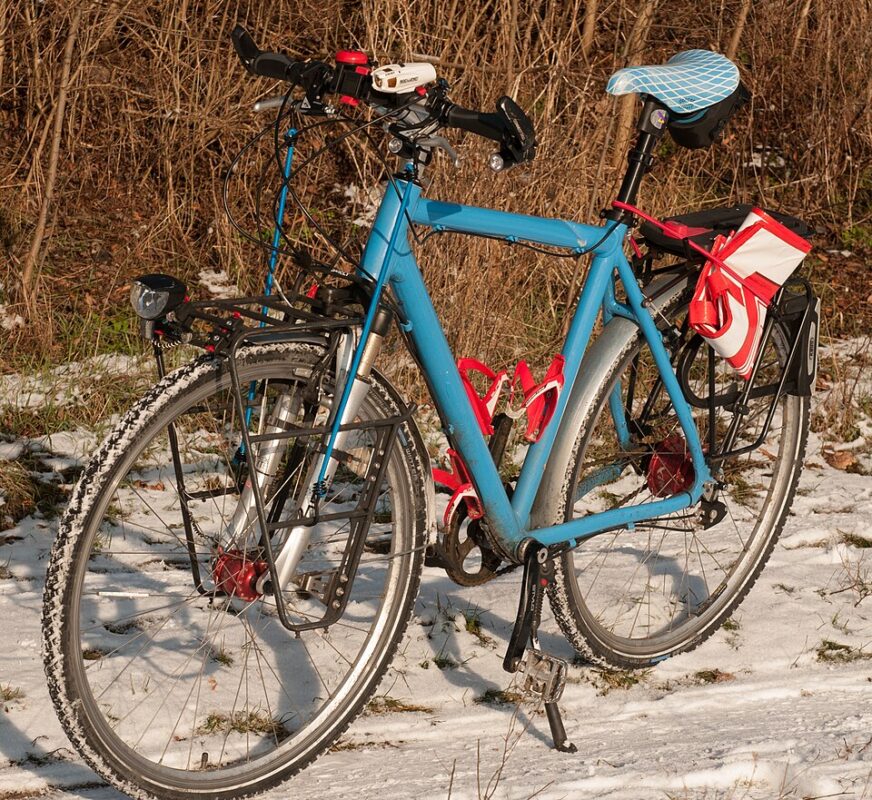
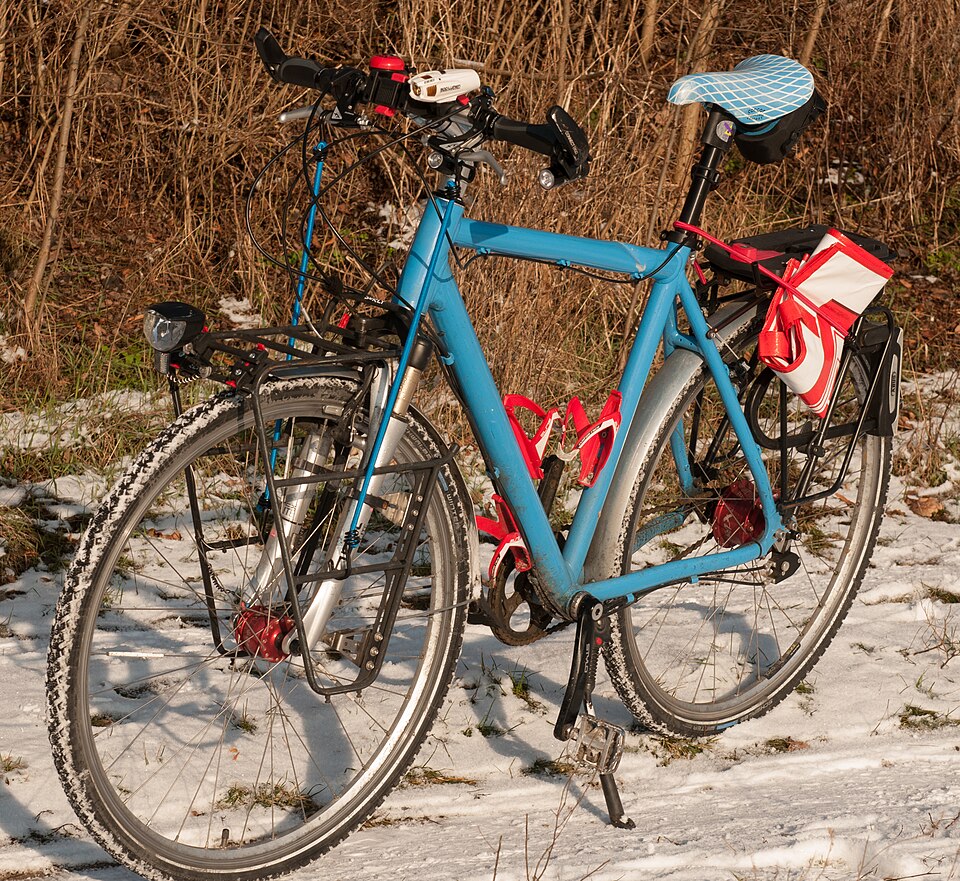
Illustration: How to Adjust Tire Pressure for Winter Riding

Winter riding in cold climates requires specific adjustments to tire pressure to ensure safety, comfort, and traction. Based on general winter cycling protocols, tire pressure should generally be lowered by 5-10 PSI (or roughly 0.3 bar) compared to summer settings. This adjustment increases the tire’s contact patch with the ground, providing better grip on wet, icy, or snow-covered surfaces.

Key Takeaway

  • Lower tire pressure by 5-10 PSI (0.3 bar) for winter riding to improve traction on cold, icy surfaces

  • Tire pressure drops 1-2 PSI for every 10°F (5.5°C) decrease in temperature

  • Use wider tires (28mm-30mm) in winter for better comfort and grip at lower pressures

  • Check tire pressure more frequently in cold weather as it naturally decreases

  • Avoid overinflation in winter as cold surfaces require more contact area for traction

How to Adjust Tire Pressure for Winter Riding

Illustration: How to Adjust Tire Pressure for Winter Riding
  • Lower for Traction: Tire pressure should generally be lowered by 5-10 PSI (or roughly 0.3 bar) compared to summer settings. This reduction allows the tire to deform more easily, increasing the contact patch with the ground and providing better grip on slippery surfaces.

  • Contact Patch Benefits: Lower pressure creates a larger contact area between the tire and road surface. This increased contact improves traction on wet, icy, or snow-covered roads where maximum grip is essential for safety.

  • Comfort Improvements: Softer tires absorb more road vibrations and bumps, making winter rides more comfortable. This is particularly important when riding on rough, debris-covered winter roads.

  • Pinch Flat Prevention: While lower pressure might seem to increase pinch flat risk, using wider tires (28mm-30mm) allows you to run lower pressures safely without bottoming out on obstacles.

  • Overinflation Risks: Avoid overinflating tires in winter. Cold, icy surfaces require a higher contact area for traction, which is lost when tires are hard. Hard tires can skate across ice rather than grip it.

Temperature Effects: PSI Drops 1-2 Per 10°F Decrease

Understanding how temperature affects tire pressure is crucial for winter riding. Air density increases in the cold, causing tire pressure to drop by approximately 1-2 PSI for every 10°F (5.5°C) decrease. This means a tire inflated to 100 PSI at room temperature could drop to 90-95 PSI when riding in freezing conditions.

Regular Pressure Checks: You’ll need to check tire pressure more frequently in winter. What feels adequately inflated in your warm garage may be significantly underinflated once you hit the cold air. Always check pressure before heading out, not after your ride when tires have warmed up.

Storage Considerations: If storing your bike in a warm place but riding in the cold, slightly overinflate before heading out to compensate for the pressure drop when you move into the cold air. This pre-adjustment helps maintain optimal pressure throughout your ride.

Morning vs Afternoon Riding: Tire pressure can vary significantly between morning and afternoon rides, even in the same temperature. Morning air is typically colder and denser, causing lower pressure readings. Adjust accordingly based on when you plan to ride.

Pressure Gauge Accuracy: Cold temperatures can affect pressure gauge accuracy. Digital gauges may give slightly different readings in extreme cold compared to room temperature. Consider this when making fine adjustments to your tire pressure.

Winter Tire Selection and Setup

Illustration: Winter Tire Selection and Setup

Wider Tires: 28mm-30mm for Cold Weather Comfort

  • Increased Volume Benefits: Wider tires (28mm-30mm) provide more air volume, allowing you to run lower pressures safely without risking pinch flats. The extra volume acts as a cushion against road irregularities.

  • Better Traction: Wider tires create a larger contact patch even at the same pressure as narrower tires. This increased contact area provides better grip on slippery winter surfaces.

  • Comfort Advantages: The larger air volume in wider tires absorbs more road vibrations and impacts, making winter rides significantly more comfortable, especially on rough, debris-covered roads.

  • Debris Resistance: Wider tires are less likely to get caught in cracks, potholes, or road debris that’s common in winter. Their larger footprint helps them roll over obstacles more easily.

  • Versatility: 28mm-30mm tires work well across various winter conditions, from wet roads to light snow. They provide a good balance between speed and traction for most winter riding scenarios.

Studded and Winter-Specific Tire Options

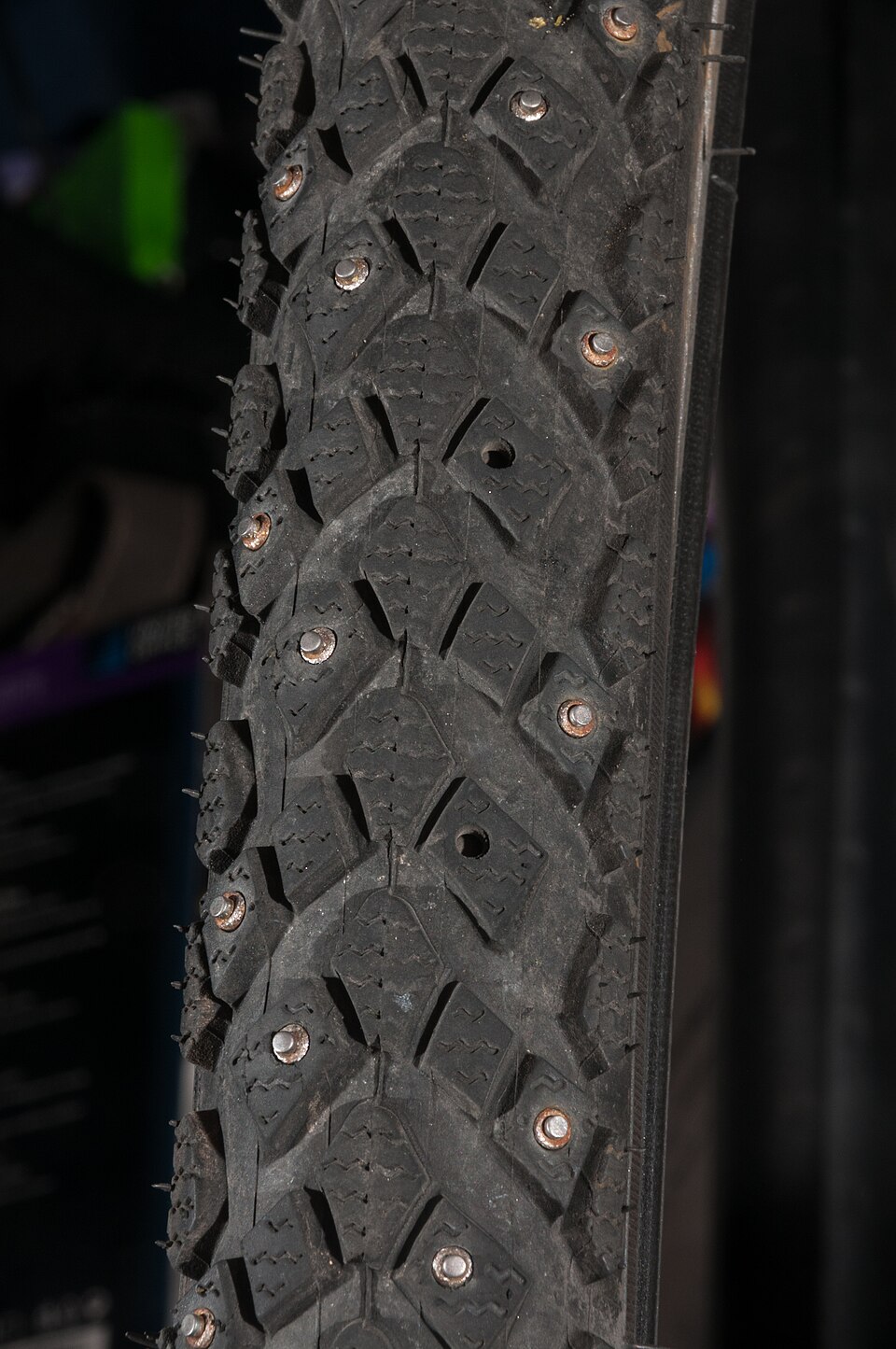
For extreme winter conditions, specialized tires can provide additional security. Gear Selection: Use tires with extra puncture protection or dedicated winter/studded tires for added security in freezing conditions. These tires feature reinforced casings and specialized tread patterns designed for cold weather performance.

Studded Tire Benefits: Studded tires contain metal or carbide studs that bite into ice, providing traction that standard tires cannot achieve. They’re essential for riding on frozen lakes, icy bike paths, or during severe ice storms.

Winter Compound Technology: Many winter-specific tires use rubber compounds that remain flexible in cold temperatures. Standard tire rubber can harden in freezing conditions, reducing grip. Winter compounds maintain their elasticity, preserving traction.

Puncture Protection: Winter roads often contain more debris, including broken glass, sharp ice shards, and road salt crystals. Tires with enhanced puncture protection help prevent flats in these challenging conditions — road cycling.

Trade-offs to Consider: Studded and winter-specific tires typically have higher rolling resistance than standard tires. They’re best reserved for the coldest months or when you know you’ll encounter ice and snow regularly.

Winter Riding Safety and Techniques

Braking and Cornering in Cold Conditions

  • Brake Early and Gently: Cold, wet rims reduce braking efficiency. Start braking earlier than you would in dry conditions, and apply pressure gradually to avoid skidding.

  • Clear Rim Technique: Brake often in wet conditions to clear rims and improve braking efficiency. This removes water and debris that can reduce brake pad effectiveness.

  • Avoid Sudden Movements: On icy surfaces, avoid braking or fast pedaling. Instead, steer straight and maintain a steady, controlled pace to prevent losing traction.

  • Cornering Strategy: Take corners more slowly in winter. Reduce your lean angle and maintain a more upright position to increase tire contact with the road surface.

  • Weight Distribution: Keep your weight slightly back and centered over the bike when braking on slippery surfaces. This helps maintain rear wheel traction and prevents the front wheel from washing out.

Route Selection and Riding Position

Stay Out of the Gutter: Avoid the gutter where water, ice, and debris accumulate. Stick to the center of the lane where cars have cleared the snow and where the surface is most likely to be dry and free of ice.

Road Surface Awareness: Be particularly cautious on bridges, overpasses, and in shaded areas where ice forms first and melts last. These spots can remain frozen even when main roads are clear.

Traffic Considerations: Ride predictably and make your intentions clear to motorists. Winter conditions reduce everyone’s reaction time, so clear communication through hand signals and lane positioning is crucial.

Group Riding Adjustments: If riding with others, increase your following distance. Winter conditions require more reaction time for braking and maneuvering, and reduced visibility makes it harder to see hazards ahead.

Emergency Preparedness: Carry essential tools, a spare tube, and a small pump or CO2 cartridge. Winter flats can be more challenging to fix with cold hands, so being prepared helps you get back on the road quickly.

The most surprising finding about winter tire pressure is that many cyclists actually overinflate their tires in cold weather, thinking harder tires equal better performance. In reality, this reduces traction exactly when you need it most. The actionable step is simple: check your tire pressure before every winter ride, and remember that what feels right in your warm garage may be dangerously low once you hit the cold air. Your winter rides will be safer and more enjoyable with this one habit.

Trainer Workouts for Beginner Cyclists: Indoor Training Basics

Illustration: Beginner Structured Trainer Sessions: Building Your Fitness Foundation

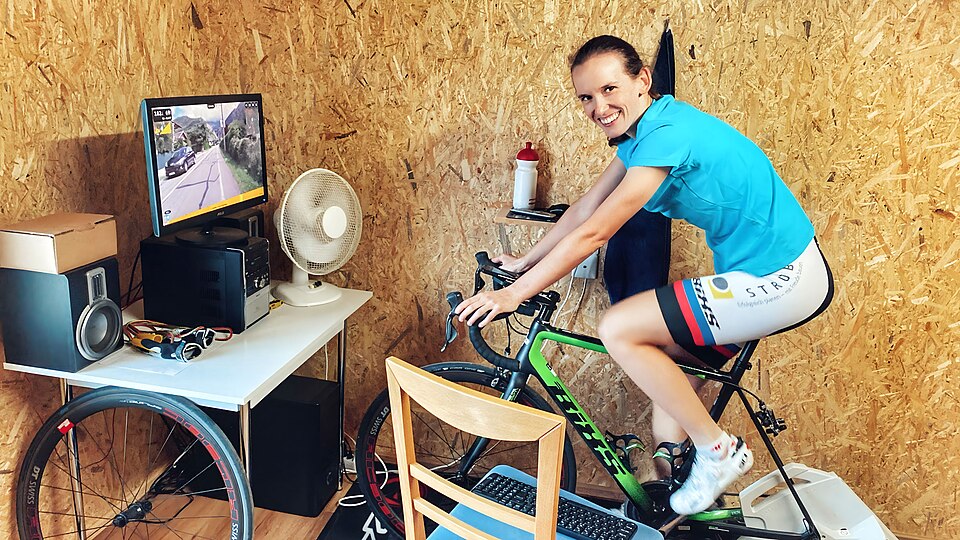
Indoor cycling trainer sessions offer structured workouts that build fitness when outdoor riding isn’t possible. Beginner cyclists can achieve significant aerobic improvements through 30-60 minute sessions, 3-4 times per week, focusing on proper technique rather than intensity.

Key Takeaway

  • Beginner structured trainer sessions focus on building aerobic base and efficiency

  • Recommended frequency: 3-4 rides per week for 30-60 minutes per session

  • Key session components: 10-minute warm-up, short high-intensity intervals with equal rest, 5-minute cool-down

  • Focus on consistency, technique, smooth pedal strokes, and core engagement

Beginner Structured Trainer Sessions: Building Your Fitness Foundation

Illustration: Beginner Structured Trainer Sessions: Building Your Fitness Foundation

Session Structure: Warm-up, Intervals, and Cool-down

Every effective trainer session follows a three-part structure that prepares your body, challenges it appropriately, and helps recovery. The warm-up phase lasts 10 minutes and should involve light spinning at low resistance to gradually increase heart rate and blood flow to working muscles. This preparation reduces injury risk and improves performance during the main workout.

The main workout typically includes short high-intensity intervals with equal rest periods. For beginners, this might mean 30-60 second efforts at moderate intensity followed by 30-60 seconds of easy spinning. This interval structure builds cardiovascular fitness while allowing adequate recovery between efforts. The work-to-rest ratio ensures you can maintain quality throughout the session.

Every session concludes with a 5-minute cool-down period of easy spinning. This gradual reduction in intensity helps prevent blood pooling in the legs, reduces muscle soreness, and promotes faster recovery. The total session duration ranges from 30-60 minutes, making it manageable for busy schedules while still providing significant fitness benefits.

Core Focus: Technique, Consistency, and Smooth Pedaling

Technique matters more than intensity for beginner cyclists on trainers. Proper form includes maintaining a smooth, circular pedal stroke rather than stomping down on the pedals. This efficiency reduces fatigue and builds sustainable power output. Focus on keeping your upper body still while your legs do the work, and maintain a slight bend in your elbows.

Consistency trumps occasional long sessions. Three 30-minute rides per week provide better results than one 90-minute ride monthly. Regular training builds aerobic capacity, improves muscle memory, and establishes exercise as a habit. The body adapts to consistent stimulus, making steady progress more achievable than sporadic intense efforts.

Core engagement plays a crucial role in indoor cycling efficiency. A strong core stabilizes your upper body, improves power transfer from legs to pedals, and reduces lower back strain. Practice engaging your abdominal muscles throughout the ride, especially during high-intensity efforts. This engagement also improves breathing efficiency and overall cycling economy — road cycling.

Beginner Session Types: Endurance, Intervals, and Cadence Training

Illustration: Beginner Session Types: Endurance, Intervals, and Cadence Training

Endurance/Zone 2 Training: Building Your Aerobic Base

  • Duration: 45-60 minutes

  • Intensity: Sustainable pace at 60-75% of maximum heart rate, or RPE (Rate of Perceived Exertion) 3-4 on a 1-10 scale

  • Goal: Build aerobic base and improve fat-burning efficiency

  • Benefits: Increases mitochondrial density, improves oxygen delivery, enhances recovery capacity

Endurance training forms the foundation of cycling fitness. Zone 2 training keeps you at a conversational pace where you can maintain the effort for extended periods. This intensity level builds cardiovascular efficiency without causing excessive fatigue. The RPE scale helps beginners gauge effort without requiring heart rate monitors or power meters.

These sessions improve your body’s ability to use fat as fuel, sparing glycogen stores for harder efforts. They also enhance capillary density in muscles, improving oxygen delivery during all types of exercise. The steady nature of endurance training allows you to focus on pedal technique and breathing patterns.

Interval Training: High-Intensity Sessions for Fitness Gains

Interval Type

Structure

Duration

Purpose

Standard Intervals

3 min hard / 2 min easy

4-6 sets

Build aerobic capacity and threshold power

Low Cadence Strength

5-10 min at 50-60 RPM

2-3 sets

Develop leg force and muscular endurance

High Cadence Efficiency

1-4 min at 100+ RPM

3-5 sets

Improve pedal technique and neuromuscular coordination

Pyramid Intervals

1-2-3-2-1 min increasing/decreasing

2-3 pyramids

Develop varied intensity tolerance

Interval training alternates between high-intensity efforts and recovery periods. A typical beginner session might include a 3-minute warm-up, followed by 4 sets of 3-minute hard efforts at RPE 8 (hard but sustainable), with 2 minutes of easy pedaling between efforts, and ending with a 3-minute cool-down. This structure provides significant fitness gains in a manageable timeframe.

Low cadence intervals at 50-60 RPM build leg strength by forcing muscles to generate more force per pedal stroke. These should be performed seated with smooth, controlled movements. High cadence intervals at 100+ RPM improve pedaling efficiency and reduce muscular fatigue at race pace. Both types complement endurance training for well-rounded fitness.

Weekly Training Structure: Balancing Rest and Progression

Sample Weekly Schedule for Beginner Cyclists

  • Monday: Rest day – complete recovery with light walking or stretching

  • Tuesday: HIIT session – 30-45 minutes including warm-up and cool-down

  • Wednesday: Light recovery spin (30 minutes) or complete rest

  • Thursday: Tempo/Endurance intervals – 45-60 minutes at Zone 2 intensity

  • Friday: Rest day – focus on sleep and nutrition

  • Saturday: Longer endurance ride – 60-90+ minutes (indoor or outdoor)

  • Sunday: Light active recovery or complete rest

This weekly structure provides adequate recovery between intense sessions while maintaining consistent training stimulus. The schedule alternates between high-intensity days and recovery or endurance-focused days. This approach prevents overtraining while maximizing fitness gains. Rest days are crucial for adaptation and injury prevention.

Avoid back-to-back intensity days, as this increases injury risk and can lead to burnout. The body needs 48-72 hours to recover from high-intensity efforts. Endurance rides on Saturday provide longer duration training without the same recovery demands as HIIT sessions. This balance allows beginners to progress safely while building sustainable fitness habits.

Progression Tips: When to Increase Intensity and Duration

Beginners should aim for 90-95 RPM during endurance sessions and 60-70 RPM during strength-focused workouts. These cadence ranges optimize efficiency and power output for different training goals. Use the RPE scale (1-10) to gauge intensity, with 1 being very easy and 10 being maximum effort. This subjective measure works well without specialized equipment.

Progression should be gradual and based on consistent performance. Increase workout duration by 5-10 minutes per week once you can complete current sessions comfortably. For intensity progression, add one interval to your HIIT sessions or increase the duration of existing intervals by 30 seconds. Only progress when you can maintain proper form throughout the workout.

Always warm up for 5-10 minutes with light spinning before starting hard efforts. This preparation reduces injury risk and improves performance quality. Listen to your body and take extra rest when needed. Fatigue, persistent soreness, or declining performance indicate you need more recovery time. Sustainable progress requires balancing training stress with adequate recovery.

Most surprising finding: Beginner cyclists often see the biggest fitness improvements in the first 4-6 weeks of structured training, with measurable gains in aerobic capacity and power output appearing within just 2-3 weeks of consistent effort.

Ready to start? Begin with two 30-minute sessions this week, focusing on smooth pedaling and proper warm-up. Track your progress and gradually add a third session next week as your fitness improves.

Hot Climate Tire Pressure: Managing Heat and Road Conditions

Illustration: How much to lower tire pressure in hot weather

High temperatures cause air inside bicycle tubes to expand, creating dangerous over-inflation risks that can lead to tire blowouts and compromised handling. The solution is lowering initial pressure by 7 psi (0.5 bar) before hot rides to compensate for heat-related expansion.

Hot Climate Tire Pressure Management

  • Lower initial pressure by 7 psi (0.5 bar) to compensate for heat expansion
  • Check pressure in cool morning before sun heats tires
  • Adjust for road conditions: rough roads need lower pressure, smooth roads can handle higher pressure
  • Drop 2-5 PSI for wet roads even in summer for better traction
  • Inspect tires regularly as heat accelerates rubber aging

How much to lower tire pressure in hot weather

Illustration: How much to lower tire pressure in hot weather

The 7 psi rule for hot climate riding

Heat from ambient temperature, road friction, and braking causes air inside bicycle tubes to expand significantly during hot weather rides. Lowering initial pressure by 7 psi (0.5 bar) prevents dangerous over-inflation that can occur when temperatures rise. According to cycling equipment experts, do not fill tires to the maximum recommended PSI, as heat buildup can increase pressure beyond the safe limit. Always check tire pressure in the early morning before the sun heats the tires, when they’re at their coolest and most accurate reading. For more detailed information about road cycling techniques and equipment, visit our road cycling resource page.

The 7 psi reduction serves as a safety buffer against multiple heat sources. Ambient temperature alone can increase tire pressure by 2-3 psi on a hot day. Road friction adds another 2-4 psi during riding, especially on rough surfaces. Braking, particularly with rim brakes or carbon rims, generates intense localized heat that can spike pressure by 3-5 psi during long descents. The cumulative effect means a tire filled to maximum pressure at 70°F could exceed safe limits by 10-15 psi on a 95°F day with active riding.

Professional cyclists in hot climates like Arizona, Spain, and Australia routinely adjust their tire pressures downward by 10-15% during summer months. This practice prevents the dangerous expansion that occurs when heated air molecules move faster and occupy more space. The expanded air creates excessive pressure that stresses tire sidewalls, increases rolling resistance, and raises the risk of catastrophic failure. By starting with lower pressure, riders maintain optimal tire shape and performance throughout their ride as temperatures climb.

Morning pressure checks prevent dangerous expansion

Checking tire pressure in the cool morning hours is crucial for hot weather cycling safety. Heat buildup throughout the day can increase tire pressure by several PSI, potentially pushing it beyond the tire’s safe operating range. Morning checks provide the baseline pressure that accounts for the day’s heat expansion. This timing strategy ensures you’re working with accurate measurements before environmental factors affect your readings.

The physics of thermal expansion means tire pressure can increase by approximately 1 psi for every 10°F rise in temperature. A tire checked at 60°F in the morning might read 5-7 psi higher by afternoon when temperatures reach 90°F. This expansion is compounded by road surface heat, which can exceed air temperature by 20-30°F on asphalt roads. Morning pressure checks also allow riders to detect slow leaks or pressure drops that occurred overnight, ensuring tires are properly inflated before the heat of the day begins.

Professional mechanics recommend checking pressure when tires are cold, typically before sunrise or at least 3-4 hours after the bike was last ridden. This cold pressure reading becomes your reference point for the day. Mark this pressure on your tire gauge or in a cycling app to track how much expansion occurs during different weather conditions. Over time, you’ll develop a feel for how much to adjust your starting pressure based on the day’s forecast and your planned route. New cyclists should also consult our Essential Cycling Tips for Beginners Starting Their Journey guide for comprehensive safety advice.

Hot climate tire pressure tips by road condition

Illustration: Hot climate tire pressure tips by road condition

Rough roads need lower pressure for comfort and grip

  • Slightly lower pressure on rough roads offers better comfort by absorbing vibrations that would otherwise transfer through the tire to the rider
  • Lower pressure increases the tire’s contact patch for improved grip on uneven surfaces, reducing the likelihood of skidding on loose gravel or bumpy terrain
  • This adjustment doesn’t significantly decrease speed on rough terrain because the improved traction and comfort allow riders to maintain momentum through obstacles
  • The improved traction helps prevent skidding on loose or bumpy surfaces, which is especially important when descending on hot days when tire pressure is already elevated

Rough road surfaces demand different pressure strategies than smooth pavement. On chip-sealed roads, cobblestone streets, or gravel paths, slightly lower pressure (2-4 psi below your smooth-road setting) allows the tire to deform around surface irregularities rather than bouncing over them. This deformation creates a larger contact patch that grips uneven terrain more effectively. The trade-off is minimal on rough surfaces because the energy lost to vibration on over-inflated tires exceeds any rolling resistance gains.

Heat complicates rough-road pressure management because the same expansion that occurs on smooth roads happens here too, but with added stress from surface impacts. The combination of high ambient temperatures and repeated impacts from rough surfaces can cause rapid pressure increases. Starting with pressure 1-2 psi lower than you would on a cool day provides an additional safety margin. This approach maintains the comfort and grip benefits of lower pressure while accounting for heat-related expansion during your ride.

Smooth tarmac allows higher efficiency pressure

  • Slightly higher pressure is more efficient on perfectly smooth surfaces because it reduces the tire’s deformation and rolling resistance
  • Increased pressure reduces rolling resistance on clean tarmac by minimizing the contact patch size and the energy lost to tire flex
  • This allows for better speed maintenance on well-maintained roads, particularly important for long-distance rides in hot weather
  • The efficiency gains are most noticeable on long, smooth stretches where sustained high speeds are maintained

Smooth, clean tarmac represents the ideal surface for maximizing tire pressure efficiency. On these surfaces, slightly higher pressure (2-3 psi above your rough-road setting) reduces the tire’s contact patch and minimizes energy lost to deformation. The physics principle at work is that less tire flex means less energy wasted as heat within the tire itself. This translates to easier pedaling and better speed maintenance, particularly valuable during long rides in hot conditions where rider fatigue compounds.

However, smooth surfaces in hot climates present their own challenges. The road surface can become extremely hot, sometimes exceeding 150°F on dark asphalt during peak sun hours. This surface heat transfers directly to the tire, accelerating pressure increases beyond what ambient air temperature alone would cause. Even on smooth roads, the 7 psi reduction rule applies because the combination of rider weight, road friction, and surface heat can push pressure beyond safe limits within the first few miles of riding.

Wet roads require pressure drops even in summer

  • Dropping pressure by 2-5 PSI in wet conditions increases the contact patch, which is counterintuitive but crucial for maintaining traction
  • This improves traction by creating more surface area between tire and road, allowing water to escape through the tread rather than lifting the tire (hydroplaning)
  • Even summer storms require this adjustment for safety because wet roads are significantly more slippery than dry surfaces, regardless of temperature
  • The pressure drop helps prevent hydroplaning on wet surfaces by forcing water out from under the tire through the tread channels

Wet roads create unique pressure requirements that override normal hot-weather considerations. Even in summer, when temperatures are high, sudden rainstorms demand immediate pressure adjustments. The 2-5 psi drop increases the tire’s contact patch, which serves two critical functions: it improves mechanical grip on the slippery surface and helps prevent hydroplaning by forcing water out through the tread. This adjustment is essential regardless of the ambient temperature because water on the road creates fundamentally different traction dynamics than dry pavement.

The interaction between heat and wet conditions creates particular challenges. Hot asphalt can cause water to vaporize instantly upon contact, creating a slippery steam layer. Additionally, oils and contaminants on the road surface rise when first wet, creating especially treacherous conditions. The pressure drop compensates for these factors by maximizing the tire’s ability to maintain contact with the road surface. This adjustment should be made immediately upon encountering wet conditions, even if you’ve already been riding for miles in hot, dry weather.

Hot weather tire safety and maintenance

Illustration: Hot weather tire safety and maintenance

Carbon rims and rim brakes create descent heat risks

High heat from long descents with carbon rims or rim brakes can lead to dangerous pressure increases. The friction generated during extended braking creates significant heat buildup that transfers to the tire and air inside. Lowering your initial pressure before rides with these braking systems prevents over-expansion during descents. This is especially important on mountainous routes or long downhill sections where sustained braking is required.

Carbon rims present unique challenges because they conduct heat differently than aluminum rims. While carbon doesn’t transfer heat as readily to the rim brake track, it can create hot spots that affect tire pressure unevenly. The enclosed nature of carbon clincher rims can also trap heat, creating a greenhouse effect that accelerates pressure increases. Rim brakes compound this problem by generating friction directly at the point where heat most affects tire pressure. The combination can cause pressure spikes of 8-12 psi during extended descents, well beyond safe operating limits.

Professional riders in mountainous hot climates use specific strategies for these conditions. They start with pressure 2-3 psi lower than normal when using carbon rims with rim brakes on hot days. Some also use slightly wider tires at lower pressure, which provides a larger air volume that heats more slowly. During long descents, experienced riders alternate braking between both brakes rather than sustained pressure on one, and they use engine braking (riding the gears) when possible to minimize heat buildup. These techniques, combined with proper initial pressure adjustment, prevent the dangerous over-inflation that can cause blowouts on high-speed descents.

Heat accelerates rubber aging and wear

High temperatures accelerate rubber aging, requiring more frequent tire inspections. Check tires for cracks in the sidewall and tread wear regularly during hot weather periods. Heat causes rubber compounds to break down faster, reducing tire lifespan and safety margins. Look for signs of dry rot, cracking, or hardening that indicate the tire needs replacement. The accelerated aging means tires may need replacement more frequently in hot climates compared to moderate temperature regions.

Rubber compounds used in bicycle tires are particularly vulnerable to heat degradation. Temperatures above 85°F can begin to break down the chemical bonds in tire rubber, a process that accelerates dramatically above 95°F. This degradation manifests as sidewall cracking, tread hardening, and loss of elasticity. These changes reduce the tire’s ability to absorb impacts, maintain proper shape under load, and grip the road surface effectively. The combination of heat-degraded rubber and elevated operating pressures creates a dangerous situation where tires are more likely to fail catastrophically.

Regular inspection becomes critical in hot climates. Check tires weekly for small cracks in the sidewall, which indicate the rubber is breaking down. Examine the tread for hardening or glazing, which reduces grip. Feel the tire surface for soft spots or inconsistencies that might indicate internal damage. Pay special attention to areas around the bead where the tire meets the rim, as heat can cause the rubber to separate from the casing. Replace tires at the first sign of significant cracking or every 2,000-3,000 miles in hot climates, whichever comes first, to maintain safety margins. For a complete maintenance schedule, refer to our Complete Bike Maintenance Checklist Every Cyclist Should Follow.

Proper hot-weather pressure management prevents both safety hazards and performance losses. The most counter-intuitive finding is that lowering pressure actually improves both safety and performance in hot weather. Check your tire pressure tomorrow morning before your next hot-weather ride and lower it by 7 psi from your normal setting to ensure safe, optimal performance.