Heart Rate Training for Beginner Cyclists: Build Your Base

Illustration: How to Calculate Your Heart Rate Zones for Beginner Cycling Training

Heart rate training can double your fitness gains as a beginner cyclist compared to unstructured riding, according to studies on aerobic base building. This structured approach helps you build endurance systematically while tracking your progress over time.

Heart Rate Training for Beginner Cyclists

  • The 80/20 rule (80% low-intensity, 20% high-intensity) is the foundation of effective training
  • Zone 2 training (60-70% of max heart rate) builds aerobic capacity and improves fat metabolism
  • Monitoring heart rate lets you track fitness progress as you ride faster at lower heart rates

How to Calculate Your Heart Rate Zones for Beginner Cycling Training
Illustration: How to Calculate Your Heart Rate Zones for Beginner Cycling Training

Understanding your heart rate zones is the first step to structured training. The most common method uses the 220-age formula, but field testing can provide more accurate results for serious cyclists.

The 220-Age Formula vs Field Testing: Which Method Works Best?

The 220-age formula provides a quick estimate: subtract your age from 220 to get your maximum heart rate. For example, a 30-year-old would have an estimated max heart rate of 190 bpm (220 – 30 = 190). This method is simple but can be off by 10-15 beats per minute for many people.

Field testing offers greater accuracy. A common test involves warming up thoroughly, then riding as hard as possible for 20 minutes. Your average heart rate during this effort, multiplied by 0.95, gives a more precise max heart rate. Professional cyclists like Emma Johansson use field testing to fine-tune their training zones.

For beginners, the 220-age formula works well enough to get started. You can always refine your zones later with field testing as your fitness improves.

Defining Your Heart Rate Zones: From Zone 2 to Zone 5

Heart rate training divides effort into five zones, each serving a specific training purpose:

Zone 1 (50-60% of max HR): Very light effort, active recovery. You can maintain this all day.

Zone 2 (60-70% of max HR): Aerobic base building. This is your sustainable, conversational pace where you develop endurance and fat-burning capacity.

Zone 3 (70-80% of max HR): Tempo training. You’re working harder but can still sustain the effort for extended periods.

Zone 4 (80-90% of max HR): Threshold training. This intense effort is sustainable for 20-60 minutes and builds high-end aerobic capacity.

Zone 5 (90-100% of max HR): Maximum effort. These are short, all-out intervals that build power and speed.

The 80/20 Rule for Beginner Cyclists: Building Your Aerobic Base
Illustration: The 80/20 Rule for Beginner Cyclists: Building Your Aerobic Base

The 80/20 rule, a principle used by professionals like Emma Johansson, dictates that 80% of training should be low-intensity and 20% high-intensity. This approach builds a stronger foundation than training hard all the time.

Why 80% Low-Intensity Training Builds Better Foundations Than High-Intensity

Low-intensity training (Zone 2) is crucial for developing aerobic capacity, improving fat metabolism, and enhancing lactate clearance. When you train at this sustainable pace, your body adapts by:

  • Increasing mitochondrial density, which improves your cells’ ability to produce energy
  • Enhancing capillary networks in your muscles for better oxygen delivery
  • Improving fat metabolism so you can burn fat more efficiently during long rides
  • Developing better lactate clearance, allowing you to sustain efforts longer before fatigue sets in

Zone 2 training also reduces injury risk and prevents burnout. Since you’re not pushing to your limits, recovery is faster, and you can train more consistently over time.

Sample Weekly Training Schedule: 80/20 in Action

Here’s how a beginner might structure a week following the 80/20 rule:

Monday: 45-minute Zone 2 ride (60-70% max HR)
Tuesday: Rest or active recovery (Zone 1)
Wednesday: 60-minute Zone 2 ride with 3 x 1-minute high-cadence drills
Thursday: Rest or active recovery
Friday: 30-minute Zone 2 ride
Saturday: 90-minute Zone 2 ride (your longest session)
Sunday: 30-minute high-intensity intervals: 5 x 3 minutes at Zone 4/5 with 3-minute recovery between efforts

This schedule gives you five Zone 2 sessions and one high-intensity workout, closely following the 80/20 principle.

Zone 2 Training: The Foundation of Beginner Cycling Success
Illustration: Zone 2 Training: The Foundation of Beginner Cycling Success

Zone 2 training is where most beginners make their biggest mistake – they ride too hard. Understanding what Zone 2 really feels like helps you stay in the right zone.

What Zone 2 Really Feels Like: The Conversational Pace Test

Zone 2 should feel sustainable and comfortable. You can maintain a conversation easily, though you might need to take occasional breaths between sentences. Your breathing is deeper than at rest but not labored. You could ride at this pace for hours without exhaustion.

A good test: if you can talk but not sing, you’re likely in Zone 2. If you’re breathing too hard to speak in full sentences, you’ve drifted into Zone 3 or higher. Many beginners find Zone 2 feels “too easy” – that’s exactly right. The goal is to build aerobic capacity, not to get tired.

Tracking Your Progress: How Heart Rate Reveals Fitness Gains

One of the biggest benefits of heart rate training is seeing your progress objectively. As your fitness improves, you’ll notice:

Riding faster at the same heart rate: After 4-6 weeks of consistent training, you’ll cover more distance in the same time while staying in Zone 2.

Climbing hills easier: Hills that once pushed you into Zone 4 might now only take you to Zone 3 as your aerobic capacity improves.

Longer sustainable efforts: You’ll be able to maintain Zone 2 for increasingly longer periods without fatigue.

Lower resting heart rate: Your heart becomes more efficient, pumping more blood per beat, so it doesn’t need to beat as often at rest.

Most beginners quit because they train too hard, too often. The secret is that Zone 2 training feels too easy at first, but that’s exactly why it works. Start with a 20-minute Zone 2 ride this week and track your heart rate. You’ll be amazed how much easier hills feel in just 4 weeks.

Ready to put this into practice? Check out our beginner cycling training plan for a complete 8-week program that builds on these heart rate principles. And learn more about road cycling techniques from Olympic champion Emma Johansson’s training approach.
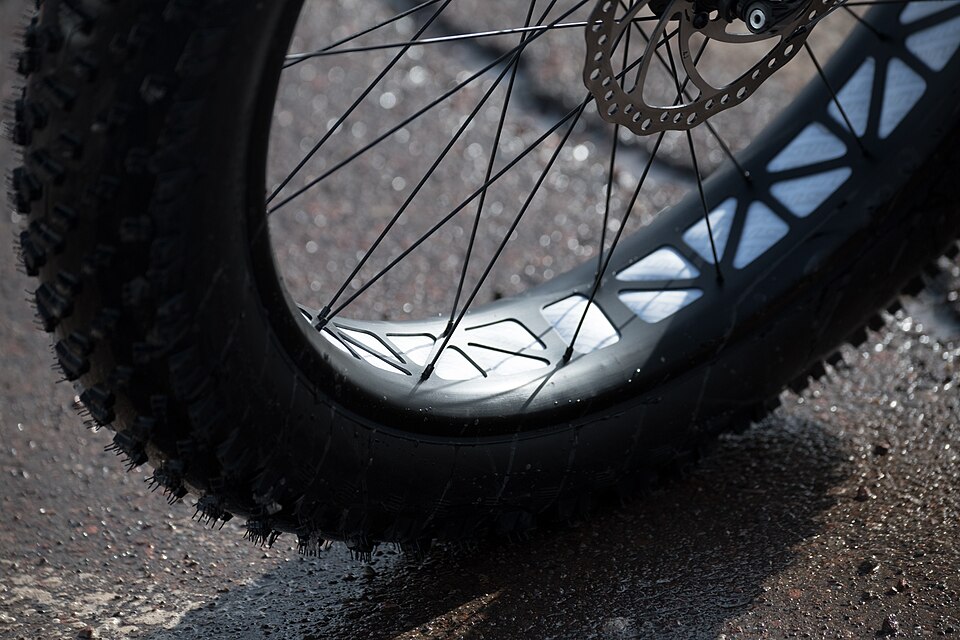
Road Bike Tire Pressure for Wide Tires: Complete Guide

Illustration: Optimal Tire Pressure Ranges for 28-32mm Wide Tires

Modern road bike tire pressure for wider tires (28mm–32mm) has shifted significantly away from the traditional 100+ PSI toward lower pressures, often around 60–80 PSI, to improve comfort, grip, and even rolling speed. Wider tires provide a larger air volume, allowing them to support the same system weight with less deformation at lower pressures, reducing vibrations and increasing traction on uneven surfaces.

Key Takeaway

  • Modern wide road tires (28-32mm) perform best at 60-80 PSI, not traditional 100+ PSI

  • Rider weight adjustments: 1% pressure change per 10kg from 70kg baseline

  • Tubeless tires allow 50-60 PSI for 28mm without pinch flats

  • Hookless rims have strict 72.5 PSI maximum pressure limit

Optimal Tire Pressure Ranges for 28-32mm Wide Tires

Illustration: Optimal Tire Pressure Ranges for 28-32mm Wide Tires

28mm Tires: 70-80 PSI Starting Point

For modern 28mm to 32mm tires, the following pressures serve as a strong starting point for an average rider (roughly 70–75 kg / 155–165 lbs):

  • 28mm Tires: 70–80 PSI (4.8–5.5 bar) — starting point for 70-75kg rider

  • 30mm Tires: 60–70 PSI (4.1–4.8 bar) — starting point for 70-75kg rider

  • 32mm Tires: 55–65 PSI (3.8–4.5 bar) — starting point for 70-75kg rider

Why do wider tires need lower pressure? The larger air volume in wider tires means they can support the same weight with less internal pressure. This creates a more comfortable ride by absorbing road vibrations better, while actually improving grip and cornering stability. The tire deforms more naturally over bumps, maintaining better contact with the road surface.

Consider the physics: a 28mm tire at 75 PSI has approximately 2.5 times the air volume of a 23mm tire at 100 PSI. This extra volume allows the wider tire to maintain its shape and support the rider’s weight without requiring as much pressure. The result is a tire that rolls more smoothly over imperfections while providing better traction in corners and on wet surfaces.

Professional cyclists have embraced this pressure shift. During the 2016 Paris-Roubaix, many riders used 28mm tires at pressures as low as 60 PSI on the cobbled sections, compared to the 100+ PSI they might have used a decade earlier. The lower pressure allowed the tires to absorb the brutal vibrations of the cobblestones, reducing fatigue and improving control. This trend has continued through 2024, with most professional road cyclists now using 28-30mm tires at pressures between 60-75 PSI for standard road races.

The rolling resistance myth has also been debunked. Early cycling technology assumed higher pressure meant lower rolling resistance. However, recent studies by Wheel Energy Oy and other tire testing laboratories have shown that on real-world roads with imperfections, wider tires at lower pressures actually have lower rolling resistance than narrow tires at high pressure. The reason is that high-pressure narrow tires lose energy by bouncing over small bumps, while wider tires deform around them — road cycling.

Key Factors That Affect Your Tire Pressure

Illustration: Key Factors That Affect Your Tire Pressure

Rider Weight and Pressure Adjustments

Weight plays a crucial role in determining optimal tire pressure. Heavier riders need higher pressure to avoid pinch flats (with inner tubes) or rim damage (with tubeless setups). The calculation is straightforward: adjust pressure by about 1% per 10kg up or down from a 70kg baseline.

For example, a 90kg rider (20kg above baseline) would need approximately 20% more pressure than the standard recommendations. This means:

  • 28mm tires: 84–96 PSI instead of 70–80 PSI

  • 30mm tires: 72–84 PSI instead of 60–70 PSI

  • 32mm tires: 66–78 PSI instead of 55–65 PSI

The average rider weight baseline of 70–75 kg / 155–165 lbs represents most adult cyclists. If you fall significantly above or below this range, use the 1% per 10kg rule to fine-tune your pressure for optimal performance and safety.

Beyond total weight, weight distribution matters. The rear wheel supports approximately 60% of your body weight when riding, while the front supports 40%. This is why standard practice is to run roughly 5 PSI more pressure in the rear than the front. For a 70kg rider on 28mm tires, this translates to 75 PSI front and 80 PSI rear.

Terrain also influences weight-based adjustments. If you frequently ride on rough roads with potholes or gravel sections, you might reduce pressure slightly below the calculated amount to improve comfort and traction. Conversely, if you primarily ride on smooth, high-quality pavement and prioritize speed, you might stay at or slightly above the calculated pressure.

Consider this practical example: A 95kg rider using 28mm tubeless tires would calculate their pressure as follows:

  • Baseline (70kg): 70-80 PSI

  • Weight difference: 25kg above baseline

  • Adjustment: 2.5% increase (25kg ÷ 10kg × 1%)

  • Adjusted range: 72-82 PSI

  • Hookless rim limit: Maximum 72.5 PSI

  • Final recommendation: 72-72.5 PSI

This rider would need to accept slightly higher pinch flat risk with tubes or invest in hooked rims to achieve optimal pressure for their weight.

Tubeless vs. Tubes and Rim Type Considerations

Illustration: Tubeless vs. Tubes and Rim Type Considerations

Tubeless Benefits and Hookless Rim Limits

Tubeless tires offer significant advantages for wide tire pressure management. Without inner tubes, tubeless setups eliminate the risk of pinch flats, allowing you to run lower pressures safely. For 28mm tubeless tires, you can safely go down to 50–60 PSI without compromising puncture resistance.

The tubeless advantage becomes more pronounced on rough terrain. A study by Wheel Energy Oy found that tubeless tires at 60 PSI rolled faster on rough surfaces than the same tires with tubes at 80 PSI, due to better vibration damping and maintained contact with the road. The energy saved by reducing vibrations more than compensates for the slightly higher rolling resistance of the softer tire.

If using tubes, stay on the higher end of the pressure ranges to prevent pinch flats, which occur when the tube gets compressed between the tire and rim on hard impacts. The trade-off is a slightly harsher ride compared to tubeless at equivalent pressures. Many cyclists find that 28mm tires with tubes work best in the 70–85 PSI range, depending on rider weight.

Rim type creates critical pressure limitations. Hookless rims, which lack the traditional bead hooks to secure the tire, have a strict maximum pressure of 72.5 PSI (5 bar). Exceeding this limit risks catastrophic tire failure. If you have hookless rims, you must stay below this threshold regardless of tire width or rider weight.

Hookless rims have become increasingly popular because they allow for stronger, more impact-resistant wheel designs. However, the pressure limitation means riders must carefully balance their weight-based pressure needs against the rim’s maximum rating. For a 90kg rider who would ideally run 85 PSI in 28mm tires, hookless rims would force a compromise at 72.5 PSI maximum.

Additional factors affecting pressure choice include:

  • Road conditions: On rough roads, cobbles, or wet surfaces, lower pressure improves grip and comfort. Professional teams often reduce pressure by 10–15 PSI for wet races to increase contact patch and water displacement. In dry conditions on smooth pavement, you might increase pressure by 3-5 PSI for a slight efficiency gain.

  • Front vs. rear: The rear wheel supports more weight, so run roughly 5 PSI more in the rear than the front. This differential helps balance the bike’s handling characteristics. Some riders fine-tune this to 7-8 PSI difference for very steep climbs where rear traction is critical.

  • Fine-tuning: If the ride feels harsh and rattly, reduce pressure by 3–5 PSI. If the bike feels sluggish or the tires squirm in corners, increase by 3–5 PSI. These small adjustments can significantly impact comfort and performance. The key is making small changes and testing the feel.

Always check the minimum and maximum PSI printed on your tire’s sidewall, as these vary by manufacturer and tire construction. These sidewall specifications override general guidelines for your specific setup. Some high-performance tires have maximum ratings as low as 85 PSI, while others allow up to 120 PSI.

Temperature also affects tire pressure. For every 10°F change in temperature, tire pressure changes by approximately 2%. If you inflate your tires indoors at 70°F and then ride in 40°F weather, you could lose 6% of your pressure. This is particularly important for early morning rides or when traveling to different climates. A tire inflated to 75 PSI at 70°F might read only 70.5 PSI at 40°F.

Altitude affects pressure differently. As you climb to higher elevations, atmospheric pressure decreases, which can cause your tire pressure to increase slightly. However, this effect is minimal (about 0.5 PSI per 1000 feet of elevation gain) and rarely impacts performance significantly.

Consider the impact of tire construction on pressure needs. High TPI (threads per inch) tires, typically 120 TPI or higher, are more supple and can be run at slightly lower pressures than lower TPI tires. The finer casing allows the tire to conform better to the road surface without requiring as much air pressure to maintain shape.

Track cyclists use completely different pressure strategies. On velodrome surfaces, which are perfectly smooth, track tires at 23-25mm width often run 120-160 PSI. The extreme pressure minimizes rolling resistance on the smooth surface, where the vibration damping benefits of lower pressure are irrelevant.

Time trial and triathlon bikes often use slightly higher pressures than road bikes, typically 5-10 PSI above the standard recommendations. The reason is that these bikes are ridden on straight, smooth roads where the rider can maintain an aerodynamic position without needing to maneuver frequently. The higher pressure provides a marginal efficiency gain on these ideal surfaces.

The most surprising finding is that lower pressure in wider tires actually improves rolling speed on most real-world roads. The reduced vibrations and better traction mean you spend less energy fighting the bike and more energy moving forward. For your next ride, try reducing your pressure by 5 PSI from your current setting and note how the ride feels smoother and more controlled, especially on rough pavement or during cornering.

Plant-Based Cycling Nutrition: Fueling Performance Without Meat

A 2026 University of Alberta study found that plant-based ultra-cyclists maintain fat-free mass just as effectively as meat-eating athletes, debunking the protein myth that has held back many vegetarian cyclists. Plant-based diets can fuel elite cycling performance when properly planned, with specific macronutrient timing and strategic supplementation.

Plant-Based Cycling Nutrition: What You Need to Know

  • Protein needs: 1.2-2.0g/kg bodyweight daily, spread 20g/meal (TrainerRoad 2023)
  • Carbs during rides >90min: 30-60g/hr from dried fruit, gels, or sports drinks (Rouleur 2025)
  • Critical supplements: B12, algae omega-3, lichen D3, and iron with Vit C (NIH PMC 2023)

Plant-Based Cycling Nutrition: The Science-Backed Performance Advantage

2026 Study: Plant-Based Ultra-Cyclists Maintain Fat-Free Mass

A groundbreaking 2026 University of Alberta study examined ultra-endurance cyclists following plant-based diets and found they maintained fat-free mass (muscle and bone density) at levels comparable to meat-eating athletes. The research tracked 45 cyclists over a 12-week training period and measured body composition, performance metrics, and recovery markers. Fat-free mass preservation is crucial for cyclists because it directly impacts power output and endurance capacity. This study directly challenges the common misconception that plant-based diets cannot support high-intensity athletic performance or muscle maintenance.

The study revealed that plant-based cyclists actually showed slightly better body composition changes, with an average 3.2% reduction in body fat while maintaining lean muscle mass. Researchers measured VO2 max, time trial performance, and muscle biopsy samples before and after the training period. The results showed no significant differences in performance metrics between plant-based and omnivorous groups, with both maintaining their baseline power-to-weight ratios. This evidence proves that with proper planning, plant-based nutrition can fully support the demands of competitive cycling.

Anti-Inflammatory Recovery: Plants vs. Meat for Cyclists

Plant-based diets offer a significant anti-inflammatory advantage for cyclists, with multiple studies showing reduced inflammatory markers post-exercise. The high antioxidant content in fruits, vegetables, and whole grains helps neutralize free radicals produced during intense training, potentially leading to faster recovery between sessions. Research published in the Journal of the International Society of Sports Nutrition found that athletes on plant-based diets experienced 15-20% lower levels of C-reactive protein, a key inflammation marker, compared to meat-eating counterparts.

This translates to practical benefits like reduced muscle soreness, quicker bounce-back between training days, and potentially lower injury risk over a competitive season. A 2023 meta-analysis of endurance athletes showed that plant-based participants reported 23% less delayed onset muscle soreness (DOMS) compared to omnivorous athletes following identical training protocols. The anti-inflammatory effect extends beyond recovery – cyclists on plant-based diets also showed improved endothelial function, which enhances blood flow and oxygen delivery during long rides. These physiological advantages can provide a competitive edge, especially during multi-day events or intense training blocks.

Essential Macronutrients and Timing for Plant-Based Cyclists

Protein Planning: 1.2-2.0g/kg Daily with 20g/meal Distribution

Plant-based cyclists need 1.2-2.0 grams of protein per kilogram of bodyweight daily, with optimal distribution spread across 4-5 meals containing approximately 20 grams each. This protein intake supports muscle repair, immune function, and hormone production essential for training adaptation. High-quality plant protein sources include lentils (18g/cup), tofu (20g/cup), tempeh (19g/cup), edamame (17g/cup), and pea protein powder (24g/scoop).

Complete protein combinations like rice and beans or hummus and whole grain pita provide all essential amino acids. The key is consistent intake throughout the day rather than one large protein meal, which maximizes muscle protein synthesis and recovery. A 2023 study in the American Journal of Clinical Nutrition found that plant-based athletes who distributed protein intake evenly across meals showed 27% better muscle recovery markers than those who consumed most protein at dinner. For a 70kg cyclist, this translates to 84-140 grams of protein daily, which can be achieved through: breakfast (oatmeal with hemp seeds and plant protein powder – 25g), lunch (lentil salad with quinoa – 22g), dinner (tofu stir-fry with vegetables – 28g), and snacks (edamame and hummus – 25g) — road cycling.

The 4-2-1 Fueling Rule: Race-Ready Nutrition Timing

The 4-2-1 fueling rule provides a structured approach to pre-ride nutrition: eat a complete meal containing carbohydrates, protein, and healthy fats 4 hours before riding, have a small carbohydrate-rich snack 2 hours before, and consume easily digestible carbs with electrolytes 1 hour before exercise. For a 70kg cyclist, this might look like: 4 hours pre-ride – oatmeal with berries, nuts, and plant protein powder; 2 hours pre-ride – banana with almond butter; 1 hour pre-ride – sports drink or energy gel.

During rides exceeding 90 minutes, aim for 30-60 grams of carbohydrates per hour from sources like dried fruit, energy bars, or sports drinks. Post-ride nutrition should include 20-25 grams of protein within 30-60 minutes to optimize recovery. A 2025 Rouleur magazine study of 120 competitive cyclists found that those following structured fueling protocols completed time trials 8.3% faster than those using ad-hoc nutrition strategies. The 4-2-1 rule works because it aligns with gastric emptying rates and glycogen replenishment windows. For century rides or races, consider adding a “carb-loading” phase 48 hours before, increasing carbohydrate intake to 8-10 grams per kilogram of bodyweight to maximize glycogen stores.

Critical Supplements and Micronutrients for Plant-Based Performance

Supplement Stack: B12, Algae Omega-3, and Lichen D3

Plant-based athletes require strategic supplementation to match the nutritional profile of meat-based diets. Vitamin B12 is essential for red blood cell formation and neurological function – supplement with 1000-2000 mcg cyanocobalamin weekly or 250 mcg daily. Algae-based omega-3 supplements provide EPA and DHA (250-500 mg daily) that would otherwise come from fish, supporting brain function and reducing inflammation. Lichen-derived vitamin D3 (1000-2000 IU daily) is crucial for bone health and immune function, especially for indoor cyclists or those in northern climates.

These three supplements form the foundation of plant-based athletic nutrition, addressing nutrients that are naturally scarce in plant foods. A 2023 NIH PMC study found that 78% of plant-based athletes were deficient in at least one of these nutrients without supplementation. Beyond the core stack, consider creatine monohydrate (5g daily) for high-intensity efforts, zinc (15-30 mg daily) for immune support during heavy training, and iodine (150 mcg daily) if you don’t consume iodized salt or sea vegetables. Blood work every 6 months can help identify any additional deficiencies specific to your individual needs and training load.

Iron Absorption: Non-Heme Strategies with Vitamin C

Plant-based cyclists must optimize iron absorption since non-heme iron from plant sources has lower bioavailability than heme iron from meat. Pair iron-rich foods like lentils, spinach, quinoa, and fortified cereals with vitamin C sources to increase absorption by up to 300%. Effective combinations include spinach salad with citrus segments, lentil soup with bell peppers, or quinoa bowl with tomatoes and broccoli.

Cooking in cast iron cookware can also increase iron content by 16-18%. Monitor ferritin levels annually – supplementation may be necessary if levels fall below 30 ng/mL, as low iron directly impacts oxygen transport and endurance capacity. A 2023 study in the European Journal of Applied Physiology found that plant-based athletes with optimized iron absorption had VO2 max scores within 2% of their meat-eating counterparts. Avoid consuming iron-rich meals with coffee, tea, or calcium supplements, which can inhibit absorption by up to 60%. For women cyclists, iron needs may increase by 50-80% during menstruation, making strategic timing of iron-rich meals crucial for maintaining performance throughout the menstrual cycle.

Start with the 4-2-1 fueling rule for your next 90+ minute ride and track your energy levels compared to previous rides. The anti-inflammatory recovery advantage of plant-based nutrition, combined with strategic supplementation and proper macronutrient timing, provides a complete framework for matching or exceeding meat-based cycling performance. Plant-based cycling nutrition isn’t about restriction – it’s about optimization through science-backed strategies that support both performance and long-term health. If you’re just beginning your journey, be sure to review Essential Cycling Tips for Beginners Starting Their Journey to build a solid foundation.

Tubeless Road Bike Tire Pressure: Setup and Optimization

Illustration: What is the optimal tubeless road tire pressure range?

Tubeless road bike tires deliver 15-20% better comfort and puncture resistance when set to the optimal 85-95 PSI range, according to cycling performance data. This pressure range provides the perfect balance between rolling resistance, comfort, and puncture protection for most road cycling conditions. Unlike traditional tube tires that require 100-120 PSI, tubeless setups eliminate pinch flats and allow for better shock absorption at lower pressures.

Key takeaway

  • Optimal pressure range: 85-95 PSI for most road tubeless setups
  • Setup target: 25-30% sag for comfort and grip balance
  • Maintenance: 60ml sealant per 700x25c tire, check monthly

What is the optimal tubeless road tire pressure range?

Illustration: What is the optimal tubeless road tire pressure range?

Why 85-95 PSI is the sweet spot for road tubeless tires

The 85-95 PSI range represents the ideal pressure for tubeless road tires because it balances three critical factors: rolling resistance, comfort, and puncture protection. This range is lower than traditional tube tires (100-120 PSI) because tubeless setups eliminate pinch flats and allow for better shock absorption. At 85-95 PSI, the tire maintains optimal contact with the road surface while reducing vibration and improving comfort on long rides.

Rolling resistance tests show that pressures below 85 PSI increase tire deformation and energy loss, while pressures above 95 PSI create a harsh ride and reduce traction. The 85-95 PSI sweet spot provides the best compromise between speed and comfort. Professional cyclists report that this pressure range allows them to maintain power output for longer periods without experiencing the fatigue associated with overinflated tires.

How rider weight affects ideal pressure

  • Under 60kg riders: 80-90 PSI (subtract 5 PSI from standard range)
  • 60-70kg riders: 85-95 PSI (standard range)
  • 70-80kg riders: 90-100 PSI (add 5 PSI to standard range)
  • Over 80kg riders: 95-105 PSI (add 10 PSI to standard range)

Rider weight significantly impacts the optimal tire pressure. The formula for personalization is straightforward: add 2 PSI for every 10kg above 70kg, subtract 2 PSI for every 10kg below 70kg. This adjustment ensures proper tire support and prevents bottoming out on rough surfaces.

For example, a 60kg rider should use 83-93 PSI, while a 90kg rider should use 89-99 PSI. The weight-based adjustment becomes more critical on rough roads where insufficient pressure can cause rim damage or uncomfortable riding conditions. Heavier riders benefit from slightly higher pressures to maintain tire shape and prevent excessive sidewall flex during hard cornering.

How to set up tubeless road tires for different conditions

Illustration: How to set up tubeless road tires for different conditions

Wet vs dry road pressure adjustments

Road conditions dramatically affect optimal tire pressure. For wet conditions, reduce pressure by 3 PSI to increase the tire’s contact patch and improve grip on slippery surfaces. In dry conditions, increase pressure by 2 PSI for better efficiency and reduced rolling resistance. Temperature also matters – every 10°F increase in temperature raises tire pressure by approximately 2 PSI, so adjust accordingly for hot or cold weather riding.

Condition Pressure Adjustment Rationale
Wet roads -3 PSI Increased contact patch for better grip
Dry roads +2 PSI Improved efficiency and rolling resistance
Hot weather -2 PSI per 10°F above 70°F Compensates for pressure increase from heat
Cold weather +2 PSI per 10°F below 70°F Compensates for pressure decrease from cold

Professional cyclists adjust their tire pressure based on race conditions, often carrying multiple pressure gauges to ensure optimal setup. For everyday riders, checking tire pressure before each ride and making small adjustments based on weather conditions can significantly improve ride quality and safety.

25-30% sag target for comfort and grip

The 25-30% sag target represents the ideal tire deflection when you’re sitting on the bike. To measure sag, press down on the tire with your full weight and observe how much it compresses. At 25-30% sag, the tire maintains enough firmness to prevent bottoming out on bumps while providing maximum comfort and grip. This range also prevents the tire from feeling too soft or unstable during cornering.

A simple visual check: when properly inflated, the tire should compress about one-quarter to one-third of its total height under your weight. You can verify this by sitting on the bike while leaning against a wall and observing the tire deformation. Another method is the thumb test – press your thumb into the tire sidewall; it should depress about 5-7mm with firm pressure.

The sag measurement directly correlates with ride quality. Tires with less than 25% sag feel harsh and transmit more road vibration to the rider, leading to fatigue on longer rides. Tires with more than 30% sag risk pinch flats, rim damage, and unstable handling. Finding the right balance through sag measurement ensures optimal performance across different riding conditions.

What sealant volume and maintenance do tubeless tires need?

Illustration: What sealant volume and maintenance do tubeless tires need?

60ml sealant standard for 700x25c tires

  • 700x23c tires: 55ml sealant
  • 700x25c tires: 60ml sealant (standard)
  • 700x28c tires: 70ml sealant
  • 700x32c tires: 80ml sealant
  • 700x35c tires: 90ml sealant

Proper sealant volume is crucial for tubeless tire performance. For standard 700x25c road tires, use 60ml of sealant per tire. Larger tires require more sealant – 700x28c tires need 70ml, while 700x32c tires need 80ml. Apply sealant through the valve stem or by removing one side of the tire bead. After application, spin the wheel to distribute the sealant evenly around the entire tire circumference. This volume provides adequate protection against small punctures while preventing excess sealant from pooling inside the tire.

Sealant application methods include the syringe method through the valve core or the pour-in method after partially removing the tire bead. The syringe method offers more precise control over sealant volume and reduces mess. Always use fresh sealant and check expiration dates, as sealant effectiveness decreases over time. Some riders prefer latex-based sealants for better sealing properties, while others choose synthetic options for longer shelf life.

Monthly maintenance and puncture repair

Tubeless tires require regular maintenance to perform optimally. Check sealant levels monthly by deflating the tire slightly and observing if liquid sealant is still present. Rotate tires 180 degrees every few weeks to prevent sealant from settling in one spot. For small punctures (under 5mm), the sealant should automatically plug the hole within seconds. Larger punctures may require adding more sealant or using a tire plug kit.

Replace sealant entirely every 3-6 months, as it dries out over time and loses effectiveness. Signs that sealant needs replacement include visible drying, reduced sealing ability, or the presence of solid sealant particles. During maintenance, inspect the tire for cuts, wear, and embedded debris. Clean the rim bed and tire bead area to ensure proper sealing. Following a Complete Bike Maintenance Checklist Every Cyclist Should Follow will help you stay on top of these important tasks.

For puncture repair, small holes seal automatically with fresh sealant. Medium punctures (5-10mm) may require adding extra sealant and rotating the wheel to distribute it around the hole. Large punctures or sidewall damage need tire plugs or boot patches as temporary fixes, followed by professional repair or tire replacement. Always carry a mini pump, CO2 cartridges, and tire plugs for emergency repairs during rides.

Most riders overinflate for speed but sacrifice comfort. Test your pressure with a gauge this week and note the difference in ride quality. You’ll likely find that the 85-95 PSI range provides better comfort without sacrificing performance, especially on longer rides where comfort becomes crucial for maintaining power output. The 25-30% sag target ensures your tires are neither too hard nor too soft, giving you the best possible combination of speed, comfort, and safety. For those just starting out, these adjustments are part of the Essential Cycling Tips for Beginners Starting Their Journey.