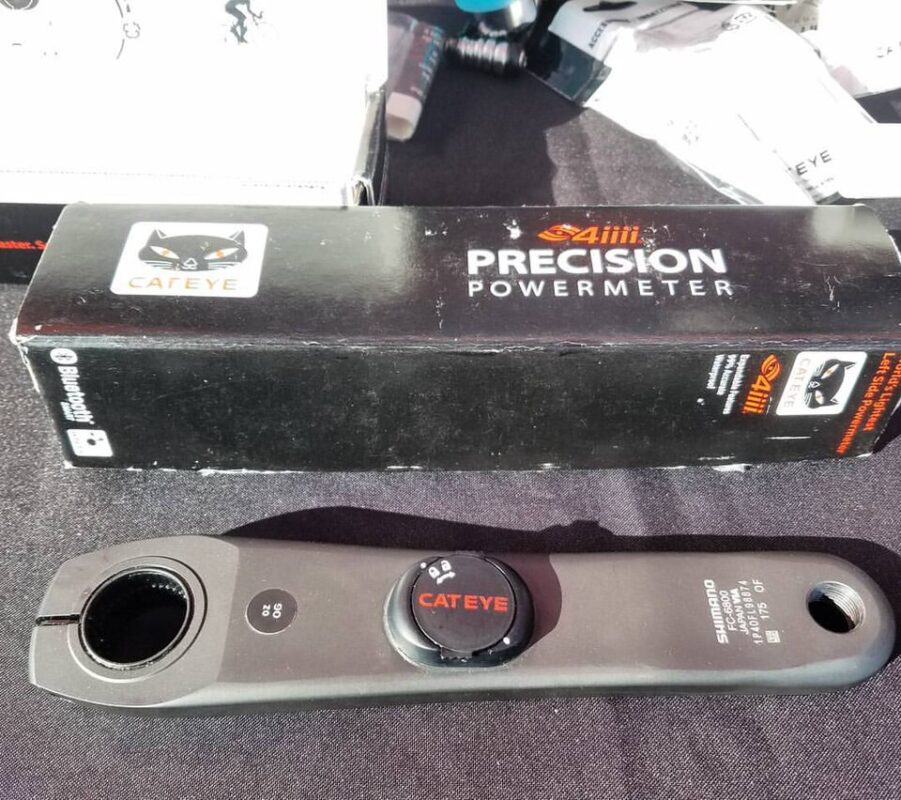
Power Meter Cycling Training for Beginners: Getting Started

Illustration: How to Test Your FTP as a Beginner

Power Meter Training for Beginners: Getting Started

  • FTP (Functional Threshold Power) is your baseline for all training zones
  • The 20-minute test is the best FTP method for beginners
  • Zone 2 endurance rides (60-75% FTP) build the aerobic foundation
  • Consistency (3-4 rides/week) matters more than intensity for beginners
  • Track progress with apps like Strava or TrainerRoad

A power meter measures your actual effort in watts, giving you objective data to train smarter, not harder. For beginners, this means understanding exactly how hard you’re working and ensuring you’re training at the right intensity for your goals in road cycling. Instead of guessing whether you’re pushing hard enough, a power meter shows you precisely how many watts you’re producing, allowing you to structure your training around specific power zones that target different fitness adaptations.

How to Test Your FTP as a Beginner
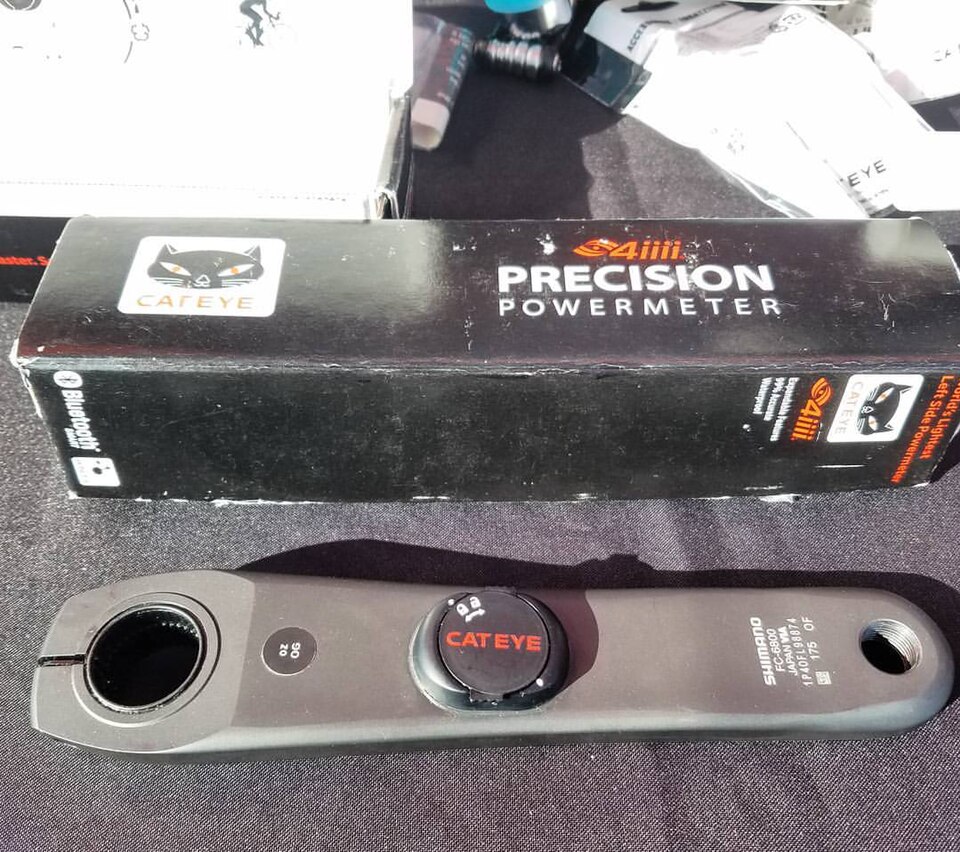
Illustration: How to Test Your FTP as a Beginner

The 20-Minute FTP Test: Step-by-Step for Beginners

  • Warm-up: 10-15 minutes including a few short, hard efforts to prepare your body. Start with easy spinning for 5 minutes, then do 3-4 x 30-second efforts at 85-90% effort with 1-minute easy recovery between each
  • Test: Ride at your maximum sustainable effort for 20 minutes – you should be breathing hard but able to maintain the pace. Find a flat, quiet road or use a trainer where you won’t be interrupted
  • Calculation: Multiply your average power during the 20 minutes by 0.95 to estimate your FTP. For example, if you average 250 watts during the test, your FTP is approximately 238 watts (250 × 0.95)
  • Environment: Perform indoors with a fan for consistent conditions, or on a flat, quiet outdoor road. Indoor testing eliminates variables like wind and traffic, making it ideal for beginners
  • Preparation: Ensure your power meter is calibrated before starting to get accurate readings. Check battery levels and perform a zero-offset calibration according to your power meter’s instructions

The 20-minute test is recommended for beginners because it provides a more accurate FTP estimate than other methods. Your FTP represents the highest average power you can sustain for about one hour, making it the foundation for all your training zones. This test might feel intimidating at first, but remember that your first FTP number is just a starting point – you’ll see improvements within weeks of consistent training.

Ramp Test vs 20-Minute Test: Which is Better for Beginners?

The ramp test is ideal for beginners as it minimizes pacing errors. This test involves pedaling at a steady cadence while resistance gradually increases minute-by-minute until you can’t continue. The main advantage is you don’t have to worry about starting too hard or too easy – the test does the work for you. Most training apps like TrainerRoad and Zwift offer built-in ramp tests that automatically calculate your FTP at the end.

The 20-minute test, while requiring more pacing skill, gives you a more accurate FTP estimate. During the test, you need to find that sweet spot where you’re working hard enough to get a good number but not so hard that you blow up in the first 5 minutes. Choose the ramp test if you’re nervous about pacing, or the 20-minute test if you want the most precise baseline for your training. Test your FTP every 6-12 weeks to update your zones as your fitness improves – you’ll be surprised how quickly your numbers can change with consistent training.

Understanding Power Training Zones for Beginners
Illustration: Understanding Power Training Zones for Beginners

Power Zones Explained: What Each Zone Does

  • Zone 1: Active Recovery (<55% FTP) – Very light effort for recovery rides and between intervals. These rides feel almost too easy but are crucial for recovery and building endurance base. Perfect for active recovery days or between hard interval sets
  • Zone 2: Endurance (55-75% FTP) – Builds aerobic base, improves fat burning, focus on longer rides. This is where you’ll spend most of your training time as a beginner. These rides develop your cardiovascular system and teach your body to use fat as fuel efficiently
  • Zone 3: Tempo (76-90% FTP) – Develops sustained power and muscular endurance. This zone feels comfortably hard – you can talk, but only in short sentences. Great for building climbing strength and sustained efforts
  • Zone 4: Threshold (91-105% FTP) – Improves ability to sustain hard efforts. This is your FTP pace – hard but sustainable for 20-60 minutes. Training here increases your lactate threshold and improves your ability to handle intense efforts
  • Zone 5: VO2 Max (106-120% FTP) – Enhances maximal oxygen uptake. These are hard, breathless efforts lasting 3-8 minutes. Training in this zone improves your body’s ability to process oxygen and delays fatigue
  • Zone 6: Anaerobic (>120% FTP) – Improves short, explosive power. These are all-out efforts lasting less than 3 minutes. While important for racing, beginners should focus on Zones 1-4 first

Each zone serves a specific purpose in your training. Zone 2 endurance rides are particularly crucial for beginners as they build the aerobic foundation you need for all other training. The zones are based on percentages of your FTP, so as your fitness improves, the same zone will feel easier. For example, what felt like a hard Zone 3 effort at the beginning of your training might become your Zone 2 pace after a few months of consistent riding.

Once you’ve established your FTP, you can input it into training apps to automatically calculate your zones. In Strava, go to Settings > Training > FTP and enter your number. The app will then display your power zones and show you which zone you’re riding in during each activity. Zwift will prompt you to set FTP when you first connect your power meter, and you can adjust it later in your profile settings.

TrainerRoad has a dedicated FTP test feature that helps you establish your baseline and automatically updates your zones when you complete a new test. Garmin apps like Garmin Connect and the Garmin Edge devices also allow you to set custom FTP values and display your zones during rides. After setup, these apps will automatically color-code your rides based on which zone you’re riding in, making it easy to stay in the right intensity range. You’ll also be able to track your progress over time as your power numbers improve, seeing trends in your average power, time in zones, and overall fitness progression.

Zone 2 Endurance Rides: The Foundation of Beginner Training

Why Zone 2 Rides Matter More Than You Think

Zone 2 endurance rides at 60-75% FTP build your aerobic capacity and improve your body’s ability to burn fat for fuel. These rides might feel too easy, but they’re actually the most important training you can do as a beginner. They develop the cardiovascular system and muscular endurance you need for harder efforts later. During Zone 2 rides, your body becomes more efficient at using oxygen and fat as energy sources, which is the foundation for all endurance sports.

The beauty of Zone 2 is that it’s sustainable for long durations – think 1-3 hour rides where you can comfortably hold a conversation. This zone also provides excellent recovery benefits, making it perfect for days between harder workouts. Many beginners make the mistake of training too hard, not too easy, so embrace the lower intensity. Zone 2 training increases mitochondrial density in your muscles, improves capillary networks for better blood flow, and enhances your body’s ability to clear lactate – all essential adaptations for becoming a stronger cyclist.

Sample Zone 2 Workout: Your First Structured Ride

  • Duration: 60-90 minutes at 60-75% FTP. Start with 60 minutes if you’re new to structured training and gradually build up to 90 minutes over several weeks
  • Cadence: 85-95 RPM for efficient pedaling. This cadence range helps you maintain smooth, efficient power output while reducing muscle fatigue
  • Terrain: Flat to rolling routes that let you maintain steady power. Avoid routes with frequent steep climbs or descents that make it hard to stay in Zone 2
  • Monitoring: Keep your 3-second average power display in the Zone 2 range. Use your bike computer or cycling app to watch your power output and make small adjustments to stay in the target zone
  • Goal: Complete the full duration without spiking above Zone 3. Focus on consistency rather than speed – the goal is to maintain Zone 2 power throughout the entire ride

This workout is perfect for your first structured ride with a power meter. The key is consistency – aim for 3-4 structured rides per week rather than infrequent long rides. Use apps like Strava or TrainerRoad to analyze your power output trends and track your progress over time. You’ll start to see patterns in your power distribution, average power improvements, and how your body responds to different training loads. For a complete structured approach, see our Beginner Cycling Training Plan: Build Your Fitness Safely.

The surprising truth about power meter training is that beginners often make the mistake of training too hard, not too easy. Schedule your first FTP test this week and commit to 3 Zone 2 rides per week for the next month. You’ll be amazed at how much your aerobic fitness improves with this patient, structured approach. Many cyclists report significant improvements in their endurance and recovery within just 4-6 weeks of consistent Zone 2 training, even though the rides feel relatively easy during the workout.

Remember that power meter training is a tool to guide your efforts, not a strict rule. Listen to your body, especially when you’re starting out. Some days you might feel great and want to push harder, while other days you might need to back off. The beauty of using power data is that it helps you make informed decisions about your training intensity. As you gain experience, you’ll learn to balance the objective data from your power meter with your subjective feelings of effort and fatigue.

For more foundational advice on getting started with cycling, check out our Essential Cycling Tips for Beginners Starting Their Journey. This guide covers everything from basic bike handling to nutrition and recovery strategies that complement your power-based training program.
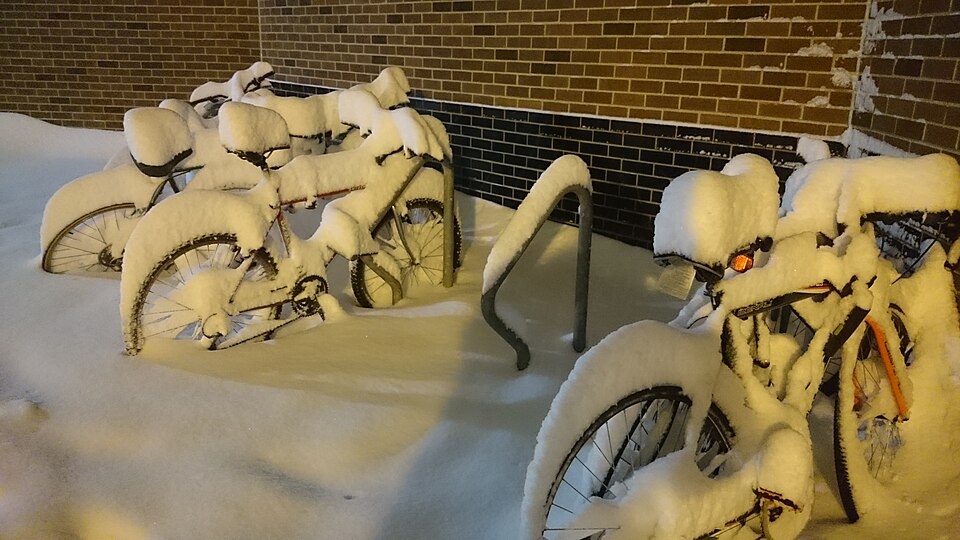
Cold Weather Road Cycling: Tire Pressure for Winter Riding

Illustration: How Much Should You Lower Tire Pressure for Winter Riding?

For cold weather road cycling, the key is to lower your tire pressure to increase traction on slippery surfaces and improve comfort on winter roads. Expert recommendations suggest dropping your PSI by 10–15 PSI compared to your summer settings.

Key Takeaway

  • Drop tire pressure by 10-15 PSI from summer settings for winter riding

  • 28mm tires: 70-75 PSI, 30mm tires: 60-65 PSI for typical winter conditions

  • Tire pressure drops 1 PSI for every 10-degree Fahrenheit temperature decrease

How Much Should You Lower Tire Pressure for Winter Riding?

Illustration: How Much Should You Lower Tire Pressure for Winter Riding?

Adjusting your tire pressure for winter conditions is crucial for maintaining control and comfort on cold, potentially slippery roads. The standard recommendation is to drop your PSI by 10–15 PSI compared to your summer settings. This reduction creates a larger contact patch between the tire and the road, which is essential for handling in wet or icy conditions.

10-15 PSI Drop from Summer Settings: The Standard Adjustment

When temperatures drop, your tires need different pressure to maintain optimal performance. The 10–15 PSI reduction from your summer settings is based on the physics of how tires interact with road surfaces in cold conditions. Lower pressure allows the tire to deform more easily, creating a larger contact patch that grips the road better. This is particularly important when riding on wet leaves, frost, or the occasional patch of ice that can appear on winter roads.

The adjustment also improves comfort significantly. Winter roads are often rougher due to freeze-thaw cycles, potholes, and debris. Lower pressure helps absorb these imperfections, reducing fatigue and making your ride more enjoyable. Many cyclists report that their winter rides feel more controlled and less jarring when they make this pressure adjustment.

Consider the science behind this recommendation: when you lower tire pressure, you increase the tire’s surface area in contact with the road. This larger contact patch distributes your weight over more rubber, improving grip on slippery surfaces. The deformation of the tire also creates a damping effect that smooths out road vibrations, which is especially valuable when riding on winter-damaged pavement.

Professional cyclists and bike mechanics often recommend starting with the 10-15 PSI reduction and then fine-tuning based on your specific conditions. If you’re riding on particularly rough roads or in areas with frequent temperature fluctuations, you might find that a slightly larger reduction provides even better comfort and control. For optimal winter performance, consider following a Complete Bike Maintenance Checklist Every Cyclist Should Follow before the season begins.

Specific PSI Recommendations by Tire Width

Tire Width

Recommended Winter PSI

Optimal Conditions

Notes

25mm

75-80 PSI

Dry, cold roads

Traditional racing width

28mm

70-75 PSI

Most common winter width

Good balance of speed and comfort

30mm

60-65 PSI

Rough winter roads

Maximum comfort and traction

32mm+

55-60 PSI

Very rough conditions

Gravel bike territory

The relationship between tire width and optimal pressure is based on the tire’s volume and construction. Wider tires can run at lower pressures because they have more air volume to support the rider’s weight. This means a 30mm tire at 65 PSI will feel much more comfortable than a 25mm tire at the same pressure.

Many cyclists are surprised to learn that wider tires at lower pressures can actually be faster than narrow tires at high pressures, especially on rough winter roads. The reason is that high pressure causes the bike to bounce over small bumps, which wastes energy. Lower pressure allows the tire to roll over imperfections smoothly, maintaining momentum and reducing fatigue.

What Factors Affect Tire Pressure in Cold Weather?

Illustration: What Factors Affect Tire Pressure in Cold Weather?

Several factors beyond just temperature affect how you should set your tire pressure for winter riding. Understanding these variables will help you fine-tune your setup for optimal performance and safety.

Temperature Effects: 1 PSI Drop Per 10°F Decrease

  • Temperature Impact: Tire pressure drops by approximately 1 PSI for every 10-degree Fahrenheit drop in temperature. This means if you set your pressure in a warm garage and then ride in freezing conditions, your pressure could be significantly lower than intended.

  • Pre-Ride Checks: Always check your tire pressure before every winter ride. The temperature difference between your storage area and the outside environment can be substantial, and pressure can change throughout the day as temperatures fluctuate.

  • Morning vs Afternoon: If you ride in the morning when it’s coldest, your pressure will be lower than during afternoon rides. Plan accordingly and adjust if you’re riding across different temperature conditions.

  • Storage Temperature: Where you store your bike affects your starting pressure. A bike stored in a heated garage will have higher pressure than one stored in an unheated shed, even before you ride.

The temperature effect is particularly important in winter because temperature swings can be dramatic. A 30-degree temperature drop could reduce your tire pressure by 3 PSI, which is enough to affect handling and comfort. This is why professional mechanics often recommend checking pressure multiple times during long winter rides or stage races.

Rider Weight and Tubeless Advantages

  • Weight Adjustments: If you are a heavier rider (over 85 kg / 187 lbs), increase your pressure slightly (+0.5 to +1 bar) to avoid pinch flats. The general recommendation assumes an average rider weight of around 70kg/155lbs.

  • Tubeless Benefits: Running tubeless tires allows for lower pressures without the risk of pinch flats. This is particularly advantageous in winter when you want maximum traction and comfort. Tubeless setups also seal small punctures automatically, which is helpful when debris is more common on winter roads.

  • Pressure Monitoring: Consider using a digital pressure gauge for more accurate readings. Small differences in pressure can affect performance, especially in challenging winter conditions.

  • Road Surface Considerations: The rougher and more debris-filled the road, the more you might want to consider tubeless setups or slightly higher pressures to prevent punctures.

Weight distribution affects pressure requirements significantly. A 200-pound rider will need substantially different pressure than a 120-pound rider, even with the same tire width. The formula for optimal pressure often includes weight as a key variable, with heavier riders needing proportionally more pressure to support their weight without bottoming out on the rim.

How Should You Adjust Front vs Rear Tire Pressure?

Weight distribution on your bike affects how pressure should be distributed between your front and rear tires. Understanding this difference helps optimize your bike’s handling and performance.

Rear Tire 0.5 Bar Higher Than Front: Weight Distribution

The rear tire should be inflated slightly more—about 0.5 bar (7 psi) higher—than the front tire. This difference accounts for the fact that the rear tire bears more weight, especially when you’re riding in the saddle. The additional pressure in the rear helps prevent pinch flats and maintains proper tire shape under load.

This pressure differential becomes even more important in winter conditions. The rear tire experiences more force during acceleration and climbing, and the extra pressure helps maintain efficiency and prevents excessive tire deformation that could lead to handling issues on slippery surfaces.

Weight distribution varies significantly based on riding position. When riding in the drops, more weight shifts to the front wheel, while riding in the saddle moves more weight to the rear. This is why the 0.5 bar difference is a general guideline rather than a strict rule—your ideal setup might vary based on your riding style and position.

Consider also that the front tire is crucial for steering and braking. Too much pressure in the front can reduce traction when cornering or braking, while too little pressure can make the bike feel unstable. The 0.5 bar difference provides a good balance between stability and traction for most riders.

Modern Wide Tires vs Historical High Pressure Racing

Historically, racers used high pressure (100+ PSI) because narrow tires were the norm and higher pressure reduced rolling resistance on smooth surfaces. However, modern wider tires have changed this paradigm significantly. Today’s 28mm and 30mm tires are more comfortable and just as fast at lower pressures, especially on the imperfect winter roads you’ll encounter.

The wider tires provide better traction and comfort at lower pressures, making them ideal for winter riding. They also roll more efficiently over rough surfaces because they can deform to absorb bumps rather than bouncing, which actually saves energy compared to the older high-pressure approach on rough winter roads.

Professional cycling has evolved significantly in recent years regarding tire pressure. What was once considered standard practice (100+ PSI in narrow tires) has been largely abandoned in favor of wider tires at lower pressures. This shift has been driven by both performance data and rider feedback about comfort and control.

The physics behind this change is fascinating. At very high pressures, tires become so hard that they can’t conform to road surfaces. This creates a small contact patch and causes the bike to bounce over imperfections. At optimal lower pressures, the tire can deform to maintain contact with the road, providing better traction and a smoother ride.

The most surprising finding is that lower tire pressure in winter actually improves both safety and speed, contrary to what many cyclists might expect. The key action step is to check your tire pressure before every winter ride and adjust it based on the current temperature—you’ll notice immediate improvements in traction and comfort that make winter cycling much more enjoyable and safe.

Keto Cycling Nutrition: Fat-Adapted Performance Strategies

Illustration: What is Keto Cycling and How Does It Improve Endurance Performance

Keto-adapted athletes can burn up to 2.5x more fat during endurance exercise compared to carb-dependent athletes, making keto cycling a powerful performance strategy for endurance athletes seeking metabolic efficiency.

Key takeaway

  • Keto cycling combines fat adaptation with strategic carb refeeds to optimize both fat burning and glycogen availability
  • Timing carbohydrate intake around training sessions maximizes performance while maintaining metabolic flexibility
  • Improved fat oxidation can increase endurance capacity by 20-30% in well-adapted athletes

What is Keto Cycling and How Does It Improve Endurance Performance

Illustration: What is Keto Cycling and How Does It Improve Endurance Performance

Keto cycling nutrition represents a strategic approach to endurance performance that combines the metabolic benefits of fat adaptation with the performance advantages of carbohydrate availability. This method addresses one of the fundamental challenges endurance athletes face: how to maintain high-intensity performance while optimizing fat-burning efficiency for long-duration events.

The Science of Fat Adaptation: How Your Body Learns to Burn Fat Efficiently

Fat adaptation occurs when athletes significantly reduce carbohydrate intake, forcing the body to rely on fat as its primary energy source. Research shows that adaptation to a ketogenic low-carbohydrate, high-fat (LCHF) diet markedly increases rates of whole-body fat oxidation during exercise in race walkers and endurance athletes. This metabolic shift allows skeletal muscle to become more efficient at burning fat, sparing precious glycogen stores for high-intensity efforts when they’re most needed.

The adaptation process typically takes 4-6 weeks, during which the body increases mitochondrial density and enhances fat-metabolizing enzyme production. High-fat, low-carbohydrate diets can increase skeletal muscle’s ability to burn fat by up to 200-250% compared to traditional high-carbohydrate diets. This enhanced fat oxidation means athletes can sustain longer efforts without experiencing the “bonking” or “hitting the wall” phenomenon that occurs when glycogen stores are depleted.

Keto Cycling vs Traditional Carb Loading: A Performance Comparison

Traditional carb loading focuses on maximizing glycogen storage through high-carbohydrate intake before and during events. While effective for short, high-intensity efforts, this approach can lead to gastrointestinal distress and doesn’t optimize fat-burning capabilities. Keto cycling offers a different paradigm by developing metabolic flexibility – the ability to efficiently switch between fat and carbohydrate fuel sources based on exercise intensity and duration.

The key difference lies in metabolic adaptation. Carb-dependent athletes rely primarily on glycogen for fuel, while keto-adapted athletes develop enhanced fat oxidation capabilities. During long endurance events, keto-adapted athletes can maintain steady energy output using fat stores, while carb-dependent athletes must constantly replenish glycogen through carbohydrate intake. This metabolic efficiency can translate to improved performance in ultra-endurance events lasting several hours or more.

Metabolic Benefits of Fat Adaptation for Endurance Athletes

Fat adaptation provides several performance advantages for endurance athletes. Improved fat oxidation allows athletes to access virtually unlimited fat stores for energy, reducing dependence on external carbohydrate sources during long events. Glycogen sparing becomes a critical benefit, as the body preserves carbohydrate stores for high-intensity efforts like hill climbs, sprints, or race finishes.

Enhanced metabolic flexibility enables athletes to efficiently utilize both fat and carbohydrate fuel sources. This dual-fuel capability means athletes can perform well in varied terrain and intensity conditions without experiencing the energy crashes common in strictly carb-dependent athletes. Reduced bonking risk occurs because fat-adapted athletes have more stable blood sugar levels and don’t experience the sharp energy drops associated with glycogen depletion.

Timing Carb Intake for Maximum Performance

Illustration: Timing Carb Intake for Maximum Performance

Strategic carbohydrate timing represents one of the most critical aspects of successful keto cycling implementation. Unlike traditional ketogenic diets that maintain strict carbohydrate restriction, keto cycling incorporates planned carbohydrate refeeds to optimize performance while maintaining metabolic benefits.

Strategic Carb Refeed Scheduling: When to Eat Carbs on Keto Cycling

Carbohydrate timing on keto cycling typically follows a pattern of low-carbohydrate days combined with strategic higher-carbohydrate days. Most athletes implement a 5:2 or 4:3 ratio, with 5-4 days of ketogenic eating followed by 2-3 higher-carbohydrate days. The key principle involves consuming carbohydrates during active periods when the body can immediately utilize the glucose for energy rather than storing it as fat.

For endurance athletes, carbohydrate timing often aligns with training intensity and volume. Higher-carbohydrate days typically coincide with the most demanding training sessions or races, ensuring optimal glycogen availability when needed most. During these periods, athletes might consume 30-120 grams of carbohydrate per hour during exercise to maintain blood glucose, spare glycogen, and prevent fatigue. This targeted approach allows for the maintenance of higher exercise intensities and ultimately improved performance during key workouts.

Carb Loading vs Keto Cycling: Different Approaches for Different Goals

Traditional carb loading involves consuming a high-carbohydrate diet 1-3 days prior to long-duration endurance events to maximize glycogen stores. This approach can increase muscle thickness, circumferences, and glycogen availability by 50-100%. However, carb loading may cause gastrointestinal distress and doesn’t develop the metabolic flexibility that keto cycling provides.

Keto cycling offers a more nuanced approach by developing fat-burning capabilities while strategically using carbohydrates for performance optimization. Rather than relying solely on glycogen stores, keto-adapted athletes can efficiently utilize both fuel sources. This metabolic flexibility becomes particularly valuable in ultra-endurance events where fat oxidation can provide sustained energy for hours beyond what glycogen stores alone would allow.

Common Mistakes in Carb Timing and How to Avoid Them

One common mistake involves consuming carbohydrates at inappropriate times, such as during rest days or low-intensity training when the body doesn’t need the extra glucose. This can lead to fat storage rather than energy utilization. Another frequent error is overconsuming carbohydrates on higher-carb days, which can disrupt ketosis and slow the adaptation process.

Poor timing around workouts represents another challenge. Athletes sometimes consume carbohydrates too far from training sessions, missing the optimal window for glycogen replenishment and utilization. Additionally, some athletes struggle with finding the right balance between fat adaptation and carbohydrate availability, either remaining too strict with keto or reverting to high-carbohydrate eating patterns that negate the metabolic benefits.

Implementation Strategies for Keto Cycling Success

Illustration: Implementation Strategies for Keto Cycling Success

Successful keto cycling implementation requires careful planning, monitoring, and adjustment based on individual responses and performance goals. The transition period and ongoing optimization process are critical for achieving the desired metabolic and performance benefits.

Creating Your Keto Cycling Meal Plan: A Step-by-Step Guide

Creating an effective keto cycling meal plan begins with establishing your baseline macronutrient needs. Start by calculating your total daily energy expenditure and determining your protein requirements, typically 1.2-1.6 grams per kilogram of body weight for endurance athletes. Fat intake should comprise 70-80% of total calories on ketogenic days, while carbohydrate intake remains below 50 grams per day.

The meal planning process involves structuring your week around training demands. Plan ketogenic meals for lower-intensity training days and recovery periods, focusing on high-quality fats from sources like avocados, nuts, seeds, olive oil, and fatty fish. Schedule higher-carbohydrate days around your most demanding workouts or races, incorporating complex carbohydrates like sweet potatoes, quinoa, and oats. Include adequate electrolytes, particularly sodium, potassium, and magnesium, as these can become depleted during the initial adaptation phase.

Monitoring Progress and Adjusting Your Approach

Effective monitoring involves tracking multiple performance and health markers to optimize your keto cycling approach. Performance metrics include power output, heart rate variability, recovery times, and subjective energy levels during different types of training. Body composition measurements can help assess whether you’re maintaining muscle mass while potentially reducing body fat.

Energy level tracking throughout the day provides insights into how well your body is adapting to different nutritional phases. Some athletes experience improved sustained energy on ketogenic days, while others may need more frequent carbohydrate refeeds. Blood ketone testing can help verify that you’re achieving and maintaining ketosis on low-carbohydrate days, while glucose monitoring can ensure you’re not experiencing dangerous blood sugar fluctuations.

Supplements and Support for Keto Cycling Athletes

Several supplements can support successful keto cycling implementation and performance optimization. Electrolytes become particularly important, as ketogenic diets can increase sodium, potassium, and magnesium excretion. Supplementing with 3-5 grams of sodium, 1-2 grams of potassium, and 300-500 mg of magnesium daily can help prevent the “keto flu” symptoms and support optimal performance.

Medium-chain triglyceride (MCT) oil provides readily available ketone bodies and can help maintain energy levels during the adaptation phase. Exogenous ketones may benefit athletes during particularly demanding training blocks or competitions, though they should not replace the metabolic benefits of endogenous ketone production. Branched-chain amino acids (BCAAs) can support muscle recovery and reduce soreness, particularly important during the adaptation phase when performance may temporarily decline.

While traditional carb loading remains effective for short, high-intensity events, keto cycling offers endurance athletes a metabolic advantage that can transform their performance ceiling. The key is giving your body 4-6 weeks to fully adapt before expecting peak results. Start by implementing a 5-day keto cycle with 2 higher-carb days timed around your most demanding training sessions, and track your fat oxidation rates using a metabolic testing device to measure your progress.

For cyclists looking to optimize their performance through nutritional strategies, understanding the fundamentals of metabolic efficiency is crucial. Road cycling demands both aerobic and anaerobic energy systems, making metabolic flexibility particularly valuable. Consider consulting with a sports nutritionist who specializes in ketogenic diets to develop a personalized plan that aligns with your specific training goals and competitive schedule.

Frequently Asked Questions About Cycling Nutrition For Keto Athletes

Illustration: Frequently Asked Questions About Cycling Nutrition For Keto Athletes

What happens when an athlete follows a carbohydrate loading diet before competition?

Carb-loading helps ensure the body has sufficient glycogen stores for endurance events. Athletes typically consume high-carb foods like pasta, potatoes, and rice in the days leading up to competition to maximize energy availability.

What is a common nutritional strategy used by endurance athletes to maximize glycogen storage?

Carb loading is a dietary approach used by athletes that involves consuming a high-carbohydrate diet, usually 1 – 3 days prior to a long-duration endurance event to increase glycogen stores in their muscles.

Why do many athletes choose a meal high in carbohydrates before a competition?

Athletes choose high-carb meals before competition to build up glycogen stores. This typically involves eating foods like pasta, potatoes, and rice in the days leading up to the event to ensure optimal energy levels.

What is one reason why endurance athletes need to increase their carbohydrate intake?

Carbohydrate intake of 30-120 grams per hour during endurance events helps maintain blood glucose, spare glycogen, and prevent fatigue, allowing athletes to sustain performance over longer periods.

What is the 4-2-1 rule for athletes?

The 4-2-1 rule suggests eating a balanced meal 4 hours before exercise, a carb-focused snack 2 hours before, and easily digestible carbs 1 hour before. This timing helps optimize energy availability and digestion.

Hot Weather Cycling: Tire Pressure Adjustments for Heat

Illustration: How Hot Weather Affects Road Bike Tire Pressure

Hot weather can increase road bike tire pressure by 2-5 PSI within minutes of riding, creating safety risks. Here’s exactly how to adjust your pressure for safe, comfortable riding in the heat.

Hot Weather Tire Pressure Adjustments

  • Reduce pressure by 2-5 PSI (0.15-0.35 bar) before hot rides
  • Check pressure cold, before riding — never after a hot ride
  • Wider tubeless tires (25-32mm) handle heat better than narrow clinchers
  • Hookless rims have a maximum 5 bar/72.5 PSI limit for safety

How Hot Weather Affects Road Bike Tire Pressure

Illustration: How Hot Weather Affects Road Bike Tire Pressure

Temperature Rise Increases Pressure by 2-5 PSI

  • Ideal gas law physics: Air expands per ideal gas law; pressure rises with heat from ambient temp, sun, friction, braking
  • Pressure increase rate: ~2% per 10°F (5.5°C) rise; 2.5 PSI per 10°C
  • Typical hot day scenario: 70°F to 130°F tarmac raises ~9 PSI
  • Surface heat factor: Road surfaces can reach 200°F (93°C), significantly hotter than air temperature

Hot weather affects tire pressure through basic physics. Air inside your tires expands as temperature rises, following the ideal gas law. For every 10°F (5.5°C) increase in temperature, tire pressure rises by approximately 2%. This means a 20°F increase can boost pressure by 4-5 PSI.

On hot summer days, road surfaces can reach 200°F (93°C), significantly hotter than ambient air temperature. Combined with direct sunlight heating your tires and friction from riding, pressure can climb rapidly. A typical scenario: starting at 70°F with 90 PSI, riding on 130°F tarmac can increase pressure by 9 PSI within minutes.

The physics is straightforward: P1/T1 = P2/T2, where pressure and temperature are directly proportional. This expansion continues throughout your ride, making initial pressure settings critical for safety and performance. According to cycling pressure studies, most road cyclists underestimate how quickly pressure builds during hot weather riding, leading to dangerous overinflation that can cause tire blowouts or reduced traction.

Why Checking Pressure After Riding is Misleading

Many cyclists make a dangerous mistake: checking tire pressure after a hot ride and bleeding air to reach their “normal” pressure. This creates a serious underinflation problem.

When tires are hot from riding, pressure readings are artificially elevated. As tires cool down, pressure drops significantly. If you bleed air while tires are hot to reach your target pressure, you’ll be 3-5 PSI underinflated when the tires cool completely.

The correct approach is “cold inflation” – always check and set tire pressure before riding, when tires are at ambient temperature. This ensures you start with the right pressure that will safely expand during your ride. Never bleed air from hot tires, as this guarantees dangerous underinflation once they cool.

Professional mechanics recommend checking pressure first thing in the morning before the sun hits your garage or storage area. This “cold” reading provides the baseline for safe riding. A common error is checking pressure after a ride in the shade, thinking the tires have cooled. However, they retain significant heat and will give falsely high readings that lead to dangerous adjustments.

How Much to Reduce Tire Pressure in Hot Weather

Illustration: How Much to Reduce Tire Pressure in Hot Weather

Standard Reduction: 2-5 PSI Lower Than Normal

  • Standard reduction range: Start 2-5 PSI (0.15-0.35 bar) lower on hot days
  • Higher reduction (4-5 PSI): Long descents where rim brakes generate significant heat
  • Lower reduction (2-3 PSI): Flat terrain with minimal braking, moderately warm days around 80°F (27°C)
  • Applies to all tire types: Clinchers, tubeless, and tubulars

For hot weather riding, start with tires 2-5 PSI (0.15-0.35 bar) lower than your normal pressure setting. This preemptive reduction creates a safety buffer for pressure increases during your ride.

Use the higher end of this range (4-5 PSI) for long descents where rim brakes generate significant heat, very hot days above 90°F (32°C), and high-performance riding where you want maximum traction. The heat generated by rim brakes on long descents can add 3-5 PSI beyond ambient temperature effects alone.

Use the lower end (2-3 PSI) for flat terrain with minimal braking, moderately warm days around 80°F (27°C), and endurance rides where comfort is prioritized. This reduction applies to all tire types – clinchers, tubeless, and tubulars. The goal is maintaining safe operating pressure throughout temperature fluctuations during your ride.

Pressure Guidelines by Tire Width and Rider Weight

Tire Width Rider Weight (kg) Normal Pressure (PSI) Hot Weather Pressure (PSI)
25mm 60-70 95-105 90-100
25mm 70-80 100-110 95-105
25mm 80-90 105-115 100-110
28mm 60-70 80-90 75-85
28mm 70-80 85-95 80-90
28mm 80-90 90-100 85-95
32mm 60-70 65-75 60-70
32mm 70-80 70-80 65-75
32mm 80-90 75-85 70-80

Tire width significantly impacts optimal pressure, especially in hot weather. Wider tires run lower pressure and handle heat better than narrow tires. Modern 28-32mm tires: 50-90 PSI by rider weight, with hot-weather adjustments noted. Wider tires provide better heat management because they have more air volume, which means smaller relative pressure changes for the same temperature increase.

They also run at lower absolute pressures, giving more room for safe expansion. For example, a 32mm tire at 70 PSI has more expansion headroom than a 25mm tire at 105 PSI when both experience the same temperature increase. This is why many professional cyclists switch to wider tires for summer riding and hot weather events.

Special Considerations for Tubeless and Hookless Rims

Illustration: Special Considerations for Tubeless and Hookless Rims

Tubeless Tire Risks and Benefits in Heat

  • Benefit: Tubeless setups typically run 5-10 PSI lower than comparable clincher setups
  • Risk: “Burping” – tire momentarily loses seal with rim under extreme heat and pressure
  • Heat advantage: Wider tires (25-32mm) run lower PSI, better heat margin
  • Pressure dynamics: Lower operating pressures mean smaller relative pressure increases

Tubeless tires offer both advantages and unique risks in hot weather conditions. The main benefit is that tubeless setups typically run 5-10 PSI lower than comparable clincher setups, providing a larger safety margin for pressure increases.

However, tubeless tires face a specific risk called “burping” – where the tire momentarily loses seal with the rim under extreme heat and pressure, releasing small amounts of air. This is more likely during long, steep descents with heavy braking, very high ambient temperatures, and underinflated conditions (below 40 PSI for most road tubeless tires) — road cycling.

Wider tubeless tires (25-32mm) handle heat better than narrow ones because they distribute heat more evenly and have greater air volume. The lower operating pressures of tubeless setups also mean smaller relative pressure increases for the same temperature rise. Many cyclists find that tubeless tires provide better flat protection in hot weather, as the sealant can quickly seal small punctures that might otherwise cause pressure loss.

Hookless Rim Safety Limits and Maximum Pressure

  • Maximum limit: Hookless rims: Max 5 bar/72.5 PSI
  • Critical safety: Lack mechanical retention that traditional hooked rims provide
  • Hot weather impact: Starting near maximum leaves no safety margin for pressure increases
  • Carbon clincher warning: Risk of blowouts on long descents due to rim brake heat

Hookless rim technology, increasingly common on modern carbon wheels, has a critical maximum pressure limit of 5 bar (72.5 PSI). This limit exists because hookless rims lack the mechanical retention that traditional hooked rims provide.

In hot weather, this limit becomes even more important. As pressure rises from heat, you’re essentially using up your safety margin. If you start near the maximum and pressure increases during your ride, you could exceed the safe operating limit.

For hookless rims in hot weather: never exceed 65 PSI when setting cold pressure, reduce by 3-4 PSI from your normal setting on hot days, and be especially cautious on long descents where braking heat compounds pressure increases. Carbon clincher wheels face similar risks on long descents, where rim brake heat can cause tire blowouts. Tubeless setups eliminate this specific risk since there’s no inner tube to overheat and fail.

Most cyclists check tire pressure at the wrong time – after a hot ride when tires are still warm. The surprising truth: that reading will be 3-5 PSI higher than your actual cold pressure. For your next hot-weather ride, check pressure first thing in the morning before the sun hits your garage, reduce by 3 PSI from your normal setting, and you’ll have the perfect balance of safety and performance all day long. Remember that proper bike maintenance includes regular tire pressure checks.

Learn more about road cycling and tire maintenance on our comprehensive guide to cycling safety and performance.