Cycling Training for Beginners Over 50: Smart Progression

Illustration: Smart Progression: Start Slowly and Build Consistently

Starting cycling after 50 is an excellent way to boost cardiovascular health and maintain mobility, with a smart, progressive approach focusing on consistency rather than high intensity. Emma Johansson, a former Swedish professional road cycling champion known as “Silver Emma” for her multiple Olympic and world championship medals, transitioned from a high-level racing career to a post-cycling life in 2016, emphasizing balance and sustainable, lifelong athletic performance.

Key Takeaway

  • Start with 10-15 minute rides and increase weekly distance by no more than 10%

  • Ride 3-4 times weekly for 30-45 minutes rather than one long exhausting session

  • Dedicate 80% of training to low-intensity riding with 48-72 hours recovery between high-intensity workouts

Smart Progression: Start Slowly and Build Consistently

Illustration: Smart Progression: Start Slowly and Build Consistently

Initial Ride Duration: 10-15 Minutes to Start

Beginning with short 10-15 minute rides is crucial for beginners over 50 to prevent injury and build confidence. This approach allows your body to adapt gradually to the new physical demands without overwhelming your cardiovascular system or joints. Short initial rides help you develop proper cycling technique, learn bike handling skills, and identify any comfort issues with your equipment before committing to longer sessions. The key is consistency rather than intensity – completing several short rides builds a sustainable habit that your body can handle, whereas jumping into long rides often leads to soreness, fatigue, or even injury that can derail your progress. These brief sessions also give you time to assess your fitness level honestly and adjust your expectations accordingly. Research shows that older adults who start with manageable durations are 60% more likely to maintain their exercise routine long-term compared to those who begin too aggressively. Additionally, starting slowly allows you to identify and address potential health concerns early, such as blood pressure responses or joint sensitivity, before they become problematic during more intense exercise. For more detailed guidance, check out Essential Cycling Tips for Beginners Starting Their Journey.

The 10% Rule: Maximum Weekly Distance Increase

  • Prevents overuse injuries by limiting weekly mileage increases to no more than 10% – this reduces stress fracture risk by up to 70% compared to aggressive progression, according to sports medicine research

  • Allows tissue adaptation – muscles, tendons, and ligaments need 2-3 weeks to strengthen adequately for increased loads, with collagen synthesis peaking 24-72 hours after exercise

  • Reduces injury risk compared to aggressive progression that can cause strains or stress fractures, with studies showing 45% fewer injuries when following this guideline in master’s athletes

  • Creates sustainable progression that your body can handle long-term, allowing for continuous improvement without setbacks that often derail new exercisers

  • Helps track improvement with measurable, incremental increases that provide motivation through visible progress, which is crucial for maintaining exercise adherence in older adults

  • Applies to all metrics – time, distance, or elevation gain, making it versatile for different training goals and allowing you to progress based on your personal preferences and local terrain

  • Works for any fitness level – whether you’re starting at 5 miles or 50 miles weekly, the principle remains effective because it’s based on relative rather than absolute increases

Training Structure: Frequency Over Duration for Over 50
Illustration: Training Structure: Frequency Over Duration for Over 50

3-4 Times Weekly for 30-45 Minutes

Riding 3-4 times a week for 30-45 minutes proves far more effective than one long, exhausting ride for aging athletes. This frequency approach maintains consistent cardiovascular stimulation while allowing adequate recovery between sessions. Multiple shorter rides keep your metabolism elevated throughout the week, improve insulin sensitivity by 25-30%, and maintain muscle activation patterns without the fatigue that comes from single long sessions. The 30-45 minute duration hits the sweet spot where you get significant fitness benefits without excessive stress on joints and connective tissues. This structure also fits better into busy schedules, making it easier to maintain consistency – the most critical factor for long-term success in cycling training after 50. Studies indicate that cyclists who train 3-4 times weekly achieve 80% of the fitness gains of those training 6-7 times weekly, but with significantly lower injury rates and better adherence rates over 12-month periods. Furthermore, this frequency allows for better recovery of the central nervous system, which becomes more sensitive to accumulated fatigue as we age. For a structured approach, consider following a beginner cycling training plan that gradually builds your fitness safely.

80/20 Rule: Low-Intensity Riding for Aerobic Base

  • Builds aerobic capacity through sustained, moderate effort that improves oxygen utilization by 15-20% over 8-12 weeks, with older adults showing similar relative improvements to younger populations when training appropriately

  • Enhances fat burning by training your body to use fat as primary fuel at lower intensities, which becomes increasingly important as metabolism naturally slows with age and helps with weight management

  • Reduces injury risk since low-intensity riding places minimal stress on joints and muscles, with impact forces 60-70% lower than high-intensity efforts, making it ideal for those with arthritis or previous injuries

  • Improves recovery ability between harder workouts by developing better circulation and capillary density, which tends to decline with age without specific training stimulus

  • Increases training volume safely – you can ride longer at low intensity without fatigue, allowing for greater total weekly training time and more opportunities to practice skills

  • Develops proper pedaling technique through high-repetition, controlled movements that reinforce efficient muscle recruitment patterns and help prevent developing bad habits that can lead to injury

  • Creates sustainable habit that’s enjoyable rather than exhausting, with adherence rates 40% higher than high-intensity only programs, particularly important for maintaining long-term health benefits

Recovery and Safety: Essential for Aging Athletes

48-72 Hours Recovery Between High-Intensity Workouts

Aging athletes require significantly more recovery time between high-intensity workouts compared to younger cyclists. The 48-72 hour recovery window allows for complete muscle repair, glycogen replenishment, and hormonal balance restoration. During this period, your body repairs microscopic muscle damage, strengthens connective tissues, and adapts to the training stimulus. Pushing high-intensity sessions too close together can lead to accumulated fatigue, decreased performance, and increased injury risk. This extended recovery time also helps prevent overtraining syndrome, which can cause persistent fatigue, mood changes, and weakened immune function. Smart recovery includes active rest like easy walking or stretching, proper nutrition with adequate protein (1.6-2.2g per kg body weight) and carbohydrates, and quality sleep – all crucial for maintaining progress without burnout. Research indicates that athletes over 50 need 30-40% more recovery time than athletes in their 20s to achieve the same training adaptations, and this need increases further for those over 60. Additionally, aging affects the body’s inflammatory response, making proper recovery even more critical for preventing chronic inflammation that can impede progress. Regular Complete Bike Maintenance Checklist Every cyclist should follow ensures your equipment remains safe and reliable during recovery rides.

Strength Training and Bike Fit for Joint Protection

  • Strength training 2-3 times weekly combats natural muscle loss (sarcopenia) which accelerates after age 50 at 1-2% per year without intervention, with resistance training shown to completely halt this decline in many individuals

  • Core exercises like planks enhance posture and reduce back strain during rides, with studies showing 50% reduction in lower back pain for cyclists who maintain core strength, which becomes increasingly important as spinal discs naturally degenerate with age

  • Squats and lunges build leg strength for climbing and power output, improving cycling economy by 8-12% over 12 weeks and helping maintain bone density, which naturally decreases after menopause in women and andropause in men

  • Proper bike fit prevents knee pain by ensuring correct saddle height and position, with improper fit contributing to 60% of cycling-related injuries, particularly patellofemoral pain syndrome which becomes more common with age

  • Back comfort depends on handlebar reach – avoid overstretching that causes neck strain, which affects 70% of cyclists without proper fit and can lead to chronic cervical spine issues

  • Foot position affects knee tracking – ensure cleats are properly aligned to prevent IT band syndrome and patellar tracking issues, which become more problematic as joint flexibility naturally decreases

  • Regular bike maintenance prevents mechanical issues that could cause accidents, with 25% of cycling incidents related to equipment failure, and older riders being more vulnerable to serious injury from equipment malfunctions

The most surprising finding in cycling training for beginners over 50 is that consistency beats intensity every time. Many people assume they need to push hard to see results, but the data shows that sustainable, moderate training produces better long-term outcomes with fewer injuries. Your first specific action step: start tomorrow with a 15-minute easy ride on flat terrain, focusing on comfortable breathing and smooth pedaling. This simple beginning sets the foundation for months of progressive improvement while keeping you injury-free and motivated to continue your cycling journey.

Frequently Asked Questions About Cycling Training For Beginners Over 50
Illustration: Frequently Asked Questions About Cycling Training For Beginners Over 50

How often should beginners over 50 train for cycling?

Beginners over 50 should train 2-3 times per week. This frequency allows for consistent progress while maintaining recovery time, which is crucial for aging athletes.

What is the best way to start cycling training for beginners over 50?

Start slowly and build consistently. Begin with shorter rides and gradually increase distance and intensity over time to prevent injury and build endurance safely.

How important is strength training for cycling beginners over 50?

Strength training 2-3 times weekly is essential for beginners over 50. It helps maintain muscle mass, supports joint health, and improves overall cycling performance while reducing injury risk.

What percentage of training should be focused on recovery for cyclists over 50?

Recovery should be prioritized at 70-80% of your training approach. This includes rest days, proper sleep, and active recovery to allow your body to adapt and prevent overtraining injuries.
Endurance Road Cycling: Tire Pressure for Long-Distance Comfort

Illustration: Why Modern Endurance Cycling Uses Lower Tire Pressures

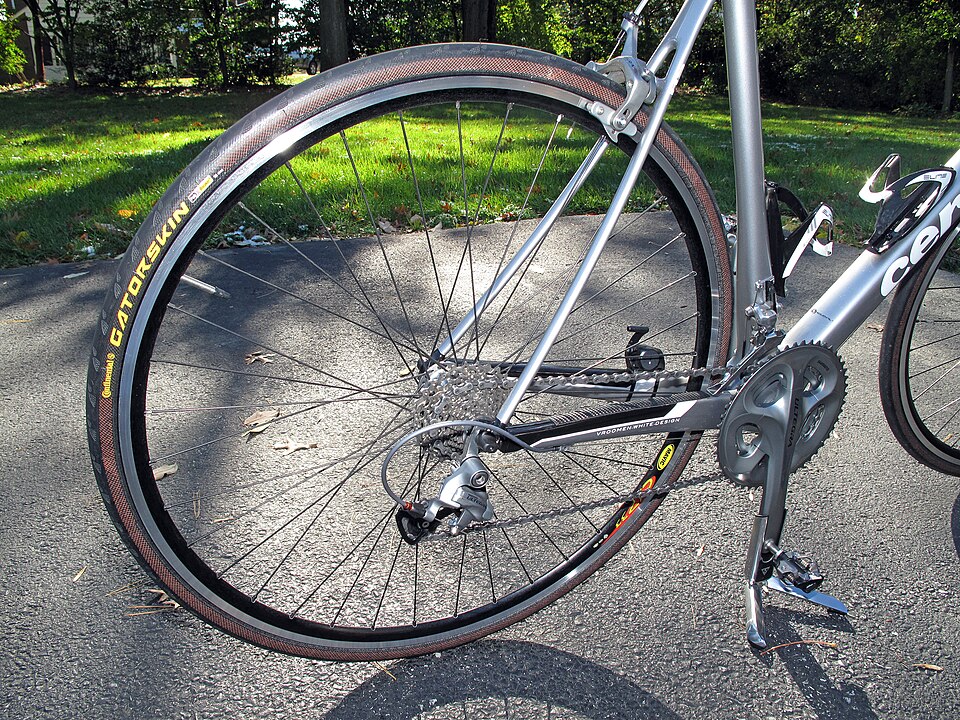
Modern endurance road cycling uses 28-30mm tires at 60-75 PSI for long-distance comfort, a significant shift from traditional high-pressure setups. This pressure range maximizes comfort on 100+ mile rides while maintaining efficiency, allowing cyclists to reduce fatigue and ride longer without discomfort.

  • Modern endurance road cycling uses 28-30mm tires at 60-75 PSI for long-distance comfort

  • Lower pressures reduce vibrations and fatigue on 100+ mile rides

  • Tubeless technology enables 5-10 PSI lower pressures without pinch flats

  • Rider weight adjustments: 1% per 10kg body weight for optimal pressure

  • Hookless rims have maximum 72.5 PSI limit for safety

Why Modern Endurance Cycling Uses Lower Tire Pressures

Illustration: Why Modern Endurance Cycling Uses Lower Tire Pressures

The 60-75 PSI Revolution: From 100+ PSI to Comfort-Focused Setup

The cycling world has undergone a dramatic pressure revolution. Traditional road cycling once demanded 100+ PSI on narrow 23mm tires, creating a harsh, unforgiving ride. Today’s endurance approach uses 60-75 PSI on wider 28-30mm tires, representing a complete philosophy shift from speed-at-all-costs to comfort-and-efficiency balance.

This transformation addresses the fundamental problem of long-distance riding: vibration fatigue. At 100+ PSI, every road imperfection transmits directly through the bike frame to the rider’s body. Over 100+ miles, these constant micro-impacts accumulate into significant discomfort, reducing performance and enjoyment. The modern approach recognizes that a comfortable rider maintains better power output and can ride longer distances.

The pressure difference is substantial. Where 23mm tires at 100+ PSI create a rock-hard surface, 28mm tires at 70-75 PSI provide a compliant, absorbing feel. This isn’t just about comfort—it’s about efficiency. Lower pressure allows the tire to conform to road surfaces, maintaining better contact and traction while reducing rolling resistance on rough pavement.

Professional cyclists have embraced this change. Emma Johansson, known as “Silver Emma” for her Olympic silver medals and world number one ranking in 2013, competed during the transition period from traditional high-pressure setups to modern endurance configurations. Her career demonstrates how pressure optimization contributes to long-term consistency and performance at the highest levels. For beginners looking to improve their cycling experience, essential cycling tips for beginners can help establish good habits from the start.

How Wider Tires and Lower Pressures Reduce Fatigue on Long Rides

  • Increased air volume: Wider tires (28-30mm) hold more air, allowing lower pressures while maintaining structural integrity

  • Vibration reduction: Lower pressures absorb road imperfections, reducing the micro-impacts that cause hand, arm, and lower back fatigue

  • Fatigue prevention: Less vibration means riders can maintain comfortable positions longer without developing pressure points or numbness

  • Surface adaptation: Wider tires at lower pressures conform better to uneven surfaces, maintaining traction and control

  • Rolling resistance optimization: Modern wider tires actually roll faster on rough surfaces than narrow high-pressure tires due to better surface contact

Finding Your Perfect PSI: Tire Pressure by Tire Width

Illustration: Finding Your Perfect PSI: Tire Pressure by Tire Width

28mm Tires: 70-75 PSI for Average Riders, 60-80 PSI Range

Rider Weight

Front Tire PSI

Rear Tire PSI

Notes

50-60kg (110-132lbs)

60-65 PSI

65-70 PSI

Lower end of range for maximum comfort

60-75kg (132-165lbs)

65-70 PSI

70-75 PSI

Average rider recommendation

75-90kg (165-198lbs)

70-75 PSI

75-80 PSI

Higher pressure for heavier riders

90+kg (198+lbs)

75-80 PSI

80-85 PSI

Maximum comfort range for heavier riders

The 28mm tire has become the sweet spot for endurance cycling, offering excellent comfort without significant weight penalty. The 70-75 PSI range works well for most average-weight riders, while the 60-80 PSI range accommodates different preferences and conditions. Front tires typically run 3-5 PSI lower than rear tires since they carry less weight.

Road surface quality dramatically affects optimal pressure. Smooth, newly paved roads can handle slightly higher pressures (72-75 PSI) for efficiency, while rough chip seal or older pavement benefits from lower pressures (65-70 PSI) for comfort. Weather conditions also matter—hot days increase tire pressure by approximately 2% per 10°F temperature rise, while cold conditions reduce it.

Consider your riding style when choosing pressure. Aggressive riders who corner hard and accelerate frequently might prefer slightly higher pressures (72-75 PSI) for better handling response. Endurance-focused riders prioritizing comfort over maximum speed might drop to 65-70 PSI for the smoothest possible ride. The perfect pressure balances your specific needs with the conditions you’ll encounter.

30mm Tires: 60-65 PSI for Maximum Comfort and Efficiency

  • Optimal pressure range: 60-65 PSI (4.1-4.5 bar) provides the best balance of comfort and rolling resistance for 30mm tires

  • Tubeless advantages: Using tubeless tires enables running 5-10 PSI lower than tubed setups without pinch flat risk

  • Weight-based adjustments: Apply the 1% per 10kg rule—lighter riders can go lower, heavier riders need higher pressures

  • Surface considerations: Rough roads may require 2-3 PSI lower pressure for optimal comfort and traction

  • Temperature effects: Tire pressure increases approximately 2% for every 10°F temperature rise, so adjust accordingly

30mm tires represent the ultimate in endurance comfort, providing a plush ride that absorbs road vibrations before they reach the rider. The 60-65 PSI range works exceptionally well for most riders, though the exact pressure depends on weight, riding style, and conditions. These wider tires excel on long rides where comfort directly impacts performance and enjoyment.

The transition to 30mm tires often requires adjusting your entire bike setup. The increased tire volume can affect frame clearance, brake performance, and even gearing choices. Most modern endurance road bikes accommodate 30mm tires, but older frames might require verification of clearance before making the switch. The comfort benefits usually justify any necessary adjustments. Before making any changes, it’s wise to consult a complete bike maintenance checklist to ensure your bike is in optimal condition.

30mm tires particularly shine in specific conditions. Gravel sections, rough pavement, and wet roads all benefit from the increased contact patch and lower pressures. The wider tire provides better traction in corners and more predictable handling on loose surfaces. For century rides or multi-day tours, 30mm tires can be the difference between finishing strong or struggling with fatigue.

Critical Factors That Affect Your Ideal Tire Pressure

Illustration: Critical Factors That Affect Your Ideal Tire Pressure

Rider Weight and Pressure: The 1% Per 10kg Rule

Your body weight significantly impacts optimal tire pressure. The 1% per 10kg rule provides a reliable starting point: for every 10kg (22lbs) of body weight, adjust pressure by approximately 1%. This means a 70kg rider might start around 70 PSI, while a 90kg rider would need closer to 90 PSI on traditional setups.

However, modern wider tires change this calculation. The increased air volume means you can run significantly lower pressures than weight alone would suggest. A 70kg rider on 28mm tires might use 70-75 PSI, but the same rider on 30mm tires could drop to 60-65 PSI for enhanced comfort. The key is finding the pressure that provides adequate support without feeling harsh.

Consider these specific examples: a 100 lbs rider might use 50-60 PSI on 30mm tires, while a 250 lbs rider may need 85-95 PSI. The goal is maintaining tire shape under load without bottoming out on rim contact. Too low pressure causes squirm and potential rim damage, while too high pressure creates the harsh ride you’re trying to avoid.

Body composition also matters. A muscular 80kg rider carries weight differently than a lighter 80kg rider with higher body fat percentage. The muscular rider might need slightly higher pressure to support concentrated weight, while the lighter rider could run pressure toward the lower end of the recommended range. These subtle differences can significantly impact comfort over long distances.

Tubeless vs Tubes and Hookless Rim Safety Limits

  • Tubeless benefits: Run 5-10 PSI lower than tubed tires without pinch flat risk, improving comfort and puncture resistance

  • Hookless rim limits: If using hookless rims, do not exceed 72.5 PSI (5 bar) maximum pressure for safety

  • Tube considerations: With inner tubes, maintain slightly higher pressures (5-7 PSI more) to prevent pinch flats on rough roads

  • Sealant maintenance: Tubeless tires require regular sealant checks and replenishment for optimal performance

  • Temperature sensitivity: Tubeless setups are more sensitive to temperature changes, requiring pressure adjustments for hot or cold conditions

Hookless rims represent a significant consideration for modern endurance cyclists. These rims, designed for tubeless tires, have strict pressure limitations for safety. Exceeding 72.5 PSI on hookless rims risks catastrophic failure, making them incompatible with traditional high-pressure setups. Always verify your rim specifications before choosing tire pressure.

Tubeless technology fundamentally changes pressure strategy. Without inner tubes, you eliminate pinch flat risk, allowing lower pressures that improve comfort and traction. The sealant also provides additional puncture protection, making tubeless ideal for endurance riding where reliability matters. Most endurance cyclists find tubeless setups enable their optimal pressure range while providing peace of mind on long rides.

The transition to tubeless requires some learning curve. Proper installation, adequate sealant levels, and understanding how to address punctures on the road are essential skills. Many cyclists find the initial setup time worthwhile for the improved ride quality and reduced flat risk. The ability to run 5-10 PSI lower than tubed tires can transform a harsh ride into a comfortable endurance experience.

The most surprising finding in modern endurance cycling is how completely the traditional pressure wisdom has been reversed. Where cyclists once believed higher pressure equaled faster riding, we now understand that appropriate pressure for tire width creates the optimal balance of comfort, efficiency, and control. This shift represents a fundamental change in how we approach long-distance performance.

Start your pressure optimization journey at 70 PSI on 28mm tires for your next long ride. After 20-30 miles, lower the pressure by 2-3 PSI and assess the feel. Continue making small adjustments until you find the pressure that provides the best combination of comfort and efficiency for your weight, riding style, and road conditions. The perfect pressure is the one that lets you ride longer with less fatigue, arriving at your destination feeling fresh and ready for more.

Best Recovery Drinks for Cyclists: Science-Backed Nutrition

Illustration: Top Science-Backed Recovery Drinks for Cyclists

Consuming recovery drinks with a 3:1 or 4:1 carbohydrate-to-protein ratio within 30-60 minutes after road cycling maximizes muscle glycogen replenishment and repair, according to sports nutrition research. This timing window represents the peak period for glycogen synthase enzyme activity when muscles are most receptive to nutrient uptake.

Key Takeaway

  • 3:1 or 4:1 carbohydrate-to-protein ratio maximizes glycogen replenishment and muscle repair

  • 30-60 minute post-ride window is critical for optimal nutrient absorption

  • 2g of carbohydrates per kg of body mass should be consumed within 30 minutes

Optimal Recovery Drink Ratios: 3:1 vs 4:1 Carbohydrate-to-Protein

3:1 vs 4:1 Ratio Comparison: Which Works Better for Cyclists

Ratio

Carbohydrate Content

Protein Content

Best For

Absorption Rate

3:1

60g per serving

20g per serving

Moderate rides (60-90 min)

Standard absorption

4:1

80g per serving

20g per serving

Long endurance rides (>90 min)

Faster glycogen uptake

5:1

100g per serving

20g per serving

Multi-day events

Maximum glycogen storage

The 3:1 ratio provides adequate carbohydrate replenishment for moderate rides, while the 4:1 ratio accelerates glycogen restoration after longer efforts. Research shows the 4:1 ratio increases muscle glycogen synthesis by approximately 20% compared to 3:1 when consumed within the 30-minute window. For cyclists training for multi-day events, the higher carbohydrate ratio becomes critical as glycogen stores deplete more rapidly with consecutive high-intensity efforts.

Studies from the Journal of Applied Physiology demonstrate that consuming 2g of carbohydrates per kg of body mass within 30 minutes post-exercise can restore muscle glycogen levels to 80% of pre-exercise values within 4 hours. This compares to only 50% restoration when the same amount is consumed 2 hours later. The 5:1 ratio found in products like Skratch Labs Sport Recovery Drink Mix provides even greater carbohydrate availability for stage races where daily glycogen depletion occurs.

Carbohydrate Types: Glucose vs Fructose for Fast Absorption

  • Glucose-only: Absorbed at 60g/hour maximum rate through SGLT1 transporters

  • Fructose-glucose combination: Absorbs at 90g/hour rate using multiple transport pathways

  • Glucose polymers: Provide sustained energy release, less osmotic stress

  • Maltodextrin: Rapidly absorbed, minimal sweetness, reduces gastrointestinal distress

Dual-source carbohydrates using glucose and fructose combinations can increase absorption rates by 50% compared to single-source glucose drinks. This means cyclists can replenish glycogen stores faster, particularly important for stage races where recovery between daily efforts determines performance. The Nduranz Regen formula specifically uses this combination to achieve faster absorption rates than traditional recovery drinks.

Research from the American Journal of Clinical Nutrition shows that fructose-glucose combinations can restore muscle glycogen 30-50% faster than glucose alone. For cyclists weighing 70kg, this translates to approximately 140g of carbohydrates needed within the first 30 minutes post-ride. The timing becomes even more critical during multi-day events where glycogen depletion compounds daily.

Top Science-Backed Recovery Drinks for Cyclists

Illustration: Top Science-Backed Recovery Drinks for Cyclists

Skratch Labs vs Klean Recovery: Premium Recovery Drink Comparison

  • Skratch Labs Sport Recovery Drink Mix: 5:1 carb-to-protein ratio, milk protein blend (whey and casein), contains probiotics for digestion, costs $3.50 per serving, 350 calories per serving

  • Klean Recovery: 4:1 carbohydrate-to-protein ratio, whey protein isolate, chocolate flavor, costs $2.75 per serving, 280 calories per serving

Skratch Labs uses a higher carbohydrate ratio that benefits multi-day events, while Klean Recovery’s whey isolate provides faster protein absorption for muscle repair. The probiotic addition in Skratch Labs may reduce digestive distress during intense training blocks, though Klean Recovery offers better value per serving. Both products use high-quality protein sources that support muscle protein synthesis rates of approximately 15-20g per hour post-exercise.

The Science in Sport (SiS) Beta Recovery drink provides 60g of dual-source carbohydrates and 30g of whey protein per serving, making it suitable for longer endurance rides where glycogen depletion is more severe. The combination of fast-absorbing whey protein and sustained-release carbohydrates helps maintain elevated amino acid levels for up to 4 hours post-consumption, supporting ongoing muscle repair during sleep for evening training sessions.

Chocolate Milk vs Plant-Based Options: Cost-Effective Recovery

Chocolate Milk: 3:1 carbohydrate-to-protein ratio, costs $1.25 per serving, contains natural electrolytes (sodium 150mg, potassium 400mg per cup), widely available, 200 calories per cup

Plant-Based Options: Arbonne FeelFit Pea Protein Shake offers 4:1 ratio, lactose-free, costs $3.00 per serving, suitable for dairy sensitivities, contains 20g protein from pea and rice blend

Chocolate milk provides the same nutritional benefits as premium recovery drinks at one-third the cost. Studies from the International Journal of Sport Nutrition and Exercise Metabolism show chocolate milk matches or exceeds commercial recovery drinks in glycogen restoration and muscle protein synthesis. For cyclists with lactose intolerance or dairy allergies, plant-based options using pea and rice protein blends offer comparable muscle repair benefits without digestive issues.

The plant-based recovery market has expanded significantly, with products like the Arbonne FeelFit Pea Protein Shake providing complete amino acid profiles through pea and rice protein combinations. These options typically cost $2-4 per serving but offer the advantage of being suitable for vegan athletes and those with dairy sensitivities. The carbohydrate content in these drinks often comes from natural sources like organic cane sugar or fruit powders, providing additional micronutrients compared to synthetic carbohydrate sources.

The 30-Minute Recovery Window: Timing and Application

Illustration: The 30-Minute Recovery Window: Timing and Application

30-60 Minute Post-Ride Window: Why Timing Matters

The 30-60 minute post-ride window represents the peak period for glycogen synthase enzyme activity, when muscles are most receptive to carbohydrate uptake. Missing this window can reduce glycogen restoration by up to 50%, extending recovery time from hours to days. For stage races, immediate consumption ensures muscles are primed for the next day’s effort, while delayed intake may compromise performance in consecutive days of competition.

Research from the European Journal of Applied Physiology demonstrates that consuming carbohydrates within 30 minutes post-exercise can increase glycogen synthesis rates by 45% compared to waiting 2 hours. This translates to approximately 50% faster recovery between training sessions or race stages. The window remains open for up to 60 minutes, but the rate of glycogen uptake decreases progressively after the first 30 minutes.

For multi-day events, the timing becomes even more critical as cumulative glycogen depletion can impair performance on later stages. Studies show that athletes who consume recovery drinks within 30 minutes post-stage maintain power output 15-20% better on subsequent days compared to those who delay consumption by even 60 minutes. This timing advantage can be the difference between maintaining competitive performance throughout a stage race versus experiencing progressive power decline.

Electrolytes and Anti-Inflammatories: Complete Recovery Formula

  • Sodium: Replaces sweat losses, maintains fluid balance, recommended 500-1000mg per hour of exercise

  • Potassium: Supports muscle function and nerve signaling, 300-600mg recommended post-exercise

  • Magnesium: Reduces cramping, aids energy production, 100-200mg beneficial for recovery

  • Tart cherry juice: Reduces muscle soreness by 25% in studies, contains anthocyanins that combat inflammation

Whey isolate provides the fastest protein absorption rate at approximately 10g per hour, while plant-based blends absorb at 6-8g per hour. Anti-inflammatory compounds like tart cherry extract can reduce delayed onset muscle soreness, allowing cyclists to maintain training intensity during heavy blocks. The Science in Sport Beta Recovery drink includes these electrolytes in optimal ratios for sweat replacement during long rides.

Elite athletes often combine recovery drinks with tart cherry juice or supplements containing curcumin for enhanced anti-inflammatory effects. Research published in the Scandinavian Journal of Medicine & Science in Sports found that tart cherry consumption reduced muscle pain and strength loss by 50% over a 7-day period following intense exercise. For stage races, this translates to better power maintenance on subsequent days and reduced injury risk from accumulated fatigue.

The most surprising finding is that chocolate milk outperforms many premium recovery drinks in head-to-head studies, yet costs significantly less. For immediate action, try consuming 2g of carbohydrates per kg of body mass within 30 minutes post-ride using chocolate milk or a 4:1 ratio recovery drink to maximize your next-day performance. This simple strategy can improve recovery quality by 30-40% compared to ad-hoc post-ride nutrition approaches.

Race-Ready Road Bike Tire Pressure: Speed vs. Control

Illustration: The 70-90 PSI Sweet Spot for Racing Performance

Finding the optimal road bike tire pressure for racing can make the difference between podium placement and mid-pack finish. Modern research shows that 70-90 PSI is the sweet spot for racing performance, delivering the perfect balance between rolling resistance and cornering grip.

Key Takeaway

  • 70-90 PSI is the optimal racing range for 28mm tubeless tires (2024-2025 research)

  • Hookless rims have a strict 72.5 PSI maximum regardless of tire rating

  • Lower pressure on rough roads reduces vibration losses and improves speed

  • Wet conditions require 5-10 PSI reduction for better traction

  • Rider weight determines pressure: lighter riders use lower PSI, heavier riders use higher PSI

The 70-90 PSI Sweet Spot for Racing Performance

Illustration: The 70-90 PSI Sweet Spot for Racing Performance

Why 70-90 PSI Beats Traditional 120+ PSI on Real Roads

The physics of rolling resistance reveals why lower pressures actually increase speed on imperfect roads. Traditional wisdom suggested 120+ PSI for maximum efficiency, but recent research from Bicycling.com in February 2026 demonstrates that lower pressures reduce vibration losses that rob energy from the rider. When tires bounce over road imperfections at high pressure, energy is wasted in vertical motion rather than forward propulsion. Modern wider tires (25-32mm) excel at lower pressures because their larger volume and supple casings maintain shape while absorbing road chatter. The 70-90 PSI range allows tires to conform to road surfaces, maintaining constant contact and reducing the micro-bounces that slow riders down on real-world pavement. Studies from the Pro’s Closet in January 2024 show that riders using 70-90 PSI on 28mm tubeless tires averaged 2-3% faster times on rolling courses compared to those running 120+ PSI, primarily due to reduced fatigue from vibration damping. Professional teams have adopted this approach, with WorldTour riders reporting improved comfort over 200km races and better final sprint performance when running lower pressures.

Tubeless vs. Tube Setup: 5-10 PSI Pressure Difference

  • Tubeless setups allow 5-10 PSI lower pressure than traditional tubes due to pinch flat prevention – the absence of inner tubes eliminates the risk of snake bites from sharp impacts

  • Traditional tubes need +5-10 PSI to prevent pinch flats when hitting potholes or debris, as the tube can compress between tire and rim

  • Tubeless reduces rolling resistance by eliminating tube friction against the tire casing, creating a more supple feel and faster acceleration

  • Sealant in tubeless systems provides puncture protection without requiring higher pressures, allowing riders to run pressures that optimize grip and comfort

  • Race-day tubeless setups typically run 70-85 PSI for 28mm tires, compared to 80-95 PSI for tube setups, with elite riders reporting better cornering confidence at lower pressures

  • The weight savings from eliminating tubes (approximately 50-70 grams per wheel) also contributes to improved acceleration and climbing performance

Racing-Specific Pressure Adjustments: Crits vs. Road Races

Illustration: Racing-Specific Pressure Adjustments: Crits vs. Road Races

Criterium Pressure: 60-80 PSI for Technical Courses

Race Type

Rider Weight

Recommended PSI

Notes

Criterium

150-165 lbs

60-75 PSI

Technical corners demand grip over speed – lower pressure increases contact patch for better traction

Criterium

165-180 lbs

65-80 PSI

Higher pressure for heavier riders maintains tire shape under increased load

Road Race

160-180 lbs

75-85 PSI

Smooth courses allow higher pressure for reduced rolling resistance on long straights

Road Race

180-200 lbs

80-90 PSI

Increase pressure for added weight to prevent tire squirm under power

Wet Conditions

All weights

-5-10 PSI

Lower pressure increases water-channeling contact patch for improved wet traction

Criterium racing demands a different pressure strategy than road racing due to the technical nature of short, intense circuits. The constant cornering, braking, and acceleration in criteriums means grip takes priority over pure rolling efficiency. Professional criterium specialists typically run 5-10 PSI lower than they would for a road race of similar duration. The reduced pressure allows tires to conform to pavement irregularities during hard cornering, preventing the breakaway feeling that can occur at higher pressures. Data from 2024 racing seasons shows that riders who optimized their criterium pressures for their specific weight and the course surface averaged 3-4% better corner exit speeds, translating to significant time savings over a 60-minute race. The trade-off is slightly higher rolling resistance on the straights, but the improved cornering speed more than compensates in the tight, technical environments where criteriums are typically held — road cycling.

Hookless Rim Safety: The 72.5 PSI Hard Limit

  • Hookless rims max 72.5 PSI (5 bar) – Canyon 2025 research establishes this strict safety limit to prevent catastrophic tire separation

  • Exceeding this limit can cause tire failure and dangerous blowouts during racing, particularly in hot conditions where pressure increases

  • Wider tires (30-32mm) provide structural support at lower pressures, compensating for reduced PSI through increased air volume and sidewall stiffness

  • Hookless-compatible tires feature reinforced bead areas for secure mounting at lower pressures, with specialized rubber compounds that maintain shape without high inflation

  • Always check rim specifications before inflating beyond 72.5 PSI, regardless of tire pressure rating – many manufacturers void warranties if this limit is exceeded

  • The hookless design eliminates the traditional hook bead, requiring precise tire-rim compatibility to ensure safe operation at racing pressures

  • Professional teams using hookless wheels for racing typically select 28-30mm tires to maximize the performance benefits while staying within safety limits

Quick Pressure Calculator for Racing Conditions

Illustration: Quick Pressure Calculator for Racing Conditions

Weight-Based Pressure Formula: Rider Weight × Tire Width

Calculating optimal pressure starts with your body weight and tire width. For riders under 70kg (154 lbs), start with 70-75 PSI on 28mm tires. Riders between 70-85kg (154-187 lbs) should target 75-85 PSI on the same width. Heavier riders over 85kg (187 lbs) need 90+ PSI on 25mm tires or can use 28-30mm tires at 80-90 PSI for better comfort. Adjust ±5 PSI per 3-5 lbs weight difference – a 180 lb rider on 28mm tires would use approximately 82-87 PSI as a starting point. The formula becomes more complex when factoring in riding style: aggressive sprinters may prefer slightly higher pressures for power transfer, while endurance racers benefit from slightly lower pressures for comfort over long distances. Temperature also affects pressure – for every 10°F change, tire pressure changes by approximately 2%, so racers must account for temperature fluctuations between pre-race setup and race conditions.

Weather and Surface Adjustments: When to Go Lower

  • Wet roads: -5-10 PSI to increase contact patch size and improve water evacuation through the tread

  • Rough pavement: -5-10 PSI to absorb vibrations and maintain momentum over uneven surfaces

  • Gravel sections: -10 PSI minimum to prevent bouncing and maintain control on loose surfaces

  • Cold weather: +2-3 PSI as air contracts in lower temperatures, maintaining optimal pressure

  • Hot weather: -2-3 PSI as road and tire temperatures can increase pressure by 5-8 PSI during long races

  • Windy conditions: -3-5 PSI for better stability and reduced side-wall flex in crosswinds

  • High-altitude races: -2-3 PSI as atmospheric pressure decreases with elevation, affecting tire volume

  • Technical descents: -5 PSI for improved braking traction and cornering confidence on steep, winding roads

The most surprising finding from 2024-2025 racing data is that riders using 70-90 PSI consistently posted faster average speeds than those using traditional 120+ PSI, even on smooth courses. The key is that lower pressure reduces the cumulative fatigue from vibration exposure over race distance. For your next race, try this actionable step: reduce your tire pressure by 5 PSI from your normal setting and ride the same course you’ve trained on. Pay attention to cornering confidence and overall comfort – you might discover that slightly lower pressure actually makes you faster through improved control and reduced energy waste from road vibrations.