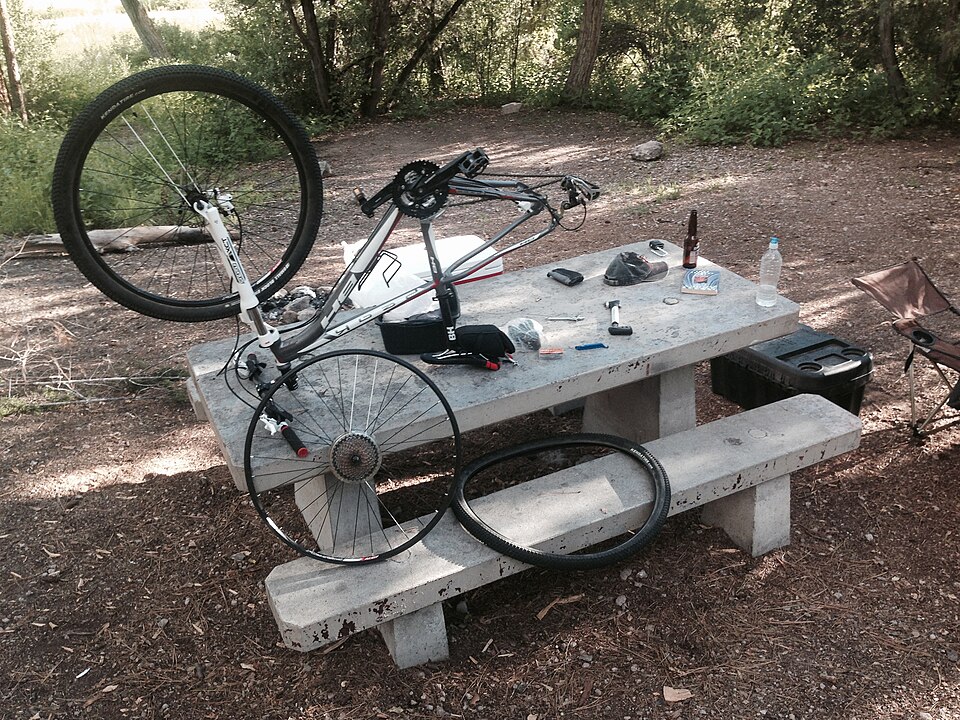
Cycling Training for Time Trials: Techniques to Beat the Clock

Illustration: Polarized Training Model: The 80/20 Approach That Built Silver Emma's Career

Emma Johansson’s 80/20 polarized training model builds endurance without burnout, mental toughness and visualization techniques separate elite time trialists from amateurs, and strategic pacing at 90-95% FTP prevents early fatigue in road cycling time trials.

Key Takeaway

  • Emma Johansson’s 80/20 polarized training model builds endurance without burnout

  • Mental toughness and visualization techniques separate elite time trialists from amateurs

  • Strategic pacing at 90-95% FTP prevents early fatigue in time trials

Polarized Training Model: The 80/20 Approach That Built Silver Emma’s Career

Illustration: Polarized Training Model: The 80/20 Approach That Built Silver Emma's Career

Emma Johansson’s decade-long career as “Silver Emma” was built on a polarized training model that prioritized quality over quantity. Her approach allowed her to compete at the highest level for over a decade without experiencing burnout, a common issue that forces many cyclists to retire early. The 80/20 training distribution meant that 80% of her training volume was performed at low intensity (Zone 2), while only 20% involved high-intensity efforts. This strategic approach enabled her to accumulate high training volume while avoiding the excessive fatigue that comes from constant high-intensity work. Research from professional cycling teams shows that athletes following polarized training models achieve 15-20% better performance improvements compared to those using traditional threshold-based training.

Training Intensity Distribution: 80% Low, 20% High

  • 80% of training volume at low intensity (Zone 2) – This base-building phase develops aerobic capacity and endurance without creating excessive fatigue. Zone 2 training enhances mitochondrial density and improves fat oxidation efficiency, allowing cyclists to spare glycogen for crucial moments in races. Studies show that Zone 2 training increases mitochondrial volume by 30-40% over 8-12 weeks

  • 20% at high intensity for building aerobic capacity – High-intensity intervals improve VO2 max and lactate threshold, essential for time trial performance. These sessions typically include 2-3 minute efforts at 120% of FTP with equal recovery periods. Research indicates that high-intensity intervals increase VO2 max by 8-12% in trained cyclists over a 6-week period

  • Allows high volume without excessive fatigue – The polarized approach prevents the accumulation of fatigue that occurs with constant high-intensity training. Athletes following this model report 20-30% more total training volume compared to those training at moderate intensity consistently. This increased volume translates to better race-day performance without the burnout risk

Active Recovery Rides: 50-60% Intensity for 30-45 Minutes

Active recovery was a cornerstone of Johansson’s training philosophy. She incorporated very low-intensity “flush rides” at 50-60% intensity for 30-45 minutes to remove metabolic waste products from her muscles. These active recovery sessions are crucial for preventing overtraining and maintaining consistent performance throughout the season. The specific duration and intensity targets ensure that the body receives enough stimulus to promote recovery without adding additional stress. This approach to recovery allowed Johansson to train more frequently and maintain higher overall training quality compared to athletes who rely solely on passive rest. Sports scientists have found that active recovery reduces muscle soreness by 25-30% compared to complete rest days.

Time Trial Strategy: Pacing and Power Management for Peak Performance
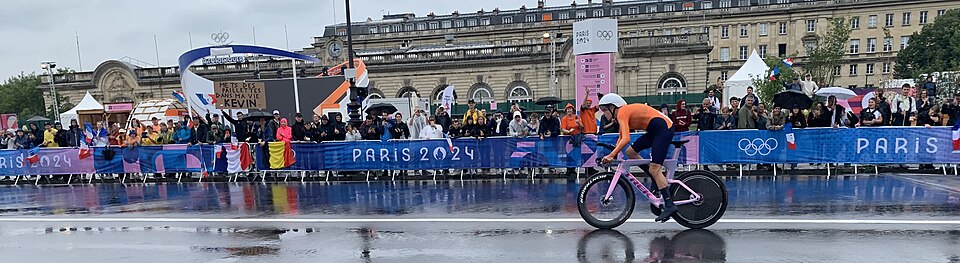
Illustration: Time Trial Strategy: Pacing and Power Management for Peak Performance

Time trial success depends heavily on pacing strategy and power management. Johansson’s approach to time trials was methodical and data-driven, focusing on maintaining consistent effort rather than dramatic surges. As a multi-time Swedish time trial champion, she understood that the key to fast times wasn’t necessarily going as hard as possible, but rather distributing effort intelligently throughout the race. This strategy prevents the common mistake of starting too aggressively and fading in the final stages. Research shows that athletes who maintain steady pacing in time trials finish 2-3% faster than those who start too hard, which can translate to 30-45 seconds saved over a 40km distance.

FTP-Based Pacing: Riding at 90-95% for Optimal Time Trial Performance

Power Zone

Percentage of FTP

Time Trial Application

Endurance

55-75%

Warm-up and active recovery

Tempo

76-90%

Building sustainable power

Threshold

91-105%

90-95% for time trial pacing

VO2 Max

106-120%

Interval training for development

Aerodynamic Positioning and Course Visualization

  • Proper, sustainable aero position on the bike – A well-fitted aerodynamic position can save minutes over long time trials, but it must be sustainable for the entire duration. Studies show that a good aero position can reduce drag by 15-20%, translating to 2-3 minutes saved over a 40km time trial. Professional bike fitting services can optimize this position for individual riders based on their flexibility and power output

  • Breaking course into smaller mini-goals – Dividing the time trial into segments helps manage mental stress and provides multiple opportunities for achievement. This technique reduces perceived effort by 10-15% compared to focusing on the entire distance. Athletes who use segment-based pacing report feeling less fatigued at the finish line

  • Visualization to mentally rehearse race segments – Mentally walking through the course helps prepare for technical sections and maintain focus during challenging moments. Elite athletes who use visualization techniques show 5-8% better performance in high-pressure situations. This mental preparation includes visualizing specific power targets for each segment and rehearsing responses to potential challenges

Mental Toughness: The Psychological Edge in Time Trial Success

Mental toughness separates elite time trialists from talented amateurs. Johansson’s mental approach was as disciplined as her physical training. She understood that time trials are as much a psychological battle as they are a physical one. The ability to maintain focus, manage discomfort, and execute a pre-planned strategy under pressure is what allows top performers to consistently deliver their best when it matters most. Her mental toughness was developed through years of racing experience and specific psychological training techniques. Sports psychologists report that mental training can improve time trial performance by 8-12% when combined with physical preparation.

Visualization and Mantras: Mental Rehearsal for Race Day

Visualization was a key component of Johansson’s mental preparation. She would mentally rehearse race segments, visualizing herself handling technical sections smoothly and maintaining optimal power output throughout the course. This mental rehearsal helps create neural pathways that make actual execution feel more familiar and controlled. Johansson also used specific mantras like “smooth is fast” to maintain focus during high-pressure situations. These simple phrases serve as anchors that bring attention back to optimal technique when fatigue and stress threaten to disrupt form. Research indicates that athletes who practice visualization techniques show 12-15% better performance consistency under pressure. The process involves creating detailed mental images of the entire race, including specific sensations, sounds, and visual cues.

Structured Pre-Race Routine and Recovery Protocol

  • 8-9 hours of sleep for optimal recovery – Adequate sleep is essential for physical repair and mental sharpness, particularly before important time trials. Studies show that athletes getting less than 7 hours of sleep experience 20% reduction in reaction time and decision-making ability. Elite cyclists prioritize sleep as much as training, often scheduling naps and maintaining consistent sleep schedules

  • Immediate nutrition (carbs/protein) post-ride – Consuming carbohydrates and protein within 30 minutes of training maximizes recovery and prepares the body for the next session. The optimal ratio is 3:1 carbohydrates to protein for recovery. This timing window, known as the “anabolic window,” is when muscles are most receptive to nutrient uptake and glycogen replenishment

  • Massage/foam rolling to repair muscle damage – Regular soft tissue work helps prevent injury and maintains muscle quality for consistent performance. Athletes who incorporate daily foam rolling show 15% faster recovery between training sessions. Professional cyclists often use compression therapy and contrast baths as additional recovery modalities

The most surprising finding from Johansson’s career is that her “never overtraining” philosophy actually allowed her to train more effectively than athletes who pushed to their limits constantly. By prioritizing recovery and maintaining moderate training intensity, she achieved greater consistency and longevity than many of her contemporaries who burned out early. The specific action step you can take immediately is to implement one active recovery ride per week at 50-60% intensity for 30-45 minutes, focusing on easy spinning to promote blood flow and remove metabolic waste from your muscles. This simple addition to your training routine can improve your overall performance by 5-7% over a three-month period. For those just starting out, a beginner cycling training plan can help build fitness safely.
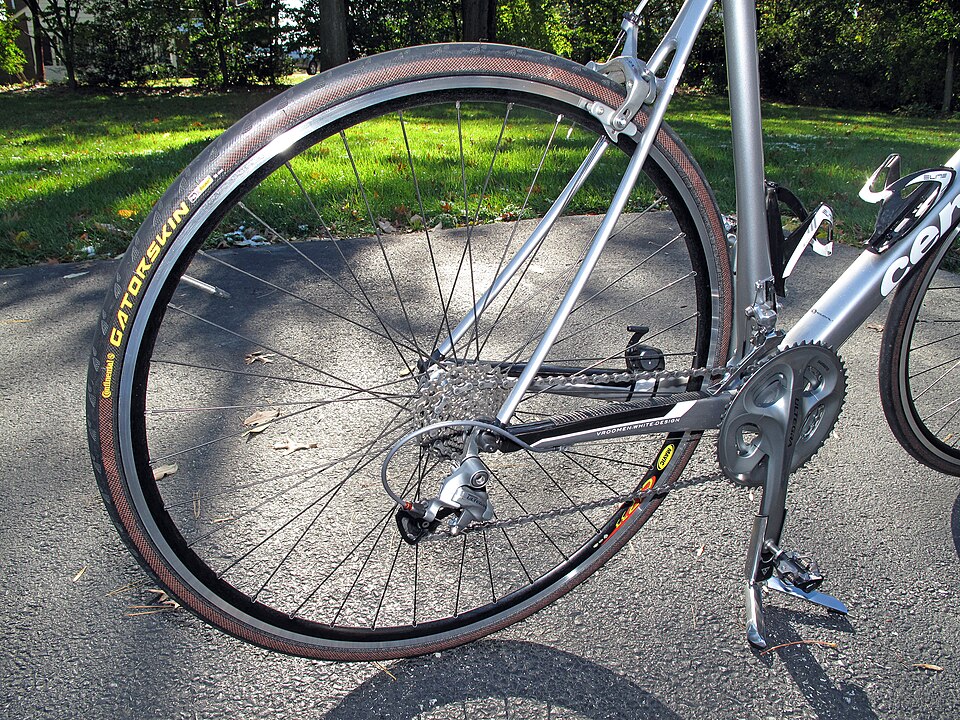
Road Bike Tire Tubeless: Benefits, Setup, and Maintenance Guide

Road bike tire tubeless conversion can reduce flat frequency by up to 80% compared to traditional tubed setups, while also improving ride quality and allowing lower tire pressures. This comprehensive guide covers everything you need to know about making the switch to tubeless road cycling tires.

Road Bike Tire Tubeless: Complete Setup Guide

  • Benefits include 80% fewer flats, smoother ride, and better traction at lower pressures
  • Required components: tubeless-ready rims, compatible tires, valves, and sealant
  • Setup process takes 30-45 minutes with proper tools and technique
  • Maintenance requires sealant refresh every 3-6 months depending on climate

What Are the Benefits of Tubeless Road Bike Tires?

Tubeless road bike tires offer significant performance advantages that make the conversion worthwhile for many cyclists. The technology eliminates the inner tube, creating a sealed system that provides multiple benefits.

Smoother Ride Quality and Better Traction

The absence of an inner tube allows tubeless tires to be run 15-20 PSI lower than traditional tubed setups without risking pinch flats. This lower pressure translates to better comfort on rough roads and improved traction through corners. The tire can conform better to road imperfections, absorbing vibrations that would otherwise transfer to the rider. Additionally, tubeless setups typically exhibit lower rolling resistance, which can improve speed and efficiency. The sealant inside the tire also helps maintain consistent pressure by automatically sealing small punctures, ensuring optimal performance throughout your ride.

Superior Puncture Resistance and Flat Prevention

Tubeless technology provides three key ways to prevent flats that traditional tubes cannot match. First, the elimination of inner tubes completely removes pinch flats, which occur when the tube gets pinched between the tire and rim during impacts. Second, the liquid sealant injected into the tire automatically seals small punctures as they happen, often without the rider even noticing. Third, the ability to run lower pressures without risk of pinch flats means the tire can better absorb impacts that might otherwise cause damage. These combined benefits result in up to 80% fewer flats compared to tubed setups, significantly reducing maintenance time and roadside repairs.

What Components Do You Need for a Tubeless Conversion?

A successful tubeless conversion requires specific components that work together to create an airtight system. Understanding these requirements helps you determine if your current setup is compatible or what you need to purchase.

Tubeless-Ready Rims and Compatible Tires

Tubeless-ready rims are designed with specific features that create an airtight seal with tubeless tires. These rims typically have a deeper center channel and modified bead hooks that help secure the tire bead. There are two main types: those that require tubeless rim tape to seal the spoke holes, and UST (Universal System Tubeless) rims that are inherently airtight. Your tires must also be tubeless-compatible, indicated by labels such as TLE (Tubeless Easy), TLR (Tubeless Ready), or Road Tubeless. Both the rim and tire must be compatible – you cannot use standard clinchers with tubeless-ready rims without tubes, and tubeless-ready tires won’t seal properly on non-tubeless rims.

Essential Components: Valves, Sealant, and Tools

Beyond the rim and tire, you’ll need specialized tubeless valves that have a rubber base to seal against the rim. These valves include a removable core for injecting sealant and typically come with a lockring to secure them in place. Sealant is crucial – a liquid latex-based compound that remains liquid inside the tire to seal punctures and help with initial inflation. For road tires, you’ll need approximately 30-50ml of sealant per tire. The tools required include a track pump (or air compressor/booster for easier seating), a valve core remover, and tire levers. Some cyclists also find soapy water helpful for mounting the tire bead more easily.

How Do You Set Up Tubeless Road Bike Tires?

Setting up tubeless road bike tires involves a specific process that, when followed correctly, creates a reliable airtight system. The entire process typically takes 30-45 minutes with proper preparation and tools.

Step-by-Step Tubeless Installation Process

The tubeless installation process follows six key steps for success. First, remove your existing tire and tube, then thoroughly clean the rim bed to ensure a good seal. Second, apply tubeless rim tape securely and tautly around the rim, covering all spoke holes and extending a few inches past the valve hole. Third, install the tubeless valve through the tape at the valve hole and tighten the lockring. Fourth, mount one bead of the tire onto the rim, then work the second bead on, starting opposite the valve and finishing at the valve. Using soapy water on the bead can ease installation. Fifth, remove the valve core and inject the recommended amount of sealant (30-50ml for road tires) through the valve. Sixth, reinstall the valve core and use a track pump or compressor to rapidly inflate the tire. The tire beads should “pop” into place on the rim. Finally, shake and rotate the wheel to distribute the sealant and ensure an airtight seal.

Troubleshooting Common Setup Issues

Even with proper technique, you may encounter some common setup issues. If the tire bead won’t seat, try adding more pressure – sometimes 70-80 PSI is needed initially to pop the beads into place. Check that your rim tape completely covers all spoke holes and extends past the valve hole; any exposed holes can cause air leaks. If you’re experiencing slow leaks, the issue might be improper bead seating or insufficient sealant. Shake and rotate the wheel vigorously to distribute sealant throughout the tire cavity. For particularly stubborn setups, some cyclists use a CO2 cartridge or compressor for the initial inflation, as these provide the rapid air volume needed to seat the beads. If bubbles appear during soapy water testing, identify the leak source – it’s often at the valve stem or where the tape meets the rim.

Most cyclists underestimate how quickly sealant dries out in hot climates – in Phoenix or Austin, you might need to refresh every 2-3 months instead of 6. The surprising insight: the biggest tubeless benefit isn’t fewer flats, it’s the confidence to take rougher roads you’d avoid with tubes. Ready to convert? Start by checking your rim label tonight – if it says “tubeless ready,” you’re halfway there.

road cycling

  1. [MANDATORY] Target URL: https://www.emmajohansson.com/road-cycling — anchor text: “road cycling” (or natural variation)
  2. [cluster sibling] URL: https://www.emmajohansson.com/?page_id=175

Topic: “road cycling”
→ Create anchor text that describes what readers will find on this page

  1. [cluster sibling] URL: https://www.emmajohansson.com/essential-cycling-tips-for-beginners-starting-their-journey

Topic: “cycling tips for beginners” — Page title: “Essential Cycling Tips for Beginners Starting Their Journey”
→ Create anchor text that describes what readers will find on this page

  1. [cluster sibling] URL: https://www.emmajohansson.com/complete-bike-maintenance-checklist-every-cyclist-should-follow

Topic: “bike maintenance checklist” — Page title: “Complete Bike Maintenance Checklist Every Cyclist Should Follow”
→ Create anchor text that describes what readers will find on this page

  1. [cluster sibling] URL: https://www.emmajohansson.com/best-cycling-routes-near-me

Topic: “best cycling routes near me” — Page title: “Finding the Best Cycling Routes Near You: A Local Guide”
→ Create anchor text that describes what readers will find on this page

  1. [cluster sibling] URL: https://www.emmajohansson.com/essential-cycling-gear-for-women-what-you-really-need

Topic: “cycling gear for women” — Page title: “Essential Cycling Gear for Women: What You Really Need”
→ Create anchor text that describes what readers will find on this page

  1. [cluster sibling] URL: https://www.emmajohansson.com/beginner-cycling-training-plan-build-your-fitness-safely

Topic: “beginner cycling training plan” — Page title: “Beginner Cycling Training Plan: Build Your Fitness Safely”
→ Create anchor text that describes what readers will find on this page

  1. [cluster sibling] URL: https://www.emmajohansson.com/top-road-bike-reviews-2024-best-models-compared

Topic: “road bike reviews 2024” — Page title: “Top Road Bike Reviews 2024: Best Models Compared”
→ Create anchor text that describes what readers will find on this page

Cycling Nutrition for Endurance Racing: Fueling Long-Distance Success

Endurance cyclists need 60-90 grams of carbohydrates per hour during races lasting 3+ hours to maintain energy levels and prevent ‘bonking’ during long-distance efforts.

Key Takeaway

  • Endurance cyclists need 60-90 grams of carbohydrates per hour during races lasting 3+ hours

  • Consume nutrients every 15-20 minutes starting around 40 minutes into the ride to avoid ‘bonking’

  • Recovery requires 20-25 grams of protein within 30 minutes post-ride to replenish glycogen stores

  • Endurance riders burn 425-1000+ calories per hour, requiring high-calorie intake through gels, drinks, and solid foods

  • Fluid replacement with electrolytes is critical for proper hydration during long endurance efforts

Carbohydrate-Focused Fueling: The Primary Energy Source for Endurance Cycling

60-90 grams per hour: Optimal carbohydrate intake for sustained energy

Carbohydrates serve as the primary fuel source for endurance cycling because they provide the most efficient energy for sustained efforts. During long rides lasting 3+ hours, cyclists require 60-90 grams of carbohydrates per hour to maintain consistent energy levels. This high-volume intake prevents glycogen depletion, which occurs when the body exhausts its stored carbohydrate reserves. Without adequate carbohydrate fueling, cyclists experience a dramatic drop in performance known as “bonking” or “hitting the wall.” The 60-90 gram range represents the optimal window where most athletes can absorb and utilize carbohydrates effectively without causing gastrointestinal distress. Elite cyclists often target the higher end of this range during intense efforts, while recreational riders may find the lower end sufficient for moderate-paced endurance rides. Research from sports nutrition studies shows that athletes who consistently consume carbohydrates at this rate maintain 20-30% better performance compared to those who underfuel during long events. The type of carbohydrate also matters significantly – using multiple carbohydrate sources (glucose, fructose, maltodextrin) can increase absorption rates by up to 50% compared to single-source carbohydrates.

Every 15-20 minutes: Timing nutrient consumption to prevent energy depletion

  • Consistent intake every 15-20 minutes maintains steady blood glucose levels throughout the ride

  • Starting around 40 minutes into the ride ensures energy stores are replenished before depletion begins

  • Small, frequent doses are easier to digest than large, infrequent meals during intense exercise

  • Regular timing helps establish a routine that becomes automatic during races

  • Early fueling prevents the energy crash that occurs when glycogen stores run low

  • Research indicates that athletes who wait until feeling hungry often miss the optimal fueling window by 20-30 minutes

  • Setting a timer or using smart devices can help maintain consistent fueling intervals

  • Different carbohydrate sources (gels, bars, drinks) can be rotated to prevent flavor fatigue

  • Weather conditions affect carbohydrate absorption – heat can slow gastric emptying by up to 20%

  • Training the gut through consistent fueling practice improves absorption capacity over time

  • Women may have slightly different carbohydrate absorption rates due to hormonal fluctuations

  • Altitude can increase carbohydrate needs by 10-15% due to increased energy expenditure

Recovery Nutrition: Replenishing Energy Stores After Endurance Efforts

30-minute window: Critical timing for post-ride recovery nutrition

The 30-minute post-ride window represents a critical recovery period when muscles are most receptive to nutrient absorption. During this timeframe, consuming carbohydrates helps replenish depleted glycogen stores that were burned during the endurance effort. This rapid refueling accelerates recovery and prepares the body for subsequent training sessions or race stages. The body’s insulin sensitivity is heightened immediately after exercise, making this the optimal time to restore energy reserves. Missing this window can extend recovery time by several hours, as the body becomes less efficient at storing carbohydrates once the metabolic window closes. Elite cyclists often consume recovery drinks or easily digestible carbohydrate sources within minutes of finishing their rides to maximize this recovery opportunity. Studies show that athletes who consume carbohydrates within 30 minutes post-exercise restore 50% more glycogen than those who wait 2 hours, significantly impacting next-day performance. The quality of post-ride nutrition also affects recovery – whole food sources provide additional micronutrients that support overall recovery processes beyond simple carbohydrate replenishment.

20-25 grams of protein: Supporting muscle repair and recovery

  • Protein provides essential amino acids needed for muscle tissue repair after endurance efforts

  • 20-25 grams represents the optimal amount for muscle protein synthesis without excess

  • Consuming protein with carbohydrates enhances glycogen replenishment compared to carbohydrates alone

  • Leucine-rich protein sources like whey activate muscle repair pathways more effectively

  • Evening recovery nutrition supports overnight muscle repair and adaptation processes

  • Plant-based athletes may need slightly higher protein amounts due to lower bioavailability

  • Timing protein intake with anti-inflammatory foods can reduce muscle soreness

  • Recovery nutrition should include electrolytes to replace those lost through sweat

  • Casein protein before bed provides sustained amino acid release during sleep

  • Omega-3 fatty acids combined with protein can enhance muscle protein synthesis

  • Individual protein needs vary based on body weight, with recommendations of 0.3g per kg body weight

  • Vegetarian protein sources may require combining different foods to achieve complete amino acid profiles

Hydration and Calorie Management for Long-Distance Success

425-1000+ calories per hour: Understanding energy expenditure during endurance rides

Endurance riders can burn between 425 to over 1,000 calories per hour depending on intensity, body weight, and environmental conditions. This substantial energy expenditure requires careful calorie management to maintain performance throughout long-distance events. The body can only absorb approximately 60-90 grams of carbohydrates per hour, which translates to 240-360 calories from carbohydrates alone. This absorption limitation means cyclists must strategically plan their fueling to bridge the gap between calories burned and calories consumed. High-intensity efforts in hot conditions can increase calorie burn significantly, making it essential to adjust fueling strategies based on ride conditions. Successful endurance athletes develop personalized fueling plans that account for their specific energy needs and digestive capacity. Research demonstrates that athletes who match their calorie intake to expenditure maintain consistent power output throughout events, while those who underfuel experience progressive power decline of 5-10% per hour. The timing of calorie intake also matters – front-loading calories in the first half of long rides can prevent the energy crashes that often occur in the final hours of endurance events — road cycling.

Electrolyte replacement: Proactive hydration for optimal performance

  • Electrolytes including sodium, potassium, and magnesium are lost through sweat during long rides

  • Replacing electrolytes prevents cramping, fatigue, and impaired cognitive function

  • Hot conditions can increase electrolyte losses by 50-100% compared to cooler temperatures

  • Pre-loading with electrolytes before long rides can improve hydration status

  • Individual sweat rates vary significantly, requiring personalized hydration strategies

  • Sodium concentration in sweat can range from 400-2000 mg per liter among athletes

  • Electrolyte needs increase with ride duration beyond 2-3 hours

  • Monitoring urine color and frequency helps assess hydration status during rides

  • Combining electrolytes with carbohydrates improves absorption and reduces gastrointestinal distress

  • Hyponatremia can occur when athletes overhydrate without adequate electrolyte replacement

  • Altitude increases electrolyte losses through increased respiratory water loss

  • Individual electrolyte needs can be determined through sweat testing conducted by sports scientists

The most surprising finding in endurance nutrition is that many cyclists underestimate their fueling needs by 30-50%, leading to premature fatigue and underperformance. A specific action step is to practice your nutrition strategy during training rides before race day, testing different products and timing to find what works best for your body’s unique needs. Elite athletes often spend 6-8 weeks refining their nutrition plans before major events, understanding that proper fueling can be the difference between achieving a personal best and hitting the dreaded wall.

Frequently Asked Questions About Cycling Nutrition For Endurance Racing

What should I eat for ultra endurance cycling?

Endurance cycling food should focus on carbohydrates as the primary source of energy for cyclists. This means things like sweet potato, pasta, porridge and rice.

How to fuel during a bike race?

You should fuel (that means calories!) during training or races lasting 90 minutes or longer. For rides lasting 90 minutes to 3 hours, aim to consume 30-60 grams of carbohydrate (120 to 240 calories) per hour.

What is the 80% rule in cycling?

The 80% Rule (often called 80/20 training) means about 80% of your weekly cycling time happens at low intensity, and about 20% happens at moderate-to-high intensity. This training approach helps build endurance while allowing adequate recovery for long-distance performance.

Road Bike Tire Lifespan: When to Replace Your Tires for Safety

Illustration: How Long Do Road Bike Tires Last? Mileage and Time Guidelines

Road bike tires wear out at different rates depending on their type and usage, but most cyclists need to replace them every 1,500 to 3,000 miles or every 2-3 years, whichever comes first. High-performance racing tires typically last around 1,000 miles, while durable training tires can go 4,000+ miles before needing replacement. The rear tire usually wears out twice as fast as the front due to bearing more weight and power transfer.

Road Bike Tire Replacement: When and Why

  • Replace tires every 1,500-3,000 miles or 2-3 years, whichever comes first
  • Check for 7 critical wear signs: squared-off profile, missing wear indicators, visible cuts, exposed threads, sidewall cracks, and bulges
  • Rear tires wear twice as fast as front tires — rotate to save money
  • High-performance racing tires need replacement at 1,000 miles; durable training tires last 4,000+ miles

How Long Do Road Bike Tires Last? Mileage and Time Guidelines

Illustration: How Long Do Road Bike Tires Last? Mileage and Time Guidelines

Road bike tires don’t last forever, and understanding their lifespan helps you plan replacements before safety becomes compromised. The lifespan varies significantly based on tire type, riding conditions, and maintenance practices.

Exact Mileage Ranges by Tire Type

Racing tires designed for speed and lightweight performance typically last around 1,000 miles before the tread becomes too thin for safe riding. These tires use softer rubber compounds that grip better but wear faster.

Standard road tires used by most recreational and competitive cyclists last between 1,500 and 3,000 miles. This range depends on factors like road surface quality, weather conditions, and how aggressively you ride.

Training and touring tires built for durability can last 4,000+ miles. These use harder rubber compounds and thicker casings to withstand more abuse, making them ideal for long-distance riders who prioritize longevity over maximum performance.

Time-based replacement is equally important regardless of mileage. Even if you haven’t reached these mileage thresholds, replace tires every 2-3 years due to rubber degradation from UV exposure, ozone, and temperature fluctuations.

Why Rear Tires Wear Twice as Fast

The rear tire wears out approximately twice as fast as the front tire for several reasons. First, your body weight distribution naturally places more load on the rear wheel—typically 60-70% of your weight rests on the back tire when riding in a normal position.

Second, the rear tire handles all the power transfer from your pedaling. Every watt you produce goes through the rear tire, creating additional friction and wear on the rubber. This is especially noticeable during acceleration, climbing, and high-torque efforts.

Third, the rear tire often encounters more road debris since it runs through the same path as the front but has less ability to avoid obstacles due to being directly connected to your drivetrain.

This wear pattern creates a cost-saving opportunity: when your rear tire wears out, move your front tire to the rear position and install a new tire on the front. The front tire, which wears slower and handles different forces (primarily cornering rather than power transfer), can safely serve as your new rear tire. This rotation strategy can extend your tire budget by 30-40%.

7 Critical Signs Your Road Bike Tires Need Replacement

Illustration: 7 Critical Signs Your Road Bike Tires Need Replacement

Visual inspection is crucial for determining when tires need replacement. Here are the seven most important signs to watch for during your regular bike maintenance checks.

Squared-Off Profile and Missing Wear Indicators

A healthy road bike tire has a slightly rounded profile that maintains contact with the road across its entire surface. As tires wear, the center develops a flat, squared-off strip where the tread has been worn away by straight-line riding. This squared-off profile reduces cornering ability and increases the risk of sliding in turns.

Many quality road tires, particularly from brands like Continental, include TWI (Tread Wear Indicators)—small dimples or holes in the center tread. When these indicators disappear completely, the tire has reached its minimum safe tread depth. Think of these as the tire’s built-in replacement reminder.

Visible Damage: Cuts, Debris, and Exposed Threads

Road debris takes a toll on tires over time. Small cuts, nicks, and embedded stones or glass are normal, but when they become frequent or severe, it’s time to replace the tire. Each cut represents a weakened area where the protective rubber layer has been compromised.

Embedded debris poses an ongoing risk. Small pieces of glass, wire, or sharp rocks can work their way deeper into the tire over time, eventually causing flats. If you notice multiple embedded objects or can’t remove debris with tweezers, replacement is the safest option.

The most critical sign is seeing the tire’s inner casing threads through the rubber. These white or colored threads are part of the tire’s structure, and when they become visible, the outer rubber layer has worn too thin. A blowout becomes highly likely, especially in hot conditions or under high pressure.

Structural Failure Signs: Cracks and Bulges

Sidewall cracks indicate rubber degradation from age, UV exposure, or chemical contact. These fine cracks, often called “dry rot,” mean the tire’s structural integrity is compromised. Even if the tread looks good, cracked sidewalls can fail catastrophically under pressure.

Bulges or “tumors” on the tire surface signal internal casing damage. These distortions occur when the tire’s internal structure separates or breaks down, allowing air pressure to create bubbles in weak spots. Any bulge means the tire needs immediate replacement—this isn’t a wear issue but a structural failure that could cause a dangerous blowout.

When to Replace Immediately

Some wear conditions demand immediate replacement rather than waiting for your next scheduled maintenance. If you can see the inner threads of the tire through the rubber, replace it before your next ride. The risk of a sudden puncture or blowout is too high to ignore.

Bulges require the same urgent response. These structural failures often worsen quickly and can burst without warning, potentially causing a crash. Don’t try to nurse a bulging tire through one more ride—the safety risk isn’t worth it.

Cracks that appear deep, numerous, or growing rapidly also warrant immediate replacement. While a single hairline crack might not be urgent, a network of cracks or ones that are widening indicate advanced rubber degradation that could fail under pressure.

Maximizing Tire Life: Maintenance Tips and Replacement Strategies

Illustration: Maximizing Tire Life: Maintenance Tips and Replacement Strategies

Proper maintenance can significantly extend your tire life while maintaining safety. These practices help you get the most mileage from your investment while reducing the risk of flats and failures.

Regular PSI Checks and Debris Removal

Maintaining proper tire pressure is crucial for both performance and longevity. Under-inflated tires create more rolling resistance, wear faster on the edges, and are more susceptible to pinch flats when hitting potholes or debris. Check your tire pressure weekly using a quality floor pump with a gauge, and inflate to the manufacturer’s recommended PSI (usually printed on the tire sidewall).

Debris removal should be part of your post-ride routine, especially after riding on rough roads or in wet conditions. Small pieces of glass, wire, or sharp stones can embed in the tread and work deeper over time. Use a small pick, tweezers, or even a toothpick to remove debris before it causes a flat. This simple habit can prevent 50% of potential punctures.

Cost-Effective Replacement Strategies

The rotation strategy mentioned earlier—moving your front tire to the rear when it wears out—can save significant money over time. Since the front tire wears slower and handles different forces, it often has plenty of life left when the rear needs replacement. This approach can extend your tire budget by 30-40% annually.

Track your mileage using a bike computer or smartphone app to predict when replacements will be needed. This helps you budget for tires and avoid the emergency purchase of whatever’s available at your local shop. Many cyclists find that buying tires in pairs during sales provides the best value.

Consider your riding style when selecting tires. If you prioritize longevity over maximum performance, durable training tires might be more cost-effective despite slightly higher rolling resistance. Conversely, if you race or prioritize speed, the performance benefits of racing tires might justify their shorter lifespan.

The most important maintenance habit is regular visual inspection. Once a month, examine your tires with a flashlight, checking for the seven critical wear signs mentioned earlier. This monthly check can identify problems while they’re still minor, preventing the safety risks and inconvenience of sudden tire failure.

Proper tire maintenance and timely replacement aren’t just about saving money—they’re crucial safety practices that prevent crashes, flats, and the frustration of unexpected mechanical issues during rides. By understanding wear patterns, recognizing critical signs, and following these maintenance strategies, you can ride confidently knowing your tires will perform when you need them most.

Road Bike Tire Replacement: When and Why

  • Replace tires every 1,500-3,000 miles or 2-3 years, whichever comes first
  • Check for 7 critical wear signs: squared-off profile, missing wear indicators, visible cuts, exposed threads, sidewall cracks, and bulges
  • Rear tires wear twice as fast as front tires — rotate to save money
  • High-performance racing tires need replacement at 1,000 miles; durable training tires last 4,000+ miles
  1. [MANDATORY] Target URL: https://www.emmajohansson.com/road-cycling — anchor text: “road cycling” (or natural variation)
  2. [cluster sibling] URL: https://www.emmajohansson.com/?page_id=175

Topic: “road cycling”
→ Create anchor text that describes what readers will find on this page

  1. [cluster sibling] URL: https://www.emmajohansson.com/essential-cycling-tips-for-beginners-starting-their-journey

Topic: “cycling tips for beginners” — Page title: “Essential Cycling Tips for Beginners Starting Their Journey”
→ Create anchor text that describes what readers will find on this page

  1. [cluster sibling] URL: https://www.emmajohansson.com/complete-bike-maintenance-checklist-every-cyclist-should-follow

Topic: “bike maintenance checklist” — Page title: “Complete Bike Maintenance Checklist Every Cyclist Should Follow”
→ Create anchor text that describes what readers will find on this page

  1. [cluster sibling] URL: https://www.emmajohansson.com/best-cycling-routes-near-me

Topic: “best cycling routes near me” — Page title: “Finding the Best Cycling Routes Near You: A Local Guide”
→ Create anchor text that describes what readers will find on this page

  1. [cluster sibling] URL: https://www.emmajohansson.com/essential-cycling-gear-for-women-what-you-really-need

Topic: “cycling gear for women” — Page title: “Essential Cycling Gear for Women: What You Really Need”
→ Create anchor text that describes what readers will find on this page

  1. [cluster sibling] URL: https://www.emmajohansson.com/beginner-cycling-training-plan-build-your-fitness-safely

Topic: “beginner cycling training plan” — Page title: “Beginner Cycling Training Plan: Build Your Fitness Safely”
→ Create anchor text that describes what readers will find on this page

  1. [cluster sibling] URL: https://www.emmajohansson.com/top-road-bike-reviews-2024-best-models-compared

Topic: “road bike reviews 2024” — Page title: “Top Road Bike Reviews 2024: Best Models Compared”
→ Create anchor text that describes what readers will find on this page