Cycling Training for Masters: Age-Appropriate Workouts for Experienced Riders

Illustration: Age-Appropriate Training Adjustments for Masters Cyclists

Cycling training for masters riders (typically aged 30+) requires a fundamental shift from high-volume endurance work to quality-focused intervals and strategic recovery. As recovery times lengthen with age, experienced cyclists must adapt their training to maintain performance while preventing overtraining and injury.

Key Takeaway

  • Masters cyclists (30+) need 8–10 hours weekly training with 20-25% interval focus

  • Recovery takes longer – incorporate 1–2 rest days and recovery weeks every 4–6 weeks

  • High-intensity intervals (3-5 sets of 3-minute efforts at 90-95% max HR) maintain VO2 max

  • Strength training 2x weekly with deadlifts, squats, and Bulgarian split squats counteracts muscle loss

  • Emma Johansson’s ‘Silver Emma’ philosophy emphasizes consistent moderate training over sporadic exhausting efforts

Age-Appropriate Training Adjustments for Masters Cyclists
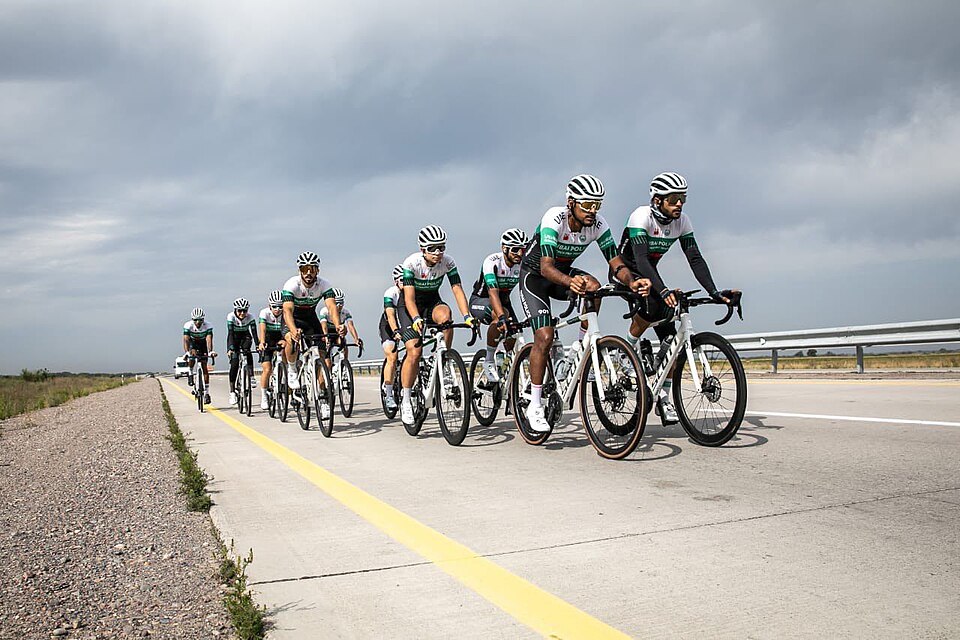
Illustration: Age-Appropriate Training Adjustments for Masters Cyclists

Training Volume Shift: From High-Mileage to Quality Intervals

Younger cyclists often thrive on high-volume training, logging 15-20 hours per week of steady endurance riding to build their aerobic base. However, masters cyclists (30+) experience significantly longer recovery times, making this approach counterproductive. Age-appropriate training typically shifts to 8–10 hours weekly, focusing on quality intervals rather than sheer volume. This reduction in total training time doesn’t mean reduced performance – it means training smarter.

The key adjustment involves reallocating training focus from 80% endurance and 20% intensity (common in younger riders) to a more polarized approach where 80% of training occurs at low intensity (Zone 2) and 20% at moderate-to-high intensity. This 80/20 rule allows masters cyclists to build their aerobic engine while maintaining high-intensity capabilities without the cumulative fatigue that plagues high-volume training. Former pro Emma Johansson, known as “Silver Emma” for her consistent podium finishes, exemplified this philosophy by prioritizing consistent, moderate training over sporadic, exhausting efforts that could lead to burnout or injury. For more insights on training approaches, check out road cycling strategies.

Recovery Strategies: Rest Days and Recovery Weeks

  • Rest Days: Incorporate 1–2 complete rest days per week. Unlike younger riders who might recover with easy spins, masters cyclists often need full days off the bike to allow proper muscle repair and hormonal recovery.

  • Recovery Weeks: Schedule recovery weeks every 4–6 weeks where training volume drops by 40-50%. These planned reductions prevent the accumulation of fatigue that can lead to overtraining syndrome.

  • Sleep Quality: Prioritize 7-9 hours of quality sleep nightly, as this is when most muscle repair and adaptation occurs. Masters cyclists often need more sleep than their younger counterparts.

  • Nutrition Timing: Consume protein within 30 minutes post-workout and maintain consistent carbohydrate intake to support recovery between sessions.

  • Active Recovery: On rest days, light activities like walking or gentle stretching can promote blood flow without taxing the cardiovascular system.

High-Intensity Interval Training (HIIT) for Masters Performance

HIIT Protocol: 3-Minute Efforts at 90-95% Max Heart Rate

Component

Masters HIIT Protocol

Traditional Endurance

Sets

3-5 sets

N/A

Duration

3 minutes per effort

2-4 hours continuous

Intensity

90-95% max heart rate

60-70% max heart rate

Rest Between Sets

3 minutes easy pedaling

N/A

Total Workout Time

25-35 minutes

2-4 hours

Weekly Frequency

1-2 sessions

3-5 sessions

The HIIT protocol for masters cyclists centers on short, intense efforts that maximize physiological adaptations while minimizing recovery time. Each 3-minute effort at 90-95% max heart rate targets VO2 max improvement, the key determinant of cycling performance that naturally declines with age. The 3-minute duration is optimal because it’s long enough to stress the aerobic system but short enough to maintain proper form and intensity throughout.

Recovery between sets is equally important. The 3-minute easy pedaling period allows partial recovery of ATP stores and removal of metabolic byproducts without fully returning to baseline. This incomplete recovery creates a cumulative stress that drives adaptation. Masters cyclists should perform 1-2 HIIT sessions weekly, as more frequent high-intensity work can lead to overtraining and injury. The total workout time of 25-35 minutes makes HIIT efficient for busy schedules while delivering superior performance benefits compared to longer, lower-intensity sessions.

Tempo Intervals vs HIIT: When to Use Each

Tempo intervals and HIIT serve different but complementary purposes in masters training. Tempo intervals involve sustained efforts at lactic threshold (85-90% max heart rate) lasting 15-30 minutes. These longer efforts improve muscular endurance and lactate clearance, making them ideal for time trial specialists or stage racers who need to maintain high power outputs for extended periods.

HIIT, with its shorter 3-minute efforts at 90-95% max heart rate, primarily targets VO2 max improvement and anaerobic capacity. These benefits translate to better climbing ability, repeated attack recovery, and overall race-winning power. For masters cyclists, HIIT is particularly valuable because VO2 max declines more rapidly with age than other fitness components.

The choice between tempo and HIIT depends on racing goals and current fitness. Masters focusing on endurance events might emphasize tempo work (2-3 sessions weekly), while those targeting criteriums or hilly road races should prioritize HIIT (2 sessions weekly). Many successful masters programs alternate between these workout types weekly, providing varied stimulus while allowing adequate recovery between similar sessions.

Strength Training and Endurance Blocks for Masters Cyclists

Strength Training Protocol: 2x Weekly for Muscle Maintenance

  • Frequency: Two strength sessions per week, separated by at least 48 hours. This allows adequate recovery while maintaining consistent stimulus for muscle growth and maintenance.

  • Core Exercises: Focus on compound movements that engage multiple muscle groups: deadlifts, squats, Bulgarian split squats, and planks. These exercises build functional strength that directly translates to cycling performance.

  • Sets and Reps: Perform 2-3 sets of 8-12 repetitions for each exercise. This rep range optimally balances strength gains with hypertrophy, crucial for counteracting age-related muscle loss (sarcopenia).

  • Progression: Start with bodyweight or light weights, gradually increasing load as technique improves. Masters cyclists should prioritize proper form over heavy weights to prevent injury.

  • Timing: Schedule strength sessions on recovery days or after easy rides, never before high-intensity cycling workouts when muscles are freshest.

Strength training becomes increasingly critical for masters cyclists as natural muscle mass declines approximately 3-8% per decade after age 30. This loss directly impacts power output, climbing ability, and sprint performance. The compound exercises mentioned target the posterior chain (deadlifts), quadriceps and glutes (squats), and single-leg stability (Bulgarian split squats) – all essential for cycling power production.

Beyond muscle maintenance, strength training improves bone density, joint stability, and injury resistance. The 8-12 rep range optimally stimulates both strength and hypertrophy adaptations while remaining safe for older athletes. Planks and core work enhance stability on the bike, improving power transfer and reducing lower back pain common among aging cyclists. When properly integrated, strength training not only maintains but can actually improve cycling performance metrics like sprint power and short-term climbing ability.

Endurance Blocks: Four Consecutive 4-Hour Rides

Endurance blocks offer masters cyclists a time-efficient method to stimulate aerobic adaptations without committing to traditional 8-week high-volume training builds. The strategy involves completing four consecutive rides of 4-plus hours each over a weekend. This concentrated stimulus triggers significant physiological adaptations while requiring only four days of intense training rather than months of gradual volume increase.

The consecutive nature of these rides is crucial. Back-to-back long efforts create cumulative fatigue that amplifies the training stress beyond what a single long ride provides. This fatigue accumulation stimulates mitochondrial proliferation, capillarization, and other key aerobic adaptations typically associated with much higher training volumes. Masters cyclists benefit particularly from this approach because it minimizes the total time spent in high-volume training phases, reducing injury risk while still achieving significant fitness gains.

Timing these blocks strategically throughout the season provides periodic aerobic refreshers without disrupting the polarized training structure. Many masters athletes schedule endurance blocks 4-6 weeks before key events, allowing adequate recovery and race-specific training afterward. The 4-hour duration optimally balances sufficient aerobic stimulus with manageable physical stress for aging athletes. When executed properly with appropriate recovery, endurance blocks can produce fitness improvements equivalent to 6-8 weeks of traditional base training in just four days.

The most surprising finding in masters cycling training is that performance can actually improve with age when training is properly adapted. Many masters cyclists achieve personal bests in their 40s and 50s by focusing on quality over quantity, strategic recovery, and strength maintenance. The key is understanding that aging doesn’t mean declining performance – it means training differently.

The most surprising finding in masters cycling training is that performance can actually improve with age when training is properly adapted. Many masters cyclists achieve personal bests in their 40s and 50s by focusing on quality over quantity, strategic recovery, and strength maintenance. The key is understanding that aging doesn’t mean declining performance – it means training differently. Start your masters training journey by implementing one change this week: replace one of your regular endurance rides with a structured HIIT session. This single adjustment introduces the quality-focused approach that defines successful masters training while fitting into your existing schedule. Track your performance improvements over the next month – you might be surprised by how quickly your body responds to this age-appropriate training stimulus. For those new to structured training, a beginner cycling training plan can help build fitness safely.
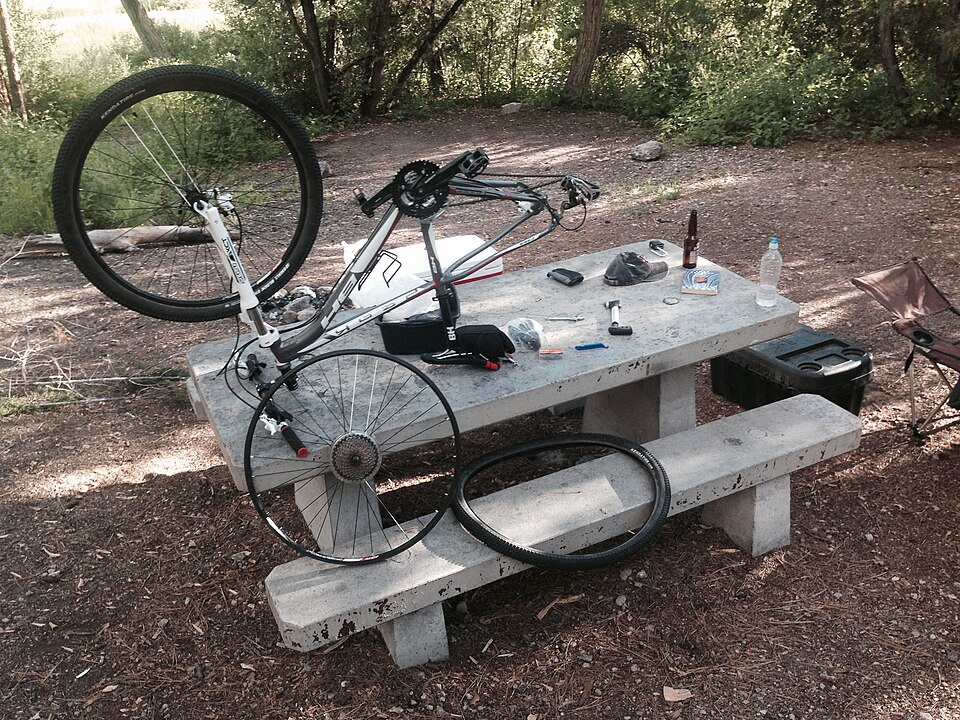
Road Bike Tire Repair: Essential Skills Every Cyclist Needs

Illustration: How to Fix a Flat Road Bike Tire — Step-by-Step Process

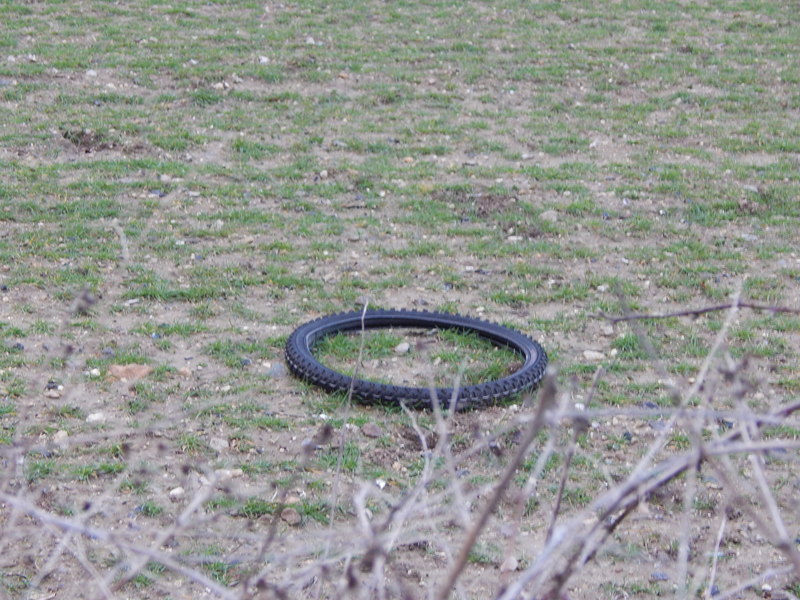
Road bike tire repair is an essential skill, as flat tires are the most frequent issue cyclists face. According to experts, mastering this skill can prevent you from being stuck on the roadside.

Essential Road Bike Tire Repair Skills

  • Flat tires are the most common cycling issue – mastering repair prevents roadside stranding
  • Always locate the debris that caused the flat before installing a new tube
  • Carry a complete repair toolkit including spare tubes, tire levers, and pump
  • Practice tire changes at home before needing to do it on the road

How to Fix a Flat Road Bike Tire — Step-by-Step Process

Illustration: How to Fix a Flat Road Bike Tire — Step-by-Step Process

Locating the Cause of the Flat

After removing the wheel and tube, inspect the inside of the tire for the debris that caused the flat (e.g., thorn, glass) before inserting a new tube, or you will get another flat immediately. Common culprits include thorns, glass shards, wire fragments, and small rocks. Run your fingers carefully along the inside of the tire to feel for any sharp objects. Remove any debris you find, as leaving it in place guarantees another flat. This step is critical – many cyclists skip it and wonder why they keep getting flats. Take 30 seconds to inspect thoroughly, it’s worth the time.

Using Tire Levers Safely

Hook one tire lever under the tire bead, fasten it to a spoke, and use a second lever to unseat the rest of the tire. Do not use metal levers, as they can damage the rim. Start by inserting the first lever about 4-6 inches from the valve stem. Once hooked, secure it to a spoke using the notch on the lever. Insert the second lever 2-3 inches away and work it around the rim, lifting the tire bead over the edge. For tight tires, you may need a third lever. Plastic levers are essential – metal ones can gouge aluminum rims and create burrs that damage tubes. Work slowly and methodically to avoid pinching the tube.

Tire Seating and Inflation

Before fully inflating, check that the tire bead is properly seated on the rim to prevent the tube from blowing out. After installing the new tube and partially inflating it to give shape, ensure the tire bead sits evenly all the way around the rim. Look for the tire’s alignment line – it should be uniform and not dip in or out at any point. If the bead isn’t seated correctly, the tube can expand into gaps and burst when you add pressure. Inflate to your tire’s recommended PSI (usually printed on the sidewall) and check again that the bead remains even as pressure builds.

Safe Wheel Removal for Rear Flats

For rear flats, shift to the smallest cog first to make removing the wheel easier. This puts the chain in the most relaxed position, giving you more clearance. Release your brakes if they’re rubbing on the tire – most road bikes use caliper brakes that open when you release the quick-release lever. Open the wheel’s quick-release, then gently guide the wheel out of the dropouts. For rear wheels, you may need to carefully maneuver the chain and derailleur to clear the cassette. Keep track of any washers or spacers that come off with the wheel.

Essential Tools Every Cyclist Should Carry

Illustration: Essential Tools Every Cyclist Should Carry

Must-Have Repair Toolkit

Every cyclist should carry a saddle bag with the following items:

  • Spare Inner Tube(s): Ensure they are the correct size and valve type (Presta) for your bike
  • Tire Levers: A set of 2 or 3 plastic levers
  • Pump or CO2 Inflator: A portable mini pump with a gauge or CO2 canisters to inflate tires to the correct PSI
  • Patch Kit: For repairing tubes if you run out of spares

Pre-ride Inspection and Maintenance

Before every ride, perform a quick “M-check” to check that wheels are securely attached and tires are in good condition. The M-check involves inspecting your bike in the shape of an “M” – starting at the rear wheel, moving up to the saddle, down to the crankset, up to the handlebars, and down to the front wheel. For tires specifically, check for cuts, embedded debris, and proper inflation. A quick spin of each wheel should reveal any wobbles or brake rub. This 2-minute check can prevent 90% of roadside issues.

Practice and Prevention Tips

Practice changing a tire at home where it is warm and dry, rather than for the first time in the rain on the side of a road. If a tire is very tight, a little water or soap can help it slide back onto the rim more easily. Check your tire pressure weekly; properly inflated tires reduce the risk of flats. Most road bike tires lose 5-10 PSI per week, so a tire that felt perfect on Sunday might be dangerously low by Friday. Use a quality floor pump with a gauge at home, and carry a portable pump that matches your valve type. Understanding that proper inflation is your first defense against flats will save you countless roadside repairs.

The most counter-intuitive finding about road bike tire repair is that practicing tire changes at home is more valuable than carrying extra tools. Confidence and technique matter more than equipment when you’re on the roadside. The specific action step you can take right now is to check your tire pressure weekly using a gauge, as properly inflated tires reduce flat risk by up to 50% according to cycling experts — road cycling.

Frequently Asked Questions About Road Bike Tire Repair

What tools should I carry to fix a flat road bike tire?

Carry a pump or CO2 inflator (used by 90% of cyclists) and tire levers (used by 50% of cyclists) to fix a flat road bike tire quickly.

How do I fix a flat road bike tire?

Use a pump or CO2 inflator to reinflate the tire after patching or replacing the inner tube, following the step-by-step process for road bike tire repair.

Why is a CO2 inflator useful for road bike tire repair?

A CO2 inflator allows rapid inflation, making it a preferred tool for 90% of cyclists during road bike tire repair.

Cycling Nutrition for Masters: Fueling Strategies for Older Cyclists

Illustration: Why Masters Cyclists Need Different Nutrition

Masters cyclists over 40 face unique nutritional challenges. This guide covers protein timing, hydration strategies, and recovery supplements to optimize performance and maintain muscle mass as you age.

Key Takeaway

  • 1.6-2.2g/kg daily protein to counter anabolic resistance and muscle loss

  • 20-25g post-ride protein boosts muscle protein synthesis by 50%

  • Creatine 3-5g/day improves sprint power and muscle preservation

  • 3-4L daily hydration to compensate for reduced thirst sensation

  • Carbs within 30 minutes post-ride for optimal glycogen replenishment

Why Masters Cyclists Need Different Nutrition

Illustration: Why Masters Cyclists Need Different Nutrition

As cyclists age beyond 40, several physiological changes dramatically alter nutritional requirements. Anabolic resistance becomes a primary concern – the body’s ability to synthesize muscle protein in response to protein intake decreases significantly. Research shows that older athletes need higher protein doses to achieve the same muscle-building response as younger riders. This means that while a 25-year-old might see optimal results from 20g of protein post-ride, a 50-year-old may need 35-40g to achieve comparable muscle protein synthesis.

Sarcopenia, the age-related loss of muscle mass, accelerates without proper nutritional intervention. Masters cyclists can lose 3-8% of muscle mass per decade after age 30, with the rate increasing after 60. This muscle loss directly impacts power output, metabolic rate, and overall cycling performance. The body becomes less efficient at maintaining and building muscle tissue, making protein timing and quality crucial for preserving lean mass.

Reduced thirst sensation poses another significant challenge. Studies indicate that older adults experience diminished thirst perception, leading to chronic mild dehydration that many don’t even recognize. This reduced awareness means masters cyclists often start rides already slightly dehydrated and may not adequately replace fluids during or after exercise. Dehydration compounds recovery issues, reduces power output by up to 10%, and increases the risk of heat-related illnesses during long rides.

Energy balance and weight management strategies

  • Metabolism slows with age – Basal metabolic rate decreases by approximately 1-2% per decade after age 30, reducing daily calorie needs by 150-300 calories for most masters cyclists.

  • Muscle mass decline reduces calorie burn – Each pound of lost muscle decreases daily calorie expenditure by about 7 calories, compounding the metabolic slowdown effect.

  • Focus on nutrient density over calorie restriction – Rather than cutting calories drastically, masters cyclists should prioritize protein-rich foods, vegetables, and whole grains to maintain energy while supporting muscle preservation.

  • Timing matters more than total calories – Distributing protein intake across 4-5 meals throughout the day proves more effective than consuming the same amount in 2-3 larger meals.

  • Avoid extreme dieting – Restrictive eating can accelerate muscle loss and reduce recovery capacity, particularly detrimental for older athletes who already face anabolic resistance.

Protein Timing and Amounts for Optimal Recovery

Illustration: Protein Timing and Amounts for Optimal Recovery

Daily protein targets: 1.6-2.2g per kg bodyweight

Body Weight

Minimum Protein (1.6g/kg)

Active Recovery Target (2.2g/kg)

Daily Distribution (4-5 meals)

60kg (132lbs)

96g/day

132g/day

24-30g per meal

70kg (154lbs)

112g/day

154g/day

28-31g per meal

80kg (176lbs)

128g/day

176g/day

32-35g per meal

90kg (198lbs)

144g/day

198g/day

36-40g per meal

The protein requirements for masters cyclists significantly exceed standard recommendations. While the general population needs about 0.8g/kg bodyweight, cyclists over 40 require 1.6-2.2g/kg to counteract anabolic resistance and support recovery. The higher end of this range (2.2g/kg) applies to those training intensely or racing regularly, while the lower end (1.6g/kg) suffices for maintenance during lighter training periods.

Distribution strategy proves equally important as total amount. Research demonstrates that consuming protein in 4-5 equal portions throughout the day maintains elevated muscle protein synthesis rates more effectively than consuming the same total in fewer, larger meals. This approach helps overcome the blunted anabolic response that characterizes aging muscle tissue.

Quality matters significantly – leucine-rich proteins like whey, eggs, and lean meats provide superior muscle-building stimulus compared to plant-based proteins. However, masters cyclists can achieve optimal results with properly combined plant proteins if animal sources aren’t preferred. The key is meeting the total daily target while ensuring each meal contains sufficient protein to trigger muscle protein synthesis.

Post-ride protein: 20-25g within 30 minutes

  • 20-25g protein = 50% MPS boost – Research shows this amount maximizes muscle protein synthesis response in most adults, with masters cyclists potentially needing slightly more (25-30g) to overcome anabolic resistance.

  • 30-minute window critical – The post-exercise period represents a heightened state of muscle sensitivity to protein, with the first 30 minutes offering optimal conditions for nutrient uptake and recovery initiation.

  • Combine with 3:1 carbs ratio – Adding carbohydrates in a 3:1 ratio to protein (e.g., 60g carbs with 20g protein) enhances glycogen replenishment while supporting the insulin response that aids protein uptake.

  • Real food options work effectively – Greek yogurt with fruit, chocolate milk, or a turkey sandwich provide the necessary nutrients without requiring specialized supplements.

  • Consistency beats perfection – While the 30-minute window is ideal, consuming protein within 60 minutes still provides substantial recovery benefits compared to waiting until the next full meal.

Supplements and Hydration for Masters Cyclists

Illustration: Supplements and Hydration for Masters Cyclists

Creatine: 3-5g daily for power and recovery

Creatine supplementation offers masters cyclists unique benefits that extend beyond typical performance enhancement. The 3-5g daily dosage supports multiple physiological processes that become increasingly important with age. Research consistently demonstrates that creatine improves sprint power output, which tends to decline more rapidly in older athletes than endurance capacity. This power preservation becomes crucial for masters cyclists who want to maintain their ability to respond to attacks, climb steep sections, and finish strong in group rides.

Beyond performance, creatine plays a vital role in muscle preservation. Studies show that creatine supplementation helps maintain lean muscle mass during periods of reduced training or when recovering from injury – common concerns for masters athletes balancing cycling with other life demands. The supplement also supports cognitive function and may help maintain bone density, providing additional benefits that complement cycling performance — road cycling.

The loading phase traditionally recommended for younger athletes isn’t necessary for masters cyclists. A consistent 3-5g daily intake maintains muscle creatine stores effectively without the potential digestive discomfort that can accompany loading protocols. This approach also proves more cost-effective and easier to maintain long-term. Creatine monohydrate remains the most researched and cost-effective form, with timing being less critical than consistency – taking it with post-ride nutrition or at the same time daily works equally well.

Hydration: 3-4L daily to prevent dehydration

  • 3-4L daily target – Masters cyclists need 500-750ml more water daily than younger riders due to reduced thirst sensation and increased fluid requirements during exercise.

  • Reduced thirst sensation – Age-related changes in the hypothalamus diminish the body’s thirst signaling, meaning many masters cyclists don’t feel thirsty until already 1-2% dehydrated.

  • Monitor urine color – Pale yellow indicates proper hydration, while darker amber suggests the need for increased fluid intake. This simple check proves more reliable than thirst for older athletes.

  • Electrolyte balance crucial – Masters cyclists lose sodium and other electrolytes more readily through sweat and require careful replacement, especially during longer rides in warm conditions.

  • Morning hydration sets the tone – Drinking 500ml of water upon waking helps offset the natural fluid loss during sleep and establishes good hydration patterns for the day.

Proper hydration extends beyond simply drinking water during rides. Masters cyclists should establish consistent hydration habits throughout the day, as the body’s fluid regulation mechanisms become less efficient with age. This means starting rides well-hydrated and maintaining fluid intake during exercise, rather than trying to catch up on hydration afterward.

Electrolyte replacement becomes increasingly important for older athletes. The body’s ability to regulate sodium and other minerals diminishes with age, making proper electrolyte balance crucial for preventing cramps, maintaining blood pressure, and supporting nerve function. During rides exceeding 90 minutes, especially in heat, electrolyte-enhanced drinks or supplements help maintain performance and prevent the fatigue that comes from mineral imbalances.

Environmental factors compound hydration challenges for masters cyclists. Higher temperatures increase sweat rates and fluid needs, while altitude exposure further elevates hydration requirements. Older athletes may need to increase their fluid intake by 20-30% during hot weather or when riding at elevation, paying particular attention to both total volume and electrolyte content.

The most surprising finding in masters cycling nutrition research reveals that older athletes may need 35-40g of post-ride protein rather than the standard 20g recommended for younger riders. This higher amount helps overcome anabolic resistance and supports the increased muscle protein synthesis needed for recovery and maintenance. The action step is simple: start carrying an extra protein-rich snack for your rides and consume 25-30g of protein within 30 minutes of finishing, whether that’s a protein shake, Greek yogurt with nuts, or a turkey and cheese sandwich. This single habit can significantly improve recovery and help maintain the muscle mass essential for cycling performance as you age.

Road Bike Tire Sealant: Best Options for Tubeless Systems

Illustration: What Makes a Great Road Bike Tubeless Sealant?

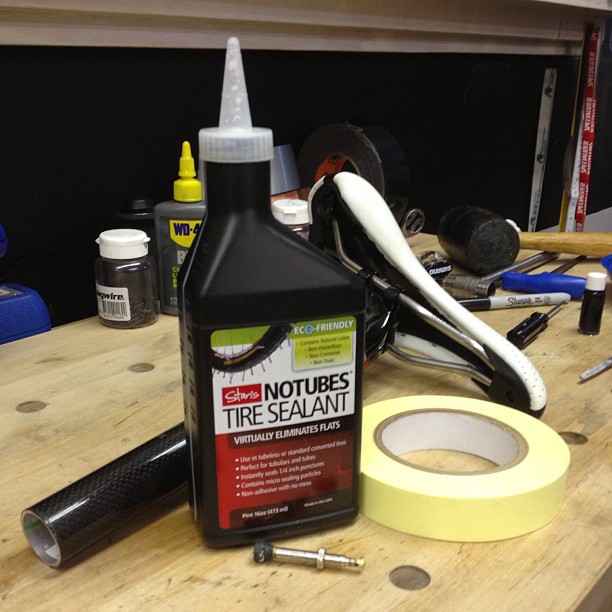
Finding the best tubeless tire sealant for your road bike can mean the difference between a smooth ride and a frustrating puncture. The top-performing sealants include Orange Seal for excellent sealing capabilities, Stan’s Tyre Sealant for reliability, and Muc-Off for high-pressure compatibility.

Key Takeaway

  • Top road bike sealants: Orange Seal for sealing, Stan’s for reliability, Muc-Off for high pressure

  • Sealant needs topping up every 3-6 months for optimal performance

  • Different sealants excel at different puncture sizes and riding conditions

What Makes a Great Road Bike Tubeless Sealant?

Illustration: What Makes a Great Road Bike Tubeless Sealant?

A great road bike tubeless sealant needs to balance multiple performance factors to keep you riding smoothly. The best sealants seal punctures quickly, last through multiple rides, and work effectively across different temperatures and riding conditions. Road cyclists face unique challenges compared to mountain bikers – higher tire pressures, narrower tires, and smoother surfaces mean sealants must be formulated specifically for these demands.

Key Performance Factors: Sealing Speed vs Longevity

  • Sealing speed: How quickly the sealant plugs punctures determines whether you notice a flat or keep riding. Orange Seal excels here, sealing even larger punctures in seconds. The liquid latex formula rushes to the hole and forms a flexible plug almost instantly. For road cyclists who value uninterrupted rides, this rapid response is crucial.

  • Puncture size handling: Some sealants work better for small thorns while others handle bigger debris. Vittoria Universal Tubeless Sealant is highly effective at plugging larger holes that smaller sealants might miss. Road debris like glass shards, metal fragments, and sharp rocks require different sealing properties than the thorns and roots mountain bikers encounter.

  • Temperature range: Sealants must stay liquid in cold weather and not dry out in heat. Stan’s Tyre Sealant maintains consistent performance across a wide temperature range, making it reliable year-round. This is particularly important for road cyclists who ride in varying conditions – from early morning cold starts to afternoon heat.

  • CO2 compatibility: If you use CO2 cartridges for quick inflation, some sealants can freeze or clump. Muc-Off Tubeless Sealant is specifically designed to work with CO2 without compromising performance. The rapid temperature drop from CO2 can cause some sealants to solidify, but Muc-Off’s formula prevents this issue.

  • Cleanup ease: When it’s time to replace tires or clean up after a flat, some sealants are easier to remove than others. Orange Seal is praised for being simple to clean from frames and clothing. This matters for road cyclists who want to maintain a clean, professional appearance and avoid sealant stains on expensive cycling gear.

Maintenance Requirements: How Often to Top Up

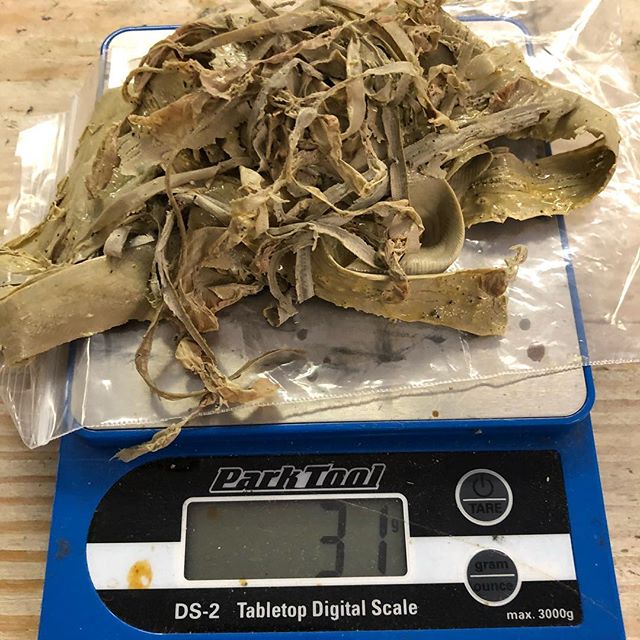
Even the best sealant loses effectiveness over time as it dries out or gets used up sealing punctures. Top up sealant every three to six months to ensure optimal performance, or check more frequently if your bike has sat unused for extended periods. This maintenance schedule applies to most road cyclists who ride regularly throughout the season.

Proper sealant amount matters significantly. Stick to the manufacturer’s recommended amount to avoid excess weight – too much sealant sloshes around inside the tire, affecting performance at low speeds and potentially causing imbalance. Most road bike tires need 2-4 ounces of sealant depending on tire volume. Road tires typically require less than mountain bike tires due to their narrower profile.

Signs of sealant degradation include visible liquid pooling at the bottom of the tire when stationary, increased flat frequency, or sealant that appears thick and separated. Fresh sealant should be milky and uniform in consistency. If you notice your sealant has turned into a thick, rubber-like substance, it’s definitely time for replacement.

Environmental factors also affect sealant longevity. High humidity can keep sealant wetter longer, while dry climates accelerate evaporation. Road cyclists in desert regions might need to top up every 2-3 months, while those in more humid areas could stretch to the full 6-month mark.

Top Road Bike Tubeless Sealants Compared

Illustration: Top Road Bike Tubeless Sealants Compared

Different sealants excel in different areas, so choosing the right one depends on your riding style, local conditions, and maintenance preferences. Here’s how the top options stack up against each other. The right sealant can transform your riding experience from constant worry about flats to confident, uninterrupted miles.

Orange Seal vs Stan’s vs Muc-Off: Head-to-Head

Orange Seal leads in sealing speed and effectiveness, particularly for larger punctures that might defeat other sealants. It’s known for excellent sealing capabilities, even with bigger holes, though some users find it requires more regular topping up compared to competitors. The trade-off is worth it for many riders who prioritize puncture protection over maintenance frequency.

Stan’s Tyre Sealant represents the long-standing reliable standard in the industry. Popular for its effectiveness and accessibility, it offers consistent performance across various conditions. While it might not seal as quickly as Orange Seal for large punctures, it provides dependable protection for most road debris. Many bike shops stock Stan’s because of its proven track record and reasonable price point.

Muc-Off Tubeless Sealant shines in high-pressure applications, making it ideal for road bikes that run 80-100 PSI. It holds up better at high PSI compared to others and is often CO2 compatible, preventing the freezing issues some sealants experience with rapid inflation. For road cyclists who frequently use CO2 cartridges for quick tire changes during races or group rides, this feature is invaluable.

Cleanup varies significantly between brands. Orange Seal earns praise for being easy to clean up from bike frames and clothing, while some latex-based sealants can be more challenging to remove completely. This becomes important during tire changes, bike washing, or when sealant inevitably gets on your hands and kit.

Cost considerations also factor into the decision. Orange Seal tends to be mid-range priced, Stan’s is often the most economical option, and Muc-Off typically commands a premium due to its specialized features. Consider your budget alongside performance requirements when making your choice.

Specialized Options: Vittoria and Effetto Mariposa

  • Vittoria Universal Tubeless Tire Sealant: Highly effective at plugging holes, particularly for road and gravel applications. Its formula provides strong puncture protection across various tire sizes and riding conditions. Vittoria’s sealant is specifically engineered for the higher pressures and narrower profiles of road tires, making it a top choice for dedicated road cyclists.

  • Effetto Mariposa Végétalex: A durable, plant-based option that avoids the mess of traditional latex sealants. It’s biodegradable and works well for environmentally conscious riders who still want reliable protection. The plant-based formula breaks down naturally if it leaks out, reducing environmental impact compared to synthetic alternatives.

  • WTB Sealant: Another high-performing option for road systems that offers strong puncture protection and good longevity between top-ups. WTB has a strong reputation in the cycling industry, and their sealant formula benefits from years of research and development in tubeless technology.

  • Peaty’s Tubeless Sealant: Known for its non-toxic, ammonia-free formula that’s safe for tires and rims. It seals quickly and maintains liquid state longer than many competitors, reducing the frequency of top-ups needed.

Understanding tubeless technology helps you make informed decisions about sealant choice and maintenance. Here are answers to the most common questions riders have about tubeless systems. Knowledge about these aspects can significantly improve your tubeless experience and prevent common issues.

Do Professional Cyclists Use Tubeless Tyres?

Tubeless is king on the road, and pro WorldTour racers have used tubeless tyres exclusively for several years after switching from tubulars. The technology offers significant advantages in puncture resistance and rolling resistance that elite riders can’t ignore. Professional teams have thoroughly tested tubeless systems and found them superior for most racing conditions.

However, that isn’t the case when it comes to cyclo-cross. Glued-on tubular tyres are still almost exclusively used in professional CX racing because they offer superior performance in muddy, technical conditions where tubeless systems can struggle with debris and sidewall cuts. The ability to ride slightly flat on tubulars without unseating the tire provides a crucial safety margin in unpredictable off-road conditions.

The transition from tubular to tubeless represents one of the biggest technological shifts in professional cycling over the past decade. Emma Johansson, a former top-ranked Swedish road cyclist, would have primarily competed in the tubular-dominant era, though she competed through the transition to road tubeless systems now preferred by many professionals. This shift has trickled down to amateur racing and recreational cycling, with tubeless becoming the standard recommendation for new road bikes — road cycling.

What Are the Downsides to Tubeless Tires?

  • Initial fitting: Can be more time-consuming, especially with tyres that are not ‘tubeless-ready’ from the outset. You need proper tools and technique to seat the bead correctly. Many riders find the first installation challenging and may need assistance from a bike shop or experienced friend.

  • Major defects: In the event of major defects, the sealant can leak out, which can contaminate the tire, the bike, and the rider. Large cuts or sidewall tears often require tube installation regardless. Some riders carry a spare tube even with tubeless tires for this reason.

  • Sealant mess: While some sealants clean up easily, others can create significant mess during installation, puncture repair, or tire changes. Sealant can spray when a tire is removed or when a puncture occurs at high speed.

  • Weight considerations: Sealant adds rotating weight to your wheels, which some performance-focused riders prefer to avoid, especially in racing scenarios. However, many find the puncture protection benefits outweigh the slight weight penalty.

  • Maintenance frequency: Unlike tubes that you can install and forget, tubeless systems require regular sealant monitoring and topping up every few months. This ongoing maintenance requirement can be a drawback for riders who prefer set-and-forget solutions.

  • Initial cost: Tubeless-ready wheels and tires typically cost more than their tube-type counterparts. The initial investment can be significant, though many riders find the long-term benefits justify the expense.

The most surprising finding about road bike tubeless sealants is that professional riders, who have access to any technology they want, overwhelmingly choose tubeless systems despite the maintenance requirements. This speaks to the real-world performance advantages that outweigh the inconvenience. The reduction in flat tires and improved rolling resistance provide measurable benefits that even the most demanding riders appreciate.

For your next ride, check your sealant level this weekend. Remove the valve core, add fresh sealant if needed, and spin the wheel to distribute it evenly. This simple 10-minute maintenance step could save you from your next flat and keep your rides rolling smoothly. Consider marking your calendar for regular sealant checks every three months to ensure optimal performance throughout the riding season.

Frequently Asked Questions About Road Bike Tire Sealant

Q: Is CO2 compatible with road bike tubeless sealants?

Most road bike tubeless sealants are CO2 compatible, but some may dry out faster when exposed to CO2. Check the product specifications for CO2 compatibility before use.

Q: What makes a great road bike tubeless sealant?

A great road bike tubeless sealant offers fast puncture sealing, long-lasting performance, and CO2 compatibility. It should also work well with various tire types and rim materials.

Q: How do road bike tubeless sealants compare in performance?

Top road bike tubeless sealants vary in sealing speed, durability, and CO2 compatibility. Some prioritize quick sealing for racing, while others focus on long-lasting protection for endurance rides.