Road Bike Tire Pressure Guide: Finding Your Optimal PSI

Illustration: How to Find Your Perfect Road Bike Tire Pressure

Finding the right tire pressure for your road bike is crucial for balancing speed, comfort, and grip. Modern road bikes with wider tires (25-32mm) perform best at lower pressures than traditional 100+ PSI setups, with most riders finding their sweet spot between 60-100 PSI depending on conditions. The key is understanding that tire pressure isn’t one-size-fits-all – it varies significantly based on your weight, tire width, riding conditions, and equipment setup.

Key Takeaway

  • Optimal road bike tire pressure balances speed, comfort, and grip
  • Lower pressures (60-100 PSI) trending for wider tires vs traditional 100+ PSI
  • Primary factors: tire width, rider weight, road conditions, tubeless vs tubes
  • Front tire: 3-5 PSI lower than rear for handling
  • Experiment in 5 PSI increments; use thumb test (should compress slightly)

How to Find Your Perfect Road Bike Tire Pressure
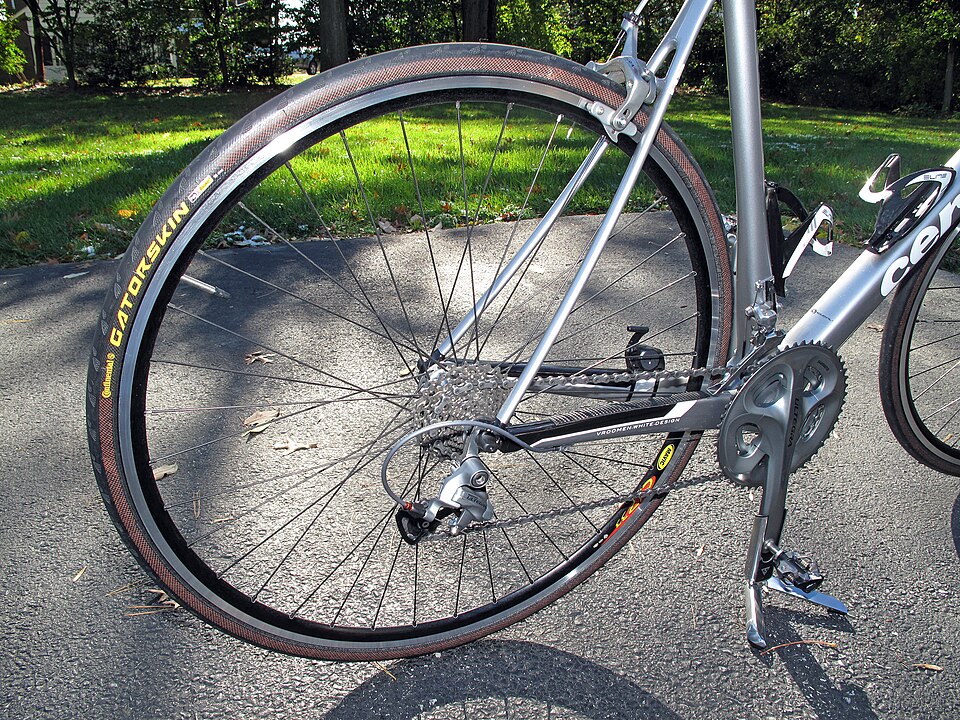
Illustration: How to Find Your Perfect Road Bike Tire Pressure

The most accurate way to determine your ideal tire pressure starts with your body weight. A widely accepted rule of thumb is that 10% of your body weight in kilograms equals your target pressure in bar. For example, an 80kg rider should start around 8 bar (116 PSI). This weight-based approach provides a solid foundation, but you’ll need to fine-tune based on your specific setup. Heavier riders require higher pressure to prevent pinch flats, while lighter riders can run lower pressures for better comfort and traction. The ±5 PSI adjustment per 10kg (20lbs) of body weight difference helps you dial in the exact pressure for your build.

Weight-Based PSI Calculator: The 10% Rule

Rider Weight Estimated PSI (Canyon 28mm) Adjustment Range
50kg (110 lbs) 58 PSI ±5 PSI per 10kg/20lbs
60kg (132 lbs) 70 PSI ±5 PSI per 10kg/20lbs
70kg (155 lbs) 80 PSI ±5 PSI per 10kg/20lbs
80kg (176 lbs) 92 PSI ±5 PSI per 10kg/20lbs
90kg (198 lbs) 104 PSI ±5 PSI per 10kg/20lbs
96kg+ (212+ lbs) 94+ PSI ±5 PSI per 10kg/20lbs

This weight-based approach provides a solid starting point, but you’ll need to fine-tune based on your specific setup. Heavier riders require higher pressure to prevent pinch flats, while lighter riders can run lower pressures for better comfort and traction. The ±5 PSI adjustment per 10kg (20lbs) of body weight difference helps you dial in the exact pressure for your build. For example, if you’re 85kg (187lbs), you’d start with approximately 85 PSI and adjust up or down based on your tire width and riding conditions.

Tire Width PSI Chart: Finding the Right Pressure
Illustration: Tire Width PSI Chart: Finding the Right Pressure

Wider tires have become increasingly popular in road cycling because they offer better comfort, grip, and rolling resistance at lower pressures. The trend has shifted away from rock-hard 23mm tires toward wider options that can be run at more forgiving pressures. This shift represents a fundamental change in how we think about road bike performance – wider tires at lower pressures can actually be faster on real-world roads than traditional narrow, high-pressure setups. For more information on tire selection, check out our Top Road Bike Reviews 2024 to find the perfect model for your needs.

PSI by Tire Width for Average Rider

Tire Width PSI Range Bar Range Traditional vs Modern
23mm 110-130 PSI 7.5-9 bar Traditional high pressure
25mm 95-115 PSI 6.5-8 bar Modern standard
28mm 80-110 PSI 5.5-7.5 bar Comfort-focused
30mm 60-95 PSI 4.5-6.5 bar Endurance/gravel
32mm 60-85 PSI 4-6 bar All-road capability

The pressure ranges above assume an average rider weight of 70kg (155lbs). Notice how pressure decreases as tire width increases – this is because wider tires have more volume and can support your weight at lower pressures while maintaining the same level of support and protection against pinch flats. For instance, a 25mm tire at 100 PSI feels similar to a 28mm tire at 85 PSI in terms of support, but the wider tire provides better comfort and traction.

How Tire Width Affects Rolling Resistance

Contrary to what many cyclists believe, wider tires at lower pressures can actually roll faster than narrow, high-pressure tires on most real-world roads. This is because the energy lost to vibration and bouncing on rough surfaces outweighs the theoretical advantage of lower rolling resistance in the lab. When you hit a bump with a rock-hard tire, you lose momentum as the bike bounces upward. A slightly softer, wider tire absorbs these impacts, keeping more energy going forward.

Tubeless vs Tubed Pressure Differences

Tubeless setups allow you to run 10-15 PSI lower than tubed tires for the same level of support. This is because tubeless tires eliminate the risk of pinch flats, which occur when the tube gets pinched between the tire and rim on hard impacts. Without this concern, you can safely experiment with lower pressures that provide better comfort and traction. Many professional cyclists now use tubeless tires specifically for this pressure advantage.

Adjusting PSI for Different Conditions

Illustration: Adjusting PSI for Different Conditions

Even with the perfect base pressure for your weight and tire width, you’ll need to make adjustments based on riding conditions. Different surfaces, weather, and equipment setups all affect the optimal pressure for your ride. Temperature also affects tire pressure – expect about 1 PSI drop for every 10°F decrease in temperature. Always check your pressure when conditions change significantly, and remember that tubeless setups offer more flexibility for pressure experimentation since they eliminate the risk of pinch flats.

Wet Roads and Rough Surfaces: When to Lower Pressure

  • Wet conditions: Reduce pressure by 7 PSI (0.5 bar) to increase contact patch and improve grip on slippery surfaces. The larger contact area provides more rubber on the road, which is crucial when traction is compromised by water or debris.
  • Rough roads: Drop 10-15 PSI for better shock absorption and comfort on chipseal or poorly maintained roads. This reduction helps prevent fatigue on longer rides and can actually improve your average speed by reducing the energy lost to vibration.
  • Tubeless setup: Run 10-15 PSI lower than tubed tires for the same level of support, as tubeless setups allow lower pressures without pinch flats. This pressure advantage is one of the main reasons tubeless technology has become so popular in road cycling.
  • Hookless rims: Maximum pressure limited to 72 PSI (5 bar) for safety with these modern rim designs. Hookless rims have specific pressure limitations due to their construction, so always check your rim manufacturer’s recommendations.
  • Rear tire: Add 3-5 PSI over front tire since it bears more weight and provides better handling balance. The rear tire typically carries about 60% of your body weight plus additional weight from pedaling forces.

Temperature and Altitude Effects

Temperature changes significantly affect tire pressure. For every 10°F (5.5°C) change in temperature, your tire pressure will change by approximately 1-2 PSI. This means if you pump your tires to 100 PSI in a warm garage and then ride in cold morning conditions, you could lose 5-10 PSI by the time you start riding. Similarly, riding at high altitude reduces external air pressure, which can make your tires feel slightly softer even though the internal pressure hasn’t changed.

Pressure Testing and Fine-Tuning

The best way to find your perfect pressure is through systematic experimentation. Start with the calculated pressure for your weight and tire width, then make adjustments in 5 PSI increments while paying attention to how the bike feels. Look for these signs: if the bike feels harsh and bumpy, lower the pressure; if it feels sluggish or you’re getting pinch flats, raise it. The ideal pressure should feel like the tire is absorbing small bumps without feeling soft or unstable.

Front vs Rear Pressure Differences

Most riders benefit from running their front tire 3-5 PSI lower than their rear tire. This pressure difference accounts for the weight distribution on your bike – your rear wheel carries more weight from both your body and the pedaling forces. The lower front pressure improves comfort and traction on the front wheel, which is crucial for cornering and braking. However, don’t go too low on the front tire, as this can make the bike feel unstable, especially at high speeds.

The most surprising finding from recent testing is that wider tires at lower pressures actually roll faster on real-world roads than traditional narrow, high-pressure setups. The improved comfort and traction allow you to maintain speed more easily over varied surfaces. For your next ride, try dropping your pressure by 5-10 PSI from your usual setting and see how it affects your comfort and speed – you might be surprised at the improvement.

Ready to find your perfect pressure? Start with the 10% body weight rule, adjust for your tire width, then experiment in 5 PSI increments until you find the sweet spot where your bike feels planted but not sluggish. Check pressure before every ride, as tires naturally lose 1-2 PSI per day. For more road cycling tips and techniques, check out our comprehensive road cycling guide. You can also explore finding the best cycling routes near you to plan your next adventure.

The key to optimal tire pressure is understanding that it’s not about running the highest pressure possible, but rather finding the pressure that provides the best balance of speed, comfort, and control for your specific riding conditions. With wider tires becoming the norm and tubeless technology eliminating pinch flat concerns, cyclists now have more flexibility than ever to experiment and find their perfect setup. Remember that the “perfect” pressure might change based on the ride you’re doing, the weather conditions, and even how you’re feeling that day. The most important thing is to start with a good baseline and then adjust based on your experience and preferences. For more maintenance advice, see our Complete Bike Maintenance Checklist Every cyclist should follow.

Proper tire pressure is just one aspect of bike setup that affects your riding experience. Combined with the right tire choice, proper bike fit, and quality components, it can make a significant difference in your comfort, speed, and enjoyment on the road. Whether you’re a casual rider or a competitive cyclist, taking the time to dial in your tire pressure will pay dividends in every ride you take. For more cycling tips for beginners, check out our comprehensive guide.
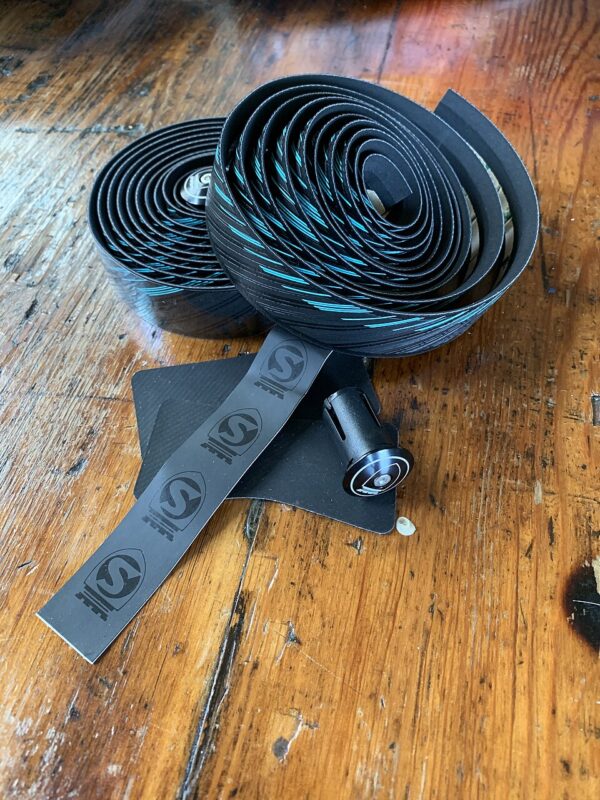
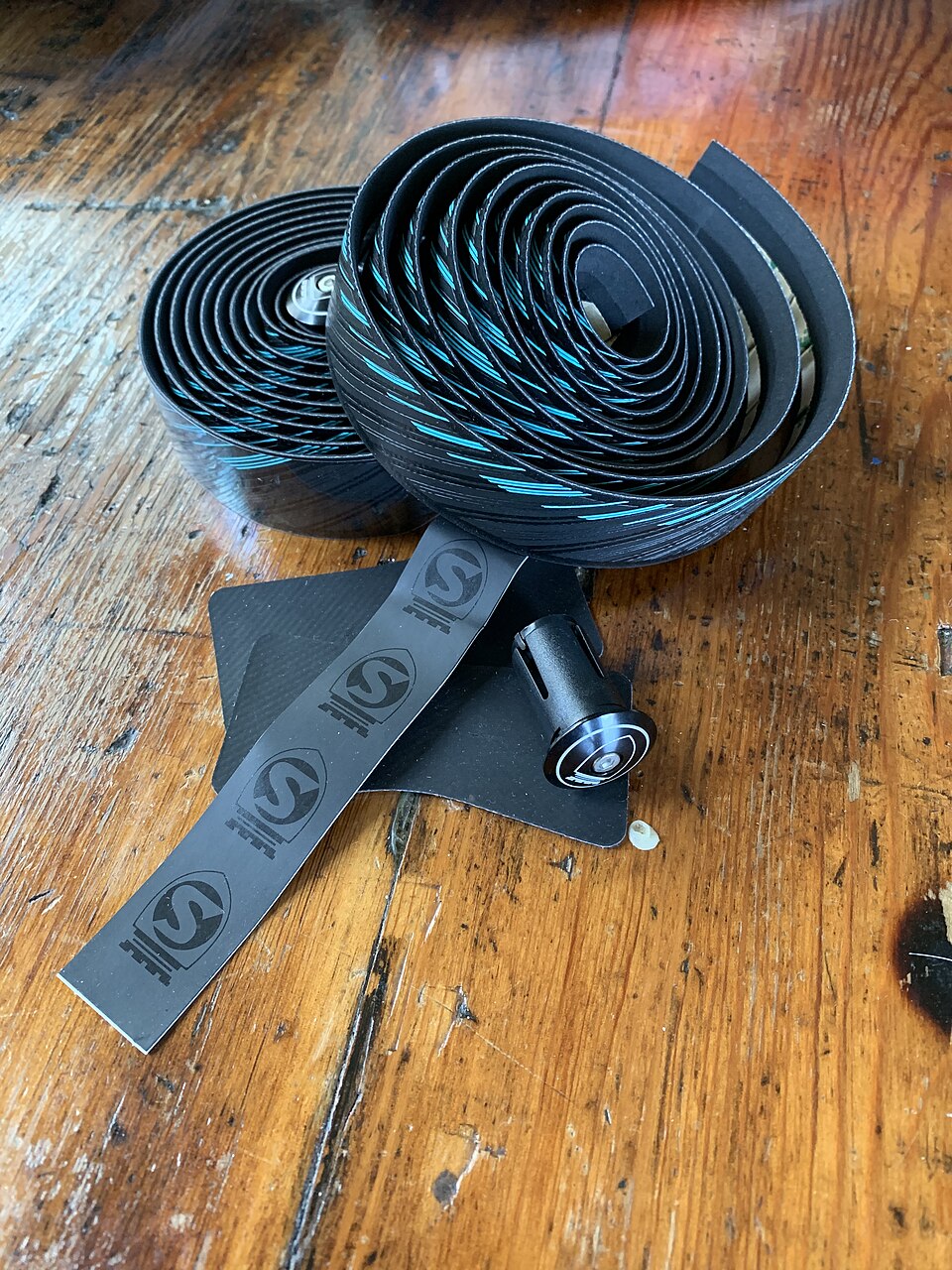
Cycling Nutrition for Beginners: Essential Fueling Basics

Proper nutrition is essential for beginner cyclists to maintain energy, improve performance, and recover effectively. Research shows that timing your meals and choosing the right foods before, during, and after rides can significantly impact your cycling experience and results. For more comprehensive guidance, see our Essential Cycling Tips for Beginners Starting Their Journey.

Key Takeaway

  • Eat a carb-rich meal 2-3 hours before riding to build energy stores without stomach discomfort

  • Consume 30-60g of carbohydrates per hour during rides over 90 minutes to maintain blood sugar and prevent bonking

  • Ingest protein and carbs within 60 minutes post-ride to repair muscle and replenish glycogen stores

Pre-Ride Nutrition: Fueling for Energy

Proper pre-ride nutrition sets the foundation for a successful cycling session by ensuring your body has adequate energy stores without causing digestive discomfort during the ride. Before you begin, you might want to explore our Top Road Bike Reviews 2024: Best Models Compared to ensure you have the right equipment for your nutrition strategy.

What to eat 2-3 hours before: Complex carbs with moderate protein

  • Timing: Eat a balanced meal 2-3 hours before your ride to allow proper digestion

  • Food focus: Complex carbohydrates for sustained energy, moderate protein for muscle support, and low fat/fiber to avoid stomach issues

  • Examples: Oatmeal with fruit, porridge, toast with eggs, or a balanced meal with complex carbs, lean protein, and some healthy fats

  • Quick option: If you haven’t eaten a full meal, a small snack 30-60 minutes before is fine

Research from TrainerRoad and Bicycling.com shows that this timing allows your body to digest food properly while building energy reserves. Complex carbohydrates like oatmeal or toast provide slow-release energy that sustains you throughout your ride, while moderate protein helps maintain muscle function. The 2-3 hour window is crucial because it gives your body enough time to process the food and convert it into available energy without causing stomach discomfort during exercise.

For optimal pre-ride meals, focus on foods with a low glycemic index that release energy gradually. Oatmeal topped with berries and a drizzle of honey provides sustained energy release. Whole grain toast with a poached egg offers protein for muscle support without excessive fat. Rice porridge with sliced banana combines easily digestible carbs with potassium for muscle function. These meals should contain approximately 200-300 calories for a 1-2 hour ride, adjusted based on your body weight and ride intensity.

The science behind pre-ride nutrition emphasizes the importance of glycogen stores – your body’s primary fuel source during cycling. When you eat complex carbs 2-3 hours before riding, your body converts them to glycogen and stores them in your muscles and liver. This stored energy becomes available during your ride, preventing the “bonk” that occurs when glycogen depletes. Research indicates that cyclists who properly fuel before rides can maintain higher power outputs and delay fatigue by up to 20% compared to those who ride on empty.

Last-minute fuel: Quick carbs 30-60 minutes before

If you’re short on time or haven’t eaten a full meal, a small snack 30-60 minutes before your ride can still provide adequate energy without causing stomach discomfort.

Easily digestible carbohydrates work best at this stage. Good options include a banana, toast with jam, or a small energy bar. These foods are quickly absorbed and provide immediate energy without the digestive burden of heavier meals. The key is choosing foods that are low in fat and fiber, which slow digestion and can cause gastrointestinal distress during exercise.

Research from Veloforte and ISSA shows that consuming 30-60 grams of easily digestible carbohydrates in this timeframe can boost blood glucose levels just as your ride begins, providing an immediate energy source. A medium banana contains about 27 grams of carbs, while a slice of white toast with jam provides approximately 30 grams. These quantities are ideal for the 30-60 minute pre-ride window.

For early morning rides when you might not have time for a full meal, this last-minute fueling strategy becomes particularly important. Your body has been fasting overnight, so blood sugar levels are naturally lower. A quick carb source can prevent the lightheadedness and fatigue that often accompany morning exercise on an empty stomach. Studies show that even a small carbohydrate intake before morning rides can improve endurance by 15-25% compared to riding fasted.

Avoid high-fat or excessive fiber foods before a ride, as research from Veloforte and ISSA shows they digest slowly and can lead to stomach issues during cycling. The goal is to provide quick energy without overwhelming your digestive system. For more detailed guidance on maintaining your equipment, check our Complete Bike Maintenance Checklist Every Cyclist Should Follow.

During-Ride Nutrition: Maintaining Energy

Fueling during your ride becomes crucial for maintaining energy levels and preventing fatigue, especially as ride duration increases beyond 60 minutes.

Rides under 60 minutes: Water only needed

For shorter rides under 60 minutes, your body’s existing energy stores are typically sufficient to complete the ride without additional fuel. Water is usually all you need to stay hydrated.

However, research from ROUVY and TrainerRoad indicates that for rides approaching 60 minutes, you should start thinking about fueling. Begin eating within the first hour and continue feeding every 30-45 minutes to maintain steady energy levels. Even in shorter rides, if you’re riding at high intensity or in hot conditions, your body may benefit from some carbohydrate intake to maintain blood sugar levels and prevent performance decline — road cycling.

The key principle is to eat before you feel hungry to avoid “bonking” – the sudden, extreme fatigue that occurs when your body runs out of available energy. This proactive approach keeps your blood sugar stable throughout the ride. Bonking typically begins with symptoms like dizziness, confusion, and extreme weakness, and once it starts, it’s difficult to recover during the ride. Prevention through consistent fueling is far more effective than trying to recover from an energy crash.

For rides between 45-60 minutes at moderate intensity, consider carrying a small energy gel or half a banana. While not always necessary, having this option available provides insurance against unexpected fatigue or route changes that extend your ride time. The psychological benefit of knowing you have fuel available can also improve your confidence and performance, even if you don’t end up consuming it.

Rides over 90 minutes: 30-60g carbs per hour

  • Carbohydrate intake: Aim for 30-60 grams of carbohydrates per hour during rides over 90 minutes

  • Food options: This equates to 1-2 energy gels, a banana, or an energy bar every 45-60 minutes

  • Hydration: Sip water or electrolyte drinks every 10-15 minutes to maintain fluid balance

  • Electrolyte needs: For rides longer than 90 minutes, use sports drinks for electrolytes to replace lost sodium

Research from ProCyclingUK.com and JOIN Cycling shows that consistent carbohydrate intake during longer rides prevents energy crashes and maintains performance. The 30-60g range provides adequate fuel without overwhelming your digestive system. This intake level has been shown to improve endurance performance by 20-30% compared to water-only consumption during extended rides.

Natural food options work well for beginners. Bananas, dried fruit, granola bars, and even fig newtons provide easily digestible carbohydrates. The key is finding foods that agree with your stomach and are convenient to carry and consume while riding. Many beginners make the mistake of trying new nutrition products on important rides, but research shows that practicing your fueling strategy during training is essential for race-day success.

For rides exceeding 2 hours, your body’s glycogen stores become significantly depleted, making external carbohydrate sources crucial. At this point, consuming 60 grams per hour becomes more important, as your body can process this amount efficiently without causing stomach distress. Elite cyclists often consume up to 90 grams per hour using specialized carbohydrate mixtures, but beginners should start with the lower end of the range and gradually increase as their digestive system adapts.

Hydration strategy becomes equally important during longer rides. Research indicates that even 2% dehydration can impair cycling performance by 10-15%. Aim to drink 500-750ml of fluid per hour, adjusting for temperature and intensity. For rides in hot conditions or exceeding 2 hours, electrolyte replacement becomes critical to prevent hyponatremia and maintain proper muscle function. Sports drinks containing sodium, potassium, and magnesium help replace what you lose through sweat.

To complement your nutrition strategy, explore Finding the Best Cycling Routes Near You: A Local Guide for planning your rides.

Post-Ride Nutrition: Recovery

Recovery nutrition is critical for muscle repair, glycogen replenishment, and preparing your body for future rides. The timing and composition of your post-ride meal significantly impact how quickly you recover.

The 30-60 minute recovery window

The “recovery window” is the 30-60 minute period immediately following your ride when your body is most receptive to nutrient absorption and muscle repair.

Research from Veloforte and Memorial Hermann Health System recommends combining protein (for muscle repair) and carbohydrates (to rebuild energy stores) in a 1:3 ratio. This optimal ratio helps your body recover efficiently. During this window, your muscles are primed to absorb nutrients, glycogen synthase activity is elevated, and protein synthesis rates are increased, making it the ideal time to provide your body with the building blocks it needs.

Good post-ride options include a recovery smoothie, yogurt with berries, chocolate milk, or a meal with chicken and rice. These combinations provide the necessary nutrients in proportions your body can use effectively for recovery. A recovery smoothie with whey protein, banana, berries, and milk provides approximately 20-25 grams of protein and 60-75 grams of carbohydrates – the perfect 1:3 ratio. Chocolate milk has been extensively studied and shown to be as effective as commercial recovery drinks for glycogen replenishment and muscle repair.

For women cyclists, our Essential Cycling Gear for Women: What You Really Need guide offers additional insights on equipment and nutrition.

The importance of this recovery window cannot be overstated. Research shows that consuming protein and carbohydrates within 30 minutes post-exercise can increase muscle glycogen storage by up to 50% compared to waiting 2 hours. Additionally, this timing can reduce muscle soreness by 30-40% and improve subsequent performance by 15-20% in multi-day cycling events or consecutive training days.

For rides exceeding 2 hours or high-intensity sessions, your post-ride nutrition needs become even more critical. These rides cause greater muscle damage and glycogen depletion, requiring more substantial recovery nutrition. Aim for 20-30 grams of high-quality protein and 60-90 grams of carbohydrates, depending on your body weight and ride duration. Including antioxidant-rich foods like berries or tart cherry juice can further reduce inflammation and speed recovery.

Hydration and electrolyte replacement

  • Continue drinking: Keep consuming water or electrolytes to replace fluid losses throughout the day

  • Daily hydration: Drink throughout the day, not just on the bike, to maintain proper hydration levels

  • Extended rides: For rides over 2 hours or in hot conditions, consider electrolyte drinks to replace lost sodium

Research from ROUVY and JOIN Cycling emphasizes that hydration continues well after your ride ends. Your body needs time to fully replace fluids lost through sweat, and electrolytes help maintain proper fluid balance. The average cyclist loses 500-1500ml of fluid per hour through sweat, and this fluid must be replaced to restore normal physiological function and prepare for your next ride.

Monitoring your urine color can help gauge hydration – pale yellow indicates good hydration, while dark yellow suggests you need more fluids. This simple check helps ensure you’re properly rehydrated for your next ride. Additionally, weighing yourself before and after rides can provide insight into your fluid losses – each kilogram lost represents approximately 1 liter of fluid that needs replacement.

For rides in hot or humid conditions, or those exceeding 2 hours, electrolyte replacement becomes crucial. Sodium is the primary electrolyte lost in sweat, and inadequate replacement can lead to muscle cramps, fatigue, and impaired performance. Research recommends 300-500mg of sodium per hour during extended rides, with additional replacement in the hours following your ride. Coconut water, sports drinks, and electrolyte tablets can all help restore proper mineral balance.

The recovery process extends beyond the immediate post-ride window. Your body continues repairing muscle tissue and replenishing glycogen stores for 24-48 hours after intense exercise. Consistent hydration and balanced nutrition during this period supports optimal recovery and prepares you for your next cycling challenge. Including anti-inflammatory foods like omega-3 rich fish, turmeric, and leafy greens can further enhance recovery and reduce muscle soreness.

The most surprising finding from nutrition research is that beginners often over-complicate their fueling strategy. Simple, whole foods like bananas, toast, and yogurt can be just as effective as expensive energy products. Start with these basics, practice during training rides, and adjust based on how your body responds. Your first step: prepare a simple pre-ride meal of oatmeal with fruit 2-3 hours before your next ride and notice how it affects your energy levels. For structured improvement, consider our Beginner Cycling Training Plan: Build Your Fitness Safely.

road cycling provides comprehensive information about cycling techniques and training that complements proper nutrition strategies for beginners.

Road Bike Handlebar Tape: Best Options for Comfort and Performance

Illustration: Best Road Bike Handlebar Tape Materials Compared

Road bike handlebar tape enhances grip and comfort on drop handlebars. The right tape reduces vibration and improves control for long rides, making it an essential component for any road cyclist. Proper handlebar tape can significantly reduce hand fatigue and improve overall riding experience, especially during extended rides or in challenging weather conditions.

Key Takeaway

  • 3mm thickness standard for road bikes provides optimal comfort and protection

  • Gel tape offers 30-40% vibration reduction for long-distance comfort

  • PU/EVA materials provide superior grip even when wet

  • Top brands include Fizik, Lizard Skins, and Supacaz for quality and durability

Best Road Bike Handlebar Tape Materials Compared

Illustration: Best Road Bike Handlebar Tape Materials Compared

Cork vs Gel vs Synthetic: Key Differences

Material

Key Properties

Best For

Cork

Breathable, sweat-absorbent, natural feel

Riders who prioritize comfort and breathability

Gel

Superior vibration reduction (30-40% claimed by manufacturers)

Long-distance riders needing maximum cushioning

Synthetics/PU/EVA

Grippy even when wet, shock absorption, lightweight

All-weather performance and durability

Cork handlebar tape offers a classic, natural feel that many traditional cyclists prefer. Its breathable properties make it excellent for hot weather riding, as it absorbs sweat and prevents slippery hands. However, cork tends to wear faster than synthetic alternatives and may require more frequent replacement. Gel tape represents the premium end of the market, with manufacturers claiming 30-40% vibration reduction compared to standard tape. This makes it ideal for endurance riders who spend hours in the saddle and need maximum comfort to prevent hand fatigue and numbness.

Synthetic materials, particularly PU (polyurethane) and EVA (ethylene-vinyl acetate), have become increasingly popular due to their superior all-weather performance. These materials maintain excellent grip even when wet, making them perfect for riders who train in various conditions. They also offer good shock absorption while being more durable than cork. Many modern synthetic tapes combine multiple materials to achieve the best balance of comfort, grip, and durability. For example, some feature a PU outer layer for grip with an EVA foam core for cushioning.

Thickness Matters: 2.5mm vs 3mm vs 3.5mm

  • 2.5mm: Standard for road bikes, balances comfort and control

  • 3mm: Provides extra cushioning for long rides

  • 3.5mm: Ideal for endurance and gravel riding

The thickness of handlebar tape significantly impacts both comfort and control. Standard 2.5mm tape provides the classic road bike feel, offering enough cushioning to absorb road vibrations while maintaining excellent bar feel and control. This thickness is preferred by many competitive cyclists who want to maintain precise handling and feedback from the road. The thinner profile also reduces overall handlebar diameter, which can be beneficial for riders with smaller hands.

3mm tape adds an extra layer of cushioning that many recreational riders and endurance cyclists prefer. This additional thickness can reduce hand fatigue during long rides by providing better shock absorption from rough roads and pavement imperfections. The extra padding is particularly beneficial for riders who experience hand numbness or discomfort during extended periods in the saddle. Many manufacturers offer their premium tapes in 3mm thickness as it represents the sweet spot between comfort and performance for most riders.

3.5mm tape represents the maximum thickness commonly available and is specifically designed for maximum comfort and vibration damping. This thickness is ideal for endurance events, gravel riding, and rough road conditions where maximum cushioning is desired. However, the increased thickness can slightly reduce bar feel and precision, which may be noticeable to experienced riders during high-intensity efforts or technical descents. Some riders use 3.5mm tape for training and switch to thinner tape for racing to balance comfort and performance needs.

Top Handlebar Tape Brands and Models for 2026

Illustration: Top Handlebar Tape Brands and Models for 2026

Fizik Vento Solocush: Best Overall Comfort

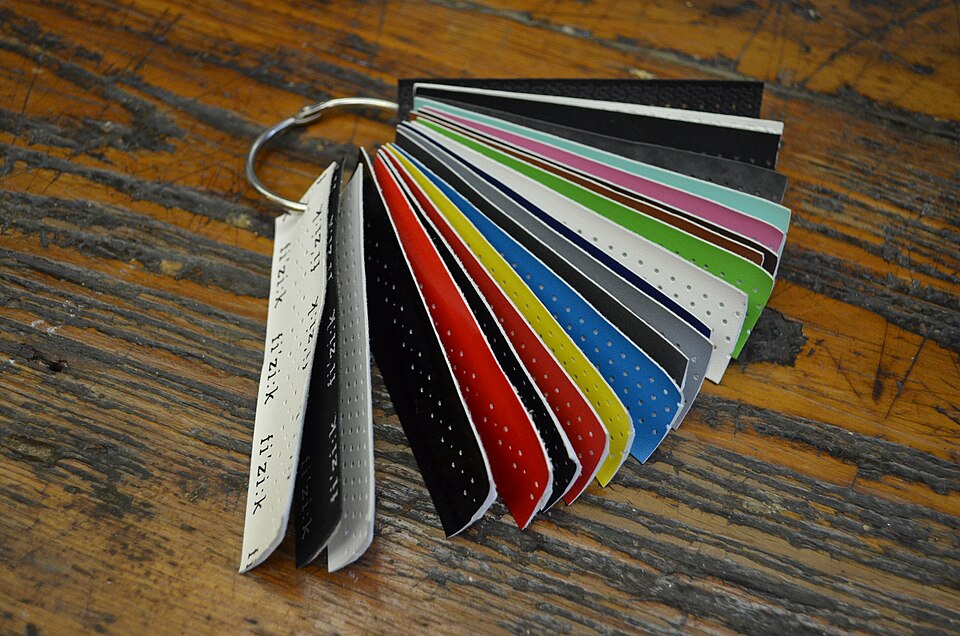
The Fizik Vento Solocush leads the market with its 2.7mm thickness and excellent wet/dry grip. This premium tape delivers superior comfort and feel for long rides, making it a favorite among road cyclists who prioritize both performance and comfort. The material provides consistent grip in all conditions while maintaining a lightweight profile. Fizik’s proprietary Solocush material combines a soft-touch outer layer with a vibration-damping foam core, creating an optimal balance of comfort and control that has made it the benchmark for high-end handlebar tape.

What sets the Vento Solocush apart is its exceptional wet-weather performance. The tape maintains its grippy texture even when soaked, preventing dangerous slippage during rainy rides or when hands become sweaty. The 2.7mm thickness provides slightly more cushioning than standard 2.5mm tape without the bulk of thicker options, making it versatile enough for both racing and endurance riding. The tape also features a tacky backing that makes installation easier and prevents shifting during use. Many professional cyclists choose this tape for its proven combination of comfort, durability, and all-weather reliability.

Supacaz Super Sticky Kush: Best Grip and Style

  • 3mm thickness: Provides substantial cushioning without bulk

  • Extreme tackiness: Maintains grip even in wet conditions

  • Outrageous color selection: Available in numerous vibrant colors and designs

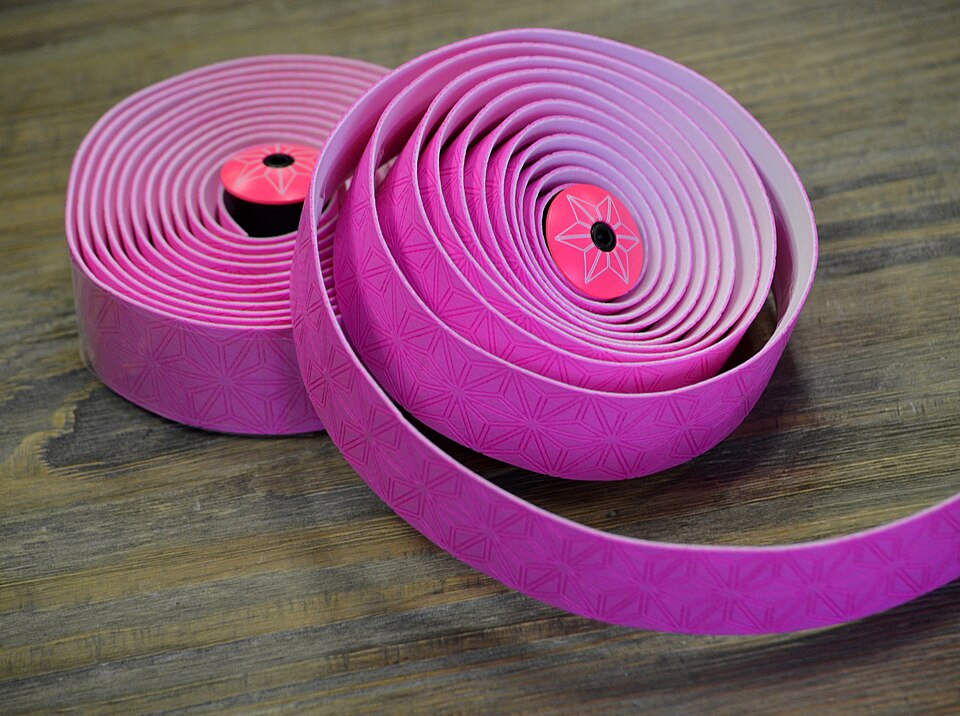
Supacaz Super Sticky Kush has revolutionized the handlebar tape market with its combination of exceptional grip and bold styling options. The tape’s 3mm thickness provides excellent cushioning while the proprietary “Super Sticky” material maintains incredible tackiness in all conditions. This makes it particularly popular among riders who frequently encounter wet weather or those who prioritize maximum grip confidence. The tape’s unique texture creates a secure feel that many riders describe as “locking” their hands to the bars, which can be especially beneficial during technical descents or sprints.

Beyond performance, Supacaz has become known for its vibrant color options and stylish designs. The tape is available in over 20 different colors, including neon options that make bikes stand out. This focus on aesthetics has made it particularly popular among younger riders and those who view their bike as an extension of their personal style. The tape also features a Kush Foam middle layer that provides additional vibration damping beyond what the surface material alone offers. While slightly more expensive than some alternatives, many riders find the combination of performance, durability, and style worth the premium price point.

Ergon BT Gravel: Best for Vibration Damping

The Ergon BT Gravel excels for long-distance comfort with its 3.5mm thickness that provides superior vibration reduction. Many endurance riders prefer this model for its ability to minimize hand fatigue during extended rides. The extra thickness makes it particularly suitable for gravel and rough road surfaces where maximum cushioning is beneficial. Ergon, known for their ergonomic cycling components, designed this tape specifically for riders who spend long hours on less-than-perfect surfaces and need maximum comfort to prevent hand and arm fatigue — road cycling.

What makes the BT Gravel unique is its multi-layer construction that combines different materials for optimal performance. The outer layer provides excellent grip and durability, while the inner layers focus on vibration absorption and comfort. The tape also features a textured surface that enhances grip without feeling sticky, making it comfortable for long periods of use. Many ultra-distance cyclists and bikepackers choose this tape for its proven ability to reduce hand fatigue over thousands of miles. The tape’s thickness does add some bulk to the handlebars, but most riders find the comfort benefits far outweigh this minor drawback, especially for long-distance applications.

How to Choose and Install Handlebar Tape

Illustration: How to Choose and Install Handlebar Tape

Installation Guide: Step-by-Step Wrapping

  • Start at the drops: Begin wrapping clockwise from the bottom of the handlebars

  • Overlap: Maintain 1/4-1/3 overlap for consistent coverage

  • Secure ends: Use finishing tape and bar plugs to complete the installation

Proper installation is crucial for getting the most out of your handlebar tape. Start by cleaning your handlebars thoroughly and removing any old tape residue. Begin wrapping at the bottom of the drops, working your way up the handlebars in a clockwise direction (when viewed from the drive side). Maintain consistent overlap of about 1/4 to 1/3 of the tape’s width to ensure complete coverage and prevent gaps. Pay special attention to the bend areas where the tape needs to stretch slightly to maintain smooth coverage without wrinkles or bubbles.

As you wrap, keep tension on the tape consistent but not excessive – too tight can cause the tape to stretch and thin out, while too loose will result in a sloppy finish that may shift during use. When you reach the top of the bars, cut the tape at an angle to create a clean finish, then secure it with the provided finishing tape. Finally, install your bar plugs to prevent the tape from unraveling and to protect the bar ends in case of a crash. A properly installed tape job should feel smooth, secure, and look professional – taking the time to do it right will ensure your tape performs well and lasts longer.

Price Range and Value Considerations

Price Range

What to Expect

Best For

$20-30

Basic comfort and grip, standard materials

Recreational riders and beginners

$30-40

Enhanced durability and comfort features

Regular riders and enthusiasts

$40-50

Premium materials, superior vibration reduction

Performance-focused cyclists

Handlebar tape pricing varies significantly based on materials, brand reputation, and performance features. Entry-level tapes in the $20-30 range typically use basic synthetic materials that provide adequate grip and comfort for casual riders. These tapes often feature simpler construction and may wear faster than premium options, but they represent excellent value for recreational cyclists or those new to road biking. Many manufacturers offer these basic tapes in standard colors and provide sufficient quality for riders who don’t need maximum performance features.

The $30-40 price range represents the sweet spot for most enthusiasts, offering enhanced durability, better materials, and improved comfort features. Tapes in this range often use advanced synthetic materials or high-quality cork with better construction techniques. They typically provide superior grip, better vibration damping, and improved durability compared to budget options. Many riders find this price point offers the best balance of performance and value, especially for those who ride regularly but don’t require professional-level features.

Premium tapes in the $40-50 range feature the latest materials and construction techniques, offering maximum comfort, durability, and performance. These often include advanced vibration-damping materials, superior grip technologies, and enhanced weather resistance. Professional cyclists and serious enthusiasts often choose these tapes for their proven performance benefits, though the improvements over mid-range options may be incremental rather than revolutionary. For riders who spend many hours on the bike or compete at higher levels, the investment in premium tape can provide meaningful comfort and performance benefits that justify the higher cost.

The right handlebar tape can reduce hand fatigue by up to 40% on long rides. For maximum comfort, consider adding gel pads under your tape, especially for endurance events or rough road conditions. Many professional bike fitters recommend this combination for riders who experience hand numbness or

Cycling Training Apps: Best Apps for Structured Training Plans

Looking for the best cycling training apps in 2026? These apps combine artificial intelligence, personalized 4DP profiling, and immersive virtual environments to help you improve your cycling performance with structured training plans.

Key Takeaway

  • TrainerRoad offers the most intense, adaptive structured training with AI-powered workout adjustments
  • Zwift dominates in social gaming with 1M+ users and gamified virtual worlds
  • MyWhoosh provides free UCI-partnered training with high-quality graphics and cash prize races
  • Wahoo SYSTM combines structured training with strength/yoga/mental training for a holistic approach
  • ROUVY delivers realistic augmented reality with real-world video footage of famous routes

Best Cycling Training Apps for Structured Workouts in 2026

TrainerRoad: Best for Pure Performance Training with AI Adaptive Technology

  • AI Adaptive Training: Uses machine learning to refine plans based on your progress, adjusting every workout to match your current fitness level
  • Performance Focus: Excels in boosting FTP and race preparation without visual distractions, making it the top choice for serious athletes
  • Pricing: $21.99/month for pure data-driven structured training that prioritizes performance over entertainment

TrainerRoad stands out for cyclists who want the most intense, adaptive training experience. The app’s AI technology continuously analyzes your performance data and adjusts your training plan accordingly, ensuring you’re always working at the optimal intensity for your goals. Unlike gamified platforms, TrainerRoad focuses purely on performance metrics, making it ideal for athletes preparing for races or aiming to improve specific power outputs.

Zwift: Best for Social Gaming and Virtual Worlds with 1M+ Users

  • Social Gaming Environment: Known for highly social ‘game-like’ experience with thousands of group rides and races happening daily
  • Massive Community: Offers vast daily users and gamified virtual cycling experiences that keep you motivated through social interaction
  • Pricing: $19.99/month for social engagement and virtual worlds that combine training with entertainment

Zwift has revolutionized indoor cycling by creating a massive multiplayer online platform where you can ride with thousands of others in virtual worlds. The app’s social features, including group rides, races, and events, make training feel more like a game than a workout. With over 1 million users, Zwift offers endless opportunities for social interaction while still providing structured training plans and workouts. The platform’s AI-driven weekly goals help keep your training on track while the gamified environment maintains your motivation — road cycling.

Specialized Training Apps for Different Cycling Goals

Wahoo SYSTM: Best for Holistic Training with 4DP Power Profiling

  • 4DP Power Profiling: Uses Four-Dimensional Power profiling (sprint/1min/5min/20min) for comprehensive analysis beyond just FTP
  • Comprehensive Approach: Combines structured training with strength, yoga, and mental training for whole-athlete development
  • Pricing: $17.99/month for varied training approach that addresses all aspects of cycling performance

Wahoo SYSTM takes a more holistic approach to training by measuring your power across four different time domains rather than relying solely on FTP. This 4DP profiling gives you a more complete picture of your strengths and weaknesses as a cyclist. The app also includes strength training, yoga, and mental training sessions, making it ideal for athletes who want to improve their overall fitness and not just their cycling performance. The comprehensive approach helps prevent burnout and keeps your training varied and engaging.

MyWhoosh: Best Free Option with UCI Partnership and Cash Prize Races

  • Free Platform: Free-to-use platform with high-quality graphics and UCI Esports partnership
  • Professional Features: Features realistic virtual roads and hosts cash prize races through 2026
  • Official Partnership: UCI training platform for Cycling World Championships until 2026

MyWhoosh offers an impressive free alternative to paid training apps, featuring high-quality graphics and professional-grade workouts designed by the UAE Team Emirates. The platform’s partnership with the UCI adds credibility and provides access to official training plans used by professional cyclists. MyWhoosh also hosts cash prize races, adding competitive motivation without the subscription cost. This makes it an excellent choice for budget-conscious cyclists who still want access to professional-level training content and virtual racing opportunities.

Realistic Training Apps for Authentic Cycling Experience

ROUVY: Best for Augmented Reality with Real-World Video Footage

  • Augmented Reality: Uses augmented reality with 2D real-world video footage of cycling routes from around the world
  • Realistic Features: Includes automatic braking for realism and GPS elevation data to match actual terrain
  • Pricing: $19.99/month for authentic terrain experience that simulates real-world riding conditions

ROUVY brings the real world into your indoor training by using actual video footage of famous cycling routes from around the globe. The app’s augmented reality features create an immersive experience where you can climb the Alps, ride through European cities, or tackle challenging mountain passes from your home. Automatic braking and GPS elevation data add to the realism, making ROUVY feel more like actual outdoor riding. This app is perfect for cyclists who miss the visual variety of outdoor riding but need the convenience of indoor training.

JOIN: Best for Flexible Adaptive Training Plans by Ex-Pro Jim van den Berg

  • Adaptive Scheduling: Adaptive training plans that adjust to daily schedule and outdoor riding availability
  • Professional Design: Created by ex-pro cyclist Jim van den Berg for flexible scheduling that fits real life
  • Affordable Pricing: $11/month for smart, adaptable training plans that work around your lifestyle

JOIN takes a different approach by focusing on flexibility and adaptability in your training schedule. Founded by former professional cyclist Jim van den Berg, the app creates training plans that automatically adjust based on your available time, outdoor riding opportunities, and progress. This makes JOIN ideal for cyclists with busy or unpredictable schedules who still want structured training. The app’s intelligent scheduling ensures you’re always getting the most effective workout possible within your available time, making it easier to maintain consistency in your training.

The most surprising finding from our 2026 research is how free apps like MyWhoosh are closing the quality gap with paid options, offering professional-grade training without subscription costs. If you’re just starting out or want to try structured training without commitment, MyWhoosh provides an excellent entry point with its UCI partnership and cash prize races. For the best results, consider starting with MyWhoosh to learn structured training basics, then upgrade to TrainerRoad or Wahoo SYSTM when you’re ready to take your performance to the next level.