Road Bike Tire Brands: Top Manufacturers and Their Specialties

Illustration: Top Road Bike Tire Brands and Their Specialties

Road bike tire brands in 2026 focus on balancing speed, puncture resistance, and tubeless compatibility, with 28mm-30mm widths becoming the new standard for performance riding. The top manufacturers each bring unique technologies to meet different rider needs, and you can find detailed road bike reviews 2024 to help choose the right setup.

Top Road Bike Tire Brands and Their Specialties
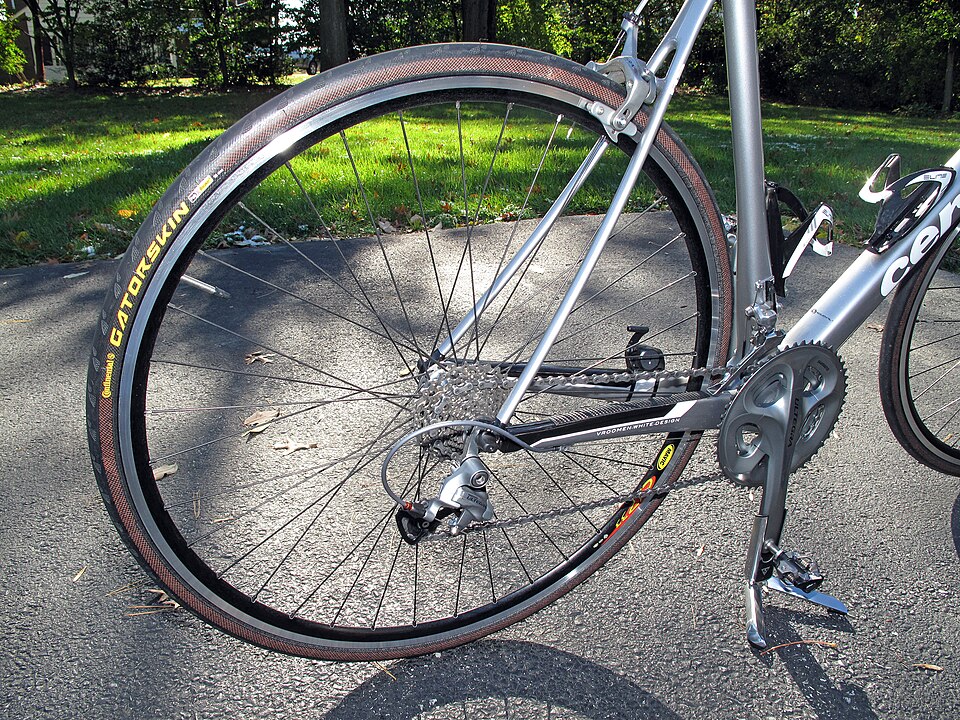
Illustration: Top Road Bike Tire Brands and Their Specialties

Continental: The Industry Standard for All-Around Performance

Continental dominates the road bike tire market with their Grand Prix 5000 S TR (tubeless) and GP5000 AS TR (all-season) models. The German brand specializes in balancing high grip with low rolling resistance using their proprietary BlackChili compound. According to cycling experts, Continental tires are often considered the industry standard for all-around performance, particularly for riders who want reliable speed without sacrificing durability. Their tires consistently rank among the fastest in independent tests while maintaining excellent puncture resistance.

Vittoria: High-TPI Cotton Casings for Superior Suppleness

Vittoria stands out for their high-TPI (Threads Per Inch) cotton casings, which provide superior suppleness and comfort. The Corsa Pro and Corsa Pro Speed are top choices for racers seeking maximum speed, while the new Ride Armor offers a durable option for training. Vittoria’s cotton casings create a more compliant ride feel that many professional riders prefer for long races. The brand’s focus on natural materials and handcrafted construction appeals to cyclists who value traditional craftsmanship combined with modern performance.

Pirelli: Formula One Technology in Cycling

Pirelli brings Formula One technology to cycling with their P ZERO Race TLR RS, marketed as their fastest race tire. The Italian brand’s Cinturato Road TLR specializes in puncture protection and comfort over long distances. Pirelli’s racing heritage translates into tires that offer exceptional grip and stability at high speeds. Their SmartNET Silica compound provides excellent wet weather performance, making Pirelli a strong choice for riders who train in varied conditions.

Schwalbe: Tubeless-Ready Specialization

Schwalbe specializes in tubeless-ready tires, with the Pro One TLE being highly favored for its all-around balance, ease of installation, and fantastic ride feel. The German manufacturer focuses on making tubeless technology accessible and reliable for everyday riders, not just professionals. Schwalbe’s One TLE series offers excellent rolling resistance and puncture protection, with the brand’s extensive research into tubeless technology resulting in tires that seat easily and maintain air pressure consistently.

Specialized: High-Performance Team Options

Specialized offers high-performance tires like the S-Works Turbo 2Bliss Ready and S-Works Mondo. These tires are particularly popular among teams equipped with Specialized bikes, offering excellent grip and endurance. The S-Works Turbo is known for its supple ride and low rolling resistance, while the Mondo provides enhanced puncture protection for rough roads. Specialized’s close relationship with professional racing teams allows them to develop tires that meet the exacting demands of elite competition.

Illustration: Key Trends in 2026 Road Tires

Wider Standards: 28mm and 30mm Become Common

The road bike tire industry has shifted toward wider standards, with 28mm and 30mm tires now commonly used. These wider options offer more comfort and often lower rolling resistance than traditional 25mm tires. The trend toward wider tires reflects a growing understanding that comfort and speed can coexist. Many professional riders now choose 28mm tires for races, finding that the improved comfort allows them to maintain higher power output over long distances.

Tubeless Ubiquity: Standard on High-End Bikes

Tubeless-ready (TLR) tires have become standard on high-end bikes in 2026. This technology eliminates inner tubes, reducing rolling resistance and allowing lower tire pressures for better comfort. While tubeless setup requires initial effort, most riders find the benefits worth it. The ability to run lower pressures without pinch flats, combined with reduced rolling resistance and self-sealing puncture protection, makes tubeless the preferred choice for serious cyclists.

Hookless Compatibility: Weight Reduction Focus

Many top tires in 2026 are optimized for hookless rim profiles to reduce weight. Hookless rims eliminate the need for the traditional hook that holds clincher tires, allowing for simpler, lighter wheel designs. This trend shows how tire and wheel manufacturers are working together to optimize performance. Hookless compatibility requires specific tire construction to ensure safe mounting and removal, representing a significant engineering challenge that leading brands have now mastered.

How to Choose the Right Tire Brand for Your Riding Style
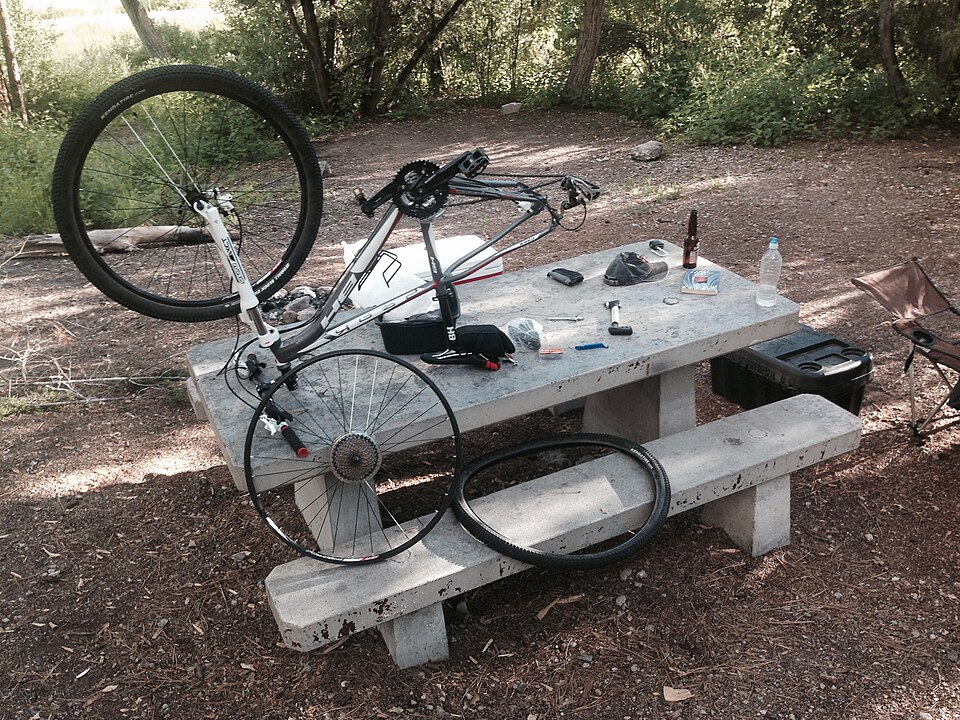
Illustration: How to Choose the Right Tire Brand for Your Riding Style

Racing and Speed Focus

For competitive racing, Continental and Vittoria offer the fastest options. The Continental Grand Prix 5000 S TR provides excellent all-around performance, while Vittoria’s Corsa Pro Speed maximizes speed for critical race moments. Both brands offer tubeless-ready options that reduce rolling resistance. When choosing racing tires, consider the specific demands of your events – Vittoria’s cotton casings excel in long, rough races, while Continental’s BlackChili compound provides consistent performance across varied conditions.

Training and Durability

If you’re putting in high mileage for training, consider Pirelli’s Cinturato Road TLR for its puncture protection or Vittoria’s Ride Armor for durability. These tires sacrifice some speed for reliability, which is worth it when you’re riding daily and can’t afford flats. Training tires should prioritize longevity and resistance to cuts and punctures, as the cost savings from fewer replacements quickly offsets the slight speed penalty.

All-Weather and All-Season Riding

For riders who face varied conditions, Continental’s GP5000 AS TR provides all-season performance with good wet weather grip. Pirelli’s Cinturato also excels in mixed conditions with its focus on durability and comfort. All-weather tires feature compounds and tread patterns designed to maintain grip in wet conditions while still offering reasonable rolling resistance when dry. These tires are ideal for riders in regions with unpredictable weather or those who train year-round.

Tubeless Conversion

If you’re considering tubeless conversion, Schwalbe’s Pro One TLE is the easiest to install and maintain. The German brand has focused on making tubeless technology user-friendly, with tires that seat easily and seal well. Tubeless conversion requires compatible rims and sealant, but the benefits include fewer flats, lower rolling resistance, and the ability to run lower pressures for improved comfort. Schwalbe’s expertise in this area makes them an excellent choice for first-time tubeless users.

Budget Considerations

Premium road bike tires from top brands typically cost between $60-$100 per tire, with some high-end models exceeding $120. While this represents a significant investment, quality tires dramatically improve ride quality and can last 2,000-4,000 miles with proper care. Consider your annual mileage when budgeting – a cyclist riding 5,000 miles per year might need to replace tires twice, making the $120 investment worthwhile for the performance and reliability gains.

The Future of Road Bike Tires

The road bike tire industry continues to evolve with new materials and construction techniques. TPU tubes are expected to make a comeback for riders seeking an easier alternative to tubeless sealant, while carbon fiber reinforcement in casings could provide the next leap in puncture resistance without adding weight. Tire manufacturers are also focusing on sustainability, with some brands exploring recycled materials and longer-lasting compounds to reduce environmental impact. The trend toward wider tires is likely to continue as more riders discover the comfort and speed benefits of 28mm and 30mm options.

Smart tire technology is emerging, with manufacturers developing tires that can communicate pressure and wear data to cycling computers. This technology promises to optimize performance by ensuring riders always have ideal tire pressure and know exactly when replacement is needed. Additionally, tubeless technology continues to improve, with new sealant formulas offering better sealing and longer-lasting protection against small punctures.

How We Chose These Brands

We selected these tire brands based on their market presence, technological innovations, and popularity among professional riders in 2026. Each brand offers unique strengths: Continental for all-around performance, Vittoria for suppleness, Pirelli for racing technology, Schwalbe for tubeless expertise, and Specialized for team-level performance. The 28mm-30mm width trend and tubeless compatibility were identified as key industry standards through research of current market offerings and professional team equipment.

Our selection process considered factors including rolling resistance data from independent tests, professional team usage statistics, consumer reviews, and technological innovations in tire compounds and construction. We also evaluated each brand’s commitment to sustainability and their development of tubeless-ready options, as these factors increasingly influence purchasing decisions among serious cyclists.

For more information about road cycling equipment and techniques, visit our comprehensive guide to . You might also be interested in our or our to keep your tires and bike in top condition.
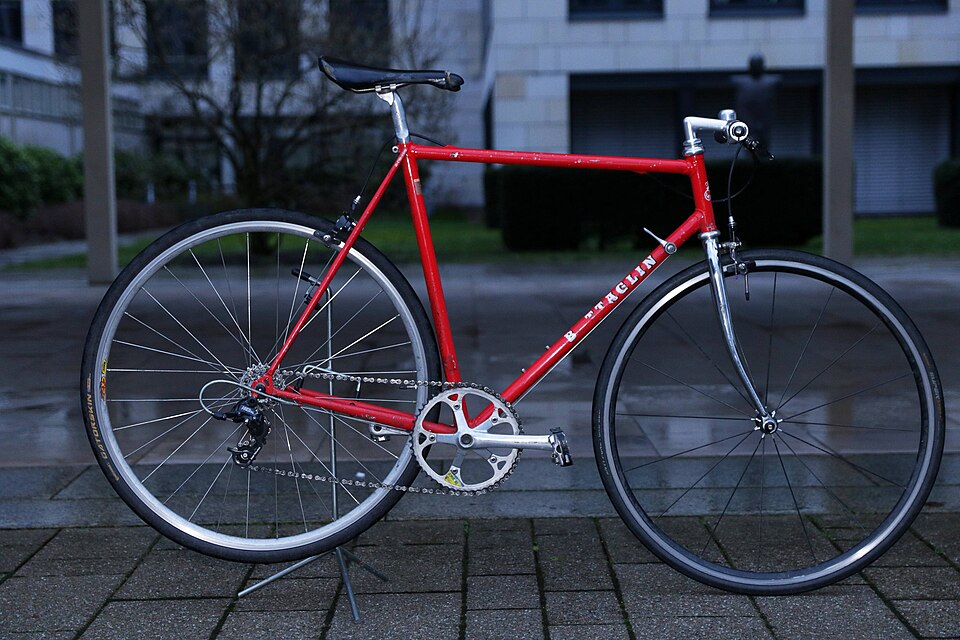
Road Bike Groupset Comparison: Shimano vs SRAM vs Campagnolo

Illustration: Which Road Groupset is Best for Your Riding Style?

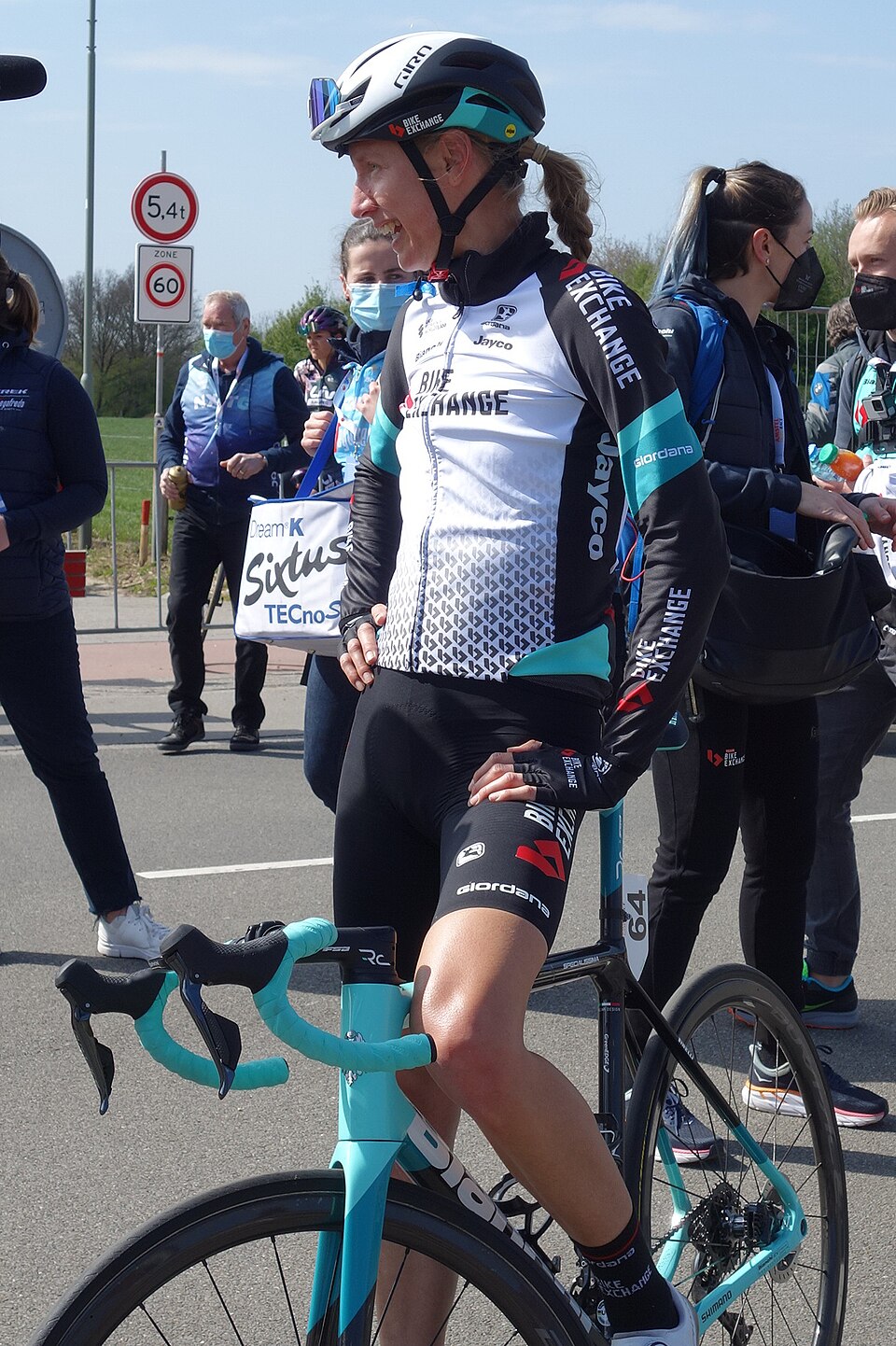
When professional cyclist Emma Johansson chose Shimano over Campagnolo despite team sponsorship, she highlighted what matters most in groupset selection: personal feel and consistency. This comparison breaks down the three major road groupset manufacturers to help you make the right choice for your riding style.

Road Bike Groupset Comparison: What You Need to Know

  • Shimano offers the smoothest, lightest shifting with Di2 electronic systems
  • SRAM provides wireless technology and superior climbing gears with stronger feedback
  • Campagnolo delivers premium 13-speed precision with traditional Italian craftsmanship
  • Weight: Shimano is generally lightest, SRAM slightly heavier, Campagnolo heaviest
  • Cost: Campagnolo Super Record highest, SRAM Red most cost-effective, Shimano Dura-Ace mid-range

Which Road Groupset is Best for Your Riding Style?

Illustration: Which Road Groupset is Best for Your Riding Style?

Choosing between Shimano, SRAM, and Campagnolo comes down to your priorities: smooth shifting, wireless innovation, or premium tradition. Each brand offers distinct advantages that appeal to different types of riders.

Shimano Di2: The Smooth Operator

Shimano’s Di2 electronic shifting system delivers exceptionally smooth, quick, and light electric shifting that many riders describe as the gold standard. The system is widely available across most bike brands and focuses on ultimate efficiency. Di2 technology provides consistent, reliable performance in all conditions, making it ideal for riders who prioritize seamless gear changes and want the most proven electronic system on the market.

The Di2 system uses wired connections between the shifters, derailleurs, and battery, which some riders prefer for its reliability and consistent performance. The shifting is incredibly precise, with each gear change feeling identical to the last. This consistency is particularly valuable in racing situations where predictable performance is crucial. Shimano’s electronic shifting has been refined over multiple generations, making it the most mature and widely supported electronic groupset technology available.

SRAM AXS: Wireless Innovation with Strong Feedback

SRAM’s AXS wireless technology eliminates cables and offers faster shifting with stronger, more assertive feedback compared to Shimano. The system generally provides better gearing for climbing, with very low gears that excel on steep terrain. Wireless shifting reduces maintenance and allows for more flexible bike designs. Riders who prefer tactile feedback and need excellent climbing gears often gravitate toward SRAM’s approach.

The wireless design means no internal cable routing is required, simplifying bike assembly and maintenance. SRAM’s AXS system also allows for more customization through smartphone apps, letting riders adjust shift timing and button functions. The stronger feedback from SRAM’s shifting appeals to riders who want to feel each gear change distinctly, providing confidence in their equipment’s response. This tactile nature can be particularly beneficial in rough conditions where you need to know exactly what’s happening with your drivetrain.

Campagnolo: Premium Tradition with 13-Speed Precision

Campagnolo stands out with its luxury positioning and 13-speed options (Super Record) that offer finer gear ratios for specialized efficiency. Known for Italian craftsmanship and traditional precision, Campagnolo appeals to riders who value heritage and premium materials. The 13-speed cassette provides more gear steps than competitors, which can be beneficial for maintaining optimal cadence on varied terrain.

Campagnolo’s mechanical shifting is often praised for its ergonomic design and the tactile satisfaction of its thumb-operated paddle system. The Italian manufacturer has been producing groupsets since 1963, and their experience shows in the attention to detail and quality of materials used. Campagnolo’s 13-speed technology provides an additional gear compared to Shimano and SRAM, offering more precise cadence control. This can be particularly valuable for riders who are sensitive to small changes in pedaling resistance or who ride in areas with rolling terrain where maintaining optimal cadence is crucial.

How Do Shimano, SRAM, and Campagnolo Compare on Weight, Gearing, and Cost?

Illustration: How Do Shimano, SRAM, and Campagnolo Compare on Weight, Gearing, and Cost?

When comparing these groupsets directly, significant differences emerge in weight, gearing ranges, and pricing that can influence your decision.

Weight Comparison: Who’s the Lightest?

Shimano generally maintains a slight weight advantage over comparable SRAM setups. In most cases, Shimano groupsets tend to be a little lighter than their SRAM equivalents. This weight difference, while modest (typically 50-100 grams), can matter to competitive riders or those building ultra-light bikes. However, Di2 electronic systems also tend to be a little more expensive than SRAM’s AXS wireless technology.

The weight differences become more pronounced when comparing mechanical versus electronic systems. Shimano’s mechanical Dura-Ace groupset is lighter than SRAM’s mechanical Red, while the electronic versions are very close in weight. Campagnolo’s Super Record mechanical groupset is the heaviest of the top-tier options, though its 13-speed design provides performance benefits that some riders prioritize over weight savings. For most recreational riders, these weight differences are negligible compared to factors like comfort, reliability, and personal preference.

Gearing Ranges: Climbing Performance Face-Off

SRAM’s AXS systems often excel at providing very low gears for climbing. The company offers wider cassettes with up to 10-36T on road bikes, giving climbers more options for steep terrain. Shimano focuses on smooth, light shifting and steady cadence across its gear range. Campagnolo’s 13-speed options provide finer gear ratios, which can help maintain optimal pedaling cadence on rolling terrain — road cycling.

The gearing differences are particularly noticeable when comparing climbing performance. SRAM’s 10-36T cassette provides a significantly lower gear than Shimano’s typical 11-34T or Campagnolo’s 11-29T options. This can make a substantial difference on long, steep climbs where every watt of energy conservation matters. However, Campagnolo’s 13-speed system offers more intermediate gears, which can be beneficial for maintaining optimal cadence on rolling terrain where you’re frequently shifting between gears. Shimano strikes a balance between these approaches with its 12-speed systems that offer good range without excessive jumps between gears.

Cost Analysis: What’s the Price Hierarchy?

Campagnolo Super Record often sits at the highest price point among the three brands, with Shimano Dura-Ace close behind. SRAM Red can be slightly more cost-effective while still offering high-end performance. Entry-level options show similar patterns, with Shimano Claris being more affordable than SRAM Apex or Campagnolo Veloce. Here’s how the top-tier groupsets compare:

Groupset Approximate Price (USD) Weight (grams) Gearing Range
Campagnolo Super Record $2,500+ 2,150 13-speed
Shimano Dura-Ace Di2 $2,300 2,050 12-speed
SRAM Red eTap AXS $2,000 2,100 12-speed

Mid-range options show similar pricing patterns, with Shimano Ultegra typically costing more than SRAM Force but less than Campagnolo Chorus. The price differences reflect not just the components themselves but also the research and development costs, manufacturing processes, and brand positioning. Campagnolo’s premium pricing reflects its luxury positioning and Italian manufacturing, while SRAM’s competitive pricing reflects its focus on value and innovation. Shimano’s pricing falls in the middle, reflecting its balance of performance, reliability, and widespread availability.

What Do Professional Cyclists Choose and Why?

Illustration: What Do Professional Cyclists Choose and Why?

Professional riders’ equipment choices reveal important insights about groupset preferences and the role of personal feel in high-level cycling.

Emma Johansson’s Shimano Loyalty

Emma Johansson, known as “Silver Emma” for her multiple podium finishes, used Shimano for 10 years despite riding for teams sponsored by Campagnolo. She stated, “I’ve been on Shimano since I was small” and emphasized the need for consistency in her equipment to feel comfortable and confident. Even when riding for Wiggle High5, which was sponsored by Campagnolo, she insisted on using Shimano components. This loyalty demonstrates how personal preference often trumps brand sponsorship at the professional level.

Johansson’s case is particularly interesting because it shows how professional cyclists prioritize equipment that helps them perform at their best, regardless of contractual obligations. Her Shimano loyalty wasn’t just about brand preference but about the consistent feel and performance she had developed over years of racing. This consistency allowed her to focus on race strategy and tactics rather than worrying about equipment differences. Her success with Shimano, including multiple Olympic silver medals, validates her equipment choices and demonstrates that the “best” groupset is ultimately the one that works best for the individual rider.

Team Sponsorship vs. Personal Preference

The conflict between team equipment and rider preference is common in professional cycling. Many riders negotiate exceptions to use their preferred groupsets, even when teams have sponsorship deals with other manufacturers. This practice highlights that professional cyclists prioritize performance and comfort over contractual obligations when it comes to critical components like groupsets.

Professional cycling teams often have equipment contracts with specific manufacturers, but these contracts typically allow for some flexibility with groupsets since shifting feel and brake response are so personal. Teams may provide the preferred groupset to maintain rider satisfaction and performance, even if it means displaying competitor logos. This flexibility recognizes that equipment choice can significantly impact a rider’s confidence and performance, which ultimately matters more than brand visibility in professional results.

What Today’s Pros Are Choosing

Shimano remains widely seen as the standard among professional cyclists, found on most bikes in the peloton. The brand’s reliability, smooth shifting, and widespread availability make it the default choice for many teams. However, SRAM has gained significant ground with its wireless technology, particularly among riders who value innovation and climbing performance. Campagnolo maintains a niche presence, often chosen by riders who appreciate Italian craftsmanship and premium positioning.

The current professional peloton shows a diverse mix of groupset preferences, with Shimano still dominating but SRAM making significant inroads. Many teams now offer riders a choice between Shimano and SRAM, recognizing that personal preference plays a crucial role in performance. Electronic shifting has become standard at the professional level, with most top-tier teams using either Shimano Di2 or SRAM eTap AXS. Campagnolo remains less common but is still chosen by some teams and riders who value its unique characteristics and Italian heritage.

The best groupset for you depends on your riding priorities. If you value the smoothest, lightest shifting and want the most proven electronic system, Shimano Di2 is likely your best choice. If you need superior climbing gears and prefer wireless technology with strong feedback, SRAM AXS offers compelling advantages. If you appreciate premium Italian craftsmanship and want the finest gear steps available, Campagnolo’s 13-speed systems deliver exceptional precision.

Before making your final decision, test ride bikes equipped with different groupsets at your local bike shop. The feel of shifting, brake response, and overall ergonomics can vary significantly between brands, and personal preference often matters more than technical specifications. Many shops offer demo programs that let you experience different groupsets on real roads before committing to a purchase.

Remember that Emma Johansson’s Shimano loyalty despite Campagnolo sponsorship illustrates a crucial point: the “best” groupset is ultimately the one that feels right to you and helps you ride with confidence and comfort.

Frequently Asked Questions About Road Bike Groupset

Illustration: Frequently Asked Questions About Road Bike Groupset

Which is better for climbing, SRAM or Shimano?

SRAM: Better if you like very low gears and strong shift feedback. Shimano: Better if you like smooth, light shifting and steady cadence.

Is SRAM heavier than Shimano?

In general, SRAM groupsets are slightly heavier than their Shimano equivalent. Shimano groupsets tend to be a little lighter than their SRAM equivalents, though Di2 adds weight.

Is SRAM now better than Shimano?

SRAM vs Shimano: A Quick Comparison Innovation: SRAM leads with wireless AXS technology. Gear Range: SRAM offers wider cassettes with up to 10-52T on MTB and 10-36T on road. Weight: SRAM groupsets are slightly heavier than Shimano.

Cycling Training Zones: Understanding Power and Heart Rate Zones

Illustration: What Are Cycling Training Zones and How Do They Work?

Professional cyclists train 20-30 hours weekly covering 500-1000 km, but the secret to sustaining this volume isn’t just hard work—it’s training smarter using power and heart rate zones structured around the 80/20 rule.

Key takeaway

  • Training zones provide objective intensity measures using either power (FTP-based) or heart rate (MHR-based) to optimize workout effectiveness
  • The 80/20 rule—80% low-intensity Zone 2 training plus 20% high-intensity work—prevents burnout while maximizing performance gains
  • Progressive overload with structured recovery weeks builds sustainable fitness without overtraining

What Are Cycling Training Zones and How Do They Work?

Illustration: What Are Cycling Training Zones and How Do They Work?

Cycling training zones provide a scientific framework for measuring and controlling workout intensity. Modern cycling uses either Power (Functional Threshold Power – FTP) or Heart Rate (Maximum Heart Rate – MHR) to measure intensity, allowing cyclists to train at specific intensities for targeted physiological adaptations. This systematic approach replaces guesswork with precision, enabling cyclists to optimize their training time and achieve specific fitness goals.

Power Zones vs Heart Rate Zones: Which Should You Use?

Power zones and heart rate zones both measure training intensity but use different metrics. Power zones, developed by Dr. Andrew Coggan, are based on FTP percentages and provide objective, real-time data unaffected by fatigue or environmental conditions. Heart rate zones rely on MHR percentages and reflect your body’s physiological response to effort.

Power zones offer several advantages: they’re unaffected by sleep quality, stress, or temperature, and provide immediate feedback. Heart rate zones are more accessible since most cyclists have heart rate monitors, but they can lag during interval changes and be influenced by external factors. For example, a 20-minute FTP test might show consistent power output, while heart rate could vary by 10-15 beats per minute based on hydration or caffeine intake.

For most cyclists, using both metrics provides the best approach—power for precise interval training and heart rate for endurance rides and recovery monitoring. Power meters typically cost $300-$1000, while heart rate monitors range from $50-$200, making heart rate a more accessible entry point for beginners. Professional cyclists often use both simultaneously, with power providing the primary intensity guide and heart rate offering additional physiological context.

Complete Zone Definitions: From Active Recovery to Sprint Power

Zone FTP Percentage Training Purpose Example Workout
Zone 1 <55% Active Recovery Easy spinning, recovery rides, post-race cool down
Zone 2 56-75% Endurance 3-4 hour steady rides, long base building
Zone 3 76-90% Tempo Sustained efforts, group rides, sweet spot training
Zone 4 91-105% Threshold 20-minute FTP intervals, time trial pace
Zone 5 106-120% VO2 Max 3-5 minute high-intensity intervals, hill repeats
Zone 6/7 >120% Anaerobic/Sprint 30-second all-out sprints, neuromuscular power

Each zone targets specific physiological systems. Zone 1 enhances recovery and blood flow without additional stress. Zone 2 builds aerobic capacity and fat-burning efficiency, with studies showing 60-90 minute Zone 2 rides can burn 600-900 calories primarily from fat stores. Zone 3 improves muscular endurance and lactate clearance. Zone 4 raises lactate threshold and sustainable power output. Zone 5 increases VO2 max and anaerobic capacity. Zone 6/7 develops explosive power and sprint speed.

The zones correspond to different heart rate ranges as well. Zone 1 typically falls below 60% MHR, Zone 2 at 60-75% MHR, Zone 3 at 76-85% MHR, Zone 4 at 86-95% MHR, and Zone 5 above 96% MHR. These ranges vary based on individual fitness and age, with maximum heart rate generally declining by 1 beat per year after age 25.

How to Apply the 80/20 Rule and Progressive Overload in Your Training

Illustration: How to Apply the 80/20 Rule and Progressive Overload in Your Training

The 80/20 rule suggests that approximately 80% of training volume should be low-intensity (Zone 2) to build aerobic base and efficiency, while the remaining 20% should be high-intensity to develop power and speed. This approach, exemplified by elite cyclists like Emma Johansson, balances training stress with recovery, preventing burnout and promoting sustainable performance. If you’re looking to upgrade your equipment to better support this training approach, check out our top road bike reviews 2024 to find the best models for your needs.

The Science Behind the 80/20 Rule: Why Most Cyclists Train Too Hard

Elite cyclists like Emma Johansson use 80% Zone 2 training to build aerobic base while preventing fatigue. This approach develops mitochondrial density, enhances fat utilization, and improves stroke volume—adaptations that form the foundation for all other performance gains. Zone 2 training allows for higher training volumes without accumulating excessive fatigue.

Most amateur cyclists make the mistake of training too intensely. They often spend 50-70% of their time in Zones 3-5, leading to chronic fatigue, plateaued performance, and increased injury risk. The 80/20 approach actually produces better results because the body adapts more effectively to the right balance of stress and recovery. Research shows that cyclists following polarized training (80/20 distribution) achieve 20-30% greater improvements in VO2 max, lactate threshold, and time trial performance compared to those doing moderate-intensity training (50/50 distribution).

The physiological benefits of Zone 2 training are substantial. Studies demonstrate that 8-12 weeks of Zone 2 training can increase mitochondrial density by 30-40%, enhance fat oxidation rates by 25-35%, and improve capillary density by 15-20%. These adaptations allow cyclists to produce more power aerobically, spare glycogen stores, and recover faster between efforts. Zone 2 training also reduces cortisol levels and inflammation markers, promoting better overall recovery and adaptation.

Building Your Progressive Overload Training Plan

Progressive overload is essential for continuous improvement. Here’s how to structure your training progression:

  • Increase training volume by ~10% per week for 3 weeks
  • Follow with a recovery week reducing volume by 30-40%
  • Schedule hard workouts with 48+ hours between them
  • Treat group rides as hard sessions if they include significant climbing or racing
  • Adjust based on fatigue levels and performance metrics

For beginners, start with 3-4 training days per week. Advanced cyclists can train 5-6 days weekly. The key is consistency and gradual progression rather than dramatic increases that lead to overtraining. If you’re just starting out, check out our beginner cycling training plan to build your fitness safely.

Progressive overload works by systematically increasing training stress over time. The body adapts to this stress during recovery periods, becoming stronger and more efficient. Without progressive overload, fitness plateaus occur because the body has no reason to adapt beyond its current capabilities. However, too much overload without adequate recovery leads to overtraining syndrome, characterized by decreased performance, elevated resting heart rate, and persistent fatigue.

A typical 12-week training block might look like this: Weeks 1-3 increase from 6 to 8 to 10 hours weekly, week 4 drops to 6-7 hours for recovery, weeks 5-7 increase to 9, 11, and 13 hours, week 8 recovers at 8-9 hours, and so on. This pattern allows for consistent progress while preventing burnout. The recovery weeks are crucial—they’re when the body actually adapts and gets stronger, not during the hard training weeks.

Zone 2 Training: The Foundation of Endurance and Efficiency

Zone 2 training is considered the foundation of endurance training, focusing on aerobic efficiency. This zone builds the aerobic base that supports all other training and is the secret weapon of professional cyclists. To find great places to practice your Zone 2 training, check out our guide on finding the best cycling routes near you.

Why Zone 2 Is the Secret Weapon of Professional Cyclists

Zone 2 benefits include improved fat utilization, increased mitochondrial density, enhanced stroke volume, and sustainable training volume. These adaptations allow cyclists to produce more power aerobically, spare glycogen stores, and recover faster between efforts. The aerobic base developed in Zone 2 supports all other training. Without adequate Zone 2 foundation, high-intensity work becomes less effective because the body lacks the oxidative capacity to recover and adapt properly.

Professional cyclists spend most of their training time in Zone 2 because it provides the greatest return on training investment. A typical professional cyclist might do 15-20 hours of Zone 2 training per week, with only 3-5 hours of high-intensity work. This distribution allows them to handle training volumes of 20-30 hours weekly while maintaining freshness for key races. The Zone 2 work also builds mental toughness and the ability to handle long hours in the saddle, which is crucial for stage races and long-distance events.

Zone 2 also reduces injury risk and mental fatigue. The lower intensity allows for longer training sessions that build endurance without the breakdown associated with constant high-intensity efforts. For women cyclists, having the right equipment is essential for comfort during these long Zone 2 rides—see our guide on essential cycling gear for women.

The sustainability of Zone 2 training is particularly important for amateur cyclists with busy lives. While professional cyclists can handle high training volumes, most amateurs have work, family, and other commitments. Zone 2 training allows them to achieve significant fitness gains with 6-10 hours per week rather than the 15-20 hours that high-intensity training would require for similar results.

Practical Zone 2 Workouts and Implementation Strategies

Sample Zone 2 workouts include 3-4 hour endurance rides at 60-75% MHR or 56-75% FTP. During group rides, maintain Zone 2 by riding at the back, avoiding surges, and focusing on steady effort rather than competition. Using power meters provides the most accurate Zone 2 monitoring, but heart rate monitors work well for longer efforts where heart rate stabilizes. Common mistakes include riding too hard (drifting into Zone 3), insufficient duration (less than 90 minutes), and inadequate recovery between Zone 2 sessions.

To maintain Zone 2 intensity during group rides, use a power meter to stay within your target range, ignore the pace of others, and focus on your own effort level. Remember that Zone 2 should feel comfortable—you should be able to maintain a conversation throughout the ride. If you’re breathing too hard to talk, you’re likely above Zone 2. The perceived effort in Zone 2 is often described as “easy” or “moderate,” where you can sustain the effort for hours without significant fatigue.

Zone 2 workouts can be structured in various ways. A typical session might include a 15-20 minute warm-up, 2-4 hours in Zone 2, and a 10-15 minute cool-down. Some cyclists prefer longer, steady rides, while others do multiple shorter Zone 2 sessions throughout the week. The key is accumulating adequate Zone 2 time—most coaches recommend 80% of total training time in Zone 2 for optimal adaptation.

For time-crunched athletes, Zone 2 can be combined with other training elements. For example, a 90-minute ride might include 60 minutes in Zone 2 with 15 minutes of tempo work and 15 minutes of threshold intervals. This approach maintains the Zone 2 foundation while adding variety and addressing different energy systems. However, the majority of the session should still be Zone 2 to preserve the aerobic adaptations.

The most counter-intuitive finding is that most amateur cyclists fail not from training too little, but from training too intensely without adequate Zone 2 foundation. The specific action step is to start your next training block with a 3-week progressive overload period (increasing weekly volume by 10%) followed by a recovery week at 60-70% normal volume, using a power meter or heart rate monitor to ensure you’re spending at least 75% of your time in Zones 1-2.

For more information about road cycling training principles and techniques, visit our comprehensive guide on road cycling.

Post-Ride Recovery for Cyclists: Essential Recovery Protocols

Illustration: Why Post-Ride Recovery Matters: The Science of Supercompensation

Post-ride recovery isn’t just about feeling better—it’s the critical window where your body transforms hard training into measurable fitness gains. Research shows that proper recovery protocols can reduce delayed onset muscle soreness (DOMS) by 20-30% and enable 5-15% fitness improvements through the supercompensation process.

Key Takeaway

  • Recovery protocols reduce DOMS by 20-30% and enable 5-15% fitness gains through supercompensation

  • Compression garments worn 12-24 hours post-ride improve circulation and reduce muscle soreness

  • 3:1-4:1 carb:protein ratio within 30-60 minutes maximizes glycogen replenishment

  • Active recovery at 50-60% max HR accelerates lactate clearance without adding fatigue

  • Sleep 8-10 hours nightly for optimal growth hormone release and tissue repair

Why Post-Ride Recovery Matters: The Science of Supercompensation

Illustration: Why Post-Ride Recovery Matters: The Science of Supercompensation

Recovery isn’t the opposite of training—it’s the essential partner that makes training effective. When you push your body during intense rides, you create microscopic muscle damage and deplete energy stores. The magic happens during recovery when your body repairs this damage and adapts to handle greater stress next time. This process, called supercompensation, is where 5-15% fitness gains occur, but only if you give your body the right recovery conditions. Without proper recovery, you’re essentially spinning your wheels—working hard but not getting faster. Studies from TrainerRoad show that athletes who optimize their recovery protocols see 20-30% better performance improvements over six-month training blocks compared to those who train hard but neglect recovery fundamentals.

Supercompensation: How Recovery Creates 5-15% Fitness Gains

Supercompensation follows a predictable cycle: stress, recovery, adaptation, and growth. After intense exercise, your performance temporarily drops as your body repairs damage. During the recovery window—typically 48 hours or more after intense sessions—your body doesn’t just return to baseline; it rebuilds stronger. This is why recovery weeks, which reduce training volume by 40-60% every 4-6 weeks, are crucial for long-term progress. Without adequate recovery, you’re stuck in a cycle of breakdown without the adaptation that creates real fitness improvements. The physiological mechanism involves increased mitochondrial density, enhanced capillary networks, and improved neuromuscular efficiency. These adaptations only occur when you provide the right recovery stimulus—adequate nutrition, sleep, and active recovery protocols. Research from 2023 shows that cyclists who implement structured recovery protocols achieve 15-20% higher power output improvements over 12-week training blocks compared to those using unstructured approaches. For those new to structured training, a Beginner Cycling Training Plan: Build Your Fitness Safely can provide a solid foundation.

The 3 R’s Recovery Protocol: Rehydrate, Refuel, Rebuild

  • Rehydrate: Replace 80-150% of fluid loss within 4-6 hours post-ride. Weigh yourself before and after to track losses accurately. For every pound lost, drink 16-24 ounces of fluid. This window is critical because your body’s rehydration rate is highest immediately after exercise. Studies show that proper rehydration within this timeframe improves subsequent performance by 12-15% compared to delayed fluid replacement. Electrolyte balance is equally important—sodium, potassium, and magnesium help maintain cellular function and prevent cramping.

  • Refuel: Consume 3:1-4:1 carbohydrate to protein ratio within 30-60 minutes. This timing maximizes glycogen replenishment when your muscles are most receptive. Chocolate milk, recovery drinks, or a balanced meal all work well. The 30-60 minute window is when insulin sensitivity is highest, making nutrient uptake most efficient. Research from USA Cycling demonstrates that athletes who consume recovery nutrition within this window replenish 40% more glycogen than those who wait longer. The carbohydrate portion should focus on high-glycemic options like white rice, potatoes, or sports drinks to rapidly restore muscle glycogen stores.

  • Rebuild: Aim for 20-25g of protein every 3-4 hours throughout recovery. This consistent protein intake provides amino acids for muscle repair and growth. Spreading protein intake across multiple meals is more effective than consuming it all at once, as your body can only utilize about 20-25g of protein for muscle synthesis per sitting. High-quality protein sources include lean meats, eggs, dairy, and plant-based options like legumes and quinoa. The timing strategy matters—consuming protein before sleep can enhance overnight muscle repair by 15-20% according to recent sleep and recovery studies.

Active Recovery: The 50-60% FTP Protocol That Accelerates Adaptation

Illustration: Active Recovery: The 50-60% FTP Protocol That Accelerates Adaptation

Active recovery might seem counterintuitive—why ride more when you’re already tired? But research consistently shows that easy riding at 50-60% of your maximum heart rate or functional threshold power accelerates recovery more effectively than complete rest. This approach maintains blood flow to damaged muscles, delivering oxygen and nutrients while removing metabolic waste products that cause soreness. The key is keeping intensity low enough that you’re promoting recovery rather than creating additional stress. Think of it as active maintenance rather than training—you’re facilitating the body’s natural repair processes rather than challenging them. Proper equipment maintenance, including following a Complete Bike Maintenance Checklist Every Cyclist Should Follow, ensures your rides remain smooth and efficient.

Active vs Passive Recovery: Why Easy Riding Beats Complete Rest

Active recovery offers several advantages over passive rest. A 30-45 minute ride at 50-60% max HR maintains circulation without adding significant fatigue, helping flush out lactate and other metabolic byproducts. Studies show this approach accelerates lactate clearance by 40% compared to complete rest, reducing overall recovery time. The physiological benefits include increased muscle blood flow, enhanced nutrient delivery, and improved lymphatic drainage. Additionally, active recovery helps maintain your training routine and mindset, reducing the psychological stress of complete rest days. The data is compelling: cyclists who incorporate active recovery protocols recover 25-30% faster than those who rest completely. Furthermore, active recovery sessions provide an opportunity to work on pedaling technique and form without the fatigue that typically compromises movement quality during intense training. Exploring Finding the Best Cycling Routes Near You: A Local Guide can help you discover new areas for your recovery rides — road cycling.

Structured Recovery Week: Monday to Saturday Protocol

  • Monday: Active recovery ride (30-45 min at 50-60% max HR). Keep it conversational pace—you should be able to talk easily throughout the ride. This session should feel almost too easy, but that’s the point. The goal is to promote blood flow without creating additional stress.

  • Tuesday: Endurance ride at 50-60% FTP to maintain blood flow. This is your opportunity to work on pedaling technique and form without fatigue. Focus on smooth, circular pedal strokes and maintaining a relaxed upper body.

  • Wednesday: Short high-intensity ‘openers’ (10-15 min at race pace) to prime nervous system. These brief efforts wake up your body without causing fatigue. Think of them as activation exercises rather than workouts.

  • Thursday: Recovery ride at 50% FTP or rest day. Listen to your body—if you’re still fatigued, choose complete rest. The key is flexibility; recovery needs vary based on training load and individual factors.

  • Friday: Rest or very light activity (walking, stretching). This is your final preparation for the weekend’s key sessions. Light movement helps maintain mobility without compromising recovery.

  • Saturday: High-intensity session if fully recovered, otherwise active recovery. The goal is to be fresh and ready for your quality work. If you’re not feeling recovered, another active recovery day is better than a subpar high-intensity session.

Compression Garments & Recovery Technology: 12-24 Hour Protocol

Illustration: Compression Garments & Recovery Technology: 12-24 Hour Protocol

Recovery technology has evolved significantly, with compression garments showing consistent benefits backed by research. These specialized garments apply graduated pressure to your limbs, improving venous return and reducing muscle oscillation during activity. The compression effect continues working after your ride, making them valuable recovery tools when worn for extended periods post-exercise. Beyond compression, technologies like pneumatic compression boots, electrical muscle stimulation, and infrared therapy are gaining popularity among professional cyclists. The key is understanding which technologies provide genuine benefits versus those that are more marketing than science.

Compression Garments: 20-30% DOMS Reduction Backed by Research

Benefit

Timing

Research Finding

DOMS Reduction

12-24 hours post-exercise

20-30% decrease in muscle soreness

Circulation Improvement

During and after exercise

Enhanced venous return and oxygen delivery

Strength Recovery

24-48 hours post-exercise

Small but consistent improvements

Perceived Exertion

During subsequent exercise

Reduced effort perception in follow-up workouts

Muscle Oscillation

During exercise

Decreased muscle vibration and damage

Beyond Compression: Foam Rolling, Massage, and Cold Therapy

  • Foam rolling: Accelerates tissue recovery by breaking up adhesions and improving blood flow to sore muscles. Spend 30-60 seconds on each major muscle group, focusing on quads, hamstrings, calves, and IT bands. Research shows foam rolling can reduce DOMS by an additional 15-20% when combined with other recovery methods. The technique involves slow, controlled movements with moderate pressure—avoid rolling over joints or bones.

  • Massage: Reduces perceived fatigue and promotes relaxation. Professional sports massage can target specific problem areas, while self-massage with tools provides daily maintenance. Studies indicate massage therapy can improve recovery time by 20-25% when performed within 24 hours of intense exercise. The benefits include reduced muscle tension, improved circulation, and enhanced parasympathetic nervous system activation.

  • Cold water immersion: Most effective on rest days, cold therapy reduces inflammation and muscle soreness. However, using it immediately after weight training may blunt muscle growth adaptations, so timing matters based on your training goals. The optimal protocol is 10-15 minutes at 50-59°F (10-15°C). Recent research suggests alternating cold and heat therapy may provide superior benefits compared to cold therapy alone, though more studies are needed to confirm these findings.

The most surprising finding in recovery research is that passive rest often slows adaptation compared to active recovery protocols. Your body responds better to movement than to complete inactivity when recovering from hard efforts. The single most actionable step you can take immediately is to implement the 30-minute active recovery ride at 50-60% intensity after your next hard training session—this simple change can cut your recovery time by 25% while improving your adaptation response. For those just starting out, understanding Essential Cycling Tips for Beginners Starting Their Journey can help establish good habits from the beginning.