Hill Repeats Training: Climbing Strength for Road Cyclists

Illustration: Hill Repeat Training Protocols for Climbing Strength
Key takeaways

  • Hill repeats build climbing strength through structured high-intensity intervals on 6-8% gradients
  • Professional protocols use 6-12 minute climbs at 95-100% FTP with 70-85 rpm cadence
  • Low cadence strength training (50-60 rpm) develops top-end climbing power
  • Over-under workouts prepare cyclists for real-world climbing surges and attacks

Emma Johansson, nicknamed “Silver Emma” for her consistent podium finishes, built her climbing success through structured hill repeat training that amateur cyclists can replicate. Her two Olympic silver medals (2008, 2016) and world number-one ranking in 2013 came from calculated efforts on steep terrain rather than sporadic maximum-intensity sessions.

Hill repeat training builds climbing strength by accumulating time at high intensity, specifically targeting lactate threshold improvement. The core protocol involves multiple 6-12 minute climbs on steady 6-8% gradients at 95-100% of functional threshold power (FTP), or 8-9 on a 1-10 rate of perceived exertion (RPE) scale. Cyclists maintain 70-85 rpm cadence to focus on power development, with recovery consisting of easy, light-pedaling descents for half the climb duration.

Hill Repeat Training Protocols for Climbing Strength
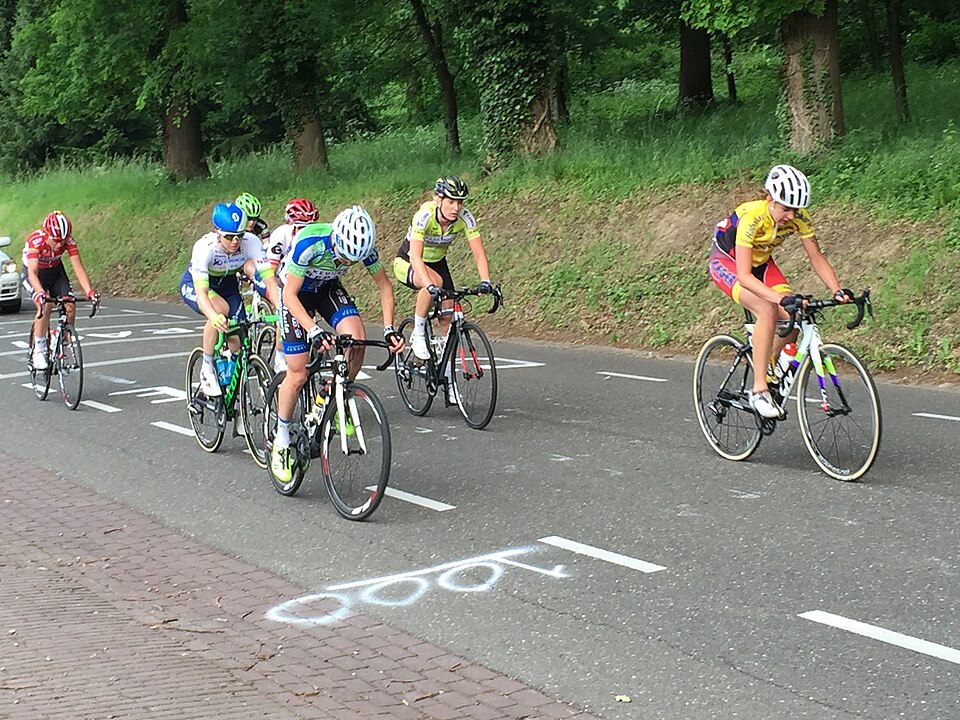
Illustration: Hill Repeat Training Protocols for Climbing Strength

Structured Hill Repeat Workouts

The foundation of climbing strength comes from consistent hill repeat sessions. Each climb lasts 6-12 minutes on a 6-8% gradient, targeting 95-100% FTP intensity. This specific gradient range provides enough challenge to build strength without causing excessive fatigue that would compromise form.

Cadence plays a crucial role in these workouts. Maintaining 70-85 rpm focuses on power development, while slightly higher cadences improve cardiovascular endurance. The recovery protocol is equally important – cyclists rest with easy pedaling descents lasting half the climb time, allowing partial recovery while maintaining workout continuity.

Professional cyclists like Emma Johansson emphasize consistency over intensity. Rather than relying on sporadic maximum-effort sessions, successful climbing development comes from regular, structured workouts that progressively build strength and endurance.

Intensity and Recovery Guidelines

The RPE scale provides a practical intensity measure when power meters aren’t available. Climbing at 8-9 on a 1-10 scale indicates high but sustainable effort. This intensity level accumulates the time at threshold needed for climbing adaptations without causing excessive fatigue.

Recovery duration follows a specific ratio – half the climb time spent in easy pedaling. For a 10-minute climb, cyclists recover for 5 minutes before the next effort. This approach balances adequate recovery with workout density.

Frequency recommendations suggest 1-2 hill repeat sessions per week during structured training plans. This frequency allows sufficient recovery between sessions while providing enough stimulus for adaptation. Elite cyclists often use a polarized training model, with 80% of training at low intensity (Zone 2) and 20% at high intensity.

Professional Training Philosophy

Emma Johansson’s career longevity demonstrates the importance of avoiding overtraining. Her success came from calculated efforts rather than sporadic maximum-intensity sessions. This philosophy translates directly to amateur training – consistency and proper recovery matter more than occasional heroic efforts.

The professional approach emphasizes listening to your body and adjusting training based on fatigue levels. Some days require backing off intensity or duration, while others allow pushing harder. This flexibility prevents burnout and injury while maintaining steady progress.

Muscular Strength Training for Climbing Power
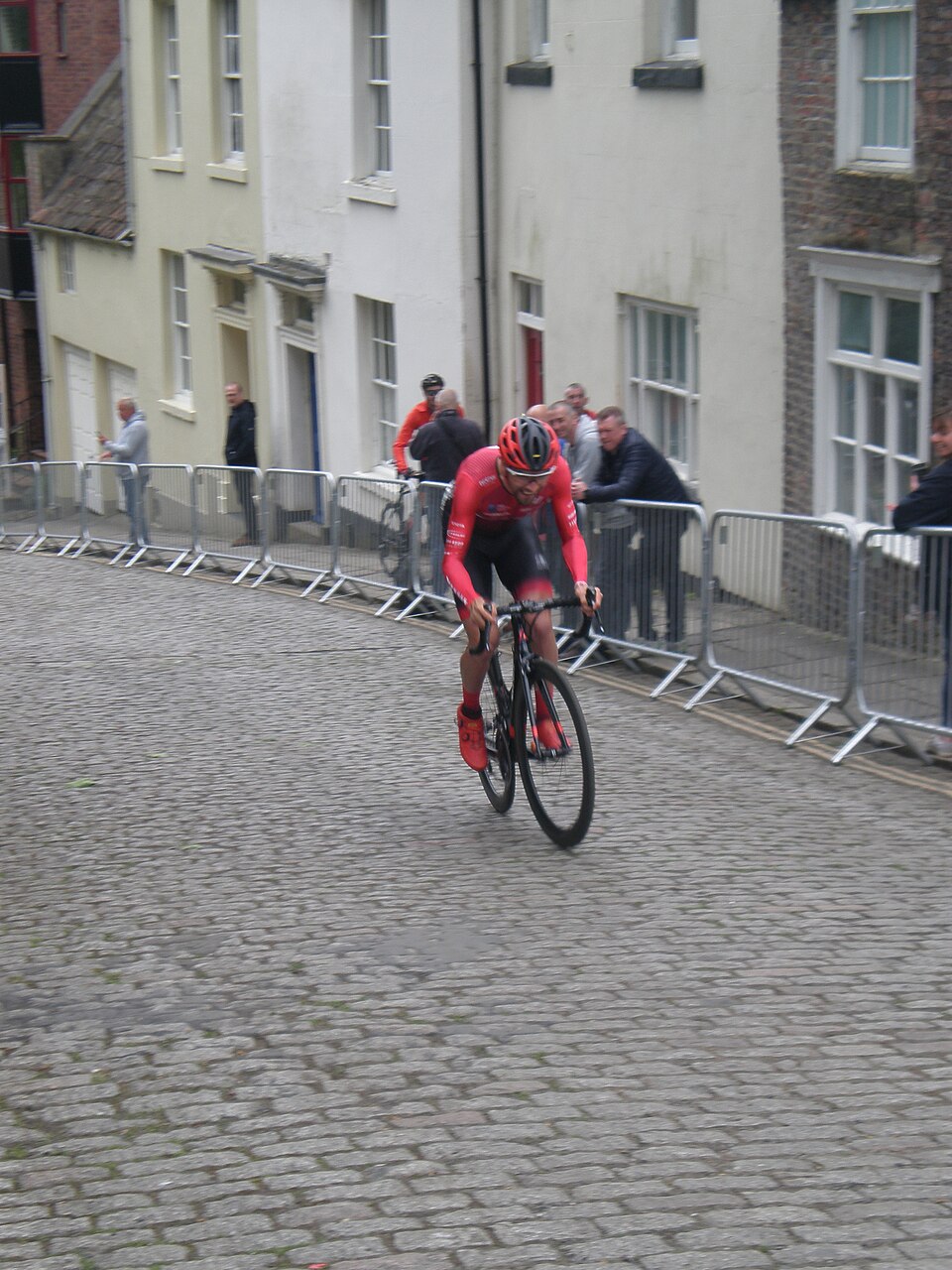
Illustration: Muscular Strength Training for Climbing Power

Low Cadence Hill Climbing

Building top-end climbing power requires specific low-cadence training. Cyclists find moderate hills and climb in large gears, keeping RPMs between 50-60. This low cadence range increases torque on the pedals, developing the raw strength needed for steep climbs.

The workout structure focuses on seated climbing form. Maintaining good posture while generating high torque builds strength in the thighs and lower back. This position-specific strength translates directly to climbing performance, where standing frequently wastes energy.

Big gear selection typically involves using the big ring with middle cassette cogs. This gear combination provides enough resistance to build strength without making the workout unmanageable. The goal isn’t speed but rather developing the muscular power to handle steep gradients.

Big Gear Interval Workouts

Moderate hill selection proves crucial for big gear intervals. Hills that take 5-8 minutes to climb provide enough time under tension for strength development without excessive fatigue. The gradient should be challenging but not so steep that maintaining form becomes impossible.

Gear selection strategy involves finding the right balance between resistance and cadence. The target is 50-60 RPM, which feels significantly slower than normal riding. This deliberate slowness forces the muscles to generate more force per pedal stroke, building climbing-specific strength.

Torque development occurs through sustained efforts in the big gear. Each pedal stroke requires more force than normal riding, creating the muscular adaptations needed for steep climbs. This training develops the ability to maintain power on gradients where cadence naturally drops.

Strength vs Endurance Balance

Power development and cardiovascular endurance serve different climbing needs. Strength training builds the raw force needed for steep sections, while endurance work develops the ability to sustain efforts over long climbs. Both components prove essential for comprehensive climbing ability.

Training periodization helps balance these different qualities. Early season focus might emphasize strength development through low-cadence work, while later periods shift toward endurance and threshold work. This progression ensures cyclists peak with the right combination of qualities.

The balance also depends on individual climbing style and race demands. Puncheurs benefit more from strength work, while climbers need greater endurance. Understanding your specific needs helps prioritize training components effectively.

Advanced Climbing Workout Variations
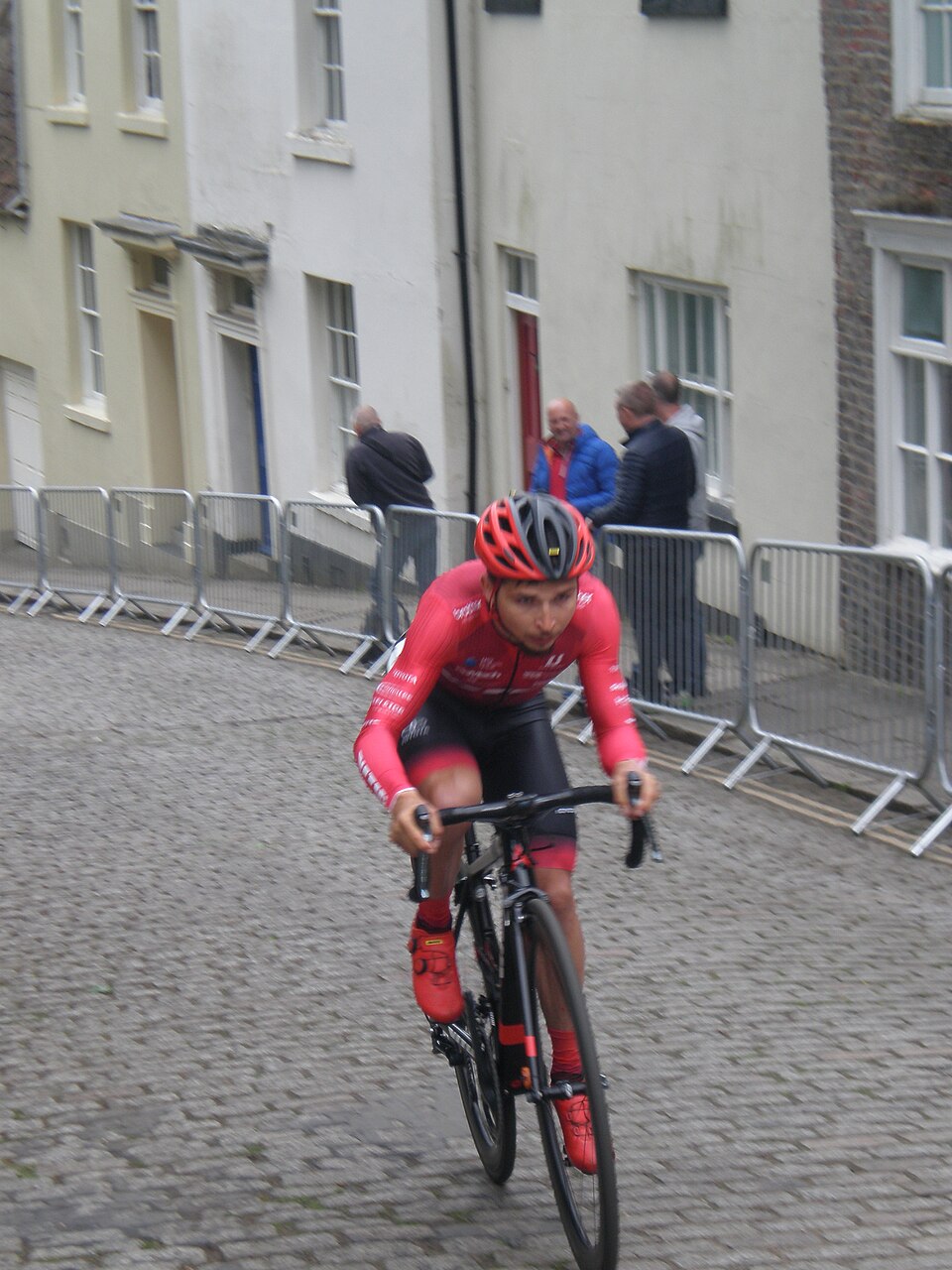
Illustration: Advanced Climbing Workout Variations

Over-Under Climbing Intervals

Surge training prepares cyclists for real-world climbing scenarios where grade changes or attacks require sudden power increases. The over-under protocol involves 3-4 sets of 9-12 minutes, alternating between 2 minutes slightly below threshold and 1 minute above threshold.

This structure mimics the demands of racing, where riders must handle repeated surges on climbs. The “under” portions build threshold endurance, while “over” portions develop the ability to respond to attacks or handle steeper sections.

Handling grade changes becomes easier with over-under training. The protocol’s alternating intensities prepare cyclists for the variable nature of real climbs, where constant gradient changes require frequent power adjustments.

Climbing Workout Progression

Beginner progression starts with shorter climbs and lower intensities. Initial workouts might involve 4-6 minute climbs at 85-90% FTP, gradually building to the full 6-12 minute protocol at 95-100% FTP. This progression prevents injury while building confidence.

Volume increases occur through adding more repeats rather than extending individual climb duration. A beginner might start with 3 repeats, progressing to 6-8 repeats as fitness improves. This approach maintains workout quality while building total climbing volume.

Intensity adjustments follow fitness improvements. As cyclists adapt to the standard protocol, they can increase intensity through steeper gradients or higher cadences. These adjustments keep the workouts challenging while targeting specific climbing weaknesses.

What’s Next

The counter-intuitive finding that consistency beats intensity in climbing training reveals why Emma Johansson’s methodical approach succeeded where sporadic maximum efforts failed. Her career demonstrates that sustainable progress comes from regular, structured workouts rather than occasional heroic efforts.

To implement these principles, start a 6-week hill repeat progression plan. Week 1: 3 repeats of 6-minute climbs at 85% FTP. Week 2: 4 repeats at same intensity. Week 3: 5 repeats. Week 4: 4 repeats at 90% FTP. Week 5: 5 repeats at 90% FTP. Week 6: 6 repeats at 95% FTP. This gradual progression builds climbing strength while preventing overtraining.

Ready to build your climbing strength? Learn more about road cycling training principles that have helped elite cyclists like Emma Johansson achieve podium finishes consistently.
Sprint Training for Cyclists: Developing Explosive Power

Illustration: What Is Sprint Training for Cyclists?

Sprint training is the most effective method for cyclists to develop explosive power and anaerobic capacity through short, maximal-effort bursts lasting 10-30 seconds with full recovery periods of 3-10 minutes.

Key Takeaway

  • Sprint training builds explosive power through short, maximal efforts (10-30 seconds) with full recovery (3-10 minutes)

  • Anaerobic capacity development requires 1-2 weekly sessions targeting fast-twitch muscle fibers

  • 2026 protocols include Wingate tests, torque drills, and varied sprint intervals for peak performance

  • Recovery is critical – allow 1-2 days between anaerobic sessions to prevent overtraining

  • Benefits include increased maximum speed, acceleration, and high-intensity fatigue resistance

What Is Sprint Training for Cyclists?

Illustration: What Is Sprint Training for Cyclists?

Sprint Training Fundamentals: Short Bursts with Full Recovery

Sprint training for cyclists is built on a simple but powerful principle: maximal effort with complete recovery. The core concept involves performing short bursts of all-out effort lasting between 10-30 seconds, followed by substantial recovery periods of 3-10 minutes. This ensures each sprint is executed at maximum intensity, preventing fatigue from compromising the quality of subsequent efforts. The recovery periods are not optional – they’re essential for maintaining the power output needed to stimulate the fast-twitch muscle fibers responsible for explosive speed.

Research consistently shows that incorporating 1-2 dedicated sprint sessions per week produces optimal results for most cyclists. Beginners should start with 3-4 sprints per session, while advanced riders can progress to 6-10 sprints as their conditioning improves. The key is progressive overload – gradually increasing either the number of sprints, the duration of efforts, or the intensity as your body adapts. This structured approach prevents overtraining while ensuring continuous improvement in explosive power output.

The physiological basis for sprint training lies in its ability to target fast-twitch muscle fibers, which are responsible for generating high power outputs but fatigue quickly. These fibers rely primarily on anaerobic metabolism, producing energy without oxygen through the breakdown of stored glycogen. This process creates lactate as a byproduct, which is why sprint efforts feel so intense and why recovery periods are crucial. During recovery, your body clears lactate and replenishes energy stores, preparing you for the next maximal effort. Without adequate recovery, subsequent sprints become progressively slower and less effective at stimulating the desired adaptations.

Types of Sprint Workouts: Max Cadence, High-Torque, and Race Simulation

  • Max Cadence Sprints: These focus on achieving very high revolutions per minute (RPM), typically 130-170+, for 8-10 seconds while in a light gear. The goal is to develop leg speed and neuromuscular coordination, teaching your muscles to contract and relax rapidly at high speeds. This type of sprint is particularly beneficial for track cyclists and those competing in events requiring rapid acceleration from high speeds.

  • High-Torque Sprints: These involve accelerating from a low speed (15-20 km/h) in a large gear, focusing on power output for approximately 15 seconds. This develops raw strength and the ability to overcome inertia, crucial for initial acceleration in races. The resistance from the heavy gear forces your muscles to generate maximum force, building the foundational strength needed for explosive starts.

  • Race Simulation: This combines out-of-the-saddle (10s) and seated (30s) sprints, repeated for 4-6 cycles. It mimics the demands of actual racing, where you need to alternate between standing and seated positions while maintaining high power output. This workout develops the specific muscular endurance and technical skills needed for competitive racing scenarios.

Each sprint type serves a distinct purpose in developing different aspects of explosive power. Max cadence sprints improve neuromuscular efficiency and leg speed, high-torque sprints build raw strength and power, while race simulation develops the specific endurance and technical skills needed for competition. Incorporating all three types into your training program ensures comprehensive development of your sprinting abilities.

How to Develop Anaerobic Capacity for Cycling

Illustration: How to Develop Anaerobic Capacity for Cycling

Anaerobic Capacity Training: High-Intensity Efforts for Speed and Power

Anaerobic capacity training is the foundation for developing the ability to perform repeated high-intensity efforts that are essential in competitive cycling. This type of training targets the body’s anaerobic energy systems, which produce energy without oxygen and are responsible for short, powerful bursts of activity. The training involves high-intensity efforts lasting 15-60 seconds that deplete the anaerobic system, followed by recovery periods that allow partial replenishment before the next effort — road cycling.

The physiological adaptations from anaerobic capacity training are profound. Your body increases its ability to store and utilize phosphocreatine, enhances the activity of enzymes involved in anaerobic metabolism, and improves lactate clearance mechanisms. These adaptations allow you to sustain higher power outputs for longer periods before fatigue sets in. Additionally, anaerobic training stimulates the development of type II muscle fibers, which are crucial for generating the explosive power needed in sprinting and short climbs.

Beyond the physical adaptations, anaerobic capacity training provides significant metabolic benefits. It increases your basal metabolic rate, helping with weight management and body composition. The high-intensity nature of these workouts also creates an “afterburn effect,” where your body continues to burn calories at an elevated rate for hours after the training session ends. This metabolic boost can be particularly beneficial for cyclists looking to improve their power-to-weight ratio.

2026 Anaerobic Capacity Workouts: Power Intervals and Hilltop Sprints

  • Anaerobic Power Intervals: Perform 6 repetitions of 30-40 second sprints at very high power outputs (120-150%+ of Functional Threshold Power – FTP), with 5-7 minutes of recovery between each interval. These intervals target the upper limits of your anaerobic system, building the ability to sustain maximum power for extended periods. The long recovery periods ensure each effort is performed at maximum intensity, maximizing the training stimulus.

  • Hilltop Sprints: Execute 6-8 maximal effort sprints uphill, lasting 45-60 seconds, continuing hard over the crest. Recovery is typically 3-5 minutes. The uphill gradient increases resistance, making these sprints particularly effective for building power while being gentler on joints than flat sprints. The continued effort over the crest develops the ability to maintain power through the top of climbs, a crucial skill in racing.

  • Repeated Sprint Training (RST): Characterized by short (10-30 second) maximal sprints with incomplete recovery periods (less than 60 seconds) to build both power and speed. This protocol mimics the demands of criterium racing and develops the ability to perform repeated high-intensity efforts with minimal recovery. The incomplete recovery forces your body to adapt to accumulating fatigue, building the specific endurance needed for racing scenarios.

The effectiveness of these workouts lies in their ability to target different aspects of anaerobic capacity. Power intervals develop the ability to sustain maximum power output, hilltop sprints build strength and climbing-specific power, while repeated sprint training develops the ability to perform multiple high-intensity efforts with limited recovery. Incorporating all three types ensures comprehensive development of your anaerobic system.

Sprint Training Structure and Recovery for 2026

Illustration: Sprint Training Structure and Recovery for 2026

Weekly Training Structure: 1-2 Sessions with Progressive Overload

Structuring your sprint training throughout the training cycle is crucial for maximizing adaptations while preventing overtraining. The most effective approach involves limiting sprint training sessions to 1-2 per week, with at least one full day of recovery between sessions. This frequency allows for adequate recovery while still providing sufficient stimulus for adaptation. During the pre-season phase, focus on strength training to maximize torque development, which forms the foundation for later sprint work.

As you progress into the build phase, implement anaerobic efforts once or twice a week, separating them by at least one full day. Beginners should start with 3-4 sprints per session, while advanced cyclists may progress to 6-10 sprints as their conditioning improves. The key principle is progressive overload – gradually increasing either the number of sprints, the duration of efforts, or the intensity as your body adapts. This structured approach ensures continuous improvement while minimizing the risk of injury or burnout.

Periodization is essential for long-term success in sprint training. During the off-season, focus on building a strong aerobic base and developing basic strength through resistance training. As you move into the pre-competition phase, begin incorporating sprint-specific workouts 1-2 times per week. The competition phase should maintain sprint training at a reduced volume to preserve adaptations while allowing for recovery from racing. This cyclical approach ensures you’re always training at the optimal intensity for your current phase of development.

Recovery and Safety: Critical for Anaerobic Training Success

  • Recovery Requirements: Anaerobic capacity workouts are extremely taxing and require 1-3 days of recovery between sessions. This extended recovery period allows for complete replenishment of energy stores and repair of muscle tissue damaged during high-intensity efforts. During recovery, your body adapts to the training stimulus, building stronger muscles and more efficient energy systems. Without adequate recovery, you risk overtraining, which can lead to decreased performance, increased injury risk, and burnout.

  • Safety Considerations: Safety is paramount when performing sprint training. Sprints should be conducted on safe roads with minimal traffic or indoors on a trainer to minimize risk. Always perform a thorough warm-up before sprint sessions to prepare your muscles and nervous system for maximum effort. The warm-up should include progressive intensity efforts that gradually increase your heart rate and muscle temperature. Additionally, ensure your equipment is in good condition, particularly your tires and brakes, as sprint training places high demands on your bike.

  • Recovery Between Sprints: Adequate rest between sprints (6-10 minutes) is crucial for maintaining high-quality, maximal efforts. This extended recovery ensures each sprint is performed at maximum intensity rather than becoming progressively slower as fatigue accumulates. The recovery periods allow for partial replenishment of phosphocreatine stores and clearance of metabolic byproducts, preparing your body for the next maximal effort. Active recovery, such as easy spinning, can be more effective than complete rest for maintaining blood flow and facilitating recovery between efforts.

Monitoring your recovery status is essential for optimizing your sprint training. Pay attention to indicators such as heart rate variability, sleep quality, and subjective feelings of fatigue. If you’re consistently feeling tired or your performance is declining, you may need additional recovery time. Using a training log to track your workouts, recovery, and performance can help you identify patterns and make informed decisions about your training load.

The most surprising finding from recent sprint training research is that cyclists who incorporate just two 20-minute sprint sessions per week can achieve the same anaerobic capacity improvements as those training three times as long in traditional endurance workouts. This efficiency makes sprint training particularly valuable for time-crunched athletes. To get started immediately, try this simple protocol: perform 6 x 30-second all-out sprints with 5 minutes of easy spinning between each effort, once per week for four weeks. You’ll likely notice significant improvements in your ability to accelerate and maintain high speeds within the first month.

Cycling Endurance Training: Building Long-Distance Riding Capacity

Illustration: Progressive Overload: The Foundation of Cycling Endurance

Building cycling endurance requires progressive overload and strategic long-ride preparation to develop the aerobic capacity needed for sustained performance. Research shows that cyclists who follow structured training programs with gradual volume increases can improve their endurance capacity by 20-30% over 12-16 weeks. Beginners should start with Essential Cycling Tips for Beginners Starting Their Journey before implementing advanced training protocols.

Key Takeaway

  • Progressive overload requires 10-20% weekly volume increases with 3-week build/1-week recovery cycles

  • Zone 2 training (56-75% FTP) forms the aerobic foundation for endurance development

  • 60-90g carbohydrates per hour prevents ‘hitting the wall’ during long rides

Progressive Overload: The Foundation of Cycling Endurance

Illustration: Progressive Overload: The Foundation of Cycling Endurance

Progressive overload forms the cornerstone of effective endurance training by systematically challenging your body to adapt to increasing demands. This principle involves gradually increasing training stress over time, allowing your cardiovascular system, muscles, and energy systems to develop the capacity needed for longer rides.

Gradual Volume Increases: 10-20% Weekly Progression

  • Start with current long ride duration as baseline, increase by 10-20% per week (Source: AI Overview)

  • If comfortable with 2-hour rides, add 30 minutes weekly to allow body adaptation (Source: AI Overview)

  • Avoid drastic increases to prevent injury and overtraining (Source: Longdistancecyclingblog.com)

The key to successful progressive overload lies in finding the right balance between challenge and recovery. Research indicates that increasing training volume by more than 20% weekly significantly increases injury risk and can lead to overtraining syndrome. The 10-20% rule provides a safe margin for adaptation while still driving improvements.

3-Week Build/1-Week Recovery: The Supercompensation Cycle

The 3-week build/1-week recovery cycle optimizes training adaptations by alternating periods of increased load with strategic recovery. During the three build weeks, gradually increase your training volume and intensity, then use the fourth week to allow your body to recover and adapt to the accumulated stress.

This supercompensation cycle works because it gives your body time to repair micro-damage from training while also allowing physiological systems to become more efficient. During the recovery week, reduce your typical training volume to 60-70% while maintaining some intensity through short, light rides. This approach prevents the plateau effect that occurs when training at the same intensity for extended periods.

The physiological benefits include enhanced mitochondrial density, improved capillary networks, and increased glycogen storage capacity. These adaptations collectively improve your body’s ability to sustain effort over longer durations, making the 3-1 cycle particularly effective for building endurance.

Zone 2 Training: Building Your Aerobic Engine

Illustration: Zone 2 Training: Building Your Aerobic Engine

Zone 2 training forms the aerobic foundation that enables cyclists to ride longer distances without fatigue. This low-intensity training zone, typically performed at 56-75% of Functional Threshold Power or 69-83% of maximum heart rate, develops the metabolic efficiency and cardiovascular capacity essential for endurance cycling. For those new to structured training, a road cycling foundation is crucial before progressing to more advanced techniques.

Zone 2 Foundation: 56-75% FTP for Aerobic Development

  • Zone 2 = 56-75% of Functional Threshold Power or 69-83% max HR (Source: AI Overview)

  • Enhances aerobic capacity and fat metabolism (Source: AI Overview)

  • Foundation for all endurance training (Source: Roadcyclingacademy.com)

Training in Zone 2 develops your aerobic system by increasing mitochondrial density and improving your body’s ability to utilize fat as fuel. This metabolic adaptation is crucial because it spares glycogen stores for when you need them most during high-intensity efforts or late in long rides.

The beauty of Zone 2 training lies in its sustainability. Unlike high-intensity intervals that require significant recovery, Zone 2 sessions can be performed frequently without accumulating excessive fatigue. This allows for consistent training that builds a robust aerobic base over time.

Many successful endurance athletes spend 70-80% of their training time in Zone 2, using the remaining time for specific high-intensity work. This polarized approach ensures that the majority of training develops aerobic capacity while still allowing for speed and power development when needed.

80/20 Polarized Training: Low-Intensity Dominance

The 80/20 polarized training approach maximizes adaptation while preventing burnout by allocating training time strategically between intensity zones. This method involves spending approximately 80% of training time at low intensity (Zones 1-2) and 20% at high intensity (Zones 5-6).

This polarized distribution works because it allows for high training volume without the excessive fatigue that comes from prolonged moderate-intensity efforts. The high-intensity segments provide the necessary stimulus for speed and power development, while the low-intensity work builds aerobic capacity and recovery capacity.

Research from elite endurance athletes shows that this approach leads to better performance improvements compared to traditional threshold-based training. The key is maintaining discipline during the low-intensity sessions, as many cyclists tend to drift into moderate intensity zones that provide minimal benefit while creating significant fatigue.

The 80/20 approach also aligns well with recovery needs, as the majority of training is performed at an intensity that promotes recovery rather than creating additional stress. This makes it particularly suitable for cyclists who need to balance training with work and family commitments.

Long Ride Preparation: Nutrition and Recovery Strategies

Proper nutrition and recovery strategies are essential components of successful endurance training, particularly for long rides where energy demands are substantial. These strategies ensure that your body has the fuel it needs to perform and the resources to recover and adapt to training stress. Planning your routes with Finding the Best Cycling Routes Near You: A Local Guide can help you prepare for long-distance rides.

Carbohydrate Fueling: 60-90g Per Hour for Rides Over 90 Minutes

  • Consume 60-90 grams of carbohydrates per hour for rides over 90 minutes (Source: AI Overview)

  • Start fueling 45 minutes into the ride (Source: Youtube.com)

  • Practice during training to ‘train the gut’ (Source: Elitewheels.com)

Carbohydrate fueling becomes critical for rides exceeding 90 minutes because glycogen stores become depleted after this duration. The recommendation of 60-90 grams per hour represents the optimal range for most cyclists, though some elite athletes can tolerate up to 120 grams per hour with proper training.

Starting fueling 45 minutes into the ride allows your body to begin processing carbohydrates before you experience energy depletion. This timing prevents the “bonk” or “hitting the wall” phenomenon that occurs when glycogen stores become critically low. The key is consistency – small, frequent intakes are more effective than large, sporadic consumption.

Training your gut to handle these carbohydrate loads is essential. Many cyclists experience gastrointestinal distress when they suddenly increase carbohydrate intake during events. Gradually increasing your fueling during training allows your digestive system to adapt, making it easier to tolerate higher intake rates during competition or long rides.

Recovery Optimization: 3:1 Carb-to-Protein Ratio Within 30 Minutes

Recovery nutrition plays a crucial role in adaptation and performance by replenishing energy stores and supporting muscle repair. The 3:1 carbohydrate-to-protein ratio consumed within 30 minutes post-ride provides the optimal nutrient balance for recovery processes.

This immediate post-exercise window is critical because your muscles are most receptive to nutrient uptake during this period. The carbohydrates replenish depleted glycogen stores, while the protein provides amino acids necessary for muscle repair and adaptation. This combination accelerates recovery and prepares you for your next training session.

The 3:1 ratio ensures adequate carbohydrate intake for glycogen restoration while providing sufficient protein for muscle protein synthesis. For a typical 70kg cyclist, this might translate to approximately 60-80 grams of carbohydrates and 20-25 grams of protein within the first 30 minutes after completing a ride.

Beyond the immediate recovery window, maintaining proper nutrition throughout the day supports ongoing adaptation. Adequate protein intake spread across meals, along with sufficient total calories, ensures that your body has the resources needed to rebuild stronger after each training session.

The most surprising finding in endurance training research is that many amateur cyclists train too hard on their easy days and too easy on their hard days. This middle-ground approach, often called “gray zone” training, provides minimal benefits while creating significant fatigue. The most successful endurance athletes maintain strict discipline with their intensity zones, ensuring that easy days truly are easy and hard days are appropriately challenging.

To implement these principles immediately, start by tracking your training intensity using a heart rate monitor or power meter. For one week, note how much time you spend in each training zone. If you find yourself spending most of your time in Zones 3-4, adjust your training to follow the 80/20 polarized approach. This single change can significantly improve your endurance development while reducing overall fatigue.

Cycling Power to Weight Ratio: Understanding Performance Metrics

Illustration: What is cycling power-to-weight ratio and why it matters

Cycling power-to-weight ratio (W/kg) is the single most important metric for climbing performance, determining how efficiently you can overcome gravity on steep gradients. This ratio separates recreational riders from podium contenders, with elite cyclists maintaining 5.5–6.5 W/kg compared to recreational riders at 2.5–3.5 W/kg.

Understanding cycling power-to-weight ratio

  • Power-to-weight ratio = Watts ÷ Kilograms — the key metric for climbing performance
  • Elite cyclists maintain 5.5–6.5 W/kg vs recreational 2.5–3.5 W/kg
  • Emma Johansson’s success proves how optimizing W/kg enables podium finishes in demanding races
  • Improving your ratio requires either increasing power output or decreasing body weight

What is cycling power-to-weight ratio and why it matters

Illustration: What is cycling power-to-weight ratio and why it matters

The science behind W/kg: how power output divided by body weight determines climbing speed

Power-to-weight ratio is calculated by dividing a cyclist’s power output (measured in Watts via Functional Threshold Power or FTP) by their body weight in kilograms. This metric is crucial because it determines how efficiently you can overcome gravity on steep climbs. While absolute power matters on flat terrain, W/kg becomes the primary performance determinant when gradients exceed 4-5%. A rider producing 300W at 70kg (4.3 W/kg) will climb significantly faster than someone producing 350W at 85kg (4.1 W/kg), despite the second rider having higher absolute power.

Measuring your power-to-weight ratio: FTP testing and calculation methods

To determine your current W/kg, you need to measure your Functional Threshold Power through a 20-minute FTP test. Ride as hard as you can for 20 minutes, then multiply your average power by 0.95 to estimate your 60-minute threshold. Divide this number by your weight in kilograms to get your power-to-weight ratio. For example, a 75kg rider averaging 225W in the test would have an FTP of approximately 214W, yielding a W/kg of 2.85. Most cyclists test their FTP every 6-8 weeks to track improvements.

Beyond the standard 20-minute test, several methods exist for measuring FTP. The ramp test gradually increases resistance until failure, providing a quick estimate. Some cyclists prefer the 8-minute test protocol, which involves two 8-minute all-out efforts separated by 10 minutes of recovery. Smart trainers with erg mode can guide you through standardized testing protocols, ensuring consistent effort across tests. Regardless of method, consistency in testing conditions—same time of day, similar nutrition, comparable fatigue levels—is essential for accurate progress tracking.

Why W/kg beats raw power on climbs: the physics of gravity resistance

Research from cycling physiology studies shows that the relationship between gradient and power requirements follows a predictable pattern. On flat terrain, aerodynamic drag dominates power requirements, making absolute power more important. However, as gradients increase beyond 4-5%, gravitational resistance becomes the primary factor. At 8% gradient, approximately 70% of power goes toward overcoming gravity, while at 12% this increases to over 85%. This explains why a lightweight climber with modest absolute power can outperform a powerful rouleur on mountain stages—their superior W/kg allows them to convert a higher percentage of their power output into forward motion — road cycling.

How Emma Johansson’s career demonstrates optimal power-to-weight performance

Illustration: How Emma Johansson's career demonstrates optimal power-to-weight performance

The “petite but mighty” approach: how Johansson’s build contributed to her success

Emma Johansson, affectionately known as “Silver Emma,” exemplified how optimizing power-to-weight ratio can lead to sustained success in professional cycling. Standing at just 165cm tall and weighing approximately 58kg during her competitive years, Johansson’s compact build was ideal for hilly terrain and long stage races. Her background in mountain biking provided her with exceptional power output relative to her size, allowing her to excel in demanding classics and stage races where W/kg is critical. This “petite but mighty” approach enabled her to consistently compete against larger riders who might have higher absolute power but lower W/kg ratios.

Johansson’s physical characteristics align perfectly with the physiological demands of hilly racing. Her small frame meant less weight to carry uphill, while her years of mountain biking developed the explosive power needed for steep gradients. Professional cycling teams often seek riders with similar builds for climbing specialists—typically those under 170cm tall and weighing less than 65kg. However, Johansson’s success wasn’t just about being small; she combined her optimal weight with exceptional aerobic capacity and technical skills, creating a complete package that maximized her W/kg advantage across varied terrain.

Key victories that showcase superior W/kg: Tour of Flanders and stage race dominance

Johansson’s career achievements directly demonstrate the benefits of superior power-to-weight ratio. Her record four podium finishes at the Tour of Flanders for Women came in races featuring multiple steep climbs where W/kg determines success. She won major hilly races like Trofeo Alfredo Binda and Ronde van Drenthe, both known for their challenging terrain. Her three overall victories in the Internationale Thuringen Rundfahrt der Frauen, a multi-day stage race with significant climbing, further prove how optimized W/kg translates to consistent results against top-tier competition. These victories came against riders who often had higher absolute power but couldn’t match her climbing efficiency.

Analyzing Johansson’s race results reveals patterns that highlight W/kg’s importance. In the Tour of Flanders, she consistently performed well on the Koppenberg and other steep cobbled climbs where absolute power matters less than power relative to weight. Her stage race victories often came after mountain-top finishes, where her superior climbing ability allowed her to gain time on heavier sprinters. Even in one-day classics with flat sections, her W/kg advantage on climbs provided enough time gaps to maintain position against larger riders who could draft and sprint more effectively on flats. This demonstrates how optimizing W/kg creates opportunities across all race types, not just pure climbing stages.

From mountain biking to road racing: how different disciplines build power-to-weight capability

Johansson’s mountain biking background significantly contributed to her exceptional power-to-weight ratio. Mountain biking develops high power output through short, intense efforts on steep gradients, building the specific muscle recruitment patterns needed for climbing. The technical demands of MTB also improve bike handling skills, allowing riders to maintain speed through corners and on descents, further enhancing overall performance. Many successful road climbers, including Johansson, credit their MTB experience for developing the explosive power and technical skills that translate to superior W/kg on road climbs.

The crossover benefits between mountain biking and road racing extend beyond just power development. MTB racing requires constant acceleration and deceleration, teaching riders to produce high power outputs repeatedly. This translates to better performance in road races with repeated short climbs or attacks. Additionally, mountain bikers develop superior core strength and stability, which improves pedaling efficiency and allows riders to maintain power output longer. The weight typically carried by mountain bikers (including bike and gear) also means they’re accustomed to producing power while managing additional mass, making the transition to lightweight road bikes more effective for climbing performance.

Elite vs recreational power-to-weight ratios and improvement strategies

Illustration: Elite vs recreational power-to-weight ratios and improvement strategies

Performance benchmarks: what different W/kg levels mean for your cycling

W/kg levels correlate directly with performance categories across cycling:

Performance Level W/kg Range Typical Abilities
Recreational 2.5–3.5 Can complete group rides, moderate climbs
Competitive Amateur 3.5–4.5 Strong climber, competitive in local races
Elite/Professional 5.5–6.5 Podium contender in major races
World-Class Climber 6.5+ Can win mountain stages in Grand Tours

The difference between recreational and elite levels often comes down to just 2-3 W/kg, a gap that’s achievable with focused training over 6-12 months. For context, a recreational rider at 3.0 W/kg might take 30 minutes to climb a 5km hill at 6% gradient, while an elite rider at 6.0 W/kg could complete the same climb in under 20 minutes. This 10-minute difference represents the practical impact of W/kg optimization on real-world performance.

Age and gender also influence typical W/kg ranges. While the table shows general benchmarks, female cyclists often achieve slightly lower absolute numbers but can still be highly competitive within their categories. Masters cyclists (40+) typically see 10-15% reductions in W/kg compared to their prime years, though trained athletes can maintain performance longer through consistent training. Understanding where you fall within these ranges helps set realistic improvement goals and identify whether to focus on power development, weight management, or both.

Two paths to improvement: increasing power output vs decreasing body weight

Improving your power-to-weight ratio can be achieved through two primary methods: increasing power output while maintaining weight, or decreasing body weight while maintaining power. Increasing power through structured training (intervals, threshold work, strength training) is generally safer and more sustainable. Weight loss can improve W/kg but must be done carefully to avoid losing muscle mass and power. A balanced approach combining moderate weight management with power-focused training typically yields the best results. Rapid weight loss often leads to decreased performance and health issues, while excessive focus on absolute power without considering weight can limit climbing potential.

The safety considerations for each approach differ significantly. Power-focused training carries minimal health risks when properly structured, though overtraining remains a concern. Weight management requires more careful attention to nutrition and recovery. Cyclists should aim for gradual weight loss of 0.5-1.0 kg per week maximum, ensuring adequate protein intake to preserve muscle mass. Crash dieting or extreme calorie restriction typically results in strength loss that negates any W/kg improvements. Additionally, very low body weights can compromise immune function and recovery capacity, potentially leading to overtraining syndrome or illness.

Training methods to boost your power-to-weight ratio: specific workouts and nutrition

To improve your W/kg, incorporate these evidence-based strategies:

  • High-intensity interval training: 2-3 sessions weekly with 3-5 minute intervals at 110-130% of FTP, followed by equal recovery
  • Sweet spot training: 2-3 weekly sessions at 88-94% of FTP for 20-40 minutes to build sustainable power
  • Strength training: 2 weekly sessions focusing on lower body and core to maintain muscle while potentially reducing body fat
  • Proper nutrition: Maintain adequate protein intake (1.6-2.0g/kg body weight) during weight management phases
  • Consistent testing: FTP tests every 6-8 weeks to track progress and adjust training intensity

The most successful approach combines structured training with gradual, sustainable weight management if needed. Periodization is key—focus on building power during base training phases, then refine W/kg during specific preparation periods. Nutrition timing also matters; consuming adequate carbohydrates before high-intensity sessions ensures quality workouts, while slightly reducing intake on rest days can support gradual weight loss without compromising recovery. Working with a coach or sports nutritionist can help optimize this balance for your specific physiology and goals.

Test your current power-to-weight ratio this week using a simple FTP test, then set a specific improvement goal for the next 8 weeks. The difference between where you are now and where you could be often comes down to focused, consistent training targeting your W/kg ratio.

The difference between a recreational rider and a podium contender often comes down to just 2-3 W/kg — a gap that’s achievable with focused training. Test your current power-to-weight ratio this week using a simple FTP test, then set a specific improvement goal for the next 8 weeks.