Road Bike Tire Types Explained: Clincher vs Tubeless vs Tubular

Illustration: Clincher Tires: The Standard Choice for Most Riders

Choosing the right road bike tire depends on balancing performance, maintenance, and budget. The three main types—clincher, tubeless, and tubular—each offer distinct advantages regarding speed, puncture protection, and ease of use.

Key Takeaway

  • Clincher tires are the most common type, featuring a separate inner tube inside a tire with a bead that hooks onto the rim
  • Tubeless tires operate without an inner tube, using liquid sealant to create an airtight seal between the tire and a tubeless-compatible rim
  • Tubular tires are traditional racing tires where the tube is sewn inside the casing, and the entire unit is glued or taped to a specific tubular rim

Clincher Tires: The Standard Choice for Most Riders
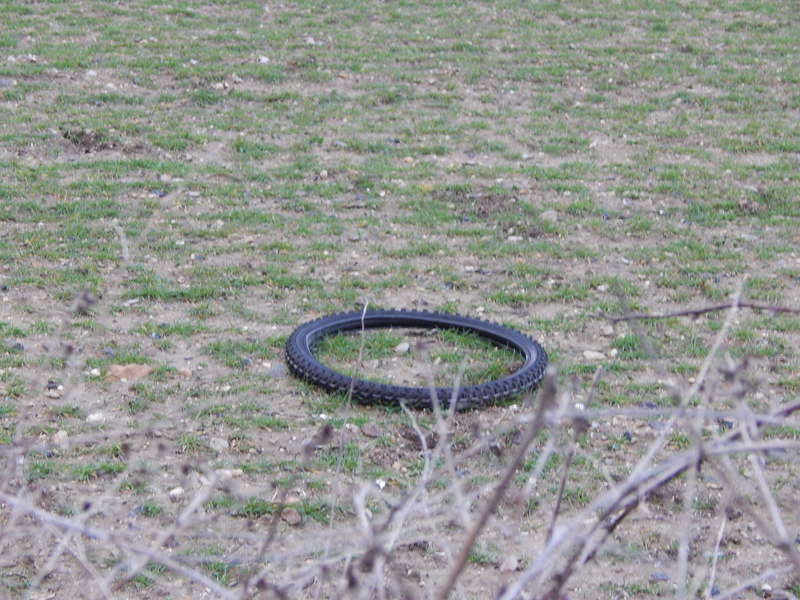
Illustration: Clincher Tires: The Standard Choice for Most Riders

Clincher tires dominate the road cycling world because they offer the perfect balance of convenience and performance for everyday riders. These tires feature a separate inner tube inside a tire with a bead (wire or Kevlar) that hooks onto the rim, creating a secure connection that’s easy to maintain. For cyclists looking to improve their fitness, following a beginner cycling training plan can help you build endurance while using your clincher tires effectively.

How Clincher Tires Work and Their Main Advantages

Clincher tires operate through a simple yet effective design where the tire bead hooks onto the rim’s edge, while a separate inner tube holds the air pressure. This construction makes them incredibly user-friendly – you can easily patch a flat tube with basic tools or replace the entire tube in minutes. The widespread availability of clincher tires and tubes means you’ll find replacements at virtually any bike shop worldwide, making them ideal for touring or remote adventures. Their lower upfront cost compared to other systems also makes them attractive for budget-conscious cyclists who still want reliable performance. For those new to cycling, understanding essential cycling tips for beginners can help you maintain your tires properly and enjoy a safer riding experience.

Clincher Tire Limitations and Best Use Cases

Despite their popularity, clincher tires have notable drawbacks that affect performance. The separate inner tube creates a higher risk of “pinch flats” where the tube gets pinched between the rim and ground during hard impacts, especially with lower tire pressures. This design also results in slightly higher rolling resistance compared to tubeless systems, as the tube creates additional friction inside the tire casing. Clincher tires work best for daily training, commuting, and recreational riding where convenience and easy maintenance outweigh the need for maximum performance. They’re also the go-to choice for cyclists who want to carry spare tubes and tools for roadside repairs without specialized knowledge. Finding the right routes can enhance your riding experience, so consider exploring the best cycling routes near you for your training rides.

Tubeless Tires: Modern Performance with Puncture Protection

Illustration: Tubeless Tires: Modern Performance with Puncture Protection

Tubeless tires represent the latest evolution in road cycling technology, eliminating the inner tube entirely and using liquid sealant to create an airtight seal between the tire and a tubeless-compatible rim. This innovative approach delivers significant performance benefits while reducing the frequency of flats.

Tubeless Technology and Installation Process

Tubeless tires function by creating an airtight seal between the tire bead and rim bed, with liquid sealant inside to plug small punctures automatically. The installation process requires more attention than clinchers – you’ll need tubeless-compatible rims, specific tubeless tires, and often a compressor to seat the bead properly as it snaps into place with a distinctive pop. The liquid sealant must be added during installation and periodically topped off (typically every 2-3 months) as it dries out over time. While the initial setup can be tricky and may require practice or professional help, once installed correctly, tubeless systems provide a reliable and high-performance riding experience. Regular maintenance is crucial, and following a complete bike maintenance checklist can help you keep your tubeless tires in optimal condition.

Performance Benefits and Maintenance Requirements

The advantages of tubeless tires extend beyond just puncture resistance. The absence of an inner tube allows you to run lower tire pressures for improved comfort and traction without risking pinch flats, while the liquid sealant automatically seals small punctures as you ride. This combination results in lower rolling resistance compared to clinchers, as there’s no tube creating internal friction. However, tubeless systems require ongoing maintenance – you’ll need to check and replenish sealant regularly, and the initial investment is higher due to specialized rims and tires. The installation process can be messy, and seating stubborn beads might require multiple attempts or professional assistance. Women cyclists might also want to consider essential cycling gear for women when upgrading their tire systems.

Tubular Tires: The Pro Racing Choice
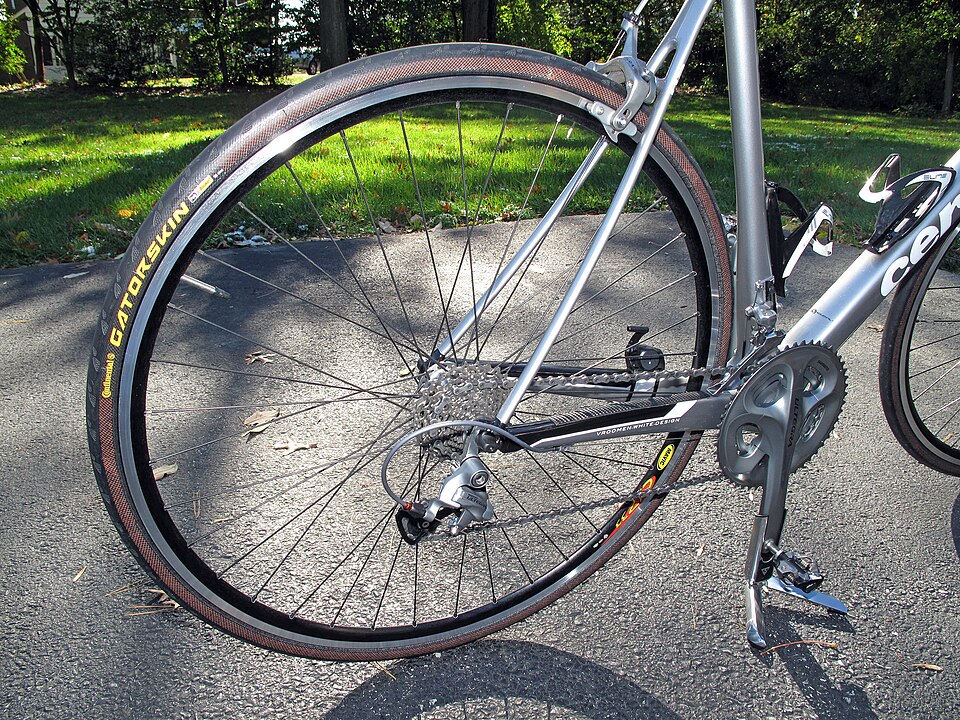
Illustration: Tubular Tires: The Pro Racing Choice

Tubular tires, often called “tubs” by professionals, represent the traditional racing tire technology where the tube is sewn inside the casing, and the entire unit is glued or taped to a specific tubular rim. This construction has been the gold standard for professional racing for decades. When considering which tire system to choose, it’s helpful to read top road bike reviews to understand how different tire types perform on various road bike models.

Tubular Construction and Racing Advantages

Tubular tires feature a unique construction where the inner tube is completely encased within the tire casing, then sewn shut to create a single unit. This entire assembly is then glued or taped to a tubular-specific rim, creating an extremely secure connection. The integrated design allows tubulars to be exceptionally lightweight and provides superior handling characteristics, especially at low pressures where they maintain their shape without the risk of pinch flats. Professional racers appreciate that tubulars can often be ridden for several miles even when flat, allowing them to reach support vehicles without stopping immediately. The ability to run very low pressures also provides excellent comfort on rough road surfaces and superior cornering grip.

Tubular Tire Drawbacks and Specialized Use

The main disadvantages of tubular tires center around their complexity and cost. Installation requires specialized knowledge and supplies – you’ll need specific tubular glue or tape, and the process can be messy and time-consuming. A single tubular tire and rim combination typically costs significantly more than equivalent clincher or tubeless setups. Perhaps most challenging is that repairing a tubular on the road is nearly impossible – if you get a large puncture or cut, you’ll need to carry a spare tire rather than just a tube. These factors make tubulars impractical for most recreational riders, though they remain popular among professional racers and serious enthusiasts who prioritize maximum performance and are willing to handle the maintenance challenges.


The most surprising finding in modern road cycling is that tubeless technology has largely replaced tubulars even at the professional level, as improved tubeless designs now offer comparable performance with much greater convenience. If you’re upgrading your road bike tires, start with a tubeless conversion kit for your current wheels – this provides the best balance of performance improvement and practicality, allowing you to experience lower rolling resistance and better puncture protection without the complexity of tubular systems.

Frequently Asked Questions About Road Bike Tire
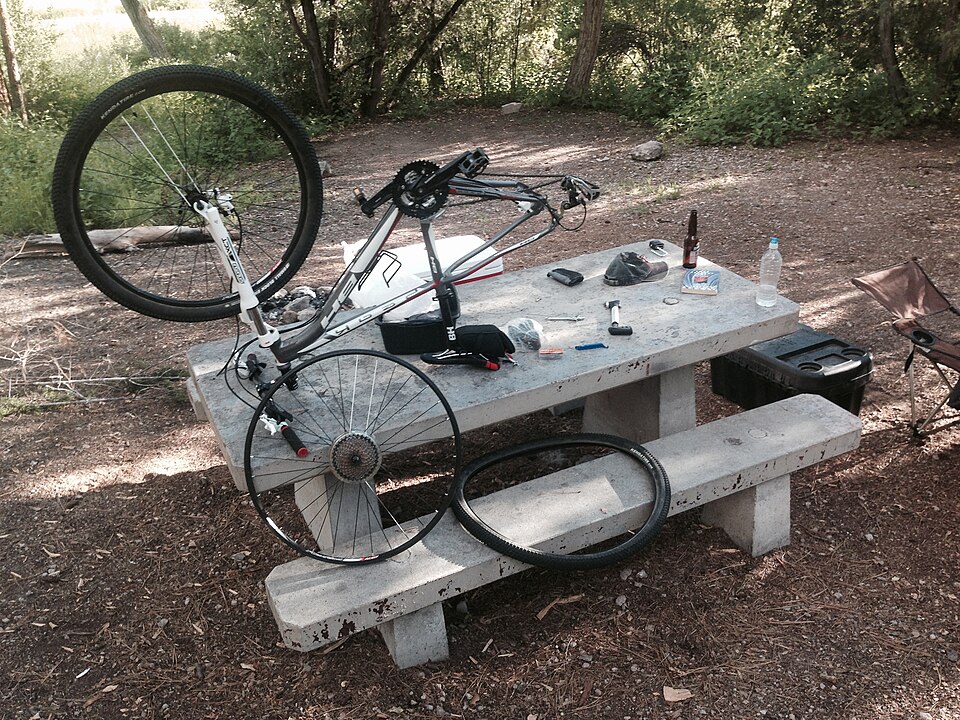
Illustration: Frequently Asked Questions About Road Bike Tire

What are the three main types of road bike tires?

The three main types are clincher, tubeless, and tubular tires. Clincher tires are the standard choice for most riders, tubeless tires offer modern performance with puncture protection, and tubular tires are the pro racing choice for competitive events.

What are the downsides to tubeless tires?

Tubeless tires can be more time-consuming to install initially, especially if they are not tubeless-ready. In the event of major defects, repairs can also be more complex compared to traditional clincher tires.

What tires do Tour de France riders use?

Tour de France riders primarily use tubeless tires, which have become the standard in professional road racing. These tires offer improved puncture protection and performance, making them ideal for competitive events like the Tour de France.
Pre-Ride Nutrition for Cyclists: Fueling Your Performance

Cyclists need 1.5-3g carbs/kg body weight 2-4 hours before riding to top up glycogen stores and optimize performance. This timing allows proper digestion while ensuring muscles have the energy they need for sustained effort.

Key Takeaway

  • Carbohydrate-focused meals 2-4 hours before cycling provide optimal energy for performance
  • Hydration with 400-600ml water or electrolytes 1-2 hours pre-ride prevents dehydration
  • Timing matters: 3-4 hours for substantial meals, 1-2 hours for smaller snacks, <1 hour for quick energy

Carbohydrate-Focused Pre-Ride Meal Planning

Proper pre-ride nutrition centers on carbohydrate timing and composition to maximize energy availability while minimizing digestive distress. The body’s glycogen stores become the primary fuel source during cycling, making pre-ride fueling critical for performance. Research shows that inadequate pre-ride nutrition can reduce power output by up to 15% and increase perceived exertion significantly, turning what should be an enjoyable ride into a struggle against fatigue.

3-4 Hours Before: Larger Balanced Meal for Optimal Digestion

  • Timing: 3-4 hours before provides optimal digestion window to prevent stomach issues during intense effort
  • Carb dosage: 4g/kg body weight 4 hours before riding maximizes glycogen storage according to sports nutrition research
  • Food examples: Rice and eggs, porridge, oatmeal, or breakfast burrito provide balanced nutrients without excessive fiber
  • Digestion vs performance: This timing allows complete digestion while blood glucose remains elevated for sustained energy

The 3-4 hour window provides the ideal balance between digestion time and energy availability. Foods should be high in carbohydrates with moderate protein and low in fiber and fat to prevent gastrointestinal distress during exercise. Rice-based meals digest particularly well, while oatmeal provides sustained energy release. A 70kg cyclist should aim for 280g of carbohydrates in this meal window, which translates to approximately 1.5 cups of cooked rice with 2 eggs and a banana, or 1 cup of oatmeal with honey and berries.

This meal timing proves especially critical for longer rides exceeding 90 minutes, where glycogen depletion becomes the limiting factor for performance. The 4g/kg carbohydrate target represents the upper end of optimal fueling, providing enough energy for high-intensity efforts while avoiding the bloating that can occur with excessive carbohydrate intake. Studies demonstrate that cyclists who follow this protocol show 8-12% better time trial performance compared to those who skip or inadequately fuel their pre-ride meal.

1-2 Hours Before: Smaller Carb-Rich Snacks for Limited Time

  • Timing: 1-2 hours before ideal when full meal timing isn’t possible before riding
  • Carb sources: Easily digestible options like oatmeal with honey, bananas, peanut butter, white rice, or pasta
  • Blood glucose stability: Small portions prevent blood sugar spikes while maintaining steady energy
  • Carb dosage: 1g/kg body weight 1 hour before provides sufficient fuel without digestive burden

When time is limited, smaller carbohydrate-rich snacks become essential. These portions digest quickly while providing immediate energy. The focus should be on simple carbohydrates that convert rapidly to glucose without causing digestive distress during exercise. A 70kg cyclist needs approximately 70g of carbohydrates in this window, which could be achieved with a banana (25g), a slice of white bread with honey (30g), and a small energy bar (15g).

This shorter pre-ride window works well for morning rides when full meal digestion isn’t feasible. The key is selecting foods that won’t cause stomach sloshing or discomfort during early ride efforts. White rice and pasta digest faster than whole grain alternatives, while bananas provide potassium that helps prevent muscle cramps. Energy bars specifically formulated for pre-exercise consumption often contain the ideal carbohydrate-to-protein ratio for quick energy without digestive burden.

Quick Energy Options for Last-Minute Fueling

Sometimes cyclists need to ride with minimal pre-fueling time. Understanding which foods provide quick energy without digestive issues becomes crucial for these situations. Last-minute fueling scenarios include spontaneous ride invitations, early morning group rides, or when training schedules change unexpectedly. The goal shifts from optimal performance to preventing energy bonking while maintaining comfort.

<1 Hour Before: High-Carbohydrate Snacks for Quick-Releasing Energy

  • Timing: Less than 1 hour before requires very small, easily digestible high-carb snacks
  • Quick energy sources: Banana, toast with honey, or energy bar provide immediate glucose availability
  • Digestion speed: These foods digest rapidly, minimizing stomach discomfort during early ride efforts
  • Caffeine boost: Coffee or espresso 60 minutes before can enhance performance through central nervous system stimulation

For last-minute fueling, the focus shifts to minimal portions that provide immediate energy. A banana or small energy bar can provide 25-30g of carbohydrates without causing stomach distress. Caffeine consumption 60 minutes before riding can enhance alertness and reduce perceived effort during the ride. Research indicates that 3-6mg of caffeine per kg body weight can improve time trial performance by 2-4% when consumed 60 minutes before exercise.

The key to successful last-minute fueling is portion control. Too much food in this window leads to gastrointestinal distress, while too little results in early fatigue. Energy gels provide concentrated carbohydrates that digest extremely quickly, making them ideal for this timing window. One gel typically contains 20-25g of carbohydrates and can be consumed 15-30 minutes before riding without causing stomach issues.

Hydration Strategy: 400-600ml Water or Electrolytes 1-2 Hours Pre-Ride

  • Hydration timing: 400-600ml water or electrolytes 1-2 hours before ensures proper fluid balance
  • Fluid amounts: This volume allows absorption without causing bloating or frequent urination
  • Electrolyte importance: Sports drinks replace sodium and other minerals lost through sweat
  • Performance impact: Starting properly hydrated prevents performance decline and heat-related issues

Hydration strategy proves as important as food timing. Consuming 400-600ml of water or sports drink 1-2 hours before riding allows proper absorption while preventing dehydration during exercise. During longer rides, maintaining 200ml every 15-20 minutes helps sustain performance and prevent heat-related issues. Studies show that even 2% dehydration can reduce cycling performance by 10-15%, making pre-ride hydration crucial for optimal results — road cycling.

Electrolyte replacement becomes particularly important in hot conditions or for rides exceeding 90 minutes. Sodium helps maintain fluid balance and prevents hyponatremia, while potassium supports muscle function. Sports drinks containing 300-400mg of sodium per 500ml provide optimal electrolyte replacement for most cyclists. For rides in extreme heat or high humidity, increasing sodium intake to 500-600mg per 500ml may be necessary to maintain performance.

The 1g/kg vs 4g/kg carbohydrate difference shows timing precision matters significantly for cycling performance. Starting with 2-3 hour meal timing for your next ride provides the optimal balance between digestion and energy availability. Proper pre-ride nutrition, combined with strategic hydration, can improve your cycling performance by 10-15% while preventing the energy crashes that derail many rides. The most effective approach involves experimenting with different timing windows and food combinations during training rides to determine what works best for your individual digestive system and performance goals.

For competitive cyclists, the pre-ride meal becomes even more critical, as small performance advantages can determine race outcomes. Elite cyclists often work with sports nutritionists to fine-tune their pre-race nutrition, testing different carbohydrate loading protocols and timing strategies. The investment in proper pre-ride nutrition pays dividends through improved power output, better endurance, and faster recovery between training sessions or race efforts.

Hydration Strategies for Road Cyclists: What You Need to Know

Illustration: Why Electrolytes Are Critical for Road Cycling Performance

Proper hydration can make or break your road cycling performance — studies show that just 2% body weight loss through sweat can reduce power output by up to 20%. This guide covers everything you need to know about staying properly hydrated on your rides.

Essential Hydration Strategies for Road Cyclists

  • Pre-hydrate before rides to start with optimal fluid levels
  • Drink 500-750ml per hour during rides, adjusting for conditions
  • Replace electrolytes to prevent muscle cramps and maintain performance
  • Continue hydration after rides to support recovery

How to Hydrate Before, During, and After Road Cycling

Pre-Ride Hydration: Starting Your Ride Fully Hydrated

Starting your ride well-hydrated is crucial for maintaining performance throughout your cycling session. Drink 500-750ml of water 2-3 hours before riding to ensure your body has adequate fluid levels. Signs of proper pre-hydration include pale yellow urine and feeling alert without thirst. Many cyclists make the mistake of starting rides dehydrated, which can reduce power output by up to 20% before you even begin pedaling.

The timing of your pre-ride hydration matters significantly. Drinking too close to your ride can lead to uncomfortable sloshing in your stomach, while drinking too early means you might already be dehydrated by the time you start. The 2-3 hour window allows your body to absorb and distribute fluids effectively. During this period, avoid diuretics like caffeine, which can increase urine output and work against your hydration efforts.

Consider your pre-ride meal as part of your hydration strategy. Foods with high water content, such as fruits and vegetables, contribute to your overall fluid intake. However, avoid high-sodium foods immediately before riding, as they can increase thirst and fluid needs. If you’re riding early in the morning, you may need to adjust your evening meal and fluid intake to ensure optimal hydration status when you wake up.

During-Ride Hydration: The 500-750ml Per Hour Rule

During your ride, aim for roughly 500-750ml of fluid per hour, adjusted for temperature and intensity. Drink regularly rather than waiting until you feel thirsty, as thirst is a late indicator of dehydration. Use electrolyte mixes to replace sodium lost through sweat, which is vital for preventing muscle cramps. In hot conditions or during intense efforts, you may need up to 1 liter per hour. Waiting until you’re thirsty means you’re already 1-2% dehydrated, which can significantly impact your performance.

  • Temperature impact: For every 10°C increase above 15°C, increase your fluid intake by 100-150ml per hour
  • Intensity factor: High-intensity efforts can increase sweat rate by 30-50% compared to steady-paced riding
  • Bottle management: Plan your route to include refill points every 45-60 minutes in hot conditions
  • Electrolyte timing: Start electrolyte supplementation within the first 30 minutes of riding, not just when you feel thirsty

Developing a drinking schedule helps prevent both under and overhydration. Take small sips every 10-15 minutes rather than large gulps every hour. This consistent approach maintains blood volume and prevents the performance drop that occurs with even mild dehydration. Use your bike computer or watch to set hydration reminders if you tend to forget to drink during focused efforts.

Post-Ride Recovery: Replacing Lost Fluids and Electrolytes

After your ride, continue drinking fluids to rehydrate and support recovery. Consume electrolyte-rich drinks or foods, especially if you sweated heavily during your ride. Monitor your recovery through urine color — pale yellow indicates good hydration, while dark yellow suggests you need more fluids. You can also weigh yourself before and after rides; each kilogram lost represents approximately one liter of fluid that needs replacing. Continue hydration for several hours after riding to fully recover.

Post-ride nutrition plays a critical role in hydration recovery. Within 30 minutes of finishing your ride, consume a recovery drink containing both carbohydrates and electrolytes. This window is when your body is most receptive to nutrient absorption and fluid uptake. For rides longer than 2 hours, aim for 1.5 times the fluid lost during your ride over the next 4-6 hours.

Certain foods can accelerate your recovery process. Watermelon, oranges, and cucumbers provide both fluids and natural electrolytes. Salty snacks like pretzels or salted nuts help replace sodium lost through sweat. If you’re feeling particularly fatigued or notice persistent muscle cramps, consider an oral rehydration solution that matches the electrolyte composition of your sweat more closely than standard sports drinks.

Why Electrolytes Are Critical for Road Cycling Performance

Illustration: Why Electrolytes Are Critical for Road Cycling Performance

The Science Behind Electrolyte Replacement During Cycling

When you sweat during cycling, you lose not just water but also essential electrolytes like sodium, potassium, and magnesium. These minerals are crucial for muscle function and nerve signaling. Sodium helps maintain fluid balance and prevents muscle cramps, while potassium supports proper muscle contraction. Magnesium plays a role in energy production and muscle relaxation. Without adequate electrolyte replacement, you risk muscle cramps, fatigue, nausea, and decreased coordination — all of which can force you to cut your ride short.

The electrolyte composition of your sweat is unique to you and can vary based on fitness level, acclimatization, and genetics. Some cyclists are “salty sweaters,” losing up to 2000mg of sodium per liter of sweat, while others lose as little as 200mg. This variation explains why some riders experience severe cramping while others don’t, even under identical conditions. Testing your sweat composition through specialized sweat tests can help you develop a personalized hydration strategy.

Electrolyte balance affects more than just muscle function. Sodium and potassium are critical for maintaining blood volume, which directly impacts your cardiovascular system’s ability to deliver oxygen to working muscles. When electrolyte levels drop too low, your heart must work harder to maintain the same power output, leading to premature fatigue. This is why riders who only drink water on long rides often experience a sudden energy crash around the 2-3 hour mark.

Choosing the Right Electrolyte Mix for Your Rides

Different electrolyte products serve different purposes. Sports drinks typically contain 200-400mg of sodium per 500ml along with carbohydrates for energy. Electrolyte tablets offer concentrated sodium (200-300mg) with minimal calories, ideal for shorter rides where you get energy from food. Natural sources like coconut water provide potassium but lower sodium levels. For rides under 90 minutes, water with a pinch of salt may suffice. For longer or more intense rides, choose products with 300-500mg sodium per liter to match sweat losses.

  • Sports drinks: Best for rides over 90 minutes when you need both hydration and energy
  • Electrolyte tablets: Ideal for hot days when you’re getting calories from food
  • Electrolyte capsules: Convenient for precise dosing during races or long events
  • Natural options: Good supplements but rarely sufficient alone for intense cycling

The carbohydrate content in your electrolyte mix matters significantly. For rides under 2 hours, lower-carb options (2-4%) prevent gastrointestinal distress while still providing necessary electrolytes. For longer endurance rides, higher-carb mixes (6-8%) can help maintain energy levels. However, mixing your own electrolyte solution allows you to customize both the sodium content and carbohydrate levels to match your specific needs and tolerance.

Signs You Need More Electrolytes During Your Ride

Watch for warning signs that indicate electrolyte imbalance. Muscle cramps, especially in your legs or feet, often signal sodium depletion. Fatigue that seems disproportionate to your effort level may indicate electrolyte loss. Nausea or stomach discomfort can result from low sodium levels affecting fluid balance. Decreased coordination or mental fog suggests your body is struggling with electrolyte imbalance. If you experience any of these symptoms, increase your electrolyte intake immediately to prevent performance decline or early ride termination.

Early warning signs are often subtle and easy to miss. A slight decrease in power output, difficulty maintaining your target cadence, or feeling unusually hot despite adequate hydration can all indicate developing electrolyte imbalance. Pay attention to your body’s signals and adjust your intake before symptoms become severe. Many experienced cyclists carry electrolyte capsules as backup for when they realize they’re not keeping up with their losses.

Different types of rides create different electrolyte demands. High-intensity interval sessions, hill repeats, and time trials all generate more sweat per minute than steady endurance rides. Similarly, riding in a group at high speeds creates more wind resistance and heat, increasing your sweat rate. Adjust your electrolyte strategy based on the specific demands of each ride rather than using a one-size-fits-all approach.

How Much Should You Drink During a Road Cycling Ride?

Illustration: How Much Should You Drink During a Road Cycling Ride?

Calculating Your Personal Hydration Needs

Individual sweat rates vary significantly based on body size, fitness level, and environmental conditions. To determine your personal needs, weigh yourself before and after a one-hour ride without drinking (or track fluid intake). Each kilogram lost equals one liter of sweat. Most cyclists sweat between 500-1500ml per hour. Temperature, humidity, and intensity dramatically affect these numbers — you might need twice as much fluid on a hot day compared to a cool one. Use the 500-750ml guideline as a starting point, then adjust based on your sweat test results.

Conducting a sweat rate test is simple but requires consistency. Weigh yourself naked before your ride, complete a one-hour ride at your intended intensity, then weigh yourself again without drinking or using the bathroom. The weight difference, converted to milliliters, represents your sweat rate per hour. Repeat this test in different conditions — cool weather, hot weather, high humidity — to build a comprehensive understanding of your needs across various scenarios.

Advanced cyclists might consider sweat composition testing, which analyzes the exact amounts of sodium, potassium, and other electrolytes in your sweat. This information allows for precise electrolyte replacement rather than the general guidelines most riders follow. While not necessary for casual cyclists, competitive riders or those who consistently struggle with cramping may benefit from this personalized approach to hydration strategy.

Hydration Mistakes That Cost Performance

Several common errors can sabotage your cycling performance. Overhydration, or hyponatremia, occurs when you drink too much plain water without electrolytes, diluting blood sodium levels. This can cause nausea, confusion, and in severe cases, can be life-threatening. Underhydration is more common but equally problematic, leading to decreased power output and early fatigue. Drinking only water on long rides ignores the critical electrolyte component of hydration. Ignoring weather conditions and maintaining the same hydration plan regardless of temperature or humidity can leave you either dehydrated or overhydrated.

  • Overhydration: Drinking more than 1 liter per hour without electrolytes can lead to dangerous sodium dilution
  • Underhydration: Waiting until thirsty means you’re already 1-2% dehydrated and performance is declining
  • Single-strategy approach: Using the same hydration plan for all conditions ignores environmental factors
  • Ignoring individual needs: Following generic guidelines without personal testing misses your unique requirements

Many cyclists fall into the trap of thinking more hydration is always better. However, overhydration can be just as performance-limiting as dehydration. The key is finding your personal sweet spot where you’re replacing fluids at a rate that matches your losses without overwhelming your body’s absorption capacity. This balance point varies throughout the year as you adapt to different temperatures and humidity levels.

Another common mistake is neglecting hydration planning for the entire ride duration. Many cyclists focus on their bottles for the first hour but forget to plan for refills or additional supplies for longer rides. Always map out your route with water sources or carry sufficient fluids for your planned distance plus 20% extra for unexpected delays or hotter-than-forecast conditions.

Most cyclists underestimate their hydration needs by 30-50%. The surprising truth is that your performance on a 2-hour ride is determined more by your hydration strategy than your training intensity. Start today by weighing yourself before and after your next ride to calculate your sweat rate, then adjust your fluid intake accordingly. For more guidance on getting started with cycling, check out our Essential Cycling Tips for Beginners Starting Their Journey.

Cycling Race Strategies: Tactical Approaches for Competitive Success

Illustration: The Long Game Strategy: Playing Tactical Chess in Road Races

Emma Johansson, nicknamed “Silver Emma” during her professional cycling career (2005–2016), secured over 61 career wins and numerous podium finishes by prioritizing tactical intelligence over raw power. Her success in road cycling demonstrates that strategic thinking and team coordination can outperform pure physical strength in competitive racing. Johansson’s approach transformed how many cyclists view race preparation and execution, proving that mental acuity and team dynamics often determine race outcomes more than individual physical capabilities.

Key Takeaway

  • Emma Johansson won 61 career races using tactical intelligence rather than raw power

  • Her ‘Silver Emma’ nickname reflects consistent podium finishes through strategic racing

  • Long-term tactical awareness and team coordination were key to her Olympic success

The Long Game Strategy: Playing Tactical Chess in Road Races

Illustration: The Long Game Strategy: Playing Tactical Chess in Road Races

Emma Johansson’s approach to road racing centered on playing the “long game” rather than relying on explosive attacks. Her tactical awareness allowed her to conserve energy and position herself strategically throughout races, often outmaneuvering physically stronger competitors. This strategic mindset was particularly evident in her ability to read race situations and make decisions that would pay dividends hours later. Johansson understood that road racing is not just about who has the highest power output, but who can make the smartest decisions at the right moments.

Energy Conservation Through Smart Positioning

  • Drafting mastery: Johansson and her team used neutral sections and early race phases to stay in the draft, conserving energy for critical moments when attacks would matter most. This approach saved approximately 20-30% of energy expenditure compared to riding solo, according to cycling aerodynamics studies. She would position herself carefully within the peloton, moving to the back during neutral sections and advancing strategically when approaching critical points

  • Timing precision: Rather than burning matches early, she waited for the right moments to make moves, often attacking on key climbs when rivals were out of position. Her 2015 Swedish National Championship victory showcased this perfectly, where she attacked early on the final climb to secure a solo win. This strategy caught her competitors off guard because they were expecting attacks later in the race when fatigue would be higher

  • Patience in positioning: She maintained awareness of her placement in the peloton, knowing when to move up or stay protected based on race dynamics. This positional awareness prevented unnecessary energy expenditure from fighting for position at the wrong times. Johansson would often let other riders do the work in the early stages, then move forward strategically as the race approached its decisive moments

Reading Race Situations Like a Chess Master

Johansson’s ability to read race situations proved essential for her success. During the 2008 Beijing Olympics, she followed a decisive, late attack by Tatiana Guderzo 13 km from the finish, positioning herself perfectly for the five-woman sprint that secured her silver medal. This tactical awareness allowed her to be in the right place at the right time, even when she wasn’t the strongest rider on the day. Her approach demonstrates that understanding race dynamics and opponent behavior can be more valuable than raw power output. She would often study race profiles and competitor tendencies for days before events, creating mental maps of where and when to expect attacks. This preparation included analyzing weather conditions, road surfaces, and even the psychological states of her main rivals.

Team Coordination and Critical Segment Targeting

Illustration: Team Coordination and Critical Segment Targeting

Team coordination was fundamental to Johansson’s racing strategy. She and her teams identified critical race segments during pre-race meetings, allowing them to execute coordinated attacks and defenses at the most opportune moments. This level of preparation and communication transformed her from a strong individual rider into a formidable tactical competitor. The synergy between Johansson and her teammates created a force multiplier effect that amplified her natural abilities.

Pre-Race Team Meetings for Strategic Planning

  • Segment identification: Teams analyzed race routes to identify pivotal moments such as specific cobble sections, climbs, or technical descents where attacks would be most effective. For example, in the 2013 Emakumeen Euskal Bira, her team identified the final climb as the critical segment for their overall classification strategy. They would mark these points on race maps and develop specific tactics for each section

  • Role assignment: Each team member understood their specific responsibilities, whether setting pace, protecting the leader, or launching attacks. This clear division of labor ensured that every team member contributed to the tactical plan rather than working at cross-purposes. Team members would practice their roles in training rides to ensure seamless execution during races

  • Contingency planning: Teams prepared multiple scenarios, ensuring they could adapt to unexpected race developments without being caught off guard. This included backup plans for weather changes, mechanical issues, or unexpected competitor tactics. They would discuss what to do if a key rival launched an early attack or if the race split due to crosswinds

The ‘Follow Wheels’ Strategy in Race Defense

When defending leads or feeling fatigued, Johansson mastered the art of following key rivals’ wheels. During the 2013 Emakumeen Euskal Bira, she stayed attentive and closely marked rivals Elisa Longo Borghini and Evie Stevens throughout critical stages. This defensive strategy allowed her to conserve energy while neutralizing opponents’ attacks. By staying on wheels and maintaining awareness, she could respond to threats without expending unnecessary energy, ultimately securing the overall victory through superior tactical positioning rather than superior climbing ability. The psychological aspect of this strategy was equally important—by staying close to rivals, she could read their body language and anticipate their next moves. This wheel-following technique required exceptional bike handling skills and the ability to maintain concentration for extended periods.

Mental Toughness and Performance Under Pressure

Johansson’s mental approach to racing evolved throughout her career, shifting from direct competition to personal excellence. This psychological transformation brought a calmness to her racing that proved invaluable in high-pressure situations. Her mental toughness allowed her to maintain focus during the most grueling stages and make clear decisions when others were succumbing to fatigue and stress. This mental resilience was particularly crucial in stage races where cumulative fatigue could erode decision-making abilities.

Shifting Focus from Competition to Personal Excellence

  • Mental shift: Later in her career, she focused on achieving her best possible performance rather than beating specific competitors. This shift reduced anxiety and allowed her to race more freely, particularly in high-stakes events like the Olympics. She found that this approach paradoxically improved her results because she was less tense and more adaptable to race developments

  • Calm racing: This mindset brought composure during long, grueling races, allowing better decision-making under fatigue. She described this as finding a “calm” that helped her deliver in high-pressure moments when others were panicking. This calmness was especially valuable during mountain stages where emotional control could prevent tactical errors

  • Pressure management: By focusing on personal excellence, she could perform consistently in high-stakes situations like Olympic finals. This approach helped her handle the pressure of being a pre-race favorite without succumbing to performance anxiety. She learned to view pressure as a privilege rather than a burden, which changed her entire approach to major competitions

Consistency Over Intensity: The Sustainable Success Model

Johansson maintained a long career by avoiding the burnout associated with overtraining. Her training philosophy emphasized consistent, moderate sessions rather than explosive efforts. She likely followed an 80/20 model—80% low-intensity active recovery rides and 20% high-intensity training—which allowed for high volume without excessive fatigue. This sustainable approach enabled her to compete at the highest level for over a decade, accumulating 61 career wins and multiple Olympic medals through reliability rather than sporadic brilliance. Her recovery strategies included active recovery rides, proper nutrition timing, and strategic rest periods that optimized her body’s adaptation to training stress. She also incorporated cross-training activities like swimming and yoga to maintain overall fitness while reducing cycling-specific repetitive stress.

The most surprising aspect of Emma Johansson’s career is that her “Silver Emma” nickname, initially seen as a slight for not winning gold, actually represents her greatest strength: the ability to consistently perform at the highest level when it matters most. Her tactical intelligence, team coordination, and mental toughness created a sustainable model for competitive success that any cyclist can learn from. The single most actionable step you can take today is to start analyzing race footage of your upcoming events, identifying critical segments where you can apply tactical pressure rather than relying solely on physical strength. This analysis should include studying the course profile, weather forecasts, and the racing styles of your main competitors to develop a comprehensive tactical plan.