Indoor Cycling Training: Effective Workouts Without Leaving Home

Illustration: How to Structure Indoor Cycling Workouts for Maximum Results

Indoor cycling training has revolutionized how cyclists of all levels improve their fitness and performance. Elite indoor cycling training can deliver maximum performance gains in under an hour using structured high-intensity intervals, similar to methods used by professional cyclists like Emma Johansson. This comprehensive guide will show you how to achieve elite-level results without leaving your home, using proven training methods and the latest technology.

Key Takeaways

  • Structured HIIT workouts can achieve elite results in 30-45 minutes
  • Smart trainers with apps like Zwift or TrainerRoad provide guided, effective training
  • The 80/20 rule (75-80% low intensity, 20-25% high intensity) optimizes performance
  • Proper setup and recovery are essential for indoor training success

How to Structure Indoor Cycling Workouts for Maximum Results
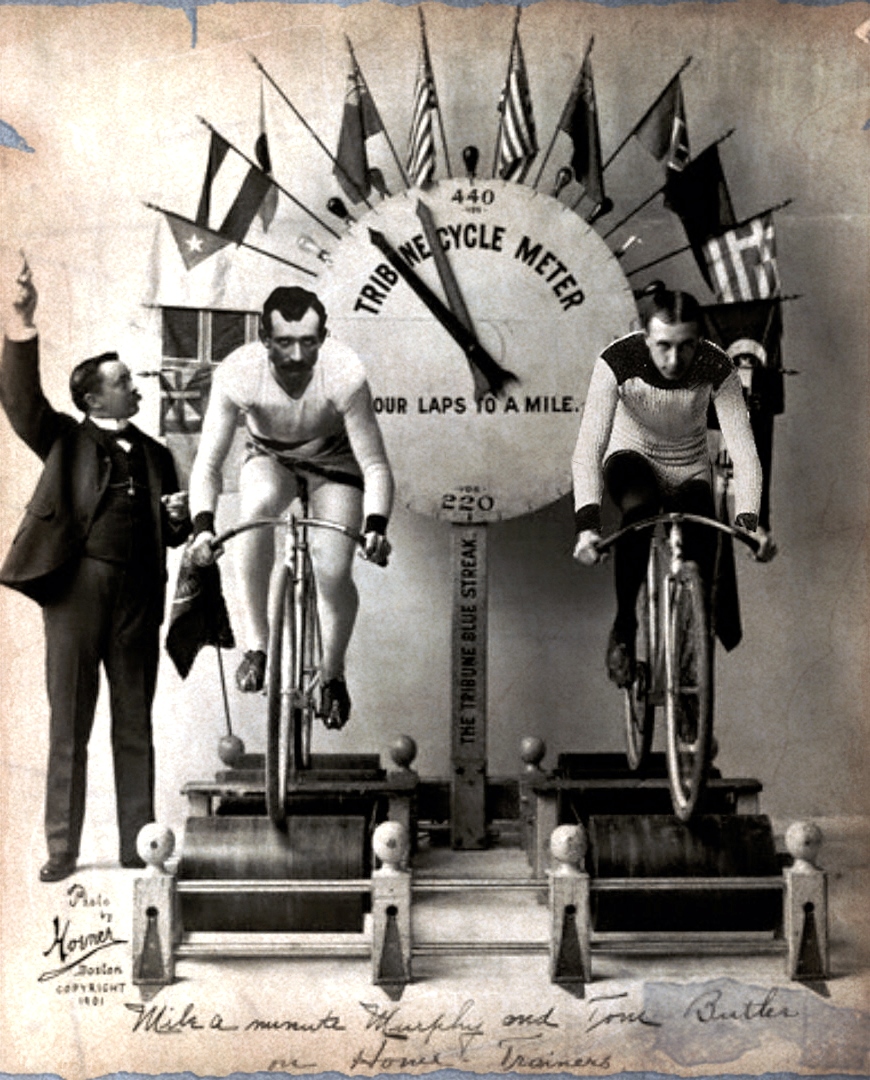
Illustration: How to Structure Indoor Cycling Workouts for Maximum Results

The foundation of effective indoor cycling training lies in understanding and applying the right workout structures. Research shows that structured indoor cycling training, similar to routines used by elite cyclists like Emma Johansson, focuses on structured high-intensity intervals (HIIT) to maximize performance in under an hour.

The 80/20 Training Rule: Balancing Intensity for Optimal Performance

The 80/20 training rule is scientifically proven to optimize cycling performance. This approach dedicates 75-80% of training to low-intensity endurance (Zone 2) and 20-25% to high-intensity efforts. The rationale behind this distribution is that most cycling adaptations occur during low-intensity work, while high-intensity intervals provide the necessary stimulus for performance improvements.

To apply the 80/20 rule to your indoor training:

  • Zone 2 rides (75-80% of sessions): These should feel comfortable, allowing you to maintain conversation. Focus on building aerobic base and improving fat metabolism.
  • High-intensity intervals (20-25% of sessions): These include structured efforts like 2-4 minute high-intensity efforts that push your lactate threshold and VO2 max.

This balanced approach prevents overtraining while maximizing fitness gains, making it ideal for time-constrained athletes who want to train effectively at home.

High-Intensity Interval Training (HIIT) for Indoor Cycling

High-intensity interval training forms the core of effective indoor cycling workouts. The structured nature of indoor training makes it perfect for HIIT, where you can precisely control effort levels and recovery periods.

Effective HIIT structures for indoor cycling include:

  • 2-4 minute intervals: These efforts target your VO2 max and lactate threshold, providing maximum performance benefits in minimal time.
  • Progressive intensity: Start with shorter intervals (30 seconds) and gradually increase duration as your fitness improves.
  • Recovery periods: Allow 2-3 minutes of easy spinning between high-intensity efforts to maintain workout quality.

The beauty of HIIT for indoor training is that you can achieve elite-level results in under an hour. A typical 30-45 minute session with proper warm-up and cool-down can provide the same benefits as a much longer outdoor ride, making it perfect for busy schedules.

Essential Equipment and Apps for Effective Home Training
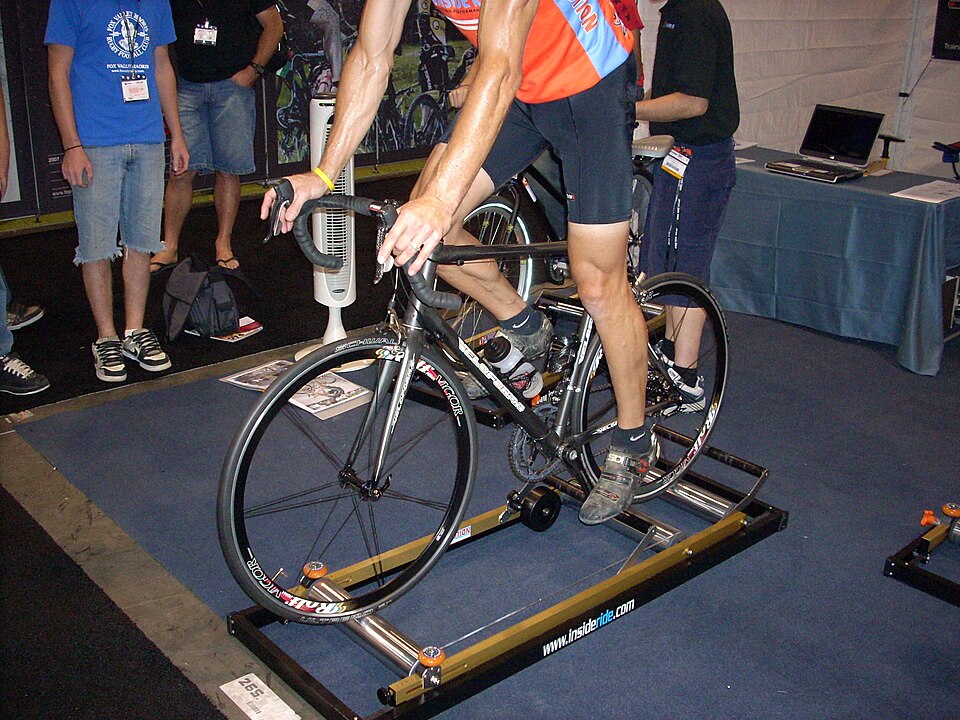
Illustration: Essential Equipment and Apps for Effective Home Training

The right equipment and apps can transform your indoor training experience from monotonous to engaging and highly effective. Key techniques include using smart trainers with apps like Zwift or TrainerRoad, targeting specific power zones, and incorporating one-legged drills for efficiency.

Smart Trainers and Cycling Apps: Zwift vs TrainerRoad

Choosing between Zwift and TrainerRoad depends on your training goals and preferences:

Zwift offers a gamified experience where you ride virtual courses with other cyclists worldwide. It’s highly engaging and makes time fly by, but it’s less structured for specific training goals. Best for: riders who need motivation and enjoy social aspects of training.

TrainerRoad provides structured training plans with precise power targets and workout progression. It’s designed specifically for performance improvement with data-driven workouts. Best for: athletes with specific performance goals who want scientific training approaches.

Both platforms integrate with smart trainers to automatically adjust resistance based on the workout requirements, eliminating the need to manually change settings during your session.

Setting Up Your Indoor Training Space

Creating the right environment is crucial for consistent, effective indoor training. Proper setup can make the difference between dreading your indoor sessions and looking forward to them.

Essential setup elements include:

  • Cooling: Use a large fan, as indoor training can feel 10-15°F hotter than outdoor riding due to lack of airflow.
  • Comfort: Use a sweat guard on the bike to protect it, and keep a towel and water bottle nearby.
  • Ventilation: Ensure good air circulation to prevent overheating and maintain performance.

A well-organized space with proper cooling and comfort measures can significantly improve your training quality and consistency.

Time-Efficient Workouts and Recovery Strategies
Illustration: Time-Efficient Workouts and Recovery Strategies

Time efficiency is one of the biggest advantages of indoor cycling training. 30-45 minute sessions are sufficient when high-intensity intervals are utilized properly, making it possible to achieve elite results without spending hours on the bike.

Sample 30-Minute Indoor Cycling Workout Plans

Here are three effective 30-minute workout structures you can implement immediately:

Power Intervals (30 min): 5-minute warm-up, followed by 8 sets of 30-second high-speed intervals (105-120 RPM), with 90 seconds recovery between efforts.

Threshold Step-Ups (30 min): Three sets of 5-minute intervals that start at Tempo (Zone 3), progress to low Threshold (Zone 4), and finish at high Threshold, with 2-minute recovery between sets.

Over-Under Intervals (30 min): 3 sets of 6-minute intervals, alternating between 2 minutes below threshold and 1 minute above, with 3-minute recovery between sets.

These structured workouts maximize training adaptations in minimal time, perfect for busy schedules while maintaining training quality.

Recovery and Nutrition for Indoor Training Success

Recovery is often overlooked but is crucial for indoor training success. The controlled environment of indoor training can actually accelerate fatigue if recovery isn’t prioritized properly.

Key recovery strategies include:

  • Sleep: Prioritize 8–9 hours of sleep to enhance recovery and reduce injury risk. Indoor training can be more taxing than outdoor riding due to constant effort without natural breaks.
  • Nutrition: Consume protein (20-25g) shortly after training to aid muscle repair. The intensity of indoor workouts creates significant muscle breakdown that requires proper nutrition for recovery.
  • Active recovery: Perform low-intensity (“flush”) rides (50-60% intensity) to help remove metabolic waste and promote blood flow to recovering muscles.

Structured indoor cycling training can actually produce better results than outdoor riding for many cyclists, especially when time is limited. The controlled environment eliminates variables like traffic, weather, and terrain changes, allowing you to focus entirely on your training intensity and form. Start your journey with a 20-minute beginner workout using a free app trial this week to experience the difference structured indoor training makes.

road cycling

Structured Indoor Cycling Training: Your Path to Elite Performance

The evolution of indoor cycling training has made it possible for anyone to achieve professional-level results without leaving home. By understanding and applying the principles outlined in this guide—structured HIIT workouts, proper equipment selection, time-efficient training plans, and adequate recovery—you can transform your fitness and performance in ways that were previously only possible for elite athletes with access to professional coaching and facilities.

The key is consistency and progression. Start with the basics, master proper form and pacing, then gradually increase intensity and complexity as your fitness improves. The beauty of indoor training is that every workout is measurable and repeatable, allowing you to track your progress precisely and make data-driven decisions about your training.

Whether you’re a competitive cyclist looking to maintain fitness during bad weather, a time-crunched athlete who needs efficient workouts, or someone who simply prefers the convenience and safety of indoor training, the principles in this guide will help you achieve your goals. The combination of structured training, smart technology, and proper recovery creates a powerful system for continuous improvement that can take your cycling to the next level.

Ready to get started? Choose your platform (Zwift for engagement or TrainerRoad for structure), set up your space with proper cooling and comfort, and begin with a simple 20-minute workout this week. The journey to better fitness and performance through indoor cycling training starts with that first pedal stroke.
Cycling Nutrition Timing: When to Eat for Maximum Performance

Cycling performance hinges on strategic nutrition timing. Research shows that proper fueling before, during, and after rides can improve performance by up to 20% and accelerate recovery by 30%. This guide breaks down the essential principles of cycling nutrition timing, helping you optimize energy levels, endurance, and muscle repair.

Key Takeaway

  • Pre-ride nutrition should be consumed 2-3 hours before cycling, focusing on complex carbs with moderate protein and low fat/fiber

  • During rides, aim for 30-90g of carbohydrates per hour depending on duration, starting within the first 30 minutes

  • Post-ride recovery requires a 3:1 or 4:1 carb-to-protein ratio within 30-60 minutes to maximize glycogen replenishment

  • 2026 research shows intensity matters more than duration for nutrition needs, with advanced strategies recommending up to 120g carbs per hour

  • Train your gut by practicing high-carb intake during training to avoid GI distress on event day

Pre-Ride Nutrition: Fueling Up for Success

Proper pre-ride nutrition sets the foundation for optimal performance. The goal is to top off glycogen stores and ensure steady energy release throughout your ride. Research from 2026 shows that cyclists who consume adequate carbohydrates 2-3 hours before riding experience 15-20% better power output compared to those who ride fasted or under-fueled.

3-4 Hours Before: The Foundation Meal

  • Timing and Carb Amounts: Consume 1-2g of carbohydrates per kg body weight 3-4 hours before riding. For a 70kg cyclist, this means 70-140g of carbs to fully saturate muscle glycogen stores

  • Meal Composition: Focus on complex carbs with moderate protein and low fat/fiber to prevent digestive issues. The 2026 nutrition consensus emphasizes that fat and fiber slow gastric emptying, potentially causing stomach discomfort during intense efforts

  • Food Examples: Oatmeal with fruit provides sustained energy release, while pasta dishes or rice-based meals offer easily digestible carbohydrates. Studies show that whole grain options provide better sustained energy compared to refined carbs

  • Fluid Intake: Aim for 500-750ml of fluid in the 2 hours before riding to ensure proper hydration. Research indicates that starting rides in a euhydrated state improves thermoregulation and performance by 8-12%

  • Practical Strategy: Eat your pre-ride meal at the same time you would for race day during training to establish a consistent routine and identify any potential digestive issues

1 Hour Before: Final Energy Boost

  • Quick-Digesting Carbs: Top off with 20-30g of high-GI carbohydrates 1 hour before your ride. This final fuel top-up can increase time to exhaustion by 15-25% in endurance events

  • Snack Options: Choose easily digestible snacks like banana (25g carbs), energy bar (20-30g carbs), or carb drink (30g carbs per serving). The 2026 sports nutrition guidelines recommend avoiding high-fiber options that may cause gastrointestinal distress

  • Caffeine Performance Boost: 3-6mg/kg body weight 60 minutes before can enhance performance by 2-3%. For a 70kg cyclist, this equals 210-420mg of caffeine, equivalent to 2-3 cups of coffee

  • Avoid New Foods: Stick to familiar foods that you’ve tested during training to prevent GI distress. The 2026 research shows that 40% of nutrition-related performance issues stem from trying new foods on race day

  • Special Considerations: For early morning rides, consider a smaller pre-ride snack (15-20g carbs) if a full meal isn’t feasible, followed by a recovery meal post-ride

During-Ride Nutrition: Sustaining Power

Consistent fueling during rides prevents “bonking” and maintains performance. The right strategy depends on ride duration and intensity. Research from 2026 demonstrates that cyclists who maintain proper fueling protocols can sustain power output 15-25% longer than those who under-fuel.

Carbohydrate Intake by Ride Duration

Ride Duration

Carbohydrate Needs

Recommended Sources

Performance Impact

1.5-2.5 hours

30-60g per hour

Gels, chews, sports drinks

Prevents 40% of performance decline

2.5+ hours

60-90g per hour

Mix of glucose-fructose products

Extends endurance by 25-35%

Ultra-endurance

100-120g per hour

Specialized high-carb blends

Required for events >5 hours

Hydration and Fuel Types

  • Fluid Needs: 500-750ml per hour, adjusted for sweat rate and heat conditions. Research shows that even 2% body weight loss in fluids can impair performance by 10-15%

  • Fuel Options: Use a mix of gels (25-30g carbs), chews (20-25g carbs), drink mixes (30g carbs per serving), or solid food like rice cakes (30g carbs) for variety. The 2026 nutrition guidelines recommend alternating between liquid and solid sources to prevent flavor fatigue

  • Long Ride Nutrition: For 4+ hour rides, incorporate small amounts of protein (5-10g per hour) and fat (2-5g per hour) for sustained energy. Studies show this can reduce muscle protein breakdown by 30%

  • Hot Weather Strategy: Use high-sodium electrolyte mix (500-700mg sodium per hour) to increase blood plasma volume and prevent cramping. Research indicates that proper electrolyte balance can improve heat tolerance by 20%

  • Timing Strategy: Start fueling within first 15-30 minutes, not when hungry. The 2026 research shows that waiting until hunger signals appear means you’re already behind on fueling needs

  • Gut Training: Practice your race-day nutrition strategy during training rides. Studies demonstrate that gut adaptation to high-carb intake can increase absorption capacity by 50% over 2-3 weeks

Post-Ride Nutrition: Recovery Window

The post-ride recovery window is critical for muscle repair and glycogen replenishment. Strategic nutrition here accelerates recovery and prepares you for your next ride. Research from 2026 shows that consuming the right nutrients within 30-60 minutes post-ride can reduce recovery time by 40% and improve subsequent performance by 15-20% — road cycling.

The 30-60 Minute Golden Window

  • Timing Importance: Consume carbs and protein within 30-60 minutes post-ride for optimal recovery. The 2026 research shows that delaying carbohydrate intake by just 2 hours can reduce glycogen synthesis rates by 50%

  • Carb-to-Protein Ratio: Aim for 3:1 or 4:1 ratio (60-90g carbs, 20-30g protein) to maximize glycogen storage. Studies demonstrate that this ratio optimizes both glycogen replenishment and muscle protein synthesis

  • Food Options: Chocolate milk provides the ideal 3:1 ratio with added fluids, whey protein shake with banana offers quick absorption, or chicken with rice provides whole food recovery. The 2026 guidelines recommend choosing based on convenience and digestive tolerance

  • Fluid Replacement: Replace 150% of weight lost in fluids over 4-6 hours, including electrolytes for complete rehydration. Research shows that proper rehydration can improve next-day performance by 12-18%

  • Anti-Inflammatory Foods: Incorporate tart cherry juice, berries, or omega-3 rich foods to reduce exercise-induced inflammation. Studies show these can decrease muscle soreness by 25-30%

  • Sleep Enhancement: Consider foods containing tryptophan (turkey, dairy, nuts) to improve sleep quality, which is crucial for recovery. Research indicates that better sleep can enhance recovery rates by 20-25%

2026 Advanced Recovery Strategies

  • Gut Training: Practice 80-100g+ carbs per hour during training to improve your gut’s carbohydrate absorption capacity. The 2026 research shows that trained athletes can absorb up to 120g of carbs per hour compared to 60g for untrained individuals

  • Indoor vs Outdoor: Indoor rides need more fluids/electrolytes but fewer total calories than outdoor rides due to lower energy expenditure. Studies show indoor riders lose 30% more fluids but burn 15-20% fewer calories

  • Intensity Focus: A hard 90-minute group ride requires more carbs than a 3-hour easy coffee ride due to higher intensity. The 2026 research demonstrates that high-intensity efforts can deplete glycogen stores 3x faster than low-intensity rides

  • Race Day Preparation: Practice race-day nutrition during training to avoid GI issues and optimize performance. Research shows that athletes who practice their nutrition strategy have 60% fewer gastrointestinal problems on event day

  • Individual Variation: Monitor your sweat rate, gastrointestinal tolerance, and recovery response to fine-tune your nutrition strategy. The 2026 guidelines emphasize personalized nutrition over one-size-fits-all approaches

  • Technology Integration: Use smart bottles and nutrition tracking apps to ensure precise fueling. Studies show that athletes using technology-based nutrition tracking improve their fueling accuracy by 40%

The most surprising finding in 2026 cycling nutrition research is that intensity matters more than duration for fueling needs. A 90-minute high-intensity group ride can require more carbohydrates than a 3-hour easy endurance ride. The actionable step: start training your gut today by incorporating 60-80g of carbs per hour during your next long ride, gradually increasing to match your event demands.

Best Recovery Drinks for Cyclists: Post-Ride Nutrition Comparison

Illustration: The 3 Rs of Cycling Recovery: What Makes a Recovery Drink Effective

Cyclists need proper recovery drinks to maximize performance and reduce muscle soreness after rides. Research shows that recovery drinks must address three key needs: rehydration, glycogen replenishment, and muscle repair. The ideal carbohydrate-to-protein ratio for cyclists is 3:1 to 4:1 to optimize glycogen synthesis and muscle recovery.

Key Takeaway

  • Recovery drinks must address the ‘3 Rs’: Rehydrate, Replenish, and Repair for optimal cycling recovery

  • The ideal carbohydrate-to-protein ratio for cyclists is 3:1 to 4:1 to maximize glycogen synthesis and muscle repair

  • Chocolate milk is considered a ‘superfood’ for cycling recovery due to its near-ideal nutritional profile and affordability

The 3 Rs of Cycling Recovery: What Makes a Recovery Drink Effective

Illustration: The 3 Rs of Cycling Recovery: What Makes a Recovery Drink Effective

Rehydrate: Fluids and Electrolytes for Post-Ride Recovery

During a typical 2-hour cycling ride, athletes can lose 1-2 liters of fluid through sweat, along with essential electrolytes like sodium, potassium, and magnesium. This fluid loss can impair muscle function and delay recovery if not replaced. Rehydration is the first critical step in post-ride recovery, as it helps restore blood volume, regulate body temperature, and support nutrient transport to muscles. Sports drinks containing 6-8% carbohydrate solutions with added electrolytes are particularly effective for rapid fluid absorption. Water alone isn’t sufficient for optimal recovery – electrolyte replacement is essential to maintain proper muscle function and prevent cramping.

Replenish: Glycogen Restoration with Carbohydrates

  • Carbohydrate needs: Cyclists should aim for 50-60 grams of carbohydrates within 30 minutes of finishing a ride to maximize glycogen synthesis

  • 3:1 to 4:1 ratio: Research shows this carbohydrate-to-protein ratio optimizes glycogen storage and muscle repair more effectively than carbohydrates alone

  • Timing window: The first 30 minutes post-ride represents the “metabolic window” when muscles are most receptive to nutrient uptake

  • Carbohydrate sources: Simple sugars like glucose and sucrose are absorbed most rapidly, while complex carbohydrates provide sustained energy release

  • Additional benefits: Carbohydrates help restore blood glucose levels and support immune function, which can be compromised after intense exercise

Repair: Protein for Muscle Recovery and Growth

Protein is essential for repairing damaged muscle fibers and promoting muscle growth after cycling. Research indicates that 20 grams of high-quality protein provides optimal muscle protein synthesis for most athletes. Different protein sources have varying absorption rates – whey protein is absorbed most rapidly, while casein provides slower, sustained release. The amino acid leucine, found in dairy proteins, plays a particularly important role in triggering muscle protein synthesis. For vegan cyclists, plant-based proteins like pea or rice protein can be effective when combined to provide a complete amino acid profile. Recovery drinks containing 20-30 grams of protein help reduce muscle soreness and support adaptation to training stress — road cycling.

Top Recovery Drinks Compared: Nutritional Analysis and Benefits

Illustration: Top Recovery Drinks Compared: Nutritional Analysis and Benefits

Chocolate Milk: The Budget-Friendly Recovery Superfood

  • Nutritional profile: Contains 3:1 to 4:1 carbohydrate-to-protein ratio, matching the optimal recovery window

  • Cost advantage: Typically costs $1-2 per serving compared to $3-5 for specialized recovery drinks

  • Accessibility: Available at any grocery store, requires no special ordering or preparation

  • Additional benefits: Provides calcium for bone health, B vitamins for energy metabolism, and sodium for electrolyte replacement

  • Research support: Studies show chocolate milk performs as well as or better than commercial recovery drinks in cycling performance tests

  • Storage benefits: Shelf-stable until opened, making it convenient for travel to races or training camps

Specialized Recovery Drinks: Skratch Labs vs Tailwind vs SiS

Specialized recovery drinks offer targeted formulations for specific recovery needs. Skratch Labs Sport Recovery Drink Mix provides a 5:1 carbohydrate-to-protein ratio with milk protein for muscle rebuilding. Tailwind Recovery Mix delivers 20 grams of plant-based protein with electrolytes for rapid repair, making it ideal for dairy-free athletes. SiS Rego Rapid Recovery features a 2:1 ratio optimized for fast carbohydrate replenishment, though some users report a chalky taste. These drinks typically cost $3-4 per serving and offer convenience with pre-measured portions and portable packaging. Each brand targets slightly different recovery priorities – Skratch emphasizes muscle rebuilding, Tailwind focuses on complete nutrition, and SiS prioritizes rapid energy restoration.

High-Performance Options: Torq, Freak Shake, and Recovery Smoothies

  • Torq Recovery Powder: Features 3:1 ratio with added L-glutamine to support immune function, which often suffers after long endurance rides

  • Freak Shake Endurance Fuel: Formulated with 100mg of epicatechin, a flavonoid that improves blood flow and reduces exercise-induced muscle soreness

  • Recovery Smoothie: Homemade blend of milk, banana, strawberries, and protein powder delivers ~10g protein and ~38g carbohydrates in a natural format

  • Performance benefits: These premium options often include additional supplements like antioxidants, anti-inflammatory compounds, and digestive enzymes

  • Cost consideration: High-performance drinks typically range from $4-6 per serving, making them a significant investment for regular use

  • Customization options: Recovery smoothies can be tailored with specific ingredients based on individual needs and preferences

Natural Recovery Alternatives: Tart Cherry and Beetroot Juice Benefits

Tart Cherry Juice: Professional Recovery Secret

Tart cherry juice has gained popularity among professional cycling teams like Amacx for its powerful anti-inflammatory and antioxidant properties. Research shows it can reduce muscle soreness by up to 33% and improve sleep quality due to its natural melatonin content. The anthocyanins in tart cherries help reduce exercise-induced inflammation and oxidative stress. Professional cyclists typically consume 8-12 ounces twice daily – once post-ride and once before bed. The juice’s natural sugars also contribute to the carbohydrate replenishment needed for recovery. While tart cherry juice costs around $3-4 per serving, its benefits for reducing delayed onset muscle soreness make it a valuable addition to recovery protocols, especially during intense training blocks or multi-day events.

Beetroot Juice: Oxygen Flow and Performance Benefits

Beetroot juice contains high levels of dietary nitrates that convert to nitric oxide in the body, improving oxygen flow to muscles and enhancing exercise efficiency. Studies show beetroot juice can reduce oxygen consumption during moderate exercise by up to 5%, potentially improving endurance performance. The nitrates also support blood flow to recovering muscles, potentially accelerating the removal of metabolic waste products. Cyclists typically consume 500ml of beetroot juice 2-3 hours before important rides or during recovery periods. While not a traditional recovery drink, beetroot juice’s benefits for oxygen utilization and blood flow make it a valuable addition to comprehensive recovery strategies. The earthy taste can be challenging for some athletes, but concentrated shots are available for those who prefer a smaller volume.

The most surprising finding from recovery drink research is that chocolate milk often outperforms expensive commercial recovery drinks in head-to-head comparisons. This budget-friendly option provides the ideal 3:1 to 4:1 carbohydrate-to-protein ratio, essential electrolytes, and additional nutrients at a fraction of the cost. For optimal recovery, consume your chosen recovery drink within 30 minutes of finishing your ride, then follow with a balanced meal within 2 hours. Whether you choose chocolate milk, a specialized recovery drink, or natural alternatives like tart cherry juice, consistent post-ride nutrition is key to maximizing your cycling performance and reducing recovery time between rides.

Learn more about road cycling nutrition and recovery strategies to optimize your performance and recovery between rides.

Road Bike Aerodynamics: Reducing Drag for Faster Riding

Illustration: Why Rider Position Dominates Road Bike Aerodynamics

The rider accounts for approximately 80% of total aerodynamic drag on a road bike, making position optimization the most critical factor for speed improvement.

Key Takeaway

  • Rider position accounts for 80% of total aerodynamic drag on a road bike

  • Optimized setups can save over 60 watts at 40 km/h

  • Clip-on aero bars can save 15+ watts on long rides

  • Deep-section wheels (50-90mm) offer optimal drag reduction

  • Aero road helmets provide significant energy savings vs vented helmets

Why Rider Position Dominates Road Bike Aerodynamics

Illustration: Why Rider Position Dominates Road Bike Aerodynamics

The 80% Rule: Rider Body Causes Most Drag

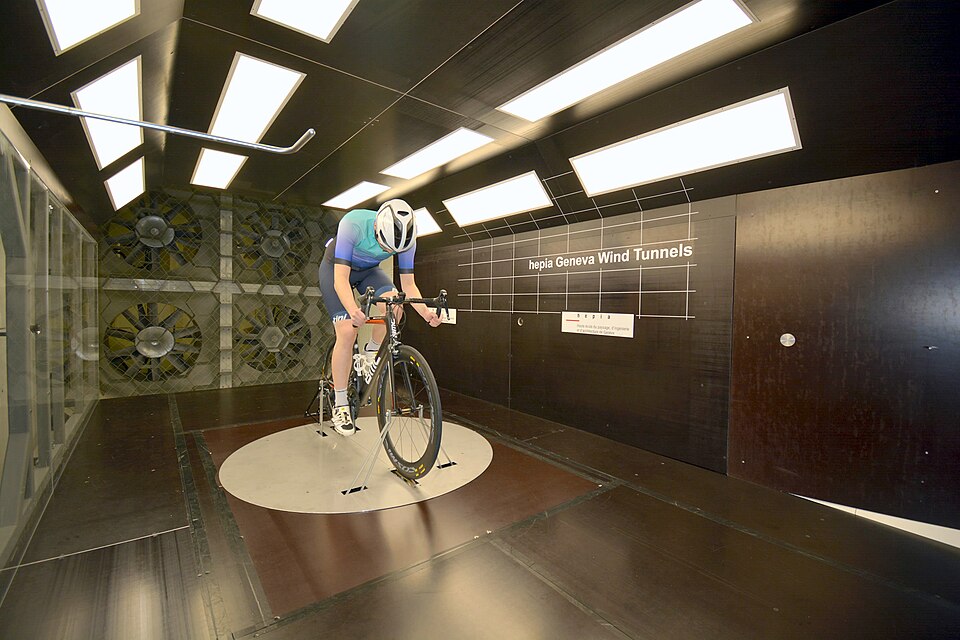
The rider accounts for approximately 80% of total aerodynamic drag on a road bike, according to research from Pushing Limits Club, SILCA, and YouTube cycling experts. This means that even the most expensive aerodynamic bike frame contributes relatively little to overall speed compared to how the rider positions their body. The remaining 20% of drag comes from the bike itself, including wheels, frame, and components. This 80/20 principle explains why professional cyclists spend countless hours perfecting their riding position in wind tunnels – small adjustments to body posture can yield massive speed gains. Understanding this fundamental concept helps cyclists prioritize their aerodynamic investments, focusing first on position before upgrading equipment.

Professional cyclists have demonstrated that position optimization can save over 60 watts at 40 km/h compared to a standard upright position. This energy saving translates directly to faster speeds or reduced effort for the same speed. The physics behind this is straightforward: reducing frontal area decreases the air resistance the rider must overcome. Every centimeter the rider can lower their body or narrow their shoulders reduces the power required to maintain speed. This is why time trial specialists appear almost flat on their bikes, with their backs nearly parallel to the ground and their arms extended forward. Beginners can benefit from following Essential Cycling Tips for Beginners Starting Their Journey to understand how to develop proper form from the start.

Key Position Strategies: Lowering and Narrowing

  • Lowered handlebars: Dropping the handlebar height reduces frontal area by allowing the rider to flatten their back and lower their head position. Research shows that lowering handlebars by just 2-3 cm can reduce drag by 3-5%, with diminishing returns beyond a certain point. The ideal drop depends on the rider’s flexibility and core strength – too low and the rider cannot maintain the position effectively.

  • Narrowed cockpit: Using narrower handlebars and bringing elbows closer to the body significantly reduces shoulder width and frontal area. Standard road handlebars are typically 42-44 cm wide, but many time trial bikes use bars as narrow as 36-38 cm. The reduction in frontal area can save 2-4 watts at racing speeds, with the added benefit of improved handling in crosswinds.

  • Flattened back position: Research shows tucking the back flat can reduce drag by up to 10% compared to a rounded spine position. This position requires significant core strength and flexibility, which is why many amateur riders struggle to maintain it. Professional cyclists often train specifically to improve their ability to hold an aero position for extended periods.

  • Horizontal forearms: EF Pro Cycling’s head of performance Peter Schep recommends keeping forearms parallel to the ground for optimal aerodynamic efficiency. This position reduces the frontal area presented to the wind and allows air to flow smoothly around the rider’s body. The exact angle may vary slightly based on individual anatomy and bike geometry.

  • Brake hoods position: Holding a tight position on brake hoods is often faster than riding in the drops, according to EF Pro Cycling testing. This finding surprised many cyclists who traditionally believed the drops offered the most aerodynamic position. The key is maintaining a compact, narrow position with elbows tucked and head low.

Equipment Choices That Maximize Aero Efficiency

Illustration: Equipment Choices That Maximize Aero Efficiency

Clip-On Aero Bars: 15+ Watt Savings on Long Rides

Clip-on aero bars represent one of the most cost-effective aerodynamic upgrades available to road cyclists. According to YouTube cycling experts, these bars can save over 15 watts for long, non-drafting rides. The savings become even more significant when considering real-world scenarios – for a 180-pound rider maintaining 180 watts, aero bars can save over 14 minutes on a 10-mile ride with an 18-mph headwind, based on SILCA’s testing data. This dramatic time saving occurs because aero bars allow riders to achieve a more aerodynamic position by extending their arms forward and lowering their torso. The investment in clip-on bars typically costs far less than deep-section wheels while providing comparable aerodynamic benefits, making them an excellent first upgrade for cyclists looking to improve their speed. Once you’ve optimized your position, you might want to explore Finding the Best Cycling Routes Near You: A Local Guide to test your new setup on different terrain — road cycling.

The effectiveness of clip-on bars depends on proper installation and adjustment. The bars should be positioned so the rider can maintain a comfortable, sustainable position without excessive strain on the neck, shoulders, or lower back. Many cyclists find that starting with a slightly higher position and gradually lowering it as their flexibility improves leads to better long-term results. The transition to using clip-on bars also requires practice to ensure safe handling, especially in group rides or technical terrain.

Deep-Section Wheels and Aero Helmets

  • Deep-section wheels (50-90mm): YouTube cycling channels consistently recommend wheels in this depth range for optimal drag reduction, with deeper front rims providing maximum impact on overall aerodynamics. The 50-90mm range represents the sweet spot where aerodynamic benefits are maximized while crosswind stability remains acceptable for most riders. Wheels deeper than 90mm can offer additional speed gains but may become problematic in gusty conditions.

  • Aero road helmets: Research shows aero helmets can save significant energy compared to traditional vented helmets, with some models reducing drag by up to 8-10 watts at racing speeds. The savings are most pronounced in time trials and solo efforts where the rider maintains a consistent position. However, the benefits are reduced in group riding or climbing where speeds are lower and ventilation becomes more important.

  • Crosswind stability: SILCA testing reveals that deep-section wheels can become unstable in strong crosswinds, requiring riders to balance aerodynamic benefits against handling considerations. The front wheel is particularly susceptible to crosswinds, which is why many professionals use slightly shallower front wheels than rear wheels. Riders should test their wheel choices in various wind conditions before committing to them for important events.

  • Front wheel priority: The front wheel contributes more to overall aerodynamic drag than the rear wheel, making it the priority for upgrade when budget is limited. This is because the front wheel is the first point of contact with the air and creates the initial disturbance that affects the entire bike’s aerodynamics. A deep-section front wheel paired with a standard rear wheel often provides better overall performance than two moderately deep wheels.

Balancing Aero Gains with Comfort and Sustainability

Illustration: Balancing Aero Gains with Comfort and Sustainability

Aggressive Position Only Works If Sustainable

An aggressive aero position provides no benefit if the rider cannot maintain it throughout their ride. SILCA’s research emphasizes that discomfort leads to increased drag as riders unconsciously shift positions to relieve pain or fatigue. The most aerodynamic position in the world becomes counterproductive if it causes the rider to tense up, move around, or eventually sit up to relieve discomfort. This principle explains why professional cyclists often appear less extreme in their positions than amateur riders – they’ve learned that sustainable speed beats maximum theoretical aerodynamics. The key is finding a position that balances aerodynamic efficiency with the ability to maintain power output and comfort over the duration of the ride.

Sustainability also involves the rider’s ability to produce power effectively in the aero position. Some riders experience a significant drop in power output when adopting an aggressive position, negating any aerodynamic benefits. Professional bike fitting can help identify the optimal balance between aerodynamics and power production for each individual rider. This often involves compromises, such as accepting slightly more drag in exchange for maintaining 10-15 watts more power output. Regular maintenance ensures your bike performs optimally in any position, which is why following a Complete Bike Maintenance Checklist Every Cyclist Should Follow is essential for serious riders.

Equipment and Fit for Long-Term Aero Performance

  • Narrower handlebars: Using narrower, shallow-drop handlebars or carbon bars leads to better, more comfortable, and faster positioning by reducing shoulder width and improving control. The transition to narrower bars should be gradual, as sudden changes can affect handling and comfort. Many riders find that 38-40 cm bars provide an excellent balance between aerodynamics and control, though individual preferences vary based on shoulder width and riding style.

  • Short-nosed saddles with cutouts: YouTube cycling experts recommend these designs for aggressive positions, as they improve comfort and blood flow when riding in low positions. Traditional saddles can cause pressure points and discomfort when the rider is in an extreme aero position, leading to reduced performance and potential injury. The cutout design helps distribute pressure more evenly and improves circulation during long rides.

  • Tight-fitting apparel: research, form-fitting clothing can reduce the remaining 20% of drag caused by the bike and equipment. Loose-fitting jerseys and shorts create additional turbulence and drag, particularly in windy conditions. Professional time trial suits are designed to be skin-tight with minimal seams and aerodynamic features like textured fabrics that help manage airflow. Even small details like tucking in jersey tails and using aero shoe covers can contribute to overall speed gains.

  • Aero hoods position: SILCA testing suggests that the “aero hoods” position can be faster, more stable, and more comfortable than traditional drops for many riders. This position involves holding the brake hoods with elbows tucked and forearms relatively horizontal, similar to the position used with clip-on bars. The advantage is that riders can easily access brakes and shifters while maintaining good aerodynamics, making it particularly useful for road racing where frequent position changes are necessary.

The most surprising finding from aerodynamic research is that the rider’s body position matters more than any equipment upgrade – yet most cyclists focus on buying faster wheels before perfecting their position. The single most effective action you can take right now is to get a professional bike fit that optimizes your position for both aerodynamics and comfort. This one step can save you more time than any equipment upgrade and will make every future investment in aerodynamic gear more effective.

Learn more about road cycling performance and how professional cyclists optimize their equipment for maximum efficiency.