


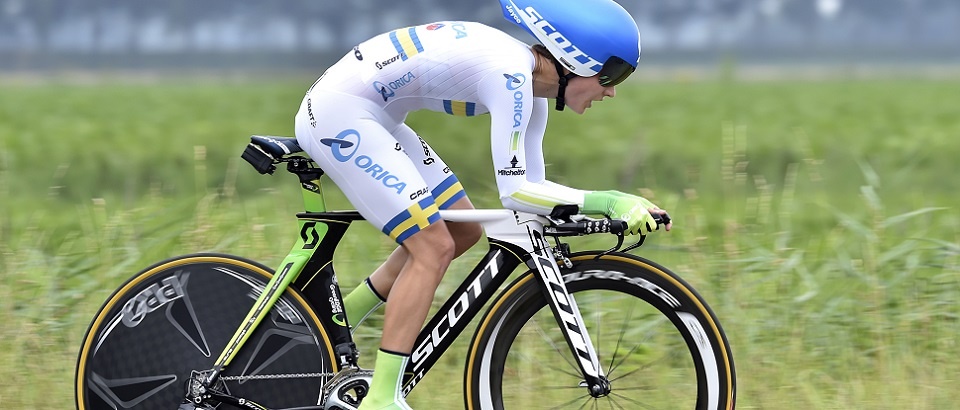




Finding the perfect tire pressure for competitive road cycling can mean the difference between winning and losing. The optimal PSI for racing conditions typically falls between 70-105 PSI, depending on tire width, rider weight, and course conditions. Professional cyclists spend considerable time fine-tuning their tire pressures, as even small adjustments can significantly impact rolling resistance, comfort, and cornering grip during high-stakes races.
Key Takeaway
-
Optimal racing PSI ranges from 70-105 PSI depending on tire width and rider weight
-
Wider tires (28mm+) allow lower pressures for better comfort and traction
-
Adjust pressure 5-10 PSI lower for wet conditions to improve grip
-
Always check tire sidewall and rim manufacturer pressure limits before racing
Optimal PSI Ranges for Competitive Road Racing

Front vs Rear Tire Pressure: 85-100 PSI Front, 90-105 PSI Rear
The front and rear tires on a racing bike serve different purposes, which is why they require different pressure settings. The front tire, operating at 85-100 PSI, needs to provide optimal rolling resistance while maintaining excellent cornering grip. This slightly lower pressure allows the front tire to deform more easily over road imperfections, improving comfort and control through turns. The rear tire runs at 90-105 PSI to support the rider’s weight and handle the additional forces from pedaling. This 5 PSI difference creates a balanced setup that improves handling and power transfer, allowing riders to maintain higher speeds through corners and on uneven surfaces. Professional mechanics often fine-tune these pressures based on course conditions, rider preferences, and specific race demands.
Rider Weight-Based Pressure Guidelines: 60-105 PSI by Weight Class
|
Rider Weight |
PSI Range |
Tire Width Recommendation |
Performance Impact |
|---|---|---|---|
|
<70kg (154lb) |
60-70 PSI |
25-28mm |
Maximum comfort, excellent traction |
|
70-80kg (154-176lb) |
70-85 PSI |
25-28mm |
Balanced performance, versatile setup |
|
80-90kg (176-198lb) |
80-95 PSI |
28-32mm |
Stability focus, reduced pinch flats |
|
>90kg (198lb+) |
90-105 PSI |
28-32mm |
Maximum support, puncture resistance |
These weight-based guidelines serve as starting points for race-day pressure settings. Heavier riders need higher pressures to prevent pinch flats and maintain proper tire shape under load. Lighter riders can run lower pressures for better comfort and traction without risking tire collapse. The relationship between rider weight and optimal pressure follows a logarithmic curve rather than a linear one, meaning the pressure difference between weight classes becomes more pronounced at higher weights. Professional teams often use pressure calculators that factor in rider weight, tire volume, and course characteristics to determine exact PSI settings for each race.
Key Factors Affecting Racing Tire Pressure

Tire Width Impact: Wider Tires Allow Lower, Faster Pressures
The evolution of tire technology has dramatically changed optimal pressure strategies for competitive cycling. Modern 28mm-32mm tires allow 10-15 PSI lower than traditional 23mm tires while maintaining similar or even better rolling resistance. This pressure reduction provides several performance benefits that directly impact race outcomes. Wider tires reduce vibration losses on real-world roads by deforming more easily over small imperfections, which means less energy is wasted bouncing the rider and bike up and down. The increased air volume in wider tires also provides better protection against pinch flats, allowing racers to run pressures that would be unsafe in narrower tires. Additionally, the larger contact patch created by lower pressure increases traction in corners and on wet surfaces, giving riders more confidence to push harder through technical sections. Professional teams have discovered that on most road surfaces, wider tires at lower pressures actually roll faster than narrow tires at high pressure due to reduced suspension losses.
Weather and Surface Conditions: Adjust 5-10 PSI for Race Day
Race-day conditions can vary dramatically, and tire pressure adjustments are crucial for maintaining optimal performance across different scenarios. In wet conditions, lowering pressure by 5-10 PSI significantly improves grip by increasing the tire’s contact patch and allowing the tread to conform better to the road surface. This adjustment also reduces the risk of hydroplaning on painted road markings and metal surfaces. For rough road races, lower pressure helps absorb vibrations that would otherwise fatigue the rider and reduce power output over long distances. The improved comfort allows racers to maintain their aerodynamic position longer without discomfort. On smooth criterium circuits, higher pressures in the 90-100+ PSI range provide snappier handling and quicker acceleration out of corners, which can be crucial for positioning in tight races. Time trial specialists often opt for the maximum safe pressure on smooth surfaces to minimize rolling resistance, while mountain road racers might choose slightly lower pressures to handle the inevitable rough sections. Temperature also affects tire pressure, with a general rule of thumb being that pressure increases by approximately 1 PSI for every 10°F rise in temperature.
Race-Day Tire Pressure Setup and Safety

Maximum Pressure Limits: Check Tire and Rim Specifications
Safety considerations must always take precedence over performance optimization when setting tire pressure. Every tire has a maximum pressure rating printed on its sidewall, and exceeding this limit can cause dangerous blowouts, particularly when tires heat up during long descents or on hot days. Modern wide rims often have minimum pressure recommendations that differ from older narrow designs, as the rim profile affects how the tire seats and performs at various pressures. Tubeless setups allow lower pressures without pinch flat risk, but still require adherence to manufacturer specifications. Professional mechanics use pressure gauges that measure to the nearest 0.5 PSI to ensure precise settings, and they check pressures multiple times throughout race day as temperatures change. The relationship between rim width and optimal tire pressure has become increasingly important as wheel technology has evolved, with wider internal rim widths generally supporting lower pressures better than narrow ones. Always verify that your tire and rim combination is rated for your intended pressure range before race day.
Tire Construction: Pressure Capabilities for Racing
The construction of racing tires significantly influences their optimal pressure range and performance characteristics. High-performance racing tires feature delicate, finely constructed carcasses with thin sidewalls and supple casings that respond differently to pressure than training tires. The material composition, thread count, and layering all affect how the tire performs at various pressures. Racing tires typically use higher thread count casings (300+ TPI) that provide a more comfortable ride at lower pressures compared to training tires with lower thread counts. Tubeless racing tires can run 10-15 PSI lower than comparable clincher tires while maintaining similar puncture resistance, thanks to the absence of inner tubes that can be pinched between the tire and rim. The tread pattern and rubber compound also influence pressure optimization, with some designs specifically engineered for particular pressure ranges. For example, tires with harder center treads might perform better at slightly higher pressures, while those with softer compounds can maintain grip at lower pressures. Professional teams often test multiple tire constructions at different pressures to find the optimal combination for each specific race course and condition.
The most surprising finding in modern tire pressure research is that wider tires at lower pressures can actually be faster than narrow tires at high pressure on most real-world road surfaces. The reduced vibration losses and improved traction more than compensate for the slightly larger contact patch. Professional teams have documented time savings of 30-60 seconds over 40km time trial courses when switching from 23mm tires at 100+ PSI to 28mm tires at 75-80 PSI. For your next race, start with the recommended pressure for your weight and tire width, then adjust 2-3 PSI up or down based on how the course feels during your pre-race ride. This small change can make a significant difference in your final time and comfort level during competition. Always remember that the perfect pressure for one rider might not work for another, even on the same course, due to differences in riding style, weight distribution, and personal preference.