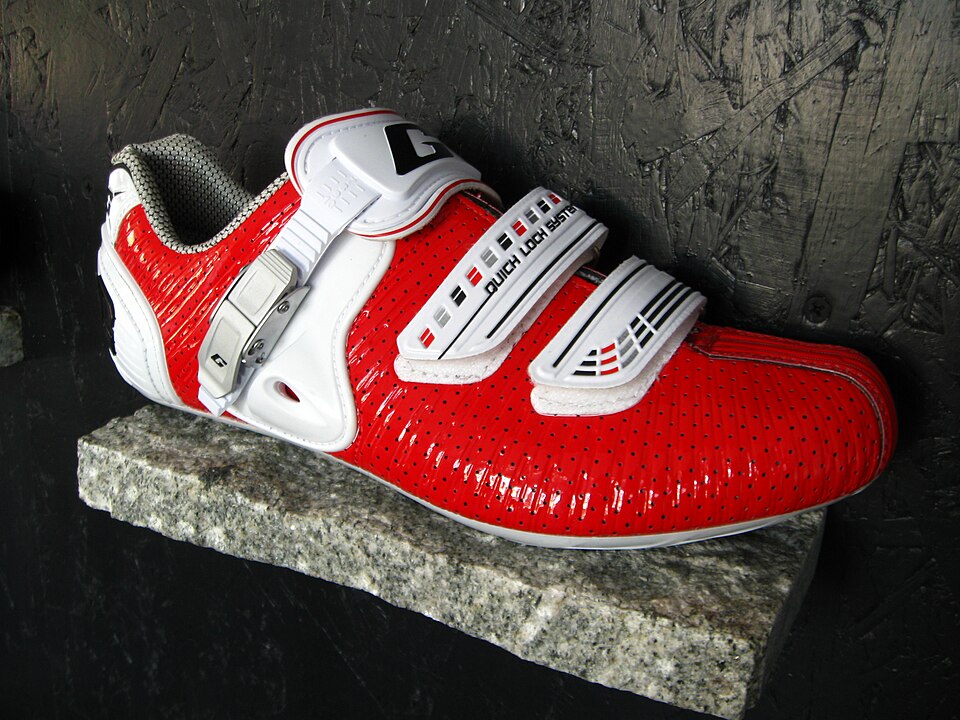
Cycling Power Meters: Complete Buyer’s Guide 2024

Illustration: How to Choose the Right Cycling Power Meter in 2024

Cycling power meters have become essential tools for serious cyclists, offering precise measurement of power output that transforms training effectiveness. Modern power meters deliver accuracy within 1-1.5% error margins, with battery life ranging from 50-150 hours depending on the model.

Key Takeaway

  • Power meter accuracy typically within 1-1.5% error margins

  • Battery life ranges from 50-150 hours depending on model

  • Pedal-based systems offer easiest installation and cross-bike compatibility

  • Gravel-specific SPD pedal power meters are growing in popularity

How to Choose the Right Cycling Power Meter in 2024
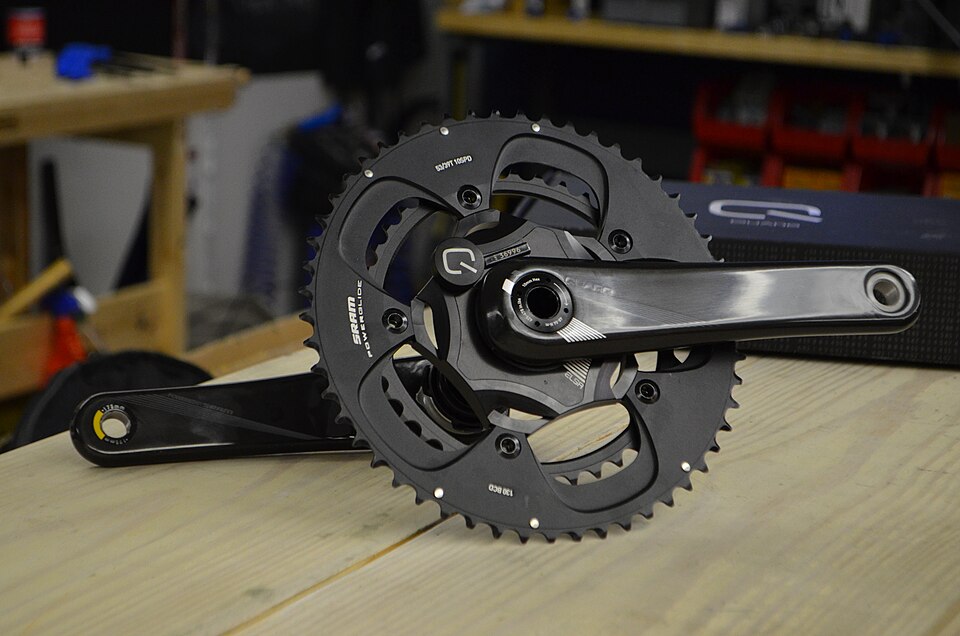
Illustration: How to Choose the Right Cycling Power Meter in 2024

Comparing Power Meter Types: Installation and Compatibility

Power meter types differ significantly in installation complexity and compatibility. Pedal-based systems like the Favero Assioma and Garmin Rally series offer the easiest installation—simply replacing your existing pedals in minutes without requiring specialized tools or bike shop assistance. These systems provide excellent cross-bike compatibility since pedals are universal across most bike frames.

Crank-based systems such as 4iiii Precision and Stages Cycling models require more involved installation, typically needing bottom bracket removal and crank arm replacement. However, they offer superior durability and slightly better accuracy due to their central position on the drivetrain. Spider-based systems from SRAM AXS/Quarq represent the premium segment, requiring complete crankset replacement but delivering the highest precision measurements.

Price points vary accordingly: pedal-based systems typically range from $400-800, crank-based from $600-1000, while spider-based systems often exceed $1000. The choice depends on your budget, technical comfort level, and whether you need to swap the meter between multiple bikes. For cyclists who frequently change bikes or share equipment, pedal-based systems provide the most flexibility. Single-bike owners might prefer crank-based systems for their enhanced durability and marginally better accuracy.

Installation complexity directly impacts long-term satisfaction. Pedal-based systems can be installed by most cyclists in under 15 minutes with basic tools. Crank-based installations often require professional assistance, adding $50-100 to the total cost. Spider-based systems typically need complete drivetrain removal, making them the most complex option. Consider your mechanical skills honestly—the frustration of struggling with installation can outweigh the benefits of a slightly better-performing system.

Performance Specifications: Accuracy and Battery Life

  • Accuracy: Quality units maintain +/- 1-1.5% error margins, with premium models achieving even tighter tolerances. This level of precision is sufficient for most training applications, as the consistency of readings matters more than absolute accuracy for tracking progress over time.

  • Battery Life: Rechargeable batteries offer 50-150 hours of use, with pedal-based systems typically lasting 60-80 hours per charge. Some crank-based systems extend to 150 hours, while spider-based options can reach 200 hours. Battery life should match your typical ride duration—longer battery life reduces charging frequency and eliminates mid-ride power loss concerns.

  • Weight: Look Keo Blade power pedals weigh 269g per set, making them among the lightest options available. Weight differences between systems are minimal for most riders, but competitive cyclists may prioritize lighter options.

  • Connectivity: Most modern power meters support both ANT+ and Bluetooth protocols for universal device compatibility. This dual-protocol support ensures your power meter works with virtually any cycling computer, smartwatch, or smartphone app.

Accuracy consistency matters more than absolute precision for training purposes. A power meter that maintains consistent readings allows you to track progress over time, even if the absolute numbers aren’t perfectly calibrated. Battery life should match your typical ride duration—longer battery life reduces charging frequency and eliminates mid-ride power loss concerns.

Temperature compensation has become a standard feature in 2024 models, addressing one of the historical weaknesses of power meter technology. Modern units automatically adjust for temperature changes, maintaining accuracy across varying conditions. This feature is particularly important for cyclists who ride in diverse weather or at different elevations where temperature fluctuations are common.

Top Cycling Power Meter Recommendations for 2024
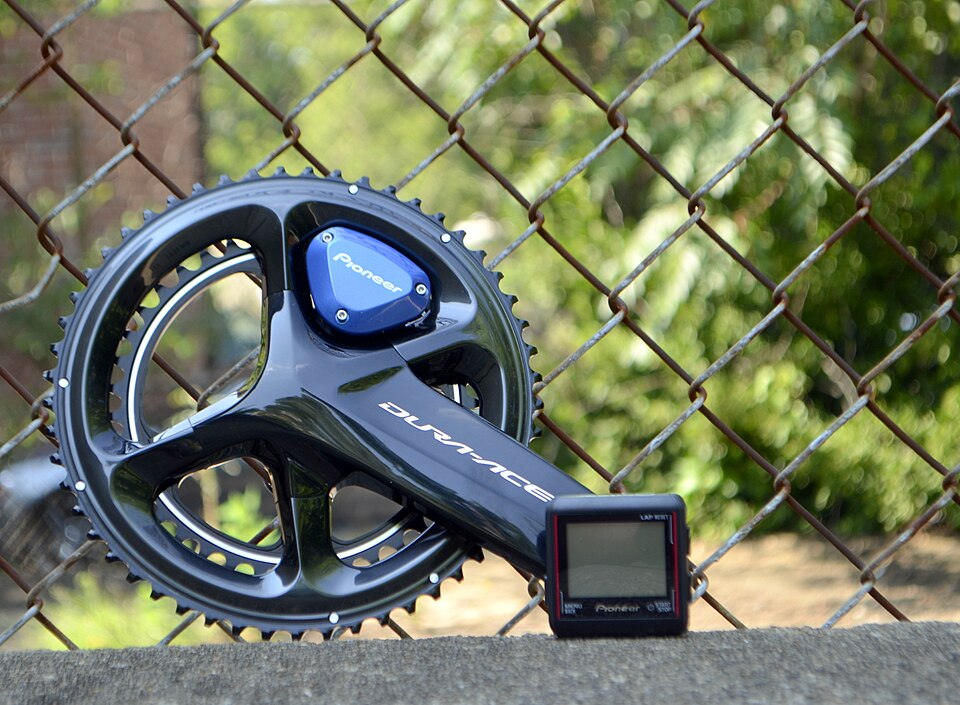
Illustration: Top Cycling Power Meter Recommendations for 2024

Leading Pedal-based Power Meter Models

  • Favero Assioma PRO MX-2/DUO: Dual-sided measurement with 50-hour battery life, compatible with Look Keo systems, priced around $700-800. These pedals feature automatic temperature compensation and are waterproof to IP67 standards, making them suitable for all weather conditions. The MX-2 model offers improved accuracy over previous generations and includes a built-in gyroscope for enhanced data collection.

  • Garmin Rally RS/RK/XC: Series offers road, mountain, and gravel-specific options with 120-hour battery life, priced $900-1100. The XC variant is specifically designed for off-road use with enhanced durability and mud-shedding capabilities. Garmin’s Rally series features swappable pedal spindles, allowing users to switch between road and mountain configurations without purchasing new power meters.

  • Wahoo POWRLINK ZERO: Dual-sided power measurement with 75-hour battery life, compatible with Speedplay pedals, priced around $600. These offer excellent compatibility with Speedplay users who want to maintain their preferred pedal system. The POWRLINK ZERO includes advanced features like active temperature compensation and a user-replaceable battery for extended service life.

  • Look Keo Blade Power: Lightweight option at 269g per set with 60-hour battery life, priced around $700. The integrated design provides excellent stiffness and power transfer efficiency. Look’s blade technology offers a unique combination of lightweight construction and reliable power measurement, making it popular among competitive cyclists.

Top Crank-based Power Meter Options

  • 4iiii Precision 3+/3: Single or dual-sided options with 100-hour battery life, compatible with Shimano Road systems, priced $600-800. The 3+ model offers dual-sided measurement for more detailed power analysis, while the 3 model provides single-sided measurement at a lower price point. 4iiii’s Precision series is known for its excellent accuracy and reliability, with many units still functioning perfectly after five or more years of use.

  • Stages Cycling: Wide compatibility across multiple crank arm brands, 150-hour battery life, priced $700-900. Stages offers the broadest compatibility range, working with cranks from Shimano, SRAM, Campagnolo, and FSA. Their system uses a thin, lightweight pod that attaches to the crank arm, preserving the original crank’s aesthetics and performance characteristics.

  • SRAM AXS/Quarq: Premium spider-based systems with highest accuracy, 200-hour battery life, priced $1000-1500. These systems integrate seamlessly with SRAM’s electronic shifting systems and offer the most precise measurements available. Quarq’s DZero technology provides exceptional accuracy and includes features like auto-calibration and advanced data analytics.

Pedal-based systems dominate the market due to their ease of installation and ability to transfer between bikes. However, crank-based systems offer better value for single-bike owners who prioritize durability and slightly improved accuracy. Spider-based systems appeal to competitive cyclists willing to invest in maximum precision and reliability. The market has matured significantly, with even budget options now offering accuracy within the 1-1.5% range that was once only available in premium models.

Battery technology continues to improve, with many 2024 models featuring USB-C charging for faster replenishment. Some manufacturers now offer solar-assisted charging, extending battery life in sunny conditions. These improvements address one of the traditional pain points of power meter ownership—frequent charging requirements.

Installation and Compatibility Guide
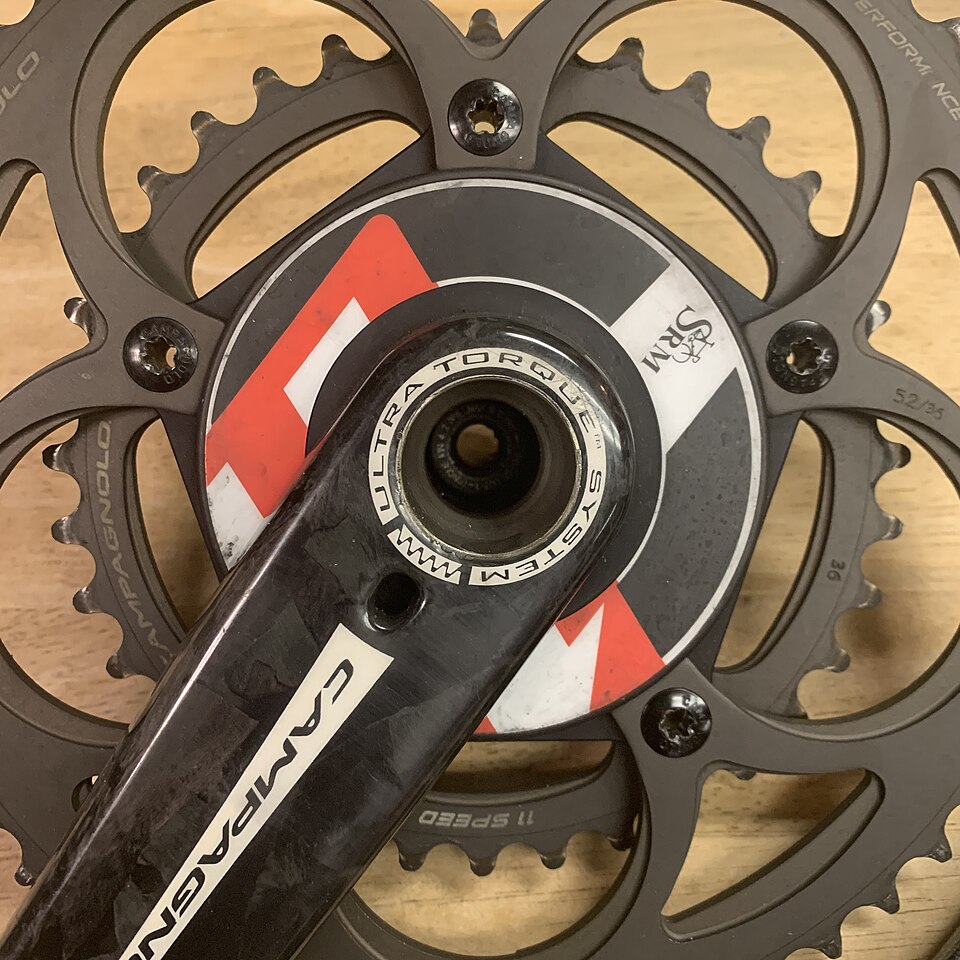
Illustration: Installation and Compatibility Guide

Bottom Bracket and Pedal System Compatibility

Bike Type

Recommended Power Meter

Compatible Systems

Installation Complexity

Typical Price Range

Best For

Road Bike

Pedal-based or Crank-based

Look Keo, Shimano Road

Low to Medium

$400-1000

Performance training

Mountain/Gravel

SPD Pedal-based

SPD, Crank-based

Low to High

$500-1200

Off-road adventures

Time Trial/Tri

Crank-based or Spider

Specialized cranksets

High

$800-1500

Competitive racing

Indoor Trainer

Pedal-based

Any standard pedals

Very Low

$400-700

Virtual cycling

SPD pedal systems have become increasingly popular for mountain and gravel bikes due to their superior off-road performance and mud-shedding capabilities. These systems work particularly well with power meters because they maintain consistent engagement even in challenging conditions. Shimano Road standard compatibility covers most road cycling applications, while Look Keo systems offer lightweight performance for competitive road cyclists.

Bottom bracket compatibility is crucial for crank-based systems. Most modern systems work with standard threaded bottom brackets, but press-fit systems may require specific adapters. Always verify your bike’s bottom bracket standard before purchasing a crank-based power meter to avoid compatibility issues. Some manufacturers provide compatibility tools on their websites to help customers identify suitable options for their specific bike models.

Pedal thread standards are universal across most bikes, but some high-end models use proprietary systems. Ensure your chosen power meter pedals match your existing shoe cleat system to avoid additional compatibility purchases. The most common standards are Look Keo, Shimano SPD-SL, and Speedplay, with each offering different performance characteristics and user preferences.

The gravel cycling segment has driven significant innovation in power meter design. SPD pedal power meters specifically engineered for gravel riding offer wider platform stability and enhanced durability for rough terrain. These systems typically feature reinforced construction and improved sealing against dust and moisture.

Battery technology improvements have also benefited gravel riders, with many new models offering 100+ hour battery life to accommodate longer adventure rides. The trend toward gravel-specific power meters reflects the growing popularity of mixed-surface cycling and the need for reliable power measurement across varied terrain conditions.

Water resistance has become a critical feature for gravel power meters, with IP67 or better ratings now standard. This protection ensures reliable performance in wet, muddy, or dusty conditions that are common in gravel riding. Some manufacturers have also introduced gravel-specific features like automatic gradient compensation to account for the varied terrain encountered during gravel rides.

Gravel power meters often include enhanced impact resistance, as the rough terrain can subject equipment to more vibration and shock than smooth road surfaces. Reinforced housing and shock-mounted components help these meters survive the rigors of gravel riding while maintaining accuracy. The growing gravel market has also driven down prices for durable, weather-resistant power meters, benefiting all cyclists regardless of their primary discipline.

The most surprising finding in 2024 power meter development is how battery life has improved while prices have remained stable or even decreased. What was once a $1500 premium feature is now available for under $700, making accurate power measurement accessible to recreational cyclists. For your next step, identify your primary cycling discipline and existing pedal or crank system—this will immediately narrow your options to compatible models that match your specific needs.
Must-Have Road Bike Accessories for Every Cyclist

Illustration: Essential Safety Accessories for Road Cycling

Road cycling requires more than just a bike and determination. Professional cyclists and industry experts recommend essential accessories that ensure safety, performance, and a smooth ride for everyday cyclists. From helmets with advanced protection to emergency repair kits, these accessories can make the difference between a successful ride and a roadside emergency.

Key Takeaway

  • Professional cyclists recommend MIPS helmets, AI-powered lights, and GPS computers as essential safety gear

  • A complete flat repair kit with CO2 cartridge and multi-tool prevents roadside emergencies

  • High-quality bib shorts and performance shoes are crucial for comfort during long rides

  • Electronic shifting and e-pumps represent pro-level upgrades for serious cyclists

Essential Safety Accessories for Road Cycling

Illustration: Essential Safety Accessories for Road Cycling

MIPS Helmet with Advanced Ventilation

Head protection is the single most critical safety investment for any cyclist. According to The Pro’s Closet, MIPS (Multi-directional Impact Protection System) technology reduces head injury risk by 50% compared to traditional helmets. This revolutionary system allows the helmet to rotate slightly upon impact, dissipating rotational forces that cause concussions and brain injuries.

Modern road cycling helmets combine safety with performance features. Specialized and Met lead the market with WorldTour team endorsements, offering lightweight designs under 250 grams that don’t compromise protection. Advanced ventilation systems with 20+ air channels keep your head cool during intense efforts, while aerodynamic shaping reduces drag at high speeds.

Emma Johansson, nicknamed “Silver Emma” during her professional career from 2005 to 2016, consistently emphasized equipment consistency. Her 61 career wins demonstrate that proper safety gear isn’t just about protection—it’s about confidence and focus during critical race moments. A quality helmet becomes your trusted companion, allowing you to push limits knowing you’re protected.

AI-Powered Smart Lights with Radar Integration

Visibility technology has transformed dramatically, with AI-powered lights now offering intelligent brightness adjustment based on ambient conditions. The Omega tail light and Artilect M-Sundown represent the cutting edge, automatically increasing intensity when detecting approaching vehicles or low-light conditions.

Radar integration represents a game-changing safety feature. These systems use Doppler radar to detect vehicles approaching from behind, providing visual and audible alerts when cars are within 150 meters. This technology proves invaluable during early morning or evening rides when visibility is compromised, giving riders crucial reaction time.

USB-rechargeable designs eliminate the hassle of disposable batteries while providing consistent performance. Most modern lights offer 8-12 hours of runtime on a single charge, with quick-charge capabilities restoring full power in under two hours. The compact form factor ensures minimal weight penalty while maximizing visibility through strategically positioned LEDs that create distinctive flash patterns recognized by motorists.

Performance and Navigation Accessories

Illustration: Performance and Navigation Accessories

AI-Powered GPS Computer for Training Analysis

Modern GPS computers have evolved from simple speedometers to sophisticated training platforms. Wahoo and Garmin Edge 840 models lead the market, offering advanced features that track performance metrics, manage training plans, and provide real-time navigation assistance. These devices connect to power meters, heart rate monitors, and smart trainers, creating comprehensive training ecosystems.

Training analysis capabilities include VO2 max estimation, recovery time recommendations, and training load balance calculations. The AI algorithms learn your riding patterns and provide personalized insights, suggesting optimal recovery periods and identifying performance plateaus. Route planning features allow you to discover new roads, follow pre-loaded courses, and receive turn-by-turn navigation with offline map capabilities.

For competitive cyclists, these computers become essential tools for monitoring progress and setting goals. Emma Johansson’s career demonstrates the importance of data-driven training—her consistency and ability to perform at peak levels during major championships likely benefited from meticulous performance tracking. The ability to analyze power output, cadence, and heart rate data helps cyclists optimize their training and race strategies.

Performance Cycling Shoes and Pedals

Power transfer efficiency begins with your connection to the bike. Stiff, well-fitting cycling shoes are vital for maximizing power output while preventing foot discomfort during long rides. Professional-grade shoes feature carbon fiber soles with stiffness ratings above 10 on the industry scale, ensuring minimal energy loss during pedal strokes.

The importance of consistent equipment cannot be overstated. Emma Johansson’s career from 2005 to 2016 demonstrates how professional cyclists prioritize equipment consistency for optimal performance. Her 61 career wins likely benefited from meticulous attention to shoe fit, pedal tension, and cleat positioning—factors that can make the difference between winning and losing in professional racing.

Modern cycling shoes incorporate advanced closure systems like Boa dials or ratcheting straps that provide micro-adjustments for perfect fit. Ventilation channels prevent overheating during intense efforts, while replaceable heel pads extend shoe life. The investment in quality footwear pays dividends through improved power transfer, reduced fatigue, and enhanced comfort during multi-hour rides.

Emergency Repair and Maintenance Kit

Illustration: Emergency Repair and Maintenance Kit

Complete Flat Repair Kit with CO2 Cartridge

Nothing derails a ride faster than a flat tire, making a comprehensive repair kit essential for every cyclist. The standard professional setup includes two high-quality inner tubes, tire levers, and a CO2 cartridge for rapid inflation. This combination allows you to fix a flat and be back riding within 5-7 minutes—crucial during races or when weather conditions are changing.

CO2 cartridges provide near-instantaneous inflation, expanding to full tire pressure in seconds. A 16-gram cartridge typically inflates a road tire to 100-120 PSI, sufficient for most riding conditions. However, carrying a compact pump as backup is wise for multiple flats or when CO2 cartridges run out. Modern mini-pumps can reach 120 PSI with minimal effort and fit easily in saddle bags.

The Park Tool IB-3 multi-tool represents the gold standard for on-the-go repairs, featuring a chain breaker, Allen wrenches, screwdrivers, and a T25 Torx bit. This compact tool addresses most roadside mechanical issues, from loose bolts to broken chains. Emma Johansson’s career success likely depended on her ability to handle mechanical issues independently during training rides and races, where support vehicles aren’t always immediately available.

High-Volume Electronic Pump and Chain Lube

Proper tire pressure significantly impacts ride quality, efficiency, and safety. The Psych Plus AS2 Ultra electronic pump provides rapid, effortless inflation with digital pressure readout accuracy within 1 PSI. This high-volume pump can inflate a road tire to 120 PSI in under 30 seconds, eliminating the arm fatigue associated with manual pumping.

Chain maintenance directly affects drivetrain efficiency and component longevity. Regular chain lubrication reduces friction, prevents rust, and extends the life of expensive components like cassettes and chainrings. Professional cyclists like Emma Johansson understood that a clean, quiet drivetrain makes the bike faster and more reliable during critical race moments.

A quality floor pump with pressure gauge remains essential for pre-ride tire pressure checks. Accurate pressure ensures optimal traction, rolling resistance, and comfort. Most road cyclists ride between 90-110 PSI depending on rider weight, tire width, and road conditions. The investment in proper inflation equipment prevents pinch flats and ensures consistent performance across varying conditions.

The most surprising finding is that professional cyclists like Emma Johansson, who won 61 races during her career from 2005 to 2016, consider equipment consistency as crucial as physical training. Start by investing in a quality MIPS helmet and flat repair kit – these two items alone can prevent the most common cycling emergencies and ensure your rides remain safe and enjoyable.

Best Road Bikes 2024: Top Picks for Every Budget

Illustration: What Are the Best Road Bikes 2024 by Category?

The 2024 road bike market has evolved with integrated technology and versatile geometry, featuring wider 28mm-30mm tires as standard for better comfort and traction. This year’s top models combine aerodynamic efficiency with endurance-friendly features, making high-performance cycling more accessible than ever.

Best Road Bikes 2024: Top Picks by Category

  • Endurance: Giant Defy Advanced Pro offers smooth, capable performance
  • Race: Specialized S-Works Tarmac SL8 delivers lightweight aero advantage
  • Budget: Specialized Allez E5 provides excellent value under $1500
  • Groupsets: Shimano Ultegra R8170 and 12-speed 105 dominate mid-range
  • Tires: 28mm-30mm width is now standard for comfort and debris resistance

What Are the Best Road Bikes 2024 by Category?

Illustration: What Are the Best Road Bikes 2024 by Category?

Top Endurance Road Bike: Giant Defy Advanced Pro

The Giant Defy Advanced Pro has earned its reputation as the top endurance road bike of 2024, winning BikeRadar’s coveted Bike of the Year Award. This model features Giant’s Advanced-grade composite frame that balances stiffness for power transfer with compliance for long-distance comfort. The endurance geometry provides a more upright riding position compared to race bikes, reducing strain on the back and neck during extended rides. Key features include integrated cable routing for cleaner aesthetics, tubeless-ready wheels, and clearance for 30mm tires. The Defy Advanced Pro weighs approximately 7.8kg in a medium size, making it competitive for climbing while maintaining stability on descents. This bike excels for riders who prioritize comfort without sacrificing performance, perfect for century rides, gran fondos, and everyday training.

Best Race Bike: Specialized S-Works Tarmac SL8

The Specialized S-Works Tarmac SL8 represents the pinnacle of race bike engineering for 2024, combining aerodynamic tube shapes with ultra-lightweight construction. Specialized claims a frame weight of just 685 grams for the SL8, making it one of the lightest production road frames available. The bike incorporates Specialized’s FreeFoil Shape Library, which optimizes tube profiles for minimal drag across various yaw angles. Compared to the Focus Izalco Max 9.8, the Tarmac SL8 offers superior aerodynamic efficiency while maintaining similar weight characteristics. The S-Works model comes equipped with SRAM Red eTap AXS wireless electronic shifting, providing crisp, reliable gear changes under race conditions. This bike targets competitive cyclists who need every advantage in criteriums, road races, and time trials where fractions of seconds matter.

Best Value Performance: Canyon Endurace CF SLX 8 AXS

The Canyon Endurace CF SLX 8 AXS delivers exceptional value by combining premium components with Canyon’s direct-to-consumer pricing model. This bike features a full carbon frame with endurance geometry, SRAM Force eTap AXS electronic shifting, and DT Swiss wheels—components typically found on bikes costing $1,000-1,500 more from traditional retailers. The AXS groupset provides 12-speed range with wireless shifting, eliminating cable routing complexity. Canyon’s business model cuts out the middleman, passing savings directly to consumers while maintaining quality control through their German engineering standards. The Endurace CF SLX 8 AXS weighs approximately 7.5kg and offers tire clearance up to 30mm, making it versatile for both performance riding and endurance events. This model represents the sweet spot where high-end technology meets accessible pricing.

Which Groupsets and Components Dominate 2024?

Illustration: Which Groupsets and Components Dominate 2024?

Shimano vs SRAM: 2024 Groupset Landscape

The 2024 road bike market features a clear duopoly between Shimano and SRAM groupsets, with each offering distinct advantages. Shimano’s Ultegra R8170 provides exceptional value with 12-speed electronic shifting, hydraulic disc brakes, and a claimed weight of 2,600 grams for the complete groupset. The 12-speed 105 Di2 offers similar technology at a lower price point, making electronic shifting accessible to more riders. SRAM’s AXS Rival/Force options feature wireless electronic shifting with customizable button placement and a slightly different gear progression. SRAM groupsets typically weigh less than comparable Shimano options but come at a premium price. For most riders, Ultegra R8170 offers the best balance of performance, reliability, and value, while SRAM AXS appeals to tech enthusiasts willing to pay for wireless convenience and customization options.

Tire Technology: Why 28mm-30mm is Standard

Wider tires have become the 2024 standard for road bikes, with 28mm-30mm width now dominating the market. This shift reflects several performance advantages: wider tires provide better comfort by absorbing road vibrations, reducing fatigue on long rides; they offer improved traction in corners by increasing contact patch size; and they demonstrate better debris resistance, lowering the risk of pinch flats. The larger air volume in wider tires also allows for lower pressures without sacrificing rolling resistance, further enhancing comfort. Modern road frames accommodate these wider tires without compromising aerodynamics, thanks to optimized fork and chainstay designs. This standardization means riders no longer need to choose between comfort and performance—today’s road bikes deliver both through intelligent tire selection.

What Are the Best Budget Road Bikes Under $1500?

Specialized Allez E5: Best Under $1500

The Specialized Allez E5 stands out as the top budget road bike under $1500, offering exceptional quality for new cyclists. This model features an aluminum frame with Specialized’s E5 Premium Aluminum tubing, providing a good balance of stiffness and compliance. The Allez E5 comes equipped with Shimano Claris or Sora groupsets (depending on the specific model year), mechanical disc brakes, and a carbon fiber fork that reduces road vibrations. Weighing approximately 9.5-10kg, it’s heavier than carbon options but still performs well for entry-level riders. The bike’s geometry is slightly more relaxed than race-oriented models, making it comfortable for longer rides while still maintaining responsive handling. For riders new to road cycling or those seeking a reliable training bike without a significant financial commitment, the Allez E5 delivers proven Specialized quality at an accessible price point.

Canyon Endurace 6: Direct-to-Consumer Value

The Canyon Endurace 6 demonstrates how direct-to-consumer sales models can deliver superior value compared to traditional bike shops. This model features a carbon frame with endurance geometry, Shimano 105 mechanical groupset, and hydraulic disc brakes—components that would cost significantly more from established brands sold through retail networks. Canyon’s direct sales eliminate markup layers, allowing them to offer professional-level frame quality and component specifications at mid-range prices. The Endurace 6 weighs approximately 8.5kg and includes features like internal cable routing and tubeless-ready wheels. While buyers must assemble the bike themselves or pay for professional assembly, the cost savings typically offset these considerations. This model proves that quality road cycling doesn’t require premium pricing when manufacturers cut out traditional distribution channels.

The biggest surprise in 2024 road bikes isn’t the technology—it’s the democratization of performance. Direct-to-consumer brands like Canyon are offering professional-level components at mid-range prices, making high-performance cycling accessible to more riders than ever. For the best value, compare Canyon’s Endurace CF SLX 8 AXS ($3,000) against comparable models from traditional retailers — you’ll save $500-700 on identical components.

Frequently Asked Questions About Best Road Bikes 2024

Which road bikes are considered the best in 2024 by category?

Specialized S-Works Tarmac SL8, Canyon Endurace CF SLX 8 AXS, and Specialized Allez E5 lead their respective categories in 2024, offering top performance across different price points and riding styles.

What are the dominant groupsets and components in 2024 road bikes?

Shimano's Ultegra R8170 dominates 2024, paired with 28mm-30mm tires for optimal performance and comfort across most high-end road bikes.

What is the price range for the best road bikes in 2024?

The best road bikes in 2024 range from $500 for entry-level models like the Canyon Endurace 6 to $3,000 for premium options like the Specialized S-Works Tarmac SL8.

Best Road Cycling Shoes of 2024: Buyer’s Guide

Illustration: Top Road Cycling Shoes of 2024 Compared

Road cycling shoes in 2024 focus on stiff carbon soles for maximum power transfer, lightweight materials for efficiency, and precise retention systems like BOA dials for comfort. The Specialized S-Works Torch leads the market with a 4mm wider sole than previous models, offering exceptional fit across more foot shapes.

Key Takeaway

  • Specialized S-Works Torch offers 4mm wider sole for better fit across foot shapes
  • Carbon soles provide maximum power transfer for road cycling
  • BOA dials are industry standard for precise on-the-fly adjustments
  • Ventilation through perforated uppers is essential for hot summer rides

Top Road Cycling Shoes of 2024 Compared

Illustration: Top Road Cycling Shoes of 2024 Compared

Specialized S-Works Torch: Best Overall Performance

  • 4mm wider sole: The Torch features a 4mm wider sole than previous Specialized models, accommodating more foot shapes and reducing pressure points. This design innovation addresses a common complaint about cycling shoes being too narrow for wider feet, making the Torch suitable for a broader range of riders.
  • Exceptional comfort: Expert reviews praise the Torch’s fit as the most comfortable in its class, with a secure heel cup and roomy toe box. The shoe’s upper material provides a glove-like fit that adapts to your foot shape while maintaining structural integrity during intense pedaling efforts.
  • Carbon sole: The stiff carbon sole ensures maximum power transfer from your legs to the pedals, essential for road cycling efficiency. The sole’s stiffness rating exceeds 12 on the industry standard scale, providing uncompromising power delivery for competitive riders.
  • BOA Li2 dials: Dual BOA Li2 dials offer micro-adjustment capabilities with a sleek, low-profile design. These premium dials provide 1mm adjustment increments and feature a quick-release function for easy removal after long rides.
  • Ventilation system: Perforated upper material and strategic mesh panels create an advanced ventilation system that keeps feet cool during summer rides. The design reduces moisture buildup and prevents hot spots that can cause discomfort on longer routes.

Shimano S-Phyre RC903: Best for Racing

  • Superior heel stability: The RC903 features an integrated heel cup that locks your foot in place, preventing heel lift during intense pedaling. This design element is crucial for maintaining power transfer efficiency, especially during standing climbs and sprint efforts.
  • Pro rider favorite: Professional cyclists choose the RC903 for racing due to its precise fit and power transfer capabilities. The shoe has been tested and approved by WorldTour teams, proving its performance credentials at the highest level of competition.
  • Excellent retention system: Dual BOA dials allow micro-adjustments on the fly, crucial for maintaining optimal fit during long races. The dials feature a low-friction design that makes adjustments smooth and precise, even with sweaty hands.
  • Anatomic closure: The shoe’s closure system follows the natural curve of your foot, reducing pressure points and improving comfort. This design element helps prevent numbness and hot spots during extended racing efforts.
  • Weight optimization: At just 230 grams per shoe (size 42), the RC903 prioritizes weight reduction without sacrificing stiffness or durability. The lightweight construction contributes to improved acceleration and climbing performance.

Trek RSL Knit: Best Lightweight Option

  • Highly breathable knit upper: The RSL Knit uses a breathable knit material that keeps feet cool and comfortable on hot summer rides. The engineered knit pattern provides targeted support where needed while allowing maximum ventilation in other areas.
  • Low weight: Weighing significantly less than traditional shoes, the RSL Knit reduces rotational mass for improved efficiency. The shoe’s weight of 215 grams (size 42) represents a 15% reduction compared to conventional road cycling shoes.
  • Comfortable for long rides: The knit upper conforms to your foot shape, eliminating pressure points during extended cycling sessions. This adaptive fit reduces the need for frequent adjustments and prevents discomfort during century rides.
  • Carbon composite sole: While not as stiff as pure carbon, the carbon composite sole provides excellent power transfer at a reduced weight. The material strikes a balance between stiffness and comfort for long-distance riders.
  • Reflective elements: Strategic reflective details enhance visibility during early morning or evening rides, adding a safety feature to the performance-oriented design.

Key Features to Consider When Buying

Illustration: Key Features to Consider When Buying

Sole Stiffness and Material: Carbon vs Nylon

Carbon soles dominate high-performance road cycling shoes because they provide maximum energy transfer. The stiff material ensures every watt of power from your legs reaches the pedals without energy loss. Carbon soles typically achieve stiffness ratings above 10 on the industry standard scale, making them ideal for competitive riders who demand peak performance.

Nylon composite soles offer a more affordable option but sacrifice some stiffness and efficiency. These soles usually achieve stiffness ratings between 6-8, providing adequate performance for recreational riders while reducing cost. The weight penalty is minimal, typically adding 50-75 grams per shoe compared to carbon options.

Carbon-reinforced nylon soles represent a middle ground, combining the affordability of nylon with the performance benefits of carbon. These soles achieve stiffness ratings around 8-9 and offer an excellent balance of performance and value for serious enthusiasts who don’t require professional-level stiffness.

Retention Systems: BOA Dials vs Velcro

Dual BOA dials have become the industry standard for road cycling shoes, offering precise on-the-fly adjustments that can be made while riding. The micro-adjustment capability allows for perfect fit customization as your feet swell during long rides. High-end BOA systems feature lightweight dials with corrosion-resistant cables that maintain tension even in wet conditions.

Single BOA dials with velcro straps provide a cost-effective alternative that still offers some adjustability. This configuration typically places the BOA dial on the forefoot and uses velcro for the midfoot and heel areas. While not as precise as dual BOA systems, this setup provides adequate fit adjustment for most riders.

Traditional velcro straps remain the most budget-friendly option, offering simple, reliable closure without the complexity of dial systems. Modern velcro straps use wider, more durable materials that maintain grip even after repeated use. However, they lack the fine-tuning capabilities of dial systems and require stopping to make adjustments.

Fit and Sizing: True to Size vs Size Up

Choose road cycling shoes that fit true to your normal shoe size for optimal performance. The cycling-specific fit should feel snug but not restrictive, with your toes lightly touching the front of the shoe when standing. This sizing ensures maximum power transfer and prevents foot movement during pedaling.

If you’re between sizes, size up rather than down, as a slightly loose fit is preferable to a tight one that causes numbness. The additional space allows for foot expansion during long rides and accommodates thicker socks in cooler weather. Most manufacturers provide detailed sizing charts that correlate foot length in millimeters to shoe size.

For racing, a tighter fit is crucial to prevent foot movement inside the shoe, which can reduce power transfer and cause blisters. Competitive riders often choose shoes that feel slightly restrictive when new, knowing they will break in and conform to their foot shape over time. Consider using a beginner’s power meter and heart rate training system to optimize your pedal stroke efficiency and ensure your shoes are providing maximum benefit. For indoor training, you might also explore Zwift Trainer Workouts for Beginners to maintain fitness during off-season months.

Budget Options That Deliver Pro Performance

Fizik Tempo Powerstrap R5: Best Budget Pick

  • Excellent performance for price point: The Tempo Powerstrap R5 delivers impressive performance at a fraction of the cost of premium models. The shoe achieves a stiffness rating of 7, providing adequate power transfer for most recreational and competitive riders while maintaining comfort.
  • BOA dial + velcro combination: This hybrid retention system offers some adjustability of BOA dials with the simplicity of velcro. The single BOA dial on the forefoot allows for precise tension adjustment, while the velcro strap across the midfoot provides additional security.
  • Sleek design at budget price: Despite the lower cost, the Tempo maintains a professional appearance with clean lines and modern styling. The shoe’s design incorporates many visual elements from Fizik’s premium models, making it difficult to distinguish from more expensive options at a glance.
  • Composite sole: The nylon composite sole provides a good balance of stiffness and comfort, achieving performance levels suitable for most road cycling applications. The material’s vibration-damping properties enhance comfort on rough road surfaces.
  • Ventilation features: Perforated upper material and mesh panels provide adequate ventilation for most riding conditions. The design prevents overheating during summer rides while maintaining sufficient warmth for cooler weather cycling.

Specialized Torch 1.0: Best Performance on Budget

  • Pro-level fit and features: The Torch 1.0 incorporates many design elements from the premium Torch line at an entry-level price. The shoe uses the same last as the S-Works model, ensuring consistent fit and comfort across the product line.
  • Entry-level price point: Offers carbon sole technology and quality construction without the premium price tag. The Torch 1.0 provides performance features typically found in shoes costing twice as much, making it an excellent value proposition.
  • Carbon sole for power transfer: Maintains the stiff carbon sole essential for road cycling performance, even at this price point. The sole achieves a stiffness rating of 10, providing near-professional level power transfer for competitive riders.
  • BOA lacing system: Features a simplified BOA lacing system that provides adequate adjustability while reducing cost compared to premium dial systems. The laces offer smooth tension adjustment and maintain their setting throughout the ride.
  • Durable construction: Built with quality materials that withstand regular use and provide good value over time. The shoe’s construction ensures longevity, making it a cost-effective choice for riders who log significant mileage.

The most surprising finding is that budget road cycling shoes now offer carbon soles and professional-level features that were once exclusive to premium models. The Specialized Torch 1.0 demonstrates how far technology has advanced, delivering pro-level performance at an entry-level price. For the best results, visit a specialty bike shop to try on different models and find the perfect fit for your foot shape and riding style.