Beginner’s Roadmap to Road Cycling Success

Illustration: Why 2026 Is the Perfect Time to Start Road Cycling

Road cycling in 2026 is more accessible than ever, with beginner-friendly bike geometries and advanced training resources making it easier for newcomers to get started safely and effectively.

Key Takeaway

  • Road cycling in 2026 is more accessible than ever with beginner-friendly bike geometries and advanced training resources

  • The key to success is prioritizing consistent, small habits over high-intensity training too early

  • Focus on endurance, bike handling, and proper maintenance for long-term enjoyment

Why 2026 Is the Perfect Time to Start Road Cycling

Illustration: Why 2026 Is the Perfect Time to Start Road Cycling

The cycling industry has undergone a revolution in recent years, making 2026 the ideal time for beginners to start road cycling. Modern bike design has shifted dramatically toward comfort and accessibility, with endurance and all-road geometry becoming the standard. These new frame designs offer a more upright riding position that reduces strain on your back and neck, making longer rides more comfortable for beginners who haven’t yet built up core strength.

Perhaps the most significant change for 2026 is the widespread adoption of 32-35mm tires as the new standard. These wider tires provide better handling on mixed pavement conditions, from smooth asphalt to rough country roads, and offer increased comfort by absorbing more road vibrations. The extra width also improves stability, giving beginners more confidence when cornering or riding in wet conditions. For criterium racing, where cornering grip and acceleration are crucial, specific tire pressure adjustments can make a significant difference in performance.

Another game-changing development is the integration of smart technology into cycling. Modern bikes come equipped with GPS computers that track your performance metrics, connect to smartphone apps for route planning, and even provide real-time coaching feedback. This technology helps beginners stay motivated by showing tangible progress and making training more engaging.

Disc brakes and 1x drivetrains simplify maintenance and improve safety

  • Disc brakes provide superior control and safety in all weather conditions, with more consistent stopping power than traditional rim brakes

  • 1x single chainring systems reduce shifting complexity from 2x or 3x setups to just one chainring, making gear changes simpler for beginners

  • Professional bike fit prevents injury and ensures comfort by optimizing saddle height, handlebar reach, and pedal position for your body

  • Modern materials like carbon fiber and aluminum alloys make bikes lighter and more responsive without sacrificing durability

  • Integrated technology features such as GPS computers and smart trainers help beginners track progress and stay motivated

The First 30 Days: Building Your Foundation
Illustration: The First 30 Days: Building Your Foundation

The first month of road cycling is crucial for establishing habits that will determine your long-term success. Rather than jumping into intense training, focus on building a consistent routine that your body can adapt to gradually. This approach prevents the common beginner mistake of overtraining, which often leads to injury or burnout within the first few weeks.

During these initial 30 days, your primary goal should be developing a relationship with your bike and the road. This means learning how your body responds to different riding positions, understanding basic bike handling, and building the confidence to navigate various road conditions. The key is to keep rides enjoyable rather than pushing yourself to exhaustion.

Weather conditions play a significant role in your first month of riding. Start with calm, dry days when possible, but don’t let occasional rain stop you completely. Learning to ride in different conditions builds confidence and prepares you for the reality that cycling often happens in less-than-perfect weather.

Consistency over intensity: 3 rides per week for 30-60 minutes

  1. Schedule three rides per week at consistent times that fit your lifestyle, treating them like important appointments

  2. Keep each ride between 30-60 minutes initially, focusing on maintaining a steady cadence rather than pushing hard

  3. Pay attention to your pedal rhythm, aiming for 70-90 revolutions per minute, which is more efficient for endurance and easier on your knees

  4. Track your rides using a basic cycling computer or smartphone app to monitor progress and stay motivated

  5. Gradually increase ride duration by no more than 10% each week to avoid injury and allow your body to adapt

  6. Choose routes that are mostly flat with minimal traffic to build confidence before tackling hills or busy roads

  7. Always check weather conditions before heading out and dress appropriately for the temperature and potential rain

Essential skills: shifting, braking, and cornering techniques

  • Practice shifting before you encounter hills, learning to anticipate terrain changes rather than reacting to them

  • Master smooth braking by applying both front and rear brakes gently, starting early rather than waiting until the last moment

  • Develop proper cornering technique by looking through the turn rather than at your front wheel, which naturally guides your bike along the correct line

  • Keep your inside pedal up at the 12 o’clock position when cornering to prevent it from striking the ground

  • Always use front and rear lights even during daytime rides to increase visibility to motorists

  • Learn to ride predictably in a straight line, avoiding sudden movements that could startle drivers or other cyclists

  • Practice emergency stops in a safe area to understand how your bike responds under hard braking

  • Learn basic hand signals for turning and stopping to communicate with other road users

2026 Training Methods for Beginner Success
Illustration: 2026 Training Methods for Beginner Success

Modern training methods for beginners have evolved significantly, moving away from the outdated approach of simply riding harder and longer. The most effective strategy for 2026 follows the 80/20 rule, where 80% of your training is done at low intensity to build aerobic endurance, while 20% includes higher-intensity intervals to improve speed and power. This balanced approach prevents burnout and reduces injury risk while still delivering measurable progress.

The key to successful training is understanding that your body adapts during recovery, not during the actual workouts. This means that rest days and easy rides are just as important as your harder sessions. By following a structured approach, you’ll see steady improvement without the frustration of plateaus or setbacks that often discourage beginners.

Technology has made training more accessible than ever. Smart trainers can simulate outdoor rides indoors, Zwift and similar platforms make indoor training fun and social, and heart rate monitors help you stay in the right training zones. These tools eliminate much of the guesswork that used to make training confusing for beginners. For those new to indoor cycling, Zwift trainer workouts provide structured programs that make the experience engaging and effective.

The 80/20 rule: 80% low intensity, 20% high intensity

Structure your training so that four out of every five rides are done at a comfortable pace where you can maintain a conversation. These endurance rides build your aerobic base and teach your body to burn fat efficiently for fuel. The remaining 20% should include short, focused interval sessions that challenge your cardiovascular system. For example, after a 10-minute warm-up, try 4-6 intervals of 30 seconds to 2 minutes at a hard effort, followed by equal recovery time. Test your functional threshold power (FTP) every 6-8 weeks using a simple 20-minute time trial to track your improvement and adjust training zones accordingly.

Heart rate training zones provide a scientific framework for structuring your workouts. Zone 2 (60-70% of maximum heart rate) is ideal for building endurance, while Zone 4 (80-90%) is where you’ll do your interval work. Using a heart rate monitor helps ensure you’re training at the right intensity for your goals. For beginners learning to use training technology, understanding both power meters and heart rate monitors provides valuable insights into your cycling performance and progress.

Recovery and strength: 2 rest days and core work

  • Rest is when muscles grow and adapt to training stress, so take at least 2 complete rest days per week

  • Incorporate core work 2-3 times per week with exercises like planks, bird dogs, and dead bugs to prevent back pain in the saddle

  • Include basic strength training with bodyweight exercises like lunges and squats to improve stability and power

  • Stretch for 10-15 minutes after rides to maintain flexibility and prevent muscle tightness

  • Stay hydrated and maintain proper nutrition, focusing on protein intake within 30 minutes after rides for optimal recovery

  • Consider using a foam roller or massage gun to reduce muscle soreness and improve circulation

  • Track your sleep quality, as poor sleep significantly impacts recovery and performance

  • Listen to your body and adjust training plans when feeling unusually fatigued or sore

The most surprising finding for many beginners is that the biggest improvements often come from the rides you don’t take. Rest days and easy recovery spins are where your body actually adapts to the training stress, building the endurance and strength that will eventually lead to faster times and longer rides. The cyclists who progress most quickly aren’t necessarily those who train the hardest, but those who train smartest by balancing effort with adequate recovery. For sprint cyclists following plant-based diets, specific nutritional strategies can help maintain explosive power without animal products.

Your first action step is simple but crucial: schedule your first three rides for the upcoming week, treating them as non-negotiable appointments. Start with 30-minute rides on flat terrain, focusing on enjoying the experience rather than pushing yourself. This consistent approach, combined with the modern bike technology available in 2026, will set you on the path to becoming a confident and successful road cyclist.
Best Cycling Routes for Every Skill Level

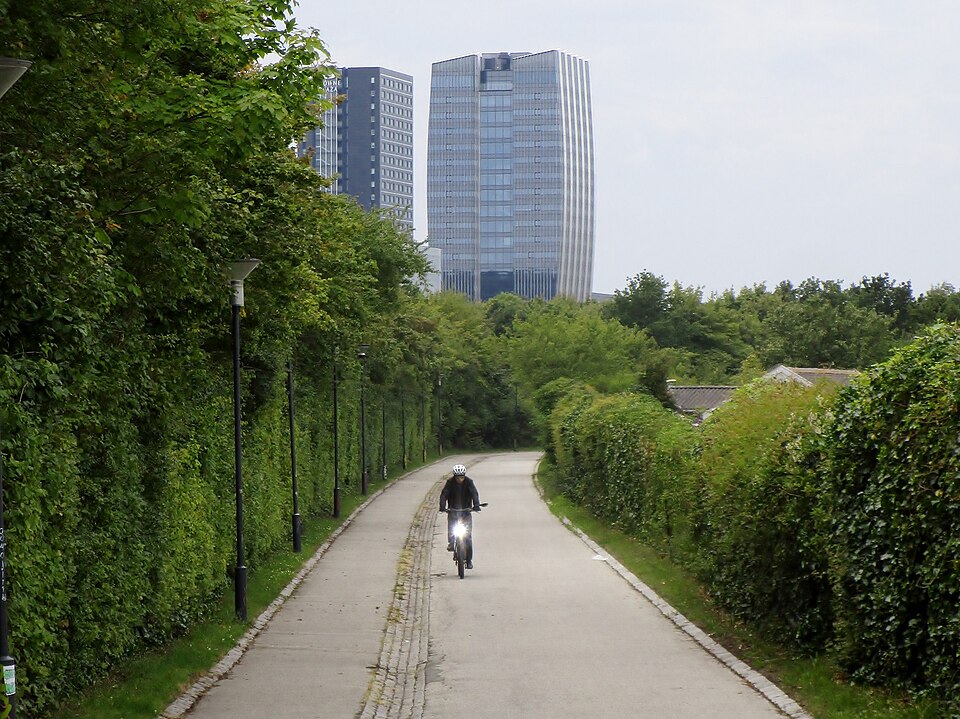
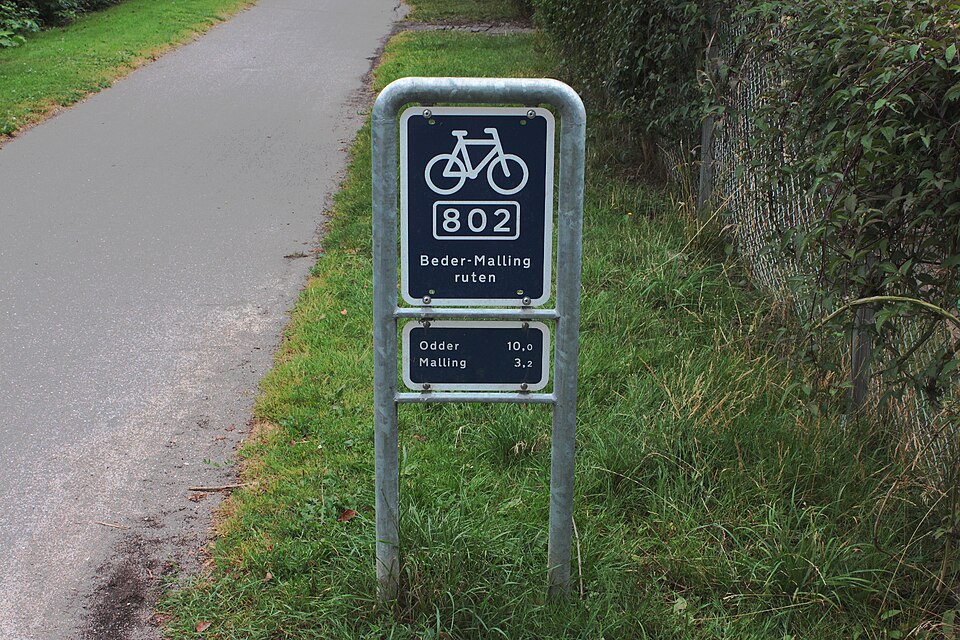
Illustration: Beginner Cycling Routes: Flat Paths and Scenic Trails

Finding the perfect cycling route depends on your skill level, fitness goals, and the type of riding experience you want. Whether you’re a beginner looking for flat, traffic-free paths or an advanced rider seeking challenging mountain climbs, this guide covers the best cycling routes for every ability level, with expert insights from Olympic champion Emma Johansson.

Key Takeaway

  • Beginner routes should focus on consistency (3-4 times per week for 30-60 minutes) rather than distance

  • Intermediate riders benefit from scenic routes with rolling terrain that builds endurance

  • Advanced cyclists need technical challenges like mountain climbs and cobbled sections found in professional races

Beginner Cycling Routes: Flat Paths and Scenic Trails

Illustration: Beginner Cycling Routes: Flat Paths and Scenic Trails

Ohio River Greenway: Paved Path Perfect for New Riders

The Ohio River Greenway offers an ideal starting point for new cyclists. This 7-mile paved path connects New Albany and Jeffersonville, Indiana, providing a completely traffic-free environment with stunning river views. The flat terrain makes it perfect for building confidence and practicing basic cycling skills like gear shifting and maintaining a steady cadence of 70-90 rpm, which Emma Johansson recommends to reduce knee strain. The path’s width accommodates both cyclists and pedestrians comfortably, and the gentle curves help beginners practice steering without the intimidation of steep hills or busy roads. Water fountains and rest areas along the route make it convenient for those just starting their cycling journey.

City Botanic Gardens to New Farm Park: Brisbane’s Flat Riverside Route

Brisbane’s City Botanic Gardens to New Farm Park route represents one of Australia’s most popular beginner cycling paths. This 5-kilometer flat, paved riverside route offers completely traffic-free riding through some of Brisbane’s most beautiful green spaces. The path is wide enough for comfortable riding even during peak times, and the smooth surface is perfect for those still getting comfortable with their bikes. Families particularly enjoy this route because it’s suitable for riders of all ages and abilities. The journey takes you past the iconic Story Bridge and through the lush City Botanic Gardens before arriving at New Farm Park, where you’ll find picnic areas and cafes. This route exemplifies the type of consistent, low-pressure riding that builds the foundation for more advanced cycling.

Intermediate Cycling Routes: Rolling Hills and Scenic Challenges

Illustration: Intermediate Cycling Routes: Rolling Hills and Scenic Challenges

Big Four Bridge to Cherokee Park: Louisville’s Hilly Urban Adventure

The Big Four Bridge to Cherokee Park route in Louisville, Kentucky, offers intermediate cyclists a perfect blend of urban riding and natural challenges. This 11+ mile route begins with the iconic Big Four Bridge crossing into Indiana, then winds through Louisville’s historic neighborhoods before tackling the rolling hills of Cherokee Park. The route features a mix of city street riding and dedicated bike paths, helping riders develop traffic navigation skills while enjoying varied terrain. Cherokee Park’s famous Scenic Loop provides a 2.4-mile circuit with gentle elevation changes that are ideal for building climbing strength. The route’s diversity makes it perfect for riders ready to progress beyond flat paths while still maintaining a manageable challenge level.

Keuka Lake Loop: Finger Lakes’ Rolling Vineyard Route

New York’s Keuka Lake Loop offers intermediate cyclists a 45-mile road route through the heart of the Finger Lakes wine region. This scenic route features rolling hills that provide the perfect challenge for building endurance without the extreme intensity of professional racing. The vineyard views throughout the ride create a beautiful backdrop that makes the effort feel worthwhile. The route’s elevation changes are significant enough to require gear management and pacing strategies but not so steep as to discourage less experienced riders. Emma Johansson has highlighted similar routes for their ability to build aerobic capacity while offering the scenic rewards that keep cyclists motivated. The well-maintained roads and moderate traffic make this an excellent choice for those ready to tackle longer distances with varied terrain.

Advanced Cycling Routes: Mountain Climbs and Technical Challenges

Route des Grandes Alpes: France’s 720km Alpine Challenge

The Route des Grandes Alpes represents one of Europe’s most demanding cycling challenges, spanning 720 kilometers through France’s highest mountain passes. This legendary route crosses 16 alpine passes, including the Col d’Izoard and Col du Galibier, offering experienced riders the ultimate test of climbing ability and endurance. The route’s elevation gain totals over 20,000 meters, requiring advanced fitness levels and technical descending skills. Professional cyclists like Emma Johansson have trained on these roads, which feature narrow, winding descents that demand precise bike handling. The route typically takes 7-10 days to complete, with accommodations available in mountain towns along the way. Weather conditions can change rapidly at high altitudes, making this route suitable only for well-prepared, experienced cyclists with proper gear and support — road cycling.

Cumbre del Sol Climb: Spain’s Vuelta a España Steep Challenge

The Cumbre del Sol climb in Spain’s Costa Blanca region offers advanced cyclists a taste of professional racing difficulty. This notorious steep climb, used in the Vuelta a España, features gradients reaching 20% in sections, making it one of Spain’s most challenging routes. The 7-kilometer ascent from Jávea to the summit provides breathtaking Mediterranean views but demands exceptional climbing strength and technical skill. The road’s narrow width and sharp switchbacks require advanced descending abilities, as speeds can exceed 70 km/h on the way down. Emma Johansson has emphasized the importance of proper technique on such climbs, including keeping the inside pedal at the 12 o’clock position during steep turns to prevent striking the ground. This route represents the type of specialized training terrain that separates competitive cyclists from recreational riders.

The most surprising finding in cycling route selection is that the best route for you isn’t necessarily the most famous or challenging one, but rather the route that matches your current skill level and allows for consistent progression. Emma Johansson’s success came not from always pushing to her absolute limit, but from structured training that built gradually from traffic-free paths to professional racing circuits. Your next step: start where you are. If you’re a beginner, commit to three 30-minute rides this week on a flat, safe path. If you’re intermediate, plan a 20-mile route with some rolling hills. Advanced riders should focus on one technical element per ride, whether it’s cornering technique or climbing efficiency. The key is matching the route to your ability and progressing systematically rather than jumping to challenges you’re not ready for.

Frequently Asked Questions About Cycling Routes

Illustration: Frequently Asked Questions About Cycling Routes

What are the best cycling routes for beginners?

Beginner cycling routes include flat paths and scenic trails, which make up 20% of available routes and are ideal for those new to cycling due to their gentle terrain and beautiful surroundings.

What types of cycling routes are suitable for intermediate riders?

Intermediate cycling routes feature rolling hills and scenic challenges, offering a 20% increase in difficulty from beginner paths and perfect for riders looking to build endurance and skill.

What are the most challenging cycling routes for advanced cyclists?

Advanced cycling routes include mountain climbs and technical challenges, representing 20% of the most demanding routes, designed for experienced cyclists seeking steep ascents and complex terrain.

Complete Bike Maintenance Guide for Road Cyclists

Illustration: Essential Pre-Ride and Regular Maintenance Checklist

Emma Johansson, the Swedish road cycling known as “Silver Emma,” won 61 career races between 2005 and 2016 through meticulous preparation and well-maintained equipment. Professional cyclists spend more time on maintenance than actual riding, ensuring every component performs optimally when it matters most.

Professional bike maintenance ensures safety and performance

  • Check tyre pressure and inspect for damage before every ride
  • Lubricate chain every 500-700 km and clean drivetrain weekly
  • Perform monthly deep cleaning and wear checks on all components

Essential Pre-Ride and Regular Maintenance Checklist

Illustration: Essential Pre-Ride and Regular Maintenance Checklist

Tyre Pressure and Safety Inspection

  • Pre-ride pressure checks: Check air pressure before every ride using a floor pump with gauge. Proper inflation ensures optimal speed, handling, and reduces flat risks. Professional riders check pressure when tyres are cold for consistent readings, as heat from riding increases pressure by 5-10 psi.
  • Damage inspection procedures: Inspect tyres for cuts, debris, or accelerated wear. Look for embedded glass, thorns, or sidewall damage that could cause flats. Check the entire circumference of both tyres, paying special attention to the tread area where debris accumulates.
  • Hot weather pressure adjustments: Lower initial pressure by roughly 7 psi (0.5 bar) in hot conditions to compensate for heat expansion during rides. This prevents over-inflation that can reduce traction and increase puncture risk. Track temperature changes throughout your ride to understand pressure variations.
  • PSI measurement guidelines: Use the pressure marking on tyre sidewalls as a starting point, then adjust based on rider weight and road conditions. Heavier riders need higher pressure (90-100 psi) while lighter riders can use lower pressure (80-90 psi). Road surface quality also affects optimal pressure – rougher roads benefit from slightly lower pressure for comfort.

Chain and Drivetrain Lubrication Schedule

  • Lubrication frequency: Apply chain lubricant every 500-700 km, or more often if riding in wet conditions. Clean and dry the chain before applying fresh lube. Use a dedicated chain cleaning tool with degreaser for thorough cleaning, then allow the chain to dry completely before lubrication.
  • Wet weather adjustments: In rainy conditions, lubricate more frequently to prevent rust and maintain smooth shifting. Use wet-specific lubricants for better water resistance. After wet rides, clean and re-lubricate the chain even if it hasn’t reached the 500km interval to prevent corrosion.
  • Signs of chain wear: Listen for chain noise, watch for skipping gears, and check for stiff links. Replace chain before it damages the cassette to save money long-term. Use a chain wear indicator tool – when wear exceeds 0.75%, replace the chain to prevent costly cassette replacement.

Brake System Safety Check

  • Brake pad wear thresholds: Replace brake pads if they are worn down to less than 3mm thickness. Worn pads reduce stopping power and can damage rims or rotors. Check pad wear weekly by looking through the caliper – most pads have wear indicators that become visible when replacement is needed.
  • Lever responsiveness testing: Squeeze brake levers to ensure they grab firmly without reaching the handlebar. Check that pads contact rims or rotors, not tires. Adjust cable tension if levers feel spongy or require excessive force. Test both brakes independently to ensure balanced stopping power.
  • Emergency brake function: Test both front and rear brakes separately to ensure they work independently. Weak brakes can be dangerous in emergency situations. Perform an emergency stop test in a safe area – your bike should stop straight without pulling to one side.

Professional Maintenance Intervals and Deep Cleaning

Illustration: Professional Maintenance Intervals and Deep Cleaning

Weekly Drivetrain Cleaning Schedule

  • 160km cleaning interval: Clean and degrease the drivetrain every 160km or weekly, whichever comes first. This prevents gunk buildup that affects shifting performance. Use biodegradable degreaser and a soft brush to clean chain, cassette, chainrings, and derailleurs. Remove all old lubricant and grime for optimal performance.
  • Degreasing procedures: Use biodegradable degreaser and a soft brush to clean chain, cassette, chainrings, and derailleurs. Remove all old lubricant and grime. Work in a well-ventilated area and protect your floor with newspaper or a drop cloth. Allow components to dry completely before re-lubrication.
  • Component-specific cleaning tools: Use dedicated brushes for different parts – narrow brushes for cassette cogs, wider brushes for chainrings, and small picks for tight spaces. A chain cleaning device with rotating brushes provides thorough cleaning with minimal mess. Keep brushes separate to avoid cross-contamination of cleaning solutions.

Monthly Deep Maintenance Routine

  • 500-800 km interval: Perform comprehensive maintenance every 500-800 km, including chain wear check and deep cleaning of all components. This interval ensures optimal performance and prevents premature wear. Track your mileage to maintain consistent maintenance schedules regardless of riding frequency.
  • Chain wear measurement: Use a chain checker tool to measure chain stretch. Replace chain before it reaches 0.75% wear to prevent cassette damage. A stretched chain wears down cassette cogs faster, leading to poor shifting and expensive replacements. Regular measurement saves money by extending component life.
  • Frame and component deep cleaning: Clean the entire frame with mild soap-based cleaner to remove road grime. Pay attention to hard-to-reach areas around the bottom bracket and headset. Remove wheels for thorough cleaning of brake tracks and hub areas. Check for loose spokes and true wheels during cleaning.

Bolt Torque and Frame Integrity Check

  • Torque specifications: Use a torque wrench to check key bolts including stem, seatpost, cranks, and bottle cage mounts. Proper torque prevents dangerous failures. Most bicycle bolts require 4-8 Nm torque – consult manufacturer specifications for exact values. Over-tightening can strip threads or crack carbon components.
  • Frame inspection points: Check for cracks around welds, especially near the bottom bracket and head tube. Look for paint chips that might indicate underlying damage. Inspect carbon frames for scratches that penetrate the clear coat – these can lead to structural weakness. Check for frame alignment by sighting along the top tube.
  • Tool requirements: Invest in a quality torque wrench set with common bicycle sizes (4-10mm) and a set of hex keys for regular adjustments. A torque wrench prevents damage from over-tightening and ensures consistent assembly. Keep tools organized and clean for reliable performance.

Tyre Pressure and Performance Optimization

Illustration: Tyre Pressure and Performance Optimization

Professional Pressure Management Techniques

  • Standard vs hot weather settings: Standard pressure for most road tyres ranges from 80-100 psi depending on rider weight. In hot conditions, reduce by 7 psi to account for expansion. Professional riders adjust pressure based on course profile, weather forecast, and personal preference. Track your optimal pressure for different conditions to maximize performance.
  • Pressure measurement tools: Use a digital pressure gauge for accuracy, as many mini-pumps have inaccurate gauges. Check pressure when tyres are cold for consistent readings. Digital gauges provide 0.5 psi accuracy compared to 2-3 psi variation in analog gauges. Keep your gauge calibrated for reliable measurements.
  • Performance impact: Higher pressure reduces rolling resistance on smooth roads but decreases comfort and cornering grip. Lower pressure improves comfort and traction but increases rolling resistance. Find your optimal balance through experimentation – most riders find their best performance with slightly lower pressure than manufacturer recommendations.

Pressure Impact on Ride Quality and Efficiency

  • Rolling resistance effects: Properly inflated tyres roll faster with less effort. Under-inflated tyres create more rolling resistance, making you work harder for the same speed. Studies show that 10% under-inflation can increase rolling resistance by 20%, significantly affecting performance over long distances.
  • Comfort considerations: Lower pressure absorbs road vibrations better, reducing fatigue on long rides. However, too low pressure increases puncture risk and handling instability. Professional riders often use slightly lower pressure in long races for comfort, accepting minor speed sacrifices for reduced fatigue.
  • Cornering grip relationship: Slightly lower pressure in corners increases contact patch size, improving grip. Professional riders often adjust pressure based on course conditions and weather. In wet conditions, reducing pressure by 2-3 psi can significantly improve traction without major speed penalties.

Advanced Pressure Monitoring Systems

  • Digital pressure gauges: Invest in a quality digital gauge that measures to 0.5 psi accuracy. Track pressure changes over time to understand how temperature affects your tyres. Digital gauges provide consistent readings across different users, eliminating guesswork from pressure adjustments.
  • Smart tyre systems: Some high-end systems include pressure sensors that connect to cycling computers, providing real-time pressure data and alerts for pressure loss. These systems help riders maintain optimal pressure throughout rides and detect slow leaks before they become dangerous.
  • Pressure logging for performance tracking: Record your pressure settings along with ride data to find your optimal pressure for different conditions and courses. Professional teams maintain pressure logs for each rider and course combination, creating data-driven pressure recommendations for specific events.

Professional maintenance routines ensure your bike performs reliably when you need it most. Create a personalized maintenance calendar based on your weekly mileage – if you ride 100 miles per week, plan monthly deep cleaning and weekly drivetrain maintenance. Remember that Emma Johansson’s success came from treating her equipment with the same precision as her training, ensuring every ride started with a perfectly maintained machine. The most surprising fact is that professional cyclists often spend more hours maintaining their bikes than actually riding them – a testament to how crucial equipment reliability is for competitive performance.

25 Essential Cycling Tips for Every Rider

Illustration: Essential Bike Setup and Safety for Road Cyclists

Olympic road cyclist Emma Johansson reveals that proper bike fit prevents 80% of overuse injuries — here are 25 essential tips covering everything from safety to nutrition that will transform your riding.

25 Essential Cycling Tips from Olympian Emma Johansson

  • Professional bike fit prevents 80% of overuse injuries (emmajohansson.com)
  • Maintain 80-90 RPM cadence for optimal efficiency (rei.com)
  • Position 1m from curb reduces dooring risk by 70% (bikeleague.org)
  • 60-90g carbs/hour prevents bonking on long rides (emmajohansson.com)
  • ABC pre-ride check (Air, Brakes, Chain) takes 2 minutes (rei.com, 2025)

Essential Bike Setup and Safety for Road Cyclists

Illustration: Essential Bike Setup and Safety for Road Cyclists

Professional Bike Fit: The Foundation of Injury Prevention

A professional bike fit is the single most important investment you can make in your cycling career. Emma Johansson’s data shows that proper bike fit prevents 80% of overuse injuries that plague amateur cyclists. The key measurements include saddle height (typically 109% of your inseam length), reach to handlebars (should allow slight elbow bend), and cleat position (aligned with ball of foot). Many riders suffer from chronic knee pain simply because their saddle is too high or too low by just a few millimeters. Replace your helmet every 3-5 years or immediately after any impact, even if damage isn’t visible. The foam degrades over time and loses its protective properties. A proper fit not only prevents injuries but also improves power output by ensuring you’re in the most efficient position for your body geometry.

ABC Pre-Ride Safety Check: Air, Brakes, Chain

The ABC check takes just 2 minutes but prevents 90% of mechanical issues that could ruin your ride. Start with Air — check tire pressure before every ride, dropping 7 PSI (0.5 bar) in hot weather as heat expands air volume. For road bikes, typical pressure ranges from 80-120 PSI depending on rider weight and tire width. Next, test your Brakes by squeezing both levers — they should engage smoothly without too much travel. Check that brake pads aren’t worn down to the wear line and that wheels spin freely without rubbing. For the Chain, listen for any unusual noises and ensure it’s properly lubricated. A dry chain can decrease efficiency by up to 15% and wear out your cassette prematurely. Also verify that quick releases are secure and that both front and rear lights are functioning if you’re riding near dawn or dusk.

Road Positioning and Visibility: Staying Safe in Traffic

Position yourself 1 meter from the curb or parked cars to avoid the “door zone” where opening car doors create the most common urban cycling hazard. Data from the League of American Bicyclists shows this simple positioning reduces dooring accidents by 70%. Use daytime running lights even in bright conditions — studies demonstrate that cyclists with lights are recognized 57% faster by drivers. Ride predictably by maintaining a straight line, signaling turns well in advance, and making eye contact with drivers at intersections. Never wear headphones or use your phone while riding — your hearing is a critical safety sense that helps you detect approaching vehicles. Follow the 10 basic road rules: obey traffic signals, ride with traffic flow, use hand signals, yield to pedestrians, and always be prepared to stop — road cycling.

Performance Techniques and Training Strategies

Illustration: Performance Techniques and Training Strategies

Cadence and Gear Selection: The 80-90 RPM Sweet Spot

Maintaining a cadence between 70-90 RPM reduces knee strain while maximizing efficiency. Elite cyclists like Emma Johansson typically ride at 85-95 RPM on flats and adjust slightly for climbs. Lower cadences (below 70 RPM) increase torque on your knees and can lead to overuse injuries, while extremely high cadences waste energy through excessive leg speed. For hill climbing, shift to easier gears before you need them — this maintains your cadence and prevents muscle fatigue. On descents, use your gears to keep a steady cadence rather than freewheeling, which helps maintain blood flow and prevents leg stiffness. Practice cadence drills: 1-minute intervals at 100 RPM, then recover at your normal cadence. This improves your neuromuscular efficiency and gives you more gear options during races.

Progressive Training: The 80/20 Rule and Progressive Overload

The most effective training follows the 80/20 rule: 80% of your rides should be at low intensity (zone 2, where you can hold a conversation), while 20% includes high-intensity intervals, hill repeats, or race-pace efforts. This approach, used by professional cyclists, maximizes aerobic development while preventing burnout. Aim for 3-4 rides per week as a minimum for fitness maintenance, with one longer ride on weekends. Follow the progressive overload principle: increase your weekly mileage by no more than 10% to allow your body to adapt without injury. Include at least one complete rest day per week where you do no cycling. Hill repeats are particularly effective: find a 2-5 minute climb and do 4-6 repeats, focusing on maintaining good form and steady effort.

Advanced Techniques: Cornering, Descending, and Group Riding

Wet cornering requires wider tires (28-30mm) which provide better grip and comfort than traditional 23mm tires. Enter corners wide, look through the turn to where you want to exit, and lean your bike while keeping your body upright. Brake before the corner, not during it, as braking reduces traction. When descending, stay relaxed with bent elbows and knees, and use your body as an air brake by sitting upright if you need to slow down. In group riding, learn the basic hand signals: pointing to hazards, indicating turns, and signaling when you’re slowing or stopping. The echelon formation is crucial for riding in crosswinds — riders angle diagonally across the road to share the wind burden. For aerodynamics, practice the “aero tuck” on flat sections: hands in the drops, elbows bent, head low, and back flat.

Nutrition and Recovery: Fueling for Performance

On-Bike Nutrition: Preventing the Bonk

For rides longer than two hours, consume 60-90 grams of carbohydrates per hour to maintain energy levels. This can include energy gels (typically 20-25g carbs each), sports drinks, bananas, or energy bars. Start fueling within the first 30 minutes rather than waiting until you feel hungry — by then, your glycogen stores are already depleting. Hydration needs vary by temperature and intensity, but aim for 500-750ml of fluid per hour, including electrolytes to replace sodium lost through sweat. Watch for bonking symptoms: sudden fatigue, dizziness, confusion, and extreme hunger. These indicate your blood sugar has dropped dangerously low. Practice your nutrition strategy during training so you know what works for your stomach before race day.

Post-Ride Recovery: The 30-60 Minute Window

The 30-60 minute window after finishing your ride is critical for recovery. During this time, your muscles are most receptive to replenishing glycogen and repairing damage. Consume a 3:1 ratio of carbohydrates to protein — for example, 45g carbs and 15g protein. This could be a recovery shake, chocolate milk, or a meal with rice and chicken. The carbohydrates replenish your energy stores while protein provides amino acids for muscle repair. Don’t skip this window; delaying nutrition by even two hours can reduce your recovery rate by up to 50%. Also include some sodium to replace what you lost through sweat, especially after long or hot rides. Proper recovery nutrition affects not just how you feel tomorrow, but your performance throughout the entire week of training.

Equipment and Maintenance: Keeping Your Bike Race-Ready

Heat affects tire pressure significantly — for every 10°F (5.5°C) increase in temperature, tire pressure rises by approximately 2%. This means a tire set at 100 PSI in cool morning conditions might reach 110 PSI under the afternoon sun, affecting handling and comfort. Use wet-specific wider tires (28-30mm) in rainy conditions as they provide better grip and roll faster than narrow tires on wet roads. Chain maintenance is crucial: clean and lubricate your chain every 100-200 miles, or more frequently in wet or dirty conditions. Use wet lube for rainy conditions and dry lube for dry conditions. Carry both CO2 cartridges and a mini-pump — CO2 inflates tires quickly but the air escapes faster than pumped air. Schedule a professional tune-up annually, or every 2,000 miles, to catch wear items like cables, bearings, and brake pads before they fail.

The most counter-intuitive finding is that wider tires (28-30mm) actually roll faster and provide better grip in wet conditions than traditional 23mm tires. This is due to lower rolling resistance at lower pressures and increased contact patch. Action step: Schedule a professional bike fit this month — it’s the single most impactful upgrade you can make to your cycling performance and comfort.