Finding the Perfect Road Bike Saddle for Comfort and Performance

Illustration: How to Choose the Right Road Bike Saddle: Key Factors

Finding the perfect road bike saddle for comfort and performance is a highly personal process, often requiring a balance between firm support for pedaling efficiency and adequate pressure relief to prevent discomfort during long hours on the bike. For competitive or long-distance riders, key considerations include sit bone width, saddle shape, cutouts, and overall bike fit.

Key Takeaway

  • Sit bone width is the most crucial factor for proper saddle selection

  • Modern road saddles feature cutouts to reduce pressure and prevent numbness

  • New saddles require 200-300 miles break-in period for optimal comfort

How to Choose the Right Road Bike Saddle: Key Factors
Illustration: How to Choose the Right Road Bike Saddle: Key Factors

Sit Bone Width: The Foundation of Saddle Comfort

Sit bone width is the most crucial factor when selecting a road bike saddle. Your sit bones (ischial tuberosities) are the bony structures that bear your weight while sitting, and a saddle must be wide enough to support them properly without being so wide that it causes friction against your inner thighs. Many bike shops offer sit bone measurement services using specialized pads that leave impressions showing your exact width. The measurement typically ranges from 100mm to 160mm for most adults. A saddle that’s too narrow will cause your sit bones to hang off the sides, creating pressure points and discomfort, while one that’s too wide can lead to chafing and inefficient pedaling mechanics.

Research from the German Sport University Cologne found that improper saddle width correlates with increased saddle-related discomfort in 68% of cyclists. The ideal saddle width should be approximately 20-30mm wider than your sit bone measurement to provide adequate support without excess material. Women generally have wider sit bones than men, with average widths of 130mm versus 110mm, which is why many manufacturers offer women-specific saddle designs with wider platforms and different pressure relief patterns.

Saddle Shape and Position for Different Riding Styles

  • Flat saddles suit aggressive, low riding positions common in racing. They allow for more fore-aft movement and are preferred by riders who frequently change positions. Professional road racers often choose flatter saddles because they provide the flexibility to shift weight during intense efforts and cornering.

  • Curved saddles offer more stability and support for riders who maintain a consistent position. The curve helps guide the pelvis into optimal alignment, which can be beneficial for endurance riders who spend hours in the same position. Studies show that curved saddles can reduce lower back strain by promoting better pelvic rotation.

  • Modern road saddles are often shorter than traditional designs, typically 250-270mm in length. This shorter profile encourages proper positioning and reduces pressure on soft tissues. The trend toward shorter saddles began around 2015 and has been adopted by most major manufacturers because it allows riders to sit further back on the saddle without interference from the nose.

  • Width considerations vary by riding style – racers often prefer narrower saddles for better leg clearance, while endurance riders may benefit from slightly wider options for increased support. Time trial and triathlon saddles are typically the narrowest, often under 130mm, to accommodate the extreme forward position used in those disciplines.

Pressure Relief Features: Cutouts and Padding
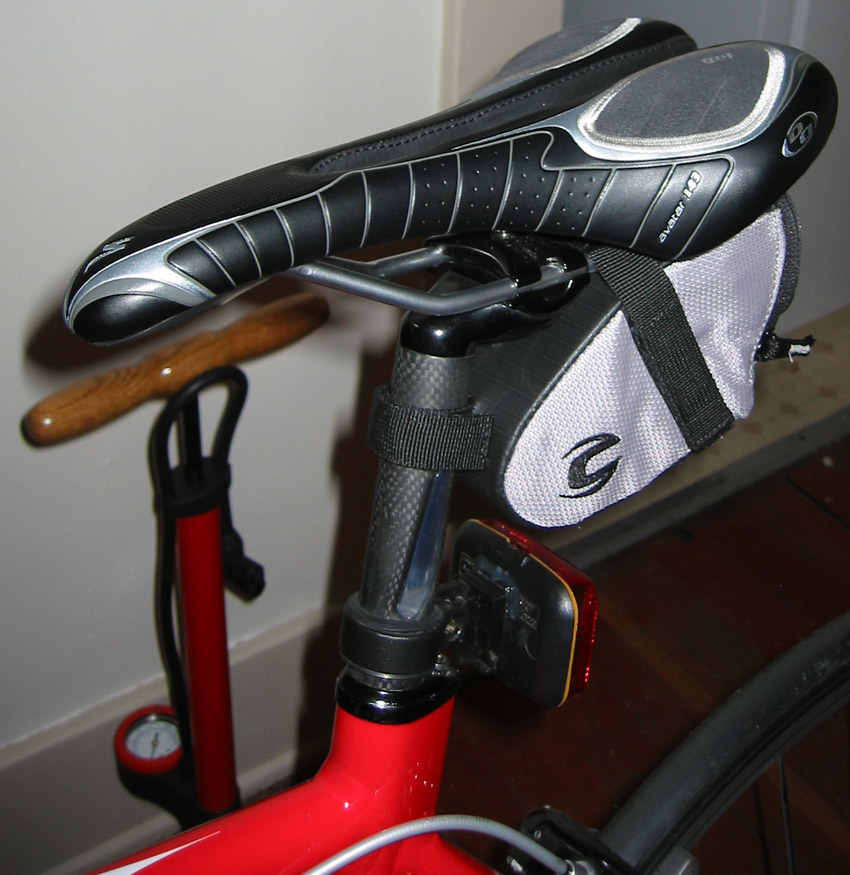
Illustration: Pressure Relief Features: Cutouts and Padding

Cutouts and Relief Channels: Reducing Soft Tissue Pressure

Most performance saddles feature large cutouts or relief channels that run through the center of the saddle. These design elements reduce pressure on soft tissues, including the perineal area in men and the pubic rami in women. Cutouts alleviate numbness during long rides by allowing blood flow to continue normally in areas that would otherwise be compressed. The effectiveness of cutouts varies by individual anatomy, with some riders finding them essential while others prefer solid saddles.

The concept of saddle cutouts emerged in the 1990s when Dr. Irwin Goldstein published research linking cycling to erectile dysfunction, suggesting that saddle pressure could compress the pudendal artery. This sparked a revolution in saddle design, leading to the development of the first commercial cutout saddles. Modern cutouts are far more sophisticated than early designs, featuring variable depths, widths, and shapes optimized for different riding positions and anatomies. A 2018 study in the Journal of Sexual Medicine found that properly designed cutout saddles reduced perineal pressure by up to 70% compared to traditional solid saddles — road cycling.

Relief channel designs have evolved to include not just simple holes but complex geometries that provide graduated pressure relief. Some saddles feature a full cutout, while others use a deep channel or a split-nose design. The depth of the cutout typically ranges from 10-25mm, with deeper channels providing more pressure relief but potentially less structural support. Manufacturers like Specialized, Fizik, and Selle Italia have invested heavily in pressure mapping technology to optimize their cutout designs for different rider types and positions.

Padding Materials: Finding the Right Balance

  • Excessive padding can create friction and heat buildup, actually increasing discomfort on longer rides. Thick padding tends to compress and create pressure points over time. Research shows that riders using heavily padded saddles report 40% more saddle sores than those using medium-density foam after rides exceeding 100km.

  • Moderate, firm foam offers the best balance of comfort and support for most riders. It provides cushioning without sacrificing stability or creating excessive movement. High-density EVA foam with a durometer rating of 45-55 is considered optimal for road cycling applications.

  • 3D-printed padding represents the latest advancement in saddle technology, using lattice structures that provide targeted support and pressure relief in specific zones. Companies like Specialized and Fizik have introduced 3D-printed saddles that use varying densities of material to create zones of support and relief based on pressure mapping data.

  • Memory foam options conform to your anatomy but may retain heat and moisture, making them less ideal for hot weather riding. While comfortable for short rides, memory foam can become problematic during extended efforts as it absorbs sweat and loses its supportive properties.

Saddle Materials and Break-in Period

Rail Materials: Carbon vs Manganese vs Alloy

Rail Material

Weight

Stiffness

Cost

Best For

Carbon

140-180g

Very High

$200-400

Performance racing

Manganese

200-250g

Medium-High

$100-200

All-around use

Alloy (Steel)

250-300g

Medium

$50-100

Recreational riding

Premium saddles use carbon, manganese, or alloy rails, which significantly affect the saddle’s overall performance characteristics. Carbon rails offer the lightest weight and highest stiffness, making them ideal for competitive racing where every gram matters. A carbon rail saddle can save 80-100 grams compared to an alloy rail model, which translates to approximately 0.5-0.7 watts of power savings at racing speeds. The high stiffness of carbon rails also provides better power transfer, though some riders find them too harsh for rough roads.

Manganese rails provide a good balance of weight, comfort, and durability at a moderate price point. These rails, typically made from a manganese alloy, offer excellent vibration damping properties and are less susceptible to damage from overtightening than carbon rails. They represent the best value for most riders, combining reasonable weight savings with durability and comfort. Many professional cyclists choose manganese rails for their reliability and consistent performance across varying conditions.

Alloy rails, typically made from chromoly steel, are the most affordable option but add considerable weight to the saddle. However, they offer superior durability and are less prone to catastrophic failure than carbon rails. Alloy rails also provide better vibration absorption than carbon, making them popular among endurance riders and those who frequently ride on rough pavement. The weight penalty of 70-90 grams is negligible for most recreational cyclists, making alloy rails an excellent choice for value-conscious riders.

The 200-300 Mile Break-in Period

New saddles may require 200–300 miles to fully adapt to your body and become more pliable. During this break-in period, the saddle’s padding and shell material gradually conform to your sit bone shape and riding position. Many riders experience initial discomfort with a new saddle that improves significantly after the break-in period. The process involves the foam padding compressing in specific areas while the shell material develops slight flex patterns based on your weight distribution.

The break-in phenomenon occurs because most saddle shells are made from synthetic materials like nylon or carbon fiber that have inherent flexibility but need to adapt to the specific forces applied by an individual rider. The padding, typically EVA foam, undergoes a process called creep where it slowly deforms under constant pressure, creating a personalized support pattern. Professional bike fitters recommend riding at least 3-4 times per week during the break-in period to allow consistent pressure application and proper adaptation.

Temperature also affects the break-in process, with warmer conditions accelerating foam compression and shell flexibility. Many riders report that saddles feel significantly different after their first few long rides in hot weather. The break-in period can be accelerated by using the saddle on a stationary trainer for short sessions, as the consistent pressure and lack of road vibrations allow the materials to adapt more quickly. However, it’s important to note that a saddle that remains uncomfortable after 300 miles may simply be the wrong shape or width for your anatomy, and continuing to ride it won’t necessarily improve the situation.

Expert Tips for Maximum Saddle Comfort

Illustration: Expert Tips for Maximum Saddle Comfort

Proper Bike Fit and Position

  • Check Position: A saddle that suddenly feels uncomfortable may have shifted; ensure it is level and correctly aligned with the top tube. Use a carpenter’s level to verify the saddle is within 1-2 degrees of level, as even slight tilts can cause discomfort over long rides.

  • Saddle height: Your leg should have a slight bend at the bottom of the pedal stroke (6 o’clock position), typically 25-30 degrees of knee flexion. A saddle that’s too high can cause rocking and pressure points, while one that’s too low reduces power output and can cause knee pain.

  • Fore-aft position: When your foot is at the 3 o’clock position, a plumb line from your kneecap should pass through the center of your pedal axle. This KOPS (Knee Over Pedal Spindle) alignment helps distribute weight properly between your saddle and handlebars.

  • Tilt adjustment: Most riders prefer a level saddle, though some may benefit from a slight nose-down angle (1-2 degrees) to reduce pressure on soft tissues. Women often prefer a slightly nose-down position, while men typically prefer level or slightly nose-up saddles.

Essential Gear for Saddle Comfort

  • Cycling shorts: Worn without underwear, they are designed to reduce chafing with strategically placed padding (chamois) that moves with your body. The chamois should fit snugly without wrinkles, as folds can create pressure points and friction.

  • Chamois cream: Prevents friction, particularly for longer rides, by creating a protective barrier between your skin and the chamois pad. Apply a generous amount directly to your skin and the chamois pad before each ride. Many professional cyclists use chamois cream for rides exceeding 2 hours.

  • Proper hygiene: Change out of cycling shorts immediately after rides and wash them after each use to prevent bacterial growth and skin irritation. Moisture-wicking, quick-drying fabrics are essential for maintaining skin health during multi-day events.

  • Gradual adaptation: Start with shorter rides when breaking in a new saddle or returning to cycling after a break to allow your body to adapt gradually. Increase ride duration by no more than 20% per week to prevent overuse injuries and saddle sores.

The most surprising finding about road bike saddles is that excessive padding often creates more problems than it solves – many professional cyclists ride on surprisingly firm saddles because they provide better support and reduce friction over long distances. The key to saddle comfort isn’t softness but rather proper fit and pressure distribution. To immediately improve your saddle comfort, measure your sit bone width using the cardboard method: sit on a piece of corrugated cardboard for several minutes, then measure the distance between the center of each indentation. This simple measurement will help you select a saddle that properly supports your anatomy and dramatically improves your riding experience.
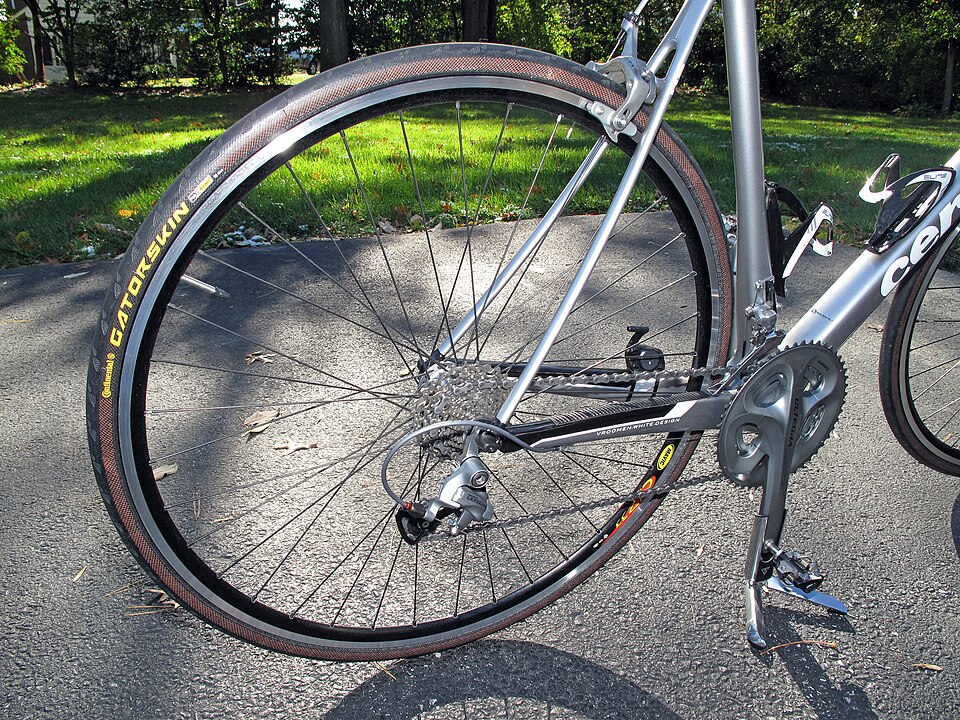

Road Bike Wheels: Deep Section vs Lightweight for Different Conditions

Illustration: Aerodynamic Wheels: When to Choose for Maximum Speed

For 2026, aerodynamic wheels (50-65mm) are faster for most riders than climbing wheels, as their speed gains on flats and moderate inclines outweigh the benefits of ultra-lightweight wheels on all but the steepest climbs.

Key Takeaway

  • Aerodynamic wheels (50-65mm) are faster for most riders on flats and rolling terrain, saving 5+ watts compared to lightweight wheels

  • Climbing wheels (30-45mm) excel on steep mountain passes >5% gradient where every gram matters

  • A 45-55mm “aero all-rounder” provides the best balance for mixed terrain riding

  • Modern aero wheels are light enough for competitive climbing, blurring the traditional categories

  • The efficiency gains of aerodynamics typically outweigh weight savings for most cyclists

Aerodynamic Wheels: When to Choose for Maximum Speed

Illustration: Aerodynamic Wheels: When to Choose for Maximum Speed

Best terrain and conditions for deep-section wheels

  • Flat and rolling terrain: Deep-section wheels (50-65mm) excel on flat roads, rolling hills, and fast group rides where sustained speed is the priority. The aerodynamic benefits become exponentially more valuable as speeds increase, making them the optimal choice for riders who frequently maintain speeds above 30 km/h (18.6 mph).

  • High-speed riding: Ideal for criteriums, time trials, and any situation where speeds consistently exceed 30 km/h. At these velocities, aerodynamic drag becomes the dominant force resisting forward motion, and deep-section wheels can provide 5+ watts of power savings compared to shallow wheels.

  • Wind conditions: Perform best in lower wind conditions or when moderate crosswinds are acceptable. Modern 2026 models feature wider internal rim widths that improve crosswind stability, but extremely gusty conditions may still favor shallower options.

  • Energy efficiency: Reduces aerodynamic drag exponentially at higher speeds, saving significant watts that compound over long rides. A rider maintaining 40 km/h can save approximately 10-15 watts with 60mm deep wheels compared to 30mm shallow wheels, translating to several minutes over a 100km ride.

  • Modern design benefits: 2026 trend shows wider internal rim widths for better tire integration, creating a more aerodynamic profile with wider tires. This design evolution has made aero wheels more versatile and stable, with many riders finding they can use deeper wheels in conditions that previously required shallower options.

Performance advantages over climbing wheels

Aerodynamic wheels offer several key advantages over lightweight climbing wheels that make them the preferred choice for most riders. The 5-watt savings from aero wheels is more beneficial than saving 1 kilogram in weight, particularly on terrain that isn’t exclusively steep mountain passes. This advantage becomes even more pronounced when considering that most riders spend the majority of their time on flats and rolling terrain where aerodynamics dominate.

Modern aero wheels are often light enough for competitive climbing, with many 50-65mm depth wheels now weighing under 1,600 grams per set. This weight reduction, combined with their aerodynamic benefits, makes them act as better all-rounders in varied terrain. The exponential nature of aerodynamic drag means that as speeds increase, the benefits of aero wheels become even more pronounced, often making them faster than climbing wheels even on moderate inclines where weight would traditionally dominate.

For example, a 60kg rider climbing a 5% gradient at 15 km/h would need to save approximately 300 grams to match the performance benefit of 5 watts of aerodynamic savings. Since most modern aero wheels are within 200-300 grams of their climbing counterparts, the aerodynamic advantage typically prevails except on the steepest gradients. Additionally, the stability and confidence provided by deeper wheels in fast descents and crosswinds can contribute to overall performance gains that extend beyond pure power metrics — road cycling.

Climbing Wheels: When Steep Grades Demand Lightweight

Illustration: Climbing Wheels: When Steep Grades Demand Lightweight

Ideal terrain for shallow-rimmed wheels

  • Steep mountain passes: Shallow wheels (30-45mm) excel on long, sustained Alpine climbs and mountainous terrain with gradients exceeding 6-7%. These conditions create scenarios where rotational weight becomes the primary performance factor, as riders are moving at relatively low speeds where aerodynamic benefits are minimal.

  • Rotational weight benefits: Lower rotational weight feels snappier and accelerates quickly, crucial for responding to attacks or powering over short steep sections. The reduced moment of inertia means less energy is required to change wheel speed, which is particularly valuable during repeated accelerations in racing scenarios.

  • Wind handling: Better in strong, gusty wind conditions where deep-section wheels can become unstable or difficult to control. Shallow wheels maintain predictable handling characteristics even in challenging wind conditions, providing confidence for riders who frequently encounter variable weather.

  • Weight-sensitive scenarios: Every gram matters when ascending steep hills or accelerating out of corners, where rotational inertia significantly impacts performance. For riders targeting KOM/QOM segments or competing in hill climb events, the weight savings of climbing wheels can provide a measurable advantage.

  • 2026 design evolution: Modern climbing wheels are becoming more aerodynamic, with manufacturers blurring the lines between traditional climbing and all-rounder categories. Many 2026 climbing wheels now feature optimized rim shapes that provide modest aerodynamic benefits while maintaining extremely low weights, creating wheels that perform well across a broader range of conditions than previous generations.

Weight vs aerodynamics trade-off on climbs

Factor

Climbing Wheels Advantage

Aero Wheels Advantage

Terrain Suitability

Weight

200-400g lighter than aero sets (typically 1,200-1,400g per set)

Modern aero wheels often under 1,600g

Steep climbs (>6% gradient), hill climb events

Aerodynamics

Minimal aero benefits at climbing speeds

5+ watts savings at speed, even on 5-7% grades

Flat, rolling, moderate climbs (2-5% gradient)

Handling

Superior in gusty winds, predictable in all conditions

Improved with wider rim designs, but can be affected by strong crosswinds

Windy mountain terrain vs exposed flats

Acceleration

Snappier due to lower inertia, quicker response to power changes

Good but slightly slower, requires more energy to accelerate

Repeated accelerations, short climbs, criterium racing

Versatility

Specialized for climbing, less effective on flats

All-rounder performance across most conditions

Mixed terrain vs dedicated climbing focus

The Decision Formula: Balancing Aero and Weight

How to choose based on your riding conditions

  • Most riders: Choose 45-55mm “aero all-rounder” for best balance of weight and speed, suitable for 80% of riding conditions. This depth range provides substantial aero benefits while remaining light enough for competitive climbing, making it the optimal choice for riders who encounter varied terrain.

  • Mountains/hilly terrain: Prioritize wheels under 1,400g for better acceleration and climbing efficiency on steep gradients. For riders who frequently tackle mountain passes or live in hilly regions, the weight savings of climbing wheels can provide a noticeable advantage, particularly on gradients exceeding 8%.

  • Flat/fast riding: Prioritize 60mm+ depth for maximum aerodynamic efficiency when speed is the primary goal. Time trialists, triathletes, and riders who primarily train on flat terrain will benefit most from deeper aero wheels, as the aerodynamic advantages outweigh weight considerations at sustained high speeds.

  • Average climbing speed consideration: If your average climbing speed exceeds 20 km/h (12.5 mph), aero wheels are recommended as their benefits extend to moderate climbs. At these speeds, aerodynamic drag still represents a significant portion of total resistance, making aero wheels faster even on gradients up to 6-7%.

  • Weight threshold: For competitive riders, wheels under 1,500g can provide climbing performance while maintaining aero benefits. The technology has advanced to the point where many aero wheelsets now meet this weight target, effectively eliminating the traditional compromise between aerodynamics and weight for most riders.

  • The traditional distinctions between aerodynamic and climbing wheels are becoming increasingly blurred in 2026. Modern aero wheels are fast, stable, and often light enough for competitive climbing, with manufacturers achieving weights that were previously only possible with climbing-specific designs. This convergence has been driven by advances in carbon fiber technology, rim shaping, and manufacturing processes that allow for both structural efficiency and weight reduction.

    Climbing-optimized wheels are becoming more aerodynamic, incorporating features like wider internal rim widths and improved tire integration that were once exclusive to deep-section wheels. Many 2026 climbing wheels now feature subtle aero shaping that provides modest benefits without significantly increasing weight or compromising the handling characteristics that make them excel on steep climbs.

    The 45-55mm depth range has emerged as the sweet spot for most people, offering a compelling compromise that provides substantial aero benefits while remaining light enough for serious climbing. This depth range has become so versatile that many professional riders now use these wheels as their primary choice, even for races that include significant climbing. The technology has advanced to the point where the traditional categories are less relevant, and riders can choose wheels based on their specific needs rather than being forced to compromise between aerodynamics and weight.

    The efficiency gains of a 5-watt savings from aero wheels is more beneficial than saving 1 kilogram in weight. Choose a 45-55mm aero all-rounder unless you ride exclusively on steep mountain passes above 5% gradient.

Complete Guide to Road Bike Groupsets: Shimano, SRAM, and Campagnolo

Illustration: What Are Road Bike Groupsets and Why They Matter

Road bike groupsets represent the mechanical heart of your bicycle, comprising shifters, derailleurs, crankset, chain, cassette, and brakes. Shimano, SRAM, and Campagnolo dominate this space, offering tiered options ranging from enthusiast-level to professional WorldTour equipment.

Key Takeaway

  • Road bike groupsets are the mechanical heart of your bicycle, comprising shifters, derailleurs, crankset, chain, cassette, and brakes

  • Shimano, SRAM, and Campagnolo dominate the market with tiered options from enthusiast to professional WorldTour equipment

  • Electronic shifting and wireless technology are now standard in performance-level groupsets

What Are Road Bike Groupsets and Why They Matter

Illustration: What Are Road Bike Groupsets and Why They Matter

The Big Three Manufacturers: Shimano, SRAM, and Campagnolo

Road bike groupsets are dominated by three manufacturers that have shaped the cycling industry for decades. Shimano, based in Japan, holds the largest market share globally and is known for its exceptional compatibility across different components and model years. Their parts work seamlessly together, making upgrades and replacements straightforward for riders of all levels. Shimano’s dominance extends to professional racing, where their groupsets power numerous WorldTour teams, and their technology often sets industry standards that competitors follow.

SRAM, the American manufacturer, has positioned itself as the innovation leader, particularly in wireless technology and electronic shifting systems. Their AXS platform allows for easy installation without the need for traditional cables, creating a cleaner bike profile and simplified maintenance. SRAM’s approach appeals to tech-savvy riders who value modern design and cutting-edge features. The company’s acquisition of Quarq power meter technology and Zipp wheel manufacturing demonstrates their commitment to integrated cycling solutions.

Campagnolo, the Italian manufacturer, takes a premium approach with handmade quality and high-end materials. Their components are crafted in Italy and focus on 12 and 13-speed systems that appeal to enthusiasts who appreciate Italian craftsmanship and are willing to invest in top-tier performance. Campagnolo’s Super Record WRL represents their flagship wireless electronic groupset, featuring titanium and carbon fiber components that reduce weight while maintaining exceptional durability. The company’s heritage dates back to 1933, and they remain the only major manufacturer still producing all their groupsets in Italy.

Key Components That Make Up a Groupset

  • Shifters/Levers: Manage gear changes and brakes, serving as the primary interface between rider and drivetrain. Modern shifters incorporate hydraulic brake systems and electronic controls, with ergonomic designs that reduce hand fatigue during long rides.

  • Crankset: Converts leg power into rotational force, available in different lengths and chainring configurations. Performance cranksets use carbon fiber or high-grade aluminum to reduce weight, while entry-level options prioritize durability with steel or basic aluminum construction.

  • Front/Rear Derailleurs: Move the chain across gears, with electronic versions offering faster, more precise shifts. Electronic derailleurs use servo motors to execute shifts with consistent force, eliminating the variability of cable tension that affects mechanical systems.

  • Cassette & Chain: Provide gear range, with modern 12-speed cassettes offering wider ranges for varied terrain. The additional sprockets allow for closer gear ratios, helping riders maintain optimal cadence across different gradients and speeds.

  • Brakes: Disc (hydraulic) or rim brakes, with hydraulic disc brakes now standard on performance-level groupsets. Hydraulic systems provide superior modulation and stopping power in all weather conditions, while mechanical disc brakes offer a more affordable entry into disc brake technology.

Groupset Hierarchy: From Entry-Level to Pro Performance

Illustration: Groupset Hierarchy: From Entry-Level to Pro Performance

2025/2026 Groupset Hierarchy Comparison Table

Level

Shimano

SRAM

Campagnolo

Pro

Dura-Ace Di2

Red AXS

Super Record WRL

Performance

Ultegra Di2

Force AXS

Record

Mid-Range

105 Di2/Mech

Rival AXS

Chorus

Entry/Enthusiast

Tiagra/Sora

Apex

Centaur

Budget

Claris

Electronic Shifting vs Mechanical: What’s the Difference

Electronic shifting has revolutionized road cycling performance by providing faster, more precise gear changes with minimal effort. The technology uses battery-powered derailleurs controlled by electronic shifters, eliminating the need for cable tension adjustments. Professional racers rely on electronic systems because they deliver consistent performance in all weather conditions and require less maintenance than mechanical setups. The batteries typically last several hundred miles between charges, and many systems include battery level indicators to prevent unexpected power loss during rides.

Wireless technology represents the next evolution in groupset design. SRAM’s AXS system and Campagnolo’s WRL (Wireless Road) eliminate physical connections between shifters and derailleurs, allowing for easier installation and a cleaner aesthetic. These systems use proprietary wireless protocols to communicate between components, though they still require batteries for power. The wireless approach also enables features like sequential shifting, where multiple gear changes can be executed with a single button press, and customizable shift patterns through smartphone apps.

12-speed drivetrains have become the standard for performance-level groupsets, offering wider gear ranges that accommodate varied terrain. The additional sprocket provides smaller jumps between gears, allowing riders to maintain optimal cadence more easily. This wider range is particularly beneficial for climbing steep grades or maintaining high speeds on flat terrain. The development of 12-speed technology has also driven improvements in chain design, with narrower chains that reduce friction and improve efficiency across the wider cassette range.

Choosing the Right Groupset for Your Riding Style

Illustration: Choosing the Right Groupset for Your Riding Style

Shimano vs SRAM vs Campagnolo: Performance Comparison

Shimano groupsets excel in smooth, reliable shifting that feels natural to most riders. Their ergonomics are widely praised, and the compatibility across different Shimano components makes upgrading straightforward. Shimano’s dominance in the market means replacement parts are readily available, and their groupsets offer excellent value across all price points. The company’s research and development budget allows for continuous improvement in materials and manufacturing processes, resulting in groupsets that balance performance with durability.

SRAM groupsets stand out for their wireless technology leadership and modern innovation. Their mechanical groupsets offer a crisp, direct feel that many riders prefer, while their electronic AXS systems provide unmatched customization through smartphone apps. SRAM’s focus on wireless technology appeals to riders who value simplicity and cutting-edge features. The company’s approach to integration extends beyond groupsets to include power meters, wheels, and accessories, creating a cohesive ecosystem for performance-oriented cyclists.

Campagnolo groupsets represent the premium choice for riders who appreciate Italian craftsmanship and are willing to pay for it. Their 12 and 13-speed systems offer exceptional performance, and the handmade quality ensures attention to detail that mass-produced components cannot match. Campagnolo’s heritage and exclusivity appeal to enthusiasts who value tradition and prestige. The company’s commitment to manufacturing in Italy means higher production costs but also greater control over quality and the ability to produce limited edition components that appeal to collectors.

Entry-Level vs Performance: What’s the Real Difference

  • 105: Entry-level performance—affordable, reliable, slightly heavier than higher tiers but offers excellent value for serious enthusiasts. The 105 groupset incorporates many technologies from higher-end models, including 12-speed compatibility and hydraulic disc brake options, making it a popular choice for riders upgrading from entry-level equipment.

  • Ultegra: Mid-to-high tier—lighter weight, smoother shifting, closer to professional-level technology with excellent durability. Ultegra groupsets often feature the same shift logic and ergonomics as Dura-Ace, with weight penalties primarily coming from the use of aluminum instead of carbon fiber in certain components.

  • Dura-Ace: Top-tier—pro-level groupset with the lightest weight, most advanced materials, and cutting-edge features used by WorldTour teams. The development of Dura-Ace technology often filters down to Ultegra and 105 models in subsequent years, making it the proving ground for Shimano’s most innovative features.

The most surprising finding is that Emma Johansson, known as “Silver Emma,” was unique in her ability to use Shimano Dura-Ace components while racing for the Campagnolo-sponsored Wiggle High5 team in 2016. This flexibility demonstrates that rider preference often trumps sponsorship agreements, and that the best equipment for an individual rider may not always align with team partnerships. For your next upgrade, consider testing different brands at your local bike shop—the feel and ergonomics vary significantly between manufacturers, and personal preference should guide your final decision more than specifications alone.

Frequently Asked Questions About Road Bike Groupsets

Is Shimano 105 considered entry-level or mid-range?

Shimano 105 is mid-range, positioned between entry-level Tiagra/Sora and high-performance Ultegra. It offers electronic or mechanical shifting with 12-speed gearing, making it a popular choice for serious enthusiasts and amateur racers seeking pro-level performance without the premium price of Ulteg…

What is the difference between Shimano 105 and Ultegra?

Shimano 105 is mid-range, offering reliable 12-speed shifting at a lower cost, while Ultegra is performance-level with lighter weight, smoother operation, and closer to professional-grade technology.

Which groupset is best for a beginner road cyclist?

For beginners, Shimano Tiagra or Sora are ideal entry-level groupsets. They provide dependable shifting and braking at an affordable price, making them perfect for new riders who want quality without complexity or high cost. A Beginner’s Guide to Power Meter and Heart Rate Training can help new cyclists understand how to optimize their performance as they develop their skills.

Best Road Bike Tires for Performance and Durability

Illustration: Road Bike Tire Width Guide: What Size for Your Riding Style

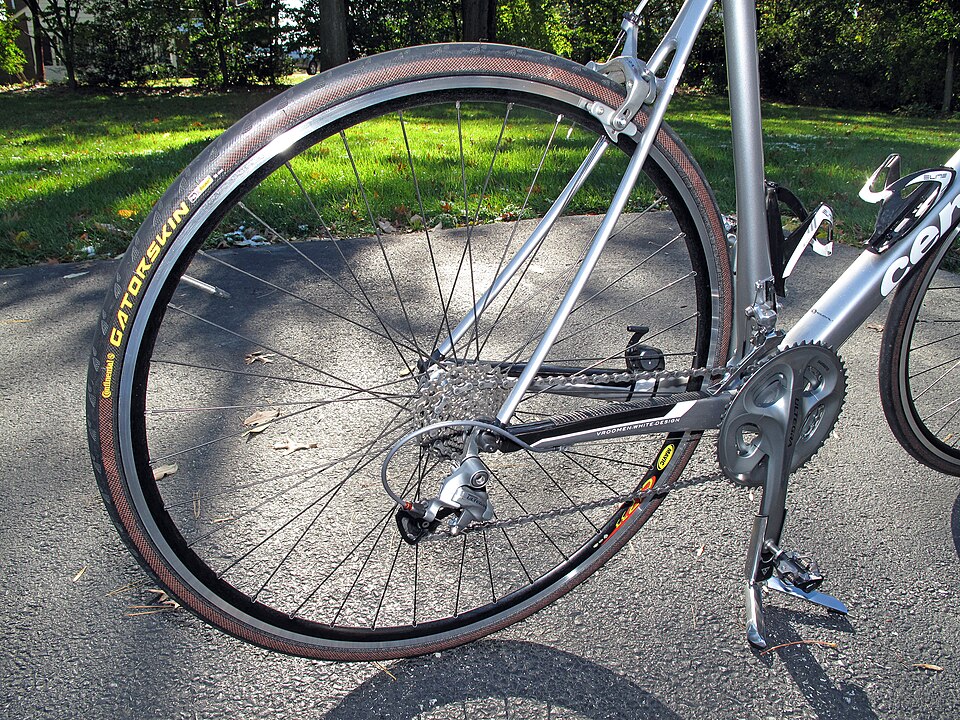
Modern road bike tires range from 23mm to over 30mm, with the trend shifting toward wider tires for better real-world speed, grip, and comfort. The right tire width depends on your riding surface and style.

Key Takeaway

  • Wider tires (28-32mm) are the 2026 standard for speed and comfort on real roads
  • Lower pressure reduces rolling resistance and improves comfort
  • Tubeless technology dominates for puncture resistance and performance
  • Tire width should match road conditions: 23-25mm for smooth racing, 28-32mm+ for rough roads

Road Bike Tire Width Guide: What Size for Your Riding Style

Illustration: Road Bike Tire Width Guide: What Size for Your Riding Style

Choosing the right tire width is crucial for optimal performance. The width affects speed, comfort, and how your bike handles different surfaces.

23-25mm: Racing and Smooth Pavement Performance

  • Best for smooth pavement and racing: These narrow tires prioritize aerodynamics and low weight, making them ideal for competitive events on well-maintained roads.
  • High TPI for low rolling resistance: Premium racing tires in this range typically feature high thread-per-inch counts, creating supple casings that minimize energy loss.
  • Continental Grand Prix 5000 TT TR: This model exemplifies the performance focus of 23-25mm tires, offering minimal rolling resistance for maximum speed.

The pattern is clear: narrower tires excel where speed matters most and road surfaces are perfect. They sacrifice comfort for aerodynamic efficiency.

25-28mm: All-Rounder for Most Road Conditions

  • Considered the all-rounder: This width has become the standard for most road cyclists, offering an excellent balance between speed and comfort.
  • Balance of speed and comfort: These tires provide enough cushioning for everyday roads while maintaining good performance characteristics.
  • Suitable for average asphalt conditions: Most road bikes can accommodate this width, making it the practical choice for general riding.

The 25-28mm range represents the sweet spot for most riders. It’s wide enough to handle imperfect roads yet narrow enough to maintain good speed.

28-32mm+: Endurance and Rough Road Comfort

  • Ideal for rough roads and endurance rides: Wider tires excel on bumpy or poorly maintained surfaces where comfort becomes critical.
  • Better vibration absorption and puncture resistance: The larger air volume and thicker casings provide superior protection against road hazards.
  • Allows lower pressures for enhanced comfort: Wider tires can run at lower pressures without risking pinch flats, dramatically improving ride quality.

The trend toward wider tires reflects a shift in cycling priorities. Modern riders value comfort and durability alongside pure speed, especially on real-world roads — road cycling.

Road Condition Tire Selection: Matching Tires to Surfaces

Illustration: Road Condition Tire Selection: Matching Tires to Surfaces

Different road surfaces demand different tire characteristics. Matching your tire to the conditions you ride most often will improve your experience significantly.

Smooth Asphalt and Racing: Narrow and Lightweight

Smooth asphalt and racing require narrow, lightweight tires that minimize rolling resistance. The Continental Grand Prix 5000 TT TR exemplifies this category, featuring a slick tread pattern and high-TPI casing for maximum speed. These tires work best at higher pressures (100-120 PSI) to prevent energy loss through tire deformation. The Vittoria Corsa Pro Speed TLR offers similar performance with tubeless compatibility, allowing slightly lower pressures for improved comfort without sacrificing speed. The key benefit is aerodynamic efficiency – narrow tires cut through the air more cleanly and weigh less, both critical factors in racing scenarios.

Rough Roads and Mixed Conditions: Wide and Durable

Rough roads demand wider tires at lower pressures to absorb vibrations and maintain traction. The Pirelli Cinturato Velo TLR excels here, featuring a durable casing with puncture protection belts that withstand debris and rough surfaces. The Continental Grand Prix 5000 S TR provides a similar balance, offering the speed of a racing tire with enhanced durability for real-world conditions. The key benefit is comfort and control – wider tires at 70-85 PSI smooth out road imperfections, reduce fatigue on long rides, and maintain better contact with the road surface. This setup also reduces the risk of pinch flats that plague narrow tires on rough terrain.

Wet Weather and Winter Riding: Grip and Stability

Wet weather and winter riding require tires with durable compounds and slightly wider profiles for stability. Tubeless setups are particularly recommended for wet conditions, as they allow lower pressures that increase the contact patch and improve grip. Slightly wider profiles (28-32mm) provide better stability on slippery surfaces and more volume to absorb impacts from unseen obstacles. The key benefit is safety – wider tires with appropriate tread patterns maintain traction in wet conditions where narrow tires might lose grip. Many riders also appreciate the added puncture resistance of wider tires when debris becomes hidden under water or snow.

Tire Types and Technology: Clincher vs Tubeless vs Tubular

Illustration: Tire Types and Technology: Clincher vs Tubeless vs Tubular

Understanding tire construction types helps you choose the right system for your riding style and maintenance preferences.

Clincher Tires: Standard with Inner Tube

  • Standard tire with inner tube: This traditional design uses a separate inner tube that holds air inside the tire casing.
  • Most common and affordable: Clincher tires dominate the market due to their simplicity and lower cost compared to other systems.
  • Easy to repair and replace: Fixing a flat involves replacing just the inner tube, making roadside repairs straightforward and inexpensive.

Clincher tires remain popular for their convenience and widespread availability. They work with most wheels and require no special setup beyond proper inflation.

Tubeless Tires: Seal Directly to Rim

  • Tire seals directly to rim: Tubeless systems eliminate the inner tube, with the tire forming an airtight seal against the rim bed.
  • Often uses sealant: Liquid sealant inside the tire automatically plugs small punctures, providing self-healing properties during rides.
  • Lower rolling resistance and better puncture protection: Without an inner tube, tubeless tires can run at lower pressures for improved comfort while resisting pinch flats.

Tubeless technology has become increasingly popular for its performance benefits. The ability to run lower pressures without pinch flats makes these tires ideal for rough roads and endurance riding.

Tubular Tires: Integrated Tube Design

  • Inner tube permanently attached: Tubular tires have the inner tube sewn inside the tire casing, creating a single integrated unit.
  • Typically used in racing: Professional racers often prefer tubulars for their lightweight construction and ability to be ridden while flat.
  • Higher cost but excellent performance: These tires offer superior ride quality and can be inflated to very high pressures, but they’re more expensive and require special wheels.

Tubular tires remain the choice for elite competition where every gram matters. However, their complexity and cost limit their appeal for most recreational riders.

The most surprising finding is how much tire width affects real-world performance. Many cyclists still believe narrower tires are always faster, but modern testing shows wider tires at lower pressures often provide better efficiency on typical roads. The key is matching your tire to your actual riding conditions rather than following outdated racing conventions.

For the best results, examine the roads you ride most often. If you primarily ride smooth pavement and race, 23-25mm tires at higher pressures will serve you well. If you encounter rough roads, commute, or prioritize comfort, consider 28-32mm tubeless tires that can transform your riding experience. The technology exists to make cycling more comfortable without sacrificing speed – you just need to choose the right tool for the job.