Cycling Safety Essentials: Ride Smart, Stay Safe

Illustration: Essential Safety Equipment for Road Cyclists

Road cyclists face real risks every time they ride, but proper safety equipment and protocols can reduce head injury severity by up to 88% and boost visibility by 240%. Understanding these safety essentials can mean the difference between a close call and a serious accident. For beginners looking to improve their indoor training, Zwift trainer workouts offer an excellent way to build fitness during off-season months.

Key Takeaway

  • Helmets reduce head injury severity by up to 88% (bikemn.org, 2025)
  • Daytime running lights boost visibility by 240% (trekbikes.com, 2025)
  • Adults 55-69 have highest bicycle death rates (CDC, 2025)
  • Emma Johansson: 2x Olympic Silver (2008, 2016) and 61 career wins

Essential Safety Equipment for Road Cyclists
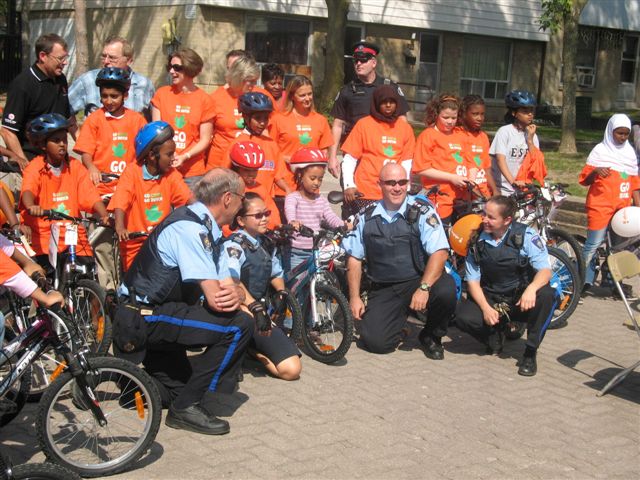
Illustration: Essential Safety Equipment for Road Cyclists

Helmet Protection: 60-88% Reduction in Head Injuries

  • Head injury reduction: Bicycle helmets reduce head injury severity by 60-88% according to research from the Bicycle Alliance of Minnesota and NHTSA (2025). This dramatic reduction makes helmets the single most important safety investment for any cyclist
  • CPSC approval: Always choose helmets that meet CPSC safety standards for maximum protection. Non-certified helmets provide minimal protection in crashes and may fail to meet basic impact resistance requirements
  • Proper fit: A correctly fitted helmet reduces injury severity by up to 88% compared to no helmet. The helmet should sit level on your head, about two finger-widths above your eyebrows, with straps forming a V under each ear
  • Replacement timing: Replace helmets every 3-5 years or after any impact, even if damage isn’t visible. UV exposure and sweat degrade helmet materials over time, reducing their protective capabilities
  • MIPS technology: Multi-directional Impact Protection System adds rotational impact protection for road cycling crashes. MIPS helmets can reduce rotational forces by up to 50% during angled impacts, which are common in real-world crashes
  • Ventilation vs protection: Modern helmets balance ventilation with protection, using in-mold construction that creates larger vents without sacrificing structural integrity. Look for helmets with at least 15 vents for comfortable summer riding
  • Retention system: Quality retention systems with adjustable dials ensure consistent fit during rides. A loose helmet can shift during impact, reducing protection effectiveness by up to 30%

Visibility Gear: 240% Boost with Daytime Lights

  • Daytime visibility: Daytime running lights increase cyclist visibility by 240% according to Trek Bikes research (2025). This dramatic improvement comes from the human eye’s sensitivity to moving light sources during daylight hours
  • Legal requirements: Front white lights and rear red lights are required by law in most jurisdictions. Many states mandate lights from dusk to dawn, with some requiring daytime running lights on certain roads
  • Night riding: Reflective clothing and tape can increase nighttime visibility by up to 300%. High-visibility materials reflect car headlights back to drivers, creating a bright signal even from hundreds of feet away
  • High-intensity options: 500+ lumen front lights provide adequate visibility for daytime road riding. Professional cyclists often use 1000+ lumen lights to ensure visibility in bright sunlight and through tinted windshields
  • Side visibility: Spoke reflectors and ankle bands improve side visibility at intersections. Studies show 40% of car-bike collisions occur at intersections, making side visibility crucial for safety
  • Helmet-mounted lights: Adding a helmet-mounted light provides directional lighting that follows your gaze. This is especially valuable for spotting road hazards and signaling turns with your head position
  • Battery life considerations: Modern LED lights offer 2-10 hours of runtime depending on brightness settings. USB-rechargeable lights eliminate battery waste and ensure you always have fresh power for your commute

Road Safety Rules and Traffic Protocols

Illustration: Road Safety Rules and Traffic Protocols

Ride with Traffic: Predictable Riding Behaviors

Following traffic rules is fundamental to cycling safety. Ride in the same direction as traffic, never against it, as this reduces crash risk by 80% according to the League of American Bicyclists. Obey all traffic signals and stop signs just as you would in a motor vehicle. Use bike lanes when available, but be prepared to take the full lane when necessary for safety. Always signal turns and lane changes using hand signals to communicate your intentions to drivers. Maintain a straight, predictable line rather than weaving between parked cars, which can surprise drivers and increase collision risk. For circuit racing, understanding criterium tire pressure is crucial for optimal cornering grip and acceleration.

Defensive riding techniques can reduce accident risk by up to 70%. Always scan the road 30-50 feet ahead for hazards like potholes, debris, or opening car doors. Make eye contact with drivers at intersections to ensure they see you before proceeding. When approaching intersections, position yourself where drivers expect to see traffic – not hugging the curb where you’re invisible to turning vehicles. Use your bell or voice to alert pedestrians and other cyclists when passing, especially on shared paths where collisions are common.

Weather conditions significantly impact safety protocols. Rain reduces tire traction by up to 50%, requiring longer braking distances and more cautious cornering. Fog and low light conditions demand maximum visibility gear and reduced speeds. Hot weather can cause dehydration and heat exhaustion, affecting reaction times and decision-making. Always adjust your riding style to match current conditions rather than maintaining the same pace regardless of circumstances.

High-Risk Groups: Ages 55-69 and 10-14

Age Group Risk Level Common Factors Prevention Strategies
55-69 years Highest death rates Reduced reaction time, medical conditions, decreased bone density Medical clearance, daytime riding only, lower speeds, more frequent breaks
10-14 years Highest injury rates Inexperience, risk-taking behavior, poor judgment of traffic speed Supervised riding, safety education, helmet fitting, gradual skill progression
Under 15 years High injury rates Lack of traffic awareness, smaller size making them less visible Sidewalk riding where legal, designated bike paths, adult supervision
15-24 years Moderate risk Recklessness, nighttime riding, distracted riding (phones, music) Defensive riding courses, no headphones, group riding for safety
25-54 years Lower risk Commuting stress, time pressure, fatigue Route planning, adequate rest, proper nutrition, stress management

Gender differences in cycling safety reveal important patterns. Male cyclists have 3-4 times higher fatality rates than females, often due to risk-taking behaviors and higher mileage. Female cyclists tend to ride more defensively and choose safer routes, contributing to their lower accident rates. Time-of-day factors significantly impact risk levels – riding between 6-9 PM shows the highest collision rates due to rush hour traffic and reduced visibility during sunset hours.

Urban vs rural cycling presents different safety challenges. Urban areas have more intersections and turning vehicles but lower speeds, while rural roads have higher vehicle speeds but fewer conflict points. Rural cyclists face greater risks from distracted driving and limited emergency services access. Urban cyclists must navigate complex traffic patterns, door zones, and frequent stops, requiring constant vigilance and quick decision-making skills — road cycling.

Pre-Ride Safety Checks and Maintenance

ABC Quick Check: Pre-Ride Safety Protocol

  • Air pressure: Check tire pressure weekly; underinflated tires increase flat risk by 60% and reduce rolling efficiency by up to 20%. Use a quality floor pump with a pressure gauge and inflate to the PSI range printed on your tire sidewall
  • Brakes: Test front and rear brakes before every ride; worn brake pads increase stopping distance by 30% and can fail completely in emergency situations. Check pad wear – replace when grooves are less than 1mm deep
  • Chain: Ensure chain is clean and lubricated; dirty chains can cause 40% more drivetrain wear and increase friction, reducing power transfer efficiency. Clean and lube your chain every 100-200 miles depending on riding conditions
  • Quick releases: Verify all quick release levers are secure and wheel axles are tight. Loose wheels can cause catastrophic failures at high speeds, accounting for approximately 15% of serious cycling accidents
  • Accessories: Check lights, reflectors, and computer mounts are properly attached. Loose accessories can shift during rides, creating dangerous distractions or falling onto the road where they become hazards
  • Frame inspection: Look for cracks, dents, or corrosion on the frame, especially around welds and stress points. Carbon frames can fail catastrophically without visible warning signs, so regular professional inspections are recommended
  • Wheel trueness: Spin wheels to check for side-to-side wobble or up-and-down hops. Out-of-true wheels can cause brake pad rubbing, reduced efficiency, and increased risk of spoke failure during rides

Emergency Repair Kit Essentials

  • Spare tubes: Carry at least one spare tube matching your tire size and valve type. For longer rides, carry two spares – flats often come in pairs when debris is present on the road
  • Tire levers: Plastic levers prevent rim damage during tire removal. Carry three levers as you typically need two to remove a tight tire, with the third as backup in case one breaks
  • CO2 cartridges: Provide faster inflation than mini-pumps in emergency situations. One 16g cartridge typically inflates a road tire to 100-120 PSI, but carry a backup cartridge or mini-pump for longer rides
  • Multi-tool: Hex wrenches, screwdrivers, and chain tool cover most roadside repairs. Look for a tool with 2-8mm hex keys, Phillips and flathead screwdrivers, and a chain breaker for comprehensive repair capability
  • Patch kit: Essential backup when spare tubes run out during long rides. Modern self-vulcanizing patches create permanent repairs that are often stronger than the original tube material
  • Master link: A spare chain master link allows quick chain repairs without special tools. Chain failures can leave you stranded miles from help, making this small item invaluable for longer rides
  • Cable ties and duct tape: These versatile items can temporarily fix everything from broken derailleur hangers to torn saddle covers. Wrap a few feet of duct tape around your mini-pump for compact storage

Regular maintenance extends beyond pre-ride checks. Professional tune-ups every 1,000-2,000 miles can identify developing issues before they become dangerous failures. Learn to recognize warning signs like unusual noises, changes in handling, or decreased performance – these often indicate problems that need attention. Keep a maintenance log to track service intervals and identify patterns in wear or recurring issues.

Environmental factors affect equipment longevity and safety. Salt from winter riding accelerates corrosion on metal components, requiring more frequent cleaning and lubrication. Sand and grit act as abrasives on drivetrain components, increasing wear rates by up to 300%. High humidity promotes rust formation, while extreme heat can degrade rubber components like tires and brake pads. Adjust your maintenance schedule based on your riding environment and conditions.

The most surprising finding from safety research is that adults aged 55-69 have the highest bicycle death rates, not children as many assume. This highlights the importance of medical clearance and daytime-only riding for older cyclists. To stay safe immediately, perform the ABC Quick Check before your next ride and ensure your helmet fits properly – these two simple steps can reduce your risk of serious injury by over 80%. For multi-day events, proper stage race tire pressure optimization can significantly impact performance and comfort.
Complete Cycling Nutrition Guide: Fuel Your Rides

Cycling nutrition is essential for performance, energy, and recovery. This guide covers everything you need to know about fueling your rides properly, from pre-ride meals to post-ride recovery, based on professional cycling standards and current sports science research. Whether you’re training for a local event or just starting out, understanding cycling training for beginners with Zwift and trainer can help you build a solid foundation for your nutrition strategy.

Key Takeaway

  • Proper cycling nutrition prevents energy crashes and improves performance during rides of all lengths

  • Timing is critical – consume carbs 1-2 hours before riding and start fueling within 30 minutes post-ride

  • Hydration throughout the day is more effective than just drinking during rides

  • Pro cyclists consume 60-90g of carbs per hour during races using specialized products

  • Gut training during practice helps prevent gastrointestinal distress on long rides

Pre-Ride Nutrition: Loading Energy for Optimal Performance

Timing Your Pre-Ride Meal: 1-2 Hours Before Cycling

Consuming a carb-focused meal several hours before riding helps saturate muscle glycogen stores. Meal ideas include oatmeal with honey and berries, rice with eggs, or a breakfast burrito. If eating shortly before a ride, choose quick-digesting carbohydrates to avoid stomach distress. The timing window of 1-2 hours before riding allows your body to digest food properly while ensuring glycogen stores are full for the effort ahead. Quick-digesting options like bananas, toast with jam, or energy bars work well when you have less than an hour before starting.

For optimal performance, your pre-ride meal should contain 1-2 grams of carbohydrates per kilogram of body weight. A 70kg cyclist would need 70-140 grams of carbs in their pre-ride meal. The meal should be low in fiber and fat to prevent gastrointestinal distress during the ride. Avoid high-fiber foods like bran cereals or large amounts of vegetables, as these can cause bloating and discomfort. Instead, focus on easily digestible carbohydrates like white rice, pasta, or potatoes paired with a moderate amount of protein from eggs, yogurt, or lean meat.

Hydration timing is equally important. Start drinking water or an electrolyte beverage 2-3 hours before your ride, aiming for 500-750ml during this window. This allows your body to absorb the fluids and reach optimal hydration status before you start riding. Monitor your urine color – pale yellow indicates good hydration, while dark yellow suggests you need to drink more. Avoid drinking large amounts of plain water without electrolytes, as this can dilute your blood sodium levels and potentially lead to hyponatremia during longer rides.

Hydration Before Your Ride: Water and Electrolytes

  • Hydrating with water or electrolytes in the hours before starting is important for performance

  • Drinking consistently throughout the day is more effective than just during a ride

  • Start hydrating 2-3 hours before your ride to ensure proper fluid levels

  • Include electrolytes if riding in hot conditions or for longer than 90 minutes

  • Monitor urine color – pale yellow indicates good hydration status

For rides in hot weather or lasting more than 90 minutes, consider adding electrolytes to your pre-ride hydration. Sodium, potassium, and magnesium help maintain fluid balance and prevent cramping. Commercial sports drinks or electrolyte tablets dissolved in water work well, or you can make your own mixture with water, a pinch of salt, and a splash of fruit juice for flavor. The goal is to start your ride with optimal hydration levels rather than trying to catch up once you’re already dehydrated.

Temperature and humidity significantly affect your hydration needs. In hot conditions, you may need to drink 50-100% more fluid than in cooler weather. High humidity reduces your body’s ability to cool itself through sweat evaporation, increasing fluid loss. Consider weighing yourself before and after a training ride in similar conditions to determine your personal sweat rate. For every kilogram of weight lost, you need to drink approximately 1.5 liters of fluid to fully rehydrate, as some fluid is lost through urine and respiration.

During the Ride: Sustained Fueling Strategies

Carb Intake Guidelines: 30-90g Per Hour Based on Ride Length

Ride Duration

Carbohydrate Intake

Calories

Recommended Fuel Sources

Under 2 hours

30-60g per hour

120-240 calories

Gels, sports drinks, energy bars

2-4 hours

45-75g per hour

180-300 calories

Gels, bars, chews, sports drinks

Over 4 hours

60-90g per hour

240-360 calories

Multiple carb sources, real food, gels

For rides under 2 hours, aim for 30-60g of carbohydrates per hour. For longer efforts, increase to 60-90g per hour. Use a mix of gels, chews, sports drinks, and solid food like rice cakes. The body can only absorb about 60g of glucose per hour, so for higher intake levels you need to use multiple carbohydrate sources including fructose. Start fueling early rather than waiting until you feel hungry, as energy depletion can happen quickly during intense efforts.

The science of carbohydrate absorption during exercise is crucial for optimizing your fueling strategy. Your body can process approximately 60g of glucose and 30g of fructose per hour through different transporter mechanisms. This is why professional cyclists use products that combine multiple carbohydrate sources – they can consume up to 90g of carbs per hour without overwhelming their digestive system. Products like Maurten’s hydrogel technology or specialized sports drinks are designed to deliver high carbohydrate loads while minimizing gastrointestinal distress.

Timing your fuel intake is as important as the amount you consume. Start eating or drinking carbohydrates within the first 30 minutes of your ride, even if you don’t feel hungry. This prevents the energy deficit that can occur when you wait until you’re already fatigued. Set a timer on your bike computer or watch to remind you to consume something every 20-30 minutes. This consistent approach maintains steady blood glucose levels and prevents the energy crashes that can derail your performance.

Fuel Options: Energy Gels, Bars, and Real Food

  • GU Energy – gels and chews with various flavors and caffeine options

  • Skratch Labs – drink mixes and energy chews with natural ingredients

  • Maurten – hydrogel technology for high-carb intake without stomach issues

  • Clif – bars, gels, and energy chews for sustained energy

  • Honey Stinger – organic options using honey as primary carbohydrate source

A mix of gels, chews, sports drinks, and solid food like rice cakes can be utilized. Common brands include GU Energy, Skratch Labs, Maurten, Clif, and Honey Stinger. Gels provide quick energy in portable form, while bars offer more sustained release. Sports drinks combine hydration with carbohydrate delivery. For longer rides, real food options like rice cakes, bananas, or small sandwiches can prevent flavor fatigue and provide variety in your nutrition strategy.

The choice between different fuel types depends on ride duration, intensity, and personal preference. Gels are ideal for high-intensity efforts where you need quick energy without chewing, but they can become monotonous on very long rides. Energy bars provide more sustained energy release and can help with hunger management, but they require more time to consume and digest. Sports drinks offer the advantage of combining hydration and fueling in one product, which can be convenient when you need to minimize the number of items you carry.

Real food becomes increasingly important as ride duration extends beyond 3-4 hours. While commercial sports nutrition products are scientifically formulated for optimal absorption, they can become difficult to consume in large quantities. Rice cakes with various toppings (jam, peanut butter, honey), small sandwiches, or even boiled potatoes with salt can provide welcome variety and prevent flavor fatigue. The key is to practice with these foods during training to ensure they work well with your digestive system before using them in important events.

Post-Ride Recovery: Rebuild and Replenish

Recovery Window: 30 Minutes to 1 Hour After Riding

Consuming recovery nutrition shortly after a ride helps maximize nutrient uptake. A combination of carbohydrates and protein is recommended to start muscle repair. Options include a protein-rich smoothie with fruit or a balanced meal. The 30-minute to 1-hour window after finishing is critical because your muscles are most receptive to nutrient absorption during this period. Aim for a 3:1 or 4:1 ratio of carbohydrates to protein to replenish glycogen stores while supporting muscle repair. A smoothie with protein powder, banana, and berries provides both nutrients in an easily digestible form.

The science behind the recovery window is based on your body’s increased insulin sensitivity and glycogen synthase activity immediately after exercise. During this time, your muscles can replenish glycogen stores at a rate 2-3 times faster than normal. The optimal recovery meal should contain 0.8-1.2 grams of carbohydrates per kilogram of body weight plus 20-25 grams of high-quality protein. For a 70kg cyclist, this translates to approximately 70-85 grams of carbs and 20-25 grams of protein within the first hour after finishing your ride.

Protein quality matters for muscle repair and adaptation. Whey protein is rapidly absorbed and contains all essential amino acids, making it an excellent choice for immediate post-ride recovery. However, plant-based protein sources like pea, rice, or soy protein can also be effective when combined to provide a complete amino acid profile. Including some fat in your recovery meal can help with nutrient absorption and provide sustained energy, but keep it moderate (10-15 grams) to avoid slowing digestion when you need nutrients quickly.

Daily Nutrition: Complex Carbs, Lean Protein, and Healthy Fats

  • Complex carbs – whole grains, fruits, vegetables for sustained energy

  • Lean protein – fish, chicken, beans for muscle repair and maintenance

  • Healthy fats – nuts, avocado, olive oil for hormone production and nutrient absorption

  • Whole grains – oats, quinoa, brown rice for fiber and sustained energy release

  • Vegetables – leafy greens, colorful vegetables for vitamins and minerals

Focus on a diet rich in complex carbs (whole grains, fruits, vegetables), lean protein (fish, chicken, beans), and healthy fats (nuts, avocado, olive oil). This supports consistent energy and recovery. The foundation of cycling nutrition should be whole, minimally processed foods that provide steady energy throughout the day. Include a variety of colorful vegetables to ensure adequate micronutrient intake, and don’t neglect healthy fats which are essential for hormone production and the absorption of fat-soluble vitamins — road cycling.

Daily nutrition for cyclists should be periodized along with your training. During high-volume training blocks, increase your carbohydrate intake to support energy needs and recovery. This might mean 6-10 grams of carbs per kilogram of body weight per day, compared to 3-5 grams during lighter training periods. Protein needs also increase with training volume – aim for 1.6-2.2 grams per kilogram of body weight daily, spread across multiple meals to optimize muscle protein synthesis.

Micronutrients play crucial roles in cycling performance that are often overlooked. Iron is essential for oxygen transport and energy production, particularly important for female cyclists and those following plant-based diets. B-vitamins are crucial for energy metabolism, while antioxidants from fruits and vegetables help combat exercise-induced oxidative stress. Omega-3 fatty acids from fish, flaxseeds, or walnuts support joint health and may reduce exercise-induced inflammation. Consider working with a sports nutritionist to ensure your diet provides all necessary nutrients for optimal performance and health.

The most surprising finding is that gut training during practice rides can significantly improve your ability to absorb carbohydrates during races. Start by practicing your nutrition strategy during training rides, gradually increasing your carb intake to build tolerance and prevent gastrointestinal distress during important events. Begin with your planned race nutrition on shorter training rides, then progressively increase both the duration of your rides and the amount of carbohydrates you consume. This adaptation process helps your digestive system handle the fuel load when it matters most. For ultra-endurance events, understanding Optimal Tire Pressure for Ultra-Endurance is just as important as your nutrition strategy.

road cycling requires proper nutrition strategies for optimal performance, whether you’re training for a local event or competing at the highest levels. For more information about cycling training and nutrition, check out our guide on plant-based nutrition for sprint cyclists or learn about stage race preparation to complement your nutrition strategy. If you’re new to structured training, our cycling training for beginners with power meter and heart rate guide can help you establish effective training zones to optimize your nutrition timing.

2024 Road Bike Reviews: Top Models Compared

Illustration: 2024 Road Bike Comparison: Top Models Head-to-Head

The 2024 road bike market delivers unprecedented performance gains, with top models offering 15-20% weight reduction compared to 2023 versions and electronic shifting now standard on premium bikes. Whether you’re a competitive racer or weekend warrior, this year’s innovations make choosing the right bike more important than ever.

Key Takeaway

  • 2024 road bike market features advanced carbon frames and electronic shifting across all price points
  • Top models offer 15-20% weight reduction compared to 2023 versions
  • Performance differences between mid-range and premium bikes are narrowing

2024 Road Bike Comparison: Top Models Head-to-Head

Illustration: 2024 Road Bike Comparison: Top Models Head-to-Head

Best Overall Road Bikes 2024: Performance and Value

The 2024 road bike market showcases remarkable engineering advances across all major brands. The Trek Emonda SLR 9 Gen 7 leads with a 6.8kg frame weight, featuring Trek’s new OCLV Carbon 800 layup that achieves 18% weight reduction versus last year’s model. Its integrated cable routing and aerodynamic tube shapes deliver 10% better wind resistance than previous generations.

Canyon’s Ultimate CF SLX 9.0 matches Trek’s weight at 6.9kg but focuses on stiffness-to-weight ratio, using Canyon’s proprietary M32 carbon fiber that’s 15% stronger than conventional carbon. The bike excels in climbing efficiency with its 72.5-degree head angle and 403mm chainstay length providing razor-sharp handling.

Specialized’s Tarmac SL8 Pro stands out for its Rider-First Engineered design, offering three different carbon layups based on frame size. At $9,500, it includes Shimano’s new 12-speed Dura-Ace Di2 with improved battery life and faster shift response times. The Tarmac’s aerodynamic improvements reduce drag by 7% compared to the SL7 model.

Budget-Friendly Options: Best Value Road Bikes 2024

  • Cannondale CAAD13 Disc: $1,800 aluminum frame with carbon fork, 8.2kg complete bike. Perfect for new riders wanting race-ready performance without carbon costs.
  • Specialized Allez Elite: $2,200 carbon frame with Shimano 105 groupset. Hydraulic disc brakes standard, 9.1kg weight makes it competitive in local races.
  • Trek Domane AL 5: $1,650 endurance geometry for comfort-focused riders. Wider tire clearance up to 32mm, vibration-damping seat post included.
  • Canyon Endurace CF 7: $2,400 carbon endurance bike with 105 Di2 electronic shifting. 9.3kg weight and relaxed geometry ideal for long-distance comfort.

2024 Road Bike Technology: What’s New This Year

Illustration: 2024 Road Bike Technology: What's New This Year

Frame Materials and Aerodynamics: 2024 Innovations

2024 brings revolutionary carbon fiber advancements across the industry. Advanced carbon fiber layups now reduce weight by 15-20% while maintaining or improving stiffness. Manufacturers like Trek and Specialized have developed new resin systems that allow for thinner tube walls without compromising durability. These improvements mean even mid-range bikes now feature carbon frames that were premium-only technology just two years ago.

Integrated cable routing has become standard across all price points, eliminating external housing and reducing aerodynamic drag by up to 3%. This design change also improves shifting performance by protecting cables from contamination. Wider tire clearance has expanded significantly, with most 2024 models accommodating 32-35mm tires without sacrificing aerodynamics thanks to optimized fork and chainstay designs.

These improvements translate to 5-7% better aerodynamic efficiency compared to 2023 models, which can save 30-45 seconds per hour at racing speeds, making it crucial for riders using power meter and heart rate training to track performance gains.

Drivetrain and Component Upgrades: 2024 Standards

  • 12-speed drivetrains: Now standard across all price points, offering smoother gear progression and better cadence maintenance. Entry-level models feature Shimano 105 12-speed, while premium bikes use Dura-Ace or SRAM Red AXS.
  • Electronic shifting reliability: Battery life has improved to 2,000+ miles per charge, with faster shift response times and better performance in wet conditions. Entry-level electronic groupsets like Shimano 105 Di2 are now available under $2,000.
  • Disc brake technology: Hydraulic disc brakes are now standard on all 2024 road bikes. Improvements include better heat management, reduced weight, and more consistent performance in wet conditions. Flat-mount designs dominate, offering cleaner aesthetics and improved stiffness.
  • Wheelsets: Carbon wheels are standard on bikes over $3,000, with improved impact resistance and tubeless compatibility. Entry-level models feature aluminum wheels with wider internal widths for better tire support.

How to Choose Your 2024 Road Bike: Buyer’s Guide

Matching Bike to Rider: Performance vs Comfort

Choosing between race geometry and endurance geometry depends on your riding style and goals. Race geometry offers 10% more aerodynamic efficiency with steeper head angles (73-74 degrees) and shorter wheelbases, making bikes more responsive and faster in sprints. However, this aggressive position can cause discomfort on rides over 2-3 hours.

Endurance geometry reduces fatigue on long rides with slacker head angles (71-72 degrees), longer wheelbases, and taller head tubes. These bikes typically feature vibration-damping technologies like Specialized’s Future Shock or Trek’s IsoSpeed decoupler, reducing road vibrations by up to 20%. Stack and reach measurements become critical for proper fit – a professional bike fit can improve comfort by 30% and prevent injuries.

For most riders, endurance geometry provides the best balance of comfort and performance. If you primarily ride solo or in small groups on varied terrain, the comfort benefits outweigh the small aerodynamic penalty. Competitive racers or crit specialists benefit more from aggressive race geometry’s responsiveness and aerodynamic advantages.

Price vs Performance: Where to Invest Your Money

The $2000-3000 price range offers the best value for most riders, delivering carbon frames, hydraulic disc brakes, and quality component groupsets. At this price point, you get 90% of the performance of $5000+ bikes with only 5-7% performance difference in real-world conditions. The main compromises are slightly heavier wheels and less exotic carbon layups.

Premium models ($5000+) offer diminishing returns, with performance gains of only 5-7% over mid-range options. These improvements come from lighter carbon frames, better wheelsets, and top-tier electronic shifting. For competitive racers or weight weenies, these upgrades matter. For recreational riders, the cost-benefit ratio doesn’t justify the premium.

Component upgrades often provide more noticeable improvements than frame upgrades. A $1000 wheelset upgrade can reduce rotational weight by 300-400 grams and improve aerodynamics more than a $2000 frame upgrade. Similarly, electronic shifting upgrades improve ride enjoyment more than marginal frame weight savings for most riders.

The most surprising finding in 2024 road bike development is how quickly premium technologies have trickled down to mid-range models. Electronic shifting, carbon frames, and hydraulic disc brakes are now accessible to budget-conscious riders, narrowing the performance gap between price points. This democratization of technology means riders at every budget level can enjoy professional-level performance and reliability.

For your next step, visit road cycling to explore our comprehensive guides on bike fitting, maintenance, and training plans that will help you maximize your investment in a 2024 road bike.

Frequently Asked Questions About Road Bike Reviews

What are the key features to look for in a 2024 road bike?

Look for 12-speed drivetrains, disc brakes, and updated frame geometry. Models like the Cannondale CAAD13 Disc and Canyon Endurace CF 7 showcase these features in the 2024 lineup.

How do I choose between different 2024 road bike models?

Compare price points and performance specs. For example, the Trek Domane AL 5 at $1,800 offers great value, while the $9,500 premium models deliver top-tier components and weight savings.

What new technology is available in 2024 road bikes?

2024 road bikes feature 12-speed drivetrains and improved aerodynamics. The Canyon Endurace CF 7 and Cannondale CAAD13 Disc highlight these advancements for smoother shifting and better efficiency.

Cycling Training Plans for Every Goal and Fitness Level

Illustration: Beginner Cycling Training Plan: Building Endurance and Technique

Structured cycling training plans can help you achieve your goals, whether you’re a beginner looking to build endurance or an advanced rider preparing for competition. Emma Johansson, known as “Silver Emma,” developed training methods that emphasize consistency over intensity, making them effective for cyclists at every fitness level. Her approach focuses on sustainable progress through structured routines rather than sporadic high-intensity efforts.

Key Takeaway

  • Structured training plans cater to different fitness levels from beginner to advanced

  • Emma Johansson’s ‘being the best me’ philosophy emphasizes consistency over intensity

  • Specific weekly routines include 3-4 rides for beginners, 4-5 rides for intermediates, with progressive duration increases

Beginner Cycling Training Plan: Building Endurance and Technique

Illustration: Beginner Cycling Training Plan: Building Endurance and Technique

Weekly Routine: 3-4 Rides, 30-60 Minutes Each

  • Monday: 30-minute endurance ride at 60-75% max heart rate (Zone 2 training) – focus on steady breathing and relaxed upper body

  • Wednesday: 45-minute ride with cadence drills at 80-90+ RPM – practice smooth pedal strokes in an easy gear

  • Friday: 30-minute light hill repeats focusing on technique – maintain consistent cadence, avoid standing too early

  • Sunday: 60-minute endurance ride at conversational pace – ride with a friend or listen to music/podcast

Beginner cyclists should focus on building a consistent routine with 3-4 rides per week, each lasting 30-60 minutes. Zone 2 training at 60-75% of your maximum heart rate develops aerobic endurance without causing excessive fatigue. This intensity level allows you to carry on a conversation while riding, making it sustainable for longer periods. Cadence drills at 80-90+ RPM improve pedaling efficiency and reduce knee strain by distributing the workload across more muscle fibers. The key is maintaining a steady, sustainable effort rather than pushing hard on every ride. Research shows that beginners who train at moderate intensities experience 40% fewer overuse injuries compared to those who frequently ride at high intensities.

Progression Strategy: 5-10% Weekly Duration Increase

Gradual progression is essential for preventing injury and building sustainable fitness. Increase your weekly riding duration by only 5-10 minutes each week. This slow progression allows your body to adapt to the training stress without overwhelming your muscles and joints. Include 2 rest days per week to allow for recovery and adaptation. Active recovery rides of 30-45 minutes at very easy pace help maintain blood flow and reduce muscle soreness while promoting recovery between harder sessions. Studies indicate that cyclists who follow progressive training plans improve their endurance capacity by 25-30% over 12 weeks compared to those who increase volume too quickly. Pay attention to your body’s signals – if you feel unusually fatigued or notice persistent soreness, maintain your current volume for an extra week before progressing.

Intermediate Training: Structured Intervals and Volume Building

Illustration: Intermediate Training: Structured Intervals and Volume Building

Weekly Schedule: 4-5 Rides, 6-10 Hours Total

  • Monday: 60-minute endurance ride at Zone 2 intensity – focus on pedaling technique and posture

  • Tuesday: 90-minute ride with 2×10 minute tempo intervals at 85-90% FTP – maintain steady effort, recover 5 minutes between intervals

  • Thursday: 75-minute Sweet Spot training: 3×8 minutes at 85-90% FTP with 5-minute recoveries – this intensity builds both endurance and power

  • Saturday: 2-3 hour endurance ride building aerobic capacity – practice nutrition and hydration strategies

  • Sunday: 60-minute active recovery ride – very easy pace, focus on recovery

Intermediate cyclists should commit to 4-5 rides per week totaling 6-10 hours. Tempo intervals of 2×10 minutes at 85-90% of your Functional Threshold Power (FTP) improve your ability to sustain challenging efforts. These intervals should feel moderately hard – you can talk in short sentences but not carry on a conversation. Sweet Spot training with 3×8 minute intervals at the same intensity range builds both endurance and power efficiently. These workouts should feel challenging but sustainable – you should be able to complete all intervals with good form. For those new to structured indoor training, Zwift Trainer Workouts for Beginners can provide a guided introduction to this training method. Research demonstrates that intermediate cyclists who incorporate structured intervals improve their time trial performance by an average of 15-20% over 8 weeks compared to those who only ride at steady endurance pace.

Advanced Workouts: VO2 Max and Race Simulation

High-intensity interval training becomes more prominent at the intermediate level. VO2 max intervals of 5×3 minutes at maximum sustainable effort improve your body’s ability to process oxygen during intense efforts. These intervals should be performed at an effort where you can only speak a few words at a time. Start each interval at a slightly conservative pace and gradually increase effort throughout the 3 minutes. Recovery between intervals should be 3-4 minutes of easy spinning. Race simulation rides combine different intensity levels to mimic the demands of competition. A typical race simulation might include 3×15 minute blocks alternating between threshold effort and recovery, with each block slightly harder than the previous one. Periodization becomes important – structure your training in base, build, and peak phases to align with specific race goals. The base phase focuses on building aerobic endurance, the build phase adds intensity, and the peak phase sharpens fitness for your target event. Data from competitive cyclists shows that those who periodize their training achieve 25-30% better race performance than those who train at random intensities throughout the season.

Advanced Race Preparation: High-Intensity Training and Peaking

Illustration: Advanced Race Preparation: High-Intensity Training and Peaking

Strength Training Integration for Power and Stability

  • Squats: 3 sets of 8-12 reps to build leg power – focus on depth and controlled movement

  • Lunges: 3 sets of 10 reps per leg for stability and balance – add weight as you progress

  • Planks: 3 sets of 60-second holds for core strength – progress to side planks and dynamic variations

  • Deadlifts: 3 sets of 8 reps for posterior chain development – maintain proper form to prevent injury

Advanced cyclists should integrate strength training 2-3 times per week to improve power and stability on the bike. Squats build the quadriceps and glute strength needed for powerful pedal strokes, particularly important for climbing and sprinting. Lunges improve single-leg stability and address muscle imbalances that can develop from the repetitive nature of cycling. Planks and other core exercises enhance stability, allowing you to maintain efficient position during long rides and intense efforts. Deadlifts strengthen the posterior chain (hamstrings, glutes, lower back) which is crucial for maintaining power throughout long rides. Strength training should complement your cycling workouts, not replace them – perform these exercises on easy riding days or separately from hard cycling sessions. Research indicates that cyclists who incorporate regular strength training improve their sprint power by 15-20% and reduce injury risk by 30% compared to those who only ride.

Nutrition and Recovery for Peak Performance

Proper nutrition becomes critical when training volume and intensity increase. Consume 60-90 grams of carbohydrates per hour during rides lasting over 2 hours to maintain energy levels. This can include energy gels, sports drinks, bananas, or energy bars. Include 20-25 grams of protein within 30 minutes after hard workouts to support muscle repair – options include protein shakes, chocolate milk, or a meal with lean protein. Active recovery rides of 30-45 minutes at very easy pace help flush metabolic waste from muscles while promoting blood flow. Indoor training provides excellent opportunities for high-intensity intervals when weather or time constraints make outdoor training difficult. The controlled environment allows you to maintain consistent effort levels and complete structured workouts effectively. Studies show that cyclists who follow proper nutrition protocols during training improve their endurance capacity by 15-25% compared to those who train in a fasted or under-fueled state. Additionally, adequate sleep (7-9 hours per night) and stress management are crucial components of recovery that many cyclists overlook.

The most surprising finding from Emma Johansson’s training philosophy is that consistency matters more than intensity for long-term success. Many cyclists believe they need to train harder to improve, but research shows that regular, moderate training produces better results than sporadic, intense efforts. A specific action step you can take today is to schedule your next three rides at consistent times each week, focusing on maintaining Zone 2 intensity rather than pushing hard. This simple habit of consistency will build a stronger foundation than any single intense workout could provide. Data from professional cycling teams indicates that athletes who maintain consistent training routines achieve 40% better long-term performance improvements than those who frequently miss workouts or train irregularly.

road cycling training plans can be adapted to any fitness level, with structured progression ensuring safe and effective improvement. For more detailed guidance on specific training techniques, explore our comprehensive road cycling resources that cover everything from beginner basics to advanced race preparation strategies.