Zwift Training Plans for Beginners with Power and Heart Rate

Illustration: Best Zwift Training Plans for Beginners in 2026

Zwift offers structured training plans that help beginners build cycling fitness using power meters and heart rate monitors. These plans provide objective data through power meters while heart rate monitors show how your body responds to training, creating a comprehensive approach to indoor cycling improvement.

Key Takeaway

  • Top beginner plans include FTP Builder (6 weeks) and Back to Fitness (6 weeks) for structured progression
  • Power meters provide objective effort data while heart rate shows physiological response
  • ERG mode automatically adjusts resistance for precise workout execution
  • Beginner plans typically require 3-4 training days per week with 30-60 minute sessions

Best Zwift Training Plans for Beginners in 2026
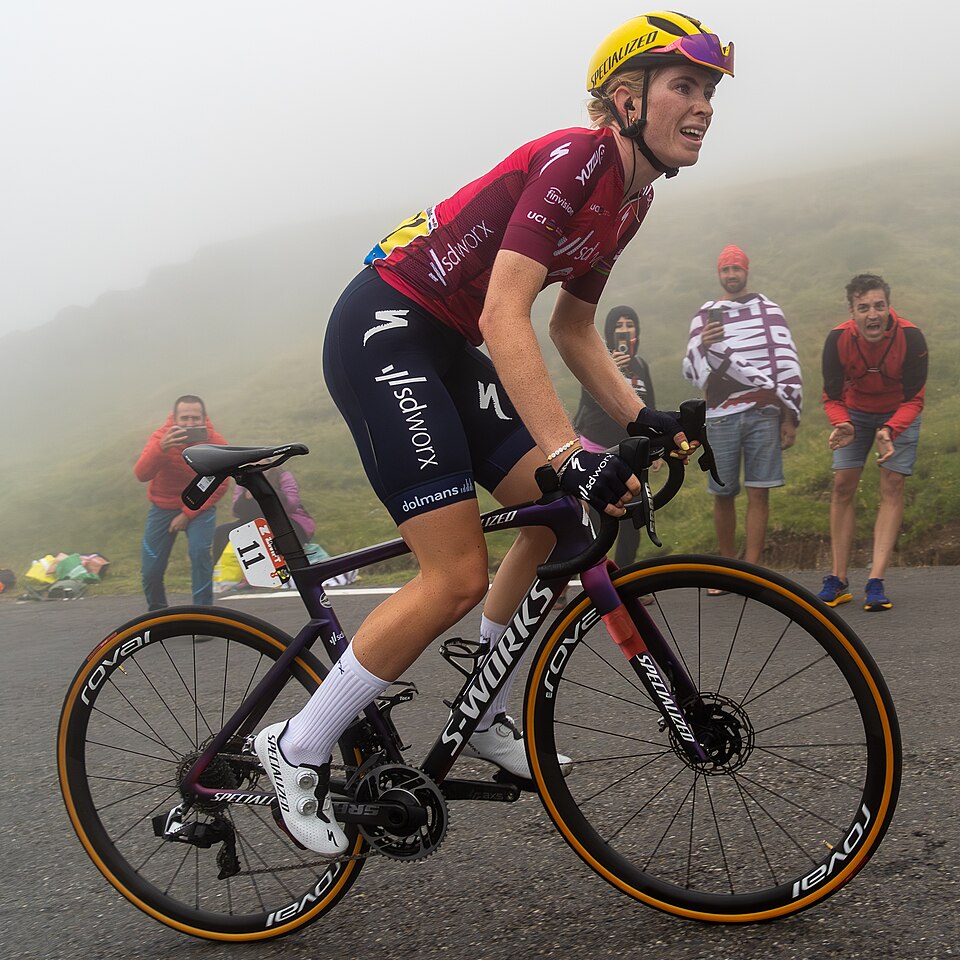
Illustration: Best Zwift Training Plans for Beginners in 2026

Top beginner plans: FTP Builder and Back to Fitness

  • FTP Builder (6 weeks): Designed for beginners wanting to increase their Functional Threshold Power (FTP) and overall strength, with about 4-5 hours of training per week
  • Back to Fitness (6 weeks): A lower-intensity, high-frequency plan designed to get new cyclists back into training
  • Fondo (4 weeks): Focuses on building endurance, perfect for preparing for longer rides
  • Zwift Cycling 101 (4 weeks): Excellent for understanding heart rate and power zones while learning to use the Zwift platform
  • New Year Beginner Fitness Boost (4-6 hrs/week): A TrainingPeaks plan that focuses on strengthening all key areas and increasing FTP and VO2 max

These plans follow a consistent pattern: they start with manageable workout durations and gradually increase intensity and volume. The FTP Builder plan, for example, typically involves four workouts per week, most under an hour, to develop the “aerobic engine” without overwhelming beginners. The Back to Fitness plan emphasizes consistency and gradual progression, making it ideal for those returning to cycling after a break or completely new to structured training.

Training frequency and session duration for beginners

Beginner plans usually suggest 3–4 days of training, starting with shorter (30-60 min) sessions before progressing to longer rides. Before starting a 4-6 week plan, perform a ‘Ramp Test’ in Zwift to set your base power levels. This initial FTP test establishes your training zones and ensures the workouts are appropriately challenging.

The 30-60 minute session duration is intentional for beginners. It’s long enough to provide training stimulus but short enough to maintain focus and proper form. As fitness improves, these sessions can gradually extend to 60-90 minutes. The key is consistency over intensity in the early stages.

Setting Up Power Meter and Heart Rate Monitor with Zwift

Device pairing and connection process

  • For the most accurate experience, connect all devices in the Zwift Pairing Screen before starting a ride
  • Smart Trainer: Select as ‘Power Source’ and ‘Controllable’ (to automatically adjust resistance)
  • Dumb Trainer + Power Meter: Select the power meter as ‘Power Source.’ Zwift will calculate speed (zPower) based on your actual wattage
  • Heart Rate Monitor: Activate the HRM (e.g., Wahoo TICKR, Garmin) and select it under the ‘Heart Rate’ section on the Zwift pairing screen

Proper device setup is crucial for accurate training data. Start by ensuring all devices are awake and have sufficient battery. Check that your power meter isn’t connected to other apps like Garmin Connect or Wahoo Fitness, as this can cause connection conflicts. For the best experience, use ANT+ connectivity when possible, as it’s often more stable than Bluetooth, especially when connecting multiple sensors.

The Zwift Companion app on your smartphone can act as a bridge to improve device connectivity. This app also allows you to track plans, join events, and chat while riding, making your training experience more engaging and social.

Why use both power and heart rate together

Power tells you your immediate workload (e.g., 150 watts), while HR tells you how your body is responding to that workload. Power measures the actual effort you’re putting out on the bike, while heart rate measures your body’s physiological response. This combination provides a complete picture of your training intensity.

For beginners, the heart rate monitor is essential for monitoring fatigue and ensuring endurance rides remain easy. Since heart rate responds more slowly than power, it’s particularly useful for Zone 2 endurance rides where maintaining a steady, low-intensity effort is the goal. The lag in heart rate response also helps prevent overtraining by showing when your body is working harder than the power numbers suggest.

Essential Beginner Tips for Zwift Success

Using ERG mode and structured workouts

  • Utilize ERG mode to automatically hold your power at the required level, making it easier to follow the plan
  • ERG mode automatically adjusts resistance for precise workout execution
  • Structured workouts keep you on target with specific power and heart rate zones

ERG mode is particularly beneficial for beginners because it removes the guesswork from maintaining target power outputs. When a workout calls for 200 watts, ERG mode automatically adjusts your trainer’s resistance to keep you at exactly 200 watts, regardless of your cadence changes. This allows you to focus on pedaling technique and maintaining a steady cadence, typically aiming for at least 70 rpm during Zone 2 endurance rides.

Structured workouts provide the framework for progressive improvement. They ensure you’re training in the right zones for your goals, whether that’s building endurance, increasing threshold power, or improving sprint capacity. The combination of ERG mode and structured workouts creates a precise training environment that maximizes your time on the trainer.

Comfort and consistency for indoor training

Indoor riding creates heat and sweat. A strong fan and a floor mat are essential for a comfortable training environment. The fan helps regulate body temperature, which directly impacts your power output and perceived exertion. Without proper cooling, your heart rate will climb higher for the same power output, making workouts feel harder than they should.

Download the Zwift Companion app on your phone to track plans, join events, and chat while riding. This app transforms the solo indoor experience into a more social and engaging activity. Join Group Rides/Events by looking for ‘D’ category rides or ‘Pace Partners’ to get accustomed to riding with others. These group activities provide motivation and help you learn group riding skills in a virtual environment.

Consistency is more important than intensity for beginners. Aim for 3-4 rides per week rather than trying to do too much too soon. Zwift plans often auto-adjust if you miss a session, making it easier to stay on track even with a busy schedule. Remember that rest days are when your body actually adapts and gets stronger, so don’t skip them.

The most surprising finding from beginner training data is that many new cyclists see the biggest improvements not from adding more intensity, but from simply being more consistent with their training. A beginner who rides three times per week for eight weeks will typically see greater fitness gains than someone who rides six times per week but only manages two weeks before burning out. Start with a sustainable schedule, use your power meter and heart rate monitor to stay in the right zones, and let the structured Zwift plans guide your progression. For more information about road cycling training principles, visit our comprehensive guide on road cycling.
Tire Pressure Secrets for Maximum Hill Climbing Performance

Illustration: The Science Behind Lower Tire Pressure for Hills

Modern hill climbing performance requires lower tire pressures (70-75 PSI for 70kg rider) to reduce vibration losses and improve efficiency on steep gradients. For more information on road cycling techniques, visit road cycling.

Key Takeaway

  • Modern hill climbing performance requires lower tire pressures (70-90 PSI for 70kg rider) to reduce vibration losses

  • Wider 28-32mm tires allow for lower pressures while maintaining rolling resistance

  • Weight-based adjustments: +1 PSI per 10 lbs for heavier riders, -5-10 PSI for lighter riders

  • Climbing-specific tweaks: Add 5-15 PSI to rear tire only for dedicated hill climbs

  • Tubeless technology enables lower pressures (50s-60s PSI) without pinch flat risk

The Science Behind Lower Tire Pressure for Hills

Illustration: The Science Behind Lower Tire Pressure for Hills

Why Ultra-High Pressures (120+ PSI) Slow You Down

Ultra-high pressures above 120 PSI create significant vibration losses that directly impact climbing efficiency. When tires are inflated to these extreme pressures, they cannot deform over road imperfections and instead bounce over every bump and crack. This bouncing motion absorbs energy that should be propelling you forward, effectively creating a small but cumulative power drain with each pedal stroke. Research shows that the energy lost through vibration can account for several watts of power, which becomes critical when climbing steep gradients where every watt counts. The tire essentially becomes a rigid wheel that transmits road vibrations directly to your body, causing micro-interruptions in power transfer and increasing fatigue. Lower pressures allow the tire to absorb these imperfections, maintaining a smoother, more efficient connection between your pedal power and forward motion. Studies from wheel manufacturers demonstrate that riders can save 3-5 watts simply by reducing pressure from 120+ PSI to the optimal range for their weight and conditions. This power savings compounds over long climbs, potentially making the difference between staying with the group or getting dropped on a mountain ascent. Professional cyclists have increasingly adopted lower pressure strategies for mountain stages, with many now running 70-80 PSI compared to the 100+ PSI common in previous decades.

Contact Patch Benefits on Steep Climbs

  • Larger contact patch increases grip on steep gradients, preventing wheel spin when standing on the pedals

  • Tire deforms over imperfections instead of bouncing, maintaining consistent power transfer on technical climbs

  • Better traction on loose or wet surfaces common on mountain roads, reducing the risk of sliding backward

  • Improved comfort reduces fatigue over long climbs, allowing sustained power output

  • Lower rolling resistance on rough pavement common in mountain areas

  • Enhanced cornering stability when descending after a climb

Finding Your Perfect Pressure by Weight

Illustration: Finding Your Perfect Pressure by Weight

Rider Weight Pressure Ranges (28mm-32mm Tires)

Rider Weight

Recommended PSI Range

28mm Tires

32mm Tires

50-60kg

55-65 PSI

55-60 PSI

50-55 PSI

60-70kg

65-75 PSI

65-70 PSI

60-65 PSI

70-80kg

75-85 PSI

70-75 PSI

65-70 PSI

80+kg

85+ PSI

75-85 PSI

70-80 PSI

These pressure ranges account for the optimal balance between rolling resistance and comfort. Lighter riders can safely run lower pressures because their reduced weight means less risk of pinch flats or tire collapse under load. Heavier riders need higher pressures to prevent the tire from bottoming out on rough surfaces, which can cause damage and increase rolling resistance. The 28mm to 32mm tire width range is crucial because wider tires allow for lower pressures while maintaining the same rolling resistance as narrower, higher-pressure tires. This is due to the larger air volume in wider tires, which provides better shock absorption and maintains tire shape under load. Professional cyclists have increasingly adopted wider tires for mountain stages, with many now preferring 28mm or even 30mm tires on the most challenging climbs. The trend toward wider tires has been driven by both performance benefits and improved comfort, allowing riders to maintain power output over long, grueling ascents.

Balancing Front and Rear Tire Pressures

The rear tire supports approximately 60% of your body weight when climbing, making it essential to adjust pressures accordingly. A general rule is to inflate the rear tire about 0.5 bar (7 PSI) higher than the front to maintain proper handling balance. During dedicated hill climbs, many riders add an additional 5-15 PSI to the rear tire only, creating a firmer feel that prevents the “wallowing” sensation that can occur at lower speeds on steep gradients. This rear-specific adjustment helps maintain stability when out of the saddle and prevents the rear wheel from feeling unstable under high torque output. The front tire benefits from slightly lower pressure for better cornering grip and comfort, especially important when descending after a climb. Some professional riders adjust their front and rear pressures differently based on the specific climb characteristics – lower pressure for rough, technical climbs and slightly higher for smooth, consistent gradients. The front-rear pressure differential also affects handling characteristics, with lower front pressure providing more responsive steering but requiring careful balance to prevent instability.

Advanced Climbing Pressure Strategies

Illustration: Advanced Climbing Pressure Strategies

Altitude and Temperature Effects on Tire Pressure

  • Gain 1 PSI for every 1,000 feet of elevation gain to compensate for pressure drop at altitude

  • Tires gain 2-5 PSI from heat expansion during long climbs, especially in summer conditions

  • Start with 2-3 PSI lower pressure in hot conditions to account for thermal expansion

  • Adjust pressure downward by 1-2 PSI for cold morning starts that warm up during the climb

  • Consider starting pressure 1-2 PSI lower for multi-hour climbs where temperatures rise significantly

  • Account for brake heat buildup on long descents, which can increase tire pressure

Altitude affects tire pressure through atmospheric pressure changes. As you climb, the external air pressure decreases, which can cause your tire pressure to increase slightly if the tire warms up. Professional teams factor in altitude changes when preparing for mountain stages, often adjusting pressures based on the specific elevation profile of the climb. Temperature changes throughout a climb also impact pressure significantly. Starting a climb in cool morning temperatures and finishing in hot afternoon sun can cause pressure increases of 5-8 PSI. Smart riders account for these changes by starting with slightly lower pressure, knowing it will increase as the climb progresses and temperatures rise. Some riders carry a small pump to make adjustments during very long climbs if conditions change dramatically. The combination of altitude, temperature, and physical exertion creates a complex pressure management challenge that experienced riders learn to navigate through trial and error.

Tubeless Setup for Maximum Climbing Performance

Comparing tubeless versus traditional clincher setups reveals significant advantages for hill climbing. Tubeless technology allows riders to run pressures in the 50s-60s PSI range without the risk of pinch flats that plague traditional setups at these low pressures. This enables better comfort, traction, and rolling resistance on rough, steep roads. The elimination of inner tubes also reduces rolling resistance by approximately 3-5 watts, which compounds over long climbs. Tubeless setups provide superior puncture protection through sealant that instantly plugs small holes, crucial when climbing remote mountain roads where a flat could mean a long walk. The ability to run lower pressures without pinch flat risk means better grip on loose surfaces and improved comfort over long climbs, reducing fatigue and maintaining power output throughout the ascent. Professional teams have widely adopted tubeless technology for mountain stages, with many riders reporting improved confidence and performance on technical climbs. The initial setup cost and maintenance requirements of tubeless systems are offset by the performance benefits and reduced risk of mechanical issues during critical race moments.

The most surprising finding is that ultra-high pressures, once considered optimal for speed, actually slow you down on hilly terrain by creating vibration losses that waste precious watts. The simple action step: start your next hill climb with 5 PSI less pressure than usual and feel the difference in comfort and efficiency immediately. For more information on road bike tire pressure for ultra-endurance, visit road bike tire pressure for ultra-endurance.

Vegan Nutrition Strategies for Hill Climbing Cyclists

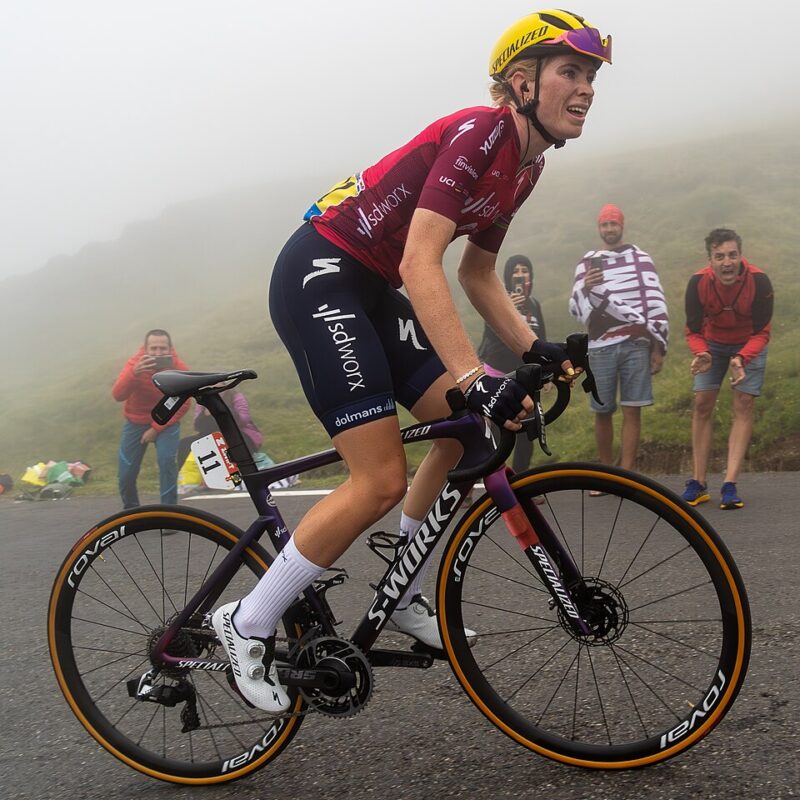
Plant-based diets can support elite climbing performance when properly planned with adequate protein and key nutrients. 2025 ITT National Champion Emily Ehrlich demonstrates that vegan nutrition works at the highest levels of competitive cycling, achieving power-to-weight ratios crucial for climbing steep gradients.

Key Takeaway

  • Plant-based diets can support elite climbing performance when properly planned with adequate protein and key nutrients

  • Power-to-weight ratio optimization through vegan nutrition helps climbers tackle steep gradients more efficiently

  • Strategic carb loading and mid-ride fueling prevents energy crashes during long hill climbs

  • Iron, B12, and omega-3 supplementation prevents common vegan athlete deficiencies that impair performance

Power-to-Weight Ratio Benefits of Plant-Based Diets

Plant-based diets naturally support climbing efficiency through weight management. Whole-food, plant-based eating often results in lower body fat percentages while maintaining muscle mass, which directly improves power-to-weight ratios. This is crucial for hill climbing where every kilogram matters on steep gradients. The high fiber content of plant foods promotes satiety and helps regulate appetite, making it easier to maintain optimal climbing weight without excessive calorie restriction. Additionally, plant-based diets eliminate many high-calorie, low-nutrient foods that can contribute to unwanted weight gain, allowing climbers to focus on nutrient-dense foods that fuel performance.

Research shows that plant-based diets can reduce body fat while preserving lean muscle mass, creating the ideal body composition for climbing. The anti-inflammatory properties of plant foods also support faster recovery between climbing sessions, allowing for more frequent and intense training. This combination of weight management and enhanced recovery creates a powerful advantage for vegan climbers tackling long, steep ascents where power-to-weight ratio is the primary determinant of success.

Recovery Advantages: Antioxidants and Reduced Inflammation

  • Reduced inflammation: Plant-based diets are rich in anti-inflammatory compounds that help reduce muscle soreness and accelerate recovery between climbing sessions

  • Enhanced antioxidant activity: High levels of antioxidants from fruits and vegetables combat oxidative stress from intense climbing efforts

  • Improved blood flow: Plant-based eating patterns support better circulation, enhancing oxygen delivery to working muscles during climbs

  • Faster recovery: The combination of anti-inflammatory and antioxidant effects allows climbers to train harder and more frequently

The recovery advantages of vegan nutrition are particularly valuable for hill climbers who need to train consistently on steep terrain. Plant-based diets typically contain 2-3 times more antioxidants than omnivorous diets, providing enhanced protection against exercise-induced oxidative damage. This translates to less muscle damage, reduced soreness, and faster return to peak performance between climbing sessions. Studies have shown that athletes on plant-based diets experience reduced markers of inflammation, including lower C-reactive protein levels, which directly correlates with improved recovery capacity and training adaptation.

Strategic Fueling for Hill Climb Performance

Pre-Ride Carb Loading: 3 Hours Before Climbing

Meal Option

Carb Content (g)

Benefits for Climbing

Oatmeal with banana and maple syrup

60-80

Sustained energy release, easy digestion

Quinoa bowl with sweet potato

70-90

Complex carbs for glycogen storage

Rice porridge with berries

65-85

Low GI for steady energy

Whole grain toast with jam

50-70

Quick-absorbing carbs

Brown rice with black beans

80-100

Complete protein plus carbs

Sweet potato with almond butter

55-75

Complex carbs with healthy fats

Pre-ride carb loading is essential for maximizing glycogen stores before climbing. Consume 3-6g carbs per kg body weight daily for climbers, focusing on low-GI carbohydrate-rich meals 3 hours before your ride. This timing allows for proper digestion while ensuring glycogen stores are fully topped up. Low-GI carbs provide sustained energy release, preventing the energy crashes that can occur during long climbs. Examples include oatmeal with banana and maple syrup, quinoa bowls with sweet potato, or rice porridge with berries. These meals provide the complex carbohydrates needed for endurance while being gentle on the digestive system.

For optimal climbing performance, the pre-ride meal should be consumed 2.5-3.5 hours before starting your climb. This window allows for complete gastric emptying while maximizing glycogen availability. The meal should contain 1-1.5g of carbohydrates per kg of body weight, focusing on complex carbohydrates with a low glycemic index. Adding a small amount of protein (10-15g) can help stabilize blood sugar and provide amino acids for the upcoming effort. Hydration is equally important – aim for 500-750ml of water with your pre-ride meal to ensure proper hydration status before the climb begins.

Mid-Ride Fueling: Maintaining Energy on Steep Climbs

  • Figs and dates: Natural sugars with fiber for sustained energy release; provide 20-30g carbs per 100g serving

  • Energy gels: Quick-absorbing carbs for immediate energy during intense climbing efforts; aim for 15-30g carbs per gel

  • Vegan energy bars: Balanced carbs with some protein for longer climbs; look for 25-40g carbs and 5-10g protein per bar

  • Bananas: Potassium-rich for muscle function and cramp prevention; provide 25-30g carbs plus essential electrolytes

  • Rice cakes: Easy-to-digest carbs that won’t upset stomach during climbs; can be customized with various toppings

  • Homemade energy balls: Dates, nuts, and seeds provide sustained energy with healthy fats; typically 15-25g carbs per ball

During climbs, aim for 15-60g carbs per hour to maintain energy levels. Easily digestible vegan options like figs, energy gels, or specialized vegan bars work best during intense efforts. The key is choosing foods that provide quick energy without causing digestive distress. Natural options like figs and dates offer a good balance of simple sugars and fiber, while commercial vegan energy gels provide concentrated carbs for immediate energy. For longer climbs, consider rice cakes or vegan energy bars that combine carbs with some protein to help sustain energy levels throughout the effort.

The timing and frequency of mid-ride fueling is critical for climbing performance. Start fueling within the first 30-45 minutes of your climb, then continue every 20-30 minutes throughout the effort. This consistent fueling approach prevents the energy bonks that can occur during long, steep ascents. For climbs lasting over 90 minutes, aim for the higher end of the carb range (45-60g per hour) to maintain blood glucose levels and spare glycogen stores. Always test your fueling strategy during training before using it in competition to ensure your digestive system tolerates the chosen foods under climbing stress.

Essential Nutrients for Vegan Climbing Performance

Protein Requirements: Building Climbing Strength

Protein Source

Protein per 100g

Climbing Benefits

Lentils

9g

Iron-rich, fiber for recovery

Tofu

8g

Complete protein, versatile

Tempeh

19g

High protein, probiotics

Hemp seeds

31g

Omega-3s, complete protein

Quinoa

4g

Complete protein, carbs

Chickpeas

19g

Fiber-rich, versatile

Edamame

11g

Complete protein, iron

Protein is crucial for building and maintaining the strength needed for climbing. Aim for 1.2-1.6g protein per kg body weight daily, focusing on diverse plant sources. Beans, lentils, tempeh, hemp seeds, and quinoa provide the amino acids necessary for muscle repair and growth. Post-training, consume 20-25g protein within 30 minutes to optimize recovery. Vegan climbers should prioritize protein diversity to ensure they get all essential amino acids. Combining different plant proteins throughout the day, such as rice and beans or hummus and whole grain bread, creates complete protein profiles that support climbing strength and endurance.

The timing of protein intake is particularly important for vegan athletes. Consuming protein within 30 minutes post-exercise maximizes muscle protein synthesis and recovery. For climbing-specific training, aim for 20-25g of protein in this post-workout window, combining fast-absorbing sources like soy protein with slower-digesting options like legumes. Throughout the day, distribute protein intake across 4-5 meals to maintain a positive nitrogen balance and support ongoing muscle repair. Vegan climbers should also consider protein timing around key training sessions, with slightly higher intake on heavy climbing days to support the increased muscle damage from eccentric loading during descents — road cycling.

Key Supplements: B12, Iron, and Omega-3s

  • B12: Essential for energy production and nerve function; all vegans need B12 supplementation as it’s not available from plant foods; recommended dose 25-100mcg daily or 1000mcg weekly

  • Iron: Critical for oxygen transport; boost absorption by pairing lentils, spinach, and tofu with vitamin C-rich foods like citrus or bell peppers; aim for 18mg daily for women, 8mg for men

  • Omega-3s: Focus on flaxseeds, chia seeds, and walnuts for ALA, or consider algae-based supplements for DHA/EPA for anti-inflammatory benefits; 250-500mg DHA/EPA daily recommended

  • Zinc: Important for immune function and recovery; find in pumpkin seeds, nuts, and legumes; 8-11mg daily recommended

  • Calcium: Essential for bone health and muscle contraction; sources include fortified plant milks, tofu, and leafy greens; 1000-1200mg daily recommended

Strategic supplementation prevents common vegan athlete deficiencies that can impair climbing performance. Vitamin B12 is non-negotiable for vegans as it’s only found in animal products, yet it’s essential for energy metabolism and red blood cell formation. Iron deficiency is common among plant-based athletes, but absorption can be enhanced by consuming iron-rich foods with vitamin C sources. Omega-3 fatty acids, particularly DHA and EPA found in algae supplements, support recovery and reduce exercise-induced inflammation. Consider working with a sports nutritionist to determine optimal supplement dosages based on your training volume and individual needs.

The effectiveness of supplementation depends on timing and combination with other nutrients. For iron absorption, consume iron-rich foods with vitamin C sources and avoid coffee or tea consumption within one hour of iron-rich meals, as tannins can inhibit absorption. B12 absorption is enhanced when taken with food, while omega-3 supplements are best absorbed with meals containing fat. Regular blood testing every 3-4 months can help monitor nutrient levels and adjust supplementation accordingly. Vegan climbers should also be aware that certain medications, particularly proton pump inhibitors, can affect nutrient absorption and may require adjusted supplementation strategies.

The most surprising finding is that plant-based diets can actually enhance climbing performance through improved recovery and power-to-weight ratios. A specific action step is to start tracking your protein intake using a food tracking app to ensure you’re meeting the 1.2-1.6g/kg daily target, then gradually incorporate the pre-ride carb loading strategies outlined above to optimize your climbing performance. Additionally, schedule a blood test within the next month to establish baseline nutrient levels, particularly for iron, B12, and vitamin D, which are critical for climbing performance and often deficient in vegan athletes.

Perfect Tire Pressure for Your First Century Ride

Illustration: What PSI Should You Use for a 100-Mile Century Ride?

For your first 100-mile century ride, the optimal tire pressure range is 80-100 PSI (5.5-6.9 BAR) for modern road bikes with 25mm-28mm tires. This range balances speed, comfort, and flat protection better than the outdated 100+ PSI standard.

Key Takeaway

  • Optimal pressure range: 80-100 PSI for modern 25-28mm tires

  • Lower pressure reduces fatigue over 100 miles

  • Tubeless tires need 10-15 PSI less for better grip

  • Adjust pressure based on rider weight and terrain

What PSI Should You Use for a 100-Mile Century Ride?

Illustration: What PSI Should You Use for a 100-Mile Century Ride?

80-100 PSI Range for Modern Road Bikes

The ideal tire pressure for century rides has evolved significantly. Modern road bikes with 25mm-28mm tires perform best at 80-100 PSI, compared to the older standard of 100+ PSI. This lower pressure range reduces vibration and road chatter, which is crucial for preventing fatigue during a 100-mile ride. The 80-100 PSI range provides a sweet spot between rolling resistance and comfort, allowing you to maintain speed while protecting your body from the constant pounding of long-distance cycling. Many professional cyclists now prefer pressures closer to 80-85 PSI for endurance events, finding that the slight increase in rolling resistance is offset by dramatically improved comfort and reduced energy loss from vibration. Research from wheel manufacturers shows that the energy lost to vibration at 100+ PSI can be equivalent to climbing an extra 500-1000 feet over a 100-mile ride.

Rider Weight and Pressure Needs

  • Heavier riders need higher pressure within the 80-100 PSI range to prevent pinch flats and maintain proper tire shape under load. A 90kg rider might use 95-100 PSI, while a 60kg rider could comfortably use 80-85 PSI. The relationship between weight and pressure follows a roughly linear scale – for every 10kg of rider weight, you might need 2-3 PSI more pressure.

  • Lighter riders (like Emma Johansson at 58kg/128lb) can use lower pressure for a smoother ride with less rolling resistance. Her lighter weight allows her to run pressures around 75-80 PSI for optimal comfort and efficiency. This pressure range provides better traction and a more compliant ride quality that suits her racing style on rough European roads.

  • Rear tire carries 60-70% of weight, requiring slightly higher pressure than the front tire. This weight distribution means the rear tire needs 5-10 PSI more than the front to prevent bottoming out on bumps. The differential becomes more critical when carrying additional weight like water bottles, tools, and nutrition for a century ride.

Tubeless Tire Benefits for Century Rides

Tubeless tires offer significant advantages for century rides, allowing you to run 10-15 PSI less than standard pressure. This lower pressure provides improved grip on corners and rough surfaces while maintaining excellent rolling resistance. The tubeless setup also offers superior puncture protection, as sealant can quickly plug small holes that would cause a flat in traditional tires. For a century ride, tubeless tires typically perform best at 85-90 PSI, providing a more comfortable ride with better traction and reduced risk of flats over the 100-mile distance. The ability to run lower pressures without pinch flats makes tubeless technology particularly valuable for long-distance events where comfort and reliability are paramount. Professional mechanics report that tubeless setups can reduce flat incidents by 70-80% compared to traditional clinchers during century rides.

How to Find Your Perfect Century Ride Pressure

Illustration: How to Find Your Perfect Century Ride Pressure

Check Your Tire Sidewall for Minimum/Maximum PSI

Before adjusting your tire pressure, always check the minimum and maximum PSI markings on your tire’s sidewall. These numbers provide the safe operating boundaries for your specific tires. Use these as your pressure boundaries, then fine-tune within that range based on your weight, riding style, and conditions. The sidewall markings are there for a reason – exceeding the maximum pressure can cause tire blowouts, while going below the minimum can lead to poor handling and increased rolling resistance. For most modern road tires, you’ll find minimum pressures around 70-80 PSI and maximums around 110-120 PSI. Professional mechanics recommend starting at the middle of this range and adjusting based on feel and performance during test rides. Many cyclists find that their ideal pressure is 5-10 PSI below the maximum rating, providing a good balance of comfort and efficiency — road cycling.

Front vs Rear Tire Pressure Differences

  • Rear tire carries 60-70% of weight, requiring slightly higher pressure than the front tire. This weight distribution means the rear tire needs 5-10 PSI more than the front to prevent bottoming out on bumps. The differential becomes more important when carrying additional weight like water bottles, tools, and nutrition for a century ride.

  • Slightly higher pressure in rear tire (5-10 PSI more than front) helps support the additional weight and prevents pinch flats. This differential becomes more critical on rough roads where the risk of impact punctures increases. Many professional mechanics recommend a 7-8 PSI difference between front and rear for riders around 70-80kg.

  • Front tire needs less pressure for better cornering grip and comfort, as it carries less weight and handles steering. The front tire’s lower pressure improves handling precision and allows for better feedback through the handlebars. This setup also helps prevent the front wheel from bouncing over small bumps, which can affect steering stability.

Common Tire Pressure Mistakes to Avoid

Illustration: Common Tire Pressure Mistakes to Avoid

Overinflating: The Speed Myth

The belief that higher pressure equals more speed is a persistent myth that can ruin your century ride experience. While 100+ PSI was once considered optimal, modern research shows that pressures above 100 PSI actually increase rolling resistance on real roads due to vibration losses. Overinflated tires bounce off imperfections rather than rolling smoothly over them, wasting energy and causing discomfort. Lower pressure within the optimal range reduces vibration, allowing you to maintain better power output and arrive at your century ride finish feeling less fatigued. The slight increase in contact patch area from lower pressure actually improves rolling efficiency on most road surfaces. Studies have shown that riders using 85-90 PSI instead of 110+ PSI can maintain the same average speed while experiencing significantly less fatigue over 100 miles. The energy savings from reduced vibration can be equivalent to saving 10-15 minutes on a 100-mile ride.

Ignoring Weather and Terrain Conditions

  • Wet roads need slightly lower pressure (5-10 PSI less) for better traction and to prevent hydroplaning. The increased contact patch from lower pressure provides more grip on slippery surfaces. Professional cyclists often reduce pressure by 8-10 PSI when racing in rainy conditions.

  • Rough terrain benefits from lower pressure to absorb vibrations and maintain control over uneven surfaces. Gravel sections and pothole-ridden roads are much more comfortable with 5-10 PSI less than your normal pressure. Many century riders find that dropping to 75-80 PSI on rough sections dramatically improves comfort without sacrificing speed.

  • Adjust for temperature changes – pressure increases approximately 1 PSI for every 10°F temperature rise. A morning ride starting at 50°F that warms to 80°F could see a 3 PSI increase in tire pressure. Smart riders check and adjust pressure throughout long rides as temperatures change.

The most surprising finding about century ride tire pressure is that comfort and speed are not opposing forces – they work together. Lower pressure within the optimal range actually makes you faster over 100 miles by reducing fatigue and maintaining consistent power output. The key action step: check your tire pressure before every century ride using a quality floor pump with a pressure gauge, and adjust based on your weight, tire size, and conditions. This simple habit can transform your long-distance cycling experience from exhausting to enjoyable.