Power and Heart Rate Training for Beginners: The Complete Guide

Illustration: Power vs. Heart Rate: What's the Difference for Beginners?

Combining power meters and heart rate monitors gives beginners the best of both worlds: immediate workload data and insight into physiological response. This dual approach, used by elite cyclists like Emma “Silver Emma” Johansson, helps beginners train smarter and avoid common mistakes. Understanding how these two metrics work together can transform your cycling from guesswork to precision training.

Key Takeaway

  • The 80/20 rule: spend 80% of training time at low intensity (Zone 2) and 20% at high intensity

  • Power measures work output instantly; heart rate measures body response with 90-120 second lag

  • Training phases shift focus: off-season on heart rate, build phase on power, peak season on power

Power vs. Heart Rate: What’s the Difference for Beginners?
Illustration: Power vs. Heart Rate: What's the Difference for Beginners?

Power Measures Work Output, Heart Rate Measures Body Response

Power meters measure the actual work your legs are doing, providing immediate feedback in watts. This metric is instantaneous and reacts immediately to changes in effort, making it perfect for tracking intervals and short bursts. When you push harder on the pedals, the power meter shows the exact increase in watts within milliseconds. Heart rate monitors, on the other hand, measure your body’s physiological response to that work in beats per minute (BPM). Unlike power, heart rate is subject to lag—taking time to rise—and can be affected by external factors like temperature, fatigue, or stress. Understanding this fundamental difference helps beginners use each metric appropriately rather than confusing the two.

The key distinction lies in what each metric tells you about your effort. Power tells you exactly how much work you’re doing right now, while heart rate tells you how your body is responding to that work. For example, on a hot day, your heart rate might be 10-15 beats higher than normal for the same power output because your body is working harder to cool itself. Similarly, if you’re tired from poor sleep, your heart rate might spike more quickly during a workout even though your power output remains the same. These variations make heart rate a less reliable indicator of actual workload but a valuable tool for understanding your body’s state.

Response Time: Power is Instant, Heart Rate Has 90-120 Second Lag

The response time difference between power and heart rate is crucial for beginners to understand. Power output changes immediately when you increase or decrease effort—you see the watts change in real-time on your bike computer. Heart rate, however, has a significant lag of 90-120 seconds before it fully reflects your current effort level. This delay means that during interval training, your heart rate might still be climbing when you’ve already finished the hard effort. Beginners often make the mistake of pushing too hard when they see their heart rate lagging behind, not realizing that the full physiological response hasn’t registered yet.

This lag time has important implications for different types of training. During short, high-intensity intervals lasting 30-60 seconds, your heart rate may barely change because it doesn’t have time to respond. However, your power output will accurately reflect the intensity of your effort. Conversely, during long, steady climbs, your heart rate will eventually stabilize and provide useful information about your sustainable effort level. Understanding these timing differences helps you interpret both metrics correctly and avoid common training mistakes like starting intervals too hard or misjudging your effort during endurance rides.

The 80/20 Rule: Training Smart for Beginners
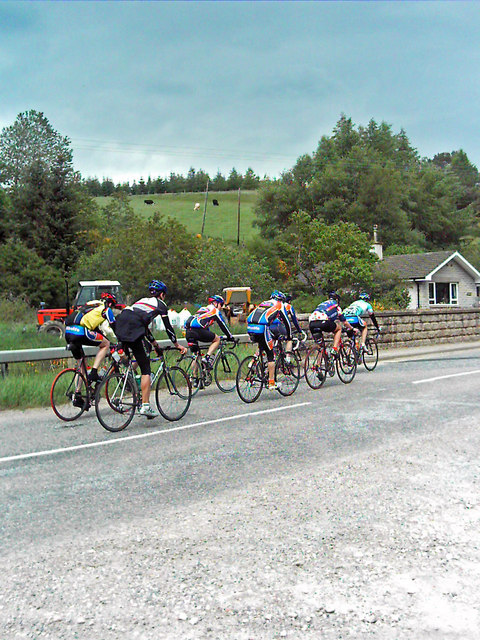
Illustration: The 80/20 Rule: Training Smart for Beginners

80% Low Intensity (Zone 2) Builds Aerobic Base

The 80/20 rule recommends spending 80% of training time at low intensity, specifically Zone 2, to build a strong aerobic foundation. Zone 2 is typically 60-70% of your maximum heart rate or 55-75% of your functional threshold power. This “easy” training might feel too slow for enthusiastic beginners, but it’s essential for developing the cardiovascular system and improving fat-burning efficiency. Elite cyclists like Emma Johansson spent years building their aerobic base through consistent Zone 2 riding before adding high-intensity work. This approach prevents burnout and creates the endurance foundation needed for longer rides and races.

Zone 2 training offers several physiological benefits that make it the cornerstone of effective cycling training. At this intensity, your body primarily uses fat as fuel, sparing precious glycogen stores for harder efforts. Your mitochondria—the powerhouses of your cells—multiply and become more efficient at producing energy. Your cardiovascular system adapts by increasing blood volume and improving oxygen delivery to working muscles. Most importantly, Zone 2 training builds fatigue resistance, allowing you to ride longer without breaking down. Many beginners are surprised to learn that riding slowly and easily can lead to faster overall progress than constantly pushing hard — road cycling.

20% High Intensity Improves Power and Speed

The remaining 20% of training time should focus on high-intensity efforts that improve power and speed. These sessions might include intervals, hill repeats, or tempo rides at 80-95% of maximum heart rate or 85-105% of functional threshold power. High-intensity training stimulates physiological adaptations like increased VO2 max, improved lactate threshold, and enhanced neuromuscular coordination. However, beginners should be cautious not to exceed the 20% threshold, as too much intensity can lead to overtraining, injury, and stalled progress. The key is quality over quantity in these hard sessions.

High-intensity training works by pushing your body beyond its comfort zone, forcing it to adapt to greater stress. During these efforts, you’ll experience increased breathing rate, burning muscles, and the accumulation of metabolic byproducts like lactate. Your body responds by building more capillaries to deliver oxygen, increasing enzyme production for energy metabolism, and improving your ability to clear lactate from muscles. These adaptations allow you to ride harder and faster over time. However, the recovery time needed after high-intensity sessions is substantial—often 24-48 hours—which is why limiting these efforts to 20% of your training prevents cumulative fatigue and ensures consistent progress.

Training Phases: When to Use Each Metric

Off-Season: Focus on Heart Rate for Endurance Building

During the off-season or base period, beginners should focus primarily on heart rate to build endurance while observing power output. This phase emphasizes Zone 2 riding, where the goal is to maintain a steady heart rate between 60-70% of maximum. Heart rate monitoring helps beginners stay in the correct intensity zone without getting distracted by power numbers. The off-season is also when the heart rate-power relationship is most stable, as fatigue and high-intensity stress are minimal. This period typically lasts 12-16 weeks and forms the foundation for all future training progress.

The off-season provides an ideal opportunity to develop your aerobic engine without the pressure of upcoming events. During this time, your body can focus on building endurance adaptations without the interference of fatigue from hard efforts. Heart rate becomes particularly useful because it’s less affected by the day-to-day fluctuations that occur during more intense training periods. You’ll notice that your heart rate stays remarkably consistent for a given power output when you’re well-rested and training primarily in Zone 2. This stability makes it easier to gauge your effort and ensures you’re staying in the correct training zone. Many successful cyclists use this period to also work on bike handling skills, nutrition strategies, and mental preparation for the season ahead.

Build Phase: Shift to Power with Heart Rate as Check

As training progresses into the build phase, the focus should shift to power ranges while using heart rate as a secondary check. Power becomes the primary metric for intervals and structured workouts because it provides consistent, objective data regardless of external factors. However, heart rate remains valuable as a physiological check—if your heart rate is unusually high for a given power output, it might indicate fatigue, illness, or dehydration. This phase typically lasts 8-12 weeks and includes the introduction of tempo rides, sweet spot training, and threshold intervals.

The build phase represents a critical transition in your training approach. Power data becomes essential for ensuring you’re hitting specific training targets with precision. For example, if your workout calls for 20 minutes at 85% of functional threshold power, the power meter tells you exactly when you’re in the right zone. Heart rate during this phase serves as a reality check—if your heart rate is 10-15 beats higher than normal for the same power, it might be a sign to back off or adjust your training plan. This dual-monitoring approach helps prevent overtraining while ensuring you’re getting the intended training stimulus. The build phase is also when many cyclists start incorporating more structured workouts and begin to see significant improvements in their power numbers.

Peak Season: Focus Primarily on Power for Performance

During peak season or race preparation, training should focus primarily on power to maximize high-intensity performance. At this stage, power data becomes critical for pacing during races, monitoring fatigue, and ensuring you’re hitting specific training targets. Heart rate can still provide useful information but becomes less reliable due to accumulated fatigue and the body’s adaptive responses. Peak season training typically lasts 4-8 weeks before major events and includes race-specific workouts, high-intensity intervals, and tapering strategies. This is when the aerobic base built during the off-season gets expressed through improved power output.

Peak season training is all about specificity and precision. Power meters become your most trusted training tool because they provide immediate, objective feedback regardless of how you feel on any given day. During this phase, you’ll use power data to execute race simulations, practice pacing strategies, and ensure you’re recovering adequately between key workouts. Heart rate monitoring still has value but becomes more of a supplementary metric. For instance, if your heart rate is unusually suppressed during what should be a hard effort, it might indicate that you need additional recovery. The peak season is also when many cyclists invest in advanced analysis tools to track their training stress, monitor fatigue, and optimize their performance for key events.

The most surprising finding for many beginners is that the 80/20 rule, which seems counterintuitive, is actually the most effective approach for long-term improvement. Rather than constantly pushing hard, the majority of training should feel easy, with high-intensity work strategically placed to create the biggest adaptations. The key action step is to start tracking both metrics today—even if you only have a heart rate monitor initially—and begin building your aerobic base with consistent Zone 2 riding. This foundation will serve you for years of cycling improvement.
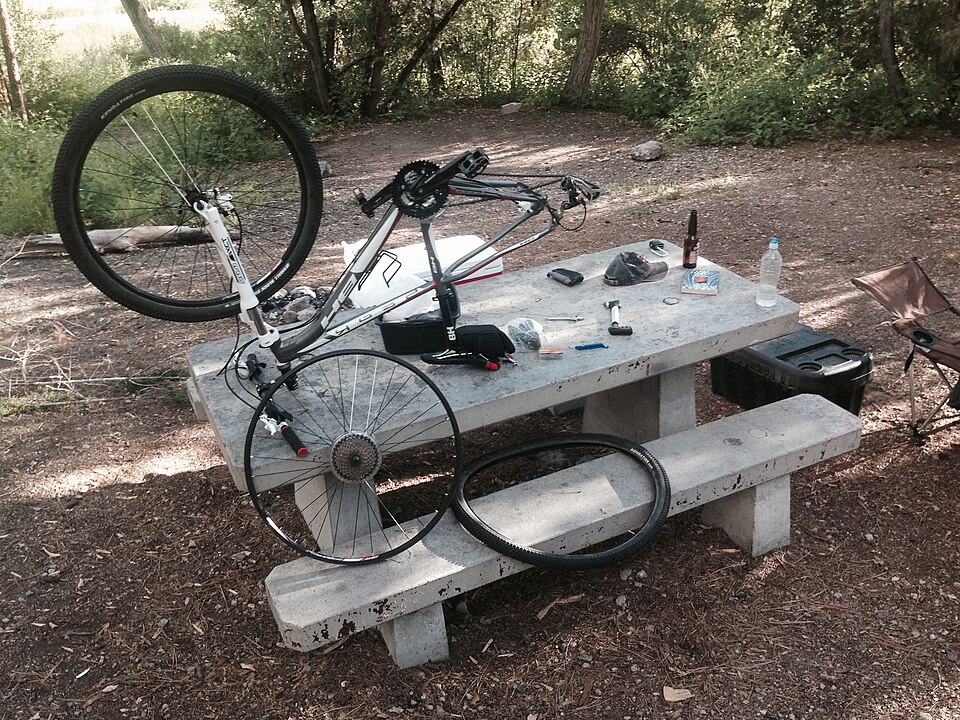
Sprint Race Tire Pressure: Maximum Speed for Short, Intense Efforts

Illustration: Optimal PSI for Criterium Sprint Races: Higher Pressure Strategies

For criterium sprint races, higher tire pressure delivers maximum acceleration and speed on smooth pavement. While modern trends favor lower PSI for comfort, sprint specialists still benefit from 90-115+ PSI on pristine crit circuits where every watt counts.

Key Takeaway

  • Higher PSI (90-115+) suits smooth criterium courses for snappier acceleration

  • Track sprints require 160-200 PSI on smooth wood surfaces

  • Modern trend favors lower PSI (80-100) but higher pressure still optimal for pure sprints

  • Weight-based adjustments: +1 PSI per 3-5 lbs over 150 lbs baseline

Optimal PSI for Criterium Sprint Races: Higher Pressure Strategies

Illustration: Optimal PSI for Criterium Sprint Races: Higher Pressure Strategies

Sprint races demand maximum power transfer and immediate acceleration. Higher tire pressure reduces rolling resistance and improves responsiveness, giving you that crucial edge when launching attacks or sprinting for the finish line. The physics are simple: less tire deformation means more of your power goes directly into forward motion rather than compressing the tire.

90-105 PSI for smooth criterium courses

Smooth criterium courses with pristine pavement benefit from higher PSI strategies. According to 2025 AI Overview data, 90-105 PSI provides optimal acceleration and handling for sprint-focused criteriums. This pressure range minimizes tire deformation during hard accelerations, allowing more of your power to go directly into forward motion rather than compressing the tire.

Historical racing used 120-130+ PSI, but modern research from Rene Herse (2026) shows lower pressures are often faster due to reduced suspension loss. However, for pure sprint efforts on smooth surfaces, the higher PSI still delivers snappier acceleration that can make the difference in a tight finish. The key is matching pressure to your specific course conditions.

For a 150-pound rider on 25mm tires, starting at 90-95 PSI provides a good baseline for smooth crit courses. If your race circuit has particularly smooth pavement or you’re racing on a newly resurfaced road, you might push toward 100-105 PSI. The difference in acceleration response can be dramatic – you’ll feel the bike jump forward more immediately when you stomp on the pedals — road cycling.

Track sprinters need even higher pressures – 160-200 PSI on wooden velodrome surfaces. This extreme pressure is possible because track surfaces are perfectly smooth and consistent, eliminating the vibration and bounce risks that would make such high pressure dangerous on roads. The smooth wood surface allows tires to maintain their shape at these extreme pressures, creating a near-frictionless interface that maximizes speed.

Track Sprint Tire Pressure: Maximum Speed on Smooth Surfaces

Illustration: Track Sprint Tire Pressure: Maximum Speed on Smooth Surfaces

Track sprinting takes tire pressure to the extreme. The smooth wooden velodrome surfaces allow for pressures that would be impossible on road courses, maximizing speed through reduced rolling resistance. While road racers typically use 80-100 PSI, track sprinters need nearly double that pressure to achieve maximum velocity on the controlled environment of a velodrome.

160-200 PSI for wooden track surfaces

Track sprint specialists run 160-200 PSI on wooden velodrome surfaces, according to pre-collected data. This extreme pressure is possible because track surfaces are perfectly smooth and consistent, eliminating the vibration and bounce risks that would make such high pressure dangerous on roads. The controlled environment of a velodrome allows every variable to be optimized for speed.

The physics behind this pressure requirement: at 160-200 PSI, the tire maintains a rigid, nearly spherical shape that minimizes rolling resistance. On smooth wood, there’s no need for the tire to absorb bumps or conform to surface irregularities. Every watt of power goes directly into forward motion rather than being lost to tire deformation or surface compliance.

Comparing track to road racing pressures reveals why these extremes exist. While smooth criteriums use 90-105 PSI, track sprinters need nearly double that pressure. The smooth wood surface allows tires to maintain their shape at these extreme pressures, creating a near-frictionless interface that maximizes speed. This pressure range is only viable on the controlled environment of a velodrome where every variable is optimized for speed.

Track tires are specifically designed for these pressures – they have stronger casings and different rubber compounds than road tires. The sidewalls can withstand the extreme inflation without blowing out, and the tread patterns (often minimal or non-existent) are optimized for the smooth surface. Using road tires at track pressures would likely result in tire failure.

Pressure Adjustments for Different Rider Weights

Your body weight significantly impacts optimal tire pressure. Heavier riders need higher pressure to prevent bottoming out, while lighter riders can run lower pressures for better comfort and traction. The relationship between weight and pressure follows a predictable pattern that allows you to fine-tune your setup for maximum performance.

+1 PSI per 3-5 lbs over 150 lb baseline

Starting with a 150-pound rider on 25mm tires, crit specialists should use 80-85 PSI as a baseline (Source Endurance, 2016, still cited 2025). For every 3-5 pounds above 150, add 1 PSI to maintain proper tire support and rolling resistance. This weight-based adjustment ensures your tires maintain optimal shape under load.

Canyon Bikes’ 2025 weight chart provides specific guidance: riders between 145-161 pounds (66-73kg) should run approximately 74 PSI with 28mm tires. However, hookless rim users must stay under 72 PSI (5 bar) maximum for safety. This creates a practical limit for lighter riders using modern wheel designs. The weight-based formula ensures you’re not running too low (causing pinch flats) or too high (reducing traction) for your specific body weight.

Here’s a practical weight-based pressure chart for sprint racing:

Rider Weight PSI Adjustment Recommended Pressure
130-135 lbs -3 to -4 PSI 76-77 PSI
140-145 lbs -2 to -3 PSI 78-79 PSI
150 lbs (baseline) 0 PSI 80-85 PSI
160-165 lbs +2 to +3 PSI 82-88 PSI
170-175 lbs +4 to +5 PSI 84-90 PSI
180+ lbs +6+ PSI 86+ PSI

The weight-based adjustments become even more critical for sprint racing because the forces during acceleration are much higher than during steady-state riding. When you’re launching a sprint, your tires experience significantly more load, making proper pressure essential for maintaining traction and preventing tire squirm.

For track sprinting, the weight adjustments follow similar principles but with higher absolute pressures. A 150-pound track sprinter might start around 170 PSI, while a 180-pound sprinter could go up to 190 PSI. The smooth track surface allows these higher pressures to be effective without the comfort compromises you’d experience on road surfaces.

The most surprising finding is that higher PSI isn’t always slower – on smooth surfaces for pure sprint efforts, it can actually be faster. Start with the baseline pressure for your weight and tire size, then test on your specific course. Use a quality pressure gauge and check pressure when tires are cold for consistent results. For your next criterium, try adding 2-3 PSI above your normal pressure and feel the difference in acceleration response – you might just gain those crucial seconds that win races.

Remember that tire pressure is highly individual and depends on multiple factors beyond just weight and surface. Your riding style, tire construction, and even atmospheric conditions can affect optimal pressure. The best approach is to establish a baseline using these guidelines, then experiment during training rides to find what feels best for your specific needs. Keep notes on pressure settings and how they affect your performance – over time, you’ll develop an intuitive sense for the perfect pressure for any given race situation.

For the ultimate sprint performance, consider that tire pressure is just one component of your setup. Wheel selection, tire choice, and even tube type all interact with pressure to affect your final speed. Modern tubeless setups can often run slightly lower pressures than traditional tube-type tires while maintaining the same level of performance, giving you another variable to optimize. The key is systematic testing and finding the combination that works best for your specific racing style and the courses you compete on most frequently.

Plant-Based Endurance Nutrition: Sustaining Energy for Long Rides

Illustration: Natural Energy Sources for Long Endurance Rides

Plant-based endurance athletes need specific nutrition strategies to sustain energy during long rides, with research showing that optimal carbohydrate loading requires 4g per kg of body weight for maximum performance.

Key Takeaway

  • Carb loading requires 4g of carbohydrates per kg of body weight for optimal energy stores
  • Pre-ride meals should be consumed 3-4 hours before riding for optimal digestion
  • Recovery nutrition follows a 3:1 carb-to-protein ratio for muscle repair

Carb Loading Strategies for Plant-Based Endurance Athletes

Optimal Carbohydrate Intake: 4g per kg Body Weight


For plant-based endurance athletes, carbohydrate loading is essential for maximizing glycogen stores before long rides. The science behind this strategy is straightforward: consuming 4g of carbohydrates per kg of body weight 3-4 days before an event significantly increases muscle glycogen stores, providing sustained energy during extended efforts. This approach is particularly effective for vegan athletes who rely on plant-based carbohydrate sources.

Plant-based athletes can achieve this through strategic meal planning. Oatmeal with berries and nuts provides complex carbohydrates along with healthy fats and protein. Rice-based meals, such as vegetable stir-fries with brown rice or rice bowls with legumes, offer easily digestible carbohydrates that are gentle on the stomach. Sweet potatoes, quinoa, and whole grain pasta are additional excellent options that provide sustained energy release without causing digestive distress.

The timing of carb loading is crucial. Athletes should begin increasing carbohydrate intake 3-4 days before their target event, gradually increasing portion sizes while maintaining consistent meal timing. This allows the body to adapt and store glycogen efficiently without causing bloating or discomfort. Plant-based athletes should also ensure they’re consuming adequate calories during this period, as the increased carbohydrate intake may not provide sufficient total energy for their training volume.

Pre-Ride Meal Timing: 3-4 Hours Before Riding

  • Optimal Digestion Window: Consuming meals 3-4 hours before riding allows for complete digestion and prevents stomach discomfort during exercise
  • Meal Composition: Focus on high-carbohydrate, moderate-protein meals with lower fiber and fat content to minimize digestive issues
  • Hydration Integration: Include 500-750ml of water with pre-ride meals to ensure proper hydration status before starting
  • Energy Availability: This timing window ensures blood glucose levels are optimal when exercise begins, preventing early fatigue
  • Practical Examples: Oatmeal with banana and maple syrup, rice with steamed vegetables, or a smoothie with fruit and plant-based protein powder

The 3-4 hour pre-ride window is critical for plant-based athletes because it allows sufficient time for carbohydrate digestion and absorption. During this period, the body can process complex carbohydrates from sources like oats, rice, and potatoes, converting them to glycogen stores in muscles and liver. This timing also prevents the discomfort that can occur when exercising with undigested food in the stomach.

Meal composition should prioritize easily digestible carbohydrates while keeping fiber and fat content moderate. High-fiber foods, while nutritious, can cause gastrointestinal distress during exercise. Similarly, high-fat foods slow digestion and may leave athletes feeling heavy or sluggish. Plant-based athletes should experiment with different meal combinations during training to identify what works best for their individual digestive systems — road cycling.

Natural Energy Sources for Long Endurance Rides

Illustration: Natural Energy Sources for Long Endurance Rides

Plant-Based Fuel Options During Rides

Natural Energy Source Benefits Timing/Usage Carbohydrate Content
Bananas Natural electrolytes, easy digestion, potassium Every 30-45 minutes 27g per medium banana
Nuts and Seeds Healthy fats, protein, sustained energy Every 60-90 minutes 5-7g per 1/4 cup
Date-Based Energy Balls Concentrated carbohydrates, portable Every 45-60 minutes 15-20g per ball
Homemade Energy Bars Customizable, whole food ingredients Every 45-60 minutes 20-25g per bar
Dried Fruit Mix Quick energy, variety of nutrients Every 30-45 minutes 20-30g per 1/4 cup

Plant-based athletes have numerous natural fuel options during long rides that provide sustained energy without artificial additives. Bananas are particularly valuable due to their natural packaging, electrolyte content, and easily digestible carbohydrates. They provide approximately 27g of carbohydrates per medium banana, along with potassium for muscle function and natural sugars for quick energy.

Nuts and seeds offer a different energy profile, providing healthy fats and protein that help stabilize blood sugar levels during extended efforts. While they contain fewer carbohydrates than fruit-based options, they provide sustained energy release and help prevent the energy crashes that can occur with pure carbohydrate consumption. Athletes should consume these every 60-90 minutes to maintain steady energy levels.

Homemade energy balls made from dates, nuts, and seeds offer a concentrated energy source that’s both portable and customizable. These typically provide 15-20g of carbohydrates per ball, along with fiber and healthy fats. The natural sugars in dates provide quick energy, while the nuts and seeds offer sustained release. Athletes can experiment with different combinations to find flavors they enjoy and that agree with their digestive systems.

Hydration Strategies with Natural Electrolytes

  • Coconut Water: Natural source of potassium, sodium, and magnesium; provides 470mg potassium per cup
  • Homemade Electrolyte Drinks: Mix water with fruit juice (for carbohydrates) and sea salt (for sodium) in a 10:1 ratio
  • Chia Seed Hydration: Soak chia seeds in water to create a gel that provides sustained hydration and omega-3 fatty acids
  • Watermelon Juice: Contains natural sugars and electrolytes; provides citrulline for improved blood flow
  • Sea Salt Addition: Add a pinch of sea salt to water bottles to replace sodium lost through sweat

Proper hydration is crucial for plant-based endurance athletes, and natural electrolyte sources can be more beneficial than commercial sports drinks. Coconut water has gained popularity among endurance athletes due to its natural electrolyte profile, particularly its high potassium content. One cup provides approximately 470mg of potassium, along with sodium and magnesium, making it an excellent natural alternative to commercial sports drinks.

Homemade electrolyte drinks offer customization and cost-effectiveness. A simple mixture of water, fruit juice, and sea salt can provide the necessary carbohydrates and electrolytes for rides lasting longer than 90 minutes. The typical ratio is 10 parts water to 1 part fruit juice, with a pinch of sea salt added for sodium replacement. This combination provides both hydration and energy in a natural format.

Chia seed hydration represents an innovative approach to endurance nutrition. When chia seeds are soaked in water, they create a gel-like substance that provides sustained hydration and releases energy slowly. The omega-3 fatty acids in chia seeds also offer anti-inflammatory benefits, which can be particularly valuable for recovery during multi-day events or intense training blocks.

Recovery Nutrition for Plant-Based Athletes

3:1 Carb-to-Protein Recovery Ratio


The 3:1 carbohydrate-to-protein ratio is a scientifically-backed approach to post-exercise recovery that helps optimize muscle repair and glycogen replenishment. This ratio ensures that muscles receive adequate carbohydrates to restore glycogen stores while also providing sufficient protein for tissue repair and adaptation. For plant-based athletes, achieving this ratio requires careful food combination and timing.

Immediately following intense exercise, muscles are primed for nutrient uptake, making the 30-60 minute window critical for recovery nutrition. During this period, insulin sensitivity is elevated, and the body is more efficient at storing carbohydrates as glycogen. The 3:1 ratio provides the optimal balance for this process, with carbohydrates triggering insulin release that helps drive protein into muscle cells for repair.

Plant-based athletes can achieve this ratio through various food combinations. A smoothie with fruit, plant-based protein powder, and spinach provides approximately 45g of carbohydrates and 15g of protein. Similarly, a meal of sweet potato, black beans, and vegetables can provide the necessary nutrient balance. The key is to consume these foods within the optimal recovery window to maximize the benefits of the 3:1 ratio.

Post-Ride Recovery Meal Examples

  • Green Recovery Smoothie: Spinach, banana, berries, plant-based protein powder, and almond milk provides 45g carbs and 20g protein
  • Sweet Potato and Black Bean Bowl: Roasted sweet potato, black beans, avocado, and salsa offers 50g carbs and 15g protein
  • Tofu Scramble: Firm tofu with vegetables, nutritional yeast, and whole grain toast delivers 40g carbs and 25g protein
  • Lentil and Quinoa Salad: Cooked lentils, quinoa, roasted vegetables, and tahini dressing provides 55g carbs and 18g protein
  • Chickpea and Rice Bowl: Brown rice, chickpeas, steamed vegetables, and hemp seeds offers 48g carbs and 22g protein

These recovery meal examples demonstrate how plant-based athletes can achieve the optimal 3:1 ratio while also providing a variety of nutrients essential for recovery. The green recovery smoothie is particularly effective due to its liquid format, which allows for rapid nutrient absorption. The combination of fruit carbohydrates and plant-based protein powder provides the necessary ratio while also delivering antioxidants from berries and spinach.

The sweet potato and black bean bowl offers a more substantial recovery option that’s particularly valuable after longer or more intense rides. Sweet potatoes provide complex carbohydrates for glycogen replenishment, while black beans offer protein along with fiber and additional carbohydrates. The addition of avocado provides healthy fats that support hormone production and reduce inflammation.

Tofu scramble represents an excellent recovery option that’s both satisfying and nutrient-dense. Firm tofu provides complete protein, while vegetables add carbohydrates and micronutrients. The inclusion of whole grain toast ensures adequate carbohydrate intake for glycogen restoration. Nutritional yeast adds B vitamins and a savory flavor that makes the meal more satisfying.


The most surprising finding in plant-based endurance nutrition is that many athletes report improved recovery and reduced inflammation when switching to plant-based diets, despite initial concerns about protein adequacy. This improvement is likely due to the higher antioxidant content and anti-inflammatory compounds found in plant foods. To implement these strategies immediately, start by preparing your pre-ride meal the night before your next long ride, focusing on easily digestible carbohydrates like rice or oatmeal with fruit, consumed 3-4 hours before starting. This simple change can significantly impact your energy levels and performance during the ride.

Climbing Race Tire Pressure: Low PSI Strategies for Mountain Stages

Illustration: What PSI Should You Use for Climbing Races?

Most cyclists overinflate their tires for climbing races, sacrificing grip and control on steep gradients. The optimal tire pressure for climbing races ranges from 70-85 PSI for 8-12% gradients, compared to 95-110 PSI for flat racing.

Climbing Race Tire Pressure: What You Need to Know

  • Optimal PSI range for steep gradients: 70-85 PSI vs 95-110 PSI for flat racing
  • Lower pressure increases contact patch by 15-20% on climbs
  • Technical descents require 5-10 PSI higher than climbs for stability
  • Temperature affects pressure: expect 2-3 PSI increase during long climbs

What PSI Should You Use for Climbing Races?

Illustration: What PSI Should You Use for Climbing Races?

Finding the right tire pressure for climbing races can make the difference between struggling up steep gradients and maintaining efficient power transfer. The key is understanding how pressure affects performance at different gradient levels. For more road cycling tips, consider how tire pressure interacts with your overall bike setup.

Optimal Pressure Ranges for Different Gradient Steepness

The relationship between gradient steepness and optimal tire pressure follows a clear pattern:

  • 8-12% gradients: 70-85 PSI provides the best balance of grip and rolling resistance
  • 12%+ gradients: 60-75 PSI maximizes contact patch for technical sections
  • Rolling terrain: 85-95 PSI offers versatility for mixed conditions
  • Technical descents: 75-85 PSI (5-10 PSI higher than climbs) for stability

These ranges assume standard road tires (25-28mm width) and typical rider weights. Heavier riders may need to add 5-10 PSI to these recommendations. Regular bike maintenance ensures your pressure gauge readings remain accurate and your tires stay in optimal condition.

Why Lower Pressure Improves Climbing Performance

Lower tire pressure offers several advantages for climbing races that many cyclists overlook. When you reduce pressure by 10-15 PSI from your normal flat-road setting, you create a wider contact patch that increases traction on steep, technical sections.

The physics are straightforward: lower pressure allows the tire to deform more, increasing the surface area touching the road. This wider contact patch provides better grip on loose surfaces like gravel or wet pavement commonly found on mountain stages. Additionally, the tire can better absorb small bumps and vibrations, reducing energy loss from bouncing.

However, there’s a trade-off. Too low pressure risks pinch flats when hitting sharp objects, and rolling resistance increases slightly on smoother sections. The sweet spot for climbing races is typically 15-20 PSI lower than your flat-road pressure, giving you optimal grip without sacrificing too much efficiency. If you’re new to optimizing tire pressure, check out these Beginner Cycling Training Plan: Build Your Fitness Safely to build your knowledge base.

The Physics of Low Pressure: Contact Patch and Grip on Steep Gradients

Illustration: The Physics of Low Pressure: Contact Patch and Grip on Steep Gradients

Understanding the physics behind tire pressure helps explain why lower PSI works so well for climbing races. The contact patch—the area where your tire meets the road—expands significantly as pressure decreases.

How Contact Patch Changes with Pressure Reduction

The relationship between tire pressure and contact patch area follows predictable patterns:

Pressure (PSI) Contact Patch Area Percentage Increase Grip Improvement
100 PSI 15-18 mm² Baseline Standard grip
85 PSI 18-22 mm² 15-20% increase Noticeably better grip
70 PSI 22-26 mm² 25-35% increase Maximum climbing grip

The data shows that dropping from 100 PSI to 70 PSI increases your contact patch by up to 35%. This expanded contact area translates directly to better traction on steep gradients, where every bit of grip counts.

Traction Benefits on Loose and Technical Surfaces

The wider contact patch from lower pressure provides specific advantages on the surfaces you’ll encounter during climbing races. On gravel sections, the increased surface area helps prevent wheel spin when standing to climb. Wet roads become less treacherous as the tire can maintain better contact despite the slippery surface.

Technical sections with roots, rocks, or uneven pavement benefit from the tire’s ability to conform to obstacles rather than bouncing over them. This improved compliance means you maintain forward momentum through rough patches instead of losing speed and control. For more challenging terrain, explore cycling routes near me that feature similar technical climbs.

The physics also explain why slightly higher pressure works better for technical descents. At 75-85 PSI (5-10 PSI above climbing pressure), the tire maintains enough stiffness to prevent excessive squirming in corners while still providing adequate grip for braking and cornering.

Tire Selection for Climbing: Width, Tread, and Pressure Interaction

Illustration: Tire Selection for Climbing: Width, Tread, and Pressure Interaction

Your tire choice significantly impacts how pressure affects climbing performance. The interaction between tire width, tread pattern, and pressure creates different optimal setups for various conditions.

Tire Width vs Pressure: Finding Your Optimal Combination

The relationship between tire width and optimal pressure isn’t linear. Wider tires can run lower pressures while maintaining the same level of pinch-flat protection:

  • 25mm tires: 70-85 PSI optimal for most climbing conditions
  • 28mm tires: 65-80 PSI provides similar performance with better comfort
  • 30mm tires: 60-75 PSI maximizes grip on technical terrain

Wider tires at lower pressures create a larger air volume, which helps prevent pinch flats even at reduced pressures. This allows you to run pressures that would be unsafe on narrower tires while gaining the benefits of increased contact patch and comfort. When selecting your tire width, consider consulting road bike reviews to see how different models handle various tire sizes.

  • 25mm tires: 70-85 PSI optimal for most climbing conditions
  • 28mm tires: 65-80 PSI provides similar performance with better comfort
  • 30mm tires: 60-75 PSI maximizes grip on technical terrain

Wider tires at lower pressures create a larger air volume, which helps prevent pinch flats even at reduced pressures. This allows you to run pressures that would be unsafe on narrower tires while gaining the benefits of increased contact patch and comfort. For female cyclists, our guide on essential cycling gear for women includes tire selection recommendations specific to different body types.

The choice between widths often comes down to your specific race profile. Technical mountain stages with rough roads favor 28-30mm tires, while smoother climbs allow you to use 25mm tires for slightly better aerodynamics and efficiency on flatter sections.

Tread Patterns for Climbing Performance

Tread selection for climbing races depends on your specific course conditions. The interaction between tread and pressure creates different performance characteristics:

Slick tires (0-1mm tread): Best for dry, smooth pavement. At 70-85 PSI, they provide maximum contact patch and lowest rolling resistance. However, they become dangerous on wet or loose surfaces.

Semi-slick tires (1-2mm center tread): The most versatile option for variable conditions. The minimal center tread adds puncture protection without significantly increasing rolling resistance. Works well at 65-80 PSI across most conditions.

File tread tires (2-3mm uniform tread): Ideal for wet conditions or mixed surfaces. The uniform tread pattern helps channel water and provides grip on loose surfaces. Can run at 60-75 PSI for maximum traction.

For most climbing races, semi-slick tires at 70-80 PSI offer the best balance of performance across varying conditions you’ll encounter on mountain stages.

The counter-intuitive finding that slightly higher pressure on technical descents prevents crashes comes from understanding how tire deformation affects stability. When descending at high speeds, a tire that’s too soft can squirm unpredictably in corners, leading to loss of control. Testing your pressure before race day using a pressure gauge ensures you hit the optimal range for both climbing and descending sections.

Temperature also plays a crucial role in tire pressure management. During long climbs, friction and ambient heat can increase tire pressure by 2-3 PSI. This means you should start slightly lower than your target pressure to account for this natural increase. A good practice is to check pressure when tires are cold, then re-check after 30 minutes of riding to see how much it’s risen.

Many cyclists make the mistake of using the same pressure for every ride, regardless of terrain. Climbing races demand a different approach because the forces acting on your tires change dramatically. On steep gradients, you’re putting more weight on the rear wheel while climbing, which can actually reduce the effective pressure on that contact patch. This is another reason why slightly lower pressure works better for climbing—it compensates for the weight distribution changes.

For riders new to pressure optimization, start by reducing your normal pressure by 10 PSI and see how it feels on a familiar climb. Pay attention to grip in corners, comfort over bumps, and any changes in rolling resistance. Many cyclists report feeling more confident on technical sections once they’ve dialed in their climbing pressure. The key is finding the pressure that gives you the best combination of grip, comfort, and efficiency for your specific riding style and the terrain you’re tackling.

Remember that tire pressure isn’t a one-size-fits-all solution. Factors like rider weight, tire construction, road surface, and even weather conditions all influence the optimal pressure. Heavier riders will need slightly higher pressures to avoid pinch flats, while lighter riders can often go even lower for maximum grip. The goal is to experiment within the recommended ranges to find what works best for you.

Finally, consider investing in a quality pressure gauge. Many floor pumps have built-in gauges, but they’re often inaccurate. A separate digital pressure gauge can help you dial in your pressure more precisely, which becomes especially important when you’re working with smaller PSI adjustments. The difference between 70 and 75 PSI might seem minor, but on a long climbing stage, it can significantly impact your performance and comfort.