Road Bike Tire Pressure for Smooth Roads: Finding the Perfect PSI

Illustration: Optimal PSI Ranges for Smooth Pavement by Tire Width

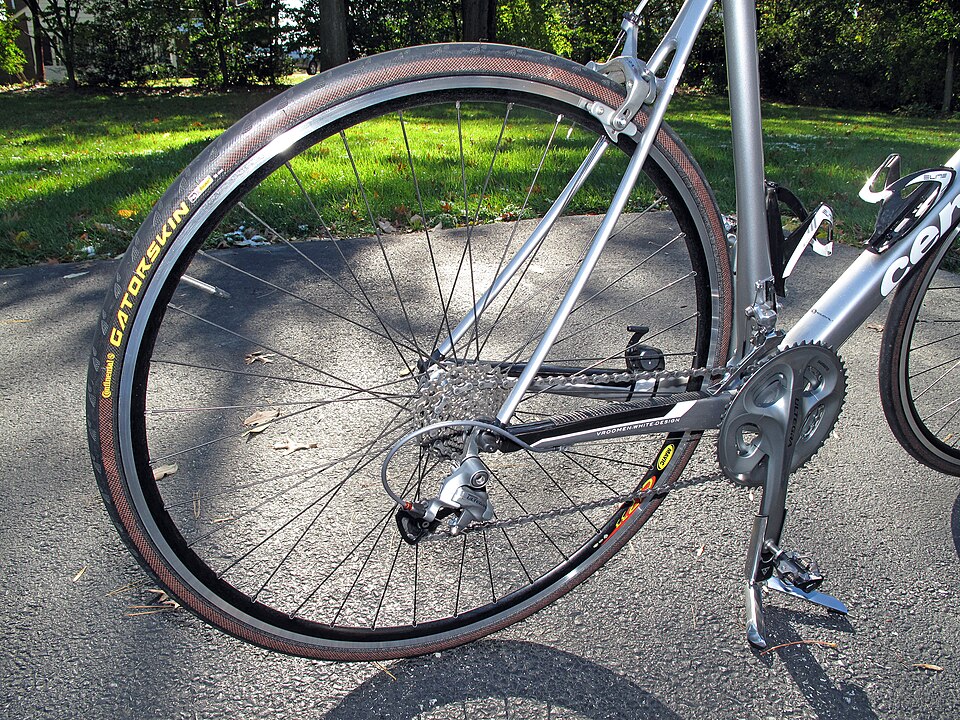
Finding the perfect road bike tire pressure for smooth, high-quality asphalt revolves around maximizing speed by reducing rolling resistance, which generally requires higher pressures compared to rough roads. For more detailed information about road cycling techniques and equipment, check out our comprehensive guide on road cycling.

Key Takeaway

  • For smooth roads, 25-28mm tires perform best at 90-110 PSI (6.2-7.6 bar)

  • Heavier riders need higher pressure to prevent pinch flats, lighter riders can run lower for comfort

  • Set rear tire 5-7 PSI higher than front to account for weight distribution

  • Overinflating (>110 PSI) can actually slow you down by reducing grip and increasing vibration

Optimal PSI Ranges for Smooth Pavement by Tire Width
Illustration: Optimal PSI Ranges for Smooth Pavement by Tire Width

25mm tires: 90-100 PSI starting point for most riders

For smooth pavement, 25-28mm tires are usually best, with pressures ranging from 90–110 PSI (6.2–7.6 bar). The 25mm width represents the sweet spot for many road cyclists, offering an excellent balance between rolling efficiency and comfort.

25mm tires: Start with 90-100 PSI as your baseline, adjusting based on your body weight. Heavier riders (over 180 lbs) should lean toward the higher end of this range, while lighter riders (under 140 lbs) can comfortably run pressures closer to 90 PSI. This pressure range provides optimal rolling resistance on smooth surfaces while maintaining sufficient tire volume for comfort.

28mm tires: Modern, wider tires can run lower pressures (70-90 PSI) for comfort while maintaining speed. The increased air volume in wider tires means they can support your weight at lower pressures without bottoming out. This translates to better vibration damping and improved traction, especially when cornering or riding over small imperfections in the road surface.

28mm tires: 70-90 PSI for comfort without sacrificing speed

The physics behind wider tires running lower pressure is straightforward: as tire volume increases, the same weight is distributed over a larger air chamber. This means each square inch of tire bears less load, allowing for lower PSI while maintaining structural integrity. The result is a more comfortable ride without the speed penalty that once made narrow tires the default choice.

However, there’s a critical warning about overinflation. Running pressures above 110 PSI can actually work against you. When tires are overinflated, they become rigid and transmit every road vibration directly to you and your bike. This increased vibration not only makes the ride uncomfortable but can also reduce your grip on the road, particularly when cornering or braking. The energy lost through this vibration and reduced traction can ultimately slow you down, negating any theoretical rolling resistance benefit from the higher pressure.

Rider Weight: How Your Body Affects Ideal Tire Pressure
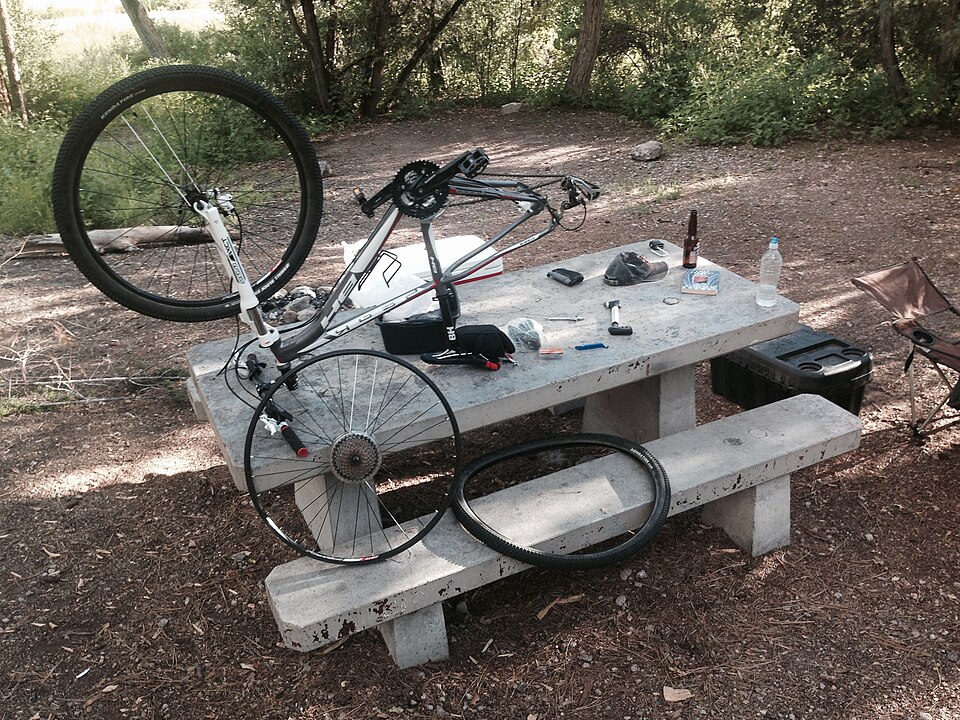
Illustration: Rider Weight: How Your Body Affects Ideal Tire Pressure

Heavier riders need higher pressure to prevent pinch flats

Your body weight is the single most important factor in determining optimal tire pressure. The relationship is simple: more weight requires more pressure to prevent the tire from bottoming out against the rim when hitting bumps or potholes.

Heavier riders (over 200 lbs): Should start at the upper end of recommended ranges and may need to add 5-10 PSI beyond standard recommendations. This prevents pinch flats, which occur when the tire compresses enough to hit the rim, pinching the inner tube between the tire and rim.

Average riders (140-200 lbs): Can follow the standard pressure ranges mentioned above. Your weight falls within the design parameters that most tire manufacturers optimize for.

Lighter riders (under 140 lbs): Can run lower pressures for better comfort and grip. Dropping 5-10 PSI below standard recommendations often provides a more comfortable ride without sacrificing speed or flat protection. The reduced pressure allows the tire to deform more easily over small road imperfections, absorbing vibrations that would otherwise be transmitted to you.

Rear vs. front pressure: 5-7 PSI difference for optimal handling

Weight distribution on a road bike isn’t even front-to-back. The rear wheel carries significantly more weight because that’s where your body weight is concentrated when in a riding position. Your saddle, which supports most of your weight, sits directly over the rear wheel.

This weight imbalance means the rear tire needs more pressure than the front. The standard recommendation is to set the rear tire 5-7 PSI (0.5 bar) higher than the front. This differential ensures both tires maintain their optimal shape under load, providing balanced handling and traction.

For example, if you’re running 95 PSI in your front tire, your rear should be at 100-102 PSI. This small difference makes a noticeable impact on how your bike handles, particularly during cornering and hard braking. The slightly higher rear pressure compensates for the additional weight, preventing the rear tire from deforming too much under acceleration or when climbing hills.

Fine-Tuning Your Pressure: When to Adjust PSI
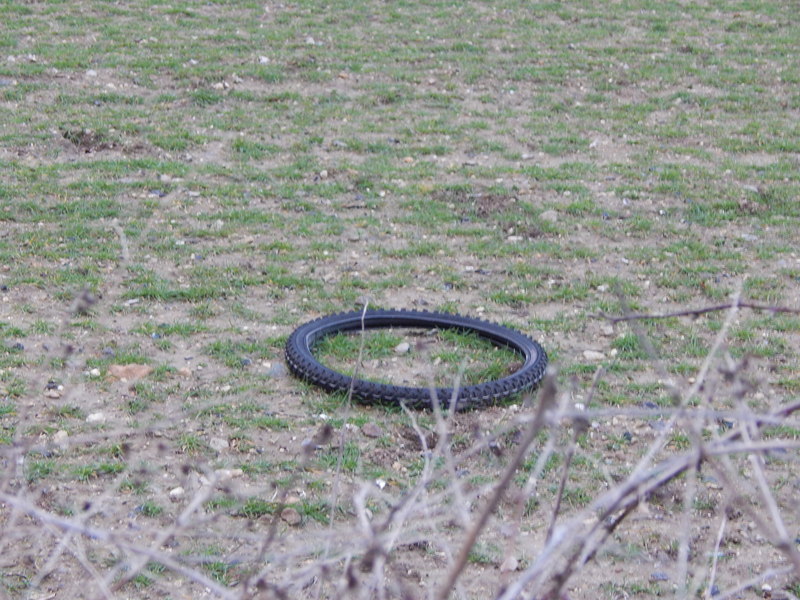
Illustration: Fine-Tuning Your Pressure: When to Adjust PSI

Daily pressure checks: why tires lose PSI over time

Road bike tires naturally lose air over time, even when not in use. This happens because air molecules slowly permeate through the rubber and because temperature changes affect air pressure. A tire that’s perfect today might be 10-15 PSI low in just a few days.

Check daily: Make pressure checking part of your pre-ride routine. A simple floor pump with a built-in gauge makes this quick and easy. Tires can lose 1-3 PSI per day depending on temperature and the quality of the inner tube.

Too hard? If your ride feels jarring or harsh, reduce PSI by 5–10 until it feels smooth. Many riders overinflate their tires, thinking higher pressure equals faster speeds. However, a tire that’s too hard transmits every road vibration, making long rides uncomfortable and potentially reducing your efficiency.

Quick troubleshooting: If you’re experiencing frequent flats or a harsh ride, try reducing pressure in 5 PSI increments until you find the sweet spot. Conversely, if you’re bottoming out on bumps or experiencing pinch flats, increase pressure gradually until the problem resolves.

Wet roads: reduce pressure by 5-10 PSI for better grip

Wet conditions require pressure adjustments to maintain safety and performance. When roads are wet, reducing your tire pressure by 5–10 PSI increases the tire’s contact patch with the road surface.

This larger contact area provides several benefits in wet conditions. First, it increases the tire’s ability to displace water, reducing the risk of hydroplaning. Second, it allows more of the tire’s tread (or in the case of slick road tires, more of the rubber compound) to contact the road, improving grip. Third, the slightly softer tire can better conform to the road surface, finding traction in areas that might be missed by a harder, more rigid tire.

The pressure reduction for wet conditions applies to both tires equally, though you should still maintain the 5-7 PSI rear-front differential. This adjustment can make the difference between confident cornering and nervous sliding when riding in the rain.

The most surprising finding about road bike tire pressure is that the “harder is faster” myth has been completely debunked by modern tire technology. Today’s wider tires at lower pressures actually roll faster on real-world roads than narrow, rock-hard tires. The comfort and vibration damping provided by properly inflated wider tires allow you to maintain power output longer, ultimately making you faster over the course of a ride.

Your immediate action step: Check your current tire pressure with a quality gauge, then adjust it based on your weight and tire width using the guidelines above. You’ll likely notice improved comfort and performance on your very next ride.
Vegetarian Cyclists: Complete Nutrition Guide for Plant-Based Riders

Vegetarian cyclists can achieve Olympic-level performance with the right nutrition strategy—Emma Johansson’s 2016 Olympic silver medal proves plant-based fueling works when done correctly. For more road cycling insights, check out road cycling resources.

Complete vegetarian cycling nutrition system

  • Pre-ride: 1.5-3g carbs/kg body weight 2-4h before rides (EmmaJohansson.com)
  • Daily macros: 65% carbs, 13% protein, 22% fat for endurance (NoMeatAthlete.com)
  • Essential supplements: B12, D, iron, omega-3 (Gatorade.com)
  • Race-day: 30-60g carbs/hr via bananas, rice cakes, gels (Ironman.com)
  • Hydration: 400-600ml electrolytes 1-2h pre-ride (EmmaJohansson.com)

What Vegetarian Cyclists Need to Know About Pre-Ride Nutrition

Proper pre-ride nutrition sets the foundation for successful cycling performance. Plant-based athletes need specific strategies to ensure adequate energy stores without digestive distress. The right carbohydrate timing and food choices can mean the difference between sustained energy throughout your ride and hitting the dreaded “wall” mid-ride.

Carb Loading Strategy: 1.5-3g per kg Body Weight 2-4 Hours Before

The timing and amount of carbohydrates before riding directly impacts glycogen stores and energy availability. Plant-based cyclists can easily meet these requirements with whole food sources. Research from EmmaJohansson.com shows that proper carb loading 2-4 hours before exercise optimizes glycogen storage while allowing adequate digestion time.

  • Calculation example: A 70kg rider needs 105-210g carbs (1.5-3g × 70kg). For a 60kg cyclist, that’s 90-180g of carbohydrates
  • Timing window: 2-4 hours before allows for digestion and glycogen storage. Closer to 4 hours for larger meals, closer to 2 hours for smaller, easily digestible options
  • Why timing matters: Carbs consumed too close to exercise may cause GI distress, while those consumed too early may be fully digested before you start riding
  • Plant-based sources: Oats, rice, potatoes, quinoa, whole grain bread, sweet potatoes, and pasta provide excellent carbohydrate options
  • Glycogen storage: Adequate pre-ride carbs prevent “bonking” during long rides. Studies show cyclists with optimal glycogen stores can maintain intensity 20-30% longer

Plant-Based Pre-Ride Meal Examples for Different Ride Lengths

Choosing the right meal depends on ride duration and intensity. Fiber content becomes especially important for race-day nutrition, where low-fiber options prevent digestive issues during competition.

Short rides (1-2 hours):

  • Banana with almond butter (30-45g carbs): Quick energy, portable, minimal prep
  • Rice cake with honey (25-35g carbs): Light, easy to digest, race-day friendly
  • Toast with jam (30-40g carbs): Simple carbs, familiar to most athletes

Medium rides (2-3 hours):

  • Oatmeal with nuts and berries (60-80g carbs): Sustained energy, nutrient-dense, customizable
  • Sweet potato with cinnamon (50-70g carbs): Complex carbs, rich in potassium
  • Quinoa bowl with fruit (55-75g carbs): Complete protein, slow-release energy

Long rides (3+ hours):

  • Rice cakes with jam (70-100g carbs): Low fiber, easy digestion, race-day proven
  • White rice with maple syrup (80-120g carbs): High glycemic index, quick energy
  • Pasta with light marinara (70-100g carbs): Familiar, satisfying, easily digestible

Essential Supplements for Vegetarian Cyclists

Plant-based athletes face unique nutritional challenges that require strategic supplementation to maintain optimal performance and recovery. According to Gatorade.com, vegetarian athletes training at high volumes need specific supplementation to match the nutrient density of omnivorous diets.

The Four Critical Supplements Every Vegetarian Cyclist Needs

Certain nutrients are difficult to obtain from plant sources alone, especially during high training volumes. NoMeatAthlete.com recommends these four supplements as non-negotiable for serious vegetarian cyclists.

  • Vitamin B12: Daily supplementation required; supports energy production and red blood cell formation. Dosage: 1000-2500mcg weekly or 250-500mcg daily. B12 deficiency can cause fatigue, weakness, and neurological issues
  • Vitamin D: Seasonal supplementation; crucial for bone health and immune function. Dosage: 1000-4000 IU daily during fall/winter months. Blood levels should be 30-50 ng/mL for optimal performance
  • Iron: Blood test-based dosing; essential for oxygen transport and preventing fatigue. Dosage: 18-27mg daily for women, 8-18mg for men. Vitamin C enhances absorption by up to 300% when taken together
  • Omega-3 (DHA/EPA): Algae-based supplements; reduces inflammation and supports recovery. Dosage: 200-500mg DHA/EPA daily. Plant-based omega-3 from flax/chia provides ALA, but conversion to DHA/EPA is inefficient (less than 10%)

How to Monitor Nutrient Levels and Avoid Deficiencies

Regular monitoring ensures your nutrition plan supports your training goals and prevents performance-limiting deficiencies. British Cycling recommends blood testing every 3-6 months for serious athletes.

  • Blood testing schedule: Every 3-6 months for key markers (B12, iron, vitamin D, zinc, folate). More frequent testing during heavy training blocks or when experiencing symptoms
  • Common deficiency symptoms: Fatigue, poor recovery, frequent illness, decreased performance, muscle weakness, brain fog, pale skin, brittle nails
  • Absorption tips: Vitamin C with iron enhances absorption by up to 300%; fat with fat-soluble vitamins (D, E, K) improves uptake; avoid calcium with iron as it inhibits absorption
  • Tracking apps: Nutrition monitoring apps help ensure adequate intake of key nutrients. Cronometer, MyFitnessPal, and MyNetDiary can track micronutrient intake
  • Performance feedback: Energy levels, recovery time, and training adaptation indicate nutritional adequacy. Track subjective measures like fatigue, soreness, and motivation alongside objective metrics

Race-Day Nutrition Strategies for Plant-Based Riders

Race-day nutrition requires careful planning to optimize performance while preventing digestive issues that can derail competition. Ironman.com emphasizes that race-day nutrition mistakes are among the most common causes of underperformance in endurance events.

Pre-Race Breakfast: Low-Fiber High-Carb Options 2-3 Hours Before Start

The pre-race meal should maximize glycogen stores while minimizing gastrointestinal distress during competition. WahooFitness.com recommends low-fiber options that are familiar to your digestive system.

  • White rice with maple syrup: 80-120g carbs, easily digestible, race-proven. Add a pinch of salt for electrolyte balance
  • Plain bagels: 60-90g carbs, portable, minimal fiber content. Top with jam or maple syrup for additional carbs
  • Rice cakes with jam: 70-100g carbs, low fiber, familiar to many cyclists. Make the night before and wrap individually
  • Timing considerations: 2-3 hours allows for digestion while maintaining energy availability. Closer to 3 hours for larger meals
  • Vegan gel alternatives: Commercial options available, check ingredients for animal products. Look for maltodextrin, fructose, or glucose-based gels

On-Bike Fueling: 30-60g Carbs Per Hour Using Plant-Based Sources

During exercise, carbohydrate intake must match energy expenditure to maintain performance throughout the ride. British Cycling’s 2015 guidelines (though dated) established the foundation for modern endurance fueling strategies.

Fuel Source Carbs per Serving Portability Cost
Bananas 25-30g per medium banana High Low
Dates 18g per date Medium Low-Medium
Homemade rice cakes 20-25g per cake Medium Low
Commercial gels 20-25g per gel High High
Energy bars 30-40g per bar High Medium-High

Homemade rice cake recipe:

  • 1 cup sushi rice, cooked
  • 2 tbsp maple syrup
  • 1 tbsp coconut oil
  • Pinch of salt
  • Press into pan, cut into squares, wrap individually

Carb absorption rates:

  • Simple sugars: 30-60g/hr maximum absorption. Beyond this, gut distress increases
  • Mixed carb sources: May allow slightly higher intake (up to 90g/hr) by using different transporters
  • Hydration: 400-600ml electrolytes 1-2h pre-ride supports absorption and prevents cramping
  • Practice fueling: Train your gut to handle race-day nutrition during long training rides

The most counter-intuitive finding is that vegetarian cyclists often have better glycogen storage due to higher carb intake. Actionable step: Create a 7-day meal plan using the provided framework, track energy levels for two weeks, and adjust based on performance feedback.

Rough Road Tire Pressure: Comfort on Gravel and Potholes

Illustration: Rough Road Tire Pressure: The 60-80 PSI Sweet Spot

For rough roads, road cyclists should run 60-80 PSI in 28-30mm tires — 3-5 PSI lower than smooth pavement. This pressure range provides the perfect balance between comfort, traction, and rolling efficiency when navigating potholes, gravel patches, and uneven asphalt surfaces.

Key takeaway

  • 60-80 PSI is the rough road sweet spot for 28-30mm tires — 3-5 PSI lower than smooth roads
  • Heavier riders need 2-4 PSI more; lighter riders can go 2-3 PSI lower
  • Tubeless tires allow 10-15 PSI less pressure without pinch flats on rough surfaces
  • Front tires can be 2-3 PSI lower than rear for better comfort on uneven pavement

Rough Road Tire Pressure: The 60-80 PSI Sweet Spot

Illustration: Rough Road Tire Pressure: The 60-80 PSI Sweet Spot

60-80 PSI for 28-30mm Tires on Rough Pavement

Road cyclists need to drop their tire pressure when riding on rough surfaces to absorb vibrations and maintain traction. For 28-30mm tires on rough pavement, the ideal range is 60-80 PSI, according to data from ICAN Cycling (October 2024) and Polygon Bikes (January 2026). This represents a 3-5 PSI reduction from the 80-100 PSI typically used on smooth roads.

The wider tire width allows for lower pressure while maintaining efficiency. At 60-80 PSI, the tire deforms more over bumps, creating a suspension-like effect that reduces fatigue and improves control. This pressure range also increases the contact patch with the road, providing better grip on loose or uneven surfaces — road cycling.

Road cyclists often make the mistake of maintaining smooth-road pressure on rough surfaces. When you hit a pothole at 90 PSI, the tire transmits that impact directly to your body and bike components. At 65 PSI, the same pothole causes the tire to deform and absorb much of the shock, protecting your wrists, back, and expensive bike parts from unnecessary stress. For those just starting out, Essential Cycling Tips for Beginners Starting Their Journey can help you understand these fundamentals.

Drop 3-5 PSI from Smooth Roads for Rough Surfaces

The 3-5 PSI reduction rule applies to any rough surface conditions. When you encounter:

  • Potholes and broken asphalt
  • Gravel patches on paved roads
  • Uneven pavement with cracks
  • Construction zones with debris

Dropping pressure by 3-5 PSI allows the tire to absorb impacts that would otherwise transfer shock to your body and bike. If you maintain smooth-road pressure on rough surfaces, you’ll experience more vibration, reduced traction, and increased risk of pinch flats when hitting sharp edges. A structured approach like a beginner cycling training plan can help you build the fitness needed to handle rough roads comfortably.

The physics behind this adjustment is simple: lower pressure creates a larger contact patch and allows the tire to conform to road irregularities. This increased contact area distributes your weight over more surface area, reducing the pressure on any single point. The result is better grip, more comfort, and actually improved rolling efficiency on rough terrain compared to rock-hard tires bouncing over every bump. For those exploring new areas, finding the best cycling routes near you can help discover smoother alternatives.

Front vs Rear: 2-3 PSI Lower in Front for Comfort

On rough roads, set your front tire 2-3 PSI lower than your rear tire. The front wheel encounters obstacles first and benefits more from additional cushioning. This pressure difference improves comfort without sacrificing steering precision or stability.

The rear tire carries more weight from your body and gear, so it needs slightly higher pressure to support the load and prevent excessive rolling resistance. This simple front-rear differential makes a noticeable difference in ride quality on uneven surfaces.

Professional cyclists have used this technique for decades, often running front tires 3-4 PSI lower than rear tires on cobbled classics like Paris-Roubaix. The front tire’s lower pressure acts as a shock absorber for your hands and arms, while the slightly firmer rear tire maintains pedaling efficiency. For recreational riders on rough roads, this same principle applies — your front tire should be your comfort tire, while the rear maintains the power transfer you need for efficient riding. When choosing equipment, road bike reviews 2024 can help you select models optimized for rough road performance.

Weight-Based Pressure Adjustments: How Heavy Riders Need More PSI

Illustration: Weight-Based Pressure Adjustments: How Heavy Riders Need More PSI

Canyon’s Weight Chart: 70kg Rider = 74 PSI (28mm)

Canyon’s 2025 weight chart provides specific PSI recommendations for different rider weights. For a 70kg rider on 28mm tires with 23mm rims, the recommended pressure is 74 PSI. The chart shows:

  • 66-73kg riders: 74 PSI (28mm tires)
  • 32mm tires: 69 PSI for the same weight range

This data demonstrates how tire width affects optimal pressure. Wider tires require slightly less pressure for the same rider weight, which is why gravel and endurance road bikes often use 28-32mm tires at lower pressures than traditional 23-25mm road tires.

The Canyon chart reveals an important principle: tire pressure isn’t one-size-fits-all. A 90kg rider on the same 28mm tires would need approximately 82-86 PSI to achieve the same tire support and performance. This weight-based adjustment ensures that heavier riders don’t experience tire squirm or sidewall collapse, while lighter riders avoid the harsh ride and reduced traction of over-inflated tires.

Heavier Riders: Add 2-4 PSI; Lighter Riders: Subtract 2-3 PSI

Adjust pressure based on your weight relative to the baseline:

  • Heavier riders (over 80kg): Add 2-4 PSI to the standard recommendations
  • Lighter riders (under 60kg): Subtract 2-3 PSI from standard recommendations

These adjustments ensure proper tire support and rolling resistance for your specific body weight. Too much pressure for your weight creates a harsh ride and reduces traction, while too little pressure increases rolling resistance and risk of rim strikes on rough terrain.

Consider your total system weight, not just body weight. Add 3-5 kg for your bike, water bottles, and any gear you’re carrying. A 75kg rider with a fully loaded bike for a long ride might effectively be riding at 85kg, requiring pressure adjustments accordingly. This total weight consideration becomes even more critical on rough roads where the consequences of incorrect pressure are amplified by the constant impacts and vibrations.

Tubeless vs Tubes: Why Lower PSI Works on Rough Roads

Illustration: Tubeless vs Tubes: Why Lower PSI Works on Rough Roads

Tubeless Allows 10-15 PSI Less Without Pinch Flats

Tubeless tires eliminate pinch flats, allowing you to run 10-15 PSI lower than tubed setups on rough roads. Rene Herse Cycles (2024) confirms that tubeless technology enables this pressure reduction without the risk of snake bites from hitting sharp edges.

The lower pressure in tubeless tires provides:

  • Better comfort through increased shock absorption
  • Improved traction from larger contact patches
  • Reduced rolling resistance on rough surfaces
  • No pinch flats from rim strikes

This pressure reduction is particularly beneficial on rough roads where you’re constantly encountering small obstacles and uneven surfaces.

The tubeless advantage becomes most apparent when riding over rough terrain. With tubes, you’re constantly worried about pinch flats — those frustrating snake bites that occur when the tube gets pinched between the rim and a sharp object. Tubeless tires, sealed directly to the rim with liquid sealant, can deform much more without failing. This allows pressure drops that would be impossible with tubes, transforming your rough road experience from teeth-rattling to surprisingly smooth.

Hookless Rims Max: 73 PSI / 5 bar Safety Limit

Hookless rims have a maximum pressure rating of 73 PSI (5 bar) according to ETRTO standards cited by Rene Herse Cycles. This limit is important for tubeless setups because:

  • Traditional hooked rims can handle higher pressures
  • Exceeding hookless limits risks tire separation
  • Most rough road applications stay well below this limit anyway

When using hookless rims with tubeless tires, you’ll typically run 50-70 PSI on rough roads, staying safely within the pressure limits while enjoying the benefits of lower pressure for comfort and traction.

The hookless rim limitation actually works in your favor for rough road riding. Since you’re already targeting 60-80 PSI for comfort and traction, you’re naturally staying within safe limits for modern tubeless wheels. This pressure range provides the perfect balance — low enough for comfort and grip, but high enough to prevent tire squirm during hard cornering or climbing out of the saddle.

For the most comfortable ride on rough roads, use a free online pressure calculator with your weight and tire size to find your perfect PSI. The biggest surprise is that tubeless tires let you ride 10-15 PSI lower than tubes without flats, dramatically improving comfort on uneven surfaces.

Road cyclists who switch to tubeless for rough road riding often report feeling like they’ve upgraded their entire bike. The combination of lower pressure, better traction, and no pinch flats transforms how you approach rough sections — instead of tensing up and bracing for impact, you can relax and let the tires do their job. This mental shift alone can make rough road riding more enjoyable, but the physical benefits of proper pressure are what truly make the difference.

High-Speed Riding Tire Pressure: Aerodynamics and Efficiency

Illustration: Weight-Based Pressure Optimization for Maximum Speed

The optimal high-speed tire pressure for road cycling is 70-90 PSI for 25-28mm tires, not the traditional 100+ PSI. Modern research shows that lower pressure reduces vibration and rolling resistance on imperfect roads, actually making you faster on typical cycling surfaces.

High-Speed Tire Pressure Optimization

  • Optimal range: 70-90 PSI for 25-28mm tires on flat terrain and descents
  • Weight adjustment: +1-2 PSI per 10kg over 70kg body weight
  • Rear tire: 3-5 PSI higher than front for weight distribution
  • Safety limit: Never exceed 72.5 PSI on hookless rims

Why Lower Pressure (70-90 PSI) Beats High Pressure (100+ PSI) for Speed

Excessively high tire pressure is actually slower on typical imperfect road surfaces because it causes bouncing and energy waste. When tires are rock-hard, they cannot absorb road imperfections, forcing the bike to bounce up and down with each bump. This vertical movement wastes energy that should be propelling you forward.

Lower pressure allows the tire to conform to road imperfections, maintaining better contact with the surface and reducing vibration. Research shows that around 80 PSI can be faster than 100+ PSI on real roads because the tire absorbs small bumps rather than transmitting them to the rider and bike. This smooth rolling motion maintains momentum and reduces the energy-sapping vibrations that slow you down.

The physics is simple: a tire that can deform slightly over road imperfections maintains more forward momentum than one that bounces over every bump. Think of it as the difference between a car with good suspension versus one with solid tires – the suspension car is faster and more comfortable on rough roads.

Optimal Pressure Ranges by Tire Width for Maximum Speed

25mm tires:

  • Rear: 85-95 PSI
  • Front: 80-90 PSI

28mm tires:

  • Rear: 75-85 PSI
  • Front: 70-80 PSI

30-32mm tires:

  • Rear: 60-75 PSI
  • Front: 55-70 PSI

These ranges provide the ideal balance between rolling resistance and comfort. The rear tire runs slightly higher because it supports approximately 60% of your body weight, while the front handles steering and braking forces.

The “Firm but Not Rock-Hard” Pressure Sweet Spot

The optimal high-speed pressure feels firm but not rock-hard when you squeeze the tire. It should have just enough give that you can press it in slightly with your thumb, but not so much that it feels soft or squishy. When riding, you’ll notice the bike rolls smoothly over small bumps without bouncing, and the tires maintain consistent contact with the road surface.

This sweet spot allows the tire to absorb vibrations while still providing the low rolling resistance needed for high-speed performance. You’ll feel more connected to the road and experience less fatigue on longer rides, as the tires are doing the work of smoothing out the surface rather than your body absorbing every bump.

Weight-Based Pressure Optimization for Maximum Speed

Illustration: Weight-Based Pressure Optimization for Maximum Speed

Canyon’s Weight-Based Pressure Guide for High-Speed Performance

Body Weight Recommended Pressure (28mm tires)
≤ 50kg 58 psi (4.1 bar)
51-57kg 64 psi (4.4 bar)
58-65kg 69 psi (4.8 bar)
66-73kg 74 psi (5.1 bar)
74-81kg 79 psi (5.5 bar)
82-88kg 84 psi (5.8 bar)
≥ 89kg 89 psi (6.2 bar)
≥ 96kg 94 psi (6.6 bar)

This weight-based guide provides a precise starting point for high-speed performance. The pressure increases with body weight because heavier riders need more air to prevent pinch flats and maintain proper tire shape under load.

Fine-Tuning Pressure: The 1-2 PSI Per 10kg Rule

For every 10kg over 70kg body weight, increase pressure by 1-2 PSI. This simple formula allows you to customize pressure for your specific weight beyond the standard ranges. For example, if you weigh 90kg (20kg over 70kg), you would add 2-4 PSI to the base recommendations.

This adjustment ensures your tires maintain optimal shape and rolling resistance for your weight. Too little pressure for your weight can cause pinch flats and poor handling, while too much pressure creates the bouncing and energy waste we want to avoid.

Front vs Rear Tire Pressure: The 3-5 PSI Difference

The rear tire should run 3-5 PSI higher than the front because it supports approximately 60% of your body weight. This weight distribution means the rear tire bears more load and needs higher pressure to maintain proper shape and prevent pinch flats.

The front tire, handling steering and braking forces, runs slightly lower pressure. This differential creates a balanced system where both tires work optimally for their specific roles. When setting your pressures, always check both tires separately and adjust the rear up by 3-5 PSI from your front tire pressure.

Safety Limits and System Optimization for High-Speed Performance

Illustration: Safety Limits and System Optimization for High-Speed Performance

Hookless Rim Safety: The 72.5 PSI Maximum

Hookless rims have a critical safety limit of 72.5 PSI (5 bar) maximum. Exceeding this pressure can cause the tire to blow off the rim, especially during high-speed cornering or when hitting bumps. This limit exists because hookless rims rely on the tire’s bead seating against the rim shelf, rather than mechanical hooks that grip the tire bead.

Always check your rim specifications before inflating. If you have hookless rims, never exceed 72.5 PSI, even if your tire sidewall shows a higher maximum pressure. This safety boundary is non-negotiable for preventing dangerous blowouts at high speeds.

Tubeless vs Tubed: Pressure Advantages for High-Speed Riding

Tubeless setups allow 10-15 PSI lower pressures without pinch flat risk compared to tubed systems. This pressure advantage comes from eliminating the tube, which can be pinched between the tire and rim. Without a tube, you can run softer pressures that improve comfort and traction while maintaining speed.

Tubeless systems also reduce rolling resistance slightly because there’s no tube friction inside the tire. However, tubeless tires can experience “burping” – where the tire momentarily loses air during hard cornering – so you need to find the right balance between low pressure benefits and cornering stability.

Using the SILCA Pro Tire Pressure Calculator for Precision

The SILCA Pro Tire Pressure Calculator provides exact pressure recommendations based on your specific weight, tire size, and rim type. This tool takes into account all the variables we’ve discussed – weight, tire width, and system type – to give you personalized pressure settings.

To use the calculator, input your total system weight (rider + bike + gear), tire width, and whether you’re using tubeless or tubed tires. The calculator will provide front and rear pressure recommendations that optimize for your exact setup. This precision eliminates guesswork and ensures you’re getting the maximum performance from your tire pressure setup.

The most surprising insight about high-speed tire pressure is that excess pressure actually slows you down on imperfect roads. The traditional advice of pumping tires to maximum pressure creates a harsh, bouncing ride that wastes energy. Instead, finding that “firm but not rock-hard” sweet spot around 70-90 PSI for most riders will give you faster, more comfortable high-speed performance.

For your next high-speed ride, use the SILCA Pro Tire Pressure Calculator with your exact weight and tire specs to find your optimal pressure. Start with those recommendations, then fine-tune based on how the bike feels – you’re looking for smooth rolling over bumps without any bouncing. This personalized approach will maximize your speed and efficiency on flat terrain and descents.