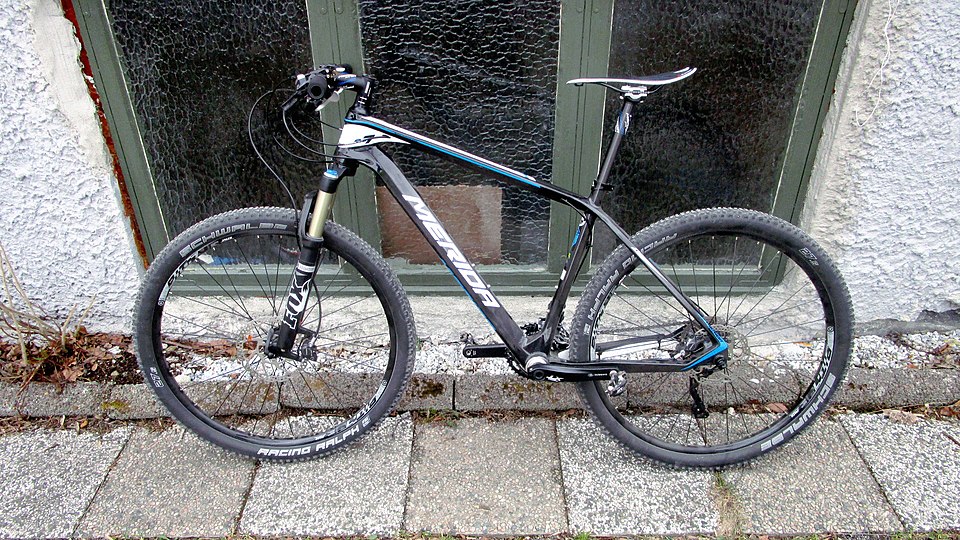
Endurance Ride Tire Pressure: Comfort for Long Distances

Illustration: What PSI Should Endurance Riders Use for 100+ km Comfort?

Endurance cycling has undergone a significant transformation in recent years, with tire pressure recommendations shifting dramatically from the high-pressure racing setups of the past to more comfortable ranges that prioritize long-distance comfort over raw speed.

Endurance Ride Tire Pressure: The Modern Comfort Zone

  • Standard road tires: 80-100 PSI for optimal comfort on 100+ km rides
  • Wider 28mm tires: 70-90 PSI provides better grip and less fatigue
  • High-pressure racing (100+ PSI) is outdated for endurance comfort

What PSI Should Endurance Riders Use for 100+ km Comfort?
Illustration: What PSI Should Endurance Riders Use for 100+ km Comfort?

The 80-100 PSI Sweet Spot for Standard Road Tires

For endurance rides covering 100+ kilometers, the optimal tire pressure has settled into the 80-100 PSI range for standard road bike tires. This represents a significant departure from the high-pressure racing setups that dominated professional cycling for decades.

The shift toward lower pressures stems from a fundamental understanding of how tire pressure affects rider comfort and fatigue over long distances. Higher pressures, while offering lower rolling resistance on perfectly smooth surfaces, create a harsh ride that transmits every road imperfection directly to the rider. Over 100+ km, this constant vibration and impact forces the body to work harder to maintain stability and absorb shocks.

Modern endurance riders have discovered that the 80-100 PSI range provides an ideal balance between rolling efficiency and comfort. At these pressures, tires maintain their shape under load while offering enough compliance to absorb road vibrations. This translates to less fatigue in the hands, arms, shoulders, and lower back – areas that typically suffer most during long rides.

The evolution away from 100+ PSI racing pressures reflects a broader understanding that endurance cycling success depends as much on rider comfort and energy conservation as it does on pure speed. As Outside Magazine’s endurance riding principles suggest, the goal shifts from maximizing speed to maximizing sustainable comfort over the entire ride duration.

Why Wider Tires Need Lower Pressure: The 70-90 PSI Range

The trend toward wider tires has revolutionized endurance cycling comfort, with 28mm tires becoming increasingly popular for long-distance rides. These wider tires allow for even lower pressures than standard road tires, with the optimal range falling between 70-90 PSI — road cycling.

The physics behind this pressure reduction is straightforward: wider tires have a larger contact patch with the road, distributing the rider’s weight over more surface area. This means less pressure is needed to support the same load, allowing the tire to deform more easily over road irregularities.

The benefits of this lower-pressure, wider-tire approach are substantial. First, the increased tire volume provides better shock absorption, smoothing out rough roads and reducing the impact forces transmitted to the rider. Second, the larger contact patch improves grip, particularly in corners and on wet surfaces, enhancing both safety and confidence.

Many endurance cyclists find that 28mm tires at 70-90 PSI provide the best combination of comfort, grip, and rolling efficiency for their long rides. The slightly higher rolling resistance compared to narrower, higher-pressure tires is more than offset by the reduced fatigue and improved handling characteristics.

How Emma Johansson’s Career Reflects the Pressure Evolution
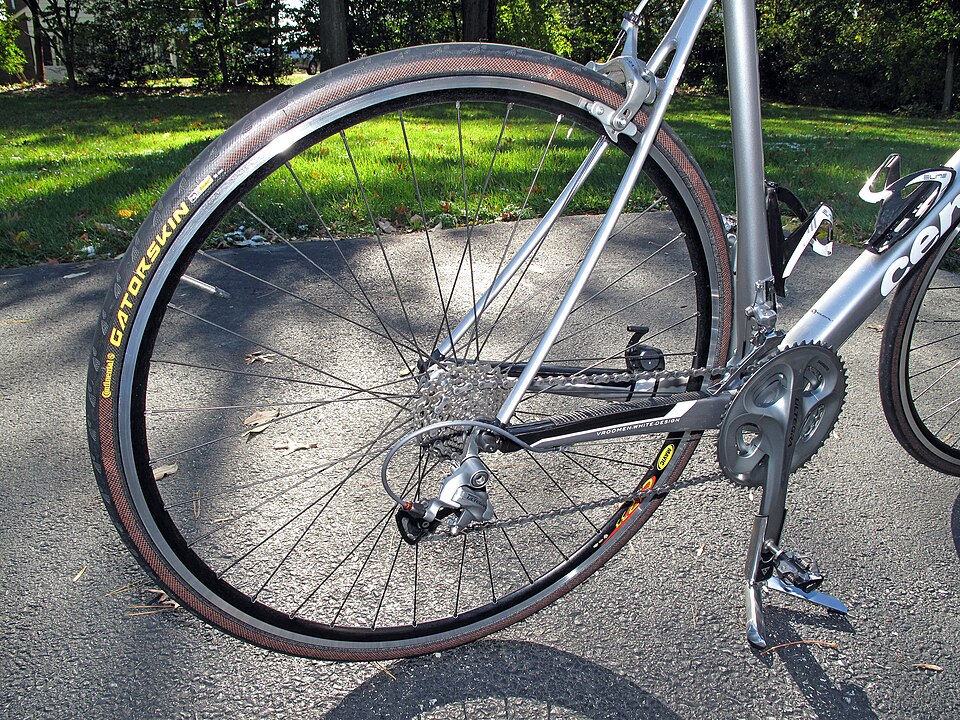
Illustration: How Emma Johansson's Career Reflects the Pressure Evolution

From Racing to Endurance: The Pressure Philosophy Shift

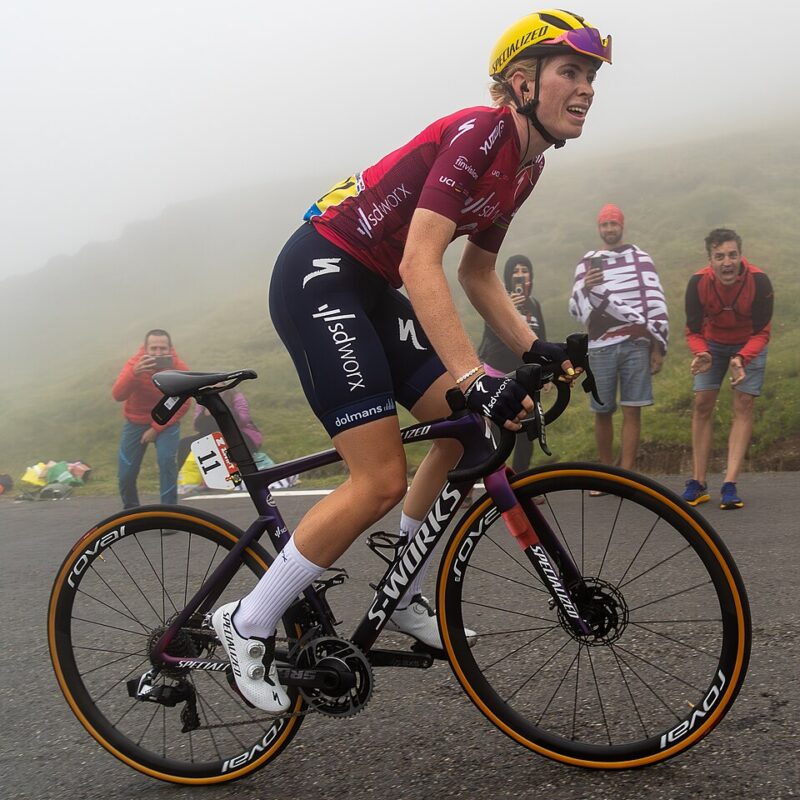
Emma Johansson, the Swedish former professional road cyclist nicknamed “Silver Emma” for her two Olympic silver medals (Beijing 2008, Rio 2016), exemplifies the evolution in cycling philosophy from pure racing to endurance comfort. Her career transition from professional racing to post-career riding mirrors the broader shift in tire pressure recommendations.

During her professional racing career, Johansson competed in long, hard stage races like the Giro Donne and the Women’s Tour, where high-pressure setups (100+ PSI) were the norm. These pressures maximized speed on smooth race surfaces but came at the cost of rider comfort and fatigue management.

In her post-career riding, Johansson has often spoken about the transition from pure racing to finding the “best version” of herself, emphasizing the importance of comfort and longevity in riding rather than just raw speed. This philosophy aligns perfectly with modern endurance pressure principles, where the goal is sustainable comfort over entire ride durations rather than peak performance for short periods.

As a veteran of professional, long-distance stage racing, Johansson’s focus on longevity and enjoying the ride in her post-career life likely aligns with using modern equipment and lower pressures for maximum comfort on endurance rides. Her experience demonstrates how professional cyclists have adapted their approach as their goals shifted from competition to enjoyment and longevity.

100+ PSI Racing vs Modern 80-100 PSI Endurance

The contrast between racing-era pressures and modern endurance pressures illustrates a fundamental shift in cycling priorities. During the high-pressure racing era, cyclists commonly used pressures exceeding 100 PSI, with some riders pushing toward 120 PSI or higher for maximum speed on smooth surfaces.

These high pressures served a specific purpose: minimizing rolling resistance on the smooth, predictable surfaces of race courses. The theory was that harder tires deformed less, creating less energy loss and therefore faster speeds. However, this approach had significant drawbacks for real-world riding conditions.

Modern endurance pressure recommendations of 80-100 PSI reflect a more nuanced understanding of tire performance. Lower pressures provide better traction on varied surfaces, improved comfort over long distances, and enhanced puncture resistance. The slight increase in rolling resistance is more than compensated by the reduction in rider fatigue and the improved ability to handle imperfect road surfaces.

This evolution represents a broader recognition that endurance cycling success depends on sustainable performance rather than peak speed. The shift from 100+ PSI to 80-100 PSI demonstrates how cycling technology and understanding have advanced to prioritize rider comfort and energy conservation over pure speed metrics.

Testing Your Perfect Pressure: A Practical Guide
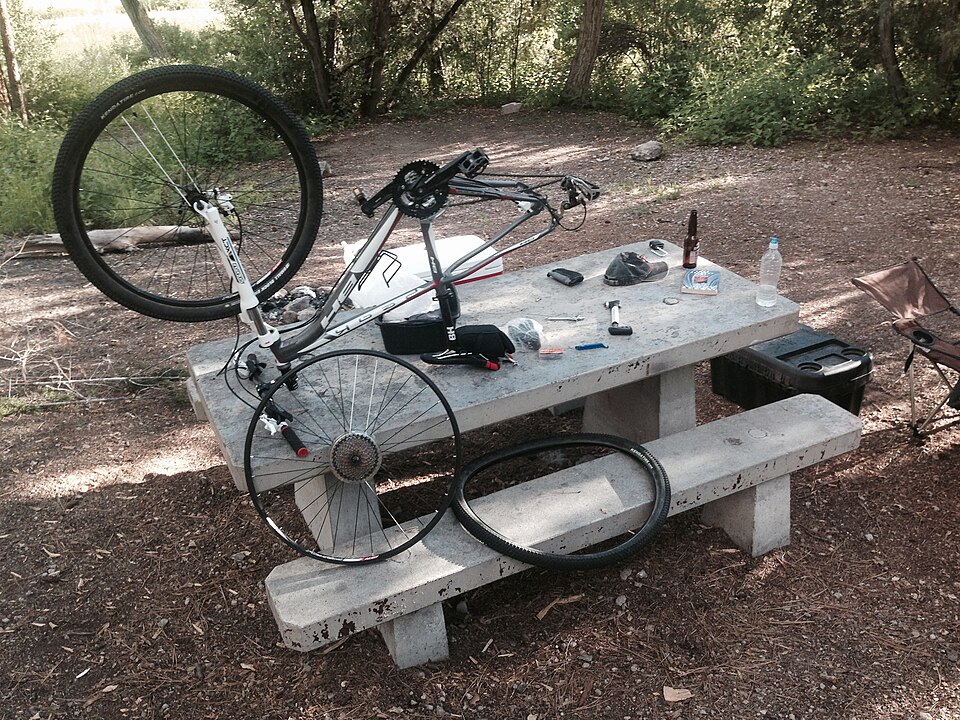
Illustration: Testing Your Perfect Pressure: A Practical Guide

Finding Your Comfort Zone: The 5 PSI Test Method

Finding your optimal tire pressure for endurance rides doesn’t require complex equipment or extensive testing. The 5 PSI test method provides a simple, systematic approach to discovering what works best for your specific riding style, weight, and local road conditions.

Start with a baseline pressure of 85 PSI for standard road tires or 75 PSI for 28mm tires. This represents a good middle ground that will work well for most riders. Then, test different pressures on actual endurance rides, adjusting in 5 PSI increments up or down.

For each test ride, pay attention to three key factors: comfort level, handling confidence, and overall fatigue at the finish. You might find that slightly lower pressures provide better comfort but feel less responsive in corners, or that slightly higher pressures feel faster but cause more hand and arm fatigue.

The testing process should span several 100+ km rides to account for different road conditions, weather, and your varying energy levels. Keep notes on which pressure combinations provided the best overall experience, considering both the ride quality and how you felt at the end of each ride.

When to Adjust: Weather, Terrain, and Load Factors

Tire pressure isn’t a set-it-and-forget-it parameter. Several factors can warrant pressure adjustments from your baseline settings, particularly for endurance rides where conditions can vary significantly over 100+ km.

Hot weather typically requires slightly lower pressures, as air expands with heat. A good rule of thumb is to reduce pressure by 2-3 PSI when riding in temperatures above 85°F (29°C). Conversely, cold weather may require slightly higher pressures to compensate for air contraction.

Rough road conditions or gravel sections often benefit from lower pressures to improve comfort and traction. If your endurance route includes significant sections of poor pavement or light gravel, consider dropping your pressure by 5 PSI from your normal setting.

Loaded bikes for bikepacking or touring require higher pressures to support the additional weight. Add 5-10 PSI to your normal pressure when carrying heavy loads, ensuring the tires maintain their shape under the increased weight.

The key is to view tire pressure as a tuning parameter that you can adjust based on conditions rather than a fixed specification. Small adjustments can significantly impact your comfort and performance over long distances.

The most counter-intuitive finding in modern endurance cycling is that lower pressure actually improves speed on endurance rides by reducing fatigue. While higher pressures may offer marginally better rolling resistance on perfectly smooth surfaces, the comfort and energy conservation benefits of lower pressures typically result in faster overall ride times when fatigue is factored in.

Test 85 PSI on your next 100+ km ride and note your comfort level at the finish. You might be surprised to find that the reduced fatigue allows you to maintain a more consistent pace throughout the entire ride, ultimately resulting in better performance than you would achieve with higher pressures that leave you exhausted at the finish line.
Zwift Training for Beginner Cyclists: Virtual Workouts That Work

Illustration: Best Beginner Zwift Workouts & Training Plans

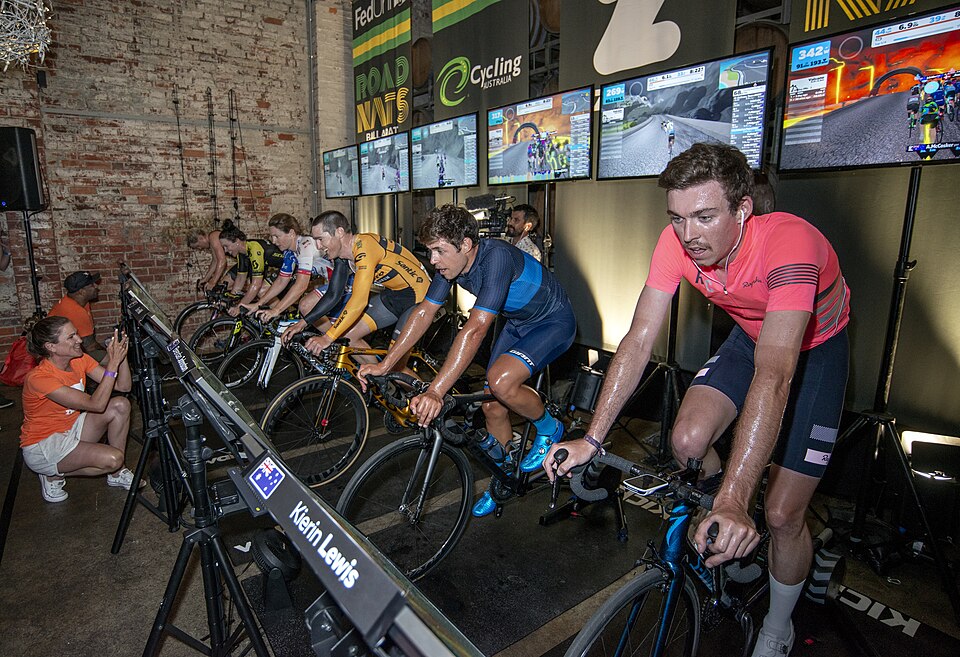
Zwift offers a comprehensive platform for beginner cyclists to build fitness, mimicking the structured, high-volume training of professionals like former Swedish road cyclist Emma Johansson (“Silver Emma”). As a retired Olympian and 14-time national champion, Johansson emphasized consistent, moderate training over high-intensity burnout, a philosophy that aligns with Zwift’s structured, progressive beginner plans.

Key Takeaway

  • Zwift offers structured 4-week beginner plans like ‘Zero to Hero’ and ‘Back to Fitness’ requiring 3-4 short sessions per week
  • Start with FTP testing to ensure workouts are properly scaled to your fitness level
  • Use ERG mode on smart trainers to automatically manage resistance during intervals
  • Join easy group rides like Herd or EZR events to build confidence and maintain Zone 2 base training
  • Focus on consistency over intensity with flexible training plans that adapt to your schedule

Best Beginner Zwift Workouts & Training Plans

Illustration: Best Beginner Zwift Workouts & Training Plans

Zero to Hero 4-week plan: Structured introduction for beginners

  • Training structure: TrainingPeaks plan introduces structure with 3-4 short, manageable sessions per week
  • Confidence building: Designed to build confidence and fitness for complete beginners
  • Basic requirements: Assumes basic cycling fitness and access to turbo trainer

The Zero to Hero plan follows a progressive structure that gradually increases both duration and intensity. Each week builds upon the previous one, starting with shorter endurance rides and introducing structured intervals only after establishing a solid aerobic base. This approach prevents beginners from jumping into high-intensity workouts too quickly, which often leads to burnout or injury.

Back to Fitness: The Beginning – 33-minute high-value workout

The “Back to Fitness: The Beginning” workout provides an ideal starting point for beginners with its 33-minute duration and alternating intensity structure. The session includes 5 minutes at 40-105% FTP, alternating between lower and higher intensity efforts. This format allows beginners to experience varied intensity without overwhelming fatigue, making it perfect for improving cardiovascular fitness while maintaining sustainable effort levels throughout the workout.

Pedaling Drills: Build Me Up for efficiency

  • Pedaling mechanics: Session designed to improve pedaling mechanics
  • Cadence control: Focus on smooth pedaling and cadence control
  • Skill development: Develops basic skills for more efficient riding

Pedaling drills focus on developing efficient movement patterns that translate to better outdoor cycling performance. These sessions emphasize smooth pedal strokes, proper cadence, and maintaining consistent power output. Beginners learn to avoid common mistakes like mashing gears or bouncing in the saddle, which can waste energy and lead to discomfort during longer rides.

Key Tips for Beginner Success on Zwift

Illustration: Key Tips for Beginner Success on Zwift

Take a Test: FTP ramp test for proper scaling

Starting with Zwift’s recommended ramp test determines your Functional Threshold Power (FTP), which is the key metric for training zones. This test ensures workouts are properly scaled to your current fitness level, preventing you from working too hard or too easy. FTP testing typically involves a progressive ramp where you increase power output every minute until exhaustion, providing an accurate baseline for all subsequent training sessions.

Focus on Consistency: Flexible training plans

  • Plan duration: Zwift training plans last 1-3 months and are flexible
  • Schedule adaptation: Can be adjusted to fit your schedule without feeling overwhelming
  • Progressive improvement: Structured yet flexible way to improve fitness over time

Consistency trumps intensity for beginners. Zwift’s flexible training plans allow you to maintain progress even when life gets busy. Missing a workout doesn’t derail your entire plan – you can easily reschedule sessions or adjust the timeline. This flexibility helps maintain motivation and prevents the all-or-nothing mindset that often causes beginners to quit training programs.

Join Group Rides: Herd and EZR events

Participating in easy Herd or EZR group events provides a low-pressure environment to get comfortable with virtual riding. These events maintain Zone 2 base training while building confidence in group dynamics and Zwift’s social features. You’ll learn how to draft, follow pace lines, and interact with other riders without the pressure of racing or keeping up with faster groups.

Weekly Structure for Beginner Progress

Illustration: Weekly Structure for Beginner Progress

Week 1: Benchmark testing + endurance riding

  1. Baseline establishment: Start with benchmark testing to establish baseline fitness
  2. Aerobic foundation: Focus on endurance riding to build aerobic foundation
  3. Interface familiarization: Get familiar with Zwift interface and controls

Week 1 focuses on establishing your current fitness level and learning the Zwift platform. Begin with FTP testing to determine your training zones, then complete several easy endurance rides to build comfort with indoor cycling. This week is about creating good habits and understanding how to navigate Zwift’s features, including route selection, workout modes, and basic controls.

Weeks 2-4: Endurance + cadence work

  • Combined training: Combine endurance rides with cadence-focused sessions
  • Efficiency building: Build pedaling efficiency and aerobic capacity
  • Progressive overload: Gradually increase ride duration and intensity

During weeks 2-4, you’ll combine longer endurance rides with specific cadence drills to improve pedaling efficiency. These weeks focus on building your aerobic engine while developing smooth, efficient pedal strokes. You might notice your heart rate staying lower at the same power output as your technique improves, which is a sign of progress.

Weeks 5-6: Endurance + intensity sessions

Weeks 5-6 introduce structured intensity sessions to your endurance base. You’ll add intervals and tempo rides that challenge your cardiovascular system while still maintaining the aerobic foundation you’ve built. This is also when you’ll prepare for FTP re-testing in week 6 to measure your progress and adjust training zones accordingly.

The most surprising finding for many beginners is how much easier structured training becomes once you establish a routine. What starts as a challenge quickly transforms into an enjoyable habit that delivers measurable fitness improvements. Your first actionable step is simple: complete Zwift’s FTP ramp test today to establish your baseline. This single test will ensure every workout you do is properly scaled to your current fitness level, making your training both safe and effective from day one.

road cycling provides additional resources for building your outdoor cycling skills once you’ve established a solid indoor training foundation.

Racing Bike Tire Pressure: Speed vs. Control Balance

Illustration: Why Lower Pressure Makes You Faster in 2026

Modern racing bikes have flipped the script on tire pressure—lower pressure actually makes you faster in 2026. The old belief that max PSI equals max speed has been debunked by physics and real-world testing. Today’s 28-30mm tires at 70-75 PSI deliver better speed, comfort, and grip than narrow tires at high pressure. For those considering equipment upgrades, Top Road Bike Reviews 2024: Best Models Compared can help you choose the right frame and components to complement your optimized tire pressure strategy.

Key Takeaway

  • Modern racing bikes use 28-30mm tires at 70-75 PSI for optimal speed and control

  • Lower pressure reduces vibration energy loss on imperfect roads

  • Heavier riders need higher pressure; lighter riders need lower pressure

  • Tubeless technology allows 5-10 PSI lower pressure without pinch flats

  • Wet conditions require 5-10 PSI pressure reduction for better traction

Why Lower Pressure Makes You Faster in 2026

Illustration: Why Lower Pressure Makes You Faster in 2026

The Science: How Vibration Energy Loss Slows You Down

The physics behind lower pressure speed gains centers on rolling resistance and vibration energy loss. When tires are overinflated, they bounce off road imperfections instead of deforming smoothly. Each bounce wastes energy that could be propelling you forward. Modern research shows that supple, high-performance tires at lower pressures maintain better contact with the road surface, reducing these micro-bounces. The tire absorbs small bumps through controlled deformation rather than transmitting shock through the wheel and frame. This means more of your pedaling power translates directly to forward motion. The key insight: energy lost to vibration is energy not used for speed. On real-world roads with cracks, potholes, and rough patches, this effect compounds significantly over race distances. Studies from tire manufacturers like Rene Herse Cycles demonstrate that the energy savings from lower pressure can equal several watts of power output—a substantial advantage in competitive racing where every watt counts. The deformation characteristics of modern 28mm tires allow them to maintain structural integrity at these lower pressures while providing superior comfort and control compared to their narrower predecessors.

The 70-75 PSI Sweet Spot for 28mm Tires

  • Average rider (70kg/154lb): 70-75 PSI provides optimal balance of speed and comfort

  • Why this range works: Wide tires at lower pressure create a larger contact patch, improving grip without sacrificing rolling efficiency

  • Comfort factor: Lower pressure absorbs road vibrations, reducing fatigue during long races

  • Speed benefit: Supple tires deform more efficiently, maintaining momentum through rough sections

  • Safety margin: This pressure range prevents pinch flats while maximizing performance

  • Real-world testing: Professional teams have validated these pressures through extensive on-road testing

  • Temperature effects: Tire pressure increases approximately 2-3 PSI for every 10°F temperature rise

  • Altitude impact: Higher elevations can reduce pressure by 1-2 PSI due to lower atmospheric pressure

Racing Discipline Pressure Adjustments

Illustration: Racing Discipline Pressure Adjustments

Criteriums: High-Speed Cornering Pressure

Criterium racing demands razor-sharp handling and rapid acceleration through tight corners. The pressure sweet spot for crits sits slightly lower than road race pressures—around 65-70 PSI for 28mm tires. This reduction enhances grip during aggressive cornering, where lean angles and G-forces are extreme. The lower pressure allows the tire to conform to road surfaces, maintaining maximum contact patch even when leaned over. Quick accelerations out of corners benefit from the tire’s ability to deform and then spring back efficiently. However, criterium courses often feature smooth pavement, so the risk of pinch flats from potholes is reduced. The rear tire should be 2-3 PSI higher than the front to handle the additional weight during seated climbing and acceleration phases. Professional criterium racers often fine-tune these pressures based on specific course characteristics—rougher courses might warrant the full 65 PSI range, while smooth, newly paved circuits could allow pressures down to 63 PSI for maximum cornering grip. The frequent accelerations and decelerations in criterium racing make tire pressure optimization particularly critical, as the tire must rapidly transition between loaded and unloaded states — road cycling.

Time Trials: Aerodynamics vs. Rolling Resistance

Time trial pressure optimization balances aerodynamic efficiency with rolling resistance. While aerodynamics dominate time trial equipment choices, tire pressure significantly impacts overall speed. The optimal range for TT racing is typically 70-73 PSI for 28mm tires. Higher pressure reduces the tire’s frontal profile slightly, offering marginal aerodynamic benefits. However, going too high sacrifices rolling efficiency on imperfect surfaces. The key is finding where aerodynamic gains equal rolling resistance losses. Time trial courses often feature smoother pavement than road races, allowing slightly higher pressures without the vibration penalties. Front tire pressure can be marginally higher (1-2 PSI) to maintain stability in aerodynamic positions where weight distribution shifts forward. The rear tire focuses on maintaining momentum through rolling resistance optimization. Professional time trial specialists use wind tunnel testing combined with rolling resistance data to dial in these pressures, often finding that the 70-73 PSI range provides the best overall performance across varied course conditions. The straight-line nature of time trials means that small aerodynamic advantages can compound over the full distance, making the pressure trade-off between frontal area and rolling resistance particularly nuanced.

Rider Weight and Conditions Pressure Guide

Illustration: Rider Weight and Conditions Pressure Guide

Weight-Based Pressure Calculator

Rider Weight

28mm Tire Pressure

30mm Tire Pressure

50-60kg (110-132lb)

60-65 PSI

55-60 PSI

60-70kg (132-154lb)

65-70 PSI

60-65 PSI

70-80kg (154-176lb)

70-75 PSI

65-70 PSI

80-90kg (176-198lb)

75-80 PSI

70-75 PSI

90kg+ (198lb+)

80-85 PSI

75-80 PSI

The weight-based pressure calculator reflects how rider mass affects tire deformation and rolling resistance. Heavier riders compress tires more, requiring higher pressure to maintain optimal shape and prevent excessive sidewall flex. Lighter riders can run lower pressures because their reduced weight allows the tire to maintain shape without bottoming out. The 30mm tire column shows how wider tires enable lower pressures across all weight categories—the increased air volume provides the same structural support at reduced PSI. Professional teams use these weight-based calculations as starting points, then fine-tune based on individual rider feel and specific race conditions. The 5 PSI increments between weight categories represent the approximate pressure change needed to maintain consistent tire performance as rider weight varies. Additionally, rider position affects weight distribution: aggressive aerodynamic positions shift more weight to the front wheel, potentially requiring a 1-2 PSI adjustment to maintain balanced handling characteristics across different riding positions.

Weather and Road Condition Adjustments

  • Wet conditions: Reduce pressure by 5-10 PSI for increased traction and water displacement

  • Chilly weather: Add 2-3 PSI as cold temperatures reduce tire pressure naturally

  • Hot pavement: Subtract 2-3 PSI as heat increases pressure during long rides

  • Smooth track: Add 2-3 PSI for slightly reduced rolling resistance

  • Cobblestones or rough roads: Reduce pressure by 5-8 PSI for comfort and control

  • Tubeless advantage: Run 5-10 PSI lower than tubed setups without pinch flat risk

  • Mountain descents: Add 2-3 PSI for enhanced stability at high speeds

  • Crosswinds: Slightly higher pressure (1-2 PSI) can improve stability in gusty conditions

  • Wet leaves or painted lines: Reduce pressure by an additional 2-3 PSI for maximum traction

  • Long climbs: Slightly lower pressure (1-2 PSI) can improve comfort during extended seated efforts

The most surprising finding in modern tire pressure research is that maximum PSI printed on tire sidewalls often produces slower speeds than moderate pressures. The second actionable step: start with 70-75 PSI for 28mm tires, then adjust 2-3 PSI based on your weight—heavier riders add pressure, lighter riders reduce it. Test different pressures on your regular training routes to find your personal sweet spot where speed and comfort intersect. Professional racers often carry a small pressure gauge and make micro-adjustments based on how the bike feels during warm-up laps, fine-tuning for the specific conditions they’ll encounter during competition.

Gluten-Free Cycling Nutrition: Fuel Your Rides Without Gluten

Gluten-free cyclists can achieve peak performance by targeting 30-60g+ of easily digestible carbohydrates per hour from real food ingredients that eliminate GI distress.

Gluten-Free Cycling Nutrition: What Works

  • Energy bars and gels from Veloforte, Skratch Labs, Hüma, GU, and Honey Stinger provide 30-60g+ carbs per hour without gluten
  • Recovery meals should follow a 3:1 carb-to-protein ratio using rice bowls, smoothies, and certified gluten-free oats
  • Real food ingredients reduce GI distress and provide sustained energy without artificial spikes

What gluten-free energy bars, gels, and chews work best for cycling performance?

Top gluten-free brands for on-the-go fueling

  • Veloforte: Known for natural, plant-based bars like Forza (3:1 carb-to-protein ratio), Avanti, Zenzero, and Ciocco. These bars use dates, nut flours, and fruits for sustained energy without artificial ingredients. The Forza bar specifically targets endurance athletes with its balanced macronutrient profile, providing 30-40g of carbohydrates per bar along with 10g of protein for sustained energy release.
  • Skratch Labs: Offers Sport Fuel options with real fruit and nuts, including energy chews and gummies. Their products focus on hydration and electrolyte balance alongside carbohydrates. The Sport Energy Chews contain 24g of carbohydrates per serving with added sodium for electrolyte replacement during hot rides.
  • Hüma Chia Energy Gels: Feature real fruit ingredients and are formulated for easy digestion. Chia seeds provide omega-3s and sustained energy release. Each gel contains 70-100 calories with a blend of glucose and fructose for optimal absorption rates during intense efforts.
  • GU Energy Gels: A reliable choice for on-the-go energy, available in vegan, kosher, and gluten-free formulations. Each gel typically provides 20-25g of carbohydrates with added electrolytes. The Roctane line offers enhanced amino acids and sodium for ultra-endurance events.
  • Honey Stinger: Provides a range of products including gels, chews, and waffles. Their organic honey-based gels offer quick energy with natural sweetness. The Organic Energy Gel contains 23g of carbohydrates from honey and tapioca syrup, providing immediate and sustained energy release.
  • Styrkr Bar50: Offers flavors like dark chocolate chip and date/almond/sea salt. These bars provide balanced macronutrients for longer rides, with 50g of carbohydrates per bar and added protein for sustained energy during multi-hour events.
  • MUIR ENERGY: Features plant-based cashew lemon bars with minimal ingredients and no artificial sweeteners. Their slow-burning formula provides 20-25g of carbohydrates with healthy fats for extended energy release without blood sugar spikes.
  • LUCHOS Energy Blocks: Natural fruit-based blocks available in flavors like guava and coffee. These provide quick, easily digestible energy with 15-20g of carbohydrates per block, making them ideal for short, intense efforts or as a supplement to other fueling strategies.

Carbohydrate content and timing for gluten-free fueling

These products typically provide 30-60g+ of carbohydrates per hour, utilizing real food ingredients to offer sustained energy without the artificial spikes associated with some conventional options. For optimal performance, consume 30-45g of carbohydrates per hour during endurance rides and 45-60g+ for high-intensity efforts.

Timing strategies depend on ride duration:

  • Pre-ride (30-60 minutes before): Consume a gluten-free energy bar or gel to top off glycogen stores. A Forza bar from Veloforte provides the ideal 3:1 carb-to-protein ratio for sustained energy release during the first hour of riding.
  • During ride: Take 1-2 energy gels or half a bar every 45-60 minutes to maintain blood glucose levels. For a 3-hour ride, plan to consume 2-3 gels or 1-2 bars plus additional snacks.
  • Post-ride: Begin recovery nutrition within 30 minutes to maximize glycogen replenishment. A recovery smoothie or rice bowl provides the 3:1 carb-to-protein ratio needed for optimal muscle repair.

road cycling.

Calculate personal needs based on body weight and ride intensity. A 150-pound cyclist doing a 3-hour moderate ride needs approximately 90-135g of carbohydrates during the ride, plus additional pre-ride and post-ride nutrition. Use this formula: (body weight in kg × duration in hours × intensity factor) = total carb needs.

How much carbohydrate intake do gluten-free cyclists need per hour?

Calculating your hourly carb needs for different ride intensities

  • Endurance rides (60-90 minutes): 30-45g of carbohydrates per hour from energy bars, gels, or real food options. This supports steady-state efforts where the body can efficiently utilize fat for fuel while maintaining glycogen stores.
  • High-intensity rides (tempo, intervals): 45-60g+ of carbohydrates per hour to support elevated energy demands. High-intensity efforts rely almost exclusively on carbohydrates for fuel, making adequate intake critical for performance.
  • Recovery rides (easy pace): 20-30g of carbohydrates per hour, focusing on hydration and electrolyte balance. These rides can be fueled primarily through pre-ride nutrition and hydration.
  • Race day nutrition: 60-90g of carbohydrates per hour using multiple carbohydrate sources for optimal absorption. Races lasting over 2 hours require strategic fueling to prevent bonking and maintain power output.

Match carb intake to your specific riding style and goals. Longer, steady-state rides require consistent fueling, while high-intensity efforts demand more frequent carbohydrate consumption to prevent bonking. Consider factors like temperature, altitude, and individual metabolism when planning your nutrition strategy.

Real food vs. engineered nutrition for gluten-free athletes

Utilizing real food ingredients to offer sustained energy without the artificial spikes associated with some conventional options provides several advantages for gluten-free athletes. Real food bars typically contain dates, nuts, seeds, and dried fruits that digest more slowly than engineered gels, providing steadier energy release and reducing the risk of GI distress.

Engineered nutrition offers precise carbohydrate dosing and portability, making it ideal for race situations where exact fueling matters. However, many athletes experience GI distress from artificial sweeteners, colors, and preservatives found in conventional products. The concentrated nature of gels can also cause stomach upset if not consumed with adequate water.

The best approach often combines both: real food bars for training and engineered gels for race day when precision matters most. This strategy allows athletes to test different products during training to identify which combinations work best for their digestive system. Start with real food options during base training, then incorporate engineered products as you approach key events.

What are the best gluten-free recovery meals and snacks for post-ride muscle repair?

Recovery rice bowls: Complete post-ride nutrition

  • Chicken & Veggie Rice Bowl: Grilled chicken served with brown rice, sautéed vegetables, and optional avocado for healthy fats. This meal provides approximately 45g of carbohydrates and 30g of protein per serving. The combination of lean protein and complex carbohydrates supports muscle repair while the vegetables provide antioxidants for recovery.
  • Turkey & Rice Bowl: Ground turkey and rice, seasoned with gluten-free tamari or a buffalo blue cheese sauce. The combination offers complete protein and complex carbohydrates for muscle repair. Ground turkey is leaner than beef, making it ideal for recovery when you want nutrient-dense food without excess fat.
  • Quinoa-Chickpea Bowl: A complete-protein grain bowl featuring chickpeas, mixed vegetables, and a honey mustard dressing. Quinoa provides all essential amino acids while chickpeas add fiber and additional protein. This plant-based option is perfect for vegetarian athletes or those looking to diversify their protein sources.
  • Pineapple-Coconut Wild Rice Pudding: A sweet, high-protein, and high-fiber option for recovery. Wild rice offers more nutrients than white rice, while pineapple provides quick-acting carbohydrates. The coconut adds healthy fats and the pudding format makes it easy to digest post-ride when appetite may be suppressed.

Recovery smoothies and certified gluten-free oats

  • Power Recovery Smoothie: Combine 1 scoop of pea/rice protein powder, 1 frozen banana, 1 cup of spinach, 1 tbsp of nut butter, and 20 oz of oat milk. This smoothie delivers approximately 45g of carbohydrates and 25g of protein. The spinach provides iron for oxygen transport while the nut butter adds healthy fats for nutrient absorption.
  • Peanut Butter Apple Pie Smoothie: Blend 1 cup of unsweetened almond milk, 2 apples, 1 frozen banana, 6 tbsp of quick oats, 2 tbsp of peanut butter, and chia seeds. The combination provides sustained energy and muscle-repairing protein. Apples add natural sweetness and fiber while chia seeds provide omega-3 fatty acids.
  • Oatmeal Smoothie: Mix 1 cup of rice milk, 1/2 cup of certified gluten-free oats, 1 frozen banana, and protein powder. Oats provide slow-release carbohydrates while protein powder supports muscle recovery. This thicker smoothie works well as a meal replacement when time is limited.
  • Tart Cherry Banana Smoothie: Features tart cherries (known for anti-inflammatory benefits), bananas, yogurt, and almond butter. Tart cherries may help reduce muscle soreness and inflammation. The yogurt adds probiotics for gut health while the almond butter provides vitamin E for antioxidant protection.

Recovery oats (certified gluten-free):

  • High-Protein Power Oats: Cook 1/2 cup of oats in 1 cup of almond milk, then mix with 1 scoop of vanilla protein powder, chia seeds, and top with sliced banana or berries. This combination provides approximately 35g of carbohydrates and 20g of protein, perfect for the 3:1 recovery ratio.
  • Overnight Oatmeal: Combine 3/4 cup of oats, 1 packet of protein powder, and 1 cup of almond milk. Refrigerate overnight and top with granola and fruit before serving. This make-ahead option ensures you have recovery nutrition ready immediately post-ride.
  • Speedy Recovery Oats: Top certified gluten-free oats with nut butter, banana, and a drizzle of maple syrup. This simple option works well when you’re tired and want something quick and satisfying. The combination of complex carbs, protein, and healthy fats supports optimal recovery.

The most surprising benefit of gluten-free cycling nutrition isn’t just avoiding gluten — it’s the elimination of artificial ingredients that often cause GI distress. Start by replacing one conventional energy gel with a real food alternative from the brands listed above, then track your energy levels and digestive comfort over your next four rides.

For more comprehensive cycling nutrition strategies, check out our guide to road cycling nutrition fundamentals that covers hydration, electrolyte balance, and performance fueling for all dietary needs.