Beginner Cycling Training Without a Power Meter: RPE-Based Plans

Illustration: What is RPE and How Does it Work for Beginner Cyclists?

Beginner cycling training without a power meter focuses on Rate of Perceived Exertion (RPE), a subjective 1–10 scale based on how your body feels, your breathing rate, and muscle fatigue. Using RPE, or “training by feel,” allows beginners to build endurance and structure without expensive equipment. For those just starting out, Essential Cycling Tips for Beginners Starting Their Journey can provide additional guidance on getting started safely.

Key Takeaway

  • RPE scale (1-10) lets beginners train effectively without power meters using body feel and breathing rate

  • 8-week beginner plan: 30-45 minute rides at RPE 3-4, progressing to intervals at RPE 7-8

  • Talk test correlates with RPE: easy conversation = RPE 3-4, broken phrases = RPE 7-8

  • Consistency beats perfection: 3 days/week beats perfect plan skipped

  • Recovery essential: 1-2 rest days prevent burnout

What is RPE and How Does it Work for Beginner Cyclists?
Illustration: What is RPE and How Does it Work for Beginner Cyclists?

Rate of Perceived Exertion (RPE) is a subjective 1-10 scale that measures how hard you feel you’re working during exercise. For beginner cyclists, RPE provides a simple way to gauge effort without needing expensive gadgets like power meters or heart rate monitors. The scale is based on your breathing rate, muscle fatigue, and overall body feel during your ride. Developed by Swedish psychologist Gunnar Borg in the 1960s, RPE has become a cornerstone of exercise prescription because it responds to your body’s current state, accounting for factors like sleep quality, stress, and nutrition that affect performance.

RPE Scale Breakdown: 1-10 Levels Explained

  • 1-2 (Very Light): Walking pace, minimal effort. You could ride for hours at this level without fatigue. This is perfect for warm-ups or recovery rides. At this intensity, your heart rate is barely elevated, and you can easily carry on a conversation or even sing.

  • 3-4 (Light/Moderate): Conversational pace where you can talk easily with a riding partner. This is your “all-day” endurance pace for building base fitness. At this level, you’re developing aerobic capacity without accumulating significant fatigue. Your breathing is slightly elevated but still comfortable, and you could maintain this pace for 2-3 hours or more.

  • 5-6 (Moderate/Hard): Tempo pace where breathing becomes heavier but you can still speak in short sentences. Good for building aerobic capacity. This is often called “sweet spot” training because it’s challenging but sustainable for extended periods. You’ll notice your breathing rate increase, and you might start to sweat lightly, but you can still maintain a conversation with some effort.

  • 7-8 (Hard): Threshold effort where breathing is labored and you can only speak in single words. This builds speed and climbing ability. At this intensity, you’re working at your lactate threshold, the maximum pace you can sustain for about 30-60 minutes. Your breathing is deep and rapid, and you’ll definitely be sweating.

  • 9-10 (Very Hard/All-Out): Maximum effort for sprints or short climbs. You’re working at your absolute limit and can barely breathe. This intensity is only sustainable for seconds to minutes and should be used sparingly. Your muscles burn, your breathing is gasping, and you’re producing maximum power output.

Talk Test: Simple Way to Gauge RPE Without Gadgets

The talk test is a practical way to estimate your RPE level without any equipment. If you can carry on a normal conversation with your riding partner, you’re likely at RPE 3-4, which is perfect for endurance building. When you can only speak in short phrases or broken sentences, you’ve moved into the RPE 5-6 range. If you can only manage single words between breaths, you’re at RPE 7-8, working at a hard threshold effort. The talk test helps beginners stay in the right training zones naturally, making RPE accessible to everyone. Research shows the talk test correlates with heart rate zones within 5-10 beats per minute, making it remarkably accurate for most training purposes. For example, if you’re riding with a friend and can easily discuss weekend plans, you’re in the right zone for base building. If you’re struggling to say more than “yes” or “no” between breaths, you’re likely at the right intensity for interval training.

8-Week Beginner RPE-Based Training Plan
Illustration: 8-Week Beginner RPE-Based Training Plan

This 8-week plan builds cycling fitness progressively using RPE as your guide. Each week focuses on gradually increasing your riding time and introducing new training elements while keeping intensity manageable for beginners. The plan assumes you’re starting from a basic fitness level with no structured cycling training experience. Before starting, ensure your bike is properly fitted and you have basic cycling skills for safety. Finding the best cycling routes near you can make your training more enjoyable and help you stay motivated.

Weeks 1-4: Foundation Building (30-45 min at RPE 3-4)

  • Ride 3 days per week, starting with 30-minute sessions and building to 45 minutes by week 4

  • Keep all rides at RPE 3-4 (conversational pace) to build aerobic base

  • Focus on consistent, easy spinning rather than speed or distance

  • Choose flat, low-traffic routes to maintain steady effort

  • Include 1-2 rest days between rides for recovery

  • Track your progress by noting how much easier these same rides feel after 2-3 weeks

  • Week 1 example: Monday 30 min, Wednesday 30 min, Saturday 30 min at RPE 3-4

  • Week 4 example: Monday 40 min, Wednesday 40 min, Saturday 45 min at RPE 3-4

Weeks 5-8: Progressive Intensity and Intervals

  • Continue 3 rides per week but add structure to one midweek session

  • Weeks 5-6: Add 2-3 sets of 10-minute efforts at RPE 5-6 (moderate/hard) with 5 minutes easy spinning between

  • Weeks 7-8: Introduce 3-4 minute hill repeats or intervals at RPE 7-8 (hard)

  • Gradually increase weekend ride to 1.5-2 hours at RPE 3-4 (endurance pace)

  • Maintain easy pace on other rides to balance harder efforts

  • Listen to your body and adjust intensity if you feel unusually fatigued

  • Week 5 example: Tuesday 45 min easy, Thursday 45 min with 2×10 min at RPE 5-6, Saturday 60 min easy

  • Week 8 example: Tuesday 45 min easy, Thursday 45 min with 3×4 min hills at RPE 7-8, Saturday 90 min easy

Key Training Principles for RPE Success

Success with RPE-based training comes from understanding and applying key principles that help you progress safely while avoiding burnout or injury. These principles apply whether you’re training for fitness, weight loss, or preparing for your first cycling event. The beauty of RPE training is that it adapts to your current fitness level and daily condition, making it ideal for beginners who may have fluctuating energy levels — road cycling.

Consistency Over Perfection: The 3-Day Rule

A manageable training plan you follow consistently beats a perfect plan you skip. For beginners, riding 3 days per week at the right intensity is far more effective than attempting 5-6 days and burning out. The “3-day rule” means showing up for your scheduled rides even when motivation is low. Missing one workout won’t derail your progress, but missing multiple workouts due to an overly ambitious plan will. Build the habit first, then gradually increase volume and intensity as your fitness improves. Studies show that beginners who train 3 days per week for 12 weeks achieve similar fitness gains to those training 5 days per week, but with significantly lower dropout rates. The key is making cycling a sustainable part of your lifestyle rather than a short-term fitness experiment.

Recovery and Rest Days: Essential for Progress

  • Always include at least 1-2 complete rest days per week to prevent overtraining

  • Rest days allow your muscles to repair and grow stronger

  • Listen to your body—if you feel unusually fatigued, take an extra rest day

  • Active recovery like easy walking is fine, but avoid any structured exercise

  • Sleep quality directly impacts recovery, aim for 7-9 hours nightly

  • Proper nutrition on rest days supports muscle repair and glycogen replenishment

  • Dehydration can mask itself as fatigue, so maintain good hydration habits

Workout Structure: Warm-up, Intervals, Cool-down

  • Warm-up: 10-15 minutes easy spinning at RPE 2-3 to prepare your body

  • Main effort: Structured intervals at target RPE (5-6 for tempo, 7-8 for threshold)

  • Recovery between intervals: 5 minutes easy spinning at RPE 2-3

  • Cool-down: 10 minutes easy spinning at RPE 1-2 to gradually lower heart rate

  • Example workout: 3 x 5 minutes at RPE 7 with 5 minutes easy spinning between, followed by 10-minute cool-down

  • Progression tip: Increase interval duration by 1-2 minutes every 2-3 weeks as fitness improves

  • Safety note: Always perform intervals on safe routes away from heavy traffic

The most surprising finding about RPE training is that beginners often achieve better results than those using power meters. Without the pressure of hitting specific numbers, RPE training encourages listening to your body and building sustainable habits. The key action step is to start with just three 30-minute rides this week at RPE 3-4, focusing on consistency rather than intensity. Track your progress by noting how much easier these same rides feel after 2-3 weeks—that’s your fitness improving through proper RPE-based training. Remember that every cyclist progresses at their own pace, and the goal is to enjoy the journey while building lasting fitness.
Racing Tire Pressure: Maximizing Speed with Competition Tires

Illustration: What's the Optimal Tire Pressure for Specialized Racing Tires?

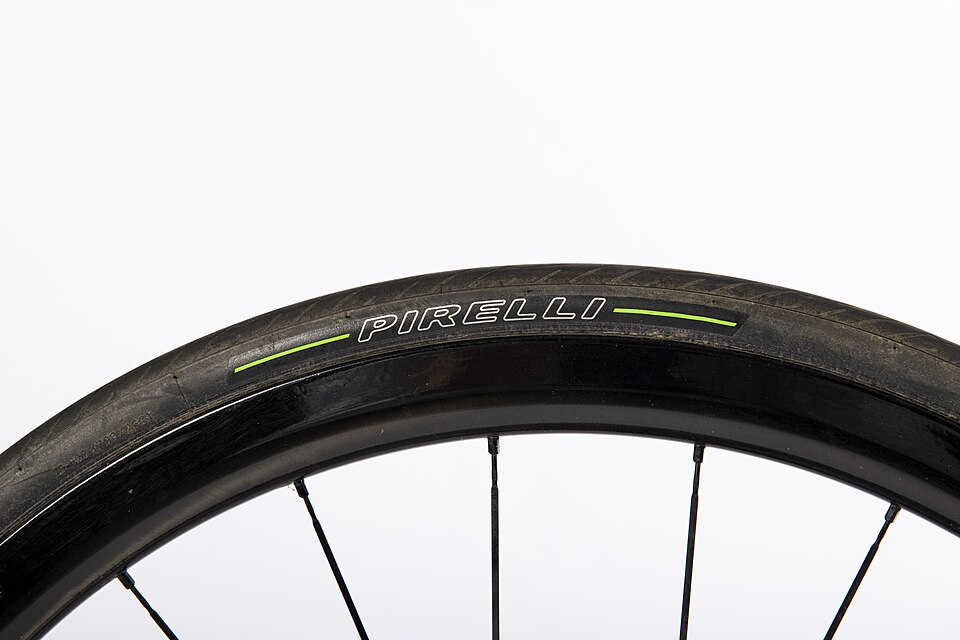
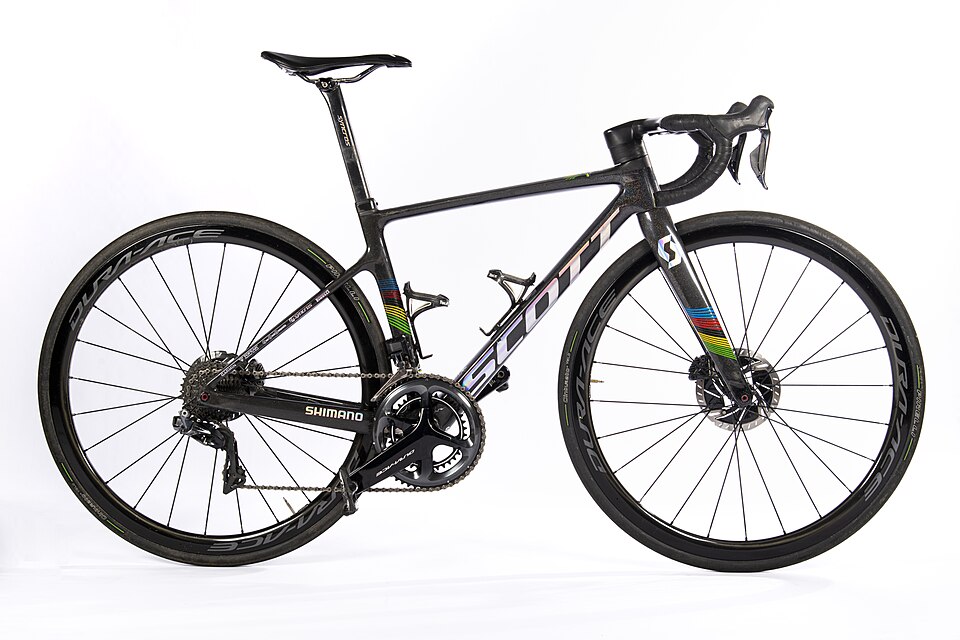
Road bike tire pressure for racing tires has evolved significantly in recent years. Modern racing tires, particularly Specialized models like the S-Works Turbo, perform best at 70-95 PSI, a stark contrast to the historical practice of using pressures over 100 PSI. This lower pressure range enhances grip, reduces rolling resistance, and improves overall speed on modern wider rims (26-30mm) and tubeless setups.

Specialized Racing Tire Pressure: Quick Reference Guide

  • General range for Specialized racing tires: 70-95 PSI
  • 28mm tires optimal: 70-85 PSI
  • Hookless rims maximum: 72 PSI (5 bar)
  • Tubeless setup: Use 5-10 PSI lower than tube setups
  • Weight adjustment: ~10-15 PSI difference per 50 lbs

What’s the Optimal Tire Pressure for Specialized Racing Tires?

Illustration: What's the Optimal Tire Pressure for Specialized Racing Tires?

Specialized racing tires require precise pressure settings to maximize performance. The optimal range for these tires generally falls between 70-95 PSI, with specific adjustments based on tire size and rider characteristics.

Pressure Ranges by Tire Size and Setup

26mm Tires: 80-95 PSI is the recommended range for these narrower tires. Heavier riders or those seeking maximum efficiency on smooth surfaces should aim for the higher end of this range.

28mm Tires: These wider tires, now popular among modern racers, perform optimally at 70-85 PSI. The lower pressure provides better grip and comfort while maintaining speed on varied road surfaces.

Weight-Based Adjustments: Lighter riders (under 150 lbs) should reduce pressure by approximately 10-15 PSI compared to the standard recommendations, while heavier riders (over 200 lbs) may need to increase pressure within the safe range.

The cycling industry has undergone a significant shift in tire pressure philosophy. Historically, cyclists believed that higher pressures (often exceeding 100 PSI) were necessary for speed and efficiency. However, research and real-world testing have demonstrated that lower pressures actually provide better performance for most riders — road cycling.

Modern tire technology, wider rims, and improved road surfaces have made it possible to run lower pressures without sacrificing speed. In fact, pressures in the 70-95 PSI range often result in faster times due to better grip, reduced rolling resistance on imperfect surfaces, and improved comfort that allows riders to maintain power output for longer periods.

How Rider Weight and Road Conditions Affect Pressure Settings

Illustration: How Rider Weight and Road Conditions Affect Pressure Settings

Tire pressure isn’t a one-size-fits-all specification. Several factors influence the ideal pressure for your racing setup, with rider weight and road conditions being the most significant variables.

Weight-Based Pressure Adjustments

A 150 lb rider and a 200 lb rider using the same 28mm racing tires should not use identical pressure settings. The general guideline suggests a difference of approximately 10-15 PSI between these weight categories.

For a 150 lb rider on 28mm tires: 70-75 PSI
For a 200 lb rider on 28mm tires: 80-85 PSI

This weight-based adjustment ensures that each rider maintains optimal tire shape and contact patch for their specific load. Lighter riders need lower pressures to achieve the same tire deformation and grip as heavier riders.

Surface-Specific Pressure Tuning

Road surface quality significantly impacts the ideal tire pressure. On rougher roads with cracks, potholes, or uneven pavement, slightly lower tire pressure can actually increase speed by improving the tire’s contact and grip.

For smooth, newly paved roads: Use standard pressure (70-85 PSI for 28mm tires)
For rough or chip-sealed roads: Reduce pressure by 2-5 PSI to improve comfort and maintain speed
For wet conditions: Consider reducing pressure by 3-5 PSI to increase contact patch and improve traction

The counter-intuitive aspect is that lower pressure on rough surfaces can be faster than higher pressure, as it reduces vibrations and allows the tire to conform better to road irregularities.

Tire Sidewall Capacity Guidelines

Every tire has a maximum pressure rating printed on its sidewall. While modern performance often favors lower pressures, this rating provides a safe operating limit that should never be exceeded.

Always consult the tire’s sidewall for the manufacturer’s specified pressure range. For Specialized racing tires, this range typically aligns with the 70-95 PSI recommendation, but individual models may have specific limits. Exceeding the maximum pressure can lead to tire failure, reduced grip, and a harsh ride quality that decreases performance.

Specialized Setup Considerations: Tubeless and Hookless Rims

Illustration: Specialized Setup Considerations: Tubeless and Hookless Rims

Specialized has developed specific technologies that require unique pressure considerations. Understanding these setup-specific requirements is crucial for optimal performance and safety.

2Bliss Tubeless Pressure Settings

Specialized’s 2Bliss tubeless technology allows cyclists to run pressures 5-10 PSI lower than traditional tube setups. This lower pressure provides several benefits:

  • Improved comfort through better shock absorption
  • Enhanced grip due to increased tire deformation
  • Reduced rolling resistance on imperfect surfaces
  • Lower risk of pinch flats

For a 28mm 2Bliss tubeless tire, the optimal range becomes 60-75 PSI instead of the standard 70-85 PSI. The exact pressure within this range depends on rider weight and road conditions, but most cyclists find that they can safely reduce pressure by 7-8 PSI when switching from tubes to tubeless.

Hookless Rim Pressure Limits

Specialized hookless-compatible rims have a maximum pressure limit of 72 PSI (5 bar), regardless of the tire’s maximum pressure capacity. This limit exists because hookless rim designs have different structural characteristics than traditional hooked-bead rims.

For riders using Specialized hookless rims:

  • Never exceed 72 PSI, even if your tire’s sidewall indicates a higher maximum
  • This limit applies to all tire sizes and types on hookless rims
  • Exceeding this limit can compromise rim integrity and safety

The 72 PSI limit is particularly important for heavier riders who might be tempted to increase pressure beyond this point. Instead of increasing pressure, these riders should consider wider tires or different rim types if they need higher volume tires.

Pre-Ride Pressure Check Routine

Tire pressure naturally decreases over time due to air permeation through the tire casing and valve. This gradual loss means that a tire inflated to 85 PSI on Monday might be at 78 PSI by Friday.

It is recommended to check tire pressure before every ride, as tires naturally lose small amounts of air daily. A simple pressure check routine includes:

  • Using a quality pressure gauge (digital or dial) rather than relying on touch
  • Checking pressure when tires are cold (at room temperature)
  • Inflating to your calculated optimal pressure based on weight and conditions
  • Rechecking after inflation to ensure accuracy

This routine takes only 2-3 minutes but can significantly impact your ride quality and performance. Many experienced racers carry a small pump and pressure gauge to make adjustments during long rides as temperatures and conditions change.

The most surprising insight about racing tire pressure is that lower pressure can actually increase speed on rough roads. This counter-intuitive finding has revolutionized how professional and amateur cyclists approach tire setup. By running pressures in the 70-95 PSI range rather than the traditional 100+ PSI, riders achieve better grip, improved comfort, and often faster overall times.

For immediate application, check your tire pressure with a gauge before your next ride. If you’re running traditional tube setups, consider whether you might benefit from the 5-10 PSI reduction that tubeless technology allows. The right pressure for your Specialized racing tires could be the simplest performance upgrade you make this season.

Intermittent Fasting for Cyclists: Timing Nutrition Around Training

Illustration: Strategic Nutrition Timing: Fueling Around Your Fasting Window

Intermittent fasting can improve fat oxidation and body composition for cyclists when properly timed around training, allowing your body to become more efficient at using fat for fuel during rides. This strategic approach combines fasted training protocols with precise nutrition timing to optimize both performance and metabolic benefits for cyclists in 2026.

Key Takeaway

  • Intermittent fasting can improve fat oxidation and body composition for cyclists when properly timed around training

  • Fasted Zone 2 training boosts metabolic flexibility while high-intensity sessions require proper fueling

  • Strategic nutrition timing prevents performance decline and supports muscle recovery during IF protocols

Fasted Training: Optimizing Fat Oxidation for Cycling Performance

Fasted training represents a powerful tool for cyclists looking to enhance their metabolic efficiency and fat-burning capabilities. When you ride in a fasted state, typically after an overnight fast of 10-12 hours, your body shifts from relying primarily on stored carbohydrates to utilizing fat as its main fuel source. This metabolic adaptation can significantly improve your endurance capacity and reduce your dependence on external carbohydrate fueling during long rides.

What is fasted training and how it works for cyclists

Fasted training involves riding on an empty stomach to encourage fat burning rather than carbohydrate reliance, typically performed after an overnight fast of 10-12 hours. During these sessions, your body depletes its glycogen stores and must rely more heavily on fat oxidation for energy production. This process triggers several beneficial adaptations: increased mitochondrial density, enhanced fat-burning enzymes, and improved insulin sensitivity. The most effective fasted training occurs during Zone 2 efforts (56-75% of FTP), where your body can efficiently utilize fat as fuel without the performance limitations that come with higher intensities. These moderate-intensity sessions, lasting 60-90 minutes, maximize fat metabolism while minimizing the risk of bonking or excessive muscle breakdown.

When to use fasted training vs. fueled sessions

Low-intensity rides (Zone 2) are ideal for fasted training to boost fat oxidation, while high-intensity intervals should always be done in eating window to maintain performance. The key distinction lies in training intensity: fasted sessions work best for endurance-building, recovery rides, and base training phases where the primary goal is metabolic adaptation rather than peak performance. Conversely, high-intensity efforts like threshold intervals, VO2 max work, and race-pace simulations require adequate carbohydrate availability to achieve the desired training stimulus. Attempting these sessions in a fasted state typically results in reduced power output, compromised technique, and suboptimal adaptations. Elite cyclists like Emma Johansson use a polarized model, performing roughly 80% of training at low intensity and 20% at high intensity, with fasted training reserved for the appropriate low-intensity sessions.

Strategic Nutrition Timing: Fueling Around Your Fasting Window

Illustration: Strategic Nutrition Timing: Fueling Around Your Fasting Window

Strategic nutrition timing becomes crucial when combining intermittent fasting with cycling training, as it ensures you have adequate energy for workouts while maintaining the metabolic benefits of fasting. The timing of your meals relative to your training sessions can significantly impact both performance and recovery. By carefully planning when to eat around your fasting window, you can optimize energy availability for key workouts while still allowing for extended periods of fat-burning and cellular repair that fasting provides. This approach requires understanding how different pre-ride meal timing affects digestion, energy availability, and blood glucose stability during exercise — road cycling.

Pre-ride nutrition timing: 2-4 hours vs 1-2 hours before training

  • 2-4 hours before: carbohydrate-focused meals like rice, eggs, porridge, or oatmeal provide sustained energy for longer rides

  • 1-2 hours before: smaller snacks like bananas or oatmeal with honey keep blood glucose stable without excessive digestion time

The timing of your pre-ride meal significantly impacts your performance and comfort during training. When you have 2-4 hours before your ride, carbohydrate-focused meals like rice with eggs, porridge with fruit, or oatmeal provide sustained energy release and allow adequate digestion time. These meals should contain complex carbohydrates for steady glucose availability and moderate protein for muscle support. For rides starting 1-2 hours away, smaller, easily digestible snacks become more appropriate. Options like bananas, energy bars, or oatmeal with honey provide quick energy without causing gastrointestinal distress. The key is matching your meal size and composition to your available digestion time while ensuring stable blood glucose levels throughout your ride.

Post-ride recovery: 20-25 grams protein within 30 minutes

  • Consume carbohydrates and protein (20–25 grams) within 30 minutes post-ride to replenish glycogen stores

  • This timing initiates muscle repair and optimizes recovery for subsequent training sessions

The post-ride recovery window represents a critical period for muscle repair and glycogen replenishment, particularly when following intermittent fasting protocols. Research shows that consuming carbohydrates and protein within 30 minutes after training maximizes the body’s ability to restore energy stores and begin muscle repair processes. The recommended 20-25 grams of protein provides essential amino acids for muscle protein synthesis, while carbohydrates help replenish depleted glycogen stores. This combination is especially important after fasted training sessions, where the body may have experienced slightly more muscle breakdown due to the prolonged fasted state. Quick-absorbing options like protein shakes with fruit, Greek yogurt with honey, or a balanced meal can effectively support this recovery process while fitting within your eating window.

Several intermittent fasting protocols have gained popularity among cyclists in 2026, each offering unique benefits for performance, body composition, and metabolic health. The key is selecting an approach that aligns with your training schedule, lifestyle, and performance goals while providing adequate nutrition for recovery and adaptation. Modern IF protocols for athletes have evolved to be more flexible and training-specific, recognizing that rigid fasting schedules can sometimes compromise performance when not properly timed around key workouts. The most successful approaches integrate fasting periods with training demands, ensuring that high-intensity sessions and recovery nutrition are properly supported.

The 16:8 method involves 16-hour fast followed by 8-hour eating window, allowing consistent training and recovery routines for most cyclists. This protocol typically involves fasting from 8:00 PM to 12:00 PM the following day, with all meals consumed between 12:00 PM and 8:00 PM. For cyclists, this schedule offers several advantages: it naturally incorporates overnight fasting, allows for morning fasted training sessions, and provides a substantial eating window for recovery nutrition after afternoon or evening workouts. The 16:8 approach has become particularly popular because it’s relatively easy to maintain long-term and can be adjusted to accommodate different training schedules. Many cyclists find that training in the late morning or early afternoon, followed by a substantial post-workout meal, works well within this framework.

Early time-restricted feeding: Hormone regulation benefits

  • Breaking fast earlier (8 a.m. to 4 p.m.) improves hormone regulation and cortisol balance

  • This approach aligns with 2026 trends for improved fat loss and metabolic health

Early time-restricted feeding (eTRE) has emerged as a trending approach in 2026, involving an eating window from approximately 8:00 AM to 4:00 PM. This protocol aligns eating patterns with circadian rhythms and hormone cycles, potentially offering enhanced metabolic benefits compared to later eating windows. For cyclists, eTRE can support better cortisol regulation, improved insulin sensitivity, and more efficient fat metabolism throughout the day. The early eating window ensures that recovery nutrition from afternoon training sessions falls within the feeding period while still allowing for a substantial fasting period overnight. This approach has gained traction among performance-focused cyclists who appreciate the metabolic advantages and the way it naturally limits late-night snacking while supporting morning training sessions.

The most surprising finding about intermittent fasting for cyclists is that fasted training can actually enhance performance when properly implemented, rather than compromising it as many athletes initially fear. The metabolic adaptations that occur with consistent fasted Zone 2 training can lead to improved endurance capacity and reduced reliance on external fueling during long rides. To get started with IF for cycling, begin by incorporating one fasted Zone 2 session per week, gradually increasing frequency as your body adapts. Always ensure your high-intensity workouts are properly fueled, and pay close attention to your recovery nutrition timing to support the increased training stress that comes with this approach.

Frequently Asked Questions About Cycling Nutrition For Intermittent Fasting

How do cyclists in the Tour de France pee?

During leisurely paces, riders pull to the side of the road, lower their shorts, and relieve themselves, similar to normal bathroom breaks. In intense race moments, they may wait for neutral support or team cars to provide assistance while maintaining speed.

What is the circle of death in cycling?

The 'Circle of Death' refers to the 1910 Tour de France Pyrenees stage featuring the Peyresourde, Aspin, Tourmalet, and Aubisque climbs. This brutal mountain stage set the standard for the hardest mountain stages in modern Tour de France racing.

Can I lose belly fat by cycling?

Yes, cycling can help reduce belly fat when combined with consistent training, smart nutrition, and healthy lifestyle habits. The key is maintaining a balanced approach with regular endurance rides and proper fueling around your fasting windows.

High Altitude Cycling: Tire Pressure Adjustments for Elevation

Illustration: Why Tire Pressure Changes at High Altitude

Road bike tire pressure increases by 0.5-1 PSI per 1,000 ft elevation gain due to lower atmospheric pressure. This guide explains how to adjust pressure for optimal performance and safety at high altitude.

Key Takeaway

  • Tire pressure rises ~0.5-1 PSI per 1,000 ft elevation gain as atmospheric pressure drops

  • Lower sea-level pressure by 2-5 PSI at high altitude for better traction and comfort

  • Overinflation reduces contact patch and grip, especially on rough roads

  • Check cold pressure with digital gauge; adjust for ascents and descents

  • Temperature drops at altitude offset some pressure increase

Why Tire Pressure Changes at High Altitude

Illustration: Why Tire Pressure Changes at High Altitude

The Science: Gauge Pressure vs Absolute Pressure

When you ride at high altitude, the atmospheric pressure drops significantly compared to sea level. This drop affects your tire pressure readings on your gauge. Gauge pressure measures the difference between the air inside your tire and the atmospheric pressure outside. As atmospheric pressure decreases with elevation, your gauge will show higher readings even though the absolute pressure inside the tire remains constant.

The relationship is straightforward: atmospheric pressure drops approximately 0.5 PSI for every 1,000 feet of elevation gain. This means that climbing from sea level to 5,000 feet will result in a 2.5 PSI drop in atmospheric pressure. Your tire gauge will read this as an increase of 2.5 PSI, even though the actual pressure inside the tire hasn’t changed.

For example, if you set your tire pressure to 100 PSI at sea level and then drive to Denver, Colorado (elevation 5,280 feet), your tire gauge will read approximately 102.5 PSI. This isn’t because your tire has gained air, but because the surrounding atmospheric pressure has decreased. The National Highway Traffic Safety Administration confirms this relationship, noting that atmospheric pressure drops ~0.5 PSI per 1,000 feet of elevation gain.

Real-World Example: Sea Level to 10,000 Feet

Let’s calculate the pressure change from sea level to a high mountain pass at 10,000 feet. Using the 0.5 PSI per 1,000 feet rule, you’ll experience a 5 PSI drop in atmospheric pressure. This translates to your tire gauge reading 5 PSI higher than your actual tire pressure.

If you set your tires to 100 PSI at sea level and then climb to 10,000 feet, your gauge will read 105 PSI. However, the absolute pressure inside your tire remains at 100 PSI. This pressure difference matters for several reasons. First, it affects your tire’s contact patch with the road. Second, it influences rolling resistance and comfort. Third, it impacts your tire’s ability to grip the road surface, especially during cornering and braking — road cycling.

The 4.6 PSI increase from sea level to 10,000 feet (WheelSetGo, 2023) demonstrates why altitude-specific adjustments are crucial. Without proper adjustment, you might be riding on tires that are effectively overinflated for the conditions, leading to reduced traction and a harsher ride. This is particularly important for road cyclists who rely on precise handling and optimal contact with the pavement.

How to Adjust Tire Pressure for High Altitude Performance

Illustration: How to Adjust Tire Pressure for High Altitude Performance

Lower Pressure by 2-5 PSI for Better Traction

  • Improved contact patch: Lower pressure at altitude creates a larger contact patch between your tire and the road surface. This increased contact area provides better traction, especially important on descents and when cornering at high speeds.

  • Enhanced grip on rough roads: High-altitude roads often feature rougher surfaces due to freeze-thaw cycles and less maintenance. Lower pressure allows your tires to deform around small obstacles, maintaining better contact with the road.

  • Reduced harshness: Overinflated tires at altitude transmit more road vibrations to the rider. Lowering pressure by 2-5 PSI creates a more comfortable ride, reducing fatigue on long climbs.

  • Optimal rolling resistance: While it might seem counterintuitive, slightly lower pressure can actually reduce rolling resistance on rough surfaces by allowing the tire to absorb small bumps rather than bouncing over them.

  • Safety margin: The 2-5 PSI adjustment range provides a safety buffer. If atmospheric conditions change or if you descend to lower elevations during your ride, you won’t be at risk of underinflation.

Road bike tire pressures typically range from 70-110 PSI depending on tire width. Narrow 23mm tires usually run 100-110 PSI at sea level, while wider 28-30mm tires operate at 70-90 PSI. When adjusting for altitude, start with your normal sea-level pressure and subtract 2-5 PSI. For example, if you normally run 100 PSI in your 23mm tires, try 95-98 PSI at high altitude.

Temperature and Weather Considerations

Temperature plays a crucial role in tire pressure management at altitude. High-altitude environments typically experience significant temperature drops compared to lower elevations. For every 1,000 feet of elevation gain, temperatures generally decrease by 3-5°F. This cooling effect partially offsets the pressure increase caused by lower atmospheric pressure.

Cold temperatures cause the air inside your tires to contract, which can reduce pressure by approximately 1 PSI for every 10°F temperature drop. This means that even though your gauge might read higher due to lower atmospheric pressure, the actual cold temperature at altitude may bring the effective pressure closer to your target range.

Daily temperature fluctuations also matter significantly. Morning temperatures at high altitude can be 20-30°F colder than afternoon temperatures. Always check your tire pressure in the morning when tires are cold, as this provides the most consistent baseline. As the day warms up, your tire pressure will naturally increase by 2-4 PSI.

Weather systems moving through high-altitude areas can cause rapid pressure changes. A cold front passing through might drop temperatures by 15-20°F, affecting your tire pressure. Similarly, sunny conditions can heat your tires during a long climb, increasing pressure. These factors make regular pressure checks essential during high-altitude rides.

Safety Guidelines for High Altitude Tire Pressure

Illustration: Safety Guidelines for High Altitude Tire Pressure

Use Digital Gauge and Check Regularly

  • Measure cold inflation: Always check tire pressure in the morning before your ride when tires are cold. This provides the most accurate baseline reading and allows for consistent adjustments.

  • Digital gauge accuracy: Use a high-quality digital tire pressure gauge rather than analog gauges. Digital gauges provide more precise readings, typically within 0.5 PSI accuracy, which is crucial for fine-tuning high-altitude adjustments.

  • Recheck during ascents: If you’re climbing significant elevation during your ride, stop periodically to check tire pressure. A 3,000-foot climb can add 1.5 PSI to your gauge reading, potentially affecting performance.

  • Descent monitoring: When descending from high altitude, your tires may feel underinflated due to increasing atmospheric pressure. Check pressure at the bottom to ensure you haven’t lost air.

  • Sidewall maximum limits: Never exceed the maximum pressure rating printed on your tire sidewall. This rating accounts for the tire’s structural limits and heat buildup during extended rides.

  • Regular schedule: Check pressure every 1,000 feet of elevation gain during significant climbs. This prevents overinflation and maintains optimal performance throughout your ride.

Safety should be your primary concern when adjusting tire pressure for altitude. Overinflation can lead to blowouts, especially during long descents where tire temperatures increase. Underinflation increases the risk of pinch flats when hitting potholes or road debris. Finding the right balance requires attention to detail and regular monitoring.

Descending from High Altitude: Underinflation Risk

Descending from high altitude presents unique challenges for tire pressure management. As you lose elevation, atmospheric pressure increases, which can make your tires feel underinflated even though the absolute pressure remains constant. This phenomenon is particularly noticeable when descending from mountain passes back to valley floors.

For example, if you fill your tires to 115 PSI at sea level and climb to 10,000 feet elevation, your tires will be at 119.5 PSI due to the atmospheric pressure drop. When you descend back to sea level, your gauge will read 115 PSI again. However, if you had adjusted your pressure down for altitude riding, you might find your tires feeling soft during the descent.

The pressure change during descent can be significant. A 5,000-foot descent can reduce your gauge reading by 2.5 PSI. If you had lowered your pressure by 3 PSI for high-altitude riding, you might find your tires 0.5 PSI below your preferred sea-level pressure at the bottom of the descent.

This underinflation risk is particularly important for safety during high-speed descents. Underinflated tires can feel unstable, especially when cornering at speed. They also increase rolling resistance, making it harder to maintain speed on flat sections after a descent. Always check your tire pressure when you reach lower elevations, especially if you plan to continue riding on flat terrain.

Temperature changes during descent also affect pressure. As you lose elevation, temperatures typically increase, which can add 1-2 PSI to your tire pressure. This warming effect partially compensates for the pressure increase from rising atmospheric pressure, but it’s not always enough to maintain optimal pressure levels.

The most surprising finding is that higher pressure doesn’t mean faster performance at altitude. For your next high-altitude ride, measure cold pressure in the morning and adjust 2-5 PSI lower than your usual setting for optimal grip and comfort.