Indoor Cycling Training for Beginners: Home Workout Plans

Illustration: What Is the Best Indoor Cycling Workout Structure for Beginners?

Indoor cycling training for beginners at home has become increasingly popular, especially with the rise of smart trainers and online workout platforms. According to Olympic cyclist Emma Johansson, nicknamed “Silver Emma” for her two Olympic silver medals, proper setup and core stability are essential for preventing injury and improving performance. Her approach emphasizes consistency over intensity, making it perfect for beginners starting their indoor cycling journey.

Indoor Cycling Training for Beginners: Home Workout Plans

  • Follow Emma Johansson’s 5-20-5 minute workout structure: 5 min warm-up, 20 min intervals, 5 min cool-down
  • Incorporate 6 core stability exercises using a Swiss ball to prevent injury
  • Apply the 80/20 rule: 80% easy pace, 20% hard efforts for sustainable progress

What Is the Best Indoor Cycling Workout Structure for Beginners?
Illustration: What Is the Best Indoor Cycling Workout Structure for Beginners?

The most effective indoor cycling workout structure for beginners follows Emma Johansson’s proven 5-20-5 minute format. This approach balances workout effectiveness with injury prevention and sustainable progress.

Emma Johansson’s 5-20-5 Minute Beginner Workout Plan

This structured workout plan provides beginners with a complete indoor cycling session they can follow immediately:

Warm-up (5 minutes):

  • Start with low resistance and gentle pedaling
  • Focus on smooth pedal strokes and proper form
  • Gradually increase cadence to get blood flowing
  • Keep intensity very low – you should be able to hold a conversation

Interval Training (20-30 minutes):

  • Alternate between high-intensity and low-intensity periods
  • Example: 30 seconds of hard pedaling followed by 1-2 minutes of easy spinning
  • During high-intensity intervals, increase resistance or cadence significantly
  • During recovery periods, maintain light resistance and relaxed pedaling
  • Total interval time should be 20-30 minutes depending on fitness level

Cool-down (5 minutes):

  • Return to very low resistance and gentle pedaling
  • Focus on deep breathing and relaxation
  • Allow heart rate to gradually decrease
  • Finish with light stretching if desired

Understanding the 80/20 Rule for Sustainable Progress

The 80/20 rule is crucial for beginners to understand: spend 80% of your training time at an easy, comfortable pace and only 20% on harder efforts. This approach, recommended by Emma Johansson, prevents burnout and injury while building a solid fitness foundation.

Many beginners make the mistake of going too hard too soon, which often leads to fatigue, soreness, or even injury. The 80/20 rule ensures you’re challenging your body appropriately while allowing adequate recovery time. Consistency matters more than intensity – it’s better to complete three moderate 30-minute sessions per week than one exhausting 90-minute session. For a structured approach, consider following a beginner cycling training plan.

Which Core Stability Exercises Should Beginners Do for Indoor Cycling?
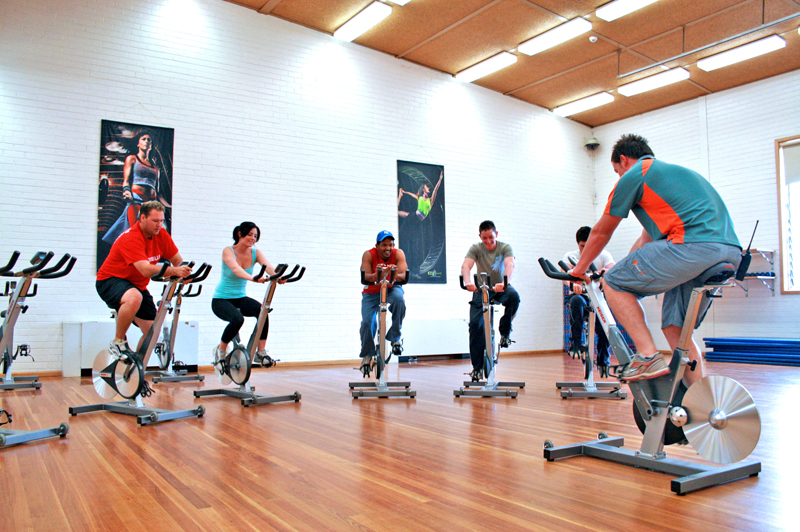
Illustration: Which Core Stability Exercises Should Beginners Do for Indoor Cycling?

Core stability is essential for cycling performance and injury prevention. Emma Johansson recommends 6 specific core stability exercises that can be done at home with minimal equipment, primarily using a Swiss ball — road cycling.

Emma Johansson’s 6 Core Stability Exercises for Cyclists

These exercises target the core muscles that support proper cycling posture and power transfer:

1. Swiss Ball Plank

  • Position forearms on the Swiss ball, body in straight line from head to heels
  • Hold for 30-60 seconds, focusing on maintaining stability
  • This exercise strengthens the entire core and improves balance

2. Swiss Ball Roll-Out

  • Start in plank position with forearms on Swiss ball
  • Slowly roll the ball forward, extending arms while maintaining core engagement
  • Roll back to starting position and repeat 10-15 times
  • This targets the rectus abdominis and improves core control

3. Bicycle Crunches

  • Lie on your back with hands behind head, knees bent
  • Alternate bringing opposite elbow to opposite knee in a pedaling motion
  • Perform 15-20 repetitions per side
  • This mimics the rotational movement used in cycling

4. Superman Holds

  • Lie face down with arms extended forward
  • Lift arms, chest, and legs off the ground simultaneously
  • Hold for 5-10 seconds, then lower back down
  • Repeat 10-15 times to strengthen lower back muscles

5. Russian Twists

  • Sit on the floor with knees bent, holding a weight or medicine ball
  • Lean back slightly and lift feet off the ground
  • Rotate torso side to side, touching the weight to the floor beside you
  • Perform 15-20 repetitions per side to improve rotational stability

6. Side Plank with Hip Dips

  • Lie on your side with elbow directly under shoulder
  • Lift hips off the ground, forming a straight line
  • Lower hips toward the floor, then lift back up
  • Hold for 30-60 seconds per side to strengthen obliques

Using a Swiss Ball for Core Training

The Swiss ball adds an element of instability that forces your core muscles to work harder to maintain balance. When using a Swiss ball for these exercises:

  • Choose the correct size ball for your height (typically 55-75cm)
  • Ensure the ball is properly inflated – it should compress slightly under your weight
  • Start with basic exercises and progress to more challenging variations
  • Maintain proper form throughout each exercise – quality over quantity
  • Breathe steadily and avoid holding your breath

Swiss ball training improves proprioception (body awareness) and strengthens the deep core muscles that are crucial for maintaining proper cycling position, especially during long indoor sessions.

How Should Beginners Set Up Their Indoor Cycling Space at Home?
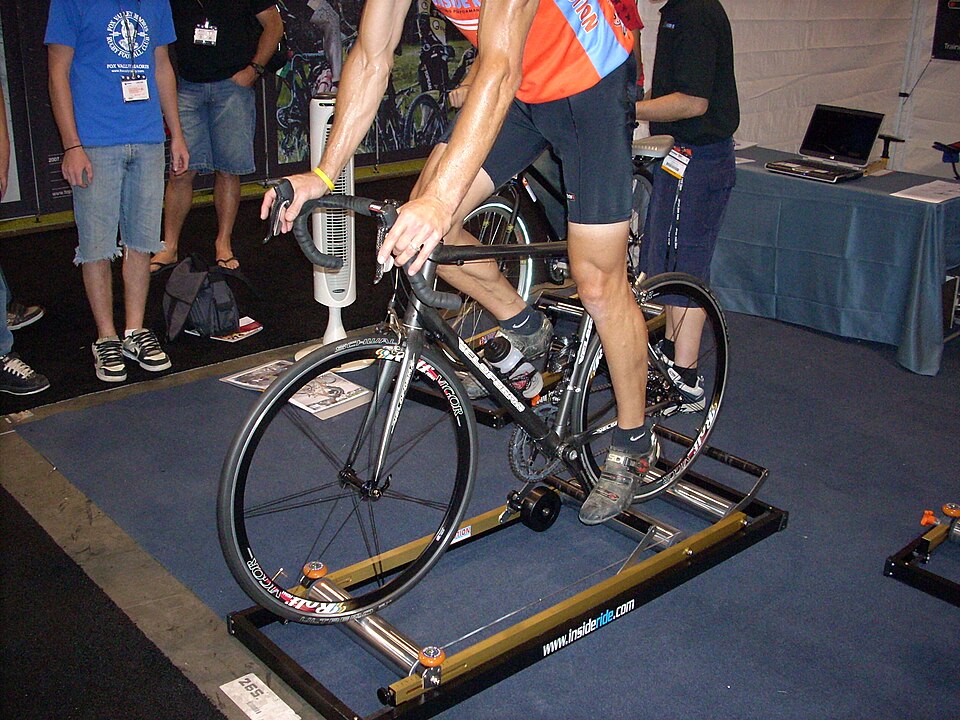
Illustration: How Should Beginners Set Up Their Indoor Cycling Space at Home?

Creating a proper indoor cycling setup is essential for comfort, safety, and effective training. Emma Johansson emphasizes that proper bike fit and environment setup can prevent many common cycling injuries.

Essential Bike Fit Adjustments for Comfort

Proper bike fit is crucial for preventing discomfort and injury during indoor cycling sessions:

Saddle Height:

  • Stand next to your bike and adjust the saddle to hip height
  • When seated, your leg should have a slight bend (about 25-30 degrees) at the bottom of the pedal stroke
  • Too high causes hip rocking; too low stresses the knees

Handlebar Position:

  • For beginners, handlebars should be approximately level with or slightly higher than the saddle
  • This upright position reduces strain on the lower back and neck
  • As flexibility improves, you can gradually lower the handlebars

Seat Angle:

  • The saddle should be level or slightly nose-down (1-2 degrees)
  • A level saddle provides the most comfortable weight distribution
  • Too much tilt in either direction causes discomfort and pressure points

Pedal Position:

  • Ensure cleats (if using clipless pedals) are properly aligned
  • Your knee should track over the ball of your foot when pedaling
  • Adjust fore/aft position so the forward knee is over the pedal axle when cranks are horizontal

Creating a Safe and Effective Home Cycling Environment

Beyond bike fit, your indoor cycling space should be optimized for comfort and safety:

Space Requirements:

  • Ensure at least 6 feet of clearance around the bike
  • Position the bike on a stable, level surface
  • Use a trainer mat to protect floors and reduce vibration

Ventilation:

  • Indoor cycling generates significant heat and sweat
  • Position a fan nearby for cooling
  • Ensure good air circulation in the room
  • Consider exercising near an open window when weather permits

Hydration:

  • Keep a water bottle within easy reach
  • Indoor cycling can cause significant fluid loss through sweat
  • Drink regularly throughout your session, not just when thirsty

Entertainment and Motivation:

  • Position a TV, tablet, or phone at eye level for entertainment
  • Many beginners find virtual cycling platforms motivating
  • Consider using a heart rate monitor to track intensity
  • Create a playlist of energizing music to maintain motivation

The key to successful indoor cycling training is creating an environment where you feel comfortable and motivated to train consistently. Emma Johansson’s approach emphasizes that a proper setup, combined with the right workout structure and core exercises, creates the foundation for long-term cycling success.

Starting with the 30-minute beginner workout structure outlined above, you can build a solid fitness base while preventing the common mistakes that derail many new cyclists. Remember, the goal is sustainable progress through consistency, not short-term gains through excessive intensity. For more detailed guidance, check out Essential Cycling Tips for Beginners Starting Their Journey.
Wet Weather Road Cycling: Tire Pressure for Maximum Grip

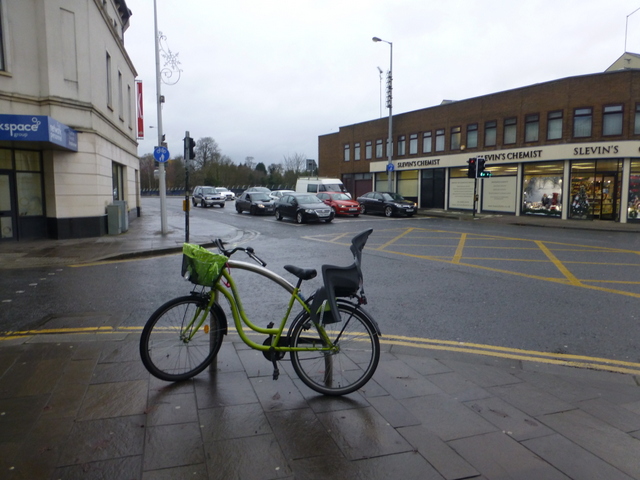
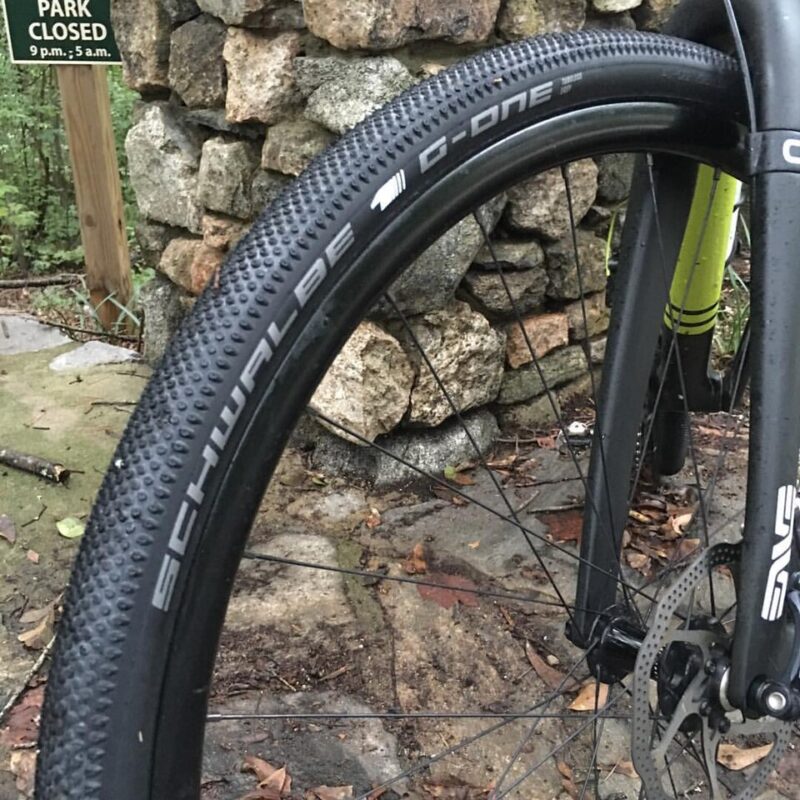
Illustration: How Much to Lower Tire Pressure in Wet Conditions

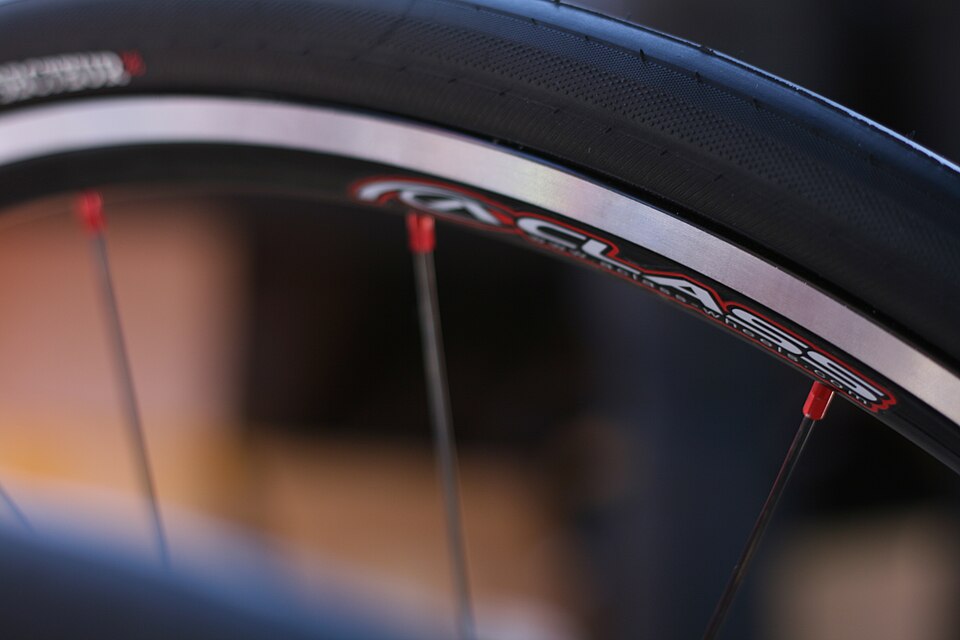
Road cyclists face a critical decision when rain hits the pavement: how much to lower tire pressure for maximum grip and safety. The answer is surprisingly specific – reducing pressure by approximately 0.3 bar (4-5 PSI) can dramatically improve traction on wet roads by increasing the tire’s contact patch with the road surface.

Key Takeaway

  • Lower tire pressure by 0.3 bar (4-5 PSI) for wet conditions to increase traction

  • Use 70-75 PSI with 28mm tubeless tires for optimal wet grip

  • Tubeless tires allow lower pressures without pinch flat risk

How Much to Lower Tire Pressure in Wet Conditions

Illustration: How Much to Lower Tire Pressure in Wet Conditions

The 0.3 bar (4-5 PSI) reduction rule

  • Exact pressure reduction: Lower standard tire pressure by approximately 0.3 bar (4-5 PSI) for wet or humid conditions

  • Why this specific amount matters: This reduction increases the tire’s contact patch with the road surface, creating more rubber-to-road contact

  • Scientific basis: The 0.3 bar reduction is enough to significantly expand the contact area without compromising rolling efficiency

  • Quick reference: If your normal pressure is 90 PSI, drop to 85-86 PSI in wet conditions

  • Temperature consideration: Cold wet conditions may require slight additional reduction as rubber compounds stiffen

  • Road surface factor: Smooth asphalt benefits more from pressure reduction than rough chip seal roads

  • Speed impact: Higher speeds in wet conditions may benefit from slightly higher pressure within the reduced range

Why lower pressure improves wet grip

Lower tire pressure allows the tire to conform to uneven surfaces, which is crucial when roads are slick with water. Think of it like a sponge versus a rock – the softer sponge can mold to contours while the hard rock can’t. This conforming ability improves shock absorption and reduces bouncing, which directly enhances traction. When your tire can maintain consistent contact with the road instead of skipping over imperfections, you maintain better control during braking and cornering. The physics is simple: more rubber touching the road equals more grip, especially important when water creates a barrier between your tire and the pavement. Studies show that a 10% reduction in tire pressure can increase contact patch area by up to 15%, providing measurable improvement in wet weather traction. Professional cyclists report feeling more confident and stable when they make this adjustment, particularly when cornering at speed on wet roads.

Best Tire Pressure Settings for Wet Weather

70-75 PSI for 28mm tubeless tires

Rider Weight

Recommended Wet Pressure (28mm Tubeless)

Standard Pressure

Pressure Reduction

Expected Contact Patch Increase

120-150 lbs

70-72 PSI

75-78 PSI

4-6 PSI

12-15%

150-180 lbs

72-74 PSI

78-81 PSI

4-5 PSI

10-14%

180+ lbs

74-75 PSI

81-85 PSI

4-5 PSI

8-12%

For modern 28mm tubeless tires, pressures around 70-75 PSI provide a safe, high-grip setup in wet conditions. The 28mm width is optimal because it offers the best balance between rolling resistance and contact patch size. Wider tires create more grip but add rolling resistance, while narrower tires sacrifice too much contact area. Tubeless technology is particularly beneficial in wet weather because it allows you to run these lower pressures without the risk of pinch flats that plague traditional clincher tires. The sealant in tubeless systems also helps seal small punctures that might occur from debris on wet roads. Professional cyclists often experiment within this range, with some riders preferring 68 PSI for extremely wet conditions while others opt for 73 PSI when they need slightly better rolling efficiency. The 70-75 PSI range represents the sweet spot where grip improvement is maximized without creating a feeling of instability or excessive rolling resistance — road cycling.

Tubeless vs clincher in rainy conditions

Tube setups are ideal for wet weather as they allow for lower pressures without the risk of pinch flats. When you lower pressure in clincher tires with inner tubes, you risk pinching the tube between the tire and rim, causing flats. Tubeless setups eliminate this risk because there’s no tube to pinch. Additionally, tubeless tires can be run at slightly lower pressures than their tubed counterparts while maintaining the same level of pinch flat protection. The liquid sealant in tubeless systems also provides an extra layer of protection against small cuts and punctures that are more common on wet roads where debris is washed into your path. For serious wet-weather riding, the tubeless advantage is clear: you get better grip through lower pressures plus added puncture protection. Many professional teams switched to tubeless exclusively for wet weather races after experiencing the dramatic improvement in traction and reliability. The ability to run 5-7 PSI lower than with tubes translates to a noticeably larger contact patch and significantly improved cornering confidence in the rain.

Wet Weather Tire Pressure FAQ

Should I adjust pressure for light vs heavy rain

The same 0.3 bar reduction applies to all wet conditions, from light drizzle to heavy downpour. The key factor is the presence of water on the road, not the intensity of the rain. Light rain can be particularly treacherous because it mixes with road oils to create extremely slippery conditions. Heavy rain presents different challenges – standing water and reduced visibility – but the fundamental traction issue remains the same. Your tire pressure adjustment should be based on whether the road is wet, not how wet it is. The 0.3 bar reduction provides the optimal balance between grip and rolling efficiency across all wet conditions. Some riders make the mistake of over-adjusting for heavy rain, dropping pressure too low and sacrificing rolling efficiency without gaining additional traction benefits. The 4-5 PSI reduction is sufficient for all wet conditions because it addresses the core issue of water barrier between tire and road.

How tire width affects wet grip

  • 28mm optimal width: Provides the best contact patch in wet conditions for most riders

  • Wider tires (30-32mm): Offer even more grip but increase rolling resistance slightly

  • Narrower tires (23-25mm): Reduce contact area and provide less wet weather traction

  • Why width matters: Wider tires conform better to road imperfections and maintain more contact with the road when water creates a barrier

  • Volume advantage: Wider tires have more air volume, allowing them to maintain shape at lower pressures

  • Cornering stability: The larger contact patch of wider tires provides more predictable handling in turns

  • Rolling resistance trade-off: Each millimeter increase in width adds approximately 2-3 watts of rolling resistance at race pace

The 28mm width has become the sweet spot for wet weather riding because it provides enough contact patch to maintain grip while keeping rolling resistance reasonable. Wider tires can be beneficial for extremely wet conditions or heavier riders, as they provide even more contact area. However, the gains in grip must be weighed against the increased rolling resistance. Narrower tires, while faster in dry conditions, simply don’t provide enough contact patch when roads are wet. The difference in grip between a 25mm and 28mm tire in the rain can be significant enough to affect your ability to corner safely. Professional cyclists often choose 28mm tires specifically for wet weather races, even if they normally ride 25mm in dry conditions. The 3mm difference in width can provide a noticeable improvement in confidence and control when cornering on wet pavement.

The most surprising finding about wet weather tire pressure is that the optimal adjustment is so specific and consistent – that 0.3 bar reduction works across virtually all conditions and rider weights. Many cyclists overcomplicate this by making dramatic pressure changes, but the science shows that a small, precise adjustment provides the best results. For immediate improvement in wet weather safety, check your current tire pressure and reduce it by 4-5 PSI before your next rainy ride. This simple adjustment could be the difference between staying upright through a corner and sliding out on wet pavement. Remember that tire pressure is just one factor in wet weather safety – proper technique, appropriate speed for conditions, and quality tires all play crucial roles in keeping you safe when the roads are slick. The key is finding the right balance that gives you confidence without sacrificing too much efficiency, and for most riders, that balance is achieved with the 0.3 bar reduction we’ve discussed.

Vegan Cycling Nutrition: Plant-Based Fuel for Performance

Vegan cyclists need 1.2-2.0 grams of protein per kilogram of body weight daily to support endurance performance, with 20-30 grams of protein consumed within 30 minutes after rides for muscle synthesis. Plant-based diets can fully support ultra-endurance performance when properly planned with B12, iron, and omega-3 supplementation, according to 2026 research from the University of Alberta.

Key Takeaway

  • Endurance vegan athletes need 1.2-2.0g protein/kg body weight daily, with 20-30g post-ride for muscle synthesis
  • Plant-based diets support ultra-endurance performance when properly planned with B12, iron, and omega-3 supplementation
  • Timing carbs and protein around rides prevents energy crashes and supports recovery on vegan diets

How Much Protein Do Vegan Cyclists Really Need?

Endurance athletes require 1.2-2.0 grams of protein per kilogram of body weight daily, with vegan cyclists needing slightly higher amounts due to plant proteins’ lower digestibility. The Academy of Nutrition and Dietetics confirms that well-planned vegan diets support athletic performance when protein needs are met through varied plant sources. For those interested in road cycling, understanding these nutritional requirements is essential for optimal performance.

For muscle synthesis, vegan cyclists should consume 20-30 grams of protein within 30 minutes after rides. This timing window maximizes muscle repair and glycogen replenishment. Plant-based protein sources include lentils (18g protein per cup), chickpeas (15g per cup), tofu (10g per 100g), and tempeh (19g per 100g). Proper nutrition is crucial for road cycling success.

Vegan cyclists need 2-3 grams of leucine per meal to stimulate muscle protein synthesis effectively. Leucine is the primary amino acid triggering muscle growth, and plant proteins contain slightly less than animal proteins. Combining different plant proteins throughout the day ensures complete amino acid profiles.

Post-ride recovery benefits from protein-carbohydrate combinations. A smoothie with pea protein powder, banana, and fortified plant milk provides both macronutrients. Energy gels should be vegan-certified, as many contain animal-derived ingredients like honey or gelatin.

Research from TrainerRoad (2023) and GSSI shows that vegan athletes can achieve the same muscle protein synthesis rates as omnivores when consuming 20-30g of high-quality plant protein post-exercise. The key is choosing protein sources with higher leucine content, such as soy, pea, and rice proteins, which have leucine concentrations comparable to whey protein.

VPCC’s November 2025 guidelines recommend vegan endurance athletes consume 2-3g of leucine per meal, which translates to approximately 25-35g of high-quality plant protein per sitting. This higher target accounts for the slightly lower bioavailability of plant proteins compared to animal sources.

Daily protein distribution matters as much as total intake. Spreading protein intake across 4-5 meals throughout the day maintains elevated muscle protein synthesis rates. A typical vegan cyclist’s day might include: breakfast with 25g protein (tofu scramble with vegetables), lunch with 30g (lentil soup with whole grain bread), post-ride shake with 25g, dinner with 30g (tempeh stir-fry), and evening snack with 15g (nut butter on whole grain crackers).

Plant protein quality varies significantly. Soy protein has a PDCAAS (Protein Digestibility Corrected Amino Acid Score) of 1.0, matching whey protein. Pea protein scores 0.89, while rice protein scores 0.47. Combining complementary proteins like rice and pea creates a complete protein profile with improved amino acid availability.

During long rides exceeding 90 minutes, vegan cyclists should consume 30-60g of carbohydrates per hour. Energy gels, bananas, dates, and rice cakes provide quick energy. Many commercial energy bars contain honey or milk derivatives, so reading labels carefully is essential for strict vegans.

Essential Micronutrients for Vegan Cyclists

B12 supplementation: 250-500mcg daily or 2500mcg weekly

Vitamin B12 is critical for vegan cyclists since plant foods contain no reliable sources. B12 supports red blood cell formation, nerve function, and energy metabolism. Without adequate B12, cyclists experience fatigue, weakness, and impaired performance.

Vegan cyclists should take 250-500 micrograms of B12 daily or 2500 micrograms weekly. The body stores B12 for years, but stores deplete without supplementation. Blood tests can confirm B12 levels, with optimal ranges above 400 pg/mL for athletes.

B12-fortified foods include nutritional yeast (2.4mcg per tablespoon), plant milks (1-3mcg per cup), and breakfast cereals. However, supplements provide more reliable dosing than fortified foods alone. Sublingual B12 tablets offer better absorption than standard tablets.

Iron deficiency affects 20-30% of female athletes and can impair endurance performance. Plant-based iron (non-heme) absorbs at 2-20% efficiency versus 15-35% for animal iron. Vegan cyclists need 18-33 milligrams of iron daily, paired with vitamin C-rich foods to enhance absorption.

Calcium requirements remain 1000-1300 milligrams daily for vegan cyclists. Fortified plant milks, tofu made with calcium sulfate, and leafy greens provide adequate calcium. Vitamin D3 from algae oil supports calcium absorption and bone health.

Omega-3 fatty acids from algae oil supply EPA and DHA, crucial for reducing exercise-induced inflammation. Vegan cyclists should consume 200-300 milligrams of combined EPA/DHA daily. Flaxseeds and chia seeds provide ALA, but conversion to EPA/DHA is limited.

Zinc supports immune function and protein synthesis. Vegan cyclists need 15-20 milligrams daily from legumes, nuts, seeds, and whole grains. Phytates in plant foods can inhibit zinc absorption, so soaking legumes and grains improves bioavailability.

According to PMC (2023), vitamin B12 supplementation is mandatory for all vegans, with 250-500mcg daily or 2500mcg weekly being the optimal dosing strategy. The study found that 84% of vegans who don’t supplement show B12 deficiency markers within 2 years.

Iron absorption can be enhanced by 67% when consumed with 50mg of vitamin C. Vegan cyclists should pair iron-rich foods like lentils, spinach, and quinoa with citrus fruits, bell peppers, or strawberries. Avoiding coffee and tea with meals also improves iron absorption by 40-60%.

Calcium-fortified plant milks typically provide 300-450mg of calcium per cup, meeting 30-45% of daily requirements. Soy milk offers the closest nutritional profile to dairy milk, including similar protein content and often added vitamin D and B12.

Algae-based omega-3 supplements provide 200-300mg of combined EPA/DHA per capsule, matching the recommended daily intake for athletes. Unlike fish oil, algae oil is sustainable and free from ocean contaminants like mercury and PCBs.

Zinc deficiency can impair immune function and recovery. Vegan athletes have 50% higher zinc requirements than the general population due to phytate content in plant foods. Sprouting grains and legumes reduces phytate content by 30-50%, improving mineral absorption.

Iron strategies for vegan cyclists

Plant-based iron requires strategic consumption to prevent deficiency. Non-heme iron from plants absorbs at 2-20% efficiency compared to 15-35% for heme iron from animal sources. Female vegan cyclists need 33mg daily versus 18mg for male vegan cyclists.

Iron-rich vegan foods include lentils (6.6mg per cup), tofu (6.6mg per 100g), quinoa (2.8mg per cup), and pumpkin seeds (2.3mg per ounce). Pairing these with vitamin C sources like bell peppers, citrus fruits, or strawberries can increase absorption by up to 67%.

Cooking in cast iron cookware can add 5-10mg of iron to meals. Acidic foods like tomato sauce cooked in cast iron absorb the most iron. This simple strategy can significantly boost iron intake without dietary changes.

Omega-3 fatty acids for inflammation control

EPA and DHA omega-3s reduce exercise-induced inflammation and support joint health. Vegan cyclists should consume 200-300mg of combined EPA/DHA daily from algae oil supplements. This dosage matches the anti-inflammatory benefits of 2-3 servings of fatty fish weekly.

ALA omega-3s from flaxseeds, chia seeds, and walnuts convert to EPA at 5-10% efficiency and to DHA at 0.5-5% efficiency. While these foods support overall omega-3 intake, direct EPA/DHA supplementation ensures adequate levels for athletic recovery.

Algae oil production has a lower environmental impact than fish oil harvesting, making it a sustainable choice for environmentally conscious athletes. The supplements are also free from ocean contaminants and suitable for those with fish allergies.

Meal timing and fueling strategies

Proper meal timing optimizes energy levels and recovery for vegan cyclists. Consuming 30-60g of carbohydrates per hour during rides longer than 90 minutes prevents glycogen depletion. Energy gels, bananas, dates, and rice cakes provide quick, digestible fuel.

Pre-ride meals should combine complex carbohydrates with moderate protein 2-3 hours before cycling. Oatmeal with berries and protein powder, or whole grain toast with nut butter and banana provide sustained energy without digestive distress.

Post-ride nutrition is critical for recovery. Within 30 minutes of finishing, vegan cyclists should consume 20-30g of protein with 1-1.2g of carbohydrates per kilogram of body weight. A recovery smoothie with pea protein, banana, berries, and fortified plant milk meets these requirements.

Overnight recovery benefits from slow-digesting proteins. Consuming 25-30g of protein before bed, such as soy yogurt or a protein shake, supports muscle repair during sleep. Casein protein alternatives like pea protein with added leucine provide similar benefits.

Hydration strategies include electrolyte replacement during and after rides. Many commercial sports drinks contain animal-derived ingredients, so vegan cyclists should choose certified vegan products or make their own with coconut water, sea salt, and fruit juice.

During multi-day events or intense training blocks, carbohydrate loading becomes important. Increasing carbohydrate intake to 8-12g per kilogram of body weight 24-48 hours before events maximizes glycogen stores. Sweet potatoes, rice, pasta, and fruits provide vegan-friendly carbohydrate sources.

The most surprising finding is that 2026 University of Alberta research showed high-protein vegan diets preserve fat-free mass in ultra-endurance athletes just as effectively as omnivorous diets. This challenges the outdated belief that plant proteins are inferior for muscle maintenance.

For immediate action, track your protein intake using a food diary app for one week. Calculate your weight in kilograms and multiply by 1.8 to find your target protein grams. Most vegan cyclists underconsume protein by 20-30 grams daily, which impacts recovery and performance. Following a structured beginner cycling training plan can help optimize both nutrition and fitness progression.

Gravel Cycling Tire Pressure: Mastering Mixed Terrain

Illustration: What tire pressure should you use for gravel riding?

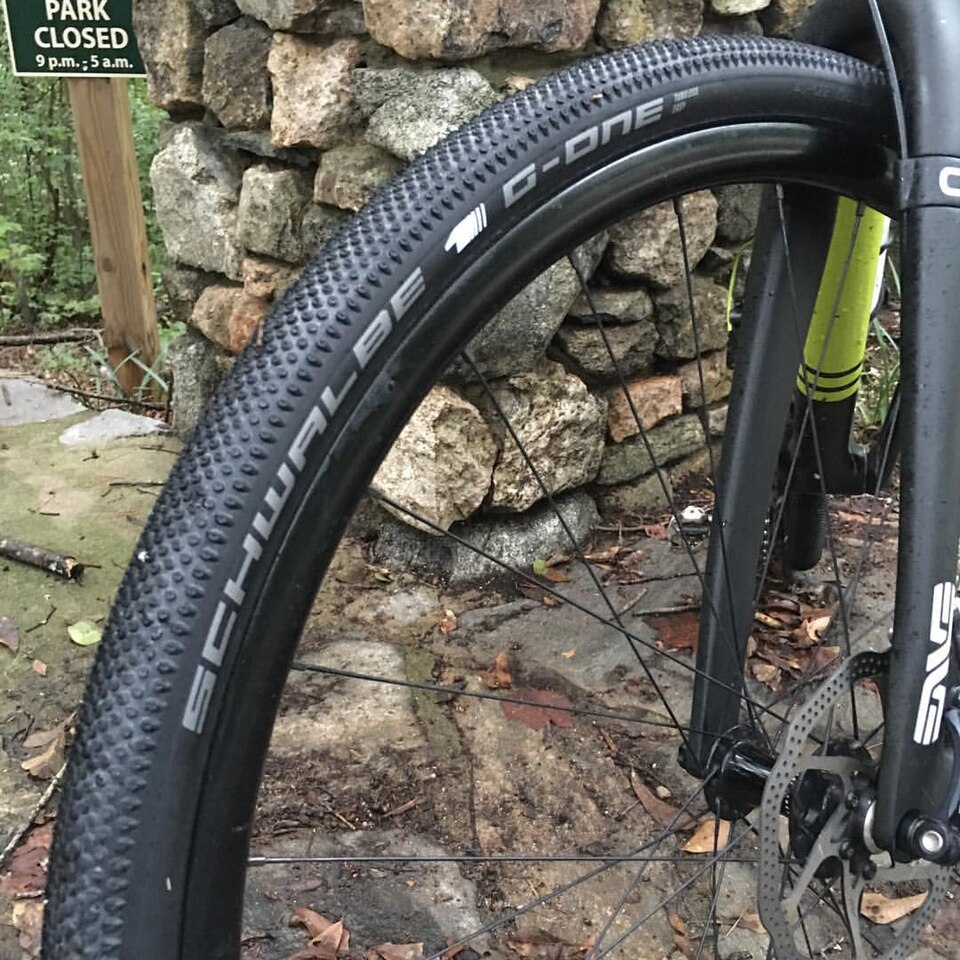
Gravel cycling demands precise tire pressure control to maximize comfort, control, and efficiency across varied terrain. The right pressure transforms rough trails into smooth rides while preventing pinch flats and maintaining traction on loose surfaces.

Key Takeaway

  • Tubeless setups allow 25-50 PSI for gravel riding, eliminating pinch flats while improving traction

  • Rider weight, tire width, and rim type determine optimal pressure – heavier riders need higher PSI

  • Hookless rims have maximum pressure limits around 72.5 PSI, affecting tubeless setup choices

What tire pressure should you use for gravel riding?

Illustration: What tire pressure should you use for gravel riding?

Tubeless vs clincher: why pressure matters differently

Tubeless setups revolutionize gravel riding by allowing significantly lower pressures without the risk of pinch flats that plague traditional clincher tires. In a tubeless system, sealant fills small punctures automatically while the absence of an inner tube means you can run pressures as low as 25-30 PSI without fear of bottoming out on rocks or roots. Traditional clinchers require higher pressures, typically 40-50 PSI minimum, to prevent pinch flats when hitting obstacles. This pressure difference translates to dramatically improved comfort and traction on rough terrain – tubeless riders experience better grip through corners, smoother rolling over washboard sections, and reduced fatigue on long gravel adventures. The sealant also provides peace of mind on remote trails where a flat tire could mean a long walk home. Professional gravel racers have documented 15-20% improvements in average speed when switching from tubed to tubeless setups, primarily due to the ability to maintain momentum through rough sections rather than bouncing off obstacles.

Starting pressure ranges for different gravel conditions

  • Smooth pavement transitions: 40-45 PSI for mixed terrain rides that include road sections

  • Hard-packed gravel roads: 35-40 PSI provides efficient rolling with adequate comfort

  • Loose gravel and dirt: 30-35 PSI increases contact patch for better traction

  • Mud and soft surfaces: 25-30 PSI maximizes grip and flotation

  • Rocky technical terrain: 28-32 PSI balances protection with traction

Rider weight significantly impacts these ranges – heavier riders (200+ lbs) should add 3-5 PSI to each recommendation, while lighter riders (under 150 lbs) can subtract 2-3 PSI. Wider tires (40-45mm) can run 5-8 PSI lower than narrower 35-38mm tires while maintaining the same level of pinch flat protection. Temperature also affects pressure – for every 10°F drop in temperature, tire pressure decreases by approximately 2%, so riders in cold climates may need to start 2-3 PSI higher than calculated. Front and rear tire pressures often differ slightly, with many riders preferring 1-2 PSI lower pressure in the front tire for improved comfort and steering precision on rough terrain.

How do hookless rims affect your tire pressure limits?

Illustration: How do hookless rims affect your tire pressure limits?

Maximum pressure limits for hookless vs hooked rims

Setup Type

Maximum Pressure

Typical Use

Key Considerations

Hookless Rims

65-72.5 PSI (4.5-5 BAR)

Gravel, All-road

Requires tubeless-specific tires, lower max pressure

Hooked Rims

80+ PSI (5.5+ BAR)

Gravel, Road

Compatible with more tire options, higher pressure tolerance

Road Tubeless

60-65 PSI (4-4.5 BAR)

Pavement, Racing

Optimized for smooth surfaces, lower rolling resistance

Hookless rims feature straight sidewall profiles that require specific tire designs and impose lower maximum pressure limits compared to traditional hooked rims. The 72.5 PSI (5 BAR) limit for hookless setups exists because higher pressures can cause the tire bead to unseat from the rim under extreme force. Some manufacturers recommend even lower limits of 65 PSI for wider tires on hookless rims to ensure safety. Hooked rims, with their curved sidewall profiles, can safely handle pressures exceeding 80 PSI, making them more versatile for riders who occasionally switch between gravel and road riding. Road tubeless setups typically max out around 60-65 PSI regardless of rim type, as higher pressures offer diminishing returns on pavement and can reduce comfort. The pressure limitations of hookless rims have led to innovations in tire design, with manufacturers developing stiffer bead constructions and optimized casing materials specifically for these systems — road cycling.

Rim width and tire volume: finding your sweet spot

Rim internal width dramatically affects optimal tire pressure by changing the tire’s overall volume and shape. Wider internal rim widths (25mm+) create a more stable, squared-off tire profile that can be run at lower pressures while maintaining good handling characteristics. A 40mm tire on a 25mm internal width rim will feel more stable and comfortable at 30 PSI than the same tire on a 19mm internal width rim at 35 PSI. Tire casing volume also matters – high-volume tires with supple casings can be run significantly softer than stiff, low-volume tires. The relationship between rim width and tire width follows a general rule: for every 2.5mm increase in internal rim width, you can typically reduce pressure by 1 PSI while maintaining the same level of pinch flat protection. This means a rider switching from 23mm to 28mm internal width rims could drop pressure by 2 PSI across their entire pressure range. Additionally, wider rims reduce the tendency for tires to squirm under hard cornering, allowing for more confident handling at lower pressures.

What tools help you dial in perfect gravel tire pressure?

Illustration: What tools help you dial in perfect gravel tire pressure?

Top tire pressure calculators for gravel bikes

  • SILCA Pro Tire Pressure Calculator: Considers rider weight, bike weight, tire size, rim width, and riding surface to provide precise pressure recommendations. The calculator uses algorithms developed with professional mechanics and accounts for the non-linear relationship between pressure and comfort.

  • SRAM AXS Tire Pressure Tool: Integrates with SRAM’s AXS ecosystem, factoring in rider weight and tire dimensions for gravel and road applications. The tool provides separate recommendations for tubeless and tubed setups, with pressure differences of 4-6 PSI between the two.

  • ENVE Pressure Calculator: Optimized for ENVE rims, includes terrain-specific recommendations and hookless rim pressure limits. The calculator accounts for the specific bead seat diameter of ENVE rims and provides warnings when suggested pressures exceed safe limits.

  • Wolf Tooth Components Calculator: Simple interface focusing on weight and tire size, with separate settings for tubeless and tubed setups. The tool provides a pressure range rather than a single number, acknowledging the subjective nature of optimal pressure.

  • Rene Herse Cycles Calculator: Gravel-specific tool that accounts for terrain roughness and riding style preferences. The calculator includes options for different riding styles from endurance to racing, with pressure differences of up to 8 PSI between these settings.

  • These calculators share common inputs: rider weight (including gear), tire width, rim internal width, and riding conditions. Most provide pressure recommendations in 1-2 PSI increments, allowing for fine-tuning based on personal preference. The calculators typically suggest starting pressures, then recommend testing and adjusting based on feel and performance. For tubeless setups, they often provide separate recommendations for front and rear tires, with slightly lower pressure suggested for the front to improve comfort and handling. Some advanced calculators now incorporate weather conditions and elevation changes, as atmospheric pressure affects tire pressure by approximately 0.5 PSI per 1000 feet of elevation gain.

    Testing and adjusting pressure on the trail

    Field testing represents the most reliable method for finding your perfect gravel tire pressure. Start with the calculator’s recommendation or use the weight-based formula: (Rider weight in lbs / 10) + 15 PSI as a baseline for 40mm tires. Begin your ride at this pressure, then systematically reduce pressure by 2 PSI increments during the first 30 minutes of riding. Pay attention to how the bike feels through corners, over washboard sections, and on climbs. You’ll notice improved comfort and traction as pressure decreases, but there’s a tipping point where the tire feels unstable or you risk pinch flats. That sweet spot typically falls 4-6 PSI below your starting pressure. Terrain changes throughout a ride may require pressure adjustments – you might add 2-3 PSI for long pavement sections or drop pressure further for particularly rough descents. Keep notes on what works for different conditions to build your personal pressure database. Professional gravel racers often carry compact pumps and adjust pressures multiple times during long events based on changing conditions and fatigue levels.

    The most surprising finding about gravel tire pressure is how dramatically small adjustments affect ride quality – a mere 2 PSI difference can transform a harsh, bouncing ride into a smooth, planted experience. Many riders discover they’ve been running pressures 5-8 PSI too high for years, sacrificing comfort and control for perceived efficiency. The actionable step: this weekend, take your gravel bike and a pump to your favorite trail, start with your normal pressure, then reduce by 2 PSI increments over your first hour of riding. Note where the bike feels most planted and comfortable – that’s your new baseline pressure for those conditions. Consider marking your ideal pressure on the rim with a paint pen for quick reference during rides.