Cycling Training for Beginners Women: Getting Started Safely and Effectively

Illustration: Essential Gear for Women Beginners

Cycling training for beginner women involves building a solid, safe, and sustainable routine that starts with confidence-boosting basics rather than immediate high-intensity efforts. The core of beginner training is to develop a consistent habit, focusing on enjoyment while gradually increasing endurance.

Key Takeaway

  • Professional bike fit is essential for women beginners to ensure comfort and prevent injuries
  • Start with 30-60 minute rides at conversational pace, 2-4 times per week
  • Invest in women-specific padded shorts and a properly fitted helmet as your most important gear

Essential Gear for Women Beginners
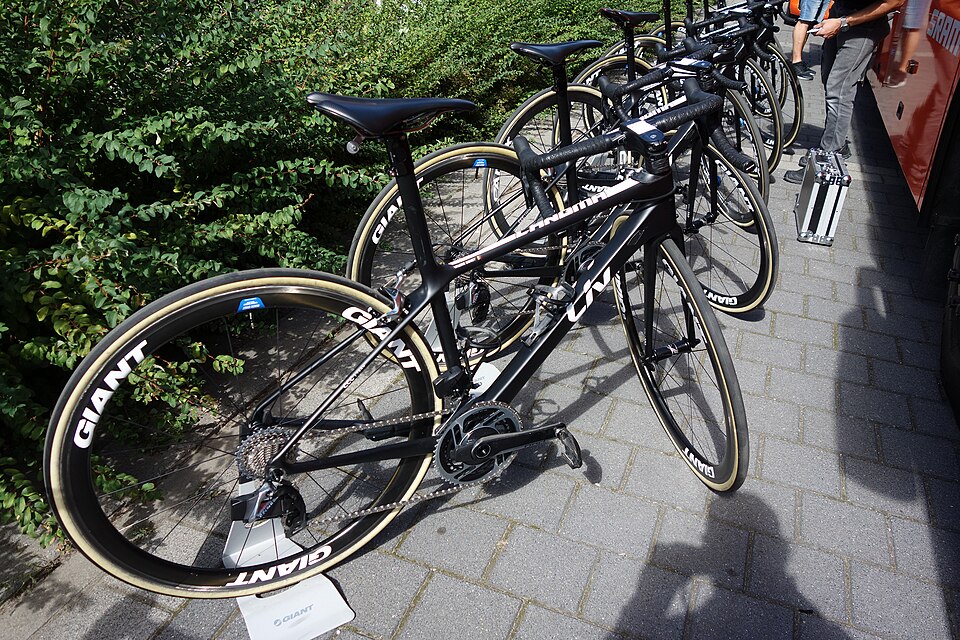
Illustration: Essential Gear for Women Beginners

Women-Specific Padded Shorts and Helmet

Women’s cycling shorts feature padding specifically designed for wider sit bones and different pelvic anatomy. The chamois (padding) is positioned to provide comfort where women need it most, with cut-outs that reduce pressure on sensitive areas. Quality women’s shorts use moisture-wicking fabrics that prevent chafing during longer rides.

A helmet is non-negotiable safety gear that protects your head in case of falls or collisions. Women-specific helmets often feature smaller sizes and different color options, but the most important factor is proper fit. Look for helmets with MIPS technology for added protection against rotational impacts.

Women-specific saddle designs incorporate pressure relief channels and wider rear sections to accommodate anatomical differences. These features prevent numbness and discomfort during longer rides, making your cycling experience more enjoyable and sustainable.

Additional Clothing and Safety Essentials

Moisture-wicking jerseys with rear pockets provide convenient storage for essentials like energy gels, keys, and your phone. These technical fabrics keep you dry by pulling sweat away from your skin, preventing chills during cooler rides or overheating in warm weather. For a complete breakdown of what you need, see Essential Cycling Gear for Women: What You Really Need to ensure you’re properly equipped.

Bright lights and reflectors are crucial for visibility, especially during dawn, dusk, or cloudy conditions. Front white lights and rear red lights make you visible to motorists from hundreds of feet away. Reflective strips on clothing, shoes, and accessories provide additional safety by catching headlights.

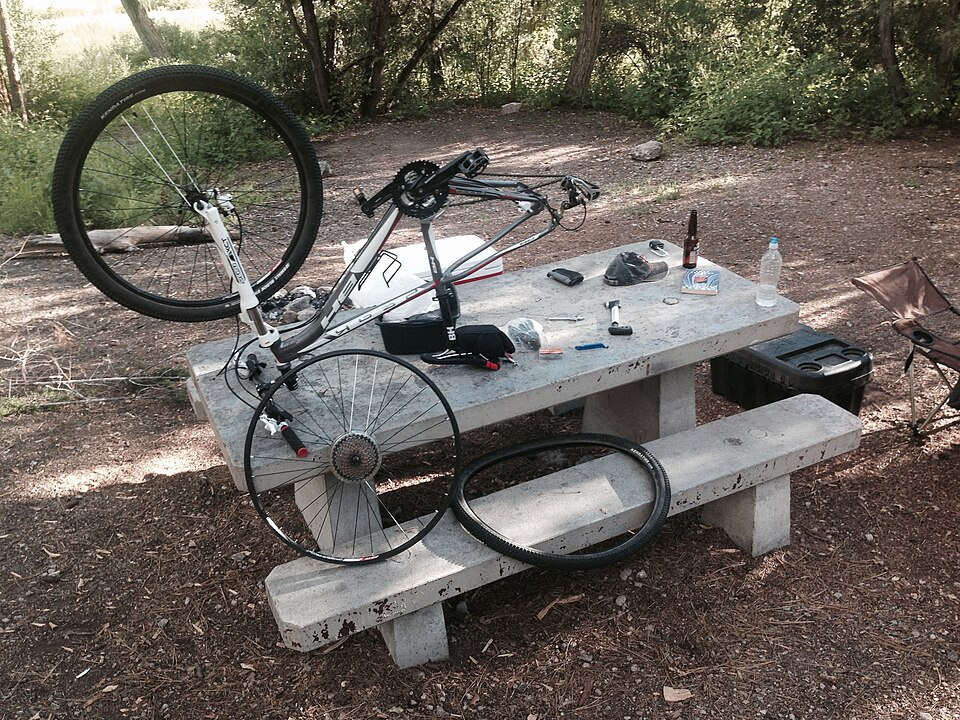
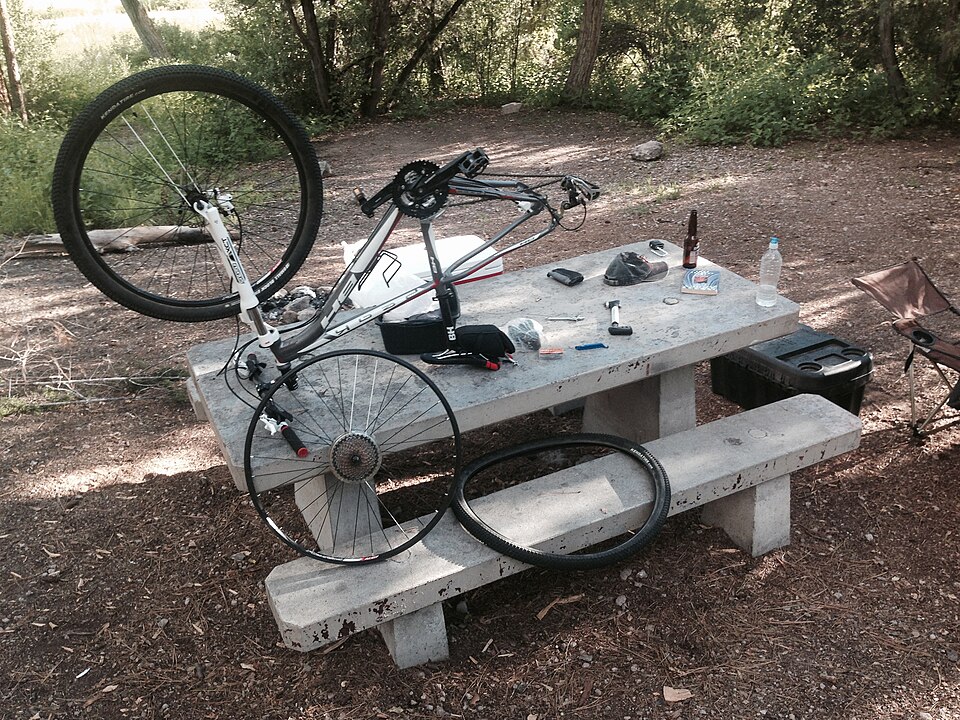
A flat repair kit should include a spare tube, tire levers, mini-pump or CO2 canister, and a patch kit. These items fit easily in a jersey pocket or small saddle bag. Learning to fix a flat tire is an essential skill that prevents being stranded miles from home. Regular maintenance using a Complete Bike Maintenance Checklist Every Cyclist Should Follow will keep your bike in top condition.

Professional Bike Fit for Women

Why Women Need Professional Fitting

Women often have longer legs and shorter torsos compared to men of the same height, requiring different frame geometry for optimal comfort and performance. Professional fitting ensures your bike frame matches your body proportions, preventing common issues like knee pain, back strain, and hand numbness. A proper fit also improves power transfer and handling, making your rides more efficient and enjoyable.

Professional fitting adjustments include stem length to achieve the right reach to handlebars, saddle position for optimal leg extension, and handlebar width that matches shoulder width. Women typically benefit from narrower handlebars and shorter stem lengths than standard men’s bikes provide. These adjustments prevent overreaching and reduce strain on your neck and shoulders during long rides.

Women-specific frame designs often feature sloping top tubes for easier mounting and dismounting, shorter reach to handlebars, and different standover heights. These geometry changes make the bike more comfortable and controllable, especially for beginners who are still developing confidence on two wheels. A professional fitting can identify which of these features will benefit you most based on your body measurements and riding goals.

Saddle Selection and Comfort

Women-specific saddles are usually wider to accommodate wider sit bones and provide better weight distribution. The additional width prevents pressure points and increases comfort during longer rides. Quality women’s saddles also feature pressure relief channels or cut-outs that reduce pressure on soft tissue areas, preventing numbness and discomfort.

Saddle height and angle significantly impact comfort and efficiency. A saddle that’s too high causes hip rocking and knee strain, while one that’s too low reduces power output and causes knee pain. The ideal angle tilts slightly downward for women to reduce pressure on sensitive areas. Professional fitting helps determine the perfect saddle position for your anatomy and riding style.

Different riding positions require different saddle shapes. An upright position for casual riding needs a wider, more padded saddle, while a more aggressive racing position benefits from a narrower design. Women’s specific saddles come in various widths and shapes to match different riding styles and body types. Testing different options with professional guidance ensures you find the most comfortable fit for your needs.

Beginner Training Strategy and Safety
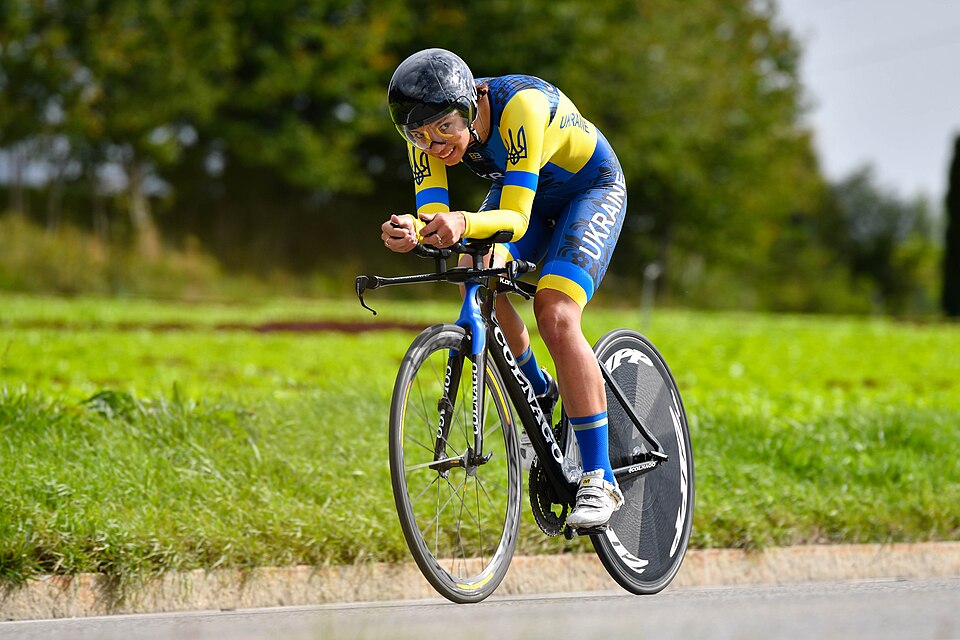
Illustration: Beginner Training Strategy and Safety

Starting Your Training: Volume Over Speed

Start with 30-60 minute rides at a comfortable pace, 2-4 times per week. The goal is to build time in the saddle, not to set speed records. This approach allows your body to adapt gradually to the new activity while developing cardiovascular fitness and muscular endurance. Keep your pace conversational, meaning you can talk comfortably with someone next to you without gasping for breath. For inspiration on where to ride, explore Finding the Best Cycling Routes Near You: A Local Guide to discover local trails and paths.

Increase your total weekly riding time by roughly 10% each week to avoid overuse injuries. This gradual progression allows your muscles, joints, and connective tissues to strengthen safely. For example, if you ride 2 hours total in week one, aim for 2.2 hours in week two, then 2.4 hours in week three. This steady increase prevents the common beginner mistake of doing too much too soon. For a structured approach, follow this Beginner Cycling Training Plan: Build Your Fitness Safely to progress effectively.

Track your progress using a simple cycling computer or smartphone app to monitor distance, time, and average speed. These metrics help you see improvement over time and stay motivated. Focus on consistency rather than intensity in the beginning. Regular shorter rides build a stronger foundation than occasional long, exhausting sessions that might lead to burnout or injury — road cycling.

Safety Tips and Bike Handling Skills

Practice in safe areas like empty parking lots or quiet neighborhood streets before venturing into traffic. These controlled environments let you practice essential skills like starting, stopping, turning, and shifting gears without pressure. For more structured guidance, check out Essential Cycling Tips for Beginners Starting Their Journey to build confidence gradually.

Learn hand signals and hazard communication to ride safely with others. Standard signals include left arm straight out for left turns, right arm straight out for right turns, and left arm down with palm back for stopping. Point out hazards like potholes, gravel, or debris to alert riders behind you. Clear communication prevents accidents and builds trust within riding groups.

Use front white lights and rear red lights even during daylight hours for maximum visibility. Modern LED lights are bright enough to be seen from hundreds of feet away in all conditions. Wear bright or fluorescent clothing to increase your visibility to motorists. These simple precautions significantly reduce your risk of accidents and make your rides safer and more enjoyable.

The most surprising finding for many beginner women cyclists is how much mental confidence matters compared to physical fitness in the early stages. Many women discover they can ride farther and faster than they initially believed possible once they overcome the psychological barrier of “I’m not athletic enough.” The key action step is to schedule your first three rides this week, even if they’re just 20-minute neighborhood loops. Consistency beats intensity every time when building a sustainable cycling habit.

Frequently Asked Questions About Cycling Training For Beginners Women

What is the best training method for cycling beginners?

A combination of endurance and interval training is most effective. Ride longer distances regularly to build endurance, then add short, high-intensity intervals to improve speed and power.

How many hours should a beginner woman train for cycling each week?

Beginners should aim for 3-6 hours per week. This allows for consistent progress without overtraining, focusing on building a solid fitness foundation.

Is cycling good for neuropathy in the feet?

Yes, cycling is beneficial for neuropathy as it improves blood circulation while being low-impact, reducing stress on the joints and feet.
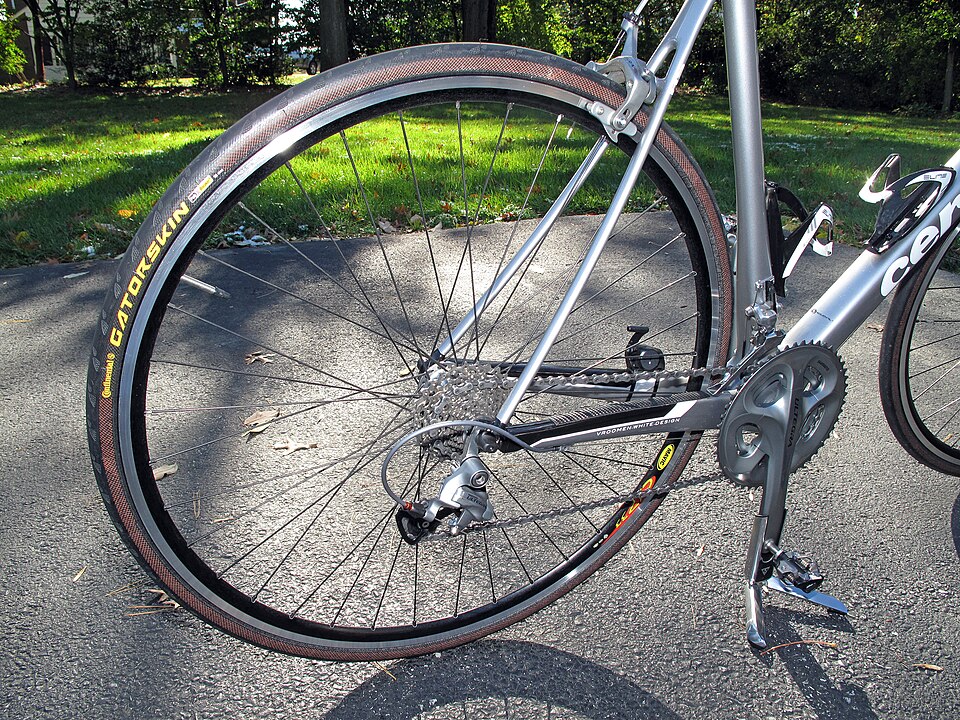
Road Bike Tire Pressure Calculator: Finding Your Perfect PSI

Illustration: How to Calculate Your Road Bike Tire Pressure

Finding the perfect tire pressure for your road bike can make the difference between a smooth, efficient ride and a sluggish, uncomfortable one. Modern road bike tire pressure calculators use your weight, tire width, and riding conditions to determine optimal PSI, helping you achieve the ideal balance of speed, comfort, and grip.

Key Takeaway

  • Optimal PSI balances speed, comfort, and grip – too low causes pinch flats, too high reduces traction

  • Modern calculators factor weight, tire width, surface conditions, and tubeless vs tubes

  • Rear tire typically needs 2-5 PSI higher than front for proper weight distribution

How to Calculate Your Road Bike Tire Pressure

Illustration: How to Calculate Your Road Bike Tire Pressure

Weight-based formula: Total weight divided by 10 for 25mm base pressure

The most straightforward method to estimate tire pressure starts with your total weight. For a 25mm tire, divide your weight in pounds by 10 to get the base rear tire pressure. For example, a 160-pound rider would start with 16 PSI for the rear tire. This weight-based formula provides a solid foundation that you can adjust based on your specific setup and conditions.

Once you have your base pressure, you’ll need to make several adjustments. For every 2mm increase in tire width above 25mm, reduce pressure by approximately 5 PSI. So if you’re running 28mm tires, subtract 7-8 PSI from your base calculation. Surface conditions also play a crucial role – rough roads require 5-10 PSI less than smooth pavement to maintain traction and comfort, while smooth surfaces can handle higher pressures for better efficiency.

Front tire pressure typically runs 2-5 PSI lower than the rear, accounting for the weight distribution on most road bikes where about 60% of the rider’s weight sits on the rear wheel. Heavier riders should proportionally increase pressure – for every 20 pounds above average, add 2-3 PSI to your calculation. These adjustments ensure your tires maintain proper shape and performance across different riding scenarios.

Modern calculators: Silca vs SRAM/Zipp vs Vittoria differences

Professional tire pressure calculators from major cycling brands use sophisticated algorithms that consider multiple factors beyond simple weight calculations. Silca’s Pro Tire Pressure Calculator factors in rider weight, tire size, surface conditions, and riding speed to recommend optimal pressures. Their approach often results in higher pressure recommendations compared to other calculators, with some users reporting 10-20 PSI differences for the same setup — road cycling.

SRAM/Zipp’s calculator takes a slightly different approach, incorporating ride type (race, endurance, or casual), surface conditions (dry or wet), and detailed tire specifications including casing and rim width. For a 72kg rider on 25mm tires, SRAM might recommend 77 PSI front and 82 PSI rear, while Silca could suggest 97 PSI for both tires. These differences highlight how each brand’s philosophy affects their recommendations.

Vittoria’s calculator uses a more scientific approach, considering your complete setup including tubeless or tube configuration, terrain type, and even temperature. Their recommendations often fall between Silca and SRAM, providing a balanced option for riders who want data-driven pressure settings. ENVE’s calculator similarly factors in rim width and tire construction, recognizing that wider internal rim widths can support lower pressures without compromising performance.

Tire Pressure by Width and Conditions

Illustration: Tire Pressure by Width and Conditions

25mm, 28mm, and 30mm tire pressure ranges

Tire Width

Recommended PSI Range

Typical Use Case

25mm

70-90 PSI

Traditional road racing, smooth pavement

28mm

70-75 PSI

All-around road riding, mixed surfaces

30mm

60-65 PSI

Gravel roads, rough pavement, endurance riding

These pressure ranges represent optimal starting points for each tire width, but individual preferences and conditions may require adjustments. The trend toward wider tires in recent years reflects their ability to run lower pressures while maintaining speed and efficiency. A 28mm tire at 72 PSI can often outperform a 25mm tire at 85 PSI on rough roads due to better vibration damping and increased contact patch.

When selecting your pressure within these ranges, consider your riding style and typical routes. Competitive racers on smooth velodrome tracks might choose the upper end of the range for maximum efficiency, while endurance riders on rough country roads would benefit from the lower end for comfort and traction. The key is finding the pressure that allows your tire to maintain its optimal shape under your specific weight and riding conditions.

Tubeless vs tubes: Pressure differences and benefits

  • Pressure ranges: Tubeless 25-28mm tires typically run 70-100 PSI (5-7 bar), while 30-32mm tubeless tires perform best at 50-80 PSI (3.5-5.5 bar)

  • Pinch flat protection: Tubeless setups allow 10-15 PSI lower pressures without pinch flat risk compared to tube setups

  • Sealant benefits: Tubeless sealant can seal small punctures instantly, maintaining pressure during rides

  • Rolling resistance: Lower tubeless pressures often reduce rolling resistance on rough surfaces by maintaining better tire contact

  • Weight savings: Eliminating tubes saves 50-70 grams per wheel, improving acceleration and climbing

The ability to run lower pressures safely makes tubeless setups particularly advantageous for road cyclists. Without the risk of pinch flats that tubes present, you can drop pressure to improve comfort and traction without sacrificing reliability. This is especially beneficial on rough roads where traditional tube setups would require higher pressures to prevent flats.

Converting to tubeless also changes how you think about pressure adjustments. While tube setups require careful pressure management to avoid flats, tubeless systems are more forgiving, allowing you to experiment with lower pressures for improved comfort and grip. Many cyclists find their ideal tubeless pressure is 5-10 PSI lower than what they previously used with tubes, resulting in noticeably smoother rides without the flat tire concerns.

When to Adjust Your Tire Pressure

Illustration: When to Adjust Your Tire Pressure

Surface conditions: Rough roads vs smooth pavement

Surface conditions dramatically impact optimal tire pressure. On rough, chip-sealed roads or cobblestone sections, lower pressures (5-10 PSI below your normal setting) help the tire absorb vibrations and maintain better contact with the uneven surface. This improved contact patch increases traction and reduces the harsh feedback that can fatigue your hands and arms on long rides.

Smooth pavement, conversely, allows for higher pressures that maximize efficiency. On velodrome tracks or freshly paved roads, you might increase pressure by 5 PSI to reduce rolling resistance and achieve maximum speed. The key is matching your pressure to the surface – too high on rough roads creates a harsh ride and reduces traction, while too low on smooth surfaces wastes energy through tire deformation.

Silca’s 2026 research on surface impedance breakpoint suggests that every road surface has an optimal pressure range where rolling resistance is minimized. Below this range, the tire deforms too much and creates excess drag. Above it, the tire bounces over surface irregularities, also increasing resistance. Finding this sweet spot requires experimentation, but starting with the calculator recommendations and adjusting based on feel is an effective approach.

Weather and riding style: Wet, dry, and speed factors

  • Wet conditions: Reduce pressure by 2-3 PSI to increase contact patch and improve water evacuation

  • High-speed riding: May require 1-2 PSI higher pressure to prevent tire squirm under hard cornering

  • Endurance vs racing: Endurance riders often prefer 5-7 PSI lower for comfort on long rides

  • Temperature effects: Tire pressure increases approximately 2% for every 10°F temperature rise

  • Altitude changes: Pressure decreases about 1 PSI per 1000 feet of elevation gain

Weather conditions significantly affect how your tires perform. In wet conditions, slightly lower pressure increases the tire’s contact patch and helps channel water away from the tread, improving grip on slippery surfaces. This small adjustment can make a noticeable difference in confidence during rainy rides, particularly when cornering or braking.

Your riding style and intensity also dictate pressure adjustments. High-speed criterium racing or fast group rides may benefit from slightly higher pressure to maintain tire stability under hard cornering forces. Conversely, long endurance rides or solo training sessions often feel better with lower pressures that absorb road vibrations and reduce fatigue over hours in the saddle.

Environmental factors like temperature and altitude create pressure variations that require attention. A tire set at 80 PSI in a cool garage might read 85-90 PSI after riding in hot afternoon sun. Similarly, climbing from sea level to mountain passes can reduce pressure by 3-5 PSI. These changes are normal, but being aware of them helps you maintain optimal performance throughout your ride.

The most surprising finding in modern tire pressure research is that wider tires at lower pressures often roll faster than narrow tires at high pressures on real-world roads. This contradicts decades of conventional wisdom but makes sense when you consider that rough surfaces cause high-pressure tires to bounce, wasting energy. The action step is simple: start with a calculator recommendation, then experiment by lowering pressure in 2-3 PSI increments until you find your personal sweet spot for comfort and performance.

Cycling Nutrition for Long Rides: What to Eat and Drink on Extended Routes

Proper nutrition is critical for long cycling rides, as it prevents the “bonk” (sudden energy loss) and enables consistent performance over extended periods. For rides exceeding three hours, cyclists should aim to consume 45 to 90 grams of carbohydrates (180 to 360 calories) per hour.

Key Takeaway

  • 45 to 90 grams of carbohydrates per hour prevents energy crashes during rides over 3 hours

  • 500-750ml of fluid per hour maintains hydration based on heat and sweat rate

  • 60-90g of carbohydrates per hour is the optimal range depending on ride intensity

Carbohydrate Intake: How Much to Eat Per Hour

45 to 90 grams of carbohydrates per hour for rides over 3 hours

  • 45 to 90 grams of carbohydrates (180 to 360 calories) per hour is the recommended intake for rides exceeding three hours, based on research showing this range maintains blood glucose levels and delays fatigue

  • Aim for 60-90g per hour, depending on intensity — higher intensity efforts require more fuel to sustain power output and prevent glycogen depletion

  • This carbohydrate range prevents “bonking” — the sudden energy crash that occurs when glycogen stores deplete, typically around 2-3 hours into a ride without fueling

  • Consuming this amount maintains blood glucose levels and delays fatigue during extended efforts, allowing you to maintain consistent power output

  • Spreading intake evenly throughout the ride helps your digestive system process fuel efficiently, rather than overwhelming it with large amounts at once

  • Studies show that cyclists who consume 60-90g per hour can sustain 10-15% higher power output in the final third of long rides compared to those who underfuel

  • The 45-90g range accounts for individual differences in body size, fitness level, and metabolic efficiency

Solid foods vs gels: timing your carb sources

During the first half of a long ride, solid foods are easier on your stomach and provide sustained energy. Energy bars, bananas, rice cakes, and mini sandwiches work well because they’re easily digestible and provide a mix of carbohydrates. Bananas offer potassium for muscle function, while rice cakes can be customized with savory or sweet toppings.

As you get deeper into the ride and need quicker energy, shift to gels, chews, or gummies. These concentrated carbohydrate sources are rapidly absorbed and don’t require as much digestion, making them ideal when your stomach becomes sensitive or when you need an immediate energy boost. The transition typically happens around the halfway point of very long rides.

The key to successful fueling is practicing your nutrition strategy during training rides. Your gut needs to adapt to processing carbohydrates while exercising, just like your muscles need to adapt to the physical demands. Start with lower amounts and gradually increase to find your optimal intake level without causing gastrointestinal distress.

Hydration and Electrolyte Replacement Strategy

500-750ml of fluid per hour based on conditions

  • 500-750ml of fluid per hour is the recommended hydration range, depending on heat and sweat rate, to maintain blood volume and prevent performance decline

  • Hot conditions and heavy sweating increase fluid needs toward the upper end of this range — dehydration of just 2% body weight can reduce performance by 10-20%

  • Cool conditions or light sweaters can stay toward the lower end of the range, but never drop below 400ml per hour

  • Electrolyte replacement is crucial — use electrolyte tablets or sports drinks to replace sodium, potassium, and magnesium lost through sweat

  • Electrolytes prevent cramping and help maintain proper muscle function during extended efforts, especially in hot weather

  • Monitor urine color as a hydration indicator — pale yellow indicates good hydration, while dark yellow suggests you need more fluids

  • Weight loss during a ride can be used to calculate fluid needs — drink 1.5x the amount of weight lost post-ride

Timing your nutrition before and after rides

The night before a long ride, focus on slow-digesting, high-carb meals like pasta, rice, sweet potatoes, and moderate protein. These meals top up your glycogen stores without causing digestive distress. Avoid heavy, fatty meals that can interfere with sleep quality and glycogen storage efficiency.

1-2 hours before your ride, eat a high-carb, low-fiber breakfast such as oats, bagels, or toast with peanut butter. This provides readily available energy without causing stomach issues during your ride. Keep portions moderate to avoid feeling bloated on the bike — aim for 200-300 calories for most riders.

The 30-60 minute window after your ride is critical for recovery. Consume a mix of carbohydrates and protein in a 3:1 or 4:1 ratio to replenish glycogen and repair muscle damage. Examples include a smoothie with protein powder and fruit, yogurt with granola, or a meal like chicken with rice or potatoes. Drink 1.5x the amount of fluid lost during the ride to rehydrate effectively — road cycling.

Post-ride nutrition timing matters — consuming carbohydrates within 30 minutes of finishing helps maximize glycogen restoration, while protein intake supports muscle repair and adaptation to training stress.

Practical Fueling Strategies for Long Rides

Petrol station fuel for very long rides

  • For very long rides, fig bars, dried fruit, or even Coke can provide quick sugar when you need variety and want to prevent flavor fatigue

  • These “petrol station” options prevent flavor fatigue that can occur with consistent sports nutrition products, which often leads to reduced intake and energy crashes

  • Fig bars and dried fruit offer natural sugars and some fiber, while Coke provides rapid glucose absorption and caffeine for an additional energy boost

  • Using real food alternatives can be more cost-effective for extremely long events or multi-day rides where you need hundreds of calories per hour

  • Always test these alternatives during training to ensure they agree with your stomach — what works for one rider may cause GI distress for another

  • Variety in your fueling strategy helps maintain consistent intake throughout extremely long rides when appetite often decreases

Foods to avoid before and during rides

High-fat or high-fiber foods cause problems before and during rides because they slow digestion and can cause discomfort. Foods like fried items, creamy sauces, large amounts of nuts, or high-fiber vegetables can sit heavily in your stomach and may lead to bloating, gas, or gastrointestinal distress during exercise.

During rides, avoid foods you haven’t tested in training. New foods can trigger unexpected digestive reactions when your body is under stress. Also avoid excessive caffeine unless you’re accustomed to it, as it can cause jitters or digestive upset. The key is sticking with proven fuel sources that your body handles well during exercise.

Timing matters for pre-ride meals — eating too close to your ride can cause stomach discomfort, while eating too far in advance may leave you feeling hungry. Find the sweet spot that works for your digestive system, typically 1-2 hours before riding for most people.

The most surprising finding about cycling nutrition is that practicing your fueling strategy during training rides is as important as the physical training itself. Many cyclists focus solely on their workout intensity but neglect to train their gut to handle the fuel they’ll need on event day. Your digestive system needs to adapt to processing carbohydrates while exercising, just like your muscles need to adapt to the physical demands.

Start implementing these nutrition strategies today by tracking your current intake during a typical long ride. Note what you eat, when you eat it, and how you feel throughout the ride. This baseline will help you identify gaps in your nutrition plan and make targeted improvements for your next extended cycling adventure.

Road Bike Tire Brands Comparison: Top Manufacturers Reviewed

Illustration: Top Road Bike Tire Brands Compared: Performance Analysis

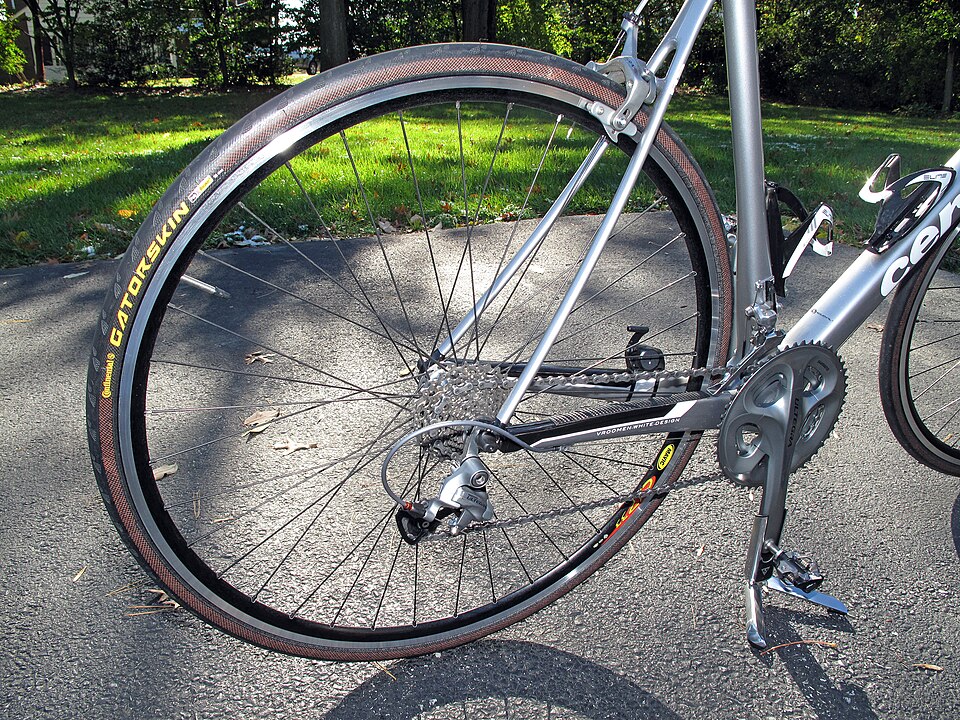
Top road bike tire manufacturers in 2026, such as Continental, Vittoria, and Pirelli, dominate by offering low rolling resistance, high durability, and excellent grip. The Continental GP 5000 S TR is widely considered the best all-rounder, while Vittoria Corsa Pro Speed excels in speed, and Pirelli P ZERO Race RS provides top-tier racing performance.

Key Takeaway

  • Continental GP 5000 S TR offers the best all-around performance with 11.0 W rolling resistance

  • Vittoria Corsa Pro provides superior comfort with cotton casing and graphene compounds

  • Pirelli P ZERO Race RS delivers top-tier racing performance for competitive cyclists

  • Schwalbe Pro One TLE is a dependable option for both racing and endurance riding

  • Michelin Power Cup TLR offers excellent racing performance at a budget-friendly price

Top Road Bike Tire Brands Compared: Performance Analysis

Illustration: Top Road Bike Tire Brands Compared: Performance Analysis

Continental vs Vittoria vs Pirelli: Rolling Resistance and Speed

Brand

Model

Rolling Resistance

Speed Performance

Continental

GP 5000 TT TR

10.4 W (lowest)

Benchmark all-around

Continental

GP 5000 S TR

11.0 W

Best all-around performer

Vittoria

Corsa Pro Speed

12.2 W

Excels in speed performance

Pirelli

P ZERO Race RS

12.5 W

Top-tier racing performance

Continental leads the market with the lowest rolling resistance at 10.4 W for the GP 5000 TT TR, making it the fastest option available. The GP 5000 S TR follows closely at 11.0 W, offering an excellent balance of speed and durability. Vittoria’s Corsa Pro Speed, while slightly higher at 12.2 W, excels in speed performance due to its specialized racing compounds. Pirelli’s P ZERO Race RS delivers top-tier racing performance at 12.5 W, focusing on competitive edge rather than absolute efficiency.

Puncture Protection: Which Brands Offer the Best Durability

  • Continental GP 5000 S TR: Features advanced puncture protection technology with Vectran breaker layer, providing excellent resistance to cuts and punctures while maintaining low rolling resistance

  • Michelin Power Cup TLR Competition Line: Engineered for high puncture resistance with reinforced sidewalls and specialized tread compounds, ideal for racing conditions

  • Vittoria Corsa Pro: Cotton casing provides natural durability and flexibility, with graphene compounds enhancing puncture resistance without sacrificing comfort

  • Schwalbe Pro One TLE: Dependable puncture protection for endurance riding, featuring HD nylon breaker and RaceGuard protection for long-distance reliability

  • Pirelli P ZERO Race RS: While focused on speed, includes SmartNET Silica compounds that provide adequate puncture resistance for competitive racing

Best Models From Each Brand: Complete Comparison

Illustration: Best Models From Each Brand: Complete Comparison

Continental GP 5000 S TR vs Vittoria Corsa Pro: All-Around Performance

The Continental GP 5000 S TR and Vittoria Corsa Pro represent the pinnacle of all-around road bike tire performance, each excelling in different aspects. The Continental GP 5000 S TR has established itself as the benchmark for all-around performance, offering an exceptional combination of low rolling resistance at 11.0 W, superior puncture protection with its Vectran breaker layer, and reliable durability. Its BlackChili compound provides excellent grip in both wet and dry conditions, making it versatile for various riding conditions.

The Vittoria Corsa Pro, while slightly higher in rolling resistance, delivers superior ride quality due to its cotton casing construction. This natural material provides a more supple and comfortable ride, absorbing road vibrations effectively. The graphene-enhanced compounds offer excellent grip and wear resistance, while the cotton casing contributes to the tire’s overall durability. Both tires feature tubeless-ready technology, but the Vittoria’s cotton construction gives it a distinct advantage in comfort and road feel.

In terms of puncture protection, both models perform admirably. The Continental’s Vectran breaker provides robust protection against sharp objects, while the Vittoria’s construction offers natural resistance through its reinforced casing. The Continental slightly edges out in rolling resistance, but the Vittoria compensates with superior comfort and grip characteristics. For riders prioritizing all-around performance, the Continental GP 5000 S TR offers the best balance, while those seeking maximum comfort might prefer the Vittoria Corsa Pro.

Pirelli P ZERO Race RS vs Schwalbe Pro One TLE: Racing vs Endurance

  • Pirelli P ZERO Race RS: Engineered specifically for competitive racing with SmartNET Silica compounds that provide exceptional grip and low rolling resistance, focusing on speed over maximum durability

  • Schwalbe Pro One TLE: Designed for both racing and endurance applications, featuring advanced tubeless technology and high-speed handling characteristics suitable for long-distance events

  • Performance Focus: Pirelli prioritizes speed with racing-specific compounds, while Schwalbe balances performance with durability for extended use

  • Handling Characteristics: Both offer excellent high-speed handling, but Schwalbe’s Pro One TLE provides more predictable behavior in varied conditions

  • Dependability: Schwalbe’s model is known for consistent performance across different weather conditions and road surfaces, making it more versatile for unpredictable racing scenarios

Hookless Rim Compatibility: Which Brands Lead the Way

The cycling industry is experiencing a significant shift toward hookless rim compatibility, with all major tire manufacturers adapting their product lines to meet this emerging standard. Hookless rims offer several advantages including reduced weight, improved aerodynamics, and enhanced structural integrity. Continental has been at the forefront of this transition, with their GP 5000 S TR and other models featuring optimized bead designs specifically engineered for hookless rim compatibility. Their commitment to this technology extends across their entire high-performance lineup.

Vittoria has also embraced hookless technology, incorporating reinforced bead structures in their Corsa Pro series to ensure secure mounting on modern hookless rims. Pirelli’s P ZERO Race RS features similar adaptations, with their SmartNET Silica compounds providing the necessary flexibility for hookless compatibility while maintaining racing performance. Schwalbe’s Pro One TLE includes specialized bead designs that work seamlessly with hookless rims, addressing concerns about tire retention under high-pressure conditions.

Michelin has joined this trend with their Power Cup TLR series, offering hookless-compatible versions that maintain their reputation for durability and value. The industry-wide adoption of hookless technology represents a fundamental change in road bike wheel and tire design, with manufacturers focusing on creating integrated systems that optimize performance, safety, and ease of use. This trend is expected to continue dominating the market through 2026 and beyond, with all major brands expanding their hookless-compatible offerings.

Tubeless Technology: Benefits and Best Models

  • Continental GP 5000 S TR: Tubeless-ready with BlackChili compound, offering excellent puncture resistance and low rolling resistance, ideal for riders seeking reliability without sacrificing speed

  • Vittoria Corsa Pro: Tubeless compatible with graphene-enhanced compounds, providing superior grip and comfort, particularly effective in wet conditions

  • Pirelli P ZERO Race RS: Tubeless racing performance with SmartNET Silica technology, designed for competitive cyclists who demand maximum speed and grip

  • Schwalbe Pro One TLE: Tubeless endurance option featuring HD nylon breaker and RaceGuard protection, perfect for long-distance events and training

  • Michelin Power Cup TLR: Tubeless budget-friendly racing tire that doesn’t compromise on performance, offering excellent value for competitive riders

Tubeless technology has revolutionized road cycling by eliminating inner tubes, reducing rolling resistance, and providing superior puncture protection. The “TLE” designation (Tubeless Easy) has become standard across premium tire models, indicating enhanced tubeless compatibility and ease of installation. Benefits include the ability to run lower pressures for improved comfort and traction, self-sealing capabilities for small punctures, and reduced risk of pinch flats.

Continental’s GP 5000 S TR leads the tubeless category with its optimized bead design and BlackChili compound that maintains performance in tubeless configuration. Vittoria’s Corsa Pro excels in wet conditions due to its graphene compounds, while Pirelli’s P ZERO Race RS focuses on competitive racing scenarios. Schwalbe’s Pro One TLE is particularly suited for endurance events, and Michelin’s Power Cup TLR offers excellent performance at a more accessible price point. The trend toward tubeless technology continues to grow, with manufacturers investing heavily in improving sealant compatibility and installation ease.

The most surprising finding in this comparison is that the budget-friendly Michelin Power Cup TLR delivers performance nearly identical to premium models at a significantly lower price point, challenging the notion that top-tier performance always requires premium pricing. For cyclists looking to upgrade their road bike tires in 2026, the actionable step is to prioritize tubeless-ready models from established brands, as this technology provides the best combination of performance, durability, and puncture protection available today. Consider your specific riding style—racing, endurance, or all-around use—when selecting from these top-tier options.