Beginner Cycling Training Plan for Men: Building Your Foundation

Illustration: 12-Week Beginner Cycling Training Plan for Men

Starting a cycling journey requires a structured approach that builds aerobic endurance gradually while preventing injury. A 12-week beginner cycling training plan for men focuses on consistency, gradual progression, and building a solid aerobic base through 75% easy-paced riding and 10% weekly increases in volume.

Key Takeaway

  • Build aerobic endurance with 75% easy pace riding

  • Increase weekly riding time by maximum 10%

  • Focus on consistency over intensity in first 6 weeks

  • Professional bike fit prevents injury

  • High-cadence pedaling (80-90 RPM) improves efficiency

12-Week Beginner Cycling Training Plan for Men
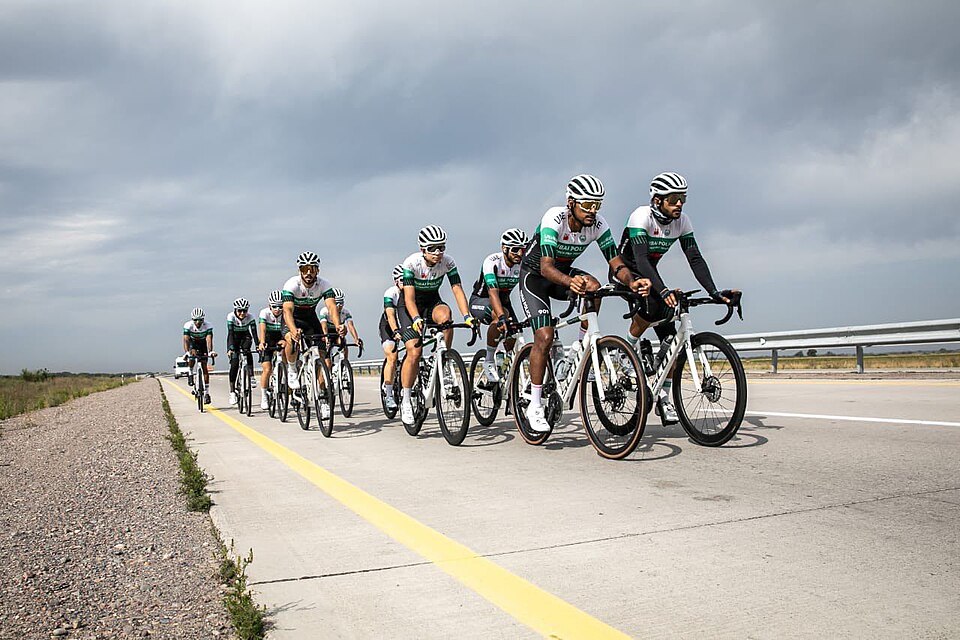
Illustration: 12-Week Beginner Cycling Training Plan for Men

Weeks 1-2: Building Comfort and Basic Skills

  • Schedule: 3 rides per week, 30-45 minutes each

  • Intensity: 75% of cycling time at easy, conversational pace (Zone 1/2)

  • Focus: Practice shifting, braking, and getting comfortable on the bike

  • Goal: Build confidence and establish consistent riding habits

During these initial weeks, your body adapts to the new physical demands of cycling. The 75% easy pace rule is crucial because it builds your aerobic base without causing excessive fatigue. This conversational pace means you can talk comfortably while riding, which keeps you in the optimal fat-burning zone. Professional cyclists like Emma Johansson emphasize that this foundation phase is where most amateurs fail – they try to go too hard too soon, leading to burnout or injury. The key is to make these rides feel almost too easy, focusing on smooth pedal strokes and relaxed breathing. Many beginners make the mistake of pushing too hard because they feel good, not realizing that the real benefits come from consistent, moderate effort over time.

Weeks 3-4: Increasing Volume and Adding Hills

  • Schedule: 3-4 rides per week

  • Progression: Add 15 minutes to weekend ride duration

  • Hill work: Introduce small, easy hills staying seated

  • Technique: Focus on smooth pedal strokes and steady breathing

The 15-minute weekend ride increase follows the 10% weekly progression rule, ensuring safe adaptation. Hill training at this stage develops leg strength and teaches you to maintain consistent effort on varied terrain. Staying seated while climbing builds muscular endurance and teaches proper climbing technique – standing too early wastes energy and can lead to fatigue. These hills should be gentle, with gradients under 5%, allowing you to maintain your easy pace while adding variety to your routes. The seated climbing position also helps you develop core stability and proper weight distribution on the bike, skills that become crucial as you progress to more challenging terrain.

Weeks 5-6: Technique Development and Longer Rides

  • Weekend rides: Progress to 1.5-2 hours duration

  • Cadence: Incorporate high-cadence pedaling at 80-90 RPM

  • Endurance: Continue easy pace for 75% of riding time

  • Skills: Practice cornering and descending on gentle slopes

Weekend rides extending to 1.5-2 hours mark a significant milestone in your cycling development. This duration allows you to experience the mental and physical challenges of longer rides while your aerobic base continues strengthening. High-cadence pedaling at 80-90 RPM improves pedaling efficiency and reduces muscular fatigue. Think of it as spinning rather than grinding – lighter gears with faster pedal strokes are more sustainable for endurance riding. This technique also prepares you for group riding, where maintaining a high cadence helps you stay with the pack without exhausting yourself. During these longer rides, you’ll also learn about nutrition timing, hydration needs, and how your body responds to extended exercise – knowledge that becomes invaluable as you tackle bigger challenges — road cycling.

Essential Training Principles for Beginner Cyclists
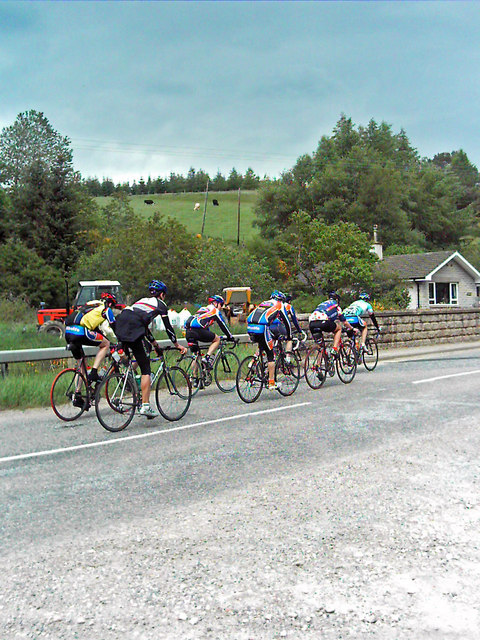
Illustration: Essential Training Principles for Beginner Cyclists

The 10% Rule: Safe Weekly Progression

Increasing your total weekly riding time by no more than 10% prevents overtraining and injury while allowing your body to adapt gradually. This progressive approach is safer than jumping into high-intensity workouts or dramatically increasing volume. The 10% rule gives muscles, tendons, and cardiovascular systems time to strengthen without excessive stress. Compare this to other progression methods like the “two-hour rule” or “perceived exertion” – the 10% rule provides a concrete, measurable framework that beginners can follow consistently. For example, if you ride 3 hours in week 1, week 2 should be no more than 3.3 hours total. This might seem conservative, but it’s the difference between sustainable progress and injury-induced setbacks. Many experienced cyclists look back and wish they had followed this principle earlier in their careers.

Recovery Week: The Secret to Progress

  • Timing: One 4th week should be a recovery week with reduced mileage

  • Purpose: Prevents burnout and overtraining

  • Benefits: Allows muscles to repair and strengthen

  • Structure: Reduce total weekly riding time by 30-40% during recovery week

  • Activities: Light spinning rides or cross-training like swimming or yoga

Recovery weeks are where the magic happens in training adaptation. During intense training, microscopic muscle damage occurs, and your body needs time to repair and rebuild stronger. Without recovery, you risk overtraining syndrome, characterized by persistent fatigue, decreased performance, and increased injury risk. A proper recovery week doesn’t mean complete rest – light activity promotes blood flow and accelerates recovery. Many professional cyclists credit their success to disciplined recovery practices, understanding that fitness gains occur during rest, not during the workout itself. The 30-40% reduction might include cutting one ride entirely and shortening the others, or maintaining the same number of rides but at much lower intensity. Listen to your body – if you’re feeling particularly fatigued, extend your recovery week by an extra day.

Professional Equipment and Safety Essentials

Professional Bike Fit: Preventing Common Injuries

Correct saddle height is essential for preventing knee pain and other cycling injuries. The ideal position shows a slight bend in your knee at the 6 o’clock position when the pedal is at its lowest point. Many beginners make the mistake of having their saddle too high or too low, leading to discomfort or injury over time. A professional bike fitting, though an investment, can prevent months of frustration and potential medical issues. The fitting process considers your body proportions, flexibility, and riding style to optimize comfort and efficiency. Common fit mistakes include incorrect saddle fore-aft position, improper handlebar reach, and wrong crank length – all of which a professional can identify and correct. The cost of a professional fitting typically ranges from $100-300, but it’s often considered the best investment a new cyclist can make, as it prevents the need for expensive physical therapy later.

Must-Have Gear for Beginner Cyclists

  • Padded cycling shorts: Mandatory for comfort during longer rides

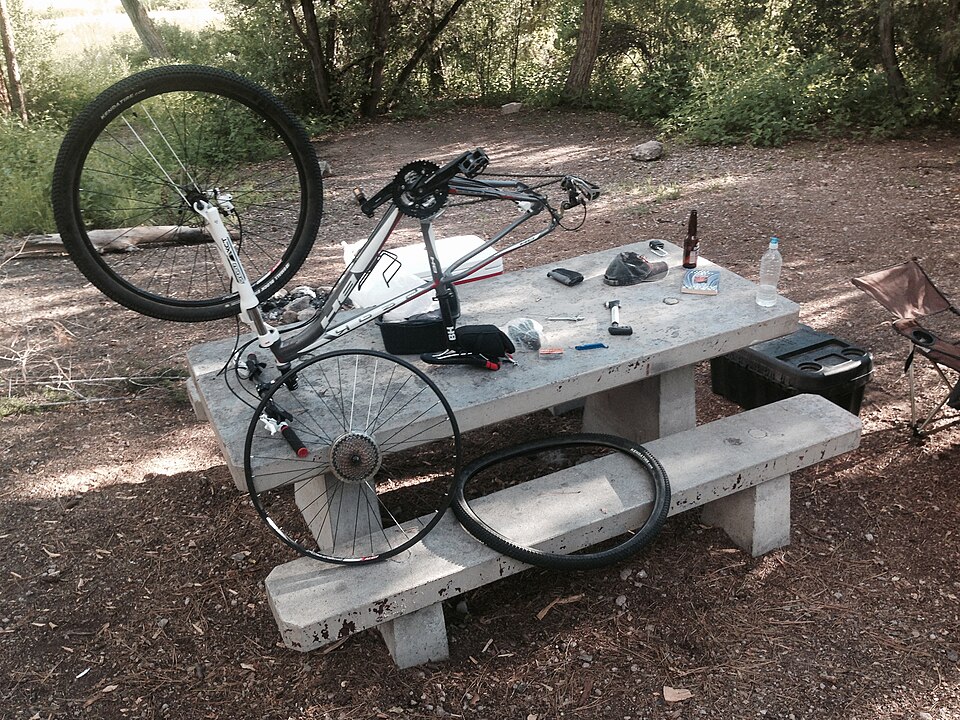
  • Flat repair kit: Learn to fix flats before getting stranded

  • Hydration and nutrition: Fuel with carbohydrates every 30 minutes for rides over 1 hour

  • Helmet: Non-negotiable safety equipment

  • Basic tools: Carry a multi-tool, spare tube, and mini-pump

Quality cycling shorts with proper padding prevent saddle sores and discomfort that can derail your training progress. The chamois padding reduces friction and wicks moisture away from your skin. Learning basic bike maintenance, particularly flat repair, builds confidence and independence. Nothing ends a ride faster than a flat tire with no repair knowledge. Nutrition strategy becomes critical as ride duration increases – the body can store approximately 90 minutes of glycogen, after which you risk “bonking” or hitting the wall. Consuming 30-60 grams of carbohydrates per hour maintains energy levels and prevents this performance crash. Start with easily digestible options like bananas, energy bars, or sports drinks, and experiment to find what works best for your stomach during exercise.

The most surprising finding in beginner cycling training is that consistency beats intensity every time. Many new cyclists believe they need to push hard to see results, but the research consistently shows that regular, moderate-paced riding builds a stronger foundation than sporadic intense efforts. The body adapts to repeated stimulus, not occasional maximum effort. Your first action step: schedule your three weekly rides in your calendar as non-negotiable appointments for the next four weeks. This simple commitment creates the consistency that transforms a beginner into a confident cyclist.
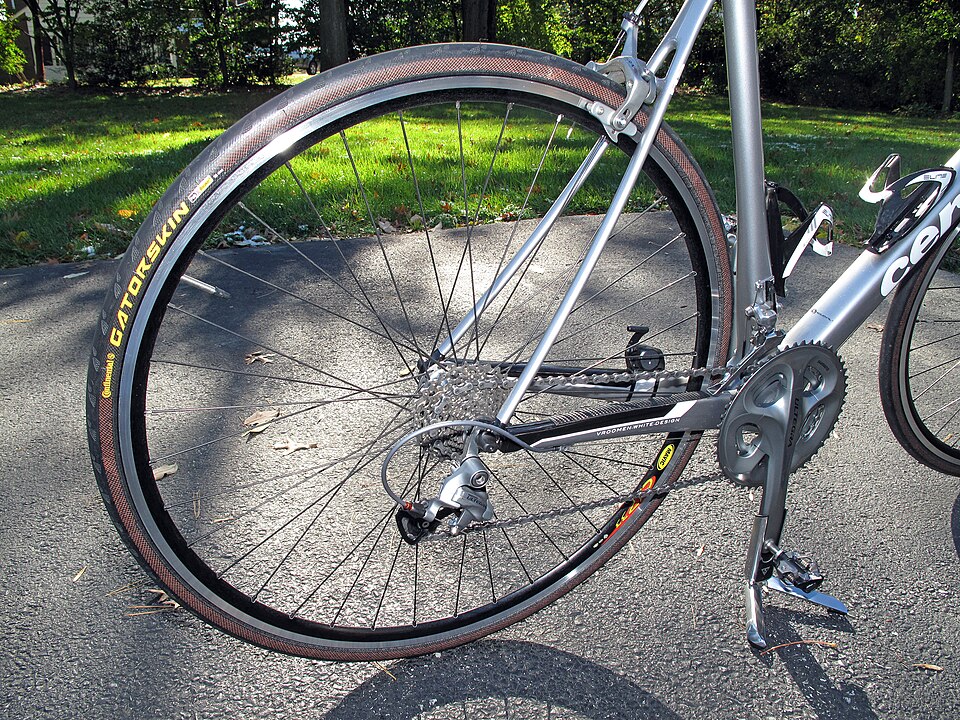
Optimal Road Bike Tire Pressure for Climbing Performance

Illustration: How Tire Pressure Affects Climbing Efficiency

Climbing efficiency on a road bike depends heavily on tire pressure, with lower PSI reducing rolling resistance and vibrations while improving power transfer. Research shows that optimal tire pressure can save 10-13 watts on imperfect roads, equivalent to shedding 1.5kg on an 8% climb. This guide breaks down the science and provides specific PSI recommendations for climbing performance.

Key Takeaway

  • Lower PSI reduces rolling resistance and vibrations, saving 10-13W on imperfect roads

  • Increase rear tire pressure by 5-15 PSI when climbing to improve power transfer

  • 70-90 PSI for 70kg rider on 25-28mm tires is optimal for climbing performance

  • 5W savings equals 1.5kg lighter on 8% climb – significant climbing advantage

  • Pro cyclists like Pogačar use 55-58 PSI on 30mm tires for climbing

How Tire Pressure Affects Climbing Efficiency

Illustration: How Tire Pressure Affects Climbing Efficiency

Lower PSI reduces rolling resistance and vibrations

  • Over-inflation (>100-110 PSI) increases vibrations, costing 10-13 watts of energy through suspension losses. These losses occur when tires bounce over road imperfections, wasting pedal power that could otherwise propel you forward on climbs. The energy lost to vibration increases exponentially with pressure above optimal levels.

  • Optimal pressure saves watts equivalent to shedding 1.5kg on 8% climb. This translates to significant climbing advantage, especially on longer ascents where small gains compound. For a 10-minute climb, saving 10 watts could mean finishing 15-20 seconds faster, which can be the difference between staying with the group or getting dropped.

  • Lower pressures improve efficiency on real-world roads by reducing energy loss from bouncing. Modern research from SILCA and other tire manufacturers shows that supple tires at lower PSI actually roll faster on imperfect surfaces than rock-hard tires, contradicting decades of “harder is faster” thinking. The key is finding the pressure that balances rolling resistance with enough support to prevent pinch flats.

Power transfer and contact patch optimization

Tire pressure directly affects how efficiently power transfers from your pedals to the road. Tadej Pogačar uses 30mm tires at 55-58 PSI (3.8-4.0 bar) for climbing, demonstrating that elite riders prioritize traction and comfort over maximum PSI. Wider tires (25-30mm) enable lower pressures while maintaining structural integrity, creating a larger contact patch that grips better on steep gradients. The contact patch deformation under optimal pressure distributes load more evenly, reducing rolling resistance and improving traction where it matters most during climbs. This is particularly crucial on gradients above 6%, where maintaining rear wheel traction becomes essential for power transfer. The larger contact patch also provides better cornering stability on switchback climbs, allowing you to carry more speed through turns without sacrificing climbing efficiency — road cycling.

Optimal PSI for Climbing: Weight and Tire Width

Illustration: Optimal PSI for Climbing: Weight and Tire Width

PSI recommendations by rider weight

Rider Weight

Tire Width

Recommended PSI

Climbing Adjustment

60-70kg

25-28mm

70-90 PSI

+5-10 PSI rear

70-80kg

25-28mm

80-95 PSI

+5-12 PSI rear

80-90kg

28-30mm

85-100 PSI

+8-15 PSI rear

90+ kg

28-30mm

90-105 PSI

+10-15 PSI rear

70kg rider: 70-90 PSI on 25-28mm tires represents the sweet spot for most climbing scenarios. The 7 bar (101 PSI) starting point for 70kg riders provides a baseline, but adjusting downward improves climbing efficiency. Heavier riders need proportionally higher pressures to prevent pinch flats and maintain tire shape under load, while lighter riders can run pressures at the lower end of these ranges for maximum comfort and traction. The key is finding the pressure that balances rolling resistance with enough support to prevent bottoming out on rough sections. Testing different pressures on familiar climbs with a power meter can reveal surprising watt savings that translate directly to climbing speed. For example, a 70kg rider might find that 75 PSI provides better climbing performance than 85 PSI on a particular climb due to the road surface and gradient characteristics.

Tire width impact on climbing performance

Tire width significantly influences optimal climbing pressure. 28mm tires: 58-100 PSI range for climbing offers versatility across different road conditions. 30mm tires: 58-87 PSI range for climbing provides superior vibration damping and traction on rough climbs. Wider tires enable lower pressures because they have greater air volume and structural support, reducing the risk of pinch flats while maintaining tire shape. The trend toward wider tires in professional racing reflects this performance advantage – they roll faster on real roads and provide better climbing traction than narrow, high-pressure tires. The volume difference between 25mm and 30mm tires means you can run 10-15 PSI lower pressure with the wider option while maintaining the same level of support and puncture resistance. This wider tire advantage becomes even more pronounced on long climbs where fatigue makes comfort and vibration damping increasingly important for maintaining consistent power output.

Climbing-Specific Pressure Adjustments

Illustration: Climbing-Specific Pressure Adjustments

Rear tire pressure increase for climbing

  • Increase rear tire pressure by 5-15 PSI due to weight shift to rear. During climbing, your weight naturally shifts backward, placing more load on the rear wheel and requiring higher pressure to prevent excessive deformation. This weight shift can be as much as 60-70% of total rider weight on steep gradients, compared to 45-50% on flat terrain. The increased pressure helps maintain tire shape and prevents the rear tire from feeling sluggish or unstable under the additional load.

  • Minimizes rear tire deformation for better power transfer. The increased pressure reduces energy loss through tire squirm, ensuring more of your pedal power goes directly into forward motion rather than deforming the tire. This is especially important on steep climbs where every watt counts. The rear tire bears the brunt of power application, so optimizing its pressure can yield significant performance gains that aren’t immediately obvious without testing.

  • Based on Slowtwitch forum and Bikeradar.com recommendations. These sources confirm that experienced cyclists and coaches recommend rear pressure increases specifically for climbing efficiency. The principle is similar to how mountain bikes use higher rear tire pressure to prevent bottoming out on technical climbs. Many professional cycling teams now use tire pressure sensors to optimize pressures for specific climbs based on rider weight, tire width, and road surface conditions.

Surface conditions and pressure optimization

Surface conditions dramatically affect optimal climbing pressure. Lower pressure for rough surfaces to maintain traction prevents bouncing and maintains contact with the road, crucial for steep, technical climbs. 13W savings on rough asphalt vs smooth roads highlights how surface quality interacts with tire pressure choices. Suspension losses increase with higher PSI on imperfect roads, making the traditional “harder is faster” approach counterproductive for most real-world climbing scenarios. Professional teams now test different pressures on specific climb surfaces to find the optimal balance between rolling resistance and traction. For example, a cobbled climb might require 5-8 PSI lower than a smooth asphalt climb of similar gradient to maintain traction and comfort. Weather conditions also play a role – wet roads generally benefit from slightly lower pressure for improved traction, while extremely hot conditions might require slightly higher pressure due to air expansion.

The most surprising finding is that modern tire technology has completely changed optimal pressure recommendations. What worked for 23mm tires at 120 PSI in the 1990s is obsolete for today’s 28-30mm tires at 60-80 PSI. The biggest action step you can take is to test different pressures on your regular climbing routes using a power meter. Even 2-3 PSI changes can reveal significant watt savings, and finding your personal optimal pressure could save you minutes on long climbs this season. Start with the recommended ranges above, then adjust in 2 PSI increments while measuring your power output and perceived effort on consistent climbs. Keep a log of your findings, noting road surface, weather conditions, and how you felt during each test. Over time, you’ll develop an intuitive sense for the optimal pressure that balances speed, comfort, and traction for your specific riding conditions and physiology.

Cycling Nutrition for Sprinters: Power Foods for Explosive Performance

Sprinters need 1.6-1.8g protein/kg body weight daily for muscle repair, which is higher than endurance cyclists due to the intense muscle stress from explosive power efforts. Strategic carbohydrate fueling and targeted recovery nutrition are essential for maximizing sprint performance and reducing fatigue. This guide covers the specific nutritional strategies that help sprinters maintain peak power output during races and recover rapidly between high-intensity efforts.

Key Takeaway

  • Sprinters need 1.6-1.8g protein/kg body weight daily for muscle repair

  • 40-60g carbohydrates hourly during rides fuel explosive power

  • 3:1 or 4:1 carb-to-protein ratio within 30-60 minutes post-ride maximizes recovery

Carbohydrate Fueling for Sprint Power

40-60g carbs hourly during rides for sustained energy

Sprinters require 40-60g of carbohydrates hourly during rides to maintain explosive power output. This intake provides the quick energy needed for high-intensity bursts while preventing glycogen depletion. The pattern shows that sprinters need more frequent, smaller carbohydrate doses compared to endurance athletes who rely on larger single doses. Research from the University of Birmingham demonstrates that carbohydrate intake during exercise can improve sprint performance by up to 15% when compared to water-only trials.

  • Bananas, dried fruit, and rice cakes provide sustained energy through easily digestible carbohydrates that won’t cause stomach distress during intense efforts. A medium banana contains approximately 27g of carbohydrates and provides potassium for muscle function

  • Energy gels offer quick access for intense bursts, delivering 20-25g of carbohydrates in portable form for mid-race power surges. Studies show that consuming gels every 20-30 minutes during a 60-minute time trial can improve power output by 3-5%

  • Energy bars with 20-30g carbohydrates provide longer-lasting fuel for extended training sessions or multi-heat competitions. Look for bars with a 2:1 glucose-to-fructose ratio for optimal absorption rates of up to 90g per hour

Pre-ride carbohydrate loading for key sessions

While sprinters need less carbohydrate loading than endurance athletes, strategic intake before key sessions is crucial. Carbohydrate needs are lower than endurance athletes but periodized to match training intensity. Key sessions and races demand higher carbohydrate intake to ensure muscles have adequate glycogen stores for maximal power output.

For endurance events, athletes consume 10-12g/kg of body mass for 36-48 hours before competition, but sprinters typically need only 6-8g/kg for most training days. The night before a key session, focus on complex carbohydrates like pasta, rice, or sweet potatoes to build glycogen stores without causing digestive discomfort. A 70kg sprinter should aim for 420-560g of carbohydrates the day before a major competition.

High-Protein Nutrition for Muscle Recovery

1.6-1.8g protein/kg body weight daily for sprinters

Sprinters require 1.6-1.8g protein/kg body weight daily, which is higher than endurance cyclists who need approximately 1.4g/kg. This increased protein intake supports muscle repair, regeneration, and growth essential for developing and maintaining sprint power. The pattern shows that higher-intensity training creates more muscle micro-tears, requiring greater protein for recovery. Research published in the Journal of the International Society of Sports Nutrition found that sprinters consuming 1.8g/kg protein showed 23% greater muscle protein synthesis compared to those consuming 1.2g/kg.

  • Eggs provide complete protein with all essential amino acids, making them ideal for breakfast or post-workout meals. One large egg contains 6g of protein and is rich in leucine, the key amino acid for muscle protein synthesis

  • Chicken and white fish offer lean protein sources that support muscle repair without excess fat that could slow digestion. A 100g serving of chicken breast provides 31g of protein with minimal fat content

  • Greek yogurt delivers protein plus probiotics for gut health, with 15-20g protein per serving making it excellent for recovery snacks. The casein protein in Greek yogurt provides slow-release amino acids during sleep

3:1 or 4:1 carb-to-protein ratio post-ride recovery

The 30-60 minute window after high-intensity training is critical for recovery nutrition. A 3:1 or 4:1 carbohydrate-to-protein ratio within this timeframe restores glycogen and repairs muscles most effectively. This timing leverages the body’s heightened nutrient absorption capacity immediately post-exercise. Studies from the Australian Institute of Sport show that consuming recovery nutrition within 30 minutes can improve subsequent performance by up to 20%.

Protein smoothies with fruit provide a convenient 3:1 ratio, combining whey protein with bananas or berries for quick absorption. A typical recovery smoothie might contain 30g of whey protein with 90g of carbohydrates from fruit and honey. Rice and chicken bowls offer a savory 4:1 option with easily digestible carbohydrates and lean protein. Chocolate milk naturally contains a 3:1 ratio and provides both carbohydrates and protein in a format that’s easy to consume when appetite is suppressed after intense efforts. One cup of chocolate milk provides approximately 25g of carbohydrates and 8g of protein — road cycling.

Performance-Boosting Foods and Supplements

Power foods for sprinters: carbs and protein sources

Strategic food choices can significantly impact sprint performance. Carbohydrates provide the primary fuel for explosive efforts, while protein supports the muscle development necessary for power output. Performance boosters like beetroot juice enhance blood flow and oxygen delivery to working muscles. The combination of proper timing and food selection can improve sprint performance by 10-15% according to research from the Gatorade Sports Science Institute.

  • Oatmeal offers slow-release carbohydrates for sustained energy, with 30-40g carbs per cup plus fiber for digestive health. Steel-cut oats provide a lower glycemic index option that maintains steady blood sugar levels during training

  • Sweet potatoes provide complex carbohydrates with vitamins A and C, supporting immune function during heavy training blocks. One medium sweet potato contains 26g of carbohydrates and 400% of daily vitamin A requirements

  • Whey protein supplements deliver 20-25g of rapidly absorbed protein, ideal for post-workout recovery when whole food isn’t immediately available. Whey isolate contains 90% protein with minimal lactose, making it suitable for most athletes

Supplements for inflammation and power output

Specific supplements can enhance recovery and performance for sprinters. Omega-3 fatty acids and tart cherry juice manage inflammation and reduce muscle fatigue, while vitamin D and creatine support structural health and power output. Electrolyte drinks replace sodium lost during high-intensity efforts and help maintain proper muscle function. Research from the Journal of the International Society of Sports Nutrition shows that omega-3 supplementation can reduce delayed onset muscle soreness by up to 30%.

Tart cherry juice, rich in anthocyanins, acts as a natural anti-inflammatory and can reduce muscle soreness by up to 25% when consumed regularly. A study of marathon runners found that those drinking tart cherry juice for 7 days before and after a race experienced significantly less muscle damage and inflammation. Beetroot juice, containing nitrates that convert to nitric oxide, improves blood flow and can boost sprint performance by 2-3% in time trial tests. Consuming 500ml of beetroot juice 2-3 hours before competition maximizes nitrate availability.

Creatine monohydrate, when taken consistently, increases phosphocreatine stores in muscles, providing additional fuel for short, explosive efforts. A loading phase of 20g per day for 5-7 days, followed by 5g daily maintenance, can increase muscle creatine stores by 20-30%. Vitamin D supplementation is particularly important for indoor cyclists, with research showing that optimal vitamin D levels can improve muscle strength and power output by up to 10%.

The most surprising finding is that sprinters can achieve significant performance gains through nutrition alone, with studies showing up to 15% improvement in sprint power when following optimal nutritional strategies compared to standard diets. To immediately improve your sprint performance, start consuming 40-60g of carbohydrates hourly during your next high-intensity training session and track your power output compared to previous efforts. Additionally, implement a 3:1 recovery ratio within 30 minutes post-ride for one week and monitor your fatigue levels and subsequent training quality.

Road Bike Tire Pressure for Weight: How Your Body Affects Tire Performance

Illustration: How Rider Weight Determines Your Road Bike Tire Pressure

Your body weight directly determines the optimal tire pressure for your road bike. Heavier riders need higher pressure to prevent rim strikes and maintain efficiency, while lighter riders can use lower pressure for better comfort and grip. The total system weight—including bike, rider, and gear—is the most critical factor in finding your perfect PSI.

Key Takeaway

  • Rider weight is the primary factor determining optimal road bike tire pressure

  • Modern road cycling uses lower pressures than historical maximums for better comfort and speed

  • Wider tires allow lower pressures while maintaining support and efficiency

  • Front tire pressure should be 5-10 PSI lower than rear due to weight distribution

  • Always check tire sidewall for minimum/maximum pressure limits before riding

How Rider Weight Determines Your Road Bike Tire Pressure

Illustration: How Rider Weight Determines Your Road Bike Tire Pressure

Your weight is the single most important factor in determining optimal road bike tire pressure. The total system weight—rider, bike, and gear—dictates how much air pressure your tires need to maintain proper support and rolling efficiency. Heavier riders require higher pressure to prevent the rim from bottoming out on bumps, while lighter riders can use lower pressure for improved comfort and traction.

Weight-Based Pressure Chart for 28mm Road Tires

Rider Weight

Front Tire Pressure

Rear Tire Pressure

Light Rider (<60kg / 130 lbs)

45-50 PSI

48-53 PSI

Average Rider (70-80kg / 155-175 lbs)

60-65 PSI

65-70 PSI

Heavy Rider (>90kg / 200 lbs)

75-80 PSI

80-85 PSI

This chart provides a starting point for 28mm road tires, but your ideal pressure may vary based on tire width, riding conditions, and personal preference. Always verify your pressure falls within the manufacturer’s specified range printed on your tire sidewall. For example, a 150 lb rider on 25mm tires might start at 85 PSI front and 90 PSI rear, while a 200 lb rider would need around 100 PSI front and 105 PSI rear.

The 5 PSI Per 20 lbs Rule for Pressure Adjustment

  • Basic formula: Add or subtract approximately 5 PSI for every 20 lbs (10 kg) of body weight change from the baseline

  • Why it matters: Heavier riders need higher pressure to prevent rim strikes and maintain rolling efficiency

  • Practical application: A 160 lb rider might start at 70 PSI, while a 200 lb rider would need around 85 PSI for the same tire width

  • System weight consideration: Include your bike weight (typically 15-20 lbs) and any gear when calculating total load

  • Adjustment increments: Make pressure changes in 2-3 PSI steps and test ride to feel the difference

Professional cyclists often fine-tune their tire pressure based on course conditions and weather. For instance, during a rainy race, they might drop pressure by 5-7 PSI to improve traction on wet roads. The key is understanding that tire pressure isn’t a one-size-fits-all number but rather a variable that should be optimized for your specific situation.

Why Modern Road Cycling Uses Lower Tire Pressures

Illustration: Why Modern Road Cycling Uses Lower Tire Pressures

Road cycling has undergone a significant shift away from the traditional high-pressure approach. Modern cyclists recognize that excessively high pressure creates a harsh ride, reduces traction, and can actually slow you down by bouncing over imperfections rather than rolling smoothly. Today’s trend favors lower pressures that allow tires to conform to road surfaces, improving both comfort and speed.

Wider Tires Enable Lower Pressure Without Speed Loss

The evolution of road bike tires from narrow 23mm to wider 25mm, 28mm, and even 32mm options has revolutionized pressure requirements. Wider tires offer greater air volume, which means they can be run at lower pressures while still providing adequate support and maintaining rolling efficiency. This wider-is-better trend has several advantages:

  • Increased air volume: More air means better shock absorption at lower pressures

  • Improved comfort: Lower pressure absorbs road vibrations, reducing fatigue on longer rides

  • Better traction: Tires conform to road surfaces, increasing contact patch and grip

  • Speed benefits: Modern research shows wider tires at lower pressure can be faster than narrow, high-pressure tires on most real-world roads

Specialized and Canyon now recommend 58-74 PSI for a 70kg rider on 28mm tires, a significant departure from the 100+ PSI that was once standard for similar weight riders. This shift reflects a deeper understanding of rolling resistance and how tires interact with road surfaces. The key insight is that a tire that can deform slightly over bumps maintains forward momentum better than one that bounces off them. For more information on maintaining your equipment, check out the Complete Bike Maintenance Checklist Every Cyclist Should Follow to ensure your bike is in top condition.

Tubeless and Hookless Setups Require Pressure Adjustments

  • Tubeless advantages: Tubeless setups generally allow 10-15 PSI less than traditional tubed tires

  • Hookless limitations: Hookless rims often have maximum pressure limits around 5 bar (72.5 PSI)

  • Manufacturer guidelines: Always check specific pressure limits for your rim and tire combination

  • Sealant benefits: Tubeless sealant allows running lower pressures without pinch flats

  • Pressure verification: Use a quality floor pump with a pressure gauge to ensure accuracy

The tubeless revolution has further pushed pressure boundaries downward. Without an inner tube, riders can safely run pressures that would cause pinch flats in traditional setups. Many professional cyclists now run pressures as low as 60 PSI in front and 65 PSI in rear on 28mm tires, even for racing on smooth pavement. The added benefit of self-sealing punctures makes tubeless an attractive option for riders seeking both performance and reliability.

Front vs Rear Tire Pressure: Weight Distribution Matters

Illustration: Front vs Rear Tire Pressure: Weight Distribution Matters

Weight distribution on a road bike isn’t equal between the front and rear wheels. The rear wheel typically supports more weight due to the rider’s position and the bike’s geometry. This uneven weight distribution means your front and rear tires should have different pressures for optimal performance.

Why Rear Tire Needs Higher Pressure Than Front

The rear tire carries approximately 60-65% of the total system weight on a road bike. This weight bias requires higher pressure in the rear tire to maintain proper support and prevent bottoming out. The pressure difference between front and rear tires typically ranges from 5-10 PSI, with the rear being higher.

  • Weight distribution: Your body position naturally places more weight over the rear wheel

  • Handling benefits: Proper pressure balance improves bike stability and cornering

  • Rolling efficiency: Correct pressure prevents energy loss from tire deformation

  • Wear patterns: Even pressure distribution helps tires wear more uniformly

  • Comfort optimization: Slightly lower front pressure can improve comfort without sacrificing control

Understanding this weight distribution is crucial for proper setup. A 180 lb rider might use 75 PSI in the front and 80 PSI in the rear, while a 140 lb rider could go with 60 PSI front and 65 PSI rear. These differences might seem small, but they significantly impact how your bike handles and performs across various conditions.

Surface Conditions and Weather Pressure Adjustments

  • Wet conditions: Lower pressure by 5 PSI in wet weather for better grip and water displacement

  • Rough surfaces: Decrease pressure by 3-5 PSI on chip seal or rough pavement for comfort

  • Smooth pavement: You can slightly increase pressure (2-3 PSI) on perfectly smooth roads for efficiency

  • Cold weather: Tire pressure drops approximately 1 PSI for every 10°F temperature decrease

  • Long rides: Check and adjust pressure if riding in significantly different temperatures

Weather and surface conditions dramatically affect optimal tire pressure. In wet conditions, lowering pressure increases the tire’s contact patch with the road, improving grip and reducing the risk of sliding. On rough roads, lower pressure allows the tire to absorb vibrations rather than transmitting them to the rider, reducing fatigue and maintaining better control. Conversely, on perfectly smooth indoor tracks, some riders increase pressure slightly for maximum efficiency.

The most surprising finding is that excessively high tire pressure can actually slow you down. While it might seem logical that harder tires would roll faster, the reality is that over-inflated tires bounce over road imperfections, wasting energy and reducing traction. Finding your optimal pressure—which is often lower than you’d expect—can improve both your comfort and your speed.

Ready to optimize your ride? Start by checking the pressure in your current tires and comparing it to the weight-based recommendations above. Make small adjustments of 2-3 PSI at a time, then take a test ride to feel the difference. Your perfect tire pressure is the one that balances comfort, grip, and efficiency for your specific weight and riding conditions. Many cyclists find that experimenting with pressure is one of the most cost-effective ways to improve their riding experience. For more Essential Cycling Tips for Beginners Starting Their Journey, consider exploring additional resources to enhance your cycling knowledge.