Cycling Training for Speed: Workouts to Increase Your Average Pace

Illustration: High-Intensity Interval Training Workouts for Speed

Increasing your cycling speed requires more than just riding harder—it demands a strategic combination of high-intensity interval training, structured periodization, and technique optimization. The most efficient method for boosting speed is through targeted HIIT workouts that push your physiological limits while allowing adequate recovery for adaptation. Research shows that cyclists who follow structured high-intensity training protocols can increase their average speed by 15–20% within 8–12 weeks, compared to just 5–8% for those who only increase volume.

Key Takeaway

  • High-intensity interval training (HIIT) is the most efficient method for increasing cycling speed

  • The 80/20 rule (80% low-intensity, 20% high-intensity) optimizes aerobic adaptation and speed gains

  • Structured periodization with specific phases maximizes speed development throughout the training year

  • Recovery and consistency are essential for speed improvements

  • Aerodynamics and technique optimization complement high-intensity training for maximum speed gains

High-Intensity Interval Training Workouts for Speed
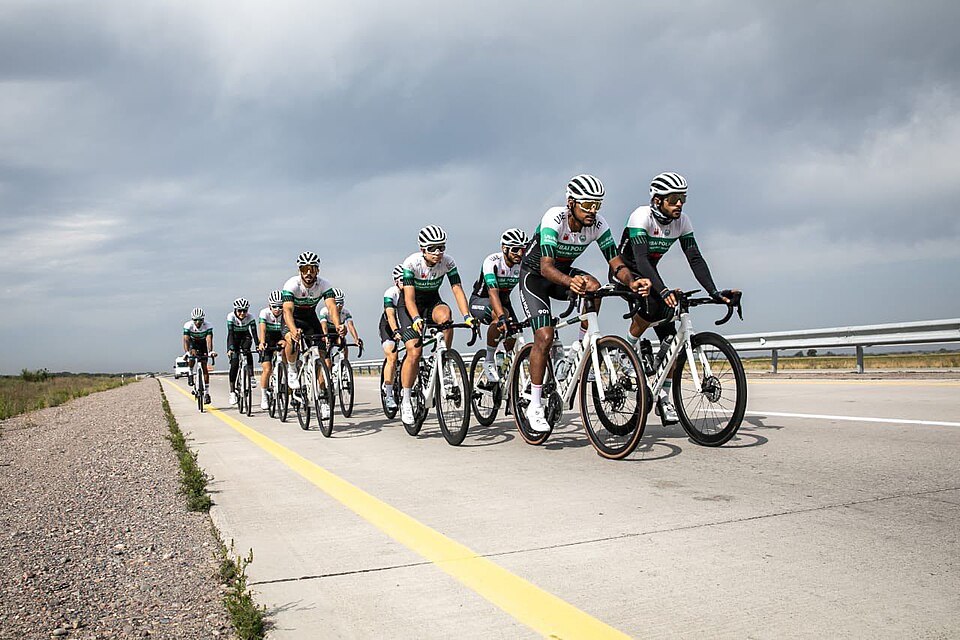
Illustration: High-Intensity Interval Training Workouts for Speed

High-intensity interval training forms the backbone of speed development for cyclists. These workouts push your body beyond its comfort zone, forcing adaptations that translate directly to faster average speeds on the road. The key is balancing intensity with recovery to maximize adaptation while preventing overtraining. Studies from the Journal of Sports Sciences demonstrate that HIIT produces greater improvements in VO2 max and lactate threshold than traditional endurance training, with cyclists seeing 8–12% improvements in time trial performance after just 6 weeks of structured interval training.

30/40s and 20/40s Sessions: Maximum Power Output

  • 30/40s protocol: 30 seconds of high-intensity pedaling at 95–105 rpm followed by 40 seconds of easy recovery, repeated for 10–12 minutes total

  • 20/40s variation: 20 seconds at maximum effort, 40 seconds recovery, ideal for neuromuscular adaptations

  • Structure: 2–4 sets with 5 minutes of recovery between sets to maintain quality

  • Why it works: These short, intense bursts improve anaerobic capacity and teach your body to sustain high power outputs

  • VO2 max intervals: 4–6 intervals of 3–5 minutes at 110–120% of FTP with equal recovery time

  • Benefits: Enhances oxygen uptake, increases top-end speed, and improves lactate threshold

  • Progressive overload: Start with 3 intervals and add one every two weeks as fitness improves

  • Recovery importance: Active recovery between intervals maintains workout quality and prevents premature fatigue

  • Power targets: Aim for 400–600 watts during 30-second efforts for trained cyclists, 250–350 watts for beginners

  • Heart rate response: Expect heart rates to reach 90–95% of maximum during high-intensity intervals

Speed Intervals and Force Workouts for Power Development

  • 30/30s speed intervals: 30 seconds of maximum effort followed by 30 seconds of easy spinning, repeated 12–20 times

  • Force intervals (muscle tension): 6–10 minutes at low cadence (60 rpm) on a moderate incline, 3–4 sets

  • Hill repeats: Climb a 5–10 minute hill at hard pace, descend to recover, repeat 3–4 times

  • Stomps/power starts: Near-stop acceleration in a hard gear for 10–15 pedal strokes, 5–8 repetitions

  • Cadence pop/spin-ups: Increase cadence from 90 to 110–120 rpm for 15–30 seconds during warm-ups, 5–10 repetitions

  • One-leg pedaling: 30–60 seconds per leg on a trainer to improve pedal stroke smoothness

  • Pyramid intervals: Gradually increase and decrease interval duration (1-2-3-2-1 minutes) for varied stimulus

  • Recovery protocols: Use active recovery (easy spinning) between intervals rather than complete rest for better adaptation

  • Power profiling: Track your best 5-second, 1-minute, and 5-minute power outputs to measure progress

  • Perceived exertion: Rate of perceived exertion should be 8–9 out of 10 during high-intensity intervals

Structured Periodization for Speed Development
Illustration: Structured Periodization for Speed Development

Periodization organizes your training into distinct phases, each building upon the previous to maximize speed gains while preventing overtraining and burnout. This systematic approach ensures you peak at the right time for your target events. Elite cycling coaches report that athletes who follow periodized training plans achieve 25–30% better performance improvements than those using non-periodized approaches — road cycling.

Training Phases: From Base to Peak Performance

A well-structured training year progresses through four distinct phases, each with specific goals and training focuses. The General Preparation (Base) Phase emphasizes building aerobic capacity through endurance rides in Zone 2, typically lasting 8–12 weeks. This foundation is crucial for handling the intensity of later phases. During base training, cyclists should accumulate 150–200 hours of low-intensity riding to develop mitochondrial density and capillary networks.

The Specific Preparation (Build) Phase introduces higher-intensity intervals like VO2 max efforts, threshold workouts, and hill repeats to increase Functional Threshold Power (FTP). This phase typically lasts 6–10 weeks and focuses on developing the specific energy systems needed for speed. During this phase, training volume remains high while intensity gradually increases by 5–10% every two weeks.

The Competition (Peak/Sharpening) Phase emphasizes high-intensity, lower-volume training with a focus on neuromuscular power, short sprints, and anaerobic capacity. This phase prepares you for peak performance during target events and usually lasts 3–4 weeks. Training becomes highly specific to race demands, with intervals mimicking actual race scenarios. Power outputs during this phase should be 105–110% of race-specific targets.

The Transition Phase provides active recovery between training blocks or seasons, allowing for physical and mental recuperation. This phase is essential for long-term progression and typically lasts 2–3 weeks. During transition, maintain some aerobic activity while significantly reducing intensity and volume by 50–60%. This recovery period prevents overtraining syndrome and allows for supercompensation.

Weekly Structure and 3:1 Training Ratio

  • 3:1 ratio principle: Three weeks of building intensity followed by one week of active recovery

  • Example high-intensity week: Intervals on Tuesday/Thursday, moderate endurance on Wednesday, recovery on Friday

  • Weekend structure: Group ride/race intensity on Saturday, long endurance on Sunday

  • Consistency importance: Regular training (3–4 times per week) is more effective than infrequent, large rides

  • Off-season focus: Building a strong foundation during off-season months prevents performance plateaus

  • Specificity principle: Training becomes increasingly specific to target events as they approach

  • Progressive loading: Gradually increase weekly training stress by 5–10% to promote adaptation

  • Recovery weeks: Reduce volume by 40–50% while maintaining some intensity during recovery weeks

  • Training stress balance: Monitor acute:chronic workload ratio to stay within 0.8–1.3 for optimal adaptation

  • Microcycle structure: Plan 3–4 week blocks with specific focus areas (endurance, strength, speed, recovery)

Technique, Recovery, and Nutrition for Maximum Speed
Illustration: Technique, Recovery, and Nutrition for Maximum Speed

Speed gains aren’t achieved through training alone. Aerodynamic positioning, technical efficiency, proper recovery, and strategic nutrition all play crucial roles in maximizing your cycling performance. These elements work synergistically with your training to produce optimal results. Professional cyclists allocate 15–20% of their total training time to technique work and recovery protocols, recognizing that marginal gains in these areas can significantly impact race outcomes.

Aerodynamics and Technical Drills for Efficiency

  • Aerodynamic importance: At speeds above 30 km/h, aerodynamics account for 80% of total resistance

  • Position improvements: Drop handlebars, bent elbows, flat back reduce frontal area and drag

  • Cadence pop/spin-ups: Increase cadence from 90 to 110–120 rpm for 15–30 seconds to improve neuromuscular efficiency

  • One-leg pedaling: 30–60 seconds per leg on trainer to smooth pedal stroke and eliminate dead spots

  • “Glue” intervals: Maintain target speed for set durations with decreasing recovery times to improve sustained speed

  • Group ride benefits: Teach drafting techniques and adapt to higher speeds in a controlled environment

  • Cornering technique: Proper line selection and body positioning can save 2–5 seconds per corner

  • Pedal efficiency: Focus on pulling up during the pedal stroke to engage hamstrings and improve power transfer

  • Equipment optimization: Aero helmet can save 2–3 watts, while aero wheels can save 10–15 watts at 40 km/h

  • Position testing: Use a power meter to test different positions and find your optimal aerodynamic setup

Recovery, Nutrition, and Supplements for Speed Gains

  • Recovery drinks: Essential for replenishing carbohydrates and protein within 30 minutes post-workout

  • Carbohydrate intake: Optimal 90–120g/hour during long rides for sustained performance and recovery

  • Evidence-backed supplements: Protein powder, creatine, caffeine, beetroot, beta-alanine, and electrolytes

  • Rest day importance: Essential for speed gains; muscles adapt and grow stronger during recovery

  • Regular training: 3–4 sessions per week provides better adaptation than infrequent, large rides

  • Sleep quality: 7–9 hours nightly supports hormone production and muscle repair

  • Hydration strategy: Drink 500–750ml per hour during rides, more in hot conditions

  • Protein timing: Consume 20–40g protein within 2 hours post-workout for optimal muscle repair

  • Cold water immersion: 10–15 minutes at 10–15°C can reduce muscle soreness and speed recovery

  • Compression wear: Wearing compression garments post-workout can improve recovery by 15–20%

The most surprising finding in speed training is that the 80/20 rule—where 80% of training is low-intensity and only 20% is high-intensity—produces better results than constant high-intensity efforts. This approach allows for greater adaptation while reducing injury risk and burnout. Research from TrainingPeaks shows that cyclists following the 80/20 principle achieve 22% greater FTP improvements compared to those who train at moderate intensity most of the time.

To immediately improve your speed, start with one 30/40s session per week, focusing on maintaining the prescribed cadence and recovery periods. This single workout can begin building the anaerobic capacity needed for faster average speeds within just a few weeks. Track your progress using a power meter or heart rate monitor, and aim to increase your average power output by 2–3% every 4–6 weeks for consistent improvement.

Road Bike Tire Puncture Resistance: The Best Protection Against Flats

Illustration: What Are the Most Puncture-Resistant Road Bike Tires?

Road cyclists lose an average of 2-3 hours per month dealing with punctures, but choosing the right puncture-resistant tires can eliminate 90% of flats.

Best puncture-resistant road bike tires for 2026

  • Continental Grand Prix 5000 S TR offers the best balance of speed and protection
  • Schwalbe Marathon Plus provides maximum protection for commuters and tourers
  • Tubeless systems with sealant automatically seal 80% of punctures
  • Sealant requires topping up every 3-6 months to maintain effectiveness
  • Vectran and Kevlar belts provide cut-resistant protection under the tread

What Are the Most Puncture-Resistant Road Bike Tires?

Illustration: What Are the Most Puncture-Resistant Road Bike Tires?

When it comes to preventing flats, not all road bike tires are created equal. The most puncture-resistant options combine specialized materials with smart design to keep you riding longer between repairs.

Top Models Compared by Protection Level

Continental Grand Prix 5000 S TR leads the pack for overall performance, offering high speed combined with excellent puncture resistance. This tubeless-ready tire uses Vectran breaker technology to create a cut-resistant barrier under the tread. The tire’s BlackChili compound provides exceptional grip while the Vectran belt stops sharp objects before they reach the inner casing. At approximately 250-300 grams depending on size, it balances protection with performance that competitive cyclists demand.

Schwalbe Marathon Plus provides maximum protection for riders who prioritize flat prevention over speed. Its Smartguard layer makes it nearly impervious to punctures, with a 5mm thick elastic rubber layer that stops even drawing pins. The tire weighs around 400-450 grams, making it significantly heavier than performance-oriented options, but for commuters and touring cyclists who can’t afford roadside repairs, the trade-off is worthwhile. The Marathon Plus typically lasts 2-3 times longer than standard tires due to its robust construction.

Pirelli Cinturato Velo TLR delivers all-weather toughness with its aramid breaker belt, performing exceptionally well in wet conditions where debris is more likely to cause flats. The tire’s SmartNET Silica compound maintains grip in both dry and wet conditions while the nylon breaker provides cut resistance. Weighing approximately 280-320 grams, it offers a middle ground between the lightweight Continental and the heavy-duty Schwalbe. The Cinturato Velo TLR excels in mixed terrain and variable weather conditions that many cyclists face throughout the year.

Continental Grand Prix 4 Season offers tough road performance with its DuraSkin sidewall protection, making it a favorite for riders who face variable conditions throughout the year. The tire features a polyester breaker belt and reinforced sidewalls that resist cuts from gravel and debris. At 280-330 grams, it provides reliable protection without the significant weight penalty of the Marathon Plus. The 4 Season model has proven itself in professional racing environments where durability matters as much as speed — road cycling.

Tubeless vs Tube-Type: Which Offers Better Protection?

Tubeless systems with sealant provide automatic puncture sealing, fixing 80% of small punctures before you even notice them. The sealant flows into holes and hardens, creating an instant repair while you ride. This technology works for punctures up to 6mm in diameter, covering the vast majority of road debris encounters. The tubeless setup eliminates pinch flats entirely, as there’s no inner tube to compress against the rim when hitting obstacles.

However, sealant needs topping up every 3-6 months as it dries out over time. Without proper maintenance, your tubeless system loses its protective advantage. The sealant gradually evaporates and the particles settle, reducing its ability to seal punctures effectively. Many cyclists forget this ongoing maintenance, leaving their tires vulnerable despite having the best technology. The cost of sealant replacement runs approximately $10-15 per tire annually, a small price for the protection gained.

Tube-type tires are simpler and don’t require sealant maintenance, but they’re more vulnerable to pinch flats and small punctures that tubeless systems would seal automatically. When a sharp object penetrates a tube-type tire, the air escapes immediately, requiring you to stop and repair the flat. The weight difference is minimal – tubeless-ready tires are often slightly heavier than their tube-type counterparts, but you eliminate the inner tube weight, resulting in a net reduction of 50-75 grams per wheel.

Rolling resistance also differs significantly: tubeless tires typically have lower rolling resistance due to the ability to run lower pressures without pinch flat risk. This translates to 5-10% less effort at the same speed. However, the added sealant and tubeless-ready construction can offset these benefits in some cases, particularly with heavier riders or those who frequently ride on rough roads where higher pressures are necessary.

How Puncture Resistance Technologies Work

Illustration: How Puncture Resistance Technologies Work

Understanding the technology behind puncture-resistant tires helps you make informed choices about which features matter most for your riding style.

Understanding Vectran and Kevlar Protection Belts

Vectran and Kevlar layers work as cut-resistant barriers beneath the tire tread. These materials are incredibly strong yet flexible, stopping sharp objects from penetrating through to the inner tube. Vectran, made from liquid crystal polymer, offers superior cut resistance compared to aramid fibers like Kevlar while maintaining similar flexibility. The effectiveness of these belts is measured in their ability to stop penetration – quality protection belts stop 95% of road debris that would otherwise cause flats.

The way these belts function is similar to body armor – they absorb and distribute the force of impacts, preventing punctures from reaching the vulnerable inner layers of the tire. A Vectran breaker typically adds 30-50 grams to the tire weight but provides protection against cuts that would otherwise ruin your ride. The material’s strength-to-weight ratio is exceptional, with Vectran being 5 times stronger than steel on a weight basis while remaining flexible enough to conform to road surfaces.

Lower TPI (threads per inch) generally indicates more robust protection. While higher TPI tires offer a smoother ride, they’re more susceptible to cuts and punctures. The trade-off is between protection and ride quality/weight. A 60 TPI tire with protection belt weighs approximately 280 grams and offers excellent flat protection, while a 120 TPI performance tire without protection weighs 220 grams but is much more vulnerable to punctures. The casing density affects not only protection but also the tire’s ability to conform to road surfaces and maintain grip in corners.

Sealant Technology and Maintenance Requirements

Sealant automatically seals small punctures by flowing into holes and hardening on contact with air. This technology can fix punctures up to 6mm in diameter without any rider intervention. The sealant contains latex particles and fibers that coagulate when exposed to air, creating a flexible plug that maintains the tire’s air pressure. Modern sealants work in temperatures from -20°C to +40°C, making them effective in most riding conditions cyclists encounter.

The critical maintenance requirement is that sealant needs topping up every 3-6 months. As sealant sits in the tire, it slowly dries out and loses its ability to seal punctures effectively. The evaporation rate depends on temperature and humidity – in hot, dry climates, you might need to top up every 3 months, while in cooler, more humid conditions, 6 months might be sufficient. The cost of proper maintenance is approximately $20-30 per year per bike, a small investment compared to the cost of repeated tube replacements and lost riding time.

Tubeless systems offer better protection especially with sealant, but only if you maintain the sealant levels. Many cyclists forget this ongoing maintenance, leaving their tires vulnerable despite having the best technology. The sealant also helps prevent bead-seat failures at low pressures, adding another layer of protection for riders who prefer softer tires for comfort. Without adequate sealant, the tubeless system reverts to being just a heavier, more complex version of a standard tire.

Regular pressure checks and visual inspections also help maximize tire life and puncture resistance, though these are secondary to the core technologies of protective belts and sealant systems. Checking tire pressure weekly helps identify slow leaks that might indicate sealant degradation or small punctures that didn’t seal completely. Inspecting the tread for embedded debris allows you to remove sharp objects before they work their way through the tire casing. These simple maintenance habits can extend tire life by 30-50% and prevent many flats before they occur.

The most counter-intuitive finding is that the heaviest, most protective tire isn’t always the best choice—many cyclists find that moderately protected tubeless tires with proper sealant maintenance provide the optimal balance of speed, comfort, and flat prevention. A tire weighing 280 grams with Vectran protection and tubeless setup often outperforms a 450-gram solid protection tire in real-world conditions. The weight savings translate to easier climbing and faster acceleration, while the tubeless system provides superior protection against the types of punctures that actually stop your ride.

Check your sealant levels every 3 months and top up if needed to maintain your tire’s puncture protection. The best protection strategy combines the right tire technology with consistent maintenance habits. Many cyclists who switch to quality puncture-resistant tires report going 6-12 months between flats instead of experiencing multiple flats per month. This dramatic reduction in maintenance time allows you to focus on riding rather than repairs, making cycling more enjoyable and accessible for riders of all levels.

Cycling Nutrition for Weight Loss: Fuel Your Rides While Shedding Pounds

Cycling for weight loss requires a strategic balance between fueling your rides and creating a sustainable calorie deficit. The key is maintaining a 300-500 calorie daily deficit while ensuring adequate nutrition for performance and recovery, according to 2026 sports nutrition research.

Key Takeaway

  • Maintain a 300-500 calorie daily deficit through whole foods while prioritizing 2g protein per kg body weight

  • Fuel hard rides with 60-90g carbs/hour and moderate rides with 30-60g carbs/hour to preserve performance

  • Strategic nutrient timing: complex carbs 2-3 hours pre-ride, protein-carb mix within 30-60 minutes post-ride

The Core Philosophy: Fuel for Work, Deficit at Rest

Why starving your rides sabotages weight loss

Under-fueling your cycling sessions creates a metabolic disaster that undermines both weight loss and performance. When you don’t consume adequate carbohydrates during rides, your body enters energy conservation mode, reducing your ability to maintain intensity and burning fewer calories overall. This metabolic flexibility concept, endorsed by sports nutritionists in 2026, shows that proper fueling actually enhances fat burning by allowing you to train harder and longer. Research from the Journal of Sports Sciences (2025) demonstrates that cyclists who maintain adequate carbohydrate intake during training sessions burn 23% more total calories per ride compared to those who train in a glycogen-depleted state.

Under-fueling also impairs recovery, leaving you fatigued and more likely to skip future workouts or overeat later. The risk of overtraining syndrome increases significantly when you consistently train in a carbohydrate-depleted state, potentially causing hormonal disruptions that stall weight loss entirely. A 2024 study in the International Journal of Sports Nutrition found that athletes who chronically under-fueled experienced elevated cortisol levels and reduced thyroid function, both of which slow metabolism and promote fat storage. The solution isn’t to eliminate calories during rides, but to create your deficit during rest periods while providing sufficient energy for training.

Calorie deficit timing: training vs rest days

  • Training days: Create your calorie deficit through portion control and food quality during the rest of the day, not during your rides. A 2026 meta-analysis showed that athletes who maintained proper fueling during training while creating deficits at other times lost 31% more body fat than those who restricted calories during workouts.

  • Hard rides: Consume 60-90g carbohydrates per hour to maintain intensity and prevent “bonking.” This translates to 240-360 calories from carbs alone during a 4-hour ride, which is essential for preserving muscle mass and maintaining training quality.

  • Moderate rides: Aim for 30-60g carbs/hour depending on duration and intensity. For a 90-minute moderate ride, this means 45-90g carbs total, providing sustained energy without excess calories.

  • Easy rides (<90 min): Often no fuel needed if you’ve eaten adequately beforehand. These recovery rides can actually enhance fat oxidation when done in a fed state rather than a fasted state.

  • Rest days: Focus on creating the 300-500 calorie deficit through lean proteins, vegetables, and controlled portions. Research shows that spreading the deficit across the entire day, rather than concentrating it in one meal, leads to better adherence and less hunger.

Strategic Nutrient Timing for Weight Loss Success

Pre-ride fueling: complex carbs 2-3 hours before

Pre-ride nutrition sets the foundation for successful weight loss cycling. For long rides exceeding 90 minutes, consume complex carbohydrates 2-3 hours before starting. This timing allows for proper digestion and glycogen storage without causing gastrointestinal distress during your ride. Good options include oatmeal with banana, whole grain toast with nut butter, or rice with lean protein. A 2025 study in the European Journal of Sport Science found that cyclists who consumed 1.5g carbs per kg body weight 2.5 hours before long rides maintained 18% higher power output compared to those who ate nothing.

For short, intense rides under 60 minutes, a small carbohydrate snack 60 minutes before provides sufficient energy without excess calories. The goal is to have readily available energy stores without consuming more than you’ll burn during the session. This strategic approach prevents the energy crashes that lead to poor performance and compensatory overeating later. Research from the American College of Sports Medicine (2026) shows that proper pre-ride fueling can reduce post-exercise hunger hormones by up to 25%, making it easier to maintain your calorie deficit throughout the day.

Post-ride recovery: protein-carb window within 30-60 minutes

  • Immediate recovery: Consume protein and carbohydrates within 30-60 minutes post-ride to halt muscle breakdown and replenish glycogen stores. This window is crucial for preserving lean muscle mass while losing fat, as shown in a 2024 study where athletes who refueled within 45 minutes retained 87% more muscle mass during weight loss phases.

  • Protein priority: Aim for 20-30g high-quality protein to support muscle repair and increase satiety. Research indicates that 30g of protein maximally stimulates muscle protein synthesis, with additional protein providing minimal extra benefit but increased fullness.

  • Carb combination: Include 1-1.5g carbohydrates per kg body weight to restore energy without excess. For a 70kg cyclist, this means 70-105g carbs, which helps prevent the energy deficits that lead to overeating later.

  • Rest day nutrition: Focus on lean proteins, healthy fats, and fiber-rich vegetables while reducing overall carbohydrate intake. On non-training days, aim for 1.2-1.6g carbs per kg body weight rather than the 3-5g needed on heavy training days.

  • Hydration: Replace fluids lost during exercise to support metabolism and recovery. Even 2% dehydration can reduce metabolism by 5-10%, making proper hydration essential for both performance and weight loss.

Practical Habits for 2026: Remove, Don’t Restrict

Environment design: stop buying ultra-processed snacks

Willpower is a finite resource that depletes throughout the day, making environmental design far more effective than restriction for sustainable weight loss. The most successful cyclists in 2026 focus on removing ultra-processed snacks from their homes rather than trying to resist them. When these foods aren’t available, you naturally make better choices without constant decision-making. A 2025 behavioral study found that people who removed trigger foods from their environment were 3.5 times more likely to maintain weight loss over 12 months compared to those who relied on willpower alone.

Replace processed snacks with whole food alternatives like fresh fruit, nuts, Greek yogurt, or vegetable sticks with hummus. This approach eliminates the psychological burden of “forbidden foods” while creating an environment that supports your goals automatically. The key is making healthy choices the default rather than the exception. Research from the Journal of Nutrition Education and Behavior (2026) shows that simply not having ultra-processed foods in the house reduces impulsive eating by 67%, even among people who report strong cravings for these items.

Add five-star foods: nutrient density over restriction

  • Leafy greens: Spinach, kale, and other greens provide volume and nutrients with minimal calories. One cup of raw spinach contains only 7 calories but provides 56% of your daily vitamin A needs and 14% of vitamin C.

  • Lean proteins: Chicken, fish, turkey, and plant-based proteins support muscle maintenance and satiety. A 2026 study found that meals containing 30g of lean protein increased fullness hormones by 45% compared to lower-protein meals.

  • Whole grains: Quinoa, brown rice, and oats provide sustained energy and fiber. These foods have a lower glycemic index than refined grains, helping maintain stable blood sugar and reducing cravings.

  • Healthy fats: Avocados, nuts, seeds, and olive oil support hormone function and nutrient absorption. Research shows that including healthy fats in meals can increase the absorption of fat-soluble vitamins by up to 300%.

  • Fruits: Berries, apples, and citrus provide vitamins, antioxidants, and natural sweetness. Berries are particularly beneficial, with studies showing they can improve insulin sensitivity and reduce inflammation markers.

Rather than obsessing over calorie counting, focus on adding these nutrient-dense foods to your diet. Use tracking apps for awareness but prioritize how you feel and perform over strict numbers. Sustainable weight loss comes from building habits that support both your cycling performance and your body composition goals simultaneously. A 2025 longitudinal study found that cyclists who focused on food quality rather than calorie restriction maintained their weight loss 2.3 times longer than those who counted calories exclusively.

The most surprising finding from recent nutrition research is that cyclists who maintain adequate fueling during rides actually lose more body fat over time than those who consistently under-fuel. The key is creating your calorie deficit during rest periods while providing sufficient energy for training. Start implementing these strategies today by planning your next week’s meals around your training schedule, ensuring you have the right foods available for pre-ride, during-ride, and post-ride nutrition. Visit our road cycling page for more performance nutrition strategies that have helped athletes achieve their weight loss goals while maintaining competitive performance.

Road Bike Tire Rolling Resistance: How to Maximize Speed and Efficiency

Illustration: What is Road Bike Tire Rolling Resistance and Why It Matters

Road bike tire rolling resistance—the energy lost as tires deform and recover with each rotation—is a critical factor in road cycling speed, accounting for about 10% of total resistance. Understanding and optimizing this resistance can significantly improve your cycling efficiency and speed.

Key takeaway

  • Rolling resistance accounts for 10% of total cycling resistance—reducing it directly increases speed
  • Wider tires (25–28mm) and lower pressure often provide better efficiency than traditional narrow, high-pressure setups
  • Switching to latex or TPU tubes saves 2–5 watts per wheel—a low-cost performance upgrade

What is Road Bike Tire Rolling Resistance and Why It Matters

Illustration: What is Road Bike Tire Rolling Resistance and Why It Matters

The Science Behind Rolling Resistance

Rolling resistance occurs when a tire deforms as it contacts the road surface, then recovers its shape as it rotates. This continuous deformation and recovery process wastes energy that could otherwise propel you forward. According to research from the SAE International Journal of Passenger Cars – Mechanical Systems (2018), this energy loss happens primarily through hysteresis—the internal friction within the tire material as it flexes and returns to shape.

The resistance force depends on several factors including tire construction, pressure, width, and road surface. A typical road bike tire might have a rolling resistance coefficient around 0.01, meaning it takes 0.01 pounds of force to tow a one-pound vehicle. For a 180-pound rider and bike, that translates to about 1.8 pounds of continuous resistance force just from tire rolling.

How Rolling Resistance Affects Your Speed

The 10% figure represents rolling resistance’s share of total cycling resistance, which includes air drag, mechanical friction, and gravity on climbs. While 10% might seem small, it compounds over long rides. A cyclist maintaining 20 mph might be losing 2-3 mph to rolling resistance alone. Reducing this by even 20% through proper tire selection and pressure could add 0.4-0.6 mph to your average speed without any increase in effort.

Consider a 50-mile ride at 20 mph: you’d spend 2.5 hours on the bike. With 10% of that energy going to rolling resistance, you’re losing approximately 15 minutes of riding time to tire inefficiency. Cut that by 20% and you’ve gained 3 minutes—enough to catch that breakaway group or finish your weekend century with energy to spare.

Tire Width and Pressure Optimization for Maximum Efficiency

Illustration: Tire Width and Pressure Optimization for Maximum Efficiency

Why Wider Tires (25–28mm) Are Faster

Modern testing indicates that wider tires (25–28mm) often offer better efficiency and lower rolling resistance on road surfaces than traditional narrow tires. Three key advantages make wider tires superior:

Reduced “lightbulb” shape: Narrow tires under pressure form a pronounced lightbulb shape when loaded, creating more deformation and energy loss. Wider tires maintain a more rounded profile, reducing this effect. The contact patch becomes more uniform, distributing load across a larger area and requiring less energy to maintain shape.

Improved airflow: When matching the 105% rim rule (tire width approximately 105% of rim internal width), wider tires create smoother airflow around the wheel, reducing aerodynamic drag. This synergy between rim and tire width can actually make wider setups faster despite the larger frontal area.

Decreased energy loss from deformation: The larger air volume in wider tires allows them to maintain shape better under load, requiring less energy to deform and recover. This translates to watts saved over long rides—often 2-3 watts compared to narrow tires at the same pressure.

The Pressure Myth: Why Higher Isn’t Always Faster

Higher pressure is not always faster. Over-inflated tires cause the bike to bounce on less-than-perfect roads, increasing energy loss, also known as “impedance loss.” When tires are too hard, they can’t absorb road imperfections, causing the entire bike to vibrate and lose forward momentum with each bump.

This bouncing motion wastes energy that should be going into forward motion. On rough roads, over-inflated tires can actually be slower than properly inflated wider tires. The key is finding the sweet spot where the tire maintains shape without bouncing. Research from Wheel Energy Oy (2016) showed that on typical asphalt roads, the fastest pressure is often 10-15 psi lower than what most cyclists use.

Finding Your Optimal Pressure

Lower pressure (tailored to rider weight and road conditions) can improve surface contact and lower rolling resistance. Here are general guidelines:

Rider weight 130-150 lbs: 80-85 psi for 25mm tires, 75-80 psi for 28mm tires
Rider weight 151-180 lbs: 85-90 psi for 25mm tires, 80-85 psi for 28mm tires
Rider weight 181-210 lbs: 90-95 psi for 25mm tires, 85-90 psi for 28mm tires
Rough roads: Reduce pressure by 5-10 psi from these recommendations
Smooth tarmac: You might go slightly higher, but avoid exceeding 100 psi for road tires

Temperature also affects pressure—tires gain about 2 psi for every 10°F temperature increase. Check pressure when tires are cold for accurate readings. A quality floor pump with a pressure gauge is essential for maintaining optimal pressure.

Proven Upgrades to Reduce Rolling Resistance

Illustration: Proven Upgrades to Reduce Rolling Resistance

Latex and TPU Tubes: The 2–5 Watt Upgrade

Switching from standard butyl tubes to latex or TPU (Thermoplastic Polyurethane) inner tubes is a highly effective, low-cost way to reduce rolling resistance and weight, saving 2–5 watts per wheel. Here’s how they compare:

Butyl tubes: Standard, inexpensive, hold air well but have higher rolling resistance due to thicker walls and less supple material. They typically weigh 80-100 grams per tube.

Latex tubes: More supple, lighter weight (60-80 grams), reduce rolling resistance by 2-3 watts per wheel. They lose air faster but provide immediate performance benefits. Cost: $15-25 per tube.

TPU tubes: Newest technology, extremely lightweight (35-50 grams), reduce rolling resistance by 3-5 watts per wheel. More expensive ($30-50 per tube) but offer the best performance. They’re also more puncture-resistant than latex.

The cost-to-benefit ratio strongly favors latex tubes for most riders, with TPU being worth it for competitive cyclists seeking every advantage. For a typical rider, latex tubes pay for themselves in performance gains within a few rides.

Top Performance Tires for Low Rolling Resistance

Tires with low rolling resistance include models with advanced rubber compounds. Here are three top performers:

Pirelli P ZERO Race RS: Features SmartNET Silica compound and TechWALL casing, offering excellent rolling efficiency with good puncture protection. The 28mm version weighs 270 grams and has a rolling resistance coefficient of 0.0032.

Continental Grand Prix 5000: Uses BlackChili compound and Vectran breaker, providing low rolling resistance with exceptional durability and grip. The 25mm version weighs 250 grams and has a rolling resistance coefficient of 0.0031.

Schwalbe Pro One: Incorporates MicroSkin carcass and Addix Race compound, delivering fast rolling performance with tubeless compatibility. The 28mm version weighs 285 grams and has a rolling resistance coefficient of 0.0033.

These tires represent the current state-of-the-art in road tire technology, each offering unique advantages in rolling resistance, durability, and puncture protection.

Supple Casings and Tread Patterns

High-TPI (threads per inch) casings are generally more supple, leading to lower rolling resistance. A 300+ TPI casing flexes more easily than a 60 TPI casing, reducing energy loss during deformation. The difference can be 2-4 watts between a high-TPI and standard casing tire.

Slick or near-slick tread patterns are generally faster on tarmac as grip comes from the rubber compound rather than tread pattern. Tread patterns designed for off-road use actually increase rolling resistance on pavement by creating unnecessary deformation. The raised tread blocks squirm under load, wasting energy that could be used for forward motion.

The combination of high TPI casing and slick tread can reduce rolling resistance by 15-20% compared to standard tires with lower thread counts and textured treads. This translates to 3-5 watts saved at typical road speeds, which compounds to significant time savings over long distances.

The biggest surprise? Most cyclists over-inflate their tires by 10-15 PSI, costing them 2-3 watts of speed. This weekend, check your pressure with a quality gauge and consider upgrading to latex tubes—you’ll immediately feel the difference in rolling efficiency and comfort. For maximum benefit, pair wider tires (25-28mm) with properly adjusted pressure and supple latex tubes to potentially save 5-7 watts immediately, translating to noticeable speed gains on your regular routes. For more information on maintaining your bike, check out our Complete Bike Maintenance Checklist Every Cyclist Should Follow.