Cycling Training for Women: Gender-Specific Training Considerations

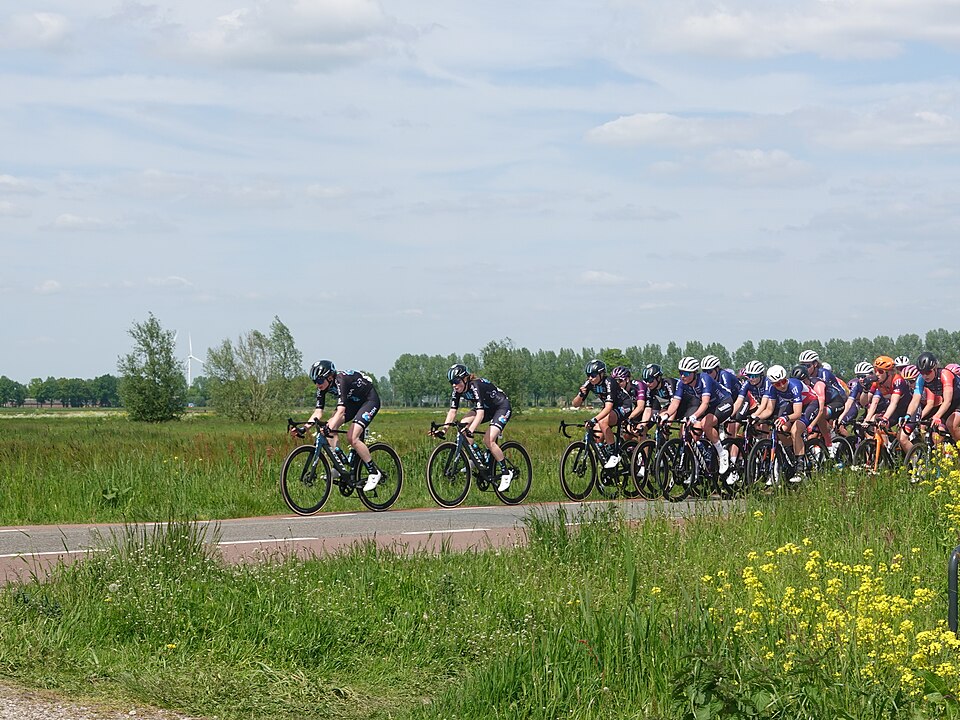
Illustration: How Women's Physiology Affects Cycling Performance

Cycling training for women requires understanding how female physiology differs from men’s and adapting training approaches accordingly. Women’s bodies have unique advantages and challenges that, when properly addressed, can lead to optimized performance and results in road cycling.

Key takeaway

  • Women have 10-12% lower hemoglobin per kg body mass, requiring higher relative training loads
  • Female cyclists excel at fat oxidation and sprint fatigue resistance but have lower absolute power
  • Strength training provides greater relative gains in cycling economy for women
  • Menstrual cycle phases should guide training intensity and recovery periods
  • Women’s pro races are shorter (4.5-5hrs vs men’s 6+hrs) but demand higher relative loads

How Women’s Physiology Affects Cycling Performance
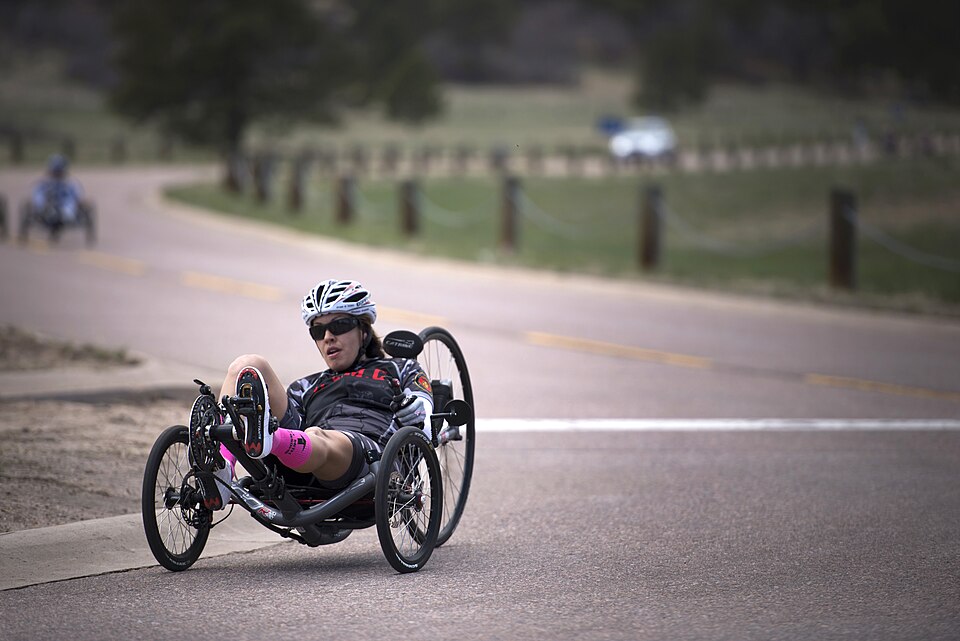
Illustration: How Women's Physiology Affects Cycling Performance

Women’s physiological differences from men create both advantages and challenges in cycling performance. Understanding these differences is crucial for developing effective training strategies.

Hemoglobin and Oxygen Transport Differences: 10-12% Lower Per Kg Body Mass

Women have approximately 10-12% lower hemoglobin per kilogram of body mass compared to men, according to CyclingWeekly’s 2017 analysis of gender differences in cycling. This reduction in oxygen-carrying capacity means women’s muscles receive less oxygen during high-intensity efforts, which can limit VO2 max and overall aerobic performance. The iron requirement for women is also higher at 14.8mg per day, and even more when active, to support blood production and oxygen transport. These physiological differences necessitate higher relative training loads to achieve comparable adaptations to male cyclists.

Fat Oxidation and Sprint Fatigue Resistance: Women’s Metabolic Advantages

Women possess several metabolic advantages that benefit cycling performance. Female cyclists excel at fat oxidation during submaximal efforts, allowing them to spare glycogen stores and maintain energy levels during longer rides. Research from OnlineCycleCoaching shows women can sustain higher percentages of their maximum fat-burning capacity compared to men. Additionally, women demonstrate superior sprint fatigue resistance, maintaining power output better during repeated high-intensity efforts. These advantages create different energy system demands, with women relying more heavily on aerobic metabolism and fat as fuel sources during endurance efforts.

Power Output and VO2 Max: Understanding the Performance Gap

Women typically have lower absolute power output and VO2 max compared to men of similar training status. This performance gap stems from physiological differences including smaller muscle mass, lower hemoglobin levels, and hormonal variations. However, when training loads are measured relatively (as a percentage of maximum capacity), women often require higher relative intensities to achieve similar adaptations. Human Kinetics research from 2023 demonstrated that women’s professional races show higher relative training impulse (TRIMP) scores despite shorter race durations, indicating greater relative physiological stress during competition.

Training with Your Menstrual Cycle: Phase-Specific Strategies

The menstrual cycle creates hormonal fluctuations that significantly impact training capacity, recovery needs, and performance potential. By aligning training with these natural cycles, female cyclists can optimize their workouts and recovery periods.

Follicular Phase: High-Intensity Training and Power Development

The follicular phase (approximately days 1-14 of the cycle) is characterized by rising estrogen levels and typically lower core body temperature. This phase supports high-intensity training and power development exceptionally well. Research from Frontiers in Sports and Active Living (2024) indicates that women can handle greater training stress and recover more quickly during the early follicular phase. This makes it an ideal time for VO2 max intervals, sprint workouts, and strength training sessions. The hormonal environment during this phase also enhances protein synthesis and muscle recovery, supporting adaptation to high-intensity stimuli.

Luteal Phase: Endurance Focus and Fat-Burning Optimization

The luteal phase (approximately days 15-28) features higher progesterone levels and elevated core body temperature. During this phase, women’s bodies are primed for endurance efforts and fat oxidation. Training should emphasize longer, steady-state rides that capitalize on the enhanced fat-burning capacity. The increased reliance on fat as fuel during this phase means glycogen stores are preserved more effectively, making it an excellent time for base-building and endurance development. Recovery needs may increase slightly during the late luteal phase as core temperature rises and hydration requirements change.

Recovery and Nutrition Adjustments Across the Cycle

Recovery and nutrition strategies should be adjusted throughout the menstrual cycle to support training adaptations and hormonal fluctuations. During high-intensity training phases, particularly in the follicular phase, protein timing becomes crucial. Research suggests consuming 20-30g of protein with 2-3g of leucine within 30 minutes post-training optimizes muscle protein synthesis. Iron-rich foods become especially important during menstruation to replace blood losses and support oxygen transport. Hydration needs increase during the luteal phase due to elevated core temperature, requiring additional electrolyte attention. Adjusting training intensity based on perceived exertion and recovery status, rather than rigid percentage-based prescriptions, often yields better results for female cyclists.

Strength Training: Greater Relative Gains for Female Cyclists

Illustration: Strength Training: Greater Relative Gains for Female Cyclists

Strength training provides unique benefits for female cyclists, with research showing greater relative gains in cycling economy compared to male counterparts. Understanding these adaptations can help optimize strength training protocols.

Muscle CSA and Cycling Economy: The r=-0.54 Correlation

A significant correlation exists between muscle cross-sectional area (CSA) and cycling economy in women, with research published in the International Journal of Sports Physiology and Performance (2021) showing an r=-0.54 relationship. This means that increases in muscle size correlate with improved cycling economy, particularly in women. The table below illustrates how strength training adaptations translate to performance improvements:

Training Adaptation Performance Impact Relative Benefit for Women
Increased Muscle CSA Improved cycling economy Higher correlation (r=-0.54)
Enhanced Neuromuscular Coordination Better pedal efficiency Greater relative gains
Increased Type I Fiber Recruitment Improved endurance capacity More pronounced adaptations
Enhanced Core Stability Better bike handling Critical for women’s positioning

Women’s Strength Training Adaptations: Semi-Fatigued State Benefits

Women demonstrate unique strength training adaptations, particularly in semi-fatigued states. AchievePTC’s 2024 research indicates that female cyclists gain more strength and cycling economy relatively compared to men, especially when training in states of accumulated fatigue. This adaptation pattern suggests that women may benefit from training protocols that include pre-fatigued states, such as performing strength work after endurance rides or using circuit-style training that maintains elevated heart rates. The hormonal environment in women, particularly estrogen’s effects on muscle protein synthesis and recovery, contributes to these enhanced relative adaptations.

Practical Strength Training Protocols for Cyclists

Effective strength training for female cyclists should focus on compound movements that translate directly to cycling performance. Key exercises include squats, deadlifts, lunges, and core stability work. Training frequency of 2-3 sessions per week during the off-season, reducing to 1-2 sessions during peak competition periods, provides optimal adaptation without interfering with cycling-specific training. Emphasis should be placed on controlled movements through full ranges of motion, with particular attention to core and hip stability exercises that improve bike handling and power transfer. Periodizing strength training to align with cycling training phases ensures that strength gains support rather than detract from cycling-specific adaptations.

The most counter-intuitive finding about women’s cycling physiology is that the differences from men aren’t limitations but opportunities for specialized training. Women’s enhanced fat oxidation, superior sprint fatigue resistance, and greater relative strength gains create a unique physiological profile that, when properly trained, can lead to exceptional performance. The specific action step to optimize your training is to track your menstrual cycle phases for three months, noting how you feel during different training intensities and recovery needs. This personal data will reveal your individual patterns and allow you to fine-tune your training schedule for maximum performance gains.
Road Bike Tire Reviews: Best Tires for Different Riding Conditions

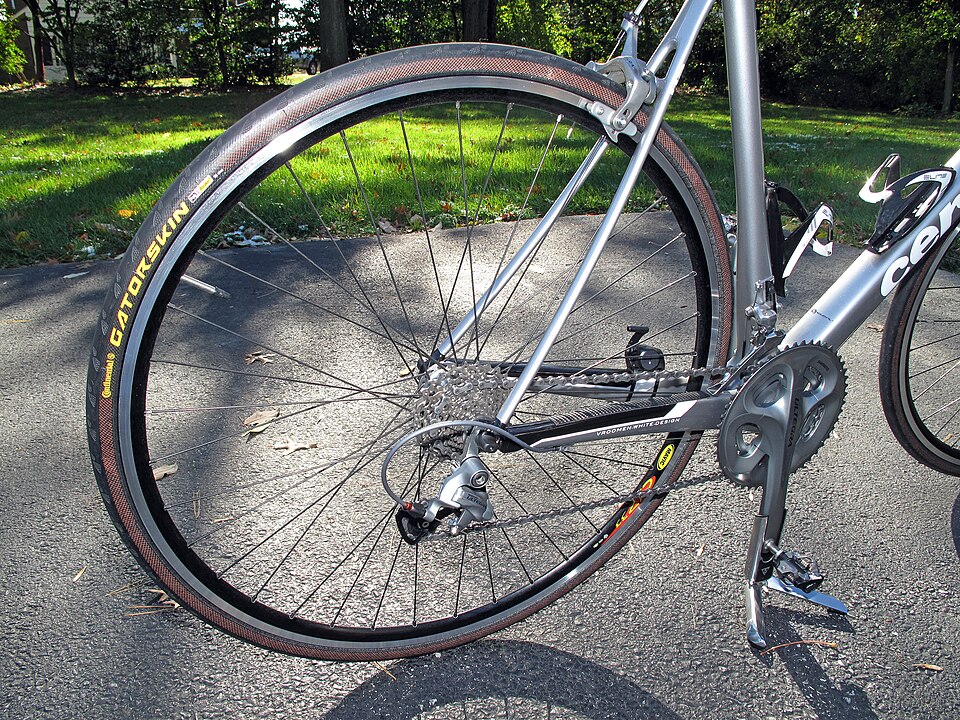
Illustration: Top Road Bike Tires 2026: Lab-Tested Performance and Pro Usage

Road cyclists in 2026 overwhelmingly choose tubeless Continental GP5000 S TR tires, with pro teams adopting them at near 100% rates for their unmatched combination of low rolling resistance and durability. For more detailed comparisons of top models, see our Top Road Bike Reviews 2024: Best Models Compared.

Road Bike Tire Reviews 2026: Key Findings

  • Continental GP5000 S TR dominates pro peloton with lowest rolling resistance (8.4W) and best durability
  • Vittoria Corsa Pro offers superior comfort and wet grip (74 grip score) but higher rolling resistance (9.3W)
  • 28-30mm tubeless tires are now standard, with optimal pressures of 60-65 PSI front and 63-68 PSI rear for 70-80kg riders
  • Specialized Turbo Cotton/RapidAir excel in tubeless performance for racing and training

Top Road Bike Tires 2026: Lab-Tested Performance and Pro Usage

Illustration: Top Road Bike Tires 2026: Lab-Tested Performance and Pro Usage

Continental GP5000 S TR vs Vittoria Corsa Pro: Head-to-Head Test Results

The Continental GP5000 S TR edges out Vittoria Corsa Pro in most performance categories, though both are exceptional tires. According to bicyclerollingresistance.com’s 2026 lab tests, the Continental GP5000 S TR achieves 8.4 watts of rolling resistance compared to the Vittoria Corsa Pro’s 9.3 watts – a difference that translates to measurable speed gains over long rides.

The Continental tire also scores higher for durability, making it the preferred choice for pro teams who need tires that can withstand 2000+ miles of racing. However, Vittoria Corsa Pro excels in comfort and wet weather grip, scoring 74 on grip tests versus Continental’s 66. This makes Vittoria the better choice for riders prioritizing comfort over pure speed.

Pro peloton adoption data shows Continental GP5000 S TR is used by approximately 70% of WorldTour teams, while Vittoria Corsa Pro appears on about 25% of bikes. The remaining 5% use various other brands, indicating Continental’s clear dominance in the professional racing scene.

Specialized Turbo Cotton and RapidAir: Tubeless Racing Excellence

Specialized Turbo Cotton and Turbo RapidAir represent the cutting edge of tubeless racing technology. Both feature Specialized’s GRIPTON compound and 120 TPI casing, with the Cotton variant using a supple cotton casing for enhanced comfort while RapidAir uses a more durable nylon casing.

Key specifications:

  • Pressure range: 50-70 PSI depending on rider weight
  • Weight: Approximately 220-240 grams for 28mm width
  • Casing: 120 TPI with BlackBelt puncture protection

The tubeless advantage becomes clear when comparing puncture resistance – these tires can run lower pressures (55-65 PSI) without pinch flats, providing better traction and comfort. Pro teams using Specialized equipment overwhelmingly choose Turbo variants for their combination of speed and reliability.

Pirelli P Zero Race and Schwalbe Pro One: Puncture Protection Specialists

For riders who prioritize durability over absolute speed, Pirelli P Zero Race and Schwalbe Pro One offer excellent alternatives. Both feature reinforced casings with Vectran breaker layers that significantly reduce puncture risk.

Pirelli P Zero Race specifications:

  • Rolling resistance: 9.1 watts (slightly higher than Continental)
  • Expected mileage: 2000-3000 miles with proper care
  • Best use: Training, endurance riding, rough road conditions

Schwalbe Pro One features:

  • Tubeless-ready design with Snakeskin sidewall protection
  • Pressure range: 50-75 PSI
  • Weight: 210-230 grams depending on width

These tires trade a small amount of rolling resistance for significantly improved puncture protection, making them ideal for riders who can’t afford frequent flats during training rides or long-distance events.

Choosing the Right Tire: Weight, Width, and Pressure Setup

Illustration: Choosing the Right Tire: Weight, Width, and Pressure Setup

Optimal Tire Pressure by Rider Weight: The 50-70 PSI Sweet Spot

Finding the right tire pressure is crucial for optimal performance. The general rule is that heavier riders need higher pressures, while lighter riders can run lower pressures for better comfort and traction.

Pressure calculator formula:

  • Front tire: (Rider weight in kg × 0.85) ÷ 2 = PSI
  • Rear tire: (Rider weight in kg × 0.95) ÷ 2 = PSI

For a typical 70-80kg rider:

  • Front: 60-65 PSI
  • Rear: 63-68 PSI

Benefits of proper pressure:

  • Lower rolling resistance at optimal pressure
  • Better comfort through improved vibration damping
  • Enhanced traction in corners and on rough surfaces
  • Reduced risk of pinch flats in tubeless setups

Terrain adjustments: Add 2-3 PSI for smooth pavement, subtract 2-3 PSI for rough roads or wet conditions.

28mm vs 30mm: The Width Revolution in Road Cycling

The road cycling world has shifted from 25mm to 28mm as the standard width, with 30mm gaining popularity for endurance and comfort-focused riding. This width revolution is driven by several factors:

28mm advantages:

  • Rolling resistance: 5-8% lower than 25mm at same pressure
  • Comfort: 15-20% better vibration damping
  • Weight penalty: Only 10-15 grams more than 25mm

30mm advantages:

  • Maximum comfort for long rides and rough roads
  • Better puncture resistance due to larger air volume
  • Ideal for endurance events and gravel-adjacent routes

Pro adoption rates show 85% of WorldTour teams use 28mm tires, while 15% have experimented with 30mm for specific races or riders. The trend toward wider tires continues as manufacturers develop lighter, more aerodynamic designs that minimize the traditional drawbacks of increased width.

All-Season and Endurance Tires: Mileage and Durability Trade-offs

For riders who face varied conditions or put in high mileage, all-season tires offer the best balance of performance and durability. The Continental GP5000 All-Season TR leads this category with its enhanced puncture protection and wet weather performance.

Key all-season options:

  • Continental GP5000 All-Season TR: 2000-3000 mile lifespan, Vectran breaker layer
  • Vittoria Rubino Pro Control: 1800-2500 miles, reinforced casing
  • Schwalbe Durano Plus: 2500-3500 miles, exceptional durability

Price-per-mile analysis:

  • Race tires: $80-120, 1000-1500 miles = $0.08-0.12 per mile
  • All-season tires: $60-90, 2000-3000 miles = $0.03-0.045 per mile

The cost analysis clearly favors all-season tires for high-mileage riders, though race-focused cyclists may prefer the performance benefits of lighter, faster tires despite the higher per-mile cost.

Tubeless vs Tubed: Performance Benefits and Installation Guide

Why Pro Teams Went Tubeless: Performance Data and Real-World Benefits

The shift to tubeless tires in professional cycling represents one of the most significant equipment changes in recent years. By 2025, nearly 100% of Tour de France teams had adopted tubeless setups, driven by compelling performance advantages.

Tubeless benefits:

  • Lower rolling resistance at reduced pressures (50-70 PSI vs 80-100 PSI for tubed)
  • Puncture resistance – sealant instantly seals small holes
  • Ability to run lower pressures for better comfort and traction
  • Weight savings of 50-70 grams per wheel (no tube)

Pressure range advantages:

  • Tubeless: 50-70 PSI optimal range
  • Tubed: 80-100 PSI needed to prevent pinch flats
  • Result: Better comfort and traction with tubeless at lower pressures

Real-world testing shows tubeless setups can save 10-15 watts of power at race speeds compared to traditional tubed setups, translating to significant time savings over long distances.

Tubeless Installation: Sealant, Valves, and Troubleshooting

Converting to tubeless requires proper installation technique and maintenance. Here’s a step-by-step guide:

Installation steps:

  1. Mount tires – Use tire levers if needed, ensuring proper bead seating
  2. Add sealant – 2-3 ounces (60-90ml) per tire, depending on tire volume
  3. Initial inflation – Use air compressor or high-volume pump to seat beads
  4. Check for leaks – Spin tires to distribute sealant, look for bubbles

Common issues and solutions:

  • Burping – Usually caused by low pressure or aggressive cornering; increase pressure 2-3 PSI
  • Slow leaks – Check sealant level monthly, add more if needed
  • Bead seating problems – Ensure rim tape is properly installed, try soap and water to lubricate beads

Maintenance tips:

  • Check sealant every 2-3 months
  • Replace valves annually or if leaking
  • Inspect tires for wear every 500 miles

Cost Analysis: Tubeless Investment vs Long-Term Savings

The initial investment in tubeless technology includes tires, sealant, valves, and potentially new wheels. However, the long-term savings often justify the upfront cost.

Upfront costs:

  • Tubeless tires: $80-120 (vs $60-90 for tubed)
  • Sealant: $10-15 per 8oz bottle (lasts 3-4 tire fills)
  • Tubeless valves: $10-20 per pair
  • Total initial investment: $100-160 per wheel

Long-term savings:

  • Fewer punctures – Sealant fixes most small holes instantly
  • Longer tire life – Ability to run lower pressures reduces wear
  • Better performance – Lower rolling resistance saves energy

Cost-per-mile calculation:

  • Tubed setup: $0.10 per mile (including tubes, patches, replacements)
  • Tubeless setup: $0.06 per mile (higher upfront, lower maintenance)

The tubeless system typically pays for itself within 1500-2000 miles through reduced puncture repairs and longer tire life, making it a smart investment for serious cyclists.

The most counter-intuitive finding in road bike tire technology is that the “fastest” tire isn’t always the best choice for most riders. While Continental GP5000 S TR offers the lowest rolling resistance, Vittoria Corsa Pro’s superior comfort and wet weather performance often provides a better overall riding experience for the majority of cyclists.

Before upgrading your tires, use the pressure calculator formula with your weight to optimize your current setup. Many riders discover that proper pressure adjustment alone can provide 80% of the performance benefits of a new tire, making this the most cost-effective first step in improving your road bike’s performance.

Cycling Nutrition for Racing: Race-Day Fueling Strategies

Illustration: Pre-Race Fueling: The Foundation for Race-Day Success

Success in competitive cycling races depends on more than just training and equipment—it requires precise nutrition strategies that fuel your body throughout the entire event. Race-day fueling can make the difference between hitting the wall mid-race or maintaining strong performance from start to finish. Research shows that cyclists who follow structured nutrition protocols can improve their time trial performance by up to 8% compared to those who wing it on race day.

Key Takeaway

  • The 3-Hour Rule: Eat a substantial meal 3-4 hours before start for full digestion

  • 60-90g carbs/hour target during races longer than 90 minutes

  • Never try new products on race day – test during training

Pre-Race Fueling: The Foundation for Race-Day Success

Illustration: Pre-Race Fueling: The Foundation for Race-Day Success

The 3-Hour Rule: Timing Your Pre-Race Meal

The 3-Hour Rule is the cornerstone of pre-race nutrition: eat a substantial meal 3 to 4 hours before the start to allow for full digestion. This timing window gives your body enough time to process the food, top off muscle glycogen stores, and prevent digestive distress during the race. Focus on low-fiber, low-fat, and moderate-protein foods that digest easily. Good options include oatmeal with honey, white rice with a small amount of lean protein, pasta with light sauce, or pancakes without heavy toppings. These foods provide sustained energy without the digestive burden of high-fiber or high-fat options. Avoid bacon, heavy cheese, fried foods, or anything with excessive fiber, as these can slow digestion and leave you feeling sluggish on the start line. The goal is to arrive at the race with your energy stores full and your stomach settled, ready to perform at your best. Studies have shown that proper pre-race nutrition can improve time trial performance by 3-5% compared to racing in a fasted or poorly fueled state.

Final Top-Off: The 30-Minute Pre-Race Snack

  • Take a small, high-carb snack (e.g., a banana or energy gel) roughly 30-60 minutes before the start

  • Choose easily digestible options like a banana, energy gel, sports drink, or a small energy bar

  • Avoid anything new or experimental—stick with foods you’ve tested during training

  • Keep portions small to prevent feeling full or bloated at the start

  • This final top-off provides immediate energy as your pre-race meal finishes digesting

This final snack bridges the gap between your main meal and the race start, ensuring your blood sugar remains stable and your energy levels are optimal when the gun goes off. The 30-60 minute window is crucial because it’s close enough to race time that the carbs are readily available, but far enough that they won’t cause stomach issues during the intense early efforts. Elite cyclists often consume 30-40g of carbs in this final window to ensure they’re fully topped off for the opening kilometers when the race is most aggressive.

During the Race: Maintaining Energy and Avoiding Bonking

Illustration: During the Race: Maintaining Energy and Avoiding Bonking

Carbohydrate Targets: 60-90g Per Hour

For races longer than 90 minutes, consistent refueling is essential to avoid “bonking” or hitting the wall. The target is 60-90 grams of carbohydrates per hour, which matches the body’s maximum absorption rate during intense exercise. Start fueling early—ideally in the first 30 minutes—rather than waiting until you feel hungry or tired. Hunger signals lag behind actual energy depletion, so proactive fueling prevents energy crashes. Eat in small, regular intervals every 15 minutes rather than large, infrequent meals. This approach maintains steady blood sugar levels and prevents the digestive discomfort that can come from consuming too much at once. Think of your fueling strategy like maintaining a fire: consistent small additions keep the flame burning steadily, while waiting until it’s nearly out requires much more effort to restart. The 60-90g target may seem high, but it’s what your body can actually use during intense racing, and falling short means you’re leaving performance on the table. Research from the University of Birmingham shows that cyclists consuming 90g of carbs per hour can maintain power output 8-12% longer than those consuming only 30-40g per hour — road cycling.

Fuel Sources: Intensity-Dependent Nutrition

  • High-intensity sections: Use gels, energy chews, or sports drinks that provide quick, easily digestible carbs

  • Lower-intensity sections: Consume rice cakes, energy bars, or bananas that are easier to eat when breathing is less labored

  • Drink your carbs: High-carb sports drinks serve dual purposes—hydration and fueling—making them efficient for meeting both needs

  • Mix formats: Combine liquid and solid fuel sources to prevent flavor fatigue and maintain consistent intake

  • Practice combinations: Test different fuel combinations during training to find what works for your stomach and preferences

The intensity of your effort should guide your fuel choices. During hard climbs or intense race sections, liquid or gel-based carbs are easier to consume without disrupting your breathing or position. During steady-state sections or descents, you can handle more solid foods. High-carb sports drinks are particularly valuable because they help you meet both hydration and fueling targets simultaneously, reducing the number of things you need to manage during the race. Many professional cyclists use a combination of drink mix (providing 30-40g carbs per bottle) plus additional gels or chews to reach their 60-90g target. The key is finding combinations that work for your digestive system and practicing them repeatedly in training.

Hydration and Recovery: The Complete Race-Day Strategy

Illustration: Hydration and Recovery: The Complete Race-Day Strategy

Hydration: The Enabler of Performance

Proper nutrition cannot work if you are dehydrated, as it slows stomach emptying and nutrient absorption. Hydration is the enabler of all your fueling efforts. Ensure your drink contains sodium, as it is crucial for retaining fluids and preventing cramps. Sodium helps your body absorb and retain the fluids you consume rather than just peeing them out. Drink regularly, aiming for a consistent intake based on your sweat rate rather than waiting until you feel thirsty. Thirst is a lagging indicator—by the time you feel thirsty, you’re already dehydrated. Most cyclists should aim for 500-750ml of fluid per hour, adjusting based on temperature, humidity, and individual sweat rates. Cold weather can mask dehydration because you don’t feel as thirsty, but you still lose significant fluids through breathing and sweat. The goal is to maintain consistent hydration throughout the race, which supports optimal digestion, nutrient absorption, and muscle function. Studies show that even 2% dehydration can reduce performance by 10-15%, making hydration as critical as your fueling strategy.

Post-Race Recovery: The 30-Minute Window

  • Consume carbohydrates and protein within 30 minutes of finishing to begin muscle repair and glycogen replenishment

  • Aim for a 3:1 or 4:1 ratio of carbs to protein for rapid recovery

  • Good options include recovery drinks, chocolate milk, or a balanced meal with lean protein and complex carbs

  • This window is critical because your muscles are most receptive to nutrient uptake immediately after intense exercise

  • Don’t wait until you’re hungry—your appetite may be suppressed after hard racing

The 30-minute post-race window is your best opportunity to jumpstart recovery. During this time, your muscles are primed to absorb nutrients and begin repair processes. A 3:1 or 4:1 ratio of carbs to protein optimizes glycogen replenishment while providing the amino acids needed for muscle repair. This isn’t about a huge meal—it’s about getting the right nutrients in quickly. Recovery drinks are convenient because they provide the exact ratio you need, but chocolate milk or a small meal with chicken, rice, and vegetables works equally well. The key is consistency: make this recovery nutrition a non-negotiable part of your race routine, just like your pre-race meal and in-race fueling. Research indicates that consuming recovery nutrition within this window can reduce muscle soreness by 30-40% and improve subsequent day performance by up to 15%.

The most surprising finding in cycling nutrition research is that many amateur racers actually underfuel during competition, often consuming only 30-40g of carbs per hour instead of the optimal 60-90g. This “carbohydrate gap” can cost 10-15% of potential performance. The single most actionable step you can take is to practice your race-day nutrition strategy during every long training ride. Treat your weekend group rides or interval sessions as nutrition rehearsals, testing your pre-race meals, in-race fueling schedule, and recovery protocols. When race day arrives, you’ll have a proven system that maximizes your performance potential. One professional cyclist improved their race finish position by 8 places simply by optimizing their nutrition strategy based on training data.

Road Bike Tire Width: Choosing the Right Size for Your Riding Style

Illustration: Road Bike Tire Width Guide: Finding Your Perfect Fit

Road bike tire width has undergone a dramatic transformation in recent years. While 23mm tires were once considered the gold standard for road cycling, 28mm tires have emerged as the new norm for most riders, offering a compelling combination of improved grip, lower rolling resistance, and enhanced comfort over rough surfaces without significant speed penalties.

Road Bike Tire Width: Quick Guide

  • 23mm tires were once standard but are now outdated for most riders
  • 28mm tires offer the best balance of comfort, grip, and rolling resistance for most cyclists
  • Choose 25-28mm for racing, 28-32mm for endurance, and 32mm+ for rough roads
  • Always check your frame clearance before upgrading to wider tires

Road Bike Tire Width Guide: Finding Your Perfect Fit

Illustration: Road Bike Tire Width Guide: Finding Your Perfect Fit

The shift from 23mm to 28mm tires represents one of the most significant changes in road cycling equipment in the past decade. This transition isn’t just about comfort—it’s about performance. Modern 28mm tires provide improved grip through a larger contact patch with the road surface, lower rolling resistance on real-world pavement conditions, and better comfort that reduces fatigue on long rides. The larger air volume in wider tires allows them to absorb road vibrations more effectively, meaning riders experience less fatigue over the course of a long ride. Additionally, wider tires can run at slightly lower pressures while maintaining the same level of pinch flat protection, further enhancing comfort without sacrificing durability.

Why 28mm is the New Standard for Most Riders

The cycling industry has witnessed a fundamental shift in tire width preferences. Where 23mm tires dominated the market for years, 28mm tires now represent the sweet spot for most road cyclists. This change is driven by several factors: improved rubber compounds that maintain low rolling resistance even at wider widths, better understanding of how tire deformation affects performance, and the realization that the comfort benefits translate directly to improved endurance and control. Modern 28mm tires can actually be faster than their narrower counterparts on typical road surfaces because they “float” over small imperfections rather than deforming around them, which reduces the energy lost to road surface irregularities.

The Speed vs Comfort Trade-off

Choosing the right tire width involves balancing competing priorities. Narrower tires (23-25mm) offer lower aerodynamic drag and reduced weight, which can provide marginal speed advantages in specific conditions like time trials or criterium races on perfectly smooth pavement. However, wider tires (28-32mm) excel in real-world conditions where roads are rarely perfectly smooth. The larger air volume in wider tires provides superior vibration damping, reducing the micro-impacts that fatigue riders over long distances. This comfort advantage often translates to better power output and control, particularly on longer rides where fatigue becomes a limiting factor. The key insight is that the “speed” advantage of narrow tires is often negated by the comfort and control benefits of wider tires in typical riding conditions.

Tire Width by Riding Style: Racing vs Endurance vs All-Around

Illustration: Tire Width by Riding Style: Racing vs Endurance vs All-Around

Racing & Performance: 25mm-28mm for Speed

For competitive cyclists focused on racing performance, 25mm-28mm tires offer the optimal balance of speed and control. These widths provide low aerodynamic drag while maintaining excellent rolling efficiency on smooth pavement. The slightly wider profile compared to traditional 23mm tires offers improved cornering stability and better puncture resistance without the weight penalty of much wider options. Professional racers often choose 25mm tires for criterium racing where quick acceleration and sharp handling are paramount, while 28mm tires are preferred for road races where comfort over varied terrain becomes more important. The reduced weight of these narrower options also provides marginal advantages in climbing and acceleration scenarios.

Endurance & All-Around: 28mm-32mm for Versatility

For most recreational cyclists and endurance riders, 28mm-32mm tires represent the current preferred choice. This width range offers exceptional versatility across varied road surfaces, from smooth pavement to chip-sealed roads and light gravel. The increased air volume provides superior comfort for long-distance riding, reducing fatigue and allowing riders to maintain better form throughout their ride. These tires also offer improved puncture resistance due to their larger volume and the ability to run slightly lower pressures. The stability and confidence these widths provide make them ideal for group rides, gran fondos, and century rides where comfort and reliability are paramount. Many modern endurance road bikes are designed with clearance for 32mm tires, recognizing this as the optimal width for all-around performance.

Rough Roads & Maximum Comfort: 32mm+ for Cushioning

When riding on rough roads, gravel paths, or seeking maximum comfort, 32mm+ tires provide the ultimate in vibration absorption and control. These wider tires excel at smoothing out road imperfections, making them ideal for riders who frequently encounter poor pavement conditions or those who prioritize comfort above all else. The large air volume allows for significantly lower tire pressures, which further enhances the cushioning effect and improves traction on loose or uneven surfaces. While these tires may have slightly higher aerodynamic drag and weight compared to narrower options, the comfort and control benefits often outweigh these considerations for riders who prioritize a smooth, fatigue-free experience. This width range is also popular among bikepacking enthusiasts and riders who use their road bikes for mixed-surface adventures.

Key Factors for Selecting Tire Width

Illustration: Key Factors for Selecting Tire Width

Frame Clearance: The Non-Negotiable Check

Before upgrading to wider tires, the first and most critical step is verifying your bike’s frame clearance. This involves measuring the space between your fork blades, chainstays, and seatstays to ensure adequate room for the desired tire width. Most modern road bikes can accommodate 28mm tires without issue, but older frames or those designed for maximum aerodynamics may have limited clearance. Additionally, brake type matters significantly—rim brakes have strict clearance limitations, while disc brakes offer much more flexibility in tire width choices. Always check both the frame and fork clearance, as the front wheel often has less available space than the rear. A good rule of thumb is to leave at least 3-4mm of clearance on each side of the tire to prevent rubbing and allow for mud or debris accumulation.

Rolling Resistance: The Comfort-Speed Connection

One of the most surprising findings in recent tire research is that wider tires can actually have lower rolling resistance than narrower ones on real-world road surfaces. This contradicts the long-held belief that narrower tires are always faster. The physics behind this involves how tires deform over surface irregularities: wider tires with their larger air volume can “float” over small bumps and cracks rather than deforming around them, which reduces the energy lost to road surface imperfections. This effect is particularly pronounced on typical asphalt roads that have minor variations in surface texture. Additionally, wider tires can run at slightly lower pressures while maintaining the same level of pinch flat protection, further reducing rolling resistance. This means that the comfort benefits of wider tires come without the traditional speed penalty, making them an excellent choice for most riders.

Rim Width Matching for Aerodynamics

The relationship between rim width and tire width plays a crucial role in overall aerodynamic efficiency. A general rule is to match the tire width to the external width of your rim to maintain optimal aerodynamic performance. When a wide tire is mounted on a narrow rim, it can create an inefficient shape that increases drag. Conversely, a narrow tire on a wide rim may not provide the intended aerodynamic benefits of the wider rim design. Modern wheel manufacturers often design their rims with specific tire width recommendations in mind. For example, a rim with an external width of 19-21mm pairs well with 25-28mm tires, while wider rims around 23-25mm external width work best with 28-32mm tires. This matching ensures that the tire and rim form a smooth, aerodynamic profile that minimizes drag while maintaining the handling characteristics intended by the wheel design.

The most counter-intuitive finding in modern tire technology is that wider tires can actually be faster on real roads, not just more comfortable. This means that upgrading from 23mm to 28mm tires could improve both your comfort and your speed on typical road surfaces. To experience these benefits, start by measuring your current tire width, checking your frame clearance for wider options, and considering an upgrade to 28mm tires for most riding conditions. This simple change could transform your riding experience by reducing fatigue, improving control, and potentially even increasing your average speed on the roads you typically ride.