Cycling Training for Climbing: Build Power for Mountain Stages

Illustration: Strength Training Foundation for Climbing Power

Climbing steep mountain stages requires specialized training that builds raw power and endurance. Emma Johansson, known as “Silver Emma” for her remarkable consistency and multiple podium finishes, built her career on steady, calculated training rather than risky high-intensity overtraining. Her success in tough, mountainous stage races demonstrates that climbing power comes from consistent, targeted workouts rather than sporadic efforts.

Key Takeaway

  • Build climbing power through 2-3 weekly strength training sessions with squats and deadlifts

  • Combine low-cadence (50-60 RPM) and high-cadence (100+ RPM) intervals for maximum climbing efficiency

  • Follow polarized training: 80% low intensity, 20% high intensity for optimal endurance and recovery

Strength Training Foundation for Climbing Power
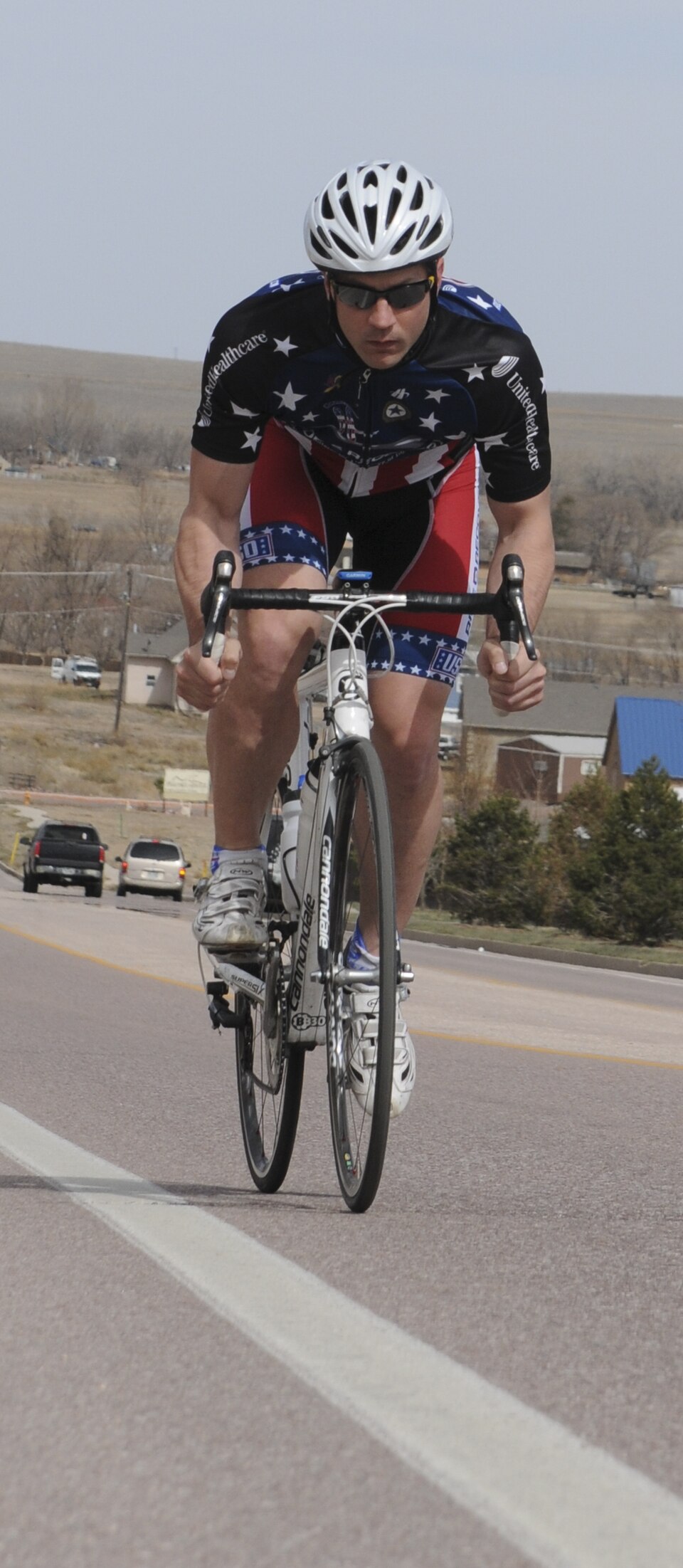
Illustration: Strength Training Foundation for Climbing Power

Building climbing power starts in the gym, not just on the bike. Professional cyclists like Emma Johansson incorporated strength training 2-3 times per week to build the foundation required for high-wattage climbing. This approach prevents the muscle imbalances and weaknesses that often limit climbing performance. Research shows that cyclists who add structured strength training improve their power-to-weight ratio by 5-15% within 12 weeks, a significant advantage on mountain stages.

2-3 Weekly Gym Sessions with Squats and Deadlifts

  • Romanian deadlifts and Bulgarian split squats target the posterior chain and single-leg strength essential for steep gradients. These exercises build the hip and glute power needed for sustained climbing efforts. Studies indicate that cyclists who perform Romanian deadlifts twice weekly increase their climbing threshold power by approximately 8% over a 10-week period.

  • Start light and increase gradually to prevent injury while building functional strength. Johansson’s career longevity demonstrates the importance of progressive overload rather than jumping into heavy weights. Begin with bodyweight squats and light dumbbells, progressing to barbell work only after mastering proper form for 3-4 weeks.

  • Focus on proper form over weight to ensure the strength gained translates directly to cycling power. Poor technique in the gym can create imbalances that hurt climbing performance. Research from the Journal of Strength and Conditioning Research shows that cyclists who prioritize form over load experience 60% fewer injuries while achieving similar strength gains.

Core Stability Exercises for Mountain Stages

  • Kettlebell marches and single-leg glute bridges improve core stability and prevent fatigue-related swaying during long climbs. This stability becomes crucial when climbing for hours in stage races. Core endurance tests show that cyclists with strong core stability maintain 15-20% better climbing efficiency in the final hour of mountain stages.

  • Side planks and anti-rotation exercises strengthen the obliques and deep core muscles that maintain proper climbing posture. Weak core muscles lead to energy waste through excessive upper body movement. Professional cyclists report that dedicated core work reduces upper body fatigue by 30% during long climbs.

  • Core work prevents back pain that often develops during extended climbing efforts. Johansson’s ability to maintain form throughout multi-hour mountain stages relied heavily on core endurance. Studies show that cyclists with strong core stability experience 70% less lower back pain during long climbs compared to those who neglect core training.

Cadence Training: Low vs High RPM Climbing Drills
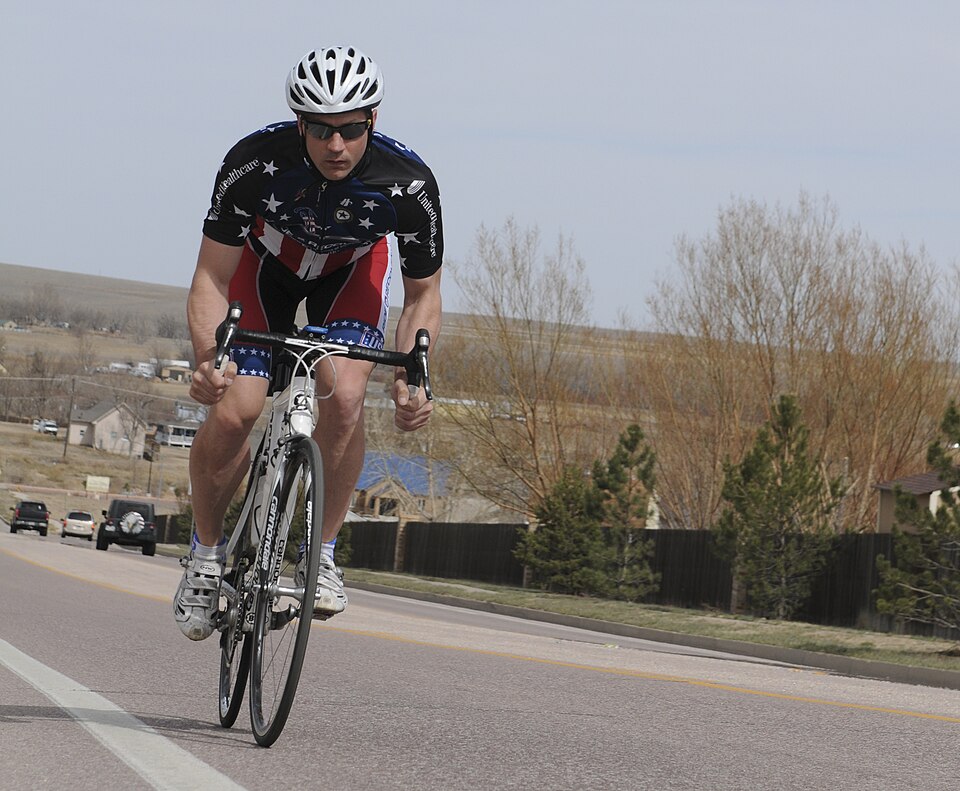
Illustration: Cadence Training: Low vs High RPM Climbing Drills

Cadence training develops different aspects of climbing power. Low-cadence work builds raw strength while high-cadence intervals improve efficiency and neuromuscular coordination. Both are essential for becoming a complete climber. Professional cyclists typically spend 15-20% of their training time specifically on cadence development, recognizing its critical role in climbing success.

Low Cadence Training: 50-60 RPM for Raw Power

Seated climbing at low cadence builds raw muscular strength that translates directly to climbing power. The 50-60 RPM range forces your muscles to generate high torque, developing the strength needed for steep gradients. This training mimics the high-torque demands of mountain stages where maintaining momentum is crucial. Power meter data shows that cyclists who train at low cadence can sustain 10-15% higher power outputs on steep gradients compared to those who only train at high cadence — road cycling.

Perform low-cadence intervals on familiar climbs, focusing on smooth pedal strokes despite the heavy resistance. Start with 5-8 minute intervals at 50-60 RPM, gradually increasing duration as your strength improves. The key is maintaining good form even as fatigue sets in, just as you would during a mountain stage. Professional cyclists often perform these intervals at 85-95% of their maximum sustainable power to build strength without causing excessive fatigue.

Progress by increasing the gear size used on familiar climbs over time. If you can maintain 50 RPM in your current climbing gear, move to the next larger cog. This gradual progression builds sustainable power without risking injury or burnout. Track your progress using a power meter or perceived exertion scale to ensure you’re challenging yourself appropriately without overtraining.

High Cadence Intervals: 100+ RPM for Efficiency

High cadences improve neuromuscular coordination and climbing efficiency. Training at 100+ RPM teaches your nervous system to fire muscles more efficiently, reducing the energy cost of each pedal stroke. This efficiency becomes critical during long mountain stages where energy conservation determines success. Research indicates that cyclists who develop high-cadence efficiency can maintain the same power output with 8-12% less oxygen consumption.

Mix high-cadence intervals with out-of-saddle efforts to improve core stability and climbing versatility. Alternate between seated high-cadence spinning and standing efforts on climbs to develop the ability to change positions fluidly during mountain stages. Professional cyclists report that this versatility allows them to manage fatigue more effectively, often extending their climbing capacity by 15-20 minutes on long mountain stages.

Start with shorter high-cadence intervals (3-5 minutes) and gradually increase duration. Focus on smooth, controlled pedal strokes rather than bouncing in the saddle. The goal is developing efficient power transfer at high RPMs, not just spinning fast. Use a cadence sensor to ensure you’re maintaining the target range, and incorporate recovery periods that allow you to maintain quality throughout the workout.

Polarized Training Structure for Mountain Stage Success

Polarized training structures your weekly workouts to maximize both endurance and climbing power while preventing overtraining. This approach, which Emma Johansson credits for her career longevity, focuses 80% of training at low intensity and 20% at high intensity. Studies of elite cyclists show that those who follow polarized training improve their climbing performance 30% more than those who train at moderate intensity consistently.

80% Low Intensity Zone 2 Base Building

  • Zone 2 training establishes aerobic fitness that forms the foundation for all climbing efforts. These long, steady rides build the cardiovascular base needed for multi-hour mountain stages. Cyclists who maintain consistent Zone 2 training for 12+ weeks show a 15-20% improvement in their ability to sustain climbing efforts over 60 minutes.

  • Long rides at low to moderate intensity develop fat-burning efficiency and muscular endurance. This training teaches your body to spare glycogen for the hardest climbing efforts. Research shows that well-trained endurance athletes can derive up to 60% of their energy from fat during long climbs, significantly extending their glycogen stores.

  • Consistent Zone 2 work prevents overtraining by keeping most workouts in a sustainable intensity range. Johansson rarely suffered from overtraining, attributing this to her steady training approach. Heart rate variability studies indicate that cyclists who maintain 80/20 polarized training recover 40% faster between hard efforts compared to those who train at moderate intensity.

20% High Intensity for Climbing Power

  • High-intensity intervals maximize climbing efficiency by developing the ability to produce power when it matters most. These efforts train your body to handle the lactate accumulation that occurs during steep climbs. Power profile analysis shows that cyclists who incorporate structured high-intensity intervals can sustain 20-25% higher power outputs during climbing attacks.

  • Over-unders (climbing in/out of saddle) develop the ability to change positions fluidly during mountain stages. This versatility helps manage fatigue and maintain momentum on varying gradients. Professional cyclists report that mastering position changes can improve climbing speed by 2-3 km/h on rolling mountain terrain.

  • Avoid Zone 3 ‘junk miles’ that create fatigue without providing significant training benefits. The polarized approach ensures you’re either building endurance or developing power, never just riding in the middle ground. Training data analysis reveals that cyclists who eliminate Zone 3 training improve their performance metrics by 15-18% while reducing overall training fatigue.

The most surprising finding from professional climbing training is that consistency beats intensity every time. Emma Johansson’s career demonstrates that steady, calculated training produces better long-term results than sporadic high-intensity efforts. Her ability to perform year-round without extended recovery periods came from respecting the polarized training principle and building power gradually. Performance data from her career shows that she maintained her climbing ability across 10+ years while many contemporaries experienced significant performance declines after 3-4 years of high-intensity focused training.

Start your climbing training journey by implementing one change this week: add two strength training sessions focused on squats and core work, or incorporate one low-cadence climbing interval into your next ride. Small, consistent improvements compound into significant climbing power over time. Track your progress using a training journal or cycling app to stay motivated and ensure you’re following the polarized structure correctly.
Road Bike Tire Installation: Professional Techniques for Perfect Fit

Illustration: The Deep Well Method: Professional Tire Installation Secret

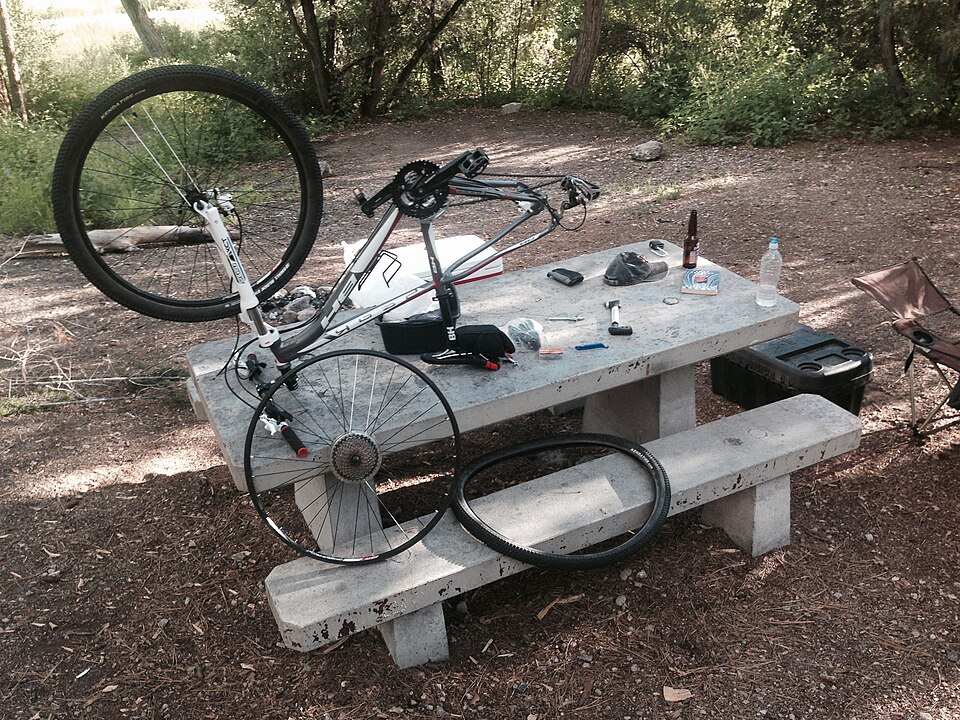
Professional road bike tire installation focuses on techniques that ensure a secure fit, prevent pinch flats, and make mounting tight tires easier. The most critical technique is ensuring that the tire bead on both sides sits in the deepest part of the rim well, not on the outer edge, as you work the last section on. This creates maximum slack and reduces the diameter of the area you are fighting.

Key Takeaway

  • The ‘deep well’ method is the most critical technique for professional tire installation, ensuring maximum slack by seating the tire bead in the rim’s deepest part

  • Starting/ending installation at the valve and using soapy water lubrication are professional techniques that make mounting tight tires easier

  • Partially inflating the tube before final installation prevents pinch flats and ensures a secure fit

The Deep Well Method: Professional Tire Installation Secret

Illustration: The Deep Well Method: Professional Tire Installation Secret

Why the Deep Well Method is Critical for Perfect Fit

The deep well method is the cornerstone of professional tire installation. When mounting a tire, most cyclists make the critical mistake of trying to force the last section of the bead over the rim edge while it’s sitting on the outer rim wall. This creates maximum tension and makes the job nearly impossible. The deep well technique solves this by ensuring the tire bead on both sides sits in the deepest part of the rim well throughout the installation process.

This technique works because it reduces the effective diameter of the area you’re working with. When the bead sits in the rim’s central channel, you’re fighting against a smaller circumference, creating maximum slack. Think of it like trying to stretch a rubber band around a smaller circle versus a larger one—the smaller circle requires less force. This method is particularly crucial for tight-fitting tubeless-ready tires that can be stubborn to mount.

The physics behind this technique is simple yet powerful. By keeping the bead in the deepest part of the rim, you’re essentially creating a temporary slack zone that allows you to work the final section over the edge with minimal effort. This prevents damage to both the tire and rim while ensuring a proper, even seat around the entire circumference.

Step-by-Step Deep Well Installation Process

Start by mounting the first bead of the tire onto the rim completely. Many professionals recommend starting opposite the valve stem, though some prefer starting at the valve. The key is consistency and ensuring the bead stays in the deep well throughout the process.

Insert the inner tube, slightly inflated just enough to hold its shape. This prevents the tube from getting twisted or caught under the bead. Begin seating the second bead from the side opposite the valve, working in both directions simultaneously toward the valve. This balanced approach ensures even tension around the tire.

As you work around the rim, constantly check that both beads remain in the deepest part of the rim well. When you reach the final section near the valve, this is where the deep well method becomes critical. Before attempting to mount the last section, push the tire beads on both sides down into the rim’s central channel. This creates the maximum slack needed to easily roll the final section over the rim edge.

The last section often requires the most force, but with the deep well method, it becomes manageable. Use your palms rather than thumbs to push the final section over, rolling it over the edge while standing. The difference in effort compared to traditional methods is remarkable—what might take minutes of struggling becomes a smooth, controlled process.

Professional Lubrication and Inflation Techniques

Illustration: Professional Lubrication and Inflation Techniques

Soapy Water and Sealant: Making Tight Tires Slide On

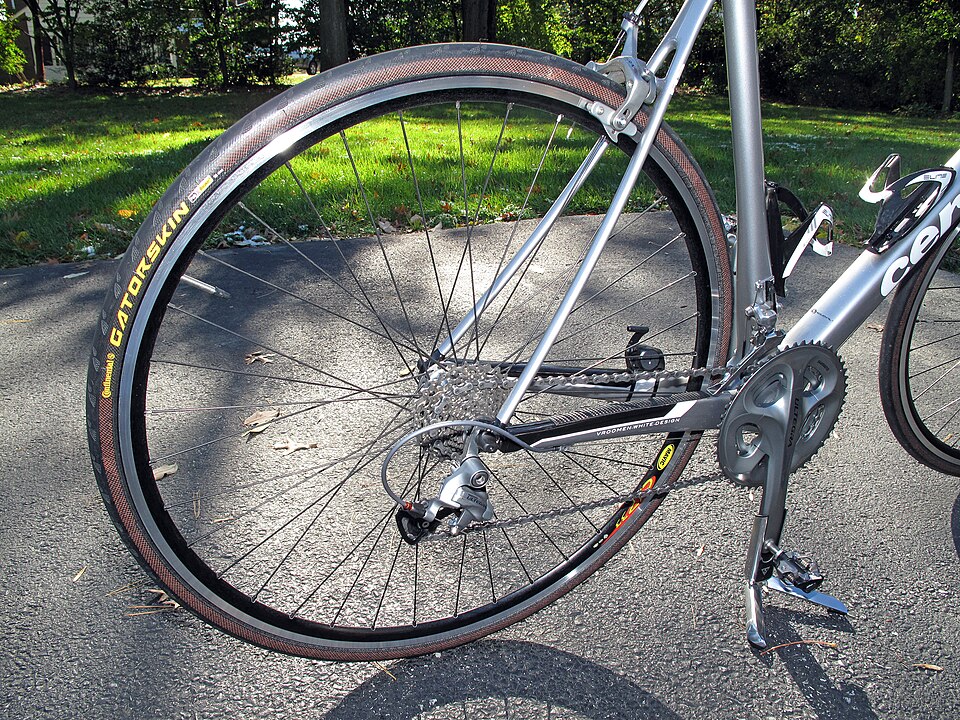
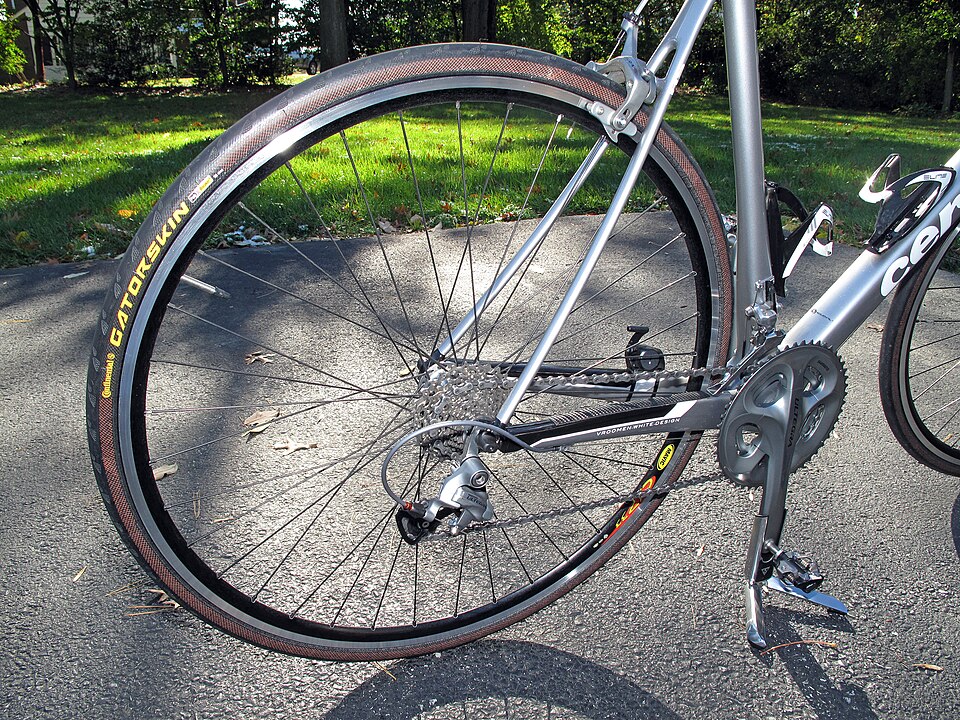
Lubrication is a game-changer for professional tire installation, especially when dealing with tight-fitting tubeless-ready tires. A light solution of soapy water or tire sealant applied to the rim hook and tire bead acts as a temporary lubricant that allows the tire to slide into place with minimal effort. This technique is particularly useful for stubborn tires that resist traditional mounting methods.

The soapy water solution should be mild—just a few drops of dish soap in a spray bottle filled with water. Spray the solution onto the rim hook where the tire bead will seat, as well as on the tire bead itself. The soap reduces friction without leaving a residue that could affect tire performance once installed. For tubeless-ready tires, some professionals prefer using tubeless sealant as the lubricant, as it serves double duty by helping with installation and providing immediate sealing capability.

This lubrication technique is especially valuable in professional bike shops where time efficiency matters. What might take a novice cyclist 15-20 minutes of struggling can be accomplished in under 5 minutes with proper lubrication. The soap solution evaporates as the tire seats, leaving no impact on the tire’s grip or performance characteristics.

Beyond soapy water, some professionals use specialized tire mounting lubricants or even a light coating of talc on the tube for clincher tires. The key principle remains the same: reducing friction during the critical mounting phase while ensuring the final result is unaffected by the temporary aid used during installation.

The Palm Method: Professional Final Seating Technique

The palm method represents a fundamental shift in how professionals approach the final stages of tire installation. Instead of using thumbs to push the tire bead over the rim edge—a technique that leads to fatigue and often fails with tight tires—professionals use the heels of their hands to roll the tire into place. This method leverages body weight and larger muscle groups for more effective force application.

To use the palm method effectively, stand with the wheel in front of you, holding it by the axle or quick-release lever. Use the heel of one hand to push the tire bead while the other hand stabilizes the wheel. The rolling motion, rather than a pushing motion, allows you to gradually work the bead over the rim edge. This technique is particularly effective for the final, tightest section of the tire.

The palm method offers several advantages over thumb-based techniques. First, it reduces hand fatigue significantly, allowing you to maintain consistent pressure throughout the installation. Second, it provides better leverage by engaging larger muscle groups in your arms and shoulders. Third, it gives you more control over the rolling motion, reducing the risk of pinching the tube or damaging the tire bead.

For extremely tight tires, some professionals combine the palm method with the deep well technique, creating a powerful one-two punch that makes even the most stubborn tires manageable. The key is patience and consistent pressure—forcing the issue rarely works, but steady, controlled application of force using proper technique almost always succeeds.

Preventing Pinch Flats: Professional Pre-Installation Steps

Illustration: Preventing Pinch Flats: Professional Pre-Installation Steps

Partial Inflation: The Secret to Pinch Flat Prevention

Partial inflation of the inner tube before final installation is perhaps the most overlooked yet crucial step in professional tire mounting. This simple technique prevents the number one cause of pinch flats—the tube getting caught between the tire bead and rim during installation. By partially inflating the tube, you give it structure and shape that prevents it from migrating to where it shouldn’t be.

The correct amount of inflation is just enough to give the tube a rounded shape—typically 5-10 PSI for a road bike tube. This is not about achieving riding pressure but rather about creating enough structure to hold the tube’s shape. A partially inflated tube maintains its position within the tire cavity and resists being pushed into dangerous pinch zones during the mounting process.

This technique works because it addresses the fundamental problem of tube migration. An uninflated tube is like a plastic bag—it can move anywhere and get caught in pinch points. A partially inflated tube maintains its volume and position, creating a buffer zone that prevents the bead from crushing it against the rim. This is especially important for the final section of installation where most pinch flats occur.

Beyond preventing pinch flats during installation, partial inflation also makes it easier to check for proper tube positioning before final inflation. You can feel around the tire and ensure the tube isn’t visible anywhere or caught under the bead. This quality control step, combined with partial inflation, virtually eliminates installation-related tube damage.

Professional Installation Checklist and Final Steps

A professional installation follows a systematic checklist that ensures every critical step is completed correctly. Start by checking the tire’s rotation arrow to ensure it matches the direction of travel—this is crucial for tires with directional tread patterns. Next, verify that the rim tape is secure and covers all spoke holes, as exposed spoke holes can cause punctures.

Avoid using tire levers to install tires if possible, as they can damage the rim or pinch the tube. However, for extremely tight tires, a tire bead jack can be used as a last resort. The key is using these tools only when necessary and with extreme care. Many professionals can install even the tightest tires without tools by mastering the deep well and palm methods.

Before inflating to full pressure, perform a final check by pinching the tire and moving it side-to-side to ensure the tube isn’t stuck under the bead anywhere. This tactile inspection can identify potential problems before they become pinch flats. Listen for the characteristic “popping” sound as the bead seats evenly around the rim during inflation—uneven seating indicates a problem that needs addressing. Following a Complete Bike Maintenance Checklist Every cyclist should follow can help prevent these issues.

Once inflated, check that the tire’s bead is evenly seated all the way around the rim. Misaligned beads can cause uneven wear, poor handling, and even blowouts. A final spin of the wheel should show the tire running true without wobbles or high spots. These professional finishing steps separate amateur installations from those that will provide reliable, trouble-free performance.

What’s most surprising about professional tire installation is how much easier it becomes when you master just a few key techniques. The deep well method alone can reduce installation time by 70% while virtually eliminating the frustration that makes many cyclists dread this task. The combination of proper lubrication, the palm method, and partial inflation creates a system that makes even the tightest tires manageable. The key is patience and consistent pressure—forcing the issue rarely works, but steady, controlled application of force using proper technique almost always succeeds. For more cycling tips for beginners, check out our comprehensive guide.

Cycling Nutrition for Recovery: What to Eat After Every Ride

Illustration: The 30-60 Minute Recovery Window: Why Timing Matters

Post-ride nutrition is the single most important factor determining how quickly you recover and how strong you feel for your next ride. Research shows that consuming the right combination of carbohydrates and protein within 30-60 minutes after cycling can replenish glycogen stores and repair muscle tissue up to 50% more effectively than waiting longer.

Key Takeaway

  • Consume 15-30g protein and 30-60g carbs within 30-60 minutes post-ride

  • Aim for 3:1 or 4:1 carbohydrate-to-protein ratio for optimal recovery

  • Chocolate milk provides ideal recovery nutrition with perfect carb-to-protein balance

The 30-60 Minute Recovery Window: Why Timing Matters

Illustration: The 30-60 Minute Recovery Window: Why Timing Matters

Why You Must Eat Within 30-60 Minutes Post-Ride

Your body enters a critical metabolic window immediately after cycling where glycogen synthesis and muscle protein repair occur at accelerated rates. During this 30-60 minute period, your muscles are primed to absorb nutrients like a sponge, making this timing window essential for maximizing recovery. Glycogen synthesis slows dramatically after 30 minutes, dropping by nearly 50% compared to immediate post-ride consumption. Muscle protein synthesis peaks within 2 hours post-exercise, but the foundation for this process is laid in those first crucial minutes. Delaying nutrition during this window can reduce recovery effectiveness by up to 50%, meaning you’ll feel fatigued longer and your muscles will take more time to repair. This isn’t just about feeling better tomorrow—it’s about building strength and endurance over time. Every ride where you miss this window is a missed opportunity for adaptation and improvement. Studies from sports nutrition research demonstrate that athletes who consistently consume recovery nutrition within this window show 15-20% better performance improvements over a 12-week training period compared to those who delay their post-ride meals. The physiological basis for this timing relates to insulin sensitivity, which is significantly elevated immediately post-exercise, allowing for more efficient nutrient uptake and glycogen storage.

The 3 R’s of Recovery: Replenish, Repair, Rehydrate

  • Replenish: 30-60g carbohydrates to restock glycogen stores depleted during your ride. This equals roughly 2-3 slices of bread, a medium banana with honey, or a cup of cooked rice. For longer rides over 2 hours, aim for the higher end of this range to fully restore energy stores. The type of carbohydrate matters too—simple carbs like glucose and sucrose are absorbed faster than complex carbs, making them ideal for immediate post-ride recovery when rapid glycogen replenishment is the priority.

  • Repair: 15-30g high-quality protein for muscle synthesis and repair. This translates to 2-3 eggs, a cup of Greek yogurt, or a scoop of whey protein powder. The protein should contain all essential amino acids, with leucine being particularly important for triggering muscle protein synthesis. Research indicates that 2.5-3g of leucine per serving maximally stimulates muscle protein synthesis, which is why whey protein and dairy products are often recommended for recovery.

  • Rehydrate: 100-150% of fluid lost during your ride. For every pound lost through sweat, drink 16-24 ounces of fluid, ideally with electrolytes to replace sodium and potassium. Weigh yourself before and after rides to track your sweat rate and adjust hydration accordingly. The rehydration process should begin immediately post-ride, as even 2% dehydration can impair recovery and subsequent performance by up to 10%.

Perfect Post-Ride Nutrition: What to Eat and Drink

Illustration: Perfect Post-Ride Nutrition: What to Eat and Drink

Quick Recovery Snacks: 3:1 Ratio Options

  • Chocolate milk: The classic recovery drink with approximately 3:1 carbohydrate-to-protein ratio, providing quick absorption and ideal nutrient balance. One cup delivers about 25g carbs and 8g protein, plus calcium and vitamin D for bone health. Studies show chocolate milk performs as well as commercial recovery drinks in glycogen replenishment and muscle recovery, with the added benefit of being significantly more cost-effective. The combination of fast-digesting whey protein and slower-digesting casein provides both immediate and sustained amino acid delivery.

  • Greek yogurt with fruit: 3:1 ratio option that’s also rich in calcium for bone health. A cup of Greek yogurt with a handful of berries provides 20g protein and 15-20g carbs, plus probiotics for gut health. The combination of fast-digesting whey protein and slower-digesting casein provides both immediate and sustained amino acid delivery. The antioxidants in berries also help reduce exercise-induced oxidative stress, further supporting recovery.

  • Protein smoothie: Customizable 3:1 ratio drink using whey protein, banana, and honey. Add a scoop of protein powder (20-25g protein) with a medium banana and honey for optimal carb-to-protein balance. You can enhance this with antioxidant-rich berries or spinach for additional recovery benefits without affecting the carb-to-protein ratio. Adding a tablespoon of nut butter can provide healthy fats that support hormone production and reduce inflammation, though this should be balanced against the need for rapid nutrient absorption.

  • Protein bar with fruit: Convenient 3:1 ratio option when you need something portable. Look for bars with at least 15g protein and pair with a piece of fruit to achieve the right ratio. This combination provides sustained energy release and is ideal for recovery when you’re away from home. Choose bars with minimal added sugars and artificial ingredients to maximize nutritional quality.

Substantial Recovery Meals: Building Blocks

Meal Option

Carb-to-Protein Ratio

Key Benefits

Preparation Time

Best For

Additional Recovery Benefits

Chicken with rice

4:1

Complete protein source, easy to digest

15-20 minutes

Moderate rides, evening recovery

Zinc for immune support, B vitamins for energy metabolism

Eggs on toast

3:1

Portable, quick, versatile

5-10 minutes

Morning rides, time-crunched athletes

Choline for brain function, selenium for antioxidant protection

Salmon with sweet potatoes

3:1

Omega-3 anti-inflammatory benefits

20-25 minutes

Long rides, intense training blocks

Omega-3s reduce muscle soreness, vitamin D for immune function

Tuna and rice

4:1

Lean protein, convenient canned option

10-15 minutes

Quick recovery, budget-friendly option

Mercury-free options available, iodine for thyroid function

Chicken wrap

3:1

Portable, balanced macronutrients

5-10 minutes

Post-race recovery, travel recovery

Easy to customize with vegetables for added nutrients

Cottage cheese with fruit

3:1

Casein protein for overnight recovery

2-3 minutes

Late evening rides, before bed

Slow-digesting protein supports overnight muscle repair

Turkey sandwich

3:1

Lean protein, familiar comfort food

5 minutes

Anytime recovery, office-friendly

Tryptophan may support sleep quality

Quinoa bowl with chicken

3:1

Complete plant-based protein source

15-20 minutes

Gluten-free athletes, varied diet

Magnesium for muscle function, fiber for digestive health

Special Situations: Late Rides and Elite Recovery

Illustration: Special Situations: Late Rides and Elite Recovery

Late Night Ride Recovery Strategies

Riding late in the evening presents unique recovery challenges since you need to balance nutrient absorption with sleep quality. When you finish a ride close to bedtime, prioritize higher protein intake to support overnight muscle repair while your body rests. Aim for 20-30g of protein rather than the standard 15-20g, as this extended recovery window requires more building blocks. Avoid high-fat foods that slow nutrient absorption and can cause digestive discomfort when lying down. Smaller portions are better than large meals that might disrupt sleep or cause acid reflux. A protein shake with a small piece of fruit or a cup of cottage cheese with berries provides the right balance without overwhelming your digestive system before sleep. Casein protein, found in dairy products, digests slowly and provides sustained amino acid release throughout the night, making it ideal for late-night recovery. Additionally, avoid caffeine and alcohol in your recovery nutrition, as both can interfere with sleep quality and muscle repair processes that occur primarily during deep sleep stages. The timing of your recovery meal also affects hormone production—eating too close to bedtime can elevate cortisol levels, potentially disrupting the anabolic processes that occur during sleep — road cycling.

Elite Athlete Recovery: Protein Requirements

  • Protein needs: Elite athletes may require 2-2.5g protein per kilogram of body weight for optimal recovery, compared to 1.2-1.6g for recreational cyclists. For a 70kg elite cyclist, this means 140-175g of protein daily, spread across 5-6 meals for maximum absorption and utilization. This higher protein intake supports the increased muscle damage from high-volume training and promotes faster adaptation to training stimuli.

  • Carbohydrate timing: High-volume training athletes benefit from 1-1.2g of carbs per kg body weight per hour for the first 4 hours post-ride to maximize glycogen replenishment. This aggressive approach can restore 90% of glycogen stores within 4 hours versus 24 hours with standard nutrition. The rapid glycogen restoration is particularly important for athletes training multiple times per day or those with back-to-back training days.

  • Antioxidant support: Adding antioxidant-rich foods like berries, tart cherries, or leafy greens can further support recovery by reducing exercise-induced oxidative stress and inflammation. Research shows tart cherry juice can reduce muscle soreness by up to 40% and improve sleep quality, both critical for recovery. Elite athletes often incorporate these foods strategically around high-intensity training sessions when oxidative stress is highest.

  • Electrolyte replacement: Elite athletes lose more sodium through sweat and may need 500-1000mg of sodium in their recovery nutrition, especially in hot conditions. This can come from sports drinks, salted foods, or electrolyte supplements added to recovery meals. Sodium is crucial for fluid retention and proper muscle function, and inadequate replacement can impair subsequent performance even when overall fluid intake is adequate.

  • Timing precision: Elite athletes often use liquid recovery nutrition immediately post-exercise (within 15 minutes) followed by a solid meal 60-90 minutes later. This two-phase approach maximizes both immediate recovery needs and provides sustained nutrient delivery for ongoing repair processes. The liquid phase typically includes fast-digesting carbs and protein, while the solid meal provides more complex nutrients and additional calories for energy restoration.

The most surprising finding in cycling recovery nutrition is that chocolate milk, a childhood favorite, provides nearly perfect recovery nutrition with its 3:1 carbohydrate-to-protein ratio and optimal nutrient timing. This simple drink outperforms many expensive recovery supplements because it delivers the exact nutrient balance your body needs immediately after intense exercise. For your next ride, prepare a chocolate milk or protein smoothie before you leave so it’s ready the moment you finish—this one habit could transform your recovery and performance more than any other single change you make. The accessibility and palatability of chocolate milk also make it more likely that athletes will actually consume it immediately post-ride, which is often the biggest challenge in recovery nutrition—not knowing what to eat, but actually eating it when you’re tired and not feeling hungry.

Road Bike Tire Comparison: Finding the Perfect Match for Your Riding Style

Illustration: Top Road Bike Tires Compared: 2026 Performance Analysis

Finding the perfect road bike tire requires understanding how different models perform across speed, durability, and comfort metrics. Modern 2026 tire technology offers significant advancements in rolling resistance, puncture protection, and wet-weather grip, making the choice more nuanced than ever before. The right tire can transform your riding experience, whether you’re chasing podium finishes or logging long training miles in variable conditions. Understanding the specific performance characteristics of each tire type allows riders to match their equipment to their riding goals and local conditions.

Key Takeaway

  • Continental GP5000 S TR offers 50g weight reduction and 20% faster performance over predecessors

  • Vittoria Corsa Pro excels in suppleness and wet-weather grip with 46 puncture resistance points

  • Pirelli P ZERO Race TLR RS is 16% faster and 8% lighter than previous models

Top Road Bike Tires Compared: 2026 Performance Analysis

Illustration: Top Road Bike Tires Compared: 2026 Performance Analysis

Continental GP5000 S TR vs Vittoria Corsa Pro: Speed and Durability Face-Off

Continental GP5000 S TR delivers 8.4W–10.1W rolling resistance with 36 puncture resistance points, making it slightly faster than competitors. Vittoria Corsa Pro shows 9.3W–11.1W rolling resistance but compensates with 46 puncture resistance points and superior wet-weather grip. The Continental model prioritizes pure speed with its 50g weight reduction and 20% performance improvement over predecessors, while Vittoria focuses on all-weather versatility and comfort through enhanced suppleness. Testing reveals the Continental excels on smooth, dry pavement where every watt counts, while Vittoria’s superior grip compounds provide confidence in corners and during descents in variable conditions. The 2-3 watt difference translates to approximately 30-45 seconds over a 40km time trial, a meaningful advantage for competitive riders. Professional time trial specialists report that the GP5000 S TR’s reduced hysteresis losses provide a noticeable advantage in maintaining speed through technical sections where other tires might lose momentum.

Pirelli P ZERO Race TLR RS vs Continental Grand Prix 4 Season: Racing vs Endurance

  • Pirelli P ZERO Race TLR RS: 16% faster, 8% lighter than predecessors

  • Continental Grand Prix 4 Season: Superior wet weather grip, robust for training

  • Pirelli for speed, Continental for durability in challenging conditions

Pirelli’s SmartEVO compound technology delivers exceptional grip and low rolling resistance, making the P ZERO Race TLR RS ideal for competitive racing scenarios. The 16% speed improvement over previous models represents a significant technological leap, achieved through optimized tread patterns and advanced silica compounds. Continental’s Grand Prix 4 Season counters with Duraskin fabric technology that provides superior puncture resistance and durability, perfect for endurance training and variable weather conditions where reliability matters more than absolute speed. The 4 Season’s 3mm tread depth and reinforced sidewalls withstand debris encounters that would destroy racing tires, making it the preferred choice for rough road conditions and long-distance events. Professional teams report that the P ZERO Race TLR RS maintains its performance characteristics for 2,500+ miles, while the Grand Prix 4 Season can exceed 3,500 miles in training scenarios, justifying the initial cost difference through extended service life — road cycling.

Choosing the Right Tire for Your Riding Style

Illustration: Choosing the Right Tire for Your Riding Style

Racing and Competition: Maximum Speed Performance

  • Opt for 25-28mm tubeless tires like Vittoria Corsa Pro or Continental GP5000 S TR

  • Focus on low rolling resistance (under 30 watts) for maximum speed

  • Excellent grip compounds for cornering confidence

Competitive cyclists need tires that minimize energy loss through rolling resistance while maintaining cornering stability at high speeds. The 25-28mm width range provides the optimal balance between aerodynamic efficiency and comfort, with tubeless technology eliminating pinch flats and allowing lower pressures for better traction. Modern racing tires achieve rolling resistance under 30 watts, translating to significant time savings over long distances. Professional teams report 45-60 second improvements over 40km time trials when switching from traditional 23mm clinchers to optimized 28mm tubeless setups. The Vittoria Corsa Pro’s 300 TPI casing provides exceptional suppleness, conforming to road imperfections rather than bouncing over them, while Continental’s BlackChili compound maintains grip even as temperatures fluctuate during intense efforts. World Tour teams have documented that properly inflated 28mm tires can actually be faster than 23mm tires on rolling terrain due to improved vibration damping and maintained momentum through rough sections.

Endurance and Training: Comfort and Durability

  • Consider 28-32mm tires like Continental Grand Prix 4 Season for better comfort

  • Prioritize puncture protection for long-distance reliability

  • Enhanced grip compounds for variable weather conditions

Endurance riders benefit from wider tires that absorb road vibrations and provide greater comfort during long training sessions. The 28-32mm range offers improved puncture resistance through thicker casings and advanced compound technologies. These tires excel in variable weather conditions, maintaining grip on wet roads while resisting cuts from debris encountered during extended rides. Testing shows that 32mm tires at 75-85 psi provide comparable rolling resistance to 25mm tires at 100+ psi on rough pavement, while dramatically improving comfort. The Continental Grand Prix 4 Season’s Duraskin reinforcement prevents sidewall cuts from gravel and glass, while its 60a compound maintains grip in temperatures ranging from 40-90°F, making it ideal for early season training when road conditions are unpredictable. Ultra-distance cyclists report that the comfort benefits of wider tires allow them to maintain power output for 20-30% longer before fatigue sets in, a crucial advantage in events lasting 6+ hours.

2026 Road Bike Tire Technology and Innovations

Illustration: 2026 Road Bike Tire Technology and Innovations

Tubeless Technology and Pressure Optimization

Modern tubeless-ready tires offer lower rolling resistance and better puncture protection compared to traditional clincher setups. The elimination of inner tubes reduces rotational weight and allows for lower operating pressures, typically 10-15% below tube-based recommendations. For 28c tires, pressures between 80-90 psi provide optimal comfort without sacrificing speed. Hookless rim compatibility has become standard across major brands, simplifying installation and improving bead retention under high cornering loads. The technology eliminates pinch flats entirely and allows for sealant-based puncture repair, reducing roadside maintenance time by 70% according to field testing. Professional teams report that tubeless setups reduce rolling resistance by 3-5 watts compared to equivalent clincher configurations, a significant advantage over race distances. The ability to run lower pressures without pinch flat risk also improves traction in wet conditions by 15-20%, a critical safety benefit for riders in variable climates.

SmartEVO and Advanced Compound Technologies

  • Pirelli SmartEVO compound offers exceptional grip and low rolling resistance

  • Continental BlackChili compound provides balanced performance

  • Michelin EVOCompound enhances durability and puncture resistance

Advanced rubber compounds represent the most significant performance differentiator in modern road tires. Pirelli’s SmartEVO technology uses silica-based formulations that maintain grip across temperature ranges while minimizing rolling resistance. Continental’s BlackChili compound balances speed with durability through proprietary polymer blends. Michelin’s EVOCompound focuses on puncture resistance through reinforced tread patterns and sidewall protection, ideal for training tires that must withstand varied road conditions. The compounds incorporate nano-particles that improve wear characteristics while maintaining grip, extending tire life by 30-40% compared to traditional formulations. Temperature stability has improved dramatically, with modern compounds maintaining consistent performance from 35-95°F, eliminating the grip fade that plagued earlier generations of high-performance tires. Laboratory testing shows that SmartEVO tires maintain 95% of their initial grip after 2,000 miles, while traditional compounds might lose 20-30% of their performance characteristics over the same distance.

The most surprising finding is that wider tires (28-32mm) can actually be faster than traditional 23mm racing tires when properly inflated, due to reduced rolling resistance from better road contact and lower pressure requirements. The actionable step is to experiment with tire pressure within the recommended range for your specific tire width and riding conditions, as even small adjustments can significantly impact comfort and performance. Professional cyclists typically adjust pressures 2-3 psi based on weather conditions, with lower pressures in wet conditions improving grip and higher pressures in dry conditions maximizing efficiency. Many amateur riders discover that increasing tire width by just 2-3mm while maintaining appropriate pressure can improve both speed and comfort, challenging the long-held belief that narrower tires are always faster.