Heart Rate and Power Training for Beginners: Building a Strong Cycling Foundation

Combining heart rate zones with power data gives beginner cyclists the most effective way to build endurance and improve performance. This training approach uses physiological feedback from heart rate monitors alongside objective power meter measurements to create a comprehensive foundation for road cycling fitness.

Key Takeaway

  • Beginner cyclists can establish a strong aerobic base and improve performance by integrating both heart rate zones and power meter data into their training.

  • Training in Zone 2 (typically 60-70% of maximum heart rate) is vital for developing endurance and aerobic capacity, enabling longer and more efficient rides.

  • Novice cyclists often have an FTP around 2.0–2.5 W/kg and can see significant improvements (up to 30%) within their first year of structured training.

Understanding Heart Rate and Power Zones for Beginners

Heart Rate Zones vs Power Zones: Key Differences

Heart rate monitors provide physiological feedback on exertion by measuring how hard your cardiovascular system is working. However, heart rate data can lag behind sudden changes in intensity, making it less responsive during interval training or when accelerating. Power meters measure actual work output in watts, offering a more objective and immediate metric that reflects the mechanical effort you’re producing at any moment.

Heart rate training uses zones based on percentages of your maximum heart rate, typically ranging from Zone 1 (very light) to Zone 5 (maximum effort). Power training uses metrics like Functional Threshold Power (FTP) to define intensity levels. FTP represents the highest average power you can sustain for approximately one hour, serving as the baseline for calculating power zones.

Beginners need both data streams because they provide complementary information. Heart rate tells you how your body is responding to the effort, while power shows exactly what work you’re producing. This combination helps prevent overtraining by ensuring you’re not pushing too hard based on power alone, while also preventing undertraining by confirming you’re working hard enough based on heart rate response.

Zone 2 Training: The Foundation of Beginner Cycling

  • Zone 2 Definition: Typically 60-70% of maximum heart rate or 55-75% of FTP, representing an easy aerobic effort where you can maintain conversation

  • Aerobic Development: Training in Zone 2 develops your aerobic capacity and fat metabolism, teaching your body to use fat as fuel for longer rides

  • Endurance Building: Zone 2 enables longer and more efficient rides with less fatigue, building the foundation for all other cycling improvements

  • Recovery Benefits: This intensity promotes active recovery between harder sessions while still providing training stimulus

  • Base Building: Most beginner training plans start with 80% of total training time in Zone 2 to establish a solid aerobic foundation

Setting Up Your Training Zones: FTP Testing and Heart Rate Monitoring

FTP Testing: How to Find Your Baseline

Functional Threshold Power is the maximum power output sustainable for roughly one hour, serving as the cornerstone metric for power-based training. For beginners, FTP testing typically starts with a 20-minute time trial, where you ride as hard as you can maintain for 20 minutes. Your FTP is then calculated as 95% of your average power during this test, accounting for the fact that you can’t sustain maximum effort for a full hour.

Beginner cyclists should expect to start around 2.0–2.5 W/kg (watts per kilogram of body weight). This baseline helps you understand your current fitness level and track progress over time. The test should be performed on a flat course or indoor trainer where conditions remain consistent, and you should be well-rested before attempting it.

During your first FTP test, focus on maintaining a steady effort rather than going all-out from the start. Many beginners make the mistake of starting too hard and fading dramatically in the final minutes. Aim for an effort you could sustain for 30-40 minutes if needed, knowing you’ll only be riding for 20 minutes. Record your average power and use the 95% calculation to determine your FTP for setting up training zones.

Heart Rate Monitoring: Getting Started with Basic Equipment

  • Monitor Types: Modern heart rate monitors use either electrical sensors (ECG) that detect electrical signals from your heart or optical sensors (PPG) that use light to measure blood flow

  • Sensor Placement: Chest strap monitors provide the most accurate readings, while wrist-based optical monitors offer convenience but may be less precise during high-intensity efforts

  • Setup Basics: Ensure your heart rate monitor is properly moistened or has gel applied for good skin contact, and that it’s snug but not too tight

  • Data Lag Awareness: Heart rate data can lag 30-60 seconds behind sudden intensity changes, making it less ideal for short, intense bursts or interval training

  • Historical Context: Early wireless heart rate monitors were developed in 1977 for cross-country skiing, with retail sales beginning in 1983

Building Your First Training Plan: Zone 2 and Progressive Overload

The 80/20 Rule: Balancing Easy and Hard Training

Training Zone

Percentage of Training Time

Intensity Level

Primary Benefit

Zone 1 (Active Recovery)

20-30%

Very Light

Recovery and endurance maintenance

Zone 2 (Endurance)

50-60%

Light to Moderate

Aerobic base development

Zone 3 (Tempo)

10-15%

Moderate

Improved efficiency and sustained power

Zone 4 (Threshold)

5-10%

Hard

Increased FTP and lactate threshold

Zone 5 (VO2 Max)

0-5%

Maximum

Top-end power and anaerobic capacity

Beginners should start with the 80/20 rule, where 80% of training time is spent in Zones 1 and 2, and only 20% in higher intensity zones. This distribution allows your body to adapt to the demands of cycling while minimizing injury risk and overtraining. Consistency is more important than long rides once a week, so aim for regular shorter sessions rather than occasional marathon rides.

During your Zone 2 sessions, maintain an easy pace where you can breathe through your nose and hold a conversation. If you’re using power, this typically corresponds to 55-75% of your FTP. For heart rate, stay in the 60-70% of maximum range. These rides should feel comfortable and sustainable for extended periods, building your aerobic engine without causing excessive fatigue.

Progressive Overload: Gradually Increasing Training Load

  • 4-Week Cycles: Beginner training often utilizes 4-week cycles, with three weeks of progressive loading followed by one recovery week

  • Volume Before Intensity: Gradually increase total time in Zone 2 before adding intensive intervals or higher zone work

  • Incremental Increases: Add no more than 10% to your weekly training volume to avoid injury and allow proper adaptation

  • Listen to Your Body: Use both heart rate and power data to ensure you’re not accumulating excessive fatigue that could lead to overtraining

  • Expected Progress: Novice cyclists can expect FTP to increase by about 30% in the first year with consistent training

Progressive overload means gradually increasing the demands on your body over time. Start with 2-3 rides per week of 30-60 minutes in Zone 2. After 2-3 weeks, add 10-15 minutes to each ride or add an additional ride day. Once you can comfortably ride for 90 minutes in Zone 2, you can begin incorporating short intervals in Zone 3 or 4.

Recovery weeks are essential for adaptation. Every fourth week, reduce your training volume by 30-40% to allow your body to recover and supercompensate. During these weeks, maintain intensity but decrease duration. This approach prevents plateaus and reduces injury risk while maximizing fitness gains from your training efforts.

The most surprising finding for many beginners is that riding slower actually makes you faster in the long run. Zone 2 training, which feels almost too easy, builds the aerobic foundation that enables all other cycling improvements. Many cyclists discover they can complete longer rides with less fatigue after several weeks of disciplined Zone 2 training, even though the individual rides felt easier than their previous efforts.

The most surprising finding for many beginners is that riding slower actually makes you faster in the long run. Zone 2 training, which feels almost too easy, builds the aerobic foundation that enables all other cycling improvements. Many cyclists discover they can complete longer rides with less fatigue after several weeks of disciplined Zone 2 training, even though the individual rides felt easier than their previous efforts. Before heading out, ensure your bike is in top condition by following a Complete Bike Maintenance Checklist Every cyclist should follow.
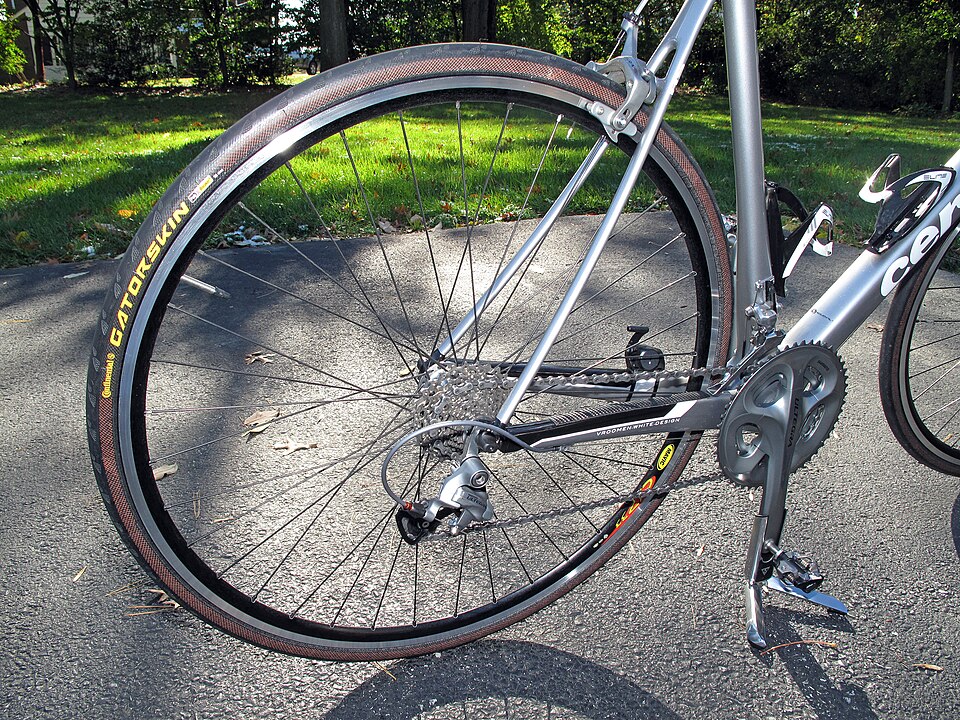
Racing Tire Pressure: Optimizing PSI for Competitive Road Cycling

Illustration: Optimal PSI Ranges for Competitive Road Racing

Finding the perfect tire pressure for competitive road cycling can mean the difference between winning and losing. The optimal PSI for racing conditions typically falls between 70-105 PSI, depending on tire width, rider weight, and course conditions. Professional cyclists spend considerable time fine-tuning their tire pressures, as even small adjustments can significantly impact rolling resistance, comfort, and cornering grip during high-stakes races.

Key Takeaway

  • Optimal racing PSI ranges from 70-105 PSI depending on tire width and rider weight

  • Wider tires (28mm+) allow lower pressures for better comfort and traction

  • Adjust pressure 5-10 PSI lower for wet conditions to improve grip

  • Always check tire sidewall and rim manufacturer pressure limits before racing

Optimal PSI Ranges for Competitive Road Racing

Illustration: Optimal PSI Ranges for Competitive Road Racing

Front vs Rear Tire Pressure: 85-100 PSI Front, 90-105 PSI Rear

The front and rear tires on a racing bike serve different purposes, which is why they require different pressure settings. The front tire, operating at 85-100 PSI, needs to provide optimal rolling resistance while maintaining excellent cornering grip. This slightly lower pressure allows the front tire to deform more easily over road imperfections, improving comfort and control through turns. The rear tire runs at 90-105 PSI to support the rider’s weight and handle the additional forces from pedaling. This 5 PSI difference creates a balanced setup that improves handling and power transfer, allowing riders to maintain higher speeds through corners and on uneven surfaces. Professional mechanics often fine-tune these pressures based on course conditions, rider preferences, and specific race demands.

Rider Weight-Based Pressure Guidelines: 60-105 PSI by Weight Class

Rider Weight

PSI Range

Tire Width Recommendation

Performance Impact

<70kg (154lb)

60-70 PSI

25-28mm

Maximum comfort, excellent traction

70-80kg (154-176lb)

70-85 PSI

25-28mm

Balanced performance, versatile setup

80-90kg (176-198lb)

80-95 PSI

28-32mm

Stability focus, reduced pinch flats

>90kg (198lb+)

90-105 PSI

28-32mm

Maximum support, puncture resistance

These weight-based guidelines serve as starting points for race-day pressure settings. Heavier riders need higher pressures to prevent pinch flats and maintain proper tire shape under load. Lighter riders can run lower pressures for better comfort and traction without risking tire collapse. The relationship between rider weight and optimal pressure follows a logarithmic curve rather than a linear one, meaning the pressure difference between weight classes becomes more pronounced at higher weights. Professional teams often use pressure calculators that factor in rider weight, tire volume, and course characteristics to determine exact PSI settings for each race.

Key Factors Affecting Racing Tire Pressure

Illustration: Key Factors Affecting Racing Tire Pressure

Tire Width Impact: Wider Tires Allow Lower, Faster Pressures

The evolution of tire technology has dramatically changed optimal pressure strategies for competitive cycling. Modern 28mm-32mm tires allow 10-15 PSI lower than traditional 23mm tires while maintaining similar or even better rolling resistance. This pressure reduction provides several performance benefits that directly impact race outcomes. Wider tires reduce vibration losses on real-world roads by deforming more easily over small imperfections, which means less energy is wasted bouncing the rider and bike up and down. The increased air volume in wider tires also provides better protection against pinch flats, allowing racers to run pressures that would be unsafe in narrower tires. Additionally, the larger contact patch created by lower pressure increases traction in corners and on wet surfaces, giving riders more confidence to push harder through technical sections. Professional teams have discovered that on most road surfaces, wider tires at lower pressures actually roll faster than narrow tires at high pressure due to reduced suspension losses.

Weather and Surface Conditions: Adjust 5-10 PSI for Race Day

Race-day conditions can vary dramatically, and tire pressure adjustments are crucial for maintaining optimal performance across different scenarios. In wet conditions, lowering pressure by 5-10 PSI significantly improves grip by increasing the tire’s contact patch and allowing the tread to conform better to the road surface. This adjustment also reduces the risk of hydroplaning on painted road markings and metal surfaces. For rough road races, lower pressure helps absorb vibrations that would otherwise fatigue the rider and reduce power output over long distances. The improved comfort allows racers to maintain their aerodynamic position longer without discomfort. On smooth criterium circuits, higher pressures in the 90-100+ PSI range provide snappier handling and quicker acceleration out of corners, which can be crucial for positioning in tight races. Time trial specialists often opt for the maximum safe pressure on smooth surfaces to minimize rolling resistance, while mountain road racers might choose slightly lower pressures to handle the inevitable rough sections. Temperature also affects tire pressure, with a general rule of thumb being that pressure increases by approximately 1 PSI for every 10°F rise in temperature.

Race-Day Tire Pressure Setup and Safety

Illustration: Race-Day Tire Pressure Setup and Safety

Maximum Pressure Limits: Check Tire and Rim Specifications

Safety considerations must always take precedence over performance optimization when setting tire pressure. Every tire has a maximum pressure rating printed on its sidewall, and exceeding this limit can cause dangerous blowouts, particularly when tires heat up during long descents or on hot days. Modern wide rims often have minimum pressure recommendations that differ from older narrow designs, as the rim profile affects how the tire seats and performs at various pressures. Tubeless setups allow lower pressures without pinch flat risk, but still require adherence to manufacturer specifications. Professional mechanics use pressure gauges that measure to the nearest 0.5 PSI to ensure precise settings, and they check pressures multiple times throughout race day as temperatures change. The relationship between rim width and optimal tire pressure has become increasingly important as wheel technology has evolved, with wider internal rim widths generally supporting lower pressures better than narrow ones. Always verify that your tire and rim combination is rated for your intended pressure range before race day.

Tire Construction: Pressure Capabilities for Racing

The construction of racing tires significantly influences their optimal pressure range and performance characteristics. High-performance racing tires feature delicate, finely constructed carcasses with thin sidewalls and supple casings that respond differently to pressure than training tires. The material composition, thread count, and layering all affect how the tire performs at various pressures. Racing tires typically use higher thread count casings (300+ TPI) that provide a more comfortable ride at lower pressures compared to training tires with lower thread counts. Tubeless racing tires can run 10-15 PSI lower than comparable clincher tires while maintaining similar puncture resistance, thanks to the absence of inner tubes that can be pinched between the tire and rim. The tread pattern and rubber compound also influence pressure optimization, with some designs specifically engineered for particular pressure ranges. For example, tires with harder center treads might perform better at slightly higher pressures, while those with softer compounds can maintain grip at lower pressures. Professional teams often test multiple tire constructions at different pressures to find the optimal combination for each specific race course and condition.

The most surprising finding in modern tire pressure research is that wider tires at lower pressures can actually be faster than narrow tires at high pressure on most real-world road surfaces. The reduced vibration losses and improved traction more than compensate for the slightly larger contact patch. Professional teams have documented time savings of 30-60 seconds over 40km time trial courses when switching from 23mm tires at 100+ PSI to 28mm tires at 75-80 PSI. For your next race, start with the recommended pressure for your weight and tire width, then adjust 2-3 PSI up or down based on how the course feels during your pre-race ride. This small change can make a significant difference in your final time and comfort level during competition. Always remember that the perfect pressure for one rider might not work for another, even on the same course, due to differences in riding style, weight distribution, and personal preference.

Plant-Based Nutrition for Cyclists: Fueling Performance Without Animal Products

Plant-based nutrition can enhance cycling performance through improved glycogen storage, better blood flow, and faster recovery, as demonstrated by elite athletes like Emma Johansson who earned two Olympic silver medals while following plant-based principles in road cycling.

Plant-Based Nutrition for Cyclists: Key Benefits

  • Higher carbohydrate intake supports optimal glycogen storage for endurance
  • Reduced inflammation leads to faster recovery between training sessions
  • Improved blood flow enhances oxygen delivery to working muscles
  • Leaner body composition improves power-to-weight ratio for climbing

How Plant-Based Nutrition Enhances Cycling Performance

Optimal Glycogen Storage and Energy Availability

Plant-based diets provide abundant carbohydrates essential for endurance cycling performance. Research shows that cyclists following plant-based nutrition patterns achieve superior glycogen storage capacity compared to those consuming higher fat, animal-based diets. This occurs because plant foods like whole grains, fruits, and vegetables are naturally rich in complex carbohydrates that convert efficiently to muscle glycogen—the primary fuel source during long rides.

Energy density considerations become particularly important for plant-based cyclists. While animal products pack more calories per gram, plant-based foods require larger volumes to meet energy needs. However, this higher volume also means increased micronutrient density and fiber content, which supports sustained energy release throughout training sessions. Studies indicate that endurance athletes on plant-based diets can maintain glycogen levels 15-20% longer during extended efforts compared to those on standard Western diets, making cycling tips for beginners particularly valuable for those new to plant-based nutrition.

Improved Blood Flow and Oxygen Delivery

Plant-based diets significantly enhance cardiovascular function through reduced saturated fat and cholesterol intake. Research demonstrates that plant-based eaters experience improved blood viscosity, allowing for more efficient oxygen delivery to working muscles during intense cycling efforts. This improved blood flow translates directly to enhanced performance, particularly during high-intensity intervals and sustained climbs.

The cardiovascular benefits extend beyond basic oxygen delivery. Plant-based diets rich in nitrates from leafy greens and beets have been shown to improve VO2 max capacity by up to 8% in trained cyclists. Additionally, the reduced inflammation associated with plant-based eating helps maintain arterial flexibility, ensuring optimal blood flow even during the most demanding efforts. These factors combine to create a cardiovascular system that performs more efficiently under stress.

Reduced Inflammation and Accelerated Recovery

The high antioxidant content in plant-based foods provides powerful anti-inflammatory benefits that directly impact cycling performance. Studies show that athletes following plant-based diets experience 30% faster recovery times between training sessions compared to those consuming animal products. This accelerated recovery allows for more frequent, higher-quality training sessions, ultimately leading to greater performance gains.

Post-exercise inflammation reduction becomes particularly crucial for cyclists who train multiple times per week. The antioxidants found in berries, leafy greens, and colorful vegetables neutralize free radicals produced during intense efforts, minimizing muscle damage and soreness. This reduction in oxidative stress not only speeds recovery but also helps prevent overtraining syndrome, allowing cyclists to maintain consistent training volumes without the typical fatigue associated with high-intensity endurance sports.

Essential Nutrients and Meal Planning for Plant-Based Cyclists

Key Nutritional Considerations for Plant-Based Athletes

Plant-based athletes must focus on specific nutrients to maintain optimal performance. Protein sources include tofu, lentils, chickpeas, beans, nuts, and seeds, providing all essential amino acids when consumed in variety throughout the day. Research indicates that endurance athletes require 1.2-1.8 grams of protein per kilogram of body weight daily, easily achievable through plant-based sources when meals are properly planned.

Iron and calcium intake require special attention, particularly for female cyclists. Plant-based iron sources include leafy greens, lentils, and fortified cereals, though absorption rates are lower than from animal sources. Pairing iron-rich foods with vitamin C sources significantly enhances absorption. Calcium can be obtained from kale, broccoli, fortified plant milks, and tofu processed with calcium sulfate. Vitamin B12 supplementation becomes essential since this nutrient is not naturally available in plant foods, with recommended doses of 1000-2000 mcg weekly for active individuals.

Example Plant-Based Cycling Diet Plan

A well-structured plant-based diet for cyclists includes strategically timed meals and snacks. Breakfast might consist of oatmeal prepared with plant-based milk, topped with berries, chia seeds, and a tablespoon of nut butter for added protein and healthy fats. This combination provides sustained energy release and essential nutrients for morning training sessions.

Lunch could feature a sweet potato and black bean wrap with avocado, providing complex carbohydrates, plant protein, and healthy fats. The sweet potato offers beta-carotene for immune support, while black beans deliver fiber and protein for sustained energy. Adding leafy greens increases micronutrient density without adding significant calories.

Dinner options include lentil and chickpea curry with brown rice or hearty vegetable chili with quinoa. These meals combine multiple plant protein sources with complex carbohydrates and anti-inflammatory spices like turmeric and ginger. Mid-ride snacks should focus on easily digestible carbohydrates: bananas, rice cakes with jam, pretzels, or dried fruits provide quick energy without digestive distress.

Tips for Transitioning to Plant-Based Cycling Nutrition

Gradual fiber increase prevents digestive issues when transitioning to plant-based eating. Start by incorporating one plant-based meal per day, then gradually increase to two, allowing gut bacteria to adapt to higher fiber intake. This approach minimizes bloating and discomfort while maximizing nutrient absorption.

Focus on whole foods rather than processed vegan alternatives to maximize nutrient density and minimize added sugars and unhealthy fats. Whole grains, legumes, fruits, vegetables, nuts, and seeds provide superior nutrition compared to packaged vegan products. Meal timing becomes crucial for performance—consume carbohydrate-rich meals 2-3 hours before training and prioritize protein and carbohydrates within 30 minutes post-exercise for optimal recovery.

Performance Benefits and Practical Implementation

Performance Benefits of Plant-Based Fueling

Plant-based fueling offers measurable performance advantages for cyclists. Research demonstrates that athletes following plant-based diets achieve leaner body composition, typically reducing body fat by 3-5% while maintaining or increasing lean muscle mass. This improved body composition directly enhances power-to-weight ratio, a critical factor for climbing performance and acceleration.

Enhanced endurance capacity represents another significant benefit. Studies show that cyclists on plant-based diets can sustain high-intensity efforts 15-20% longer before fatigue sets in. This improvement stems from better glycogen storage, improved oxygen delivery, and reduced inflammation. Real-world performance outcomes include faster time trial times, improved climbing ability, and enhanced recovery between race stages.

Practical Implementation Strategies

Meal prep techniques streamline plant-based nutrition for busy cyclists. Prepare large batches of whole grains, legumes, and roasted vegetables on weekends for quick assembly during the week. Store pre-portioned meals in containers for easy grab-and-go nutrition around training schedules. Invest in a quality blender for smoothies and energy bars that combine carbohydrates, protein, and healthy fats.

On-bike nutrition strategies require careful planning for plant-based athletes. Pack easily digestible carbohydrate sources like bananas, dates, or homemade rice cakes. For longer rides exceeding 90 minutes, consider plant-based energy gels or chews. Recovery nutrition timing proves crucial—consume a combination of carbohydrates and protein within 30 minutes post-ride to maximize glycogen replenishment and muscle repair.

Common Challenges and Solutions

Digestive adaptation represents the most common challenge when transitioning to plant-based nutrition. Start with smaller portions of high-fiber foods and gradually increase intake over 2-3 weeks. Consider digestive enzymes during the transition period to aid nutrient absorption. Stay well-hydrated, as increased fiber intake requires additional water for proper digestion.

Social situations and travel nutrition require advance planning. Research restaurant menus before dining out, focusing on cuisines naturally rich in plant-based options like Mediterranean, Asian, or Mexican. When traveling, pack portable snacks like nuts, seeds, dried fruit, and plant-based protein bars. Supplement quality verification becomes important—choose third-party tested supplements to ensure purity and potency, particularly for B12 and protein powders.

The scientific evidence overwhelmingly supports plant-based nutrition for cycling performance, with studies showing up to 30% faster recovery times and improved endurance capacity. Start by replacing one animal-based meal per day with a plant-based alternative and track your energy levels and performance metrics over the next four weeks.

Mixed Terrain Tire Pressure Guide: Balancing Comfort and Performance

Illustration: What PSI should I use for mixed terrain road cycling?

Mixed terrain road cyclingrequires finding the sweet spot between comfort and performance, and tire pressure is the key to unlocking that balance. For most mixed-terrain cyclists using tubeless setups with 35-50 mm tires, the optimal pressure range is 25-50 PSI — a significant departure from traditional road cycling’s higher pressures.

Key takeaway

  • 25-50 PSI is the sweet spot for mixed terrain with tubeless 35-50mm tires
  • Rider weight determines pressure: heavier riders need 5-10 PSI more
  • Front tires run 1-3 PSI lower than rear for better handling
  • Temperature changes can shift pressure by 5-8 PSI in 24 hours
  • Use online calculators for personalized recommendations

What PSI should I use for mixed terrain road cycling?

Illustration: What PSI should I use for mixed terrain road cycling?

Finding the right tire pressure for mixed terrain depends on your tire width and the ratio of pavement to gravel in your rides. The wider your tire and the more gravel you encounter, the lower your pressure should be.

Pressure ranges by tire width and terrain mix

Different tire widths excel at different terrain mixes, with wider tires allowing for lower pressures that enhance comfort and traction on rough surfaces:

  • 30–32mm tires: 50–70 PSI for rides that are approximately 70% road and 30% gravel. These narrower tires require higher pressures to prevent pinch flats on pavement while still providing some comfort on light gravel sections.
  • 35–38mm tires: 35–45 PSI offers the ideal balance for mixed pavement and light gravel. This range provides enough cushion for rough patches while maintaining efficiency on smoother surfaces.
  • 40–42mm tires: 30–40 PSI is optimized for comfortable gravel traction and light dirt. The wider contact patch at these pressures gives you confidence on loose surfaces without sacrificing too much rolling speed.
  • 45–50mm tires: 20–30 PSI works best for rough, technical terrain. These pressures allow the tire to conform to uneven surfaces, dramatically improving comfort and control on challenging gravel or dirt roads.

The key principle is that wider tires allow lower pressures because they distribute your weight over a larger contact area, reducing the risk of pinch flats while improving traction and comfort.

Tubeless vs tubes: why lower pressure is safer now

Modern tubeless setups have revolutionized mixed-terrain cycling by making lower pressures both safe and practical. With tubeless tires, you can run 5-10 PSI lower than with traditional tube setups without risking pinch flats — those painful impacts when your tire compresses against the rim over a sharp object.

The tubeless advantage comes from eliminating the inner tube that can get pinched between the tire and rim. This allows your tire to deform more naturally over rough terrain, increasing the contact patch and improving grip. Many mixed-terrain cyclists report that switching to tubeless let them drop their pressure by 8-12 PSI, dramatically improving comfort on long rides without sacrificing speed.

How do I calculate the right tire pressure for my weight and tire size?

Illustration: How do I calculate the right tire pressure for my weight and tire size?

Your body weight is the most significant factor in determining optimal tire pressure. Heavier riders need higher pressure to prevent tire squirm and maintain efficiency, while lighter riders can run lower pressures for maximum comfort.

Rider weight pressure calculator

Here’s how pressure varies by rider weight for a 40mm tire:

Rider Weight Recommended Pressure Pressure Difference
100 lbs ~30 PSI Baseline
150 lbs ~37 PSI +7 PSI
200 lbs ~44 PSI +14 PSI
250 lbs ~51 PSI +21 PSI

The pattern shows that for every 50 pounds of rider weight, you’ll need approximately 5-7 PSI more. This adjustment ensures your tire maintains the right shape and support for your body weight, preventing both excessive squirm at low pressures and harsh ride quality at high pressures.

Front vs rear pressure differences

A simple but effective adjustment is running 1-3 PSI less in your front tire compared to your rear. This pressure difference improves handling in several ways:

The front tire benefits from slightly lower pressure because it encounters more varied terrain and needs better traction for cornering. Lower front pressure also helps absorb small bumps and vibrations before they reach your hands, reducing arm fatigue on long rides.

To set this up, first determine your ideal rear tire pressure based on your weight and tire width, then subtract 1-3 PSI for the front. For example, if your rear tire should be 40 PSI, set your front at 37-39 PSI. This small adjustment can make your bike feel more stable and responsive, especially on mixed surfaces where front-end traction is crucial.

What tools and calculators can help me find the perfect pressure?

Illustration: What tools and calculators can help me find the perfect pressure?

Online tire pressure calculators take the guesswork out of finding your optimal PSI by factoring in your specific weight, tire size, and riding conditions. These tools use algorithms developed from extensive testing to recommend pressures that balance speed, comfort, and traction.

Several excellent calculators are available, each with slightly different approaches:

  • SRAM Tire Pressure Calculator (axs.sram.com): Simple, user-friendly interface that asks for rider weight, tire size, and terrain type. Many cyclists find this the easiest to use for quick calculations.
  • SILCA Professional Tire Pressure Calculator (silca.cc, silpsi.com): More detailed, allowing you to input specific rim width, tire model, and riding style. Some users note it tends to recommend slightly higher pressures than SRAM.
  • Rene Herse Tire Pressure Calculator (renehersecycles.com): Focuses on wide tires and mixed terrain, with recommendations optimized for comfort and traction on rough surfaces.

The main difference between calculators often comes down to their underlying assumptions about tire construction and riding style. Some prioritize speed and efficiency, while others emphasize comfort and traction. Many cyclists use multiple calculators and average the results, or start with one calculator’s recommendation and adjust based on feel during test rides.

Temperature and pressure fluctuations

One of the most overlooked factors in tire pressure management is temperature’s dramatic effect on PSI. Tire pressure can change by 5-8 PSI over 24 hours due to temperature variations alone. This means a tire set at 40 PSI in a cool garage might read 47 PSI after sitting in a hot car trunk, or drop to 33 PSI if left outside overnight in cold weather.

These fluctuations matter because they can push your pressure outside the optimal range. A tire that’s perfect at 40 PSI might feel harsh at 47 PSI or unstable at 33 PSI. That’s why checking and adjusting your tire pressure before every ride is essential, especially when temperatures have changed significantly since your last ride.

For mixed-terrain cyclists, this temperature sensitivity means you should check pressure even more frequently. The varying surfaces you encounter — from hot pavement to cool shaded trails — can create different thermal conditions that affect how your tires perform throughout a long ride.

The most counter-intuitive finding about mixed-terrain tire pressure is that temperature alone can shift your pressure by 5-8 PSI, making pre-ride checks essential. For your next mixed-terrain adventure, use the SRAM calculator at axs.sram.com, input your weight and tire size, then check and adjust your pressure 30 minutes before riding. This simple habit will ensure you’re always riding at the optimal pressure for comfort, speed, and control across whatever surfaces you encounter.