Emma Johansson, the Swedish road cycling known as “Silver Emma,” won 61 career races between 2005 and 2016 through meticulous preparation and well-maintained equipment. Professional cyclists spend more time on maintenance than actual riding, ensuring every component performs optimally when it matters most.
Professional bike maintenance ensures safety and performance
- Check tyre pressure and inspect for damage before every ride
- Lubricate chain every 500-700 km and clean drivetrain weekly
- Perform monthly deep cleaning and wear checks on all components
Essential Pre-Ride and Regular Maintenance Checklist
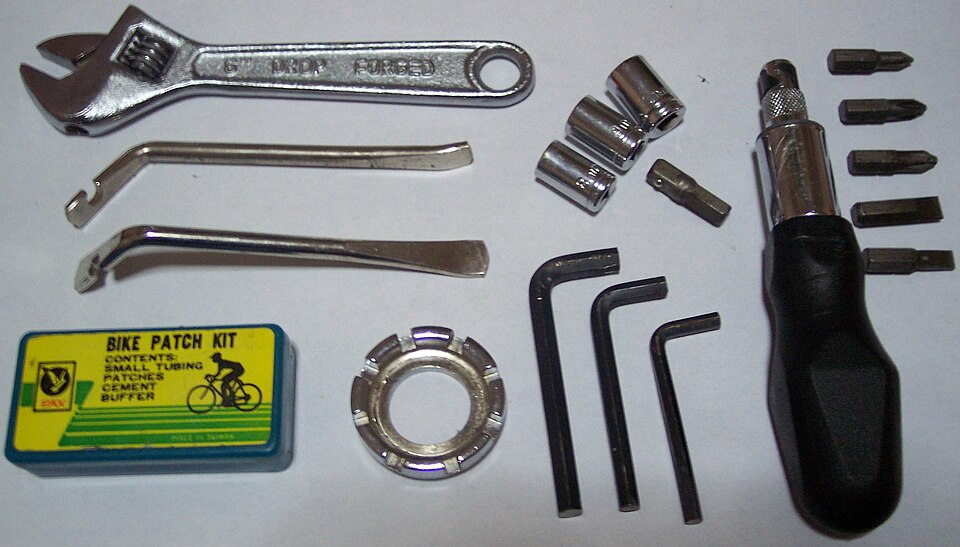
Tyre Pressure and Safety Inspection
- Pre-ride pressure checks: Check air pressure before every ride using a floor pump with gauge. Proper inflation ensures optimal speed, handling, and reduces flat risks. Professional riders check pressure when tyres are cold for consistent readings, as heat from riding increases pressure by 5-10 psi.
- Damage inspection procedures: Inspect tyres for cuts, debris, or accelerated wear. Look for embedded glass, thorns, or sidewall damage that could cause flats. Check the entire circumference of both tyres, paying special attention to the tread area where debris accumulates.
- Hot weather pressure adjustments: Lower initial pressure by roughly 7 psi (0.5 bar) in hot conditions to compensate for heat expansion during rides. This prevents over-inflation that can reduce traction and increase puncture risk. Track temperature changes throughout your ride to understand pressure variations.
- PSI measurement guidelines: Use the pressure marking on tyre sidewalls as a starting point, then adjust based on rider weight and road conditions. Heavier riders need higher pressure (90-100 psi) while lighter riders can use lower pressure (80-90 psi). Road surface quality also affects optimal pressure – rougher roads benefit from slightly lower pressure for comfort.
Chain and Drivetrain Lubrication Schedule
- Lubrication frequency: Apply chain lubricant every 500-700 km, or more often if riding in wet conditions. Clean and dry the chain before applying fresh lube. Use a dedicated chain cleaning tool with degreaser for thorough cleaning, then allow the chain to dry completely before lubrication.
- Wet weather adjustments: In rainy conditions, lubricate more frequently to prevent rust and maintain smooth shifting. Use wet-specific lubricants for better water resistance. After wet rides, clean and re-lubricate the chain even if it hasn’t reached the 500km interval to prevent corrosion.
- Signs of chain wear: Listen for chain noise, watch for skipping gears, and check for stiff links. Replace chain before it damages the cassette to save money long-term. Use a chain wear indicator tool – when wear exceeds 0.75%, replace the chain to prevent costly cassette replacement.
Brake System Safety Check
- Brake pad wear thresholds: Replace brake pads if they are worn down to less than 3mm thickness. Worn pads reduce stopping power and can damage rims or rotors. Check pad wear weekly by looking through the caliper – most pads have wear indicators that become visible when replacement is needed.
- Lever responsiveness testing: Squeeze brake levers to ensure they grab firmly without reaching the handlebar. Check that pads contact rims or rotors, not tires. Adjust cable tension if levers feel spongy or require excessive force. Test both brakes independently to ensure balanced stopping power.
- Emergency brake function: Test both front and rear brakes separately to ensure they work independently. Weak brakes can be dangerous in emergency situations. Perform an emergency stop test in a safe area – your bike should stop straight without pulling to one side.
Professional Maintenance Intervals and Deep Cleaning
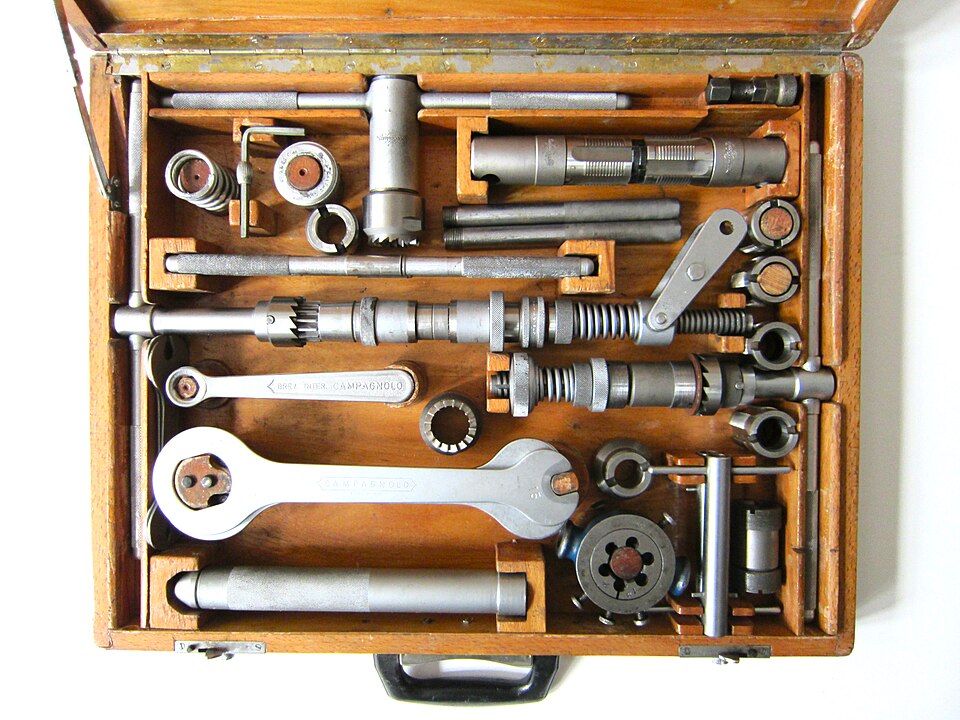
Weekly Drivetrain Cleaning Schedule
- 160km cleaning interval: Clean and degrease the drivetrain every 160km or weekly, whichever comes first. This prevents gunk buildup that affects shifting performance. Use biodegradable degreaser and a soft brush to clean chain, cassette, chainrings, and derailleurs. Remove all old lubricant and grime for optimal performance.
- Degreasing procedures: Use biodegradable degreaser and a soft brush to clean chain, cassette, chainrings, and derailleurs. Remove all old lubricant and grime. Work in a well-ventilated area and protect your floor with newspaper or a drop cloth. Allow components to dry completely before re-lubrication.
- Component-specific cleaning tools: Use dedicated brushes for different parts – narrow brushes for cassette cogs, wider brushes for chainrings, and small picks for tight spaces. A chain cleaning device with rotating brushes provides thorough cleaning with minimal mess. Keep brushes separate to avoid cross-contamination of cleaning solutions.
Monthly Deep Maintenance Routine
- 500-800 km interval: Perform comprehensive maintenance every 500-800 km, including chain wear check and deep cleaning of all components. This interval ensures optimal performance and prevents premature wear. Track your mileage to maintain consistent maintenance schedules regardless of riding frequency.
- Chain wear measurement: Use a chain checker tool to measure chain stretch. Replace chain before it reaches 0.75% wear to prevent cassette damage. A stretched chain wears down cassette cogs faster, leading to poor shifting and expensive replacements. Regular measurement saves money by extending component life.
- Frame and component deep cleaning: Clean the entire frame with mild soap-based cleaner to remove road grime. Pay attention to hard-to-reach areas around the bottom bracket and headset. Remove wheels for thorough cleaning of brake tracks and hub areas. Check for loose spokes and true wheels during cleaning.
Bolt Torque and Frame Integrity Check
- Torque specifications: Use a torque wrench to check key bolts including stem, seatpost, cranks, and bottle cage mounts. Proper torque prevents dangerous failures. Most bicycle bolts require 4-8 Nm torque – consult manufacturer specifications for exact values. Over-tightening can strip threads or crack carbon components.
- Frame inspection points: Check for cracks around welds, especially near the bottom bracket and head tube. Look for paint chips that might indicate underlying damage. Inspect carbon frames for scratches that penetrate the clear coat – these can lead to structural weakness. Check for frame alignment by sighting along the top tube.
- Tool requirements: Invest in a quality torque wrench set with common bicycle sizes (4-10mm) and a set of hex keys for regular adjustments. A torque wrench prevents damage from over-tightening and ensures consistent assembly. Keep tools organized and clean for reliable performance.
Tyre Pressure and Performance Optimization
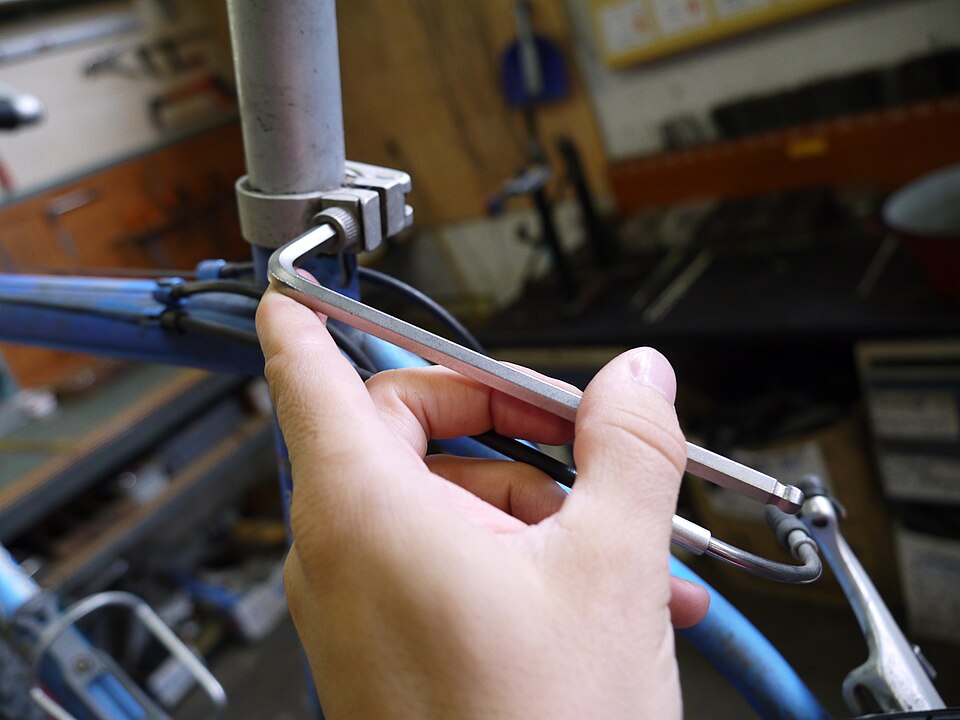
Professional Pressure Management Techniques
- Standard vs hot weather settings: Standard pressure for most road tyres ranges from 80-100 psi depending on rider weight. In hot conditions, reduce by 7 psi to account for expansion. Professional riders adjust pressure based on course profile, weather forecast, and personal preference. Track your optimal pressure for different conditions to maximize performance.
- Pressure measurement tools: Use a digital pressure gauge for accuracy, as many mini-pumps have inaccurate gauges. Check pressure when tyres are cold for consistent readings. Digital gauges provide 0.5 psi accuracy compared to 2-3 psi variation in analog gauges. Keep your gauge calibrated for reliable measurements.
- Performance impact: Higher pressure reduces rolling resistance on smooth roads but decreases comfort and cornering grip. Lower pressure improves comfort and traction but increases rolling resistance. Find your optimal balance through experimentation – most riders find their best performance with slightly lower pressure than manufacturer recommendations.
Pressure Impact on Ride Quality and Efficiency
- Rolling resistance effects: Properly inflated tyres roll faster with less effort. Under-inflated tyres create more rolling resistance, making you work harder for the same speed. Studies show that 10% under-inflation can increase rolling resistance by 20%, significantly affecting performance over long distances.
- Comfort considerations: Lower pressure absorbs road vibrations better, reducing fatigue on long rides. However, too low pressure increases puncture risk and handling instability. Professional riders often use slightly lower pressure in long races for comfort, accepting minor speed sacrifices for reduced fatigue.
- Cornering grip relationship: Slightly lower pressure in corners increases contact patch size, improving grip. Professional riders often adjust pressure based on course conditions and weather. In wet conditions, reducing pressure by 2-3 psi can significantly improve traction without major speed penalties.
Advanced Pressure Monitoring Systems
- Digital pressure gauges: Invest in a quality digital gauge that measures to 0.5 psi accuracy. Track pressure changes over time to understand how temperature affects your tyres. Digital gauges provide consistent readings across different users, eliminating guesswork from pressure adjustments.
- Smart tyre systems: Some high-end systems include pressure sensors that connect to cycling computers, providing real-time pressure data and alerts for pressure loss. These systems help riders maintain optimal pressure throughout rides and detect slow leaks before they become dangerous.
- Pressure logging for performance tracking: Record your pressure settings along with ride data to find your optimal pressure for different conditions and courses. Professional teams maintain pressure logs for each rider and course combination, creating data-driven pressure recommendations for specific events.
Professional maintenance routines ensure your bike performs reliably when you need it most. Create a personalized maintenance calendar based on your weekly mileage – if you ride 100 miles per week, plan monthly deep cleaning and weekly drivetrain maintenance. Remember that Emma Johansson’s success came from treating her equipment with the same precision as her training, ensuring every ride started with a perfectly maintained machine. The most surprising fact is that professional cyclists often spend more hours maintaining their bikes than actually riding them – a testament to how crucial equipment reliability is for competitive performance.