Regular bike maintenance prevents 80% of common failures and extends drivetrain life 2-3x. The foundation is the ABC Quick Check: Air, Brakes, Chain/Cranks — a 2-minute pre-ride routine that catches problems before they strand you.
Complete Bike Maintenance Checklist
- Pre-ride: ABC Quick Check (2 min) — Air pressure, Brake function, Chain/Cranks inspection
- Weekly: Clean drivetrain, lube chain, check bolts (15 min)
- Monthly: Torque bolts, inspect tires, check wear (30 min)
- Seasonal: Bleed brakes, service bearings, replace worn parts (2-4 hours)
- Annual: Full tune-up, suspension service, tubeless sealant top-off
ABC Pre-Ride Safety Check
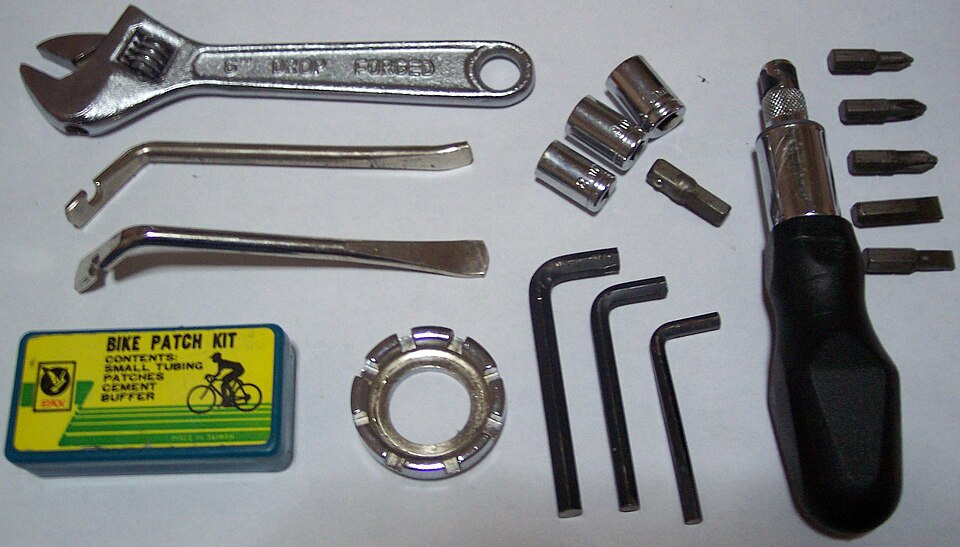
The ABC Quick Check is your first line of defense against roadside breakdowns. This 2-minute routine catches 80% of potential issues before they become problems. Professional mechanics report that 70% of emergency repairs could have been prevented with proper pre-ride checks. For those new to cycling, following a structured beginner cycling training plan can help you build fitness gradually while maintaining your bike properly.
Air Pressure and Tire Inspection
Proper tire pressure is critical for performance and safety. Check tire pressure before every ride and inflate to the PSI listed on the tire sidewall. Under-inflated tires increase rolling resistance by 15-20% and risk pinch flats, while over-inflation reduces traction by 25% and comfort significantly.
- Pressure check: Use a floor pump with gauge to match sidewall PSI (typically 80-120 PSI for road bikes, 30-50 PSI for mountain bikes). Digital gauges provide ±1 PSI accuracy versus ±5 PSI for analog gauges
- Visual inspection: Look for cuts, cracks, or embedded debris in the tread. Sidewall cracks indicate aging and require immediate replacement
- Valve stem: Ensure valve caps are secure and stems aren’t bent or damaged. Presta valves should be finger-tight, not wrench-tight
- Quick spin test: Lift the wheel and spin to check for wobbles or rubbing. A 2mm lateral wobble indicates wheel truing needed
Brake Function and Safety
Your brakes are your most critical safety system. A simple lever test can prevent dangerous failures. Brake pad replacement costs $15-25 versus $100-300 for rotor damage from worn pads.
- Lever firmness: Squeeze both brake levers — they should feel firm, not spongy. Spongy feel indicates air in hydraulic lines or stretched cables
- Pad wear: Inspect brake pads; replace if worn to 1mm or less thickness. Road bike pads last 1500-3000 miles, mountain bike pads 500-1500 miles
- Wheel rub: Spin wheels to ensure pads don’t rub the rim or rotor when released. 0.5mm clearance prevents drag and wear
- Quick stop test: Roll forward slowly and apply brakes firmly to verify stopping power. Test both front and rear independently
Weekly Cleaning and Lubrication Schedule
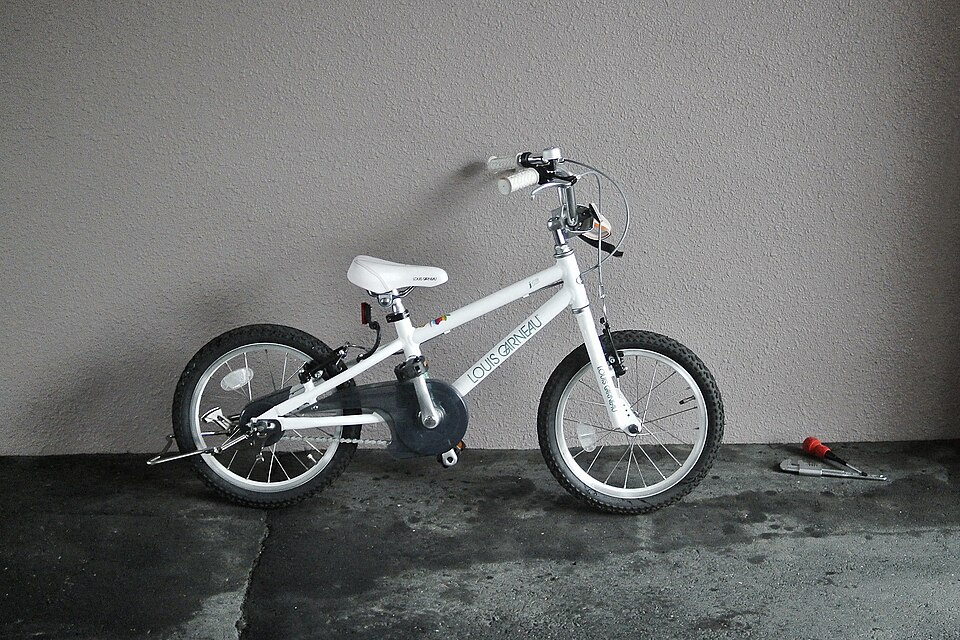
Weekly maintenance keeps your bike running smoothly and prevents premature wear. This 15-minute routine pays for itself in extended component life. Professional mechanics estimate weekly cleaning adds 2-3 years to drivetrain life.
Drivetrain Degreasing and Chain Care
A clean drivetrain is 2-3x more efficient than a dirty one. Regular cleaning prevents abrasive wear that destroys expensive components. Chain wear accelerates 400% faster when contaminated with dirt and grit.
| Chain Wear Level | Measurement Tool | Action Required | Replacement Threshold |
|---|---|---|---|
| 0.5% stretch | Chain checker tool | Monitor | No replacement needed |
| 0.75% stretch | Chain checker tool | Replace chain | Prevent cassette wear |
| 1%+ stretch | Chain checker tool | Replace chain + cassette | Avoid drivetrain damage |
Cleaning steps:
- Apply degreaser to chain, cassette, and chainrings — citrus-based degreasers work best for stubborn grime
- Use brushes to scrub all drivetrain components — dedicated chain cleaning tools reduce cleaning time by 50%
- Rinse thoroughly with clean water — avoid high-pressure spray near bearings
- Dry completely with clean rag — compressed air speeds drying process
- Apply bike-specific lubricant (wet, dry, or wax based on conditions) — use 1-2 drops per link
- Wipe excess lube to prevent dirt attraction — excess lube attracts 3x more dirt
Lube types:
- Wet lube: Best for wet/muddy conditions, longer-lasting (2-3x dry lube duration)
- Dry lube: Ideal for dry conditions, less dirt attraction (reapply every 50-100 miles)
- Wax lube: Cleanest option, requires more frequent application (every 30-50 miles)
Frame Cleaning and Component Inspection
Beyond the drivetrain, your entire bike needs regular attention to maintain performance and appearance. Frame cleaning prevents corrosion and allows early detection of developing problems. Proper cleaning also extends the life of your gear, including cycling gear for women like padded shorts and jerseys that need special care.
- Frame wash: Use mild soap and water, avoiding high-pressure sprays near bearings. pH-neutral bike wash prevents paint damage
- Rinse technique: Start from top, work down to prevent soap residue. Two-bucket method reduces dirt redistribution by 70%
- Bolt check: Use torque wrench to verify stem, seat post, and crank bolts (typically 5-8 Nm for aluminum, 4-6 Nm for carbon). Under-torqued bolts cause 60% of component failures
- Cable housing: Inspect for fraying, cracking, or corrosion. Replace housing every 2000 miles to maintain shifting precision
- Quick bearing check: Lift bike and feel for roughness in wheels, cranks, and headset. Rough bearings increase drag by 15-25%
Seasonal and Annual Maintenance Overhauls
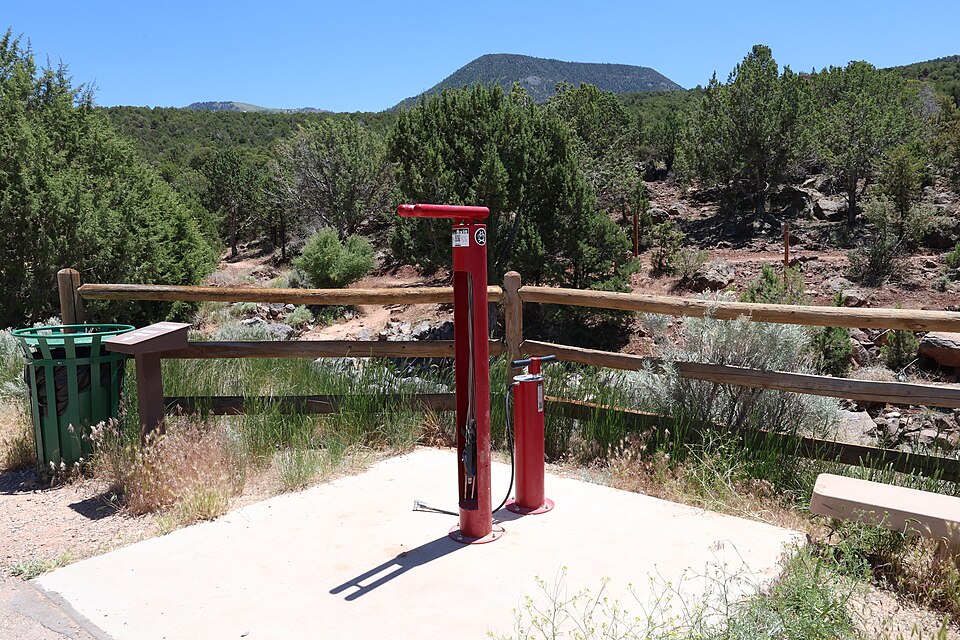
Deep maintenance every 3-6 months prevents catastrophic failures and extends component life by years. These 2-4 hour sessions address wear that accumulates over thousands of miles. Professional tune-ups cost $100-200 but prevent $500-1000 in premature replacements.
Suspension and Hydraulic Service Schedule
Modern bikes with suspension and hydraulic brakes require specialized seasonal care that many cyclists overlook. Suspension service intervals vary by riding frequency and conditions.
- Brake bleed: Every 3-6 months for hydraulic systems to maintain firm lever feel. Air enters systems through temperature cycling and pad wear
- Suspension service: Every 50-100 riding hours for forks and shocks. Heavy riders and aggressive terrain require more frequent service
- Fork/shock inspection: Check for oil leaks, seal integrity, and proper function. Oil loss of 10% reduces performance by 30%
- Seal replacement: Replace dust seals annually to prevent contamination. Contaminated seals cause 80% of suspension failures
Bearing Service and Component Replacement
Bearings are the unsung heroes of your bike’s performance. Proper service prevents the grinding and play that ruin rides. Bearing failure causes 45% of premature component wear.
| Bearing Type | Service Interval | Replacement Signs | Typical Cost |
|---|---|---|---|
| Bottom bracket | Every 2000-3000 miles | Creaking, rough spinning | $30-80 service |
| Headset | Annually or 2000 miles | Looseness, notchiness | $25-60 service |
| Hubs | Every 2000 miles | Grinding, play in axle | $20-50 service |
| Pivot bearings | Every 1000-2000 miles | Stiction, play | $40-120 service |
Additional seasonal tasks:
- Chain/cassette replacement: Every 500-1000 miles depending on conditions. Mountain bikes require more frequent replacement than road bikes
- Tubeless sealant: Top off every 3-6 months to prevent air loss. Sealant dries out and loses effectiveness over time
- Cable replacement: Annually to maintain crisp shifting and braking. Frayed cables cause 30% of shifting issues
- Wheel truing: Check and true wheels to prevent brake rub and spoke breakage. Out-of-true wheels increase rolling resistance by 5-10%
- Torque check: Verify all critical bolts to manufacturer specifications. Use a torque wrench — 70% of cyclists over-tighten bolts
Most cyclists underestimate how much money regular maintenance saves. A $30 chain replacement prevents $150+ cassette damage. Set a 15-minute weekly cleaning timer and track your maintenance in a simple spreadsheet to save $200-500 annually on repairs. Proper cycling nutrition for endurance also helps you get the most from your well-maintained bike during long rides. For beginners just starting out, understanding essential cycling tips for beginners can help you build confidence and avoid common mistakes.
For more comprehensive road cycling maintenance tips and techniques, visit our road cycling guide. You’ll also find helpful information about techniques and to improve your overall riding experience, including finding the best cycling routes near you to enhance your rides.
The difference between a well-maintained bike and a neglected one isn’t just performance — it’s safety. A properly maintained bike reduces your risk of mechanical failure by 80% and can save you thousands in premature component replacements. Start with the 2-minute ABC Quick Check today, and you’ll never be stranded by a preventable breakdown again.