Starting cycling can feel overwhelming, but with the right setup and knowledge, you’ll be riding confidently in no time. These essential tips cover everything from bike fit to road safety, helping you avoid common beginner mistakes and build skills progressively. Before you buy, research your options with these Top Road Bike Reviews 2024: Best Models Compared.
- Professional bike fit prevents pain and injury — get yours adjusted
- Always wear a helmet and padded shorts (no underwear underneath)
- Learn to use gears for steady cadence and efficient riding
- Ride 1 meter from curb to assert road space and avoid hazards
- Carry basic tools and learn to fix a flat tire before your first long ride
How to Set Up Your Bike for Comfort and Safety
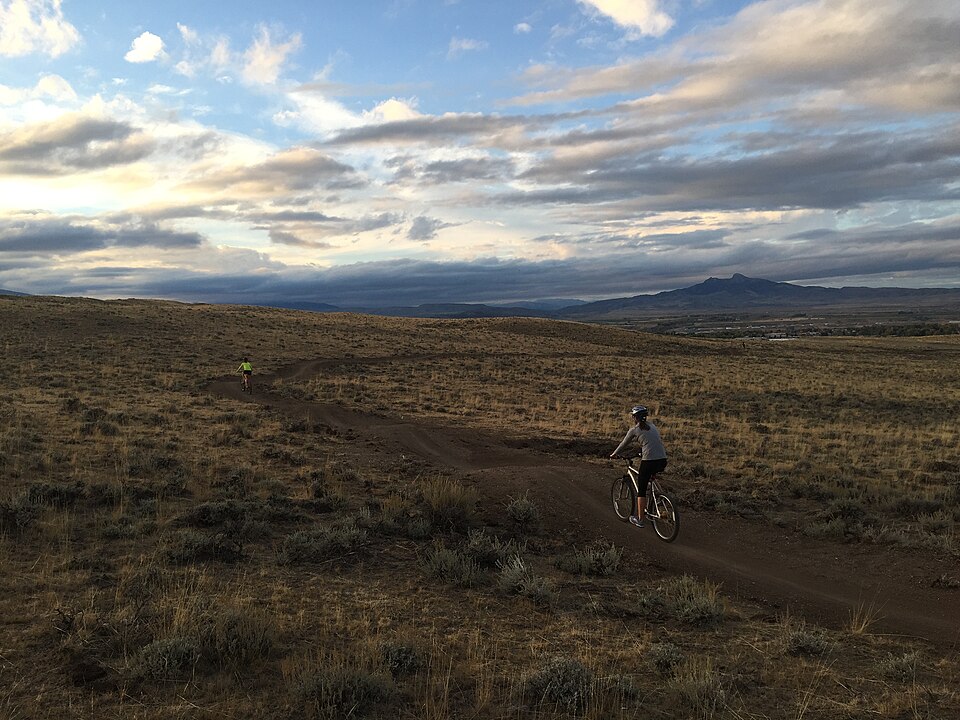
Professional Bike Fit and Basic Adjustments
Getting a professional bike fit is crucial for beginners to avoid pain and injury. A proper fit ensures your body is positioned correctly on the bike, reducing strain on your joints and muscles. The most important adjustment is saddle height — your saddle should be high enough to allow a slight bend in your knee at the bottom of the pedal stroke. This prevents knee pain and maximizes power output.
Your riding position also matters. When you’re in your normal riding position, the handlebars should obscure your view of the front wheel hub. If you can see the hub clearly, your handlebars might be too far away or too low. This position reduces strain on your back and neck.
Tire pressure is another critical factor. Check the sidewall of your tires for the recommended pressure range. For most road conditions, inflate to the middle of that range. In wet conditions, slightly lower pressure (around 5-10 psi less) can improve traction and comfort. For a complete maintenance routine, follow this Complete Bike Maintenance Checklist Every Cyclist Should Follow.
Pre-Ride Safety Check (M-Check)
Before every ride, perform a quick M-check to ensure your bike is safe to ride. Start at the front wheel and move in an M pattern: check the wheel for damage and proper attachment, then the brakes for smooth operation, then the handlebars for alignment, then the pedals for secure attachment, and finally the rear wheel. This quick routine takes less than a minute but can prevent mechanical issues on the road.
Chain Maintenance and Lubrication
Keep your chain lubricated to prevent corrosion and noise. A well-lubricated chain shifts smoothly and lasts longer. Apply chain lube after cleaning your chain, and wipe off excess to prevent dirt buildup. This simple maintenance step improves ride quality and extends the life of your drivetrain components.
Essential Gear and Safety Equipment You Need
Helmet and Padded Shorts
A helmet is non-negotiable for cycling safety. Choose one that fits snugly without being tight, with the front edge about one inch above your eyebrows. Replace your helmet every 3-5 years or after any impact, even if it looks fine.
Padded shorts (also called bibs) are crucial for comfort on longer rides. The padding reduces pressure points and prevents chafing. Crucial tip: Do not wear underwear under padded shorts, as this can cause rubbing and saddle sores. The shorts are designed to be worn directly against your skin.
Visibility and Protection Gear
Lights are essential even for daytime riding. Use a white front light and a red rear light. A flashing rear light significantly increases your visibility to motorists, even in bright sunlight. Many cyclists use lights during the day to enhance safety.
Gloves protect your hands from fatigue and provide padding for comfort. They also improve grip when your hands get sweaty. Choose gloves with padding in the palm area for maximum comfort.
Clothing should be bright and visible. Layer your clothing to adapt to changing weather conditions. Bright colors like yellow, orange, or white make you more visible to drivers. Consider weather-appropriate fabrics that wick moisture away from your skin. Women cyclists can find specific recommendations in this Essential Cycling Gear for Women: What You Really Need.
Tools and Emergency Supplies
Carry a multi-tool, tire levers, a spare inner tube, and a mini-pump on every ride. These items allow you to fix common problems like flat tires. Learn how to change a flat before your first long ride — this skill can save you from being stranded.
A small saddlebag attaches under your seat and holds these essentials. Also consider carrying a lock for security, and some emergency cash or a credit card for unexpected situations. For longer rides, proper nutrition is crucial — learn what to eat and drink with this cycling nutrition for endurance guide.
Road Skills and Safety Techniques for Beginners

Mastering Gears and Braking
Learn to use gears effectively to maintain a steady cadence. Aim for 70-90 revolutions per minute (rpm). This cadence range is efficient and reduces strain on your knees. Don’t be afraid to shift gears frequently — the right gear makes riding easier and more enjoyable.
Use both brakes smoothly and avoid sudden, sharp movements. The front brake provides most of your stopping power, but using it alone can cause you to flip over the handlebars. Apply both brakes evenly for safe, controlled stops.
Cornering and Balance Techniques
When turning, keep your inside pedal up at the top of the pedal stroke. This prevents the pedal from striking the ground when you lean into the turn. Practice this technique in a safe area before trying it on busy roads.
Practice slow-speed balance by riding in a figure-eight pattern. This improves your overall stability and control. Being able to balance at slow speeds is crucial for navigating tight spaces and coming to complete stops without putting your foot down.
Road Positioning and Traffic Awareness
Ride approximately 1 meter from the curb to assert your road space. This position prevents cars from squeezing past you in the same lane and keeps you away from hazards like potholes and debris near the edge of the road. Don’t ride in the “gutter” — you have the right to use the full lane when necessary.
Obey all traffic signs, signals, and lane markings. Ride with the flow of traffic, not against it. Use clear hand signals to indicate turns and lane changes. Signal well in advance so drivers have time to react.
Stay at least 1 meter from parked cars to avoid the “door zone.” Many accidents happen when car doors open suddenly into a cyclist’s path. This buffer gives you time to react if a door opens unexpectedly.
Scanning and Hazard Awareness
Constantly scan the road 10-15 seconds ahead for hazards like potholes, sand, railroad tracks, pedestrians, and other vehicles. This gives you time to react safely to obstacles. Look for patterns in traffic and anticipate potential problems.
Frequently look over your shoulder to check for traffic without losing balance. This skill, called a “shoulder check,” helps you merge safely and be aware of vehicles approaching from behind. Practice this in a safe area until it becomes natural.
Building Your Cycling Confidence
The biggest surprise for most beginners is how quickly cycling becomes second nature. What feels awkward at first soon becomes muscle memory, and those first 10-minute rides turn into hour-long adventures. Your action step: find a local cycling group this week — riding with others not only teaches you road etiquette but also keeps you motivated when the couch feels more appealing than the saddle. If you’re ready to build your fitness systematically, try this Beginner Cycling Training Plan: Build Your Fitness Safely.
Start with short rides in traffic-free areas and gradually build your confidence. Consider joining a beginner-friendly cycling club where you can learn from experienced riders. Many clubs offer skills clinics and group rides specifically for new cyclists. For help finding great places to ride, see this Finding the Best Cycling Routes Near You: A Local Guide.
Remember Emma Johansson’s philosophy: focus on personal progress rather than comparing yourself to others. Enjoy the feeling of being on the bike and the sense of freedom it brings. Cycling is about the journey, not just the destination.
For more detailed information on road cycling techniques and safety, check out our comprehensive guide to road cycling. You’ll find additional tips on advanced skills, training plans, and equipment recommendations to help you progress from beginner to confident cyclist.