A beginner cycling training plan focusing on safe, gradual development is essential to building endurance and skills without burnout or injury. Drawing from the principles of former professional road cyclist Emma Johansson, such a plan emphasizes consistency, mental preparation, and steady progression, allowing beginners to “build their engine” safely.
- Start with 2-3 rides per week at 30-45 minutes each to build habit and stamina
- Focus on smooth pedaling and proper gear usage before increasing intensity
- Use the “talk test” — if you can’t hold a conversation, you’re going too hard
- Progress to one longer ride (up to 90 minutes) and light intervals by week 5
- Always prioritize safety: proper helmet fit, tire pressure, and saddle height
Beginner Cycling Training Plan: 8-Week Progressive Program
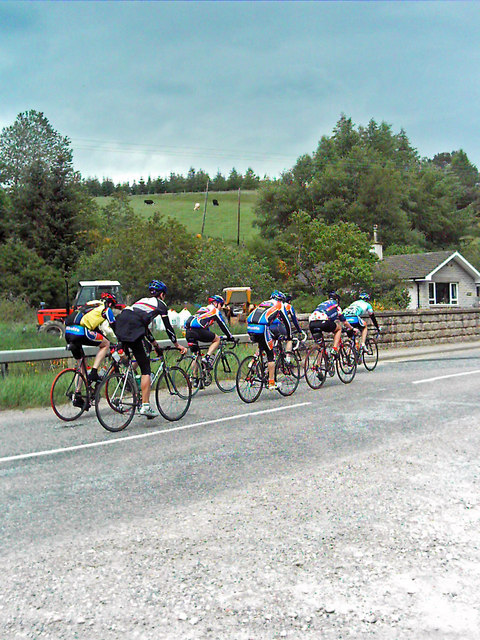
This 8-week progressive program builds your cycling fitness safely through structured phases. The plan emphasizes consistency over intensity, allowing your body to adapt gradually while building confidence on the bike.
Phase 1: Getting Started (Weeks 1-4) — Building Habit and Stamina
The first four weeks focus on establishing a consistent riding habit and building basic endurance. Ride 2-3 times per week, focusing on “little and often” rather than occasional long rides.
Start with 30-45 minutes per ride at a comfortable, conversational pace. This duration allows you to build stamina without overwhelming your body. During these rides, practice smooth pedaling and proper gear usage. Getting comfortable in the saddle is crucial — focus on finding a position where you can breathe easily and maintain a relaxed upper body.
Choose traffic-free trails or quiet paths for these initial rides. Building confidence in a safe environment helps you develop bike handling skills without the stress of traffic. The goal is to make cycling feel natural and enjoyable rather than challenging.
Phase 2: Building Fitness (Weeks 5-8) — Introducing Light Intensity
The second four weeks introduce light intensity while maintaining the foundation you’ve built. This phase incorporates one longer, steady ride (up to 90 minutes) and one ride with light intervals.
For the longer rides, maintain a steady pace where you can still hold a conversation. This “talk test” ensures you’re not going too hard on endurance days. The extended duration helps your body adapt to longer time in the saddle.
Light interval sessions involve 3-4 short, hard efforts of 2 minutes, with easy pedaling in between. These brief intensity bursts improve your cardiovascular fitness without causing excessive fatigue. Focus on a steady, efficient pedaling speed around 70–90 revolutions per minute to develop smooth, economical pedaling technique.
Essential Safety and Setup for New Cyclists
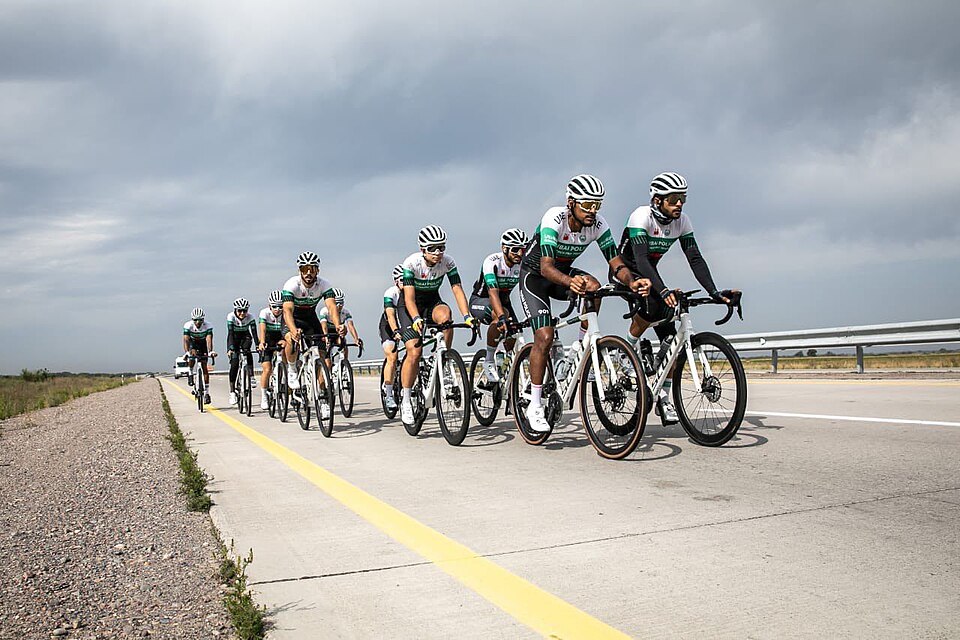
Proper setup and safety practices prevent injuries and ensure comfortable riding. Taking time to check these elements before each ride protects your investment in training.
Pre-Ride Safety Checklist: Tires, Helmet, and Saddle Position
Safety check: Ensure your tires are pumped to the pressure written on the sidewall and your helmet is properly fitted. Underinflated tires make riding harder and increase the risk of flats, while an improperly fitted helmet won’t protect you in a crash.
Saddle position: Set your saddle height so there is a very slight bend in your knee at the bottom of the pedal stroke. This prevents knee injuries and allows for efficient power transfer. When your leg is fully extended, you should still have a slight bend — not a locked knee.
Padded shorts: Invest in good cycling shorts to avoid discomfort, and do not wear underwear underneath them to prevent chafing. The chamois padding is designed to work directly against your skin, and adding underwear creates seams and folds that cause irritation.
On-Road Safety Skills: Cornering and Nutrition
Master cornering: When turning, keep your inside pedal at the top of the stroke to avoid hitting the ground. This technique, called “pedal up,” prevents pedal strikes that can cause crashes, especially when leaning into turns.
Nutrition: Always carry water and quick-energy snacks like bananas or granola bars to avoid hitting “the wall” (extreme fatigue). Even on shorter rides, dehydration and low blood sugar can quickly end your training session prematurely.
Mental Preparation and Recovery: The ‘Silver Emma’ Approach
Mental preparation is as important as physical training for beginners. Former professional cyclist Emma Johansson emphasizes that confidence and consistency are the foundation of successful cycling.
Visualization and Confidence Building for New Cyclists
Visualization: Spend time imagining your ride, including tricky corners or hills, to build confidence. This mental rehearsal helps you approach challenging situations with a plan rather than panic. Picture yourself handling each scenario successfully before you encounter it on the road.
Mental preparation also involves setting realistic expectations. Understand that progress takes time and that some days will feel harder than others. Focus on the journey rather than immediate results, and celebrate small improvements in comfort and confidence.
Recovery and Consistency: The Foundation of Progress
“Hard days earn easy days.” Ensure you take days off or do very light “recovery rides” to allow muscles to repair. Your body gets stronger during rest, not during the workout itself. Pushing through fatigue without recovery leads to overtraining and potential injury.
Consistency: Rather than one massive weekly ride, shorter, more frequent rides build fitness faster for beginners. This approach allows your body to adapt gradually while maintaining motivation through regular success. Missing one ride won’t derail your progress when you have multiple sessions per week.
What’s Next
The most counter-intuitive finding is that beginners often progress faster with shorter, more frequent rides than with occasional long rides. This principle applies throughout your cycling journey — consistency beats intensity every time.
Start with a 30-minute traffic-free ride this week, focusing on smooth pedaling and enjoying the journey rather than pushing intensity. Visit Emma Johansson’s road cycling resources for inspiration and advanced training tips as you progress. Remember that every professional cyclist started exactly where you are now — the key is to begin and stay consistent.