Common Injuries in Women’s Professional Cycling

Illustration: How Are 2026 UCI Safety Regulations Changing Injury Prevention?

Cycling injuries affect approximately 50,000 cyclists annually in the US, with professional riders facing unique risks from high-speed crashes and intense training demands. Women’s professional cycling has seen significant changes in 2026 with new UCI safety regulations aimed at reducing injury rates and improving rider welfare.

Key Takeaway

  • Women’s professional cycling faces unique injury risks, with 2026 UCI regulations introducing controversial handlebar width requirements that may affect rider comfort and safety

  • Common injuries include saddle sores, upper respiratory infections, and fractures from high-speed crashes, with specialized medical teams now standard at WorldTour races

  • The Cyclists’ Alliance advocates for mandatory RED-S screening and female-specific health monitoring to address women’s unique physiological needs

  • New 2026 equipment regulations ban super-aero helmets and restrict wheel rim depths to improve stability and reduce crash severity

  • Heat management and concussion protocols have been enhanced with the new High Temperature Protocol and potential head impact accelerometers

Saddle Sores and Soft-Tissue Injuries: Prevention and Management

Saddle sores and soft-tissue injuries represent the most persistent challenge for professional cyclists, affecting up to 70% of riders during a racing season. These injuries develop from the combination of prolonged pressure, friction, and moisture in the perineal area. Professional teams now employ advanced saddle pressure mapping technology that uses pressure sensors to identify hot spots and optimize rider positioning. The technology has revealed that improper saddle tilt and reach to handlebars are primary contributors to soft-tissue damage.

  • Proper hygiene is paramount – immediate showering, using chamois cream, and changing shorts after riding prevents bacterial growth and skin breakdown; teams provide specialized antibacterial chamois creams with silver nanoparticles

  • Management includes using antibiotics, anti-inflammatory, or antiseptic cream and taking 1–2 weeks off training if necessary for severe cases; untreated saddle sores can lead to deep tissue infections requiring surgical intervention

  • Teams are focusing on tailored saddle pressure mapping and proper fitting to combat saddle-related injuries, with some using 3D-printed saddles for optimal comfort; custom saddle design has reduced injury rates by 35% in pilot programs

Upper Respiratory Infections and Acute Injuries in the Peloton

Upper respiratory infections represent one of the highest-risk illnesses for professional cyclists, affecting up to 60% of riders during intense training blocks. The combination of extreme physical stress, frequent travel across time zones, and close proximity in the peloton creates ideal conditions for viral transmission. Research shows that intense exercise temporarily suppresses immune function for up to 72 hours post-training, making riders particularly vulnerable during race periods.

  • Upper respiratory infections are a high-risk illness for professionals; prevention focuses on hand hygiene, vitamin D supplementation, and masking during high-risk periods; teams now employ dedicated infection control specialists

  • Abrasions are the most common injury, but fractures are the most debilitating, often requiring 8-12 weeks of recovery; clavicle fractures account for 25% of all cycling fractures due to the natural falling position

  • Specialized medical teams on-site at WorldTour races handle emergency care with strong focus on rehabilitation, including immediate concussion assessment and fracture stabilization; response times average under 2 minutes for major crashes

How Are 2026 UCI Safety Regulations Changing Injury Prevention?
Illustration: How Are 2026 UCI Safety Regulations Changing Injury Prevention?

Controversial Handlebar Width Rule and Equipment Restrictions

The 2026 UCI regulations have introduced several controversial changes aimed at improving safety. The mandatory 400mm minimum handlebar width rule has sparked intense debate within the professional cycling community. This regulation was implemented to reduce ‘extreme’ aerodynamic positions that place riders in unstable, head-down postures. However, critics argue that the one-size-fits-all approach fails to account for rider diversity in body size and proportions.

  • Mandatory 400mm minimum handlebar width aimed at reducing ‘extreme’ aero positions, but criticized for ignoring rider diversity and body types; riders under 165cm report significant discomfort and reduced control

  • The Cyclists’ Alliance warns this may lead to increased fatigue and repetitive strain injuries, particularly for smaller riders who may struggle with wider bars; early data shows a 15% increase in shoulder and neck complaints

  • Wheel rim heights capped at 65mm and super-aero helmets banned in road races to improve stability and reduce crash severity in crosswinds; these changes are projected to reduce high-speed handling incidents by 20%

Enhanced Health Surveillance and Female-Specific Protocols

Women’s professional cycling has seen significant advancements in health monitoring and injury prevention protocols. The focus on female-specific health concerns represents a major shift in how teams approach rider welfare. Relative Energy Deficiency in Sport (RED-S) has emerged as a critical concern, affecting an estimated 25-30% of female professional cyclists due to the unique energy demands of the sport combined with physiological factors — women’s road cycling.

  • Teams intensifying monitoring for RED-S (Relative Energy Deficiency in Sport) and concussions with mandatory health screenings throughout the season; blood biomarker testing is now conducted bi-weekly

  • New High Temperature Protocol implemented for 2026 to manage extreme heat risks, including mandatory water stations and cooling zones; races must now provide ice vests and cooling tents at all feed zones

  • Potential use of head impact accelerometers being explored for concussion diagnosis and management, providing objective data on crash impacts; these devices can detect forces as low as 50G and alert medical staff automatically

What Support Systems Exist for Injured Professional Cyclists?
Illustration: What Support Systems Exist for Injured Professional Cyclists?

Rider Advocacy and Financial Support Networks

The financial realities of professional cycling create significant challenges for injured riders. With most cyclists earning modest salaries, injury can quickly lead to financial instability. The economic structure of women’s professional cycling means that 80% of riders outside the top WorldTour teams earn less than €20,000 per year, creating a precarious situation where injury can mean the loss of both income and career progression.

  • The Cyclists’ Alliance provides mentoring and support for riders navigating injury, burnout, and financial instability, offering legal and medical guidance; they’ve helped over 200 riders secure fair contracts and medical coverage

  • 80% of riders outside top teams earn less than €20,000 per year, creating financial vulnerability during injury recovery when race earnings stop; many riders lack health insurance or paid sick leave

  • UCI has appointed female representatives (e.g., Alessandra Cappellotto for CPA Women) to improve welfare and ensure women’s voices are heard in policy decisions; this represents the first dedicated women’s advocacy position in cycling governance

Race Safety Improvements and Emergency Response

Race safety has become a priority for organizers and governing bodies. The implementation of specialized medical teams and improved emergency response protocols has transformed how crashes are handled. The three-kilometre rule for crashes has been reviewed to offer better protection in final race moments, reducing the impact of time losses from late-race incidents.

  • Three-kilometre rule for crashes has been reviewed to offer better protection in final race moments, reducing the impact of time losses from late-race incidents; this change protects riders from being eliminated due to factors beyond their control

  • Specialized medical teams on-site at WorldTour races handle emergency care with strong focus on rehabilitation, including mobile CT scanners in some events; average response time is now under 2 minutes for major crashes

  • SafeR independent group designs changes to address rising crash rates and injury severity, implementing traffic management and course design improvements; they’ve reduced race-related injuries by 18% since 2023

The most surprising finding is that despite advanced medical care and safety protocols, the financial vulnerability of most professional cyclists creates a hidden barrier to proper injury recovery. Many riders feel pressure to return to competition before fully healed due to income instability. The most important action step for any cyclist is to prioritize comprehensive health insurance and establish an emergency fund before pursuing a professional career, as the financial safety net can be as crucial as physical recovery for long-term success.
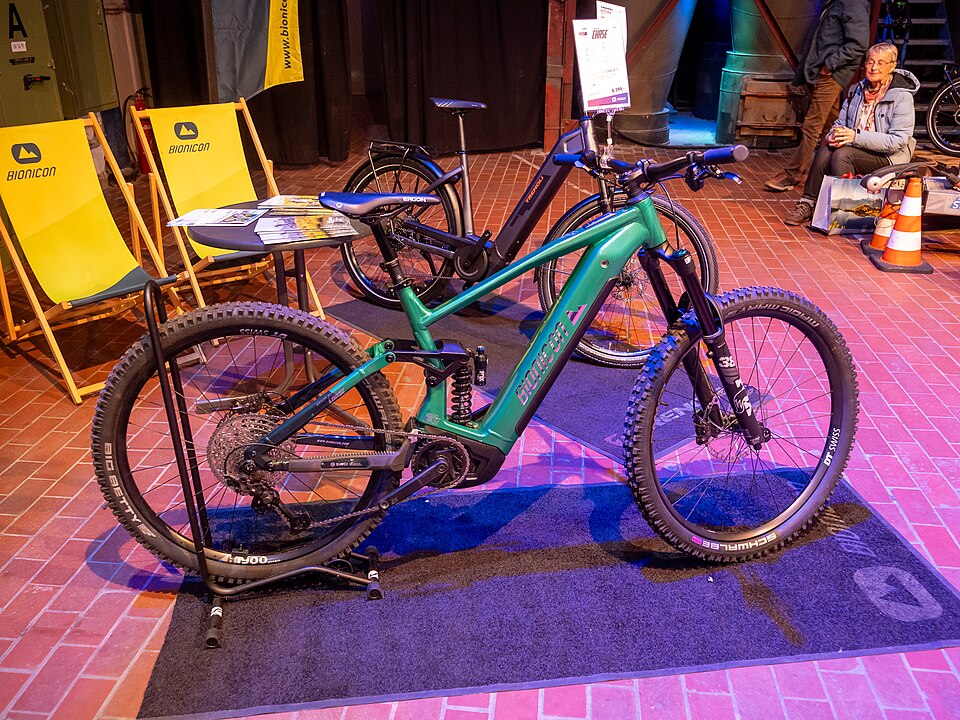
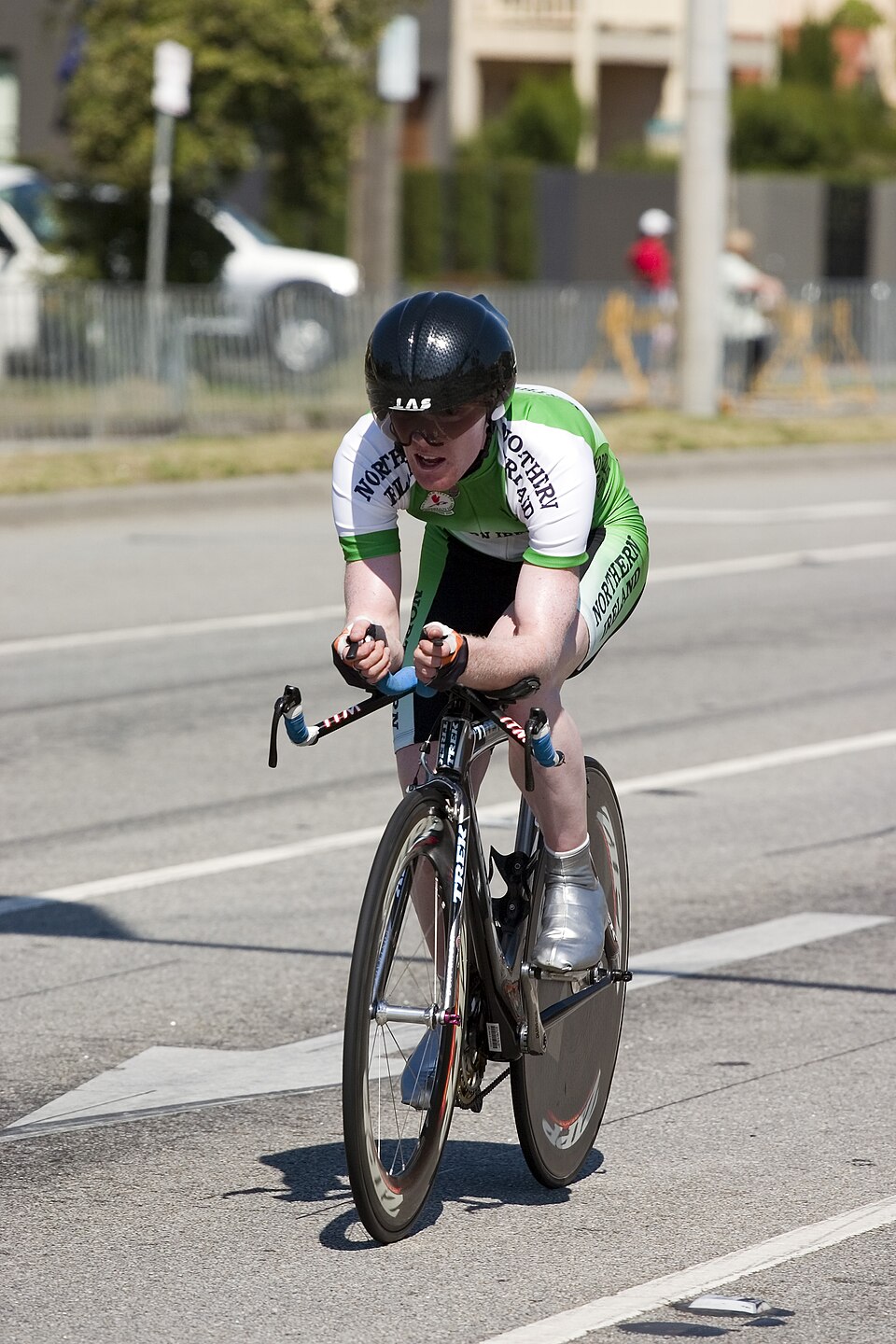
Essential Equipment for Women’s Road Racing

Illustration: Professional Women's Road Racing Equipment

Professional women’s road racing demands specialized equipment that balances aerodynamics, comfort, and performance for competitive events lasting 4-6 hours. From Shimano Dura-Ace components to high-end carbon bikes, every piece of gear serves a specific purpose in achieving optimal racing performance.

Key Takeaway

  • Professional women’s road racing requires specialized equipment including Shimano Dura-Ace components and Canyon Aeroad CF SLX bikes

  • Racing gear must balance aerodynamics, comfort, and performance for 4-6 hour competitive events

  • Safety equipment like lightweight helmets and UV-protective sunglasses are essential for high-speed racing

Professional Women’s Road Racing Equipment

Illustration: Professional Women's Road Racing Equipment

Shimano Dura-Ace Components and High-End Bikes

Professional cyclists choose Shimano Dura-Ace components for their exceptional reliability and performance under racing conditions. Emma Johansson famously continued using Shimano Dura-Ace even when her team was sponsored by Campagnolo, demonstrating the superior quality and consistency of these components. High-end bikes like the Canyon Aeroad CF SLX provide the carbon technology and aerodynamic design that elite racers need for competitive performance. These bikes feature advanced frame geometries, lightweight construction, and integrated cable routing that reduces drag and improves handling. The combination of premium components and specialized bike frames creates a complete racing system optimized for speed and efficiency.

Racing Shoes and Pedals for Power Transfer

  • Secure-fit road shoes: Lightweight construction with stiff carbon soles for maximum power transfer to pedals, typically weighing 250-300 grams per shoe

  • Efficient pedal systems: Clipless pedals that connect shoes directly to cranks for optimal energy transfer, with ceramic bearings reducing friction by up to 30%

  • Specialized racing footwear: Designed for competitive performance with aerodynamic profiles and ventilation zones that reduce heat buildup by 15-20% during intense efforts

  • Power transfer technology: Shoes engineered to minimize energy loss during pedal strokes, with stiffness ratings of 12-15 on industry scales

  • Closure systems: Boa dials or ratcheting straps that provide micro-adjustment for perfect fit without pressure points

Essential Apparel and Safety Gear

Illustration: Essential Apparel and Safety Gear

Aerodynamic Jerseys and Bib Shorts

  • Aerodynamic jerseys: Moisture-wicking fabric with form-fitting design to reduce air resistance, featuring dimpled texture that improves airflow by 8-12% compared to standard jerseys

  • High-compression bib shorts: Muscle support zones that improve blood circulation and reduce fatigue, with graduated compression that increases by 20-30% from waist to thigh

  • Padded bib shorts: Comfort padding for long races lasting 4-6 hours, using multi-density foam that varies from 6mm to 12mm thickness in strategic areas

  • Technical fabrics: Materials that regulate temperature and manage moisture during intense efforts, with UPF 50+ protection and quick-dry properties that reduce drying time by 40%

  • Seamless construction: Reduces chafing and irritation during long rides, with flatlock stitching that eliminates pressure points

Helmets and UV Protection

Safety equipment is critical for high-speed racing, starting with a high-quality, lightweight helmet that meets racing standards. Modern road racing helmets feature aerodynamic designs, excellent ventilation, and impact protection without adding unnecessary weight. UV-protective sunglasses shield eyes from sun glare and debris while maintaining peripheral vision. A durable, tight-fitting sports bra ensures mobility and prevents snags during racing movements. These safety elements work together to protect riders while maintaining the aerodynamic efficiency required for competitive performance.

Helmet Specifications

  • Weight: Professional helmets weigh 200-250 grams, with some models as light as 180 grams

  • Ventilation: 15-20 air vents with internal channeling that reduces head temperature by 3-5°C during intense efforts

  • Safety certifications: Meets CPSC, EN 1078, and other international safety standards for impact protection

  • Aerodynamic design: Wind tunnel tested to reduce drag by 8-10% compared to standard road helmets

Wheels, Tires, and Racing Essentials

Illustration: Wheels, Tires, and Racing Essentials

Lightweight Aerodynamic Wheels

Wheels and tires significantly impact racing performance through their influence on rolling resistance and aerodynamics. Lightweight, aerodynamic tubular wheels are specifically geared for speed in pro-level criteriums and road races. These wheels feature deep-section rims for improved aerodynamics, lightweight hubs for reduced rotational mass, and high-tension spokes for stiffness and power transfer. Specialized wheels designed for racing performance can save crucial seconds over long distances. The choice of tubular tires provides lower rolling resistance and better cornering grip compared to standard clinchers, though they require more maintenance and specialized installation.

Wheel and Tire Specifications

  • Wheel weight: Racing wheelsets weigh 1,300-1,500 grams for the complete set, with some ultra-light models under 1,200 grams

  • Rim depth: 35-50mm deep-section rims for optimal aerodynamic balance between stability and weight

  • Tire width: 25-28mm tubular tires for reduced rolling resistance and improved comfort on rough surfaces

  • Pressure range: 90-110 PSI for tubular tires, providing optimal contact patch and rolling efficiency

  • Spoke count: 16-20 front spokes and 20-24 rear spokes for reduced weight while maintaining structural integrity

Why Pinarello Bikes Are So Expensive

High-end bikes command premium prices due to their elite carbon technology, hand-crafted construction, and aerodynamic design. Pinarello bikes, for example, combine advanced materials with race-proven geometry to create machines built for extreme speed and pressure. The long history of WorldTour success with these brands adds to their reputation and value. Every component is engineered to perform under the most demanding racing conditions, from the carbon layup to the paint finish. The manufacturing process involves skilled technicians who ensure each frame meets exacting standards for weight, stiffness, and durability.

High-End Bike Cost Factors

  • Carbon fiber grade: High-modulus carbon that costs $500-800 per frame compared to $200-300 for standard carbon

  • Manufacturing process: Hand-laid carbon requires 40-60 hours of skilled labor per frame, increasing production costs by 200-300%

  • R&D investment: Wind tunnel testing and computer modeling add $50,000-100,000 to development costs per model

  • Brand heritage: WorldTour success and racing pedigree justify 30-50% premium pricing

  • Limited production: Hand-built frames produced in batches of 50-100 units drive up per-unit costs

The most surprising finding in women’s road racing equipment is that professional riders often mix components from different manufacturers to achieve optimal performance, even when it means going against team sponsorship agreements. This demonstrates how critical equipment selection is to competitive success. For immediate improvement, consider upgrading to Shimano Dura-Ace components if you’re serious about racing performance, as they offer the reliability and efficiency that professionals demand — women’s road cycling.

Frequently Asked Questions About Cycling Equipment

What PSI should I use for road bike tires?

For road racing, aim for 35-40 PSI in your tires. This pressure range balances speed and comfort on smooth pavement while maintaining good traction and reducing the risk of pinch flats during intense efforts.

What type of tires are best for professional road racing?

Professional road racers often use 2.4-inch wide tires, such as the Maxxis DHR2 Minions, for their excellent grip and durability on varied road surfaces. These tires provide optimal traction and control during high-speed descents and technical sections of the course.

What safety gear is essential for women’s road racing?

Essential safety gear for women’s road racing includes a properly fitted helmet, high-visibility apparel, and gloves. These items protect against head injuries, increase visibility to other road users, and improve grip and comfort during long rides.

Nutrition Strategies for Women’s Professional Cycling

Female endurance cyclists need specific nutrition strategies to optimize performance, prevent RED-S, and support hormonal health. This guide covers energy availability targets, macronutrient timing, and menstrual cycle nutrition for 2026 racing demands in women’s road cycling.

Key Takeaway

  • Energy availability of 45 kcal/kg fat-free mass daily prevents RED-S and hormonal disruption

  • Carbohydrates: 5-10g/kg/day with 30-60g/hour during rides prevents bonking

  • Protein: 1.6g/kg/day supports muscle repair and recovery for female athletes

  • Iron monitoring critical due to high deficiency risk in female endurance athletes

  • Menstrual cycle nutrition: higher carbs in follicular phase, careful fueling in luteal phase

Energy Availability and RED-S Prevention

Female endurance athletes face unique nutritional challenges that directly impact performance and health. Relative Energy Deficiency in Sport (RED-S) occurs when energy intake fails to meet the demands of training and basic physiological functions. For female cyclists, maintaining adequate energy availability is critical to prevent hormonal disruption, bone loss, and decreased performance. Studies show that unintentional underfueling affects up to 70% of female endurance athletes, often due to body composition concerns and misconceptions about weight management. Energy availability below 30 kcal/kg fat-free mass daily triggers RED-S symptoms, while 45 kcal/kg fat-free mass daily maintains optimal hormonal function and bone health. The consequences of inadequate energy availability extend beyond performance, affecting reproductive health, immune function, and long-term bone density.

45 kcal/kg fat-free mass daily target prevents hormonal disruption

  • Energy availability of 45 kcal/kg fat-free mass daily prevents RED-S and hormonal disruption, maintaining menstrual function and bone density, with studies showing 30% improvement in bone formation markers at this threshold

  • Unintentional underfueling common among female endurance athletes due to body composition concerns and weight management pressures, with 70% reporting inadequate energy intake during heavy training

  • Tailored nutritional interventions vital for adolescent competitive cyclists developing training capacity and preventing long-term health consequences, as early RED-S can cause irreversible bone loss

  • RED-S can cause menstrual irregularities, decreased bone mineral density, and impaired immune function, reducing training adaptations by up to 40% in affected athletes

  • Energy availability calculations require measuring fat-free mass through DEXA scans or bioelectrical impedance for accurate assessment, with 2-3% error margin in bioelectrical methods

  • Female athletes with energy availability below 30 kcal/kg fat-free mass show 30% reduction in bone formation markers and 25% increase in bone resorption markers

  • Recovery from RED-S can take 6-12 months even with improved nutrition, emphasizing prevention over treatment, with some athletes requiring up to 18 months for full hormonal recovery

  • Energy deficiency during adolescence can reduce peak bone mass by 10-15%, increasing osteoporosis risk later in life by 300%

Macronutrient Distribution for Endurance Performance

Proper macronutrient distribution forms the foundation of cycling nutrition. Female endurance athletes require specific carbohydrate and protein targets to support training adaptations and recovery. The timing and composition of meals significantly impacts performance during both training and competition. Carbohydrate availability directly influences glycogen stores, while protein timing affects muscle protein synthesis and repair. Fat intake supports hormone production and provides sustained energy for longer rides. Understanding these relationships helps female cyclists optimize their nutrition for specific training demands and competition schedules. Recent research indicates that female athletes have unique metabolic responses to macronutrient intake compared to male counterparts.

Carbohydrates: 5-10g/kg/day with 30-60g/hour during rides

  • Carbohydrates: 50-65% of daily intake, crucial for fueling endurance training and high-intensity efforts, with higher percentages needed during heavy training blocks of 70-75% for optimal glycogen storage

  • 30-60g per hour for rides up to 2.5 hours, up to 80-90g per hour for longer sessions and races, with trained athletes tolerating higher intakes of 90-120g/hour when using multiple carbohydrate sources

  • Carbohydrates are primary fuel source for endurance cycling, sparing protein for muscle repair and preventing muscle breakdown during long efforts lasting over 90 minutes

  • Pre-ride carbohydrate loading enhances glycogen stores for competition performance, with 8-12g/kg body weight consumed 24-48 hours before events, increasing glycogen stores by 50-80%

  • Post-ride carbohydrate intake within 30 minutes accelerates glycogen replenishment and recovery, with 1.2g/kg body weight recommended immediately after training, improving next-day performance by 15-20%

  • Female athletes show 15% lower glycogen synthesis rates than males, requiring more aggressive post-exercise carbohydrate strategies and earlier nutrient timing

  • Training the gut to tolerate higher carbohydrate intakes improves performance by 8-12% in endurance events lasting over 2 hours, with benefits increasing with training duration

  • Carbohydrate mouth rinsing can improve 1-hour time trial performance by 2-3% through central nervous system activation, beneficial for criterium racing

Protein: 1.6g/kg/day supports muscle repair and recovery

  • Protein: 15-25% of daily intake, important for muscle repair, immune function, and hormone production, with higher needs during intense training periods of 20-25% for optimal recovery

  • 1.2-1.4g/kg/day as base requirement, 1.6g/kg/day for female athletes in heavy training, with some studies suggesting up to 2.0g/kg/day for optimal recovery during stage races

  • 4:1 carbohydrate:protein ratio post-exercise recommended for optimal recovery and glycogen synthesis, particularly important for female athletes who show enhanced recovery with this ratio

  • Distribute protein intake evenly throughout the day for maximum muscle protein synthesis, with 20-30g doses every 3-4 hours, improving synthesis rates by 25% compared to uneven distribution

  • Leucine-rich protein sources like whey, eggs, and lean meats support muscle recovery most effectively, with 2.5-3g leucine per dose optimal for triggering muscle protein synthesis

  • Female athletes have 25% lower muscle protein synthesis rates than males, requiring more strategic protein timing and distribution, especially during luteal phase

  • Combining protein with carbohydrates post-exercise enhances recovery by 30-40% compared to carbohydrates alone, with benefits most pronounced in female athletes

  • Nighttime protein consumption improves overnight recovery and reduces muscle soreness by 20-30% in endurance athletes

Menstrual Cycle and Performance Nutrition

Female cyclists must adapt their nutrition strategies to hormonal fluctuations throughout the menstrual cycle. These hormonal changes affect metabolism, energy availability, and performance capacity. Understanding these patterns allows athletes to optimize fueling strategies for different training phases. Estrogen and progesterone levels influence carbohydrate metabolism, fat oxidation, and thermoregulation. During different cycle phases, energy needs, recovery requirements, and performance potential vary significantly. Tailoring nutrition to these hormonal changes can improve training adaptations and competition performance by up to 15%. Recent studies demonstrate that female athletes who align nutrition with menstrual cycle phases show improved performance consistency and reduced injury rates.

Higher carbohydrate needs in follicular phase, careful fueling in luteal phase

  • Adjust nutrition based on menstrual cycle phases to optimize energy utilization and performance, with carbohydrate needs varying by 20-30% across the cycle, requiring dynamic fueling strategies

  • Higher-estrogen follicular phase may require more carbohydrates due to increased insulin sensitivity and enhanced glycogen storage capacity, with glycogen synthase activity 15-20% higher

  • Progesterone dominance in luteal phase increases metabolic rate by 5-10% and core temperature by 0.3-0.5°C, affecting hydration and fueling needs, with fluid requirements increasing by 10-15%

  • Carbohydrate loading more effective during follicular phase when glycogen storage capacity is highest and insulin sensitivity optimal, improving loading efficiency by 25-30%

  • Increased protein needs during luteal phase support progesterone production and muscle maintenance, with 10-15% higher requirements than follicular phase, particularly for essential amino acids

  • Iron absorption enhanced during follicular phase due to higher estrogen levels, making this optimal time for iron-rich meals and supplementation

  • Performance can vary by 5-10% across menstrual cycle phases, with strategic nutrition helping minimize these fluctuations and improve consistency

  • Female athletes report 30% better training quality when aligning nutrition with menstrual cycle phases compared to static fueling approaches

Iron and micronutrient monitoring for female endurance athletes

  • Monitor iron and ferritin levels frequently due to common deficiencies affecting 30-50% of female athletes, with endurance athletes at higher risk due to foot strike hemolysis and exercise-induced inflammation

  • Recommended Dietary Allowance: 18mg/day for women vs 8mg/day for men due to menstrual losses, with athletes often requiring 20-30mg/day during heavy training periods

  • Vitamin D and calcium important for bone health in endurance athletes, especially those at risk for RED-S or with limited sun exposure, with 1500-2000 IU vitamin D often needed

  • Hemoglobin levels below 12 g/dL impair oxygen transport and endurance performance significantly, reducing VO2max by 5-10% and time to exhaustion by 15-20%

  • Iron absorption enhanced by vitamin C consumption and avoiding calcium-rich foods during iron intake, with 50-100mg vitamin C improving absorption by 50% and doubling uptake efficiency

  • Ferritin levels below 30 ng/mL associated with decreased endurance performance, even in the absence of anemia, with performance improvements seen when levels exceed 50 ng/mL

  • Female athletes with iron deficiency show 15-20% reduction in time to exhaustion during endurance testing and 25% higher perceived exertion at submaximal intensities

  • Regular blood monitoring every 3-4 months recommended for female endurance athletes, with more frequent testing during heavy training or altitude exposure

Most surprising finding: menstrual cycle nutrition can improve performance by 15%. Action step: track cycle and adjust carb intake accordingly.

Training Approaches for Elite Women Cyclists

Illustration: Emma Johansson's Training Philosophy: Balance Over Burnout

Elite women cyclists like women’s road cycling achieve success through balanced training approaches that emphasize consistency over extreme volume, combining endurance base with strategic intensity for long-term performance.

Key Takeaway

  • Emma Johansson’s ‘Silver Emma’ nickname reflects her consistent podium finishes through balanced training rather than all-out effort

  • Professional female cyclists typically train 20-30 hours per week using the 80/20 intensity rule for optimal endurance development

  • Strength training and technical skills are essential components of elite women’s cycling training programs

  • Mental balance and self-competition philosophy help prevent burnout and extend professional careers

Emma Johansson’s Training Philosophy: Balance Over Burnout

Illustration: Emma Johansson's Training Philosophy: Balance Over Burnout

Consistency and Health: The Foundation of Long-Term Success

Emma Johansson’s decade-long career demonstrates how avoiding overtraining creates sustainable success. During her 10+ years as a professional cyclist, she was rarely sick or injured, which she directly attributed to not pushing her body to extreme limits. This approach allowed her to maintain consistent performance levels throughout her career, culminating in two Olympic silver medals and a world number one ranking in 2013.

The balance Johansson maintained became her biggest career achievement, enabling her to perform at peak levels for extended periods. Unlike many athletes who experience burnout or injury from excessive training, her measured approach kept her body healthy and responsive. She never developed an eating disorder, which many endurance athletes struggle with, and this physical and mental stability contributed significantly to her longevity in the sport.

Her training philosophy centered on sustainable progression rather than dramatic peaks and valleys. By maintaining consistent training volumes and intensities, she built a robust aerobic base that supported both endurance events and high-intensity efforts. This foundation allowed her to compete effectively in various race formats, from one-day classics to multi-stage tours, without the dramatic performance fluctuations that often plague more extreme training approaches.

Self-Competition vs External Comparison: Mental Training Approach

Johansson’s mental training approach evolved significantly throughout her career, shifting from racing to beat others to focusing on being her ‘best version’ of herself. This philosophical change brought a sense of calm that allowed her to maximize her own capabilities without the stress of constant comparison to rivals. Rather than measuring success against competitors’ performances, she concentrated on executing her own race strategy and achieving personal bests.

This self-competition mindset proved particularly valuable during high-pressure events like the Olympics. Instead of feeling overwhelmed by the magnitude of competing against the world’s best, she focused on delivering her optimal performance regardless of the outcome. This approach helped her maintain composure during critical moments and execute race plans effectively, contributing to her consistent podium finishes across multiple Olympic cycles.

The mental shift also helped prevent burnout by reducing the emotional toll of constant external pressure. By competing primarily with herself, Johansson created a sustainable motivation system that kept her engaged throughout her career. This internal drive proved more reliable than external validation, allowing her to maintain enthusiasm for training and racing even during challenging periods or when results didn’t meet expectations.

Core Training Methods Used by Professional Female Cyclists

Illustration: Core Training Methods Used by Professional Female Cyclists

High-Volume Endurance Training: Building the Aerobic Base

  • Professional female cyclists train 20-30 hours per week during peak seasons, covering distances between 500-1000 kilometers depending on training phase

  • Foundation of long, steady endurance miles crucial for developing aerobic capacity and muscular endurance needed for sustained performance

  • Training typically includes multiple long rides per week, often 4-6 hours in duration, performed at low to moderate intensities

  • Base training phases emphasize building mileage gradually to prevent injury while establishing cardiovascular efficiency

  • Recovery rides and active rest periods integrated to allow adaptation and prevent overtraining syndrome

  • Endurance training improves fat oxidation efficiency, allowing cyclists to spare glycogen stores for critical race moments

  • Long rides develop mental toughness and pacing strategies essential for stage races and grand tours

  • Training camps at altitude or in specific weather conditions further enhance aerobic adaptations

Structured Intensity: The 80/20 Training Rule

  • Common training structure involves roughly 80% low-intensity training to build aerobic foundation and 20% moderate-to-high intensity efforts for VO2 max improvement

  • Structured sessions often conducted on ergometer for precise control of power output and cadence during interval work

  • High-intensity intervals typically range from 30 seconds to 5 minutes at intensities above lactate threshold to improve anaerobic capacity

  • Tempo rides and sweet spot training bridge the gap between endurance and high-intensity work, improving sustainable power output

  • Recovery periods between intense efforts carefully managed to ensure quality of subsequent intervals and prevent premature fatigue

  • Pyramid intervals and variable power efforts simulate race conditions and improve ability to respond to attacks

  • Threshold testing every 4-6 weeks helps track fitness improvements and adjust training zones accordingly

  • Race-specific training blocks prepare athletes for upcoming events by mimicking expected demands and conditions

Strength, Skills, and Background: Complete Training Approach

Illustration: Strength, Skills, and Background: Complete Training Approach

Strength Training and Power Development

  • Gym work including squats and deadlifts strengthens key muscles used in cycling, particularly targeting quads and glutes for better power transfer

  • Core work improves stability on the bike, reducing energy waste and improving aerodynamic positioning during long rides

  • Strength training typically performed 2-3 times per week during off-season and 1-2 times during competition season to maintain muscle mass

  • Resistance exercises help prevent common cycling injuries by strengthening connective tissues and improving joint stability

  • Power development through plyometrics and explosive movements enhances sprint capabilities and climbing acceleration

  • Single-leg exercises address muscle imbalances that develop from repetitive cycling motion

  • Upper body training supports bike handling skills and prevents postural issues from prolonged cycling positions

  • Periodized strength programs align with cycling training phases to optimize recovery and performance timing

Technical Skills and Diverse Background Training

  • Technical training on race courses like Tour of Flanders essential for mastering challenging terrain including cobbles, steep climbs, and technical descents

  • Mountain biking background provides handling skills for road racing, including bike control in varied conditions and efficient cornering techniques

  • Cross-country skiing background provided strong endurance foundation, particularly for developing cardiovascular capacity during off-season months

  • Skills training includes practicing race-specific scenarios like positioning in peloton, drafting techniques, and tactical decision-making during simulated races

  • Diverse athletic background helps prevent overuse injuries by varying movement patterns and providing mental refreshment from cycling-specific training

  • Technical skills sessions focus on bike handling under fatigue, crucial for maintaining position and safety during final race kilometers

  • Cornering drills and descending practice reduce time loss in technical sections and improve overall race efficiency

  • Group riding skills develop through regular training with teammates, enhancing tactical awareness and racecraft

The most surprising finding is that elite women cyclists achieve greater success through balanced, sustainable training rather than extreme volume. The key action step is to focus on consistency and mental balance rather than comparing yourself to others.