The UCI World Ranking system awards points based on finishing positions in UCI-sanctioned races over a 12-month period. The 2026 overhaul aligned women’s points with the men’s scale, with the Tour de France Femmes winner now earning 1,300 points. Rankings are calculated monthly for individuals, annually for teams (top 4 riders), and by summing top 5 riders for nations. Major races like the Olympics and World Championships offer 900 points to the winner, while Women’s Monuments offer 800 points. The system has been in place since 1994, with Emma Johansson achieving the #1 ranking in 2013.
Key Takeaway
-
UCI World Ranking awards points based on finishing positions in UCI-sanctioned races over 12 months
-
2026 overhaul aligned women’s points with men’s scale, with Tour de France Femmes winner earning 1,300 points
-
Major races like Olympics and World Championships offer 900 points to the winner
-
Rankings calculated monthly for individuals, annually for teams (top 4 riders), and by summing top 5 riders for nations
How UCI World Ranking Points Are Earned in Women’s Cycling
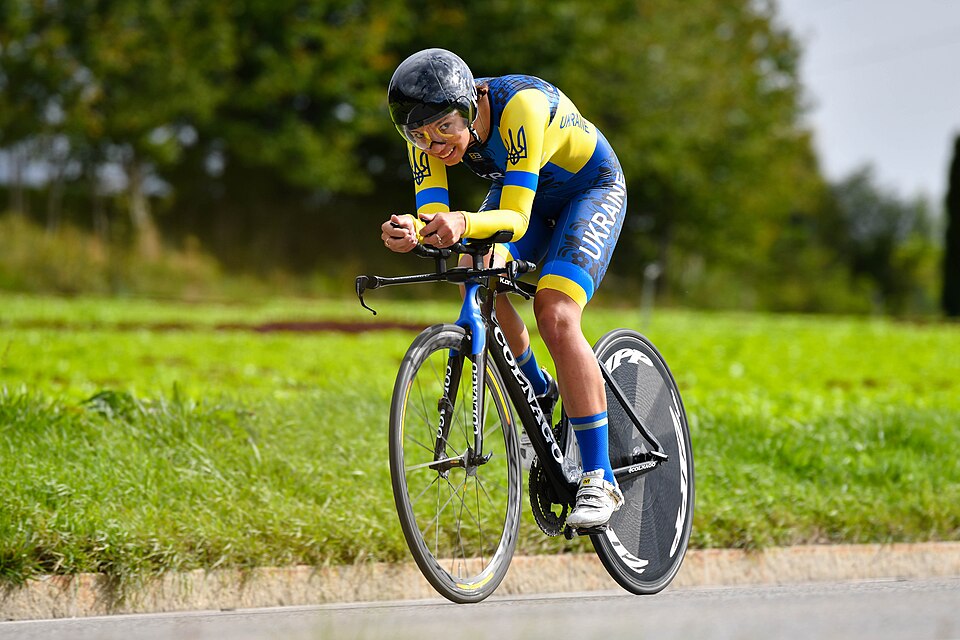
The UCI World Ranking system evaluates individual riders, teams, and nations based on results in UCI-sanctioned races over a 12-month period. Points are awarded based on finishing positions, with major races like the Olympics and World Championships offering the most points. The system underwent a major overhaul in 2026, aligning women’s points with the men’s scale. Rankings are calculated monthly for individuals, annually for teams (top 4 riders), and by summing top 5 riders for nations. This comprehensive system determines a rider’s status in professional cycling and affects everything from team contracts to race invitations.
Point Values for Major Races in 2026
|
Race Category |
Winner Points |
Second Place |
Third Place |
Fourth Place |
Fifth Place |
|---|---|---|---|---|---|
|
Tour de France Femmes |
1,300 |
900 |
700 |
600 |
500 |
|
Women’s Monuments |
800 |
600 |
500 |
400 |
350 |
|
Grand Tours (Giro, Vuelta) |
800 |
600 |
500 |
400 |
350 |
|
World Championships |
900 |
700 |
600 |
500 |
450 |
|
Olympics |
900 |
700 |
600 |
500 |
450 |
|
WorldTour stage races |
500 |
400 |
300 |
250 |
200 |
|
ProSeries victories |
250 |
200 |
150 |
120 |
100 |
How Points Are Calculated Based on Finishing Position
-
Points awarded based on finishing positions in UCI-sanctioned races over 12-month period
-
System evaluates riders based on their best results across different race categories
-
Major races offer most points, minor races fewer points to reflect importance
-
Stage races award points for both individual stages and overall classification
-
Daily leader jersey points awarded for wearing classification jerseys
-
Points can be lost through penalties (short-cuts, littering, missing press conferences)
-
Mixed relay time trial awards 300 points divided by 3 (100 each)
-
National championships split into A and B groups based on previous World Championship participation
-
Points accumulate differently for one-day races versus stage races
-
Time trial specialists earn points in specific events but may struggle in road races
-
Young riders can earn bonus points in U23 categories
-
Points from national team events count toward individual rankings
-
Top 30 finishers in major races receive points, with steep drops between positions
-
Points expire after 12 months, creating constant pressure to perform
-
Riders must defend their points each month as older results drop off
-
Team time trials award points to all team members who finish together
-
Points for stage races are weighted more heavily for overall classification than individual stages
-
Bonus seconds in races can affect final positions and point earnings
What UCI Rankings Mean for Professional Cyclists

UCI rankings determine a rider’s status in professional cycling, affecting team contracts, race invitations, and career opportunities. The ranking system creates a clear hierarchy of achievement and provides objective criteria for team selection. Riders compete not just for race victories but for valuable points that build their standing in the sport. High rankings lead to better team contracts, automatic invitations to major races, and increased media attention. Lower-ranked riders must rely on wildcard invitations and struggle to secure sponsorship deals. The rankings also influence equipment contracts, appearance fees, and post-career opportunities in coaching and commentary.
Current Top Riders and Their Point Totals
-
Demi Vollering (NED) – 4845.57 points (current #1 ranked rider)
-
Marianne Vos – 278 weeks as world #1 (most of any rider)
-
Elisa Longo Borghini – consistently ranked in top 10 with 3200+ points
-
Lorena Wiebes – specializes in sprint points accumulation with 2800+ points
-
Marlen Reusser – strong time trial specialist with 2500+ points
-
Elisa Balsamo – former world champion with sustained ranking at 2400+ points
-
Katarzyna Niewiadoma – aggressive racing style earns consistent points at 2300+ points
-
Emma Johansson finished 2013 as world #1 ranked female road cyclist
-
Points gaps between top riders can exceed 1000 points, creating clear hierarchy
-
Riders ranked outside top 100 struggle to secure WorldTour contracts
-
Top 20 riders earn significantly more in appearance fees and bonuses
-
Points distribution shows steep drop-off after top 10 positions
-
Consistency over 12 months matters more than single race victories
-
Riders must balance targeting high-point races with maintaining consistent performance
-
Team support crucial for maximizing point earning potential
-
Young riders face pressure to establish themselves quickly in rankings
Team and National Rankings Explained
Team rankings are calculated annually based on the top 4 riders’ performances, with the UAE Team ADQ currently leading at 3416 points. National rankings sum the top 5 riders’ points, with the Netherlands dominating at 14196.14 points. These rankings affect team selection for major events, with top-ranked teams receiving automatic invitations to prestigious races. National rankings determine Olympic team selection and World Championship representation. The system creates competition not just between individuals but between teams and nations, adding another layer of strategy to professional cycling. Teams with higher rankings receive better starting positions in races and more favorable route choices in stage races. National federations use rankings to justify funding and support for their programs.
The 2026 UCI World Ranking Overhaul
The 2026 overhaul represented the most significant change to women’s cycling rankings since the system’s inception. This alignment with the men’s scale created mathematical equality but practical inequality due to calendar differences. The changes affected race strategies, team priorities, and rider career planning across the professional women’s peloton. The overhaul aimed to increase the sport’s visibility and provide clearer pathways for rider development. The changes also addressed long-standing concerns about the disparity between men’s and women’s racing opportunities and prize money — women’s road cycling.
Major Changes to Women’s Point Scale
-
2026 overhaul aligned women’s points with men’s scale for mathematical equality
-
Tour de France Femmes winner now earns 1,300 points (previously lower)
-
Women’s Monuments point values increased to match men’s scale
-
Grand Tours point structure standardized across men’s and women’s racing
-
World Championships and Olympics both offer 900 points to winners
-
System has been in place since 1994 but underwent major revision in 2026
-
Point distribution now mirrors men’s calendar for comparable race categories
-
Stage race points increased to reflect longer race duration and difficulty
-
Time trial world championships point values adjusted for technical discipline
-
Points for national championships redistributed based on UCI nation ranking
-
Women’s WorldTour races now offer same points as comparable men’s events
-
Point scales for ProSeries events standardized across genders
-
Bonus points for stage victories in multi-day races increased
Impact on Women’s Professional Cycling
The new point system affects race strategies and rider priorities across the women’s peloton. Riders now focus on accumulating points across multiple race categories rather than specializing in single events. Teams prioritize riders who can consistently score points in various race types. The alignment creates more opportunities for comparison between men’s and women’s performances but also highlights the disparity in race calendar depth. Riders must now balance targeting high-point races with maintaining consistent performance throughout the season to protect their rankings. The changes have led to more strategic race planning, with teams targeting specific races for maximum point potential rather than just victory opportunities. The overhaul has also increased competition for spots on top teams, as consistent point scoring becomes crucial for contract renewals.
The most surprising finding is that despite the 2026 alignment creating mathematical equality in point values, the practical impact remains unequal due to the women’s calendar having fewer race days and opportunities. To maximize your understanding of professional cycling, study how riders strategically target specific races based on their strengths and the point values offered, then track their progress throughout the season to see how rankings evolve.