The UCI Road World Championships represent the pinnacle of professional road cycling, where national pride and individual glory collide on the world’s most challenging courses. Every year, the world’s best cyclists don their national colors to compete for the coveted rainbow jersey, a symbol of cycling supremacy that lasts a lifetime.
- The UCI Road World Championships crown world champions across multiple cycling disciplines annually
- National teams compete instead of professional trade teams, creating unique race dynamics
- Winners earn the coveted rainbow jersey and can wear rainbow stripes permanently
- The event has evolved from 1927 to include women’s races, time trials, and mixed relays
- Italy and Belgium historically dominated, though the competition is now truly global
What Are the UCI Road World Championships?
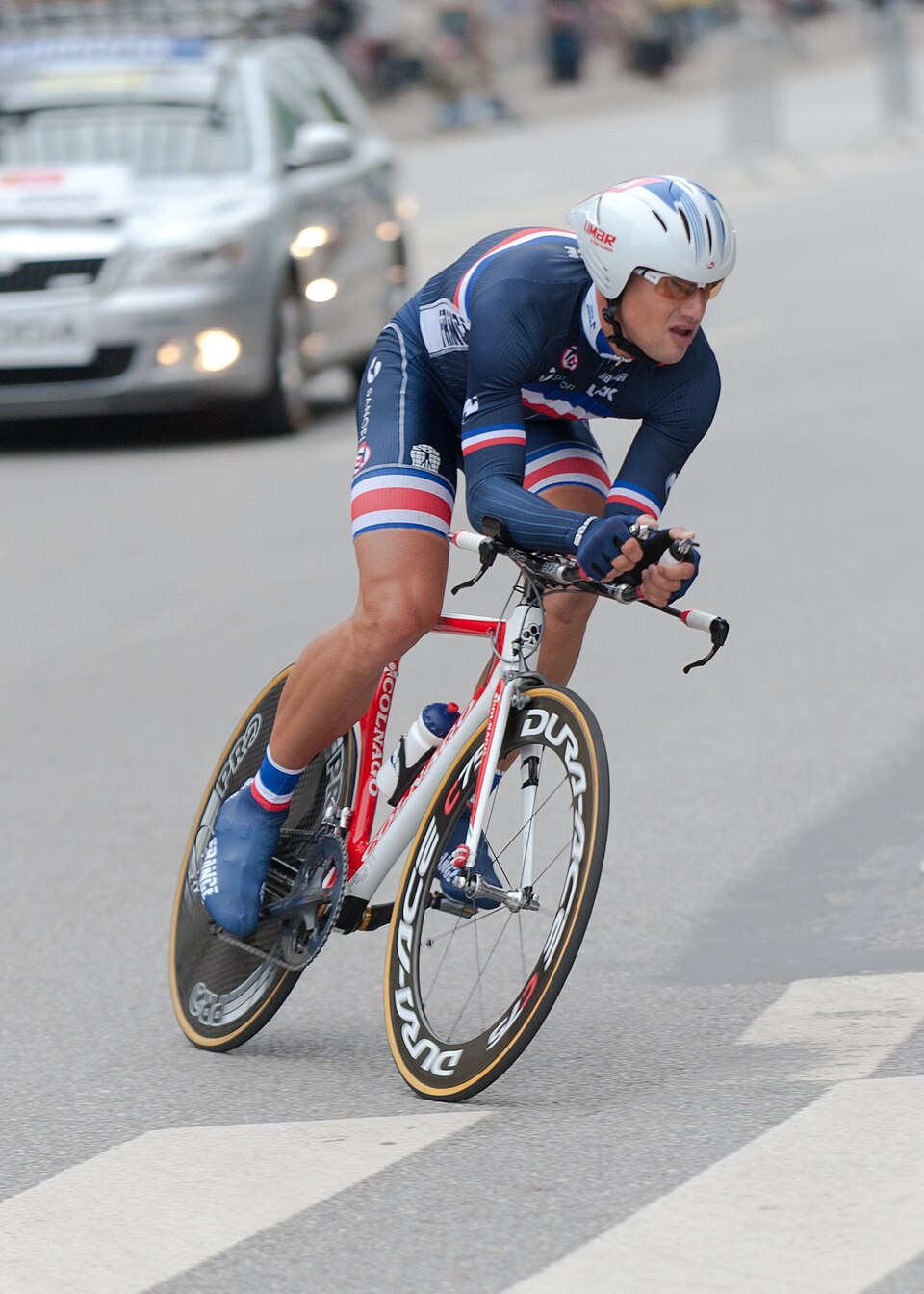
The UCI Road World Championships stand as the most prestigious annual event in professional road cycling, determining world champions across multiple disciplines. Unlike other major races where cyclists compete for their trade teams, these championships feature riders representing their countries, creating a unique competitive dynamic that transforms professional rivals into national teammates.
National Teams vs Professional Trade Teams
The national team format fundamentally changes race strategy compared to trade team events. Professional cyclists who spend the season competing against each other suddenly become teammates, requiring them to coordinate tactics with former rivals. This creates fascinating dynamics where a rider might work for a teammate they’ve battled all year, or where national team strategies must balance individual ambitions with collective success. The format also means smaller nations can sometimes upset traditional powerhouses when their limited resources force riders to work together more effectively than larger teams with internal competition. For more on the demands of professional cycling, see What It Takes to Build a Professional Cycling Career.
The Rainbow Jersey and Its Significance
The rainbow jersey represents the ultimate achievement in road cycling. Its distinctive design features five horizontal stripes in the Olympic colors—blue, yellow, black, green, and red—creating a vibrant rainbow effect. Winners earn the right to wear this jersey for exactly one year in all UCI races, marking them as the reigning world champion. Beyond the jersey itself, champions gain the permanent right to wear rainbow stripes on their jersey collars and cuffs for the remainder of their careers, creating a lasting badge of honor that distinguishes them from their peers.
Disciplines and Race Formats
The championships encompass multiple competitive formats beyond the elite road race. Elite men and women compete in individual time trials, testing pure speed against the clock on technical courses. The mixed relay team time trial, introduced in 2019, features national teams of four riders (two men, two women) working together in a high-speed team event. Junior and under-23 categories provide pathways for emerging talent, while the elite road races typically feature demanding circuits with challenging climbs and technical descents that test every aspect of a rider’s abilities.
How Has the Championships Evolved Over Time?
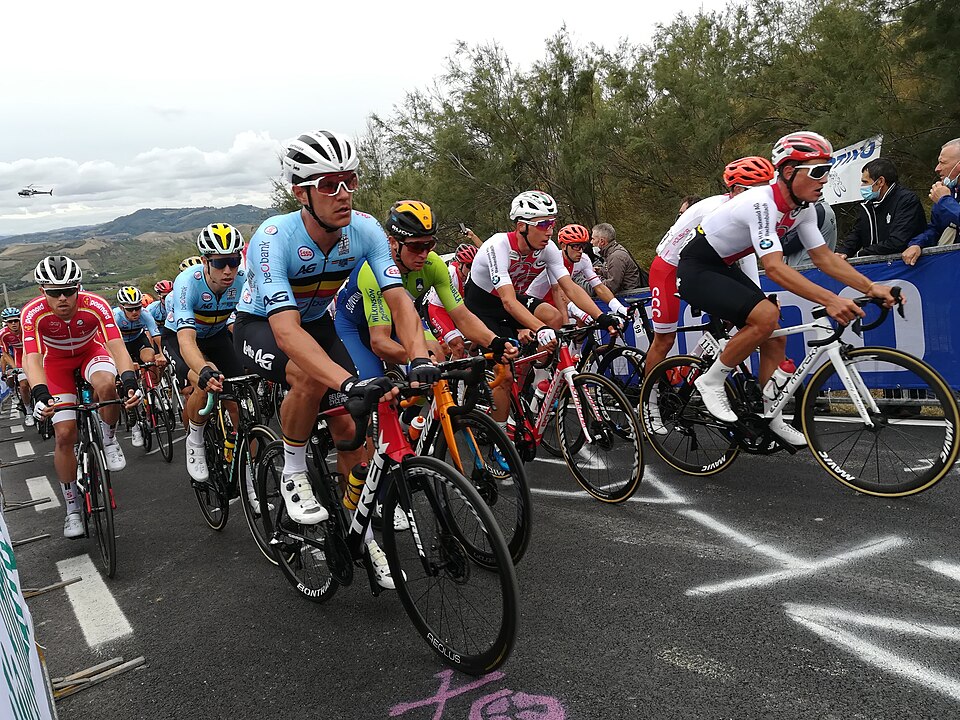
Since their inception in 1927, the UCI Road World Championships have undergone remarkable transformation, expanding from a single men’s professional road race to a multi-discipline global celebration of cycling excellence. This evolution reflects both the sport’s growth and changing attitudes toward gender equality and competitive formats. For more on a notable Swedish career, see Emma Johansson: Career Highlights and Racing Legacy.
From 1927 Origins to Modern Format
The first official UCI Road World Championships took place in Nürburgring, Germany, where Italian legend Alfredo Binda claimed victory in the men’s professional road race. For decades, the event remained relatively simple, featuring separate amateur and professional races until 1995 when unification created a single elite category. The championships gradually expanded to include more nations and disciplines, with the event now rotating between different host countries each year, bringing the world’s attention to diverse cycling cultures and landscapes.
Women’s Inclusion and Time Trial Addition
Women’s road racing entered the world championship program in 1958 when Luxembourg’s Elsy Jacobs became the first women’s world champion, marking a 31-year gap between men’s and women’s inclusion. The addition of time trial events for both men and women in 1994 represented another significant milestone, providing opportunities for specialists who excel in pure speed rather than road racing tactics. This 36-year gap between women’s first race and time trial addition highlights the sport’s slow progress toward gender equality, though women’s cycling has gained substantial recognition and investment in recent decades. For more on the evolution of women’s cycling, explore women’s road cycling.
The Super World Championships Format
In 2023, the UCI introduced a revolutionary “Super World Championships” format held every four years, consolidating multiple cycling disciplines into a single massive celebration. This new format brings together road cycling with track, mountain bike, BMX, and other disciplines in one coordinated event, creating a festival atmosphere and reducing costs for host nations. The Super Worlds represent the sport’s most ambitious organizational effort, featuring thousands of athletes across all cycling disciplines and generating unprecedented media attention for the sport as a whole.
Team Time Trial Evolution
The team time trial format has undergone several transformations since its introduction. From 1962 to 1994 and again from 2012 to 2018, trade teams rather than national teams competed in this discipline, creating a unique situation where professional trade teams raced alongside national teams in the same event. Since 2019, the format shifted to a mixed relay for national teams, featuring two men and two women per team, promoting gender equality while maintaining the tactical complexity that makes team time trials so compelling to watch.
Why Are the Championships So Prestigious?
The UCI Road World Championships occupy a unique position in cycling’s hierarchy, combining the one-day intensity of classic races with the career-defining significance of winning a world title. This prestige stems from the event’s rich history, the rainbow jersey’s symbolic power, and the rare opportunity to compete for national glory rather than trade team success.
The Triple Crown Achievement
Winning the Triple Crown represents cycling’s ultimate achievement: capturing the world championship, Tour de France, and Giro d’Italia in the same calendar year. Only three riders have accomplished this extraordinary feat—Eddy Merckx in 1974, Stephen Roche in 1987, and most recently Tadej Pogačar in 2023. This accomplishment requires exceptional versatility across different race types, sustained peak performance over months, and the ability to handle immense pressure across cycling’s most demanding events. The Triple Crown’s rarity underscores the world championships’ standing among cycling’s greatest prizes. For more on career-defining moments, see Major Cycling Achievements That Define a Professional Career.
Historical Dominance and Global Expansion
Historically, Italy and Belgium dominated world championship success, with Italian riders claiming 25 men’s road race titles and Belgian cyclists winning 19 through 2024. This dominance reflected the strong cycling cultures in these nations and their ability to produce riders suited to the classic-style courses often selected for the championships. However, the competition has become increasingly global, with victories from riders representing countries like Slovenia, Colombia, and Australia in recent years. This expansion mirrors cycling’s worldwide growth and demonstrates how the championships now truly represent the sport’s international nature. For more on competitive structures, see Understanding the UCI World Ranking System in Women’s Cycling.
The “Curse of the Rainbow Jersey”
A fascinating superstition surrounds the rainbow jersey: the so-called “curse of the rainbow jersey” suggests that world champions often struggle in the following season. While largely anecdotal, this belief has persisted throughout cycling history, with many champions experiencing injuries, illness, or unexpected poor form after their victory. Whether psychological pressure, increased media attention, or simple coincidence drives this pattern remains debated, but the curse adds an intriguing layer of narrative to the championships and creates additional drama around defending champions’ performances.
One-Day Race Prestige
The elite men’s road race stands among cycling’s most prestigious one-day events, comparable to the “Monuments” of Paris-Roubaix, Tour of Flanders, Milan-San Remo, Liège-Bastogne-Liège, and Giro di Lombardia. Unlike these established classics, however, the world championships course changes annually, preventing specialized preparation and testing riders’ all-around abilities. The race’s position on the calendar, typically in September or October, also means it often serves as a season finale where riders have their complete form, creating conditions for truly spectacular racing.
The UCI Road World Championships represent more than just another bike race—they’re where cycling history is written in rainbow stripes. For fans wanting to experience this pinnacle event, mark your calendar for the next championships and watch how national pride transforms professional competition into something truly special. The rainbow jersey awaits, ready to crown the next cycling legend who will wear those vibrant stripes with pride for an entire year and carry the rainbow legacy for a lifetime.
Frequently Asked Questions About Cycling World Championships
How did Kristen Faulkner win gold?
Faulkner, despite being a replacement on the 2024 Olympic team, was the first American to win a road racing gold medal in 40 years when she took first place in the women’s road race. Faulkner finished… For more on Olympic success, see The Journey to Olympic Silver: What It Takes to Reach the Podium.
Where were the first Road World Championships in cycling held in 1921?
The 1921 UCI Road World Championships (the annual world championships for bicycle road racing organized by the Union Cycliste Internationale) took place in Copenhagen, Denmark on Thursday 4 August 1921.
Which year did Marianne Vos win several times the UCI Road World Championships?
She is a 3 times World Road Race Champion – in 2006, 2012 and 2013 – and 8 times World Cyclo-cross Champion – in 2006, 2009, 2010, 2011, 2012, 2013, 2014 and 2022.