When it comes to stopping power in wet conditions, hydraulic disc brakes outperform rim brakes by approximately 40%, according to 2019 research.
Road Bike Brakes Comparison: Key Takeaways
- Hydraulic disc brakes stop 40% shorter in wet conditions vs rim brakes
- Rim brakes save ~500g weight but require more frequent maintenance
- Disc brakes excel in all-weather riding and technical descents
- Hydraulic systems need annual bleeding; rim brakes need regular pad/rim cleaning
- Choose based on your primary riding conditions: wet/technical vs dry/climbing
Disc vs Rim Brakes: Performance Comparison
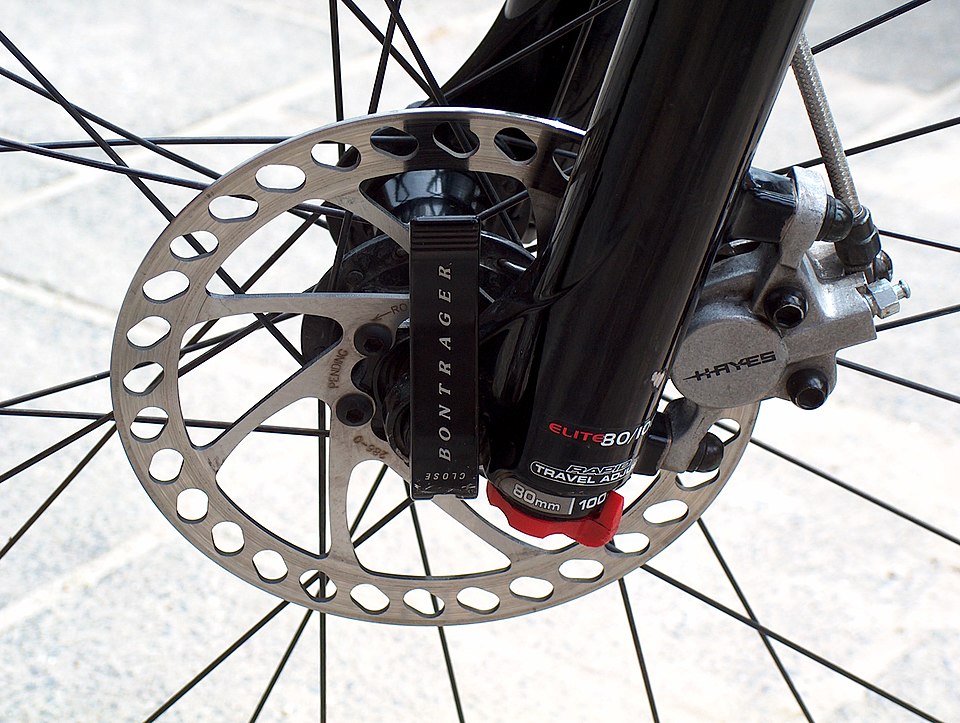
Wet Weather Stopping: The 40% Performance Gap
Hydraulic disc brakes provide a significant performance advantage in wet conditions, stopping approximately 40% shorter than rim brakes. This difference comes from hydraulic modulation, which gives riders precise control over braking force. In real-world scenarios, this means safer descending in the rain, more confident emergency stops, and better control on technical descents where every meter matters. The research from 2019 shows this isn’t just a small improvement—it’s the difference between stopping in time and potentially dangerous situations.
The 40% performance gap becomes even more critical during emergency braking scenarios. When a rider needs to stop suddenly on wet roads, disc brakes provide the consistent, powerful stopping force that rim brakes struggle to deliver when rims are wet. This translates to shorter stopping distances in real-world conditions, potentially avoiding collisions or accidents. For road cyclists who ride in regions with frequent rain or those who participate in events where weather conditions can change rapidly, this performance difference represents a significant safety advantage.
Dry Conditions and Climbing Performance
Rim brakes maintain advantages in dry conditions, particularly for weight-conscious riders. They save approximately 500g per bike compared to disc systems, which matters most during long climbs and racing where every gram counts. Rim brakes also provide better heat dissipation on extended climbs, reducing the risk of brake fade. For riders who primarily ride in dry climates or focus on climbing performance, rim brakes remain a viable option that prioritizes weight savings over all-weather capability.
The weight savings of rim brakes becomes particularly noticeable during sustained climbs. At approximately 500g lighter than disc systems, rim brakes can make a meaningful difference in climbing speed and overall bike handling. This weight advantage is especially relevant for competitive cyclists and racers who optimize every component for performance. Additionally, rim brakes offer a more traditional feel that some experienced riders prefer, with direct cable actuation providing immediate feedback during braking.
Brake Fade and Heat Management
Brake fade occurs when brakes overheat during long descents, reducing stopping power. Disc brakes handle heat better than rim brakes, maintaining consistent performance even on technical mountain descents. This heat management advantage means disc brakes provide reliable stopping power when you need it most—during extended technical sections where rim brakes might lose effectiveness. For road cyclists who ride in hilly terrain or participate in events with significant elevation changes, this reliability can be crucial for both performance and safety — road cycling.
The heat management benefits of disc brakes extend beyond just preventing fade. During long descents, disc rotors can dissipate heat more effectively than rim brake surfaces, maintaining consistent braking performance throughout the entire descent. This means riders can brake later and more confidently into corners, potentially improving overall descending speed and safety. The consistent performance also reduces the need for frequent brake adjustments during long rides, allowing riders to focus on their line and speed rather than brake feel.
Maintenance Requirements and Costs
Rim Brake Maintenance: Simplicity vs Frequency
Rim brake maintenance involves regular cable adjustment, pad replacement, and rim cleaning. These systems require more frequent attention—typically every few hundred miles depending on riding conditions. The simplicity means most riders can perform basic maintenance themselves, but the frequent nature means more time spent on upkeep. Pads wear faster in wet conditions, and dirty rims can reduce braking effectiveness, requiring regular cleaning to maintain optimal performance.
The maintenance frequency for rim brakes varies significantly based on riding conditions and style. In wet or muddy conditions, riders may need to clean their rims and check pad wear after every ride. In dry conditions, maintenance intervals can extend to several hundred miles between adjustments. The cable systems also require periodic lubrication and tension adjustment to maintain consistent braking feel. While the individual tasks are simple, the cumulative time investment can be substantial for riders who log many miles or ride in challenging conditions.
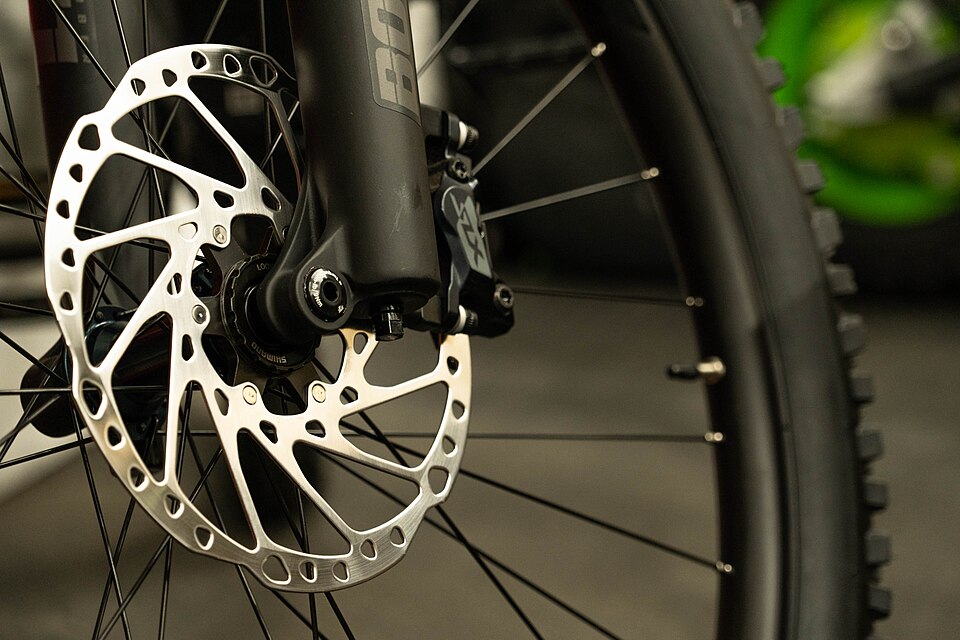
Hydraulic Disc Maintenance: Annual Bleeding and Self-Adjustment
Hydraulic disc systems feature self-adjusting mechanisms that maintain consistent pad-to-rotor clearance automatically. However, they require annual bleeding to remove air bubbles and maintain hydraulic pressure. Professional bleeding services typically cost $50-100, and the process requires specialized tools and knowledge. Pads last 1000-3000km depending on use, and rotors may need replacement every few years with heavy use. The maintenance is less frequent but more complex than rim systems.
The annual bleeding requirement for hydraulic systems represents the primary maintenance challenge. This process involves removing air from the hydraulic lines, which can affect braking consistency and feel. While many bike shops offer this service, some experienced riders choose to learn the process themselves. The self-adjusting feature of hydraulic systems means less frequent pad adjustments, but when pads do wear out, the replacement process requires more care to avoid contaminating the rotor surface. Rotors also require occasional truing if they become warped from impacts or excessive heat.
Mechanical Disc: The Middle Ground
Mechanical disc brakes offer a compromise between rim and hydraulic systems. They use cable actuation like rim brakes but provide disc brake performance. Maintenance involves regular cable tension adjustment and pad replacement, similar to rim brakes but slightly less frequent. Performance sits between rim and hydraulic systems—better than rim in wet conditions but without the precise modulation of hydraulic systems. They’re often chosen by riders wanting disc brake benefits without hydraulic complexity.
Mechanical disc brakes require cable tension adjustments similar to rim brakes, but the adjustment points are typically more accessible and easier to fine-tune. The pads wear at a similar rate to rim brake pads but provide more consistent performance in wet conditions. One advantage of mechanical discs is the ability to use standard brake levers, making them a popular choice for touring bikes and riders who want disc brake benefits without the cost or complexity of hydraulic systems. However, the cable routing can be more challenging on modern road bike frames designed primarily for hydraulic systems.
Weight and Suitability for Different Riding Conditions
The 500g Weight Difference: When It Matters
The approximately 500g weight savings of rim brakes becomes significant for certain riders and riding styles. This difference matters most for competitive climbers, racers focused on weight optimization, and riders who prioritize every gram. For context, 500g is roughly equivalent to a full water bottle—a meaningful difference when climbing long mountain passes or during time trials. However, for recreational riders or those prioritizing all-weather performance, this weight penalty often proves worthwhile for the safety and control benefits.
The weight savings of rim brakes can translate to measurable performance differences in competitive scenarios. On long climbs, the 500g reduction can result in 10-15 seconds saved per 1000 feet of elevation gain, depending on rider weight and power output. For time trial specialists and climbers, this weight advantage can be the difference between winning and losing. However, for endurance riders and those who prioritize comfort and control, the weight penalty of disc brakes is often offset by the improved braking performance and reduced hand fatigue during long descents.
Weather and Terrain Suitability Analysis
Riding conditions should drive brake selection. Disc brakes excel in wet UK weather, technical descents, and mixed terrain riding. They’re also ideal for gravel crossover bikes that need versatility across different surfaces. Rim brakes perform best in dry climates, pure road racing focused on weight savings, and situations where simplicity matters most. For riders in regions with frequent rain or those who ride year-round in varied conditions, disc brakes provide the reliability needed for consistent performance.
The terrain where you ride most frequently should heavily influence your brake choice. Mountainous regions with long descents benefit significantly from disc brake heat management and consistent performance. Flat areas with occasional hills might not justify the weight penalty of disc brakes. Gravel and adventure riders often prefer disc brakes for their versatility across different surfaces and conditions. Urban commuters in rainy cities find disc brakes invaluable for reliable stopping power in all weather conditions, while weight-obsessed racers in dry climates might still prefer the simplicity and weight savings of rim brakes.
Frame Compatibility and Upgrade Considerations
Converting from rim to disc brakes requires frame compatibility—disc brake frames have specific mounts and routing for hydraulic lines or cables. Retrofitting older frames isn’t always possible, making brake choice partly dependent on your current bike. When upgrading, consider not just the brake cost but also potential wheel and frame requirements. For new bike purchases, the choice is simpler, but existing bike owners should evaluate whether their frame supports disc brakes before considering an upgrade.
The upgrade path from rim to disc brakes involves more than just swapping brake components. Disc brake frames require specific mounting points for calipers and routing for hydraulic lines or cables. Many older road bike frames lack these features, making conversion impossible without significant frame modification. Even when conversion is possible, it often requires new wheels with disc-compatible hubs and rotors, adding substantial cost to the upgrade. For riders considering an upgrade, the total investment often approaches the cost of a new bike with disc brakes, making a complete bike purchase more economical in many cases.
The most counter-intuitive finding is that the 40% wet performance advantage often outweighs the 500g weight penalty for most riders. Testing both systems at your local bike shop can help you feel the difference in modulation and stopping power before making your decision.