The Journey to Olympic Silver: What It Takes to Reach the Podium

Illustration: What It Takes to Reach Olympic Silver: Emma Johansson's Winning Formula

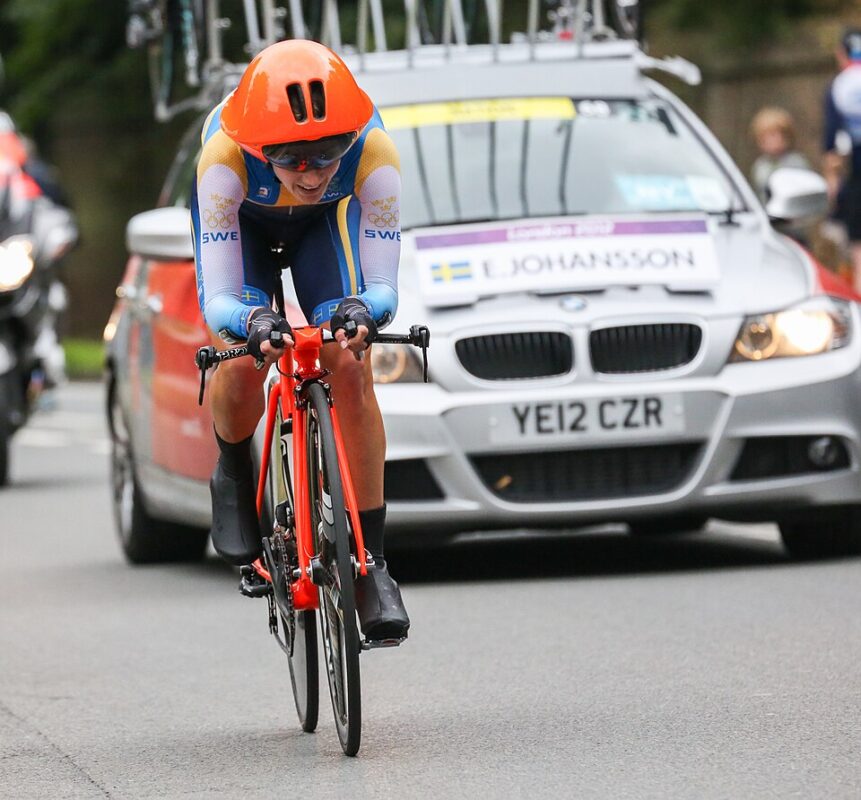
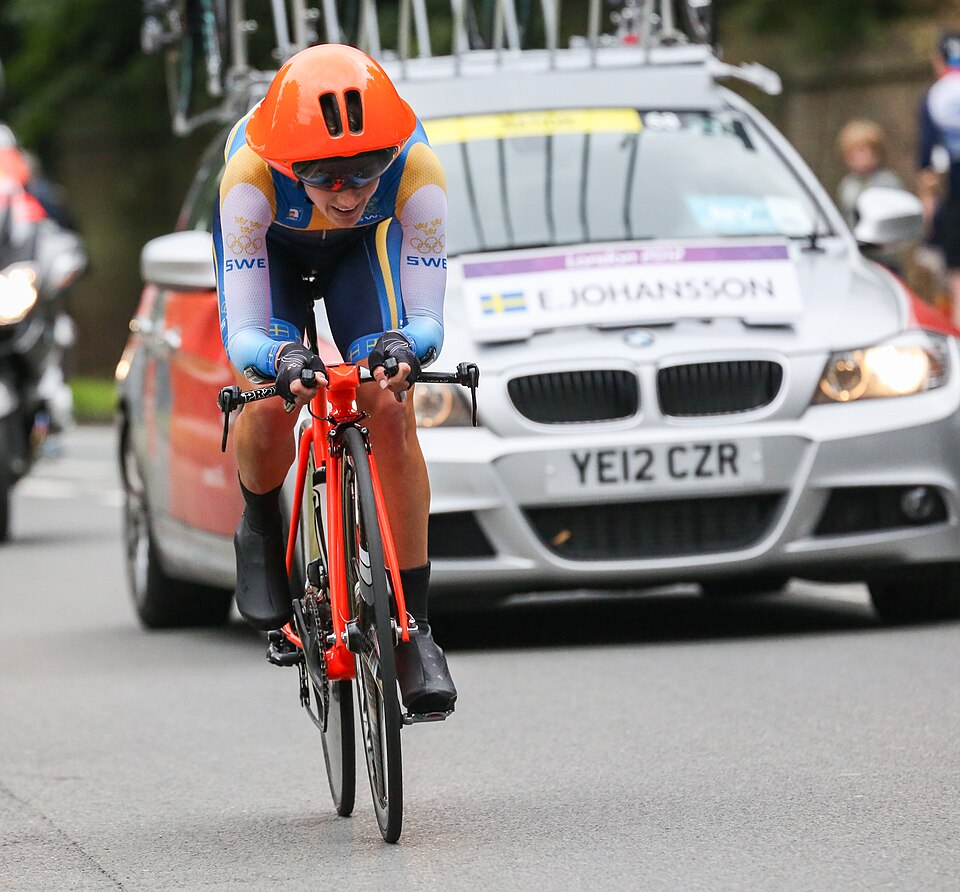
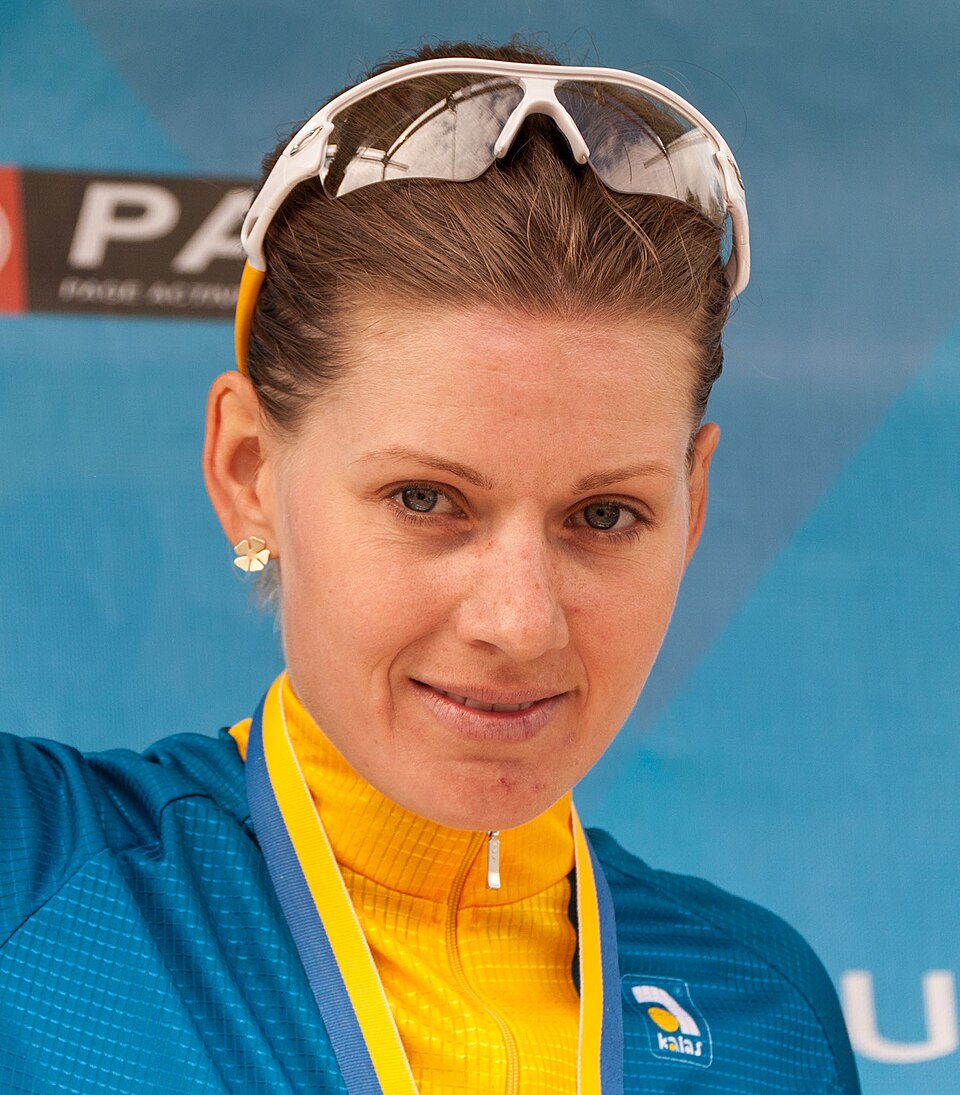
Emma Johansson‘s journey to Olympic silver medals eight years apart showcases the exceptional dedication, consistency, and resilience required to reach the pinnacle of women’s road cycling. Her achievement of winning silver in both the 2008 Beijing Olympics and 2016 Rio Olympics demonstrates what it truly takes to compete at the highest level for over a decade.

Key takeaway

  • Two Olympic silver medals (2008 Beijing, 2016 Rio) eight years apart demonstrate exceptional career longevity
  • Ranked in 2013 and 14 national titles show consistent elite performance beyond Olympic success
  • Nickname “Silver Emma” reflects remarkable consistency with numerous podium finishes in major classics
  • Resilience after severe injuries (2012 collarbone breaks) enabled sustained top-level competition
  • Strategic race management and unwavering consistency were key to reaching Olympic podiums

What It Takes to Reach Olympic Silver: Emma Johansson’s Winning Formula

Illustration: What It Takes to Reach Olympic Silver: Emma Johansson's Winning Formula

Unwavering Consistency: The Foundation of Olympic Success

Emma Johansson’s path to Olympic success was built on remarkable consistency that set her apart from competitors. Throughout her 10-year professional career, she rarely suffered from illness or over-training injuries. She often noted that she could count the days of sickness on one hand over her entire career. This exceptional physical reliability allowed her to train consistently and compete at peak levels year after year in women’s road cycling.

Her strategic race management proved crucial during the 2008 Beijing Olympics. Johansson made a decisive move near the end of the race to join the final five-woman lead group. This tactical decision positioned her perfectly for the sprint finish, where she managed to out-sprint competitors for silver. The ability to make these critical decisions under pressure demonstrates the mental consistency required alongside physical preparation.

Resilience After Injury: Coming Back Stronger

In 2012, Johansson faced one of her most significant challenges when a training crash broke both of her collarbones. Despite this severe injury, she returned to training shortly after the accident. This resilience proved crucial to her career longevity, as she missed the 2012 Olympic Games but continued competing at elite levels.

Her ability to bounce back from major setbacks enabled her to maintain Olympic-level performance for over a decade. Many athletes struggle to return to form after serious injuries, but Johansson’s determination and proper rehabilitation allowed her to not only recover but continue competing at the highest levels. This resilience became a defining characteristic of her career, enabling her to reach podiums consistently even after facing significant obstacles.

Strategic Race Management and Breakthrough Performance

The 2008 Beijing Olympics marked Johansson’s breakthrough performance on the world stage. On August 10, 2008, she followed a crucial attack by Tatiana Guderzo 13 kilometers from the finish. This tactical decision to join the breakaway group proved essential to her success.

In the final five-woman sprint, Johansson demonstrated her exceptional finishing ability by out-sprinting her competitors to secure the silver medal. She finished just behind gold medalist Nicole Cooke, proving she could compete with the world’s best on cycling’s biggest stage. This breakthrough performance established her as an Olympic-caliber athlete and set the foundation for her continued success over the next eight years.

The “Silver Emma” Legacy: Consistency and Resilience in Professional Cycling
Illustration: The "Silver Emma" Legacy: Consistency and Resilience in Professional Cycling

Miss Consistency: Beyond the Silver Medal Nickname

Despite the nickname “Silver Emma” – which she didn’t embrace – Johansson was affectionately known in the peloton as “Miss Consistency.” This reputation reflected her remarkable ability to secure numerous second and third places in major one-day classics. She achieved four podiums at the prestigious Tour of Flanders, demonstrating her consistent ability to compete at the highest level in cycling’s most challenging races.

Her consistency extended far beyond Olympic success. In major one-day classics and stage races throughout her career, Johansson repeatedly found herself on the podium, often finishing just behind the winners. This pattern of near-wins earned her both the “Silver Emma” nickname in Sweden and the “Miss Consistency” reputation in the professional peloton. Rather than viewing these second and third places as failures, she demonstrated that consistent high-level performance over many years represents a significant achievement in professional cycling.

Ranked and 14 National Titles: Measuring Elite Consistency

Johansson’s consistent elite performance is quantified by her achievements beyond Olympic medals. In 2013, she finished the year as the number-one ranked female road cyclist in the world according to UCI Women’s World Ranking. This achievement demonstrates her dominance across all competitions, not just in Olympic years. For those interested in understanding how this ranking system works, Understanding the UCI World Ranking System in Women’s Cycling provides detailed insights.

She also accumulated 14 national road race titles throughout her career, showcasing her sustained dominance in Swedish cycling. These national titles represent years of consistent performance against the best Swedish cyclists, proving her ability to maintain elite form across different race types and conditions. Her success at both the national and international levels illustrates the comprehensive nature of her consistency as a professional cyclist.

The Balance Philosophy: Pride Beyond Winning

Perhaps most surprisingly, Johansson often cited that her greatest pride was not the wins, but the balance she maintained throughout her career. This philosophy reflects a mature understanding of professional sports that goes beyond simple victory counts. Her approach emphasized sustainable performance over many years rather than short-term peak achievements.

Her winning mindset was based on persistence and resilience: “A winner is a loser who was willing to fail and get up, fail and get up…” This philosophy acknowledges that success in professional sports requires accepting setbacks and continuing to compete at high levels despite disappointments. This balanced approach to her career enabled her to maintain motivation and performance over a decade-long professional journey, ultimately leading to her remarkable Olympic achievements.

The 2008 Beijing and 2016 Rio Olympic Silver Medals

2008 Beijing Olympic Silver: The Breakthrough Performance

The 2008 Beijing Olympics represented Johansson’s breakthrough on the world stage. The women’s road race stretched 140 kilometers across challenging terrain, requiring riders to make several steep climbs and survive treacherous descents. When the race began on August 10, 2008, 68 elite cyclists set off alongside Copacabana Beach, each competing for Olympic glory.

Johansson’s decisive move came when she followed Tatiana Guderzo’s crucial attack 13 kilometers from the finish. This tactical decision positioned her in the final five-woman lead group, where she would compete for medals. In the final sprint, she demonstrated her exceptional finishing ability by out-sprinting her competitors to secure the silver medal. She finished just behind gold medalist Nicole Cooke, establishing herself as an Olympic-caliber athlete and setting the foundation for her continued success.

2016 Rio Olympic Silver: The Final Podium Push

Eight years after her breakthrough in Beijing, Johansson achieved another remarkable Olympic silver medal in Rio de Janeiro. In her final season as a professional cyclist, she demonstrated that her abilities had not diminished with age or experience. The 2016 Olympic road race presented similar challenges to Beijing, with a grueling 140-kilometer course through city streets and national parks.

In the final moments of the race, Johansson found herself in a three-up sprint for the gold medal against Anna van der Breggen and another competitor. She lost the gold by a narrow margin but secured her second Olympic silver medal. This achievement proved her exceptional ability to reach Olympic podiums eight years apart, demonstrating the sustained excellence that defined her career.

Eight Years Apart: The Significance of Sustained Excellence

The eight-year gap between Johansson’s Olympic silver medals represents one of the most remarkable achievements in professional cycling. Many athletes peak for a single Olympic cycle, but Johansson’s ability to reach the podium in both 2008 and 2016 demonstrates exceptional career longevity and consistent high-level performance.

She expressed particular pride in having two Olympic medals eight years apart, emphasizing her consistency over her long career rather than just the final result. This perspective reflects her mature understanding of athletic achievement – that maintaining elite performance for over a decade represents a significant accomplishment beyond winning individual races. Her journey from breakthrough performer in Beijing to veteran competitor in Rio illustrates the dedication, resilience, and strategic approach required to reach Olympic podiums multiple times throughout a professional career.

Emma Johansson retired after the 2016 season, having established herself as one of Sweden’s most successful cyclists. Her legacy extends beyond her Olympic medals to encompass a decade of consistent elite performance, numerous podium finishes in major classics, and a philosophy that values balance and persistence over pure winning. Her journey demonstrates that reaching Olympic silver requires not just talent and training, but unwavering consistency, resilience after setbacks, and a mature approach to long-term athletic development. To explore what defines success in this demanding sport, Major Cycling Achievements That Define a Professional Career offers valuable perspective.
Swedish Cyclists Who Made Their Mark on the World Stage

Illustration: Olympic Champions: Sweden's Gold Medal Legacy in Cycling

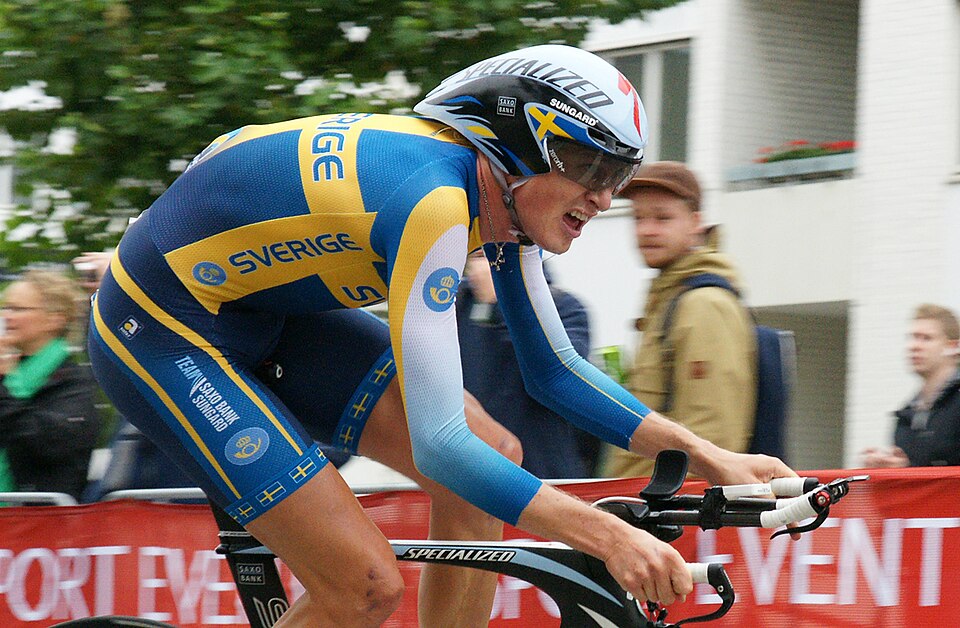
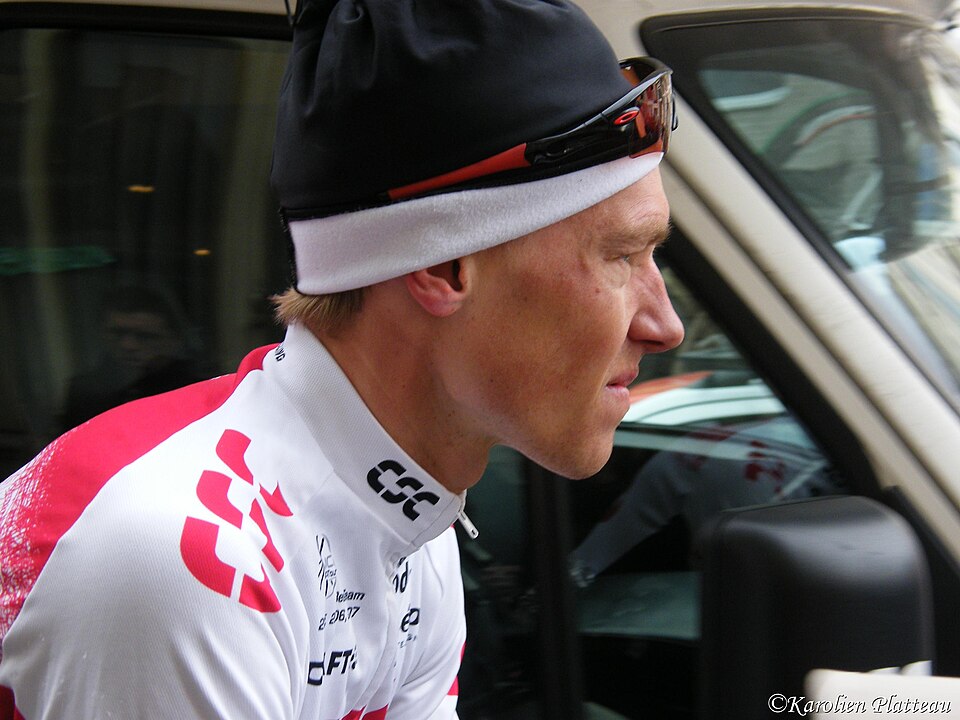
Swedish cyclists have achieved Olympic medals and international victories across multiple decades and disciplines, establishing their country as a consistent force in professional cycling. From the early 20th century to modern mountain biking, Swedish riders have demonstrated excellence on the world’s biggest stages, earning gold medals, Grand Tour victories, and world championship titles.

Key Takeaway

  • Swedish cycling has produced Olympic champions since 1912, with gold medals in road racing and mountain biking

  • Emma Johansson earned two Olympic silver medals and reached world number one ranking in 2013

  • Jenny Rissveds won Olympic gold in 2016 and bronze in 2024, becoming youngest women’s cross-country champion

  • Gösta Pettersson won Giro d’Italia in 1970 and Olympic medals in 1968, showcasing Sweden’s road racing prowess

  • Swedish cyclists have medaled in every Olympic decade from 1920s to 2020s across multiple disciplines

Olympic Champions: Sweden’s Gold Medal Legacy in Cycling

Illustration: Olympic Champions: Sweden's Gold Medal Legacy in Cycling

1912 Stockholm: First Olympic Gold in Team Road Race

Sweden’s Olympic cycling success began at the 1912 Stockholm Games, where the Swedish team won gold in the team road race event. This victory established Sweden as a cycling powerhouse on home soil and marked the beginning of a century-long Olympic legacy. The team victory demonstrated Sweden’s strength in road racing and set the stage for individual successes in subsequent decades.

Harry Stenqvist continued this Olympic gold tradition at the 1920 Antwerp Games, winning the individual road race and becoming Sweden’s first Olympic champion in the event. His victory came just eight years after the team success and showed the country’s ability to produce world-class individual riders. Stenqvist’s gold medal remains one of Sweden’s most significant Olympic achievements in cycling.

The most recent Olympic gold came from Jenny Rissveds at the 2016 Rio de Janeiro Games, where she won the women’s cross-country mountain bike event. Rissveds became the youngest women’s cross-country Olympic champion at age 22, adding a modern chapter to Sweden’s Olympic success story. Her victory in mountain biking demonstrated Sweden’s ability to excel across different cycling disciplines, not just traditional road racing.

Modern Olympic Success: From Mountain Biking to Road Racing

Jenny Rissveds has proven to be one of Sweden’s most successful modern cyclists, winning Olympic gold in 2016 Rio and adding a bronze medal at the 2024 Paris Games. Her back-to-back Olympic podium finishes across eight years showcase remarkable consistency at the highest level of competition. Rissveds’ achievements have inspired a new generation of Swedish mountain bikers and demonstrated that Sweden remains competitive in Olympic cycling.

Emma Johansson represents Sweden’s road racing excellence with her two Olympic silver medals from the 2008 Beijing and 2016 Rio Games. Her consistent podium finishes in the women’s road race events highlight Sweden’s strength in this discipline. Johansson’s Olympic success, combined with her world number one ranking, established her as Sweden’s most decorated female cyclist and a role model for aspiring riders.

The continued success of Swedish cyclists in Olympic competition proves the country’s enduring cycling tradition. From the team gold in 1912 to individual victories in mountain biking and road racing, Swedish riders have consistently performed at the highest level. This Olympic legacy spans over a century and includes victories across different cycling disciplines, demonstrating Sweden’s comprehensive strength in the sport.

Grand Tour Victory: Gösta Pettersson’s Giro d’Italia Triumph

Illustration: Grand Tour Victory: Gösta Pettersson's Giro d'Italia Triumph

1970 Giro d’Italia: Sweden’s First Grand Tour Champion

Gösta Pettersson achieved Sweden’s greatest road racing victory by winning the 1970 Giro d’Italia, becoming the first Swedish rider to claim a Grand Tour title. His victory in Italy’s prestigious three-week race demonstrated Sweden’s ability to compete at the highest level of professional road cycling. Pettersson’s Giro win remains Sweden’s most significant achievement in stage racing and established him as one of the country’s greatest cyclists.

Pettersson’s success extended beyond the Giro, as he also won Olympic medals at the 1968 Mexico City Games. He earned silver in the team time trial and bronze in the individual road race, showcasing his versatility as both a team and individual rider. These Olympic medals, combined with his Giro victory, represent the pinnacle of Swedish road racing achievements and highlight Pettersson’s exceptional talent.

The 1970 Giro victory was particularly significant because it came during cycling’s golden age when the race featured the sport’s top riders. Pettersson’s ability to win against such strong competition proved that Swedish cyclists could succeed on cycling’s biggest stages. His achievement inspired future generations of Swedish riders and demonstrated that Grand Tour victories were possible for riders from smaller cycling nations.

Pettersson’s victory came after years of development in Swedish cycling, showing the effectiveness of the country’s training and development programs. He had previously competed in the Tour de France and other major races, gaining the experience necessary to win a Grand Tour. His success proved that Swedish riders could not only compete but win against the world’s best cyclists in the most demanding races.

The impact of Pettersson’s Giro victory extended beyond his personal achievement. It elevated the status of Swedish cycling internationally and showed that the country could produce riders capable of winning the sport’s most prestigious races. His victory inspired young Swedish cyclists to dream bigger and pursue careers in professional cycling, knowing that Grand Tour success was achievable.

Olympic Bronze Legacy: Multiple Swedish Medalists

Year

Cyclist

Event

Medal

1928

Gösta Carlsson

Road Race

Bronze

1932

Bernhard Britz

Road Race

Bronze

1968

Gösta Pettersson

Road Race

Bronze

Emma ‘Silver Emma’ Johansson: Sweden’s Most Decorated Female Cyclist

Olympic Silver Medals and World Number One Ranking

Emma Johansson, born 23 September 1983, earned her nickname “Silver Emma” through her remarkable consistency in Olympic competition. She won silver medals in the women’s road race at both the 2008 Beijing and 2016 Rio Olympic Games, finishing second in events where victory eluded her by the narrowest margins. These back-to-back Olympic podium finishes over an eight-year span demonstrate her exceptional longevity and ability to perform under pressure. The journey to achieve such consistent Olympic success is explored in The Journey to Olympic Silver: What It Takes to Reach the Podium, highlighting the dedication required to compete at the highest level.

Johansson’s career reached its peak in 2013 when she achieved the world number one ranking in women’s road cycling. This accomplishment recognized her dominance across multiple racing disciplines and seasons, establishing her as the best female cyclist globally. The world number one ranking validated her consistent performances in World Cup races, one-day classics, and stage races throughout her career.

Her Olympic silver medals represent more than just second-place finishes; they symbolize Sweden’s strength in women’s road racing and Johansson’s ability to compete against the world’s best riders. The 2008 Beijing silver came in a highly competitive field, while the 2016 Rio medal demonstrated her ability to remain at the top level eight years later. These achievements have inspired Swedish women’s cycling and shown that Olympic success is achievable through dedication and skill.

National Championships and Professional Career

Throughout her professional career, Emma Johansson won 14 National Championships across different cycling disciplines, showcasing her versatility and dominance in Swedish cycling. These national titles span road racing, time trials, and mountain biking, demonstrating her all-around abilities as a cyclist. The 14 championships represent a significant achievement and highlight her status as Sweden’s most successful female rider.

Johansson’s professional career includes 61 career victories across various competitions, from World Cup races to one-day classics and stage races. This impressive win total reflects her consistency and ability to perform at the highest level throughout her racing years. The 61 victories span different race types and demonstrate her tactical intelligence and physical capabilities as a professional cyclist. These achievements represent Major Cycling Achievements That Define a Professional Career and showcase what it takes to succeed at the elite level.

Her sustained excellence over many years has made Emma Johansson a role model for Swedish cyclists and helped elevate the profile of women’s cycling in Sweden. The combination of Olympic medals, world rankings, national titles, and professional victories creates a comprehensive legacy that continues to inspire new generations of riders. Johansson’s career achievements have established benchmarks for success that current Swedish cyclists aspire to reach.

The most surprising finding about Swedish cycling is that Swedish cyclists have medaled in every Olympic decade since 1912, demonstrating an incredible consistency that spans over a century. This sustained success across different eras and cycling disciplines proves that Sweden has maintained a strong cycling culture and development system. To follow current Swedish cyclists on social media to track their 2026 season progress and see how the next generation continues this remarkable Olympic legacy.

Emma Johansson: Career Highlights and Racing Legacy

Illustration: Olympic Silver Medals and World Championship Podiums

Emma “Silver Emma” Johansson built one of the most consistent women’s road cycling careers of the 2000s, earning two Olympic silver medals and becoming world number one in 2013. The Swedish cyclist competed professionally from 2004 to 2017, winning 61 races including major classics and national titles.

Key Takeaway

  • Olympic silver medals in 2008 Beijing and 2016 Rio Road Race events

  • World #1 UCI ranking achieved in 2013 with 1425 points

  • 12 Swedish national titles across 12-year professional career

  • Three Tour of Flanders podium finishes (1x 2nd, 3x 3rd)

  • Retirement in 2017 after 61 professional victories

Olympic Silver Medals and World Championship Podiums

Illustration: Olympic Silver Medals and World Championship Podiums

2008 Beijing and 2016 Rio Olympic Road Race Silvers

Emma Johansson’s Olympic journey began with silver at the 2008 Beijing Games, where she finished second to Dutch powerhouse Marianne Vos in the women’s road race. This performance earned her the enduring nickname “Silver Emma” and established her as a consistent contender on cycling’s biggest stage. The Beijing race featured a tactical battle on the urban circuit, with Johansson demonstrating her ability to position herself perfectly in the final sprint. Eight years later in Rio de Janeiro, Johansson repeated the feat, again taking silver behind Anna van der Breggen in a tactical race that showcased her experience and tactical acumen. Both Olympic silvers came in road race events, demonstrating her strength in one-day classics and stage racing formats. The eight-year gap between medals is particularly remarkable, showing her ability to maintain elite performance across multiple Olympic cycles. Her 2008 silver came in a race where she outsprinted a large group to secure the podium, while her 2016 performance involved more strategic positioning and timing in the final kilometers.

World Championships: Silver 2013 and Bronze 2014 Road Races

  • Silver Road Race 2013 (Florence, Italy) – finished behind Marianne Vos in a tactical finale

  • Bronze Road Race 2014 (Ponferrada, Spain) – podium in challenging Spanish conditions

  • Bronze Team Time Trial 2013 (with Orica-AIS) – contributed to Australia-based team’s success

Johansson’s World Championship performances highlight her consistency at the sport’s highest level. The 2013 silver came in Florence, where she again faced Marianne Vos in the final sprint, demonstrating her ability to compete with the world’s best in championship conditions. Her 2014 bronze in Ponferrada showed her adaptability to different course profiles and weather conditions. The team time trial bronze with Orica-AIS in 2013 reflected her value as a domestique and team leader, contributing to collective success beyond individual achievements. These World Championship results, combined with her Olympic silvers, created a career defined by near-misses at the absolute highest level rather than occasional breakthrough victories.

Major Classic Wins and UCI World Ranking Dominance

Illustration: Major Classic Wins and UCI World Ranking Dominance

Spring Classics and Monument Podiums

Race

Year

Result

Location

Race Type

Trofeo Alfredo Binda

2009

1st

Italy

One-day classic

Flèche Wallonne

2009

1st

Belgium

One-day classic

Ronde van Drenthe

Multiple

1st

Netherlands

Stage race

Omloop Het Nieuwsblad

Multiple

1st

Belgium

One-day classic

Thüringen Rundfahrt

2009, 2010, 2011

1st

Germany

Stage race

Emakumeen Bira

Multiple years

Stage wins

Spain

Stage race

Tour of Flanders

Multiple

2nd, 3x 3rd

Belgium

Monument classic

Johansson’s classic victories span the entire spring calendar, from early-season races in Belgium and the Netherlands to week-long stage races in Germany and Spain. Her 2009 double victory at Trofeo Alfredo Binda and Flèche Wallonne marked her arrival as a major classics specialist. The Italian race features challenging climbs and technical descents, while the Belgian Flèche Wallonne is known for its decisive Mur de Huy climb. Winning both in the same season demonstrated her versatility across different racing styles. The Swedish rider’s consistency at the Tour of Flanders stands out, with four podium finishes including one second-place result and three third-place finishes across her career. This monument classic, known for its cobbled sections and short climbs, proved to be both a strength and a challenge throughout her career. Her ability to perform across different race types – from one-day victories to consistent top-10 finishes in stage races – showed her value as a well-rounded rider who could contribute in various racing scenarios.

2013 World Number One Ranking and Career Peak

The 2013 season represented Johansson’s career apex, when she achieved the world number one UCI ranking with 1425 points. This ranking reflected her dominance across multiple race formats, from one-day classics to stage races and world championships. Her silver medal at the 2013 World Championships in Florence, where she finished behind Marianne Vos in a tactical road race, cemented her status among the sport’s elite. The following year, Johansson maintained her high ranking with 1579 UCI points, demonstrating remarkable consistency at the sport’s highest level. Her ability to accumulate points across different race types – from one-day victories to consistent top-10 finishes in stage races – showed her value as a well-rounded rider who could contribute in various racing scenarios. The 2013 ranking was particularly significant as it came during a season where she also won multiple classics and finished on the World Championship podium, creating a perfect storm of results that propelled her to the top of the sport.

Swedish National Titles and Professional Teams

Illustration: Swedish National Titles and Professional Teams

12 Swedish National Championships Across 12 Years

  • 12 Swedish national titles (road race and time trial)

  • Won titles across 12 consecutive years (2005-2016)

  • Demonstrated domestic dominance throughout international career

  • 61 professional victories total across all teams

  • National titles in both road race and time trial disciplines

Johansson’s national championship record is particularly impressive, winning 12 Swedish titles over 12 years of professional competition. This consistency at the national level, while simultaneously competing at the highest international level, speaks to her longevity and adaptability as a rider. Her ability to maintain top form across different race types and team environments contributed to her sustained success throughout her career. The national titles spanned both road race and time trial disciplines, showcasing her versatility beyond just one-day racing. This domestic dominance provided a foundation for her international success, allowing her to build confidence and racing sharpness throughout her career. The 12-year streak of national titles is especially remarkable given the physical demands of professional cycling and the typical career length of elite athletes.

Professional Teams and Olympic Year Performances

Throughout her career, Johansson rode for several prominent women’s cycling teams that matched her development as a rider. She began with Bizkaia-Panda in 2004-2005 before moving to Redsun in 2006-2007. The 2008 Olympic year saw her with AA Drink Cycling Team, where she earned her first Olympic silver. Her peak years from 2013-2015 came with Orica-AIS, during which she achieved her world number one ranking and World Championship silver. The 2016 Olympic year found her with Wiggle High5, where she earned her second Olympic silver before retiring in 2017. Each team transition aligned with different phases of her career, from developing talent to established leader to veteran mentor. The Australian-based Orica-AIS team particularly suited her strengths, providing strong support for both individual and team objectives. Her ability to adapt to different team cultures and racing philosophies contributed to her longevity in the sport.

The most surprising aspect of Emma Johansson’s career is how she maintained elite-level performance for over a decade without ever winning the rainbow jersey. Her consistency across Olympic cycles, World Championships, and major classics created a legacy defined by reliability rather than singular dominance. For aspiring cyclists, her career demonstrates that sustained excellence across multiple seasons can be more valuable than occasional peak performances, building a reputation that endures long after retirement. Her nickname “Silver Emma” ultimately became a badge of honor rather than a limitation, representing her ability to consistently compete at the highest level of women’s cycling.

The Road Cycling World Championships: History and Format

Illustration: What Are the UCI Road World Championships?

The UCI Road World Championships represent the pinnacle of professional road cycling, where national pride and individual glory collide on the world’s most challenging courses. Every year, the world’s best cyclists don their national colors to compete for the coveted rainbow jersey, a symbol of cycling supremacy that lasts a lifetime.

Key takeaway

  • The UCI Road World Championships crown world champions across multiple cycling disciplines annually
  • National teams compete instead of professional trade teams, creating unique race dynamics
  • Winners earn the coveted rainbow jersey and can wear rainbow stripes permanently
  • The event has evolved from 1927 to include women’s races, time trials, and mixed relays
  • Italy and Belgium historically dominated, though the competition is now truly global

What Are the UCI Road World Championships?

Illustration: What Are the UCI Road World Championships?

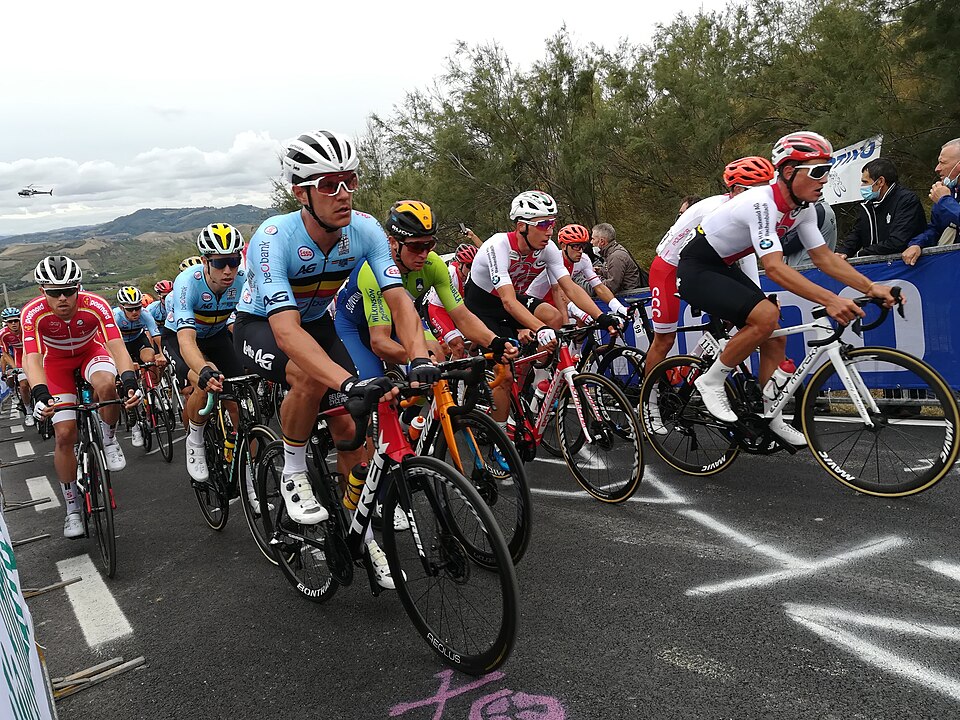
The UCI Road World Championships stand as the most prestigious annual event in professional road cycling, determining world champions across multiple disciplines. Unlike other major races where cyclists compete for their trade teams, these championships feature riders representing their countries, creating a unique competitive dynamic that transforms professional rivals into national teammates.

National Teams vs Professional Trade Teams

The national team format fundamentally changes race strategy compared to trade team events. Professional cyclists who spend the season competing against each other suddenly become teammates, requiring them to coordinate tactics with former rivals. This creates fascinating dynamics where a rider might work for a teammate they’ve battled all year, or where national team strategies must balance individual ambitions with collective success. The format also means smaller nations can sometimes upset traditional powerhouses when their limited resources force riders to work together more effectively than larger teams with internal competition. For more on the demands of professional cycling, see What It Takes to Build a Professional Cycling Career.

The Rainbow Jersey and Its Significance

The rainbow jersey represents the ultimate achievement in road cycling. Its distinctive design features five horizontal stripes in the Olympic colors—blue, yellow, black, green, and red—creating a vibrant rainbow effect. Winners earn the right to wear this jersey for exactly one year in all UCI races, marking them as the reigning world champion. Beyond the jersey itself, champions gain the permanent right to wear rainbow stripes on their jersey collars and cuffs for the remainder of their careers, creating a lasting badge of honor that distinguishes them from their peers.

Disciplines and Race Formats

The championships encompass multiple competitive formats beyond the elite road race. Elite men and women compete in individual time trials, testing pure speed against the clock on technical courses. The mixed relay team time trial, introduced in 2019, features national teams of four riders (two men, two women) working together in a high-speed team event. Junior and under-23 categories provide pathways for emerging talent, while the elite road races typically feature demanding circuits with challenging climbs and technical descents that test every aspect of a rider’s abilities.

How Has the Championships Evolved Over Time?

Illustration: How Has the Championships Evolved Over Time?

Since their inception in 1927, the UCI Road World Championships have undergone remarkable transformation, expanding from a single men’s professional road race to a multi-discipline global celebration of cycling excellence. This evolution reflects both the sport’s growth and changing attitudes toward gender equality and competitive formats. For more on a notable Swedish career, see Emma Johansson: Career Highlights and Racing Legacy.

From 1927 Origins to Modern Format

The first official UCI Road World Championships took place in Nürburgring, Germany, where Italian legend Alfredo Binda claimed victory in the men’s professional road race. For decades, the event remained relatively simple, featuring separate amateur and professional races until 1995 when unification created a single elite category. The championships gradually expanded to include more nations and disciplines, with the event now rotating between different host countries each year, bringing the world’s attention to diverse cycling cultures and landscapes.

Women’s Inclusion and Time Trial Addition

Women’s road racing entered the world championship program in 1958 when Luxembourg’s Elsy Jacobs became the first women’s world champion, marking a 31-year gap between men’s and women’s inclusion. The addition of time trial events for both men and women in 1994 represented another significant milestone, providing opportunities for specialists who excel in pure speed rather than road racing tactics. This 36-year gap between women’s first race and time trial addition highlights the sport’s slow progress toward gender equality, though women’s cycling has gained substantial recognition and investment in recent decades. For more on the evolution of women’s cycling, explore women’s road cycling.

The Super World Championships Format

In 2023, the UCI introduced a revolutionary “Super World Championships” format held every four years, consolidating multiple cycling disciplines into a single massive celebration. This new format brings together road cycling with track, mountain bike, BMX, and other disciplines in one coordinated event, creating a festival atmosphere and reducing costs for host nations. The Super Worlds represent the sport’s most ambitious organizational effort, featuring thousands of athletes across all cycling disciplines and generating unprecedented media attention for the sport as a whole.

Team Time Trial Evolution

The team time trial format has undergone several transformations since its introduction. From 1962 to 1994 and again from 2012 to 2018, trade teams rather than national teams competed in this discipline, creating a unique situation where professional trade teams raced alongside national teams in the same event. Since 2019, the format shifted to a mixed relay for national teams, featuring two men and two women per team, promoting gender equality while maintaining the tactical complexity that makes team time trials so compelling to watch.

Why Are the Championships So Prestigious?

The UCI Road World Championships occupy a unique position in cycling’s hierarchy, combining the one-day intensity of classic races with the career-defining significance of winning a world title. This prestige stems from the event’s rich history, the rainbow jersey’s symbolic power, and the rare opportunity to compete for national glory rather than trade team success.

The Triple Crown Achievement

Winning the Triple Crown represents cycling’s ultimate achievement: capturing the world championship, Tour de France, and Giro d’Italia in the same calendar year. Only three riders have accomplished this extraordinary feat—Eddy Merckx in 1974, Stephen Roche in 1987, and most recently Tadej Pogačar in 2023. This accomplishment requires exceptional versatility across different race types, sustained peak performance over months, and the ability to handle immense pressure across cycling’s most demanding events. The Triple Crown’s rarity underscores the world championships’ standing among cycling’s greatest prizes. For more on career-defining moments, see Major Cycling Achievements That Define a Professional Career.

Historical Dominance and Global Expansion

Historically, Italy and Belgium dominated world championship success, with Italian riders claiming 25 men’s road race titles and Belgian cyclists winning 19 through 2024. This dominance reflected the strong cycling cultures in these nations and their ability to produce riders suited to the classic-style courses often selected for the championships. However, the competition has become increasingly global, with victories from riders representing countries like Slovenia, Colombia, and Australia in recent years. This expansion mirrors cycling’s worldwide growth and demonstrates how the championships now truly represent the sport’s international nature. For more on competitive structures, see Understanding the UCI World Ranking System in Women’s Cycling.

The “Curse of the Rainbow Jersey”

A fascinating superstition surrounds the rainbow jersey: the so-called “curse of the rainbow jersey” suggests that world champions often struggle in the following season. While largely anecdotal, this belief has persisted throughout cycling history, with many champions experiencing injuries, illness, or unexpected poor form after their victory. Whether psychological pressure, increased media attention, or simple coincidence drives this pattern remains debated, but the curse adds an intriguing layer of narrative to the championships and creates additional drama around defending champions’ performances.

One-Day Race Prestige

The elite men’s road race stands among cycling’s most prestigious one-day events, comparable to the “Monuments” of Paris-Roubaix, Tour of Flanders, Milan-San Remo, Liège-Bastogne-Liège, and Giro di Lombardia. Unlike these established classics, however, the world championships course changes annually, preventing specialized preparation and testing riders’ all-around abilities. The race’s position on the calendar, typically in September or October, also means it often serves as a season finale where riders have their complete form, creating conditions for truly spectacular racing.

The UCI Road World Championships represent more than just another bike race—they’re where cycling history is written in rainbow stripes. For fans wanting to experience this pinnacle event, mark your calendar for the next championships and watch how national pride transforms professional competition into something truly special. The rainbow jersey awaits, ready to crown the next cycling legend who will wear those vibrant stripes with pride for an entire year and carry the rainbow legacy for a lifetime.

Frequently Asked Questions About Cycling World Championships

Illustration: Frequently Asked Questions About Cycling World Championships

How did Kristen Faulkner win gold?

Faulkner, despite being a replacement on the 2024 Olympic team, was the first American to win a road racing gold medal in 40 years when she took first place in the women’s road race. Faulkner finished… For more on Olympic success, see The Journey to Olympic Silver: What It Takes to Reach the Podium.

Where were the first Road World Championships in cycling held in 1921?

The 1921 UCI Road World Championships (the annual world championships for bicycle road racing organized by the Union Cycliste Internationale) took place in Copenhagen, Denmark on Thursday 4 August 1921.

Which year did Marianne Vos win several times the UCI Road World Championships?

She is a 3 times World Road Race Champion – in 2006, 2012 and 2013 – and 8 times World Cyclo-cross Champion – in 2006, 2009, 2010, 2011, 2012, 2013, 2014 and 2022.