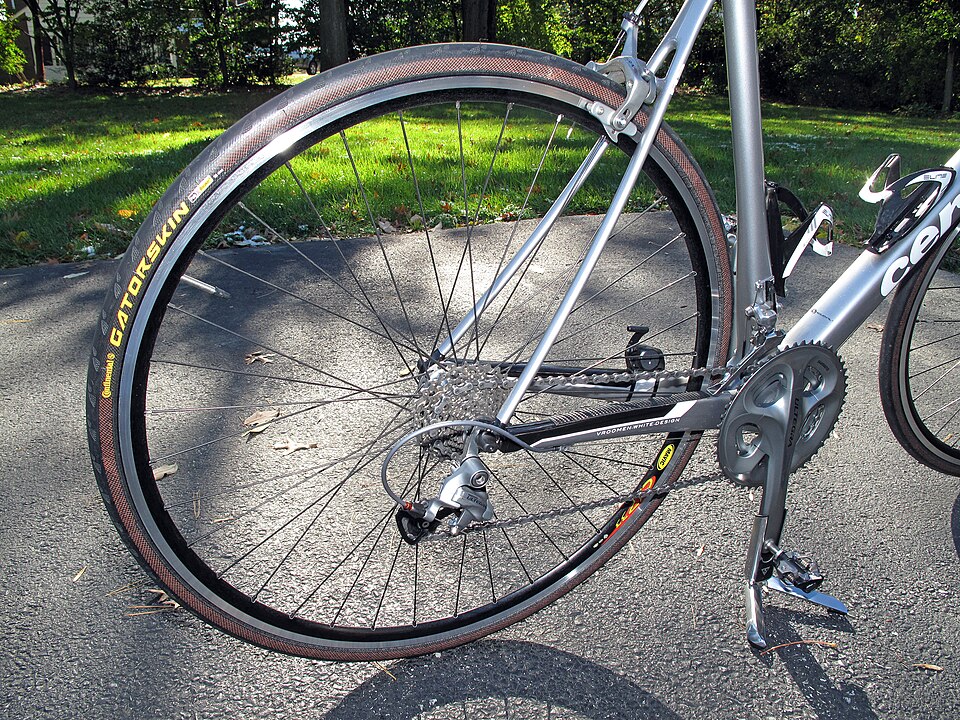
Cycling Training Plans for Road Cyclists: From Beginner to Advanced

Illustration: Beginner Cycling Training Plans: Building Your Foundation

Structured training plans can improve cycling performance by up to 30% compared to unstructured riding, but the key is matching the plan to your current skill level. Whether you’re just starting out or preparing for your next race, having the right training structure makes all the difference. Learn more about road cycling fundamentals to enhance your training approach.

Key takeaway

  • Beginner plans focus on building endurance with 3-4 weekly rides and recovery emphasis
  • Intermediate plans add structured intervals and increase weekly volume to 6-10 hours
  • Advanced plans incorporate power-based training and periodization for race-specific preparation

Beginner Cycling Training Plans: Building Your Foundation
Illustration: Beginner Cycling Training Plans: Building Your Foundation

Starting your cycling journey requires the right foundation. Beginner training plans focus on building endurance, establishing consistent habits, and learning proper recovery techniques before adding intensity. Essential Cycling Tips for Beginners Starting Their Journey can help you avoid common mistakes and accelerate your progress.

Weekly Structure for New Cyclists

New cyclists should aim for 3-4 weekly rides with a balanced approach to building fitness. The foundation includes:

  • 3-4 weekly rides of 60-90 minutes each for base endurance
  • One longer weekend ride (2-3 hours) to build stamina
  • Two rest days for recovery and adaptation
  • One recovery ride (30-45 minutes) at very easy pace

This structure allows your body to adapt to cycling stress while preventing overtraining. The key is consistency over intensity during these early weeks.

Key Beginner Workouts and Progression

Beginner workouts should focus on building aerobic capacity and proper pedaling technique. Essential workouts include:

  • Steady endurance rides at conversational pace (60-70% max heart rate)
  • Cadence drills focusing on 80-90 rpm for efficient pedaling
  • Hill repeats with 3-5 climbs, focusing on technique rather than speed
  • Gradual distance increases of no more than 10% weekly to avoid injury

The progression should be slow and steady. Master the basics before adding intensity. Many beginners make the mistake of going too hard too soon, which often leads to burnout or injury.

Recovery and Consistency Essentials

Recovery is just as important as the training itself, especially for beginners. Key recovery principles include:

  • Rest days are non-negotiable – your body adapts and gets stronger during recovery
  • Active recovery rides help maintain blood flow without adding stress
  • Sleep quality directly impacts training adaptation and performance
  • Nutrition basics – proper fueling before, during, and after rides
  • Consistency over intensity – regular easy rides beat occasional hard efforts

Remember that building a strong foundation takes time. The habits you establish now will serve you throughout your cycling journey.

Intermediate Cycling Training Plans: Structured Progression
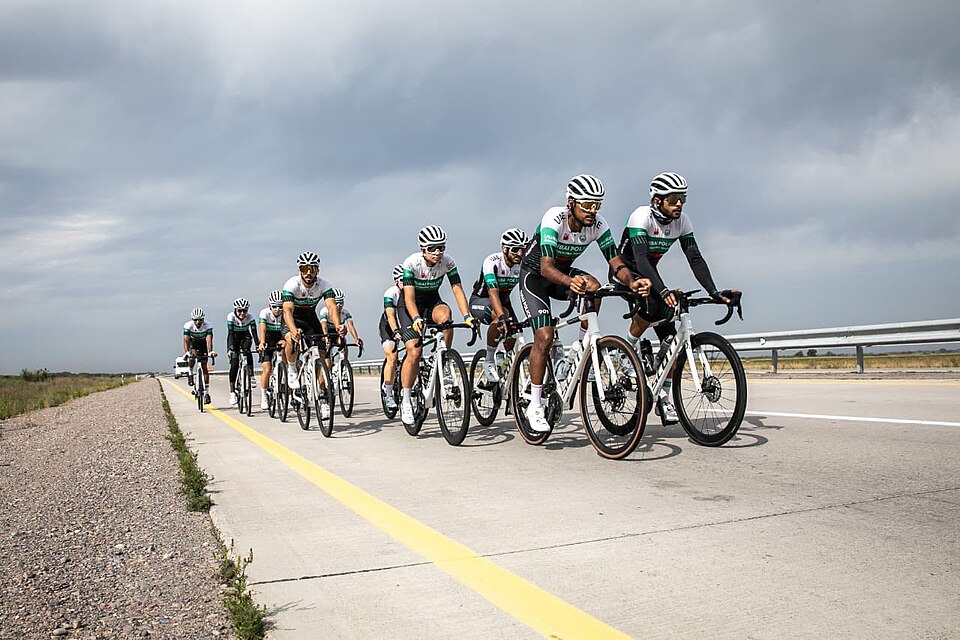
Illustration: Intermediate Cycling Training Plans: Structured Progression

Once you’ve built a solid base, intermediate training plans add structure and intensity to drive further improvements. These plans typically require 6-10 hours per week and introduce more sophisticated training concepts.

Weekly Training Volume and Structure

Intermediate cyclists should aim for 4-5 rides per week with a mix of endurance and intensity. A typical week includes:

  • 6-10 hours weekly training volume
  • 4-5 rides per week with varied purposes
  • Mix of endurance and intensity sessions
  • One long ride (3-4 hours) for aerobic development
  • Two rest days for recovery

This increased volume and structure provides the stimulus needed for continued improvement while still allowing adequate recovery.

Key Intermediate Workouts

Intermediate workouts introduce structured intervals that target specific energy systems. Essential workouts include:

  • Tempo intervals – 2×10 minutes at 75-80% max heart rate
  • Sweet spot training – 3×8 minutes at 85-90% of FTP
  • VO2 max intervals – 5×3 minutes at maximum sustainable effort
  • FTP testing every 6-8 weeks to track progress
  • Race simulation rides to practice pacing and nutrition

These workouts drive significant fitness improvements by challenging your body in specific ways. The key is proper execution – each interval should be performed at the target intensity with adequate recovery between efforts.

Using Heart Rate and Power Zones

Data-driven training becomes more important at the intermediate level. Understanding and using training zones helps optimize your workouts:

  • Introduction to training zones – five or six distinct intensity levels
  • Basic power meter usage – measuring output in watts for precise training
  • Heart rate monitoring – tracking effort and recovery
  • Zone-based training benefits – ensuring you’re training at the right intensity

Using data takes the guesswork out of training. You’ll know exactly how hard to ride during each workout and can track your progress over time.

Advanced Cycling Training Plans: Peak Performance
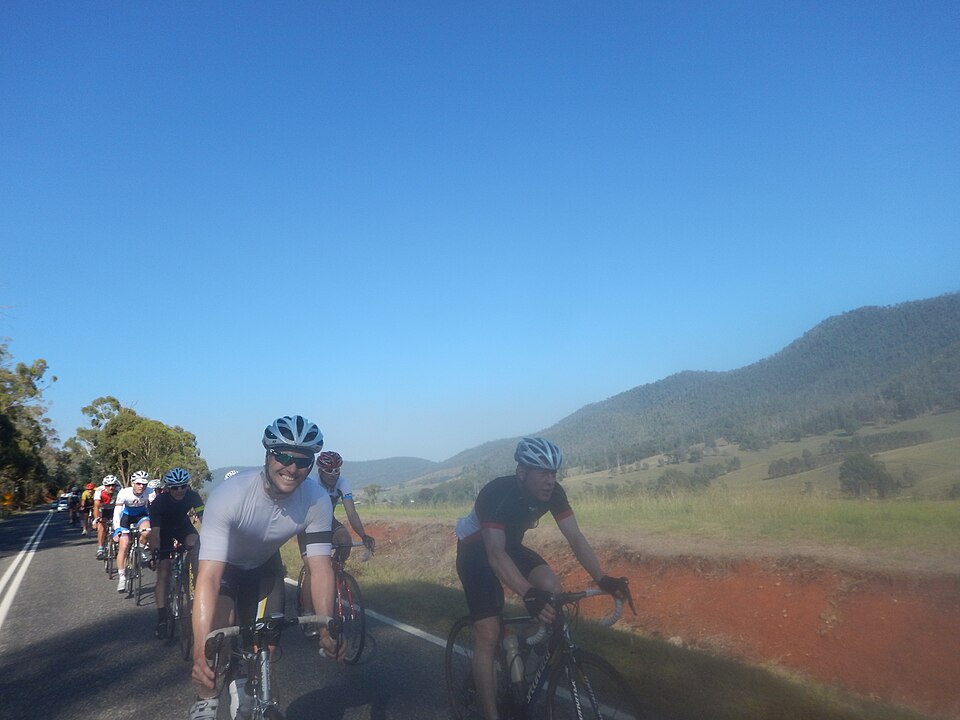
Illustration: Advanced Cycling Training Plans: Peak Performance

Advanced training plans are highly structured and specific, typically requiring 12-20 hours per week. These plans incorporate periodization, power-based training, and race-specific preparation for competitive cyclists.

Advanced Weekly Structure and Periodization

Advanced cyclists follow periodized training blocks that build toward specific goals. A typical advanced structure includes:

  • 12-20 hours weekly training volume
  • Periodized training blocks (3-4 weeks hard, 1 week easy)
  • Race-specific preparation 4-8 weeks before key events
  • Recovery weeks every 3-4 weeks to prevent overtraining
  • Multiple intensity types in each training block

This complex structure allows for peak performance at the right times while managing fatigue and reducing injury risk.

Key Advanced Workouts and Race Preparation

Advanced workouts are highly specific and often race-like in intensity. Essential workouts include:

  • High-intensity intervals – Tabata sets (20 seconds hard, 10 seconds easy) and pyramid sets
  • Race simulation – long rides with varied intensity mimicking race conditions
  • Time trial efforts – sustained efforts at race pace
  • Strength training integration – off-bike work for power and injury prevention
  • Nutrition periodization – matching fueling to training demands

These workouts prepare you for the specific demands of racing and high-level performance. The key is specificity – training should closely mimic your racing goals.

Power-Based Training and Data Analysis

Advanced cyclists rely heavily on data for training optimization. Key concepts include:

  • Advanced power metrics – normalized power, intensity factor, variability index
  • Training stress score (TSS) – quantifying training load
  • Chronic training load (CTL) – tracking fitness over time
  • Race pacing strategies – using power data for optimal performance
  • Data-driven adjustments – modifying training based on performance trends

Data analysis removes the guesswork from training. You can see exactly how your fitness is changing and make informed decisions about training intensity and volume.

The biggest mistake cyclists make is jumping to advanced training before mastering the basics. Start with a beginner plan for 8-12 weeks, then progress systematically through each level. Your future self will thank you for building the right foundation first.

Ready to start your structured training journey? Learn more about road cycling training and find the perfect plan for your current level. Remember, the best training plan is the one you can stick with consistently. Start where you are, use what you have, and build toward your cycling goals one ride at a time.

Frequently Asked Questions About Cycling Training Plans
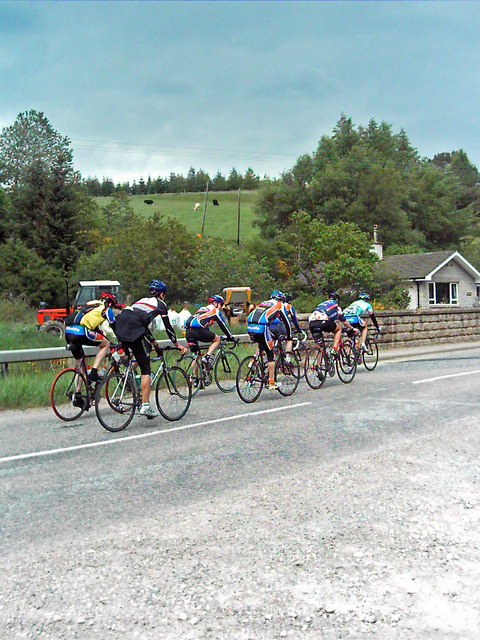
Illustration: Frequently Asked Questions About Cycling Training Plans

How many hours should a beginner cyclist train per week?

Beginner cyclists should aim for 6-10 hours of training per week, spread across 3-4 rides. This builds a solid foundation without risking overtraining or injury.

What is the 80/20 rule in cycling training?

The 80/20 rule means 80% of your weekly cycling should be at low intensity, with 20% at moderate-to-high intensity. This approach optimizes endurance gains while preventing burnout.

How many rides per week should an intermediate cyclist do?

Intermediate cyclists should aim for 4-5 rides per week, with structured progression in their training. This frequency allows for adequate recovery while building fitness and skills.

What type of intervals should advanced cyclists include in their training?

Advanced cyclists should include VO2 max intervals in their training plans. These high-intensity efforts improve aerobic capacity and are crucial for peak performance in competitive cycling.
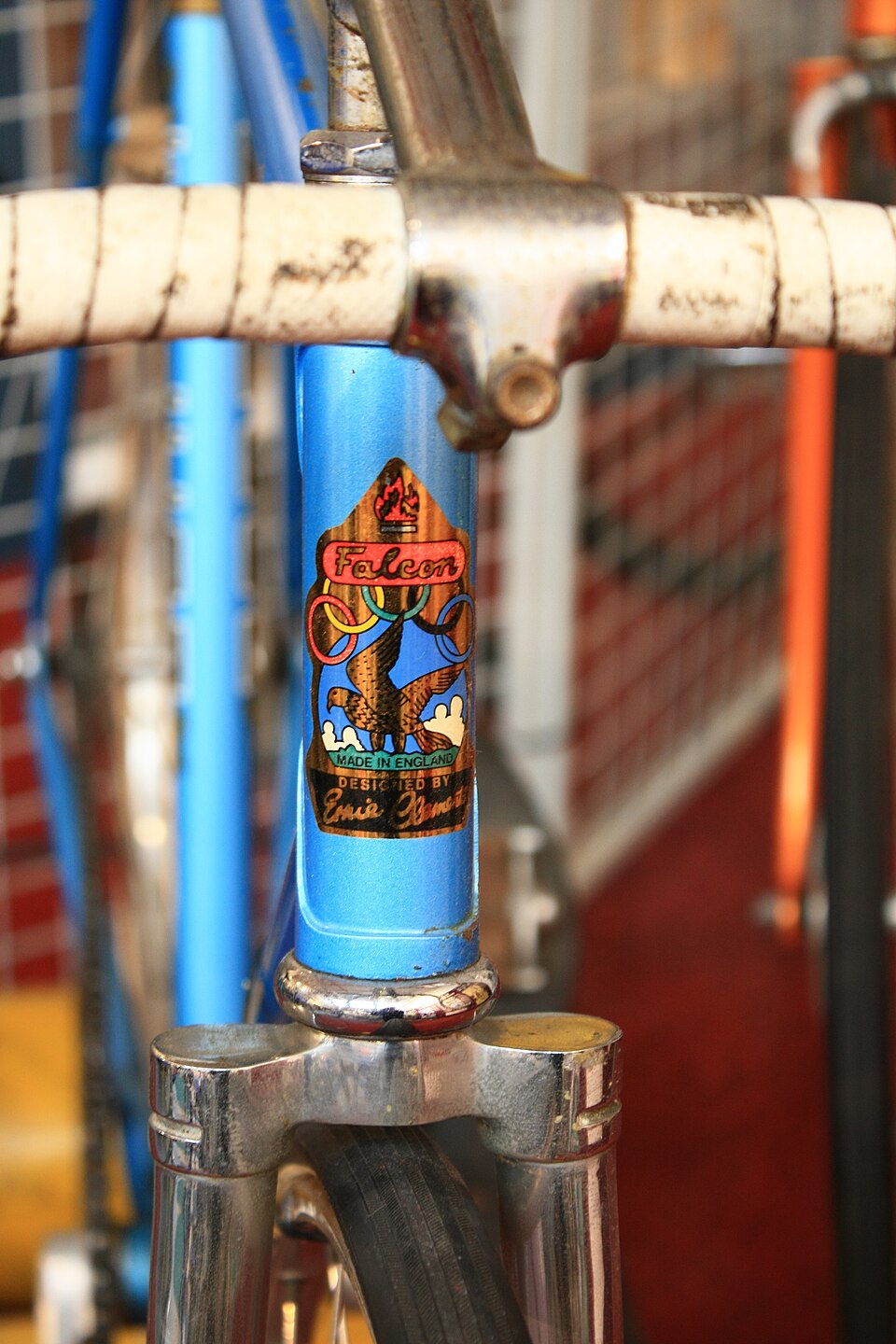
Top Road Bike Brands of 2024: Performance and Value Analysis

Illustration: What Are the Top Road Bike Brands and Models of 2024?

The 2024 road bike market has evolved to offer unprecedented specialization, with top manufacturers like Giant, Specialized, Trek, Focus, and Merida each dominating specific performance categories while maintaining excellent value across their lineups.

Top Road Bike Brands of 2024: Performance and Value Analysis

  • Giant leads in all-around race performance with TCR Advanced Pro 0 AXS
  • Specialized dominates versatility with Tarmac SL8 and Roubaix models
  • Trek offers best budget options with Domane AL2 Gen 4
  • Focus earned Race Bike of the Year with Izalco Max 9.8
  • Merida provides top value with Scultura and Domane AL models

What Are the Top Road Bike Brands and Models of 2024?

Illustration: What Are the Top Road Bike Brands and Models of 2024?

The leading road bike brands of 2024 have each carved out distinct market positions, with Giant, Specialized, Trek, Focus, and Merida representing the pinnacle of performance, innovation, and value in the cycling industry.

Giant: Race Performance and Endurance Comfort Leaders

Giant has established itself as the most versatile brand in 2024, excelling in both high-performance racing and comfortable endurance riding. The Giant TCR Advanced Pro 0 AXS has been ranked as the top road bike for its all-around race performance, efficiency, and comfort, making it the go-to choice for competitive cyclists who need versatility. Meanwhile, the Giant Defy Advanced Pro 2 was named Road Bike of the Year for 2024, showcasing Giant’s dominance in the endurance category. This dual strength allows riders to choose between race-focused TCR models or comfort-oriented Defy bikes within the same brand, with both lines maintaining exceptional quality and performance standards.

Specialized: Versatility and Innovation Across Categories

Specialized continues to lead the industry in versatility and innovation, with their Tarmac SL8 and Roubaix models consistently recognized as top brands for performance and versatility. The Tarmac SL8 represents the pinnacle of race bike engineering, offering cutting-edge aerodynamics and weight savings for competitive riders, while the Roubaix series provides unmatched comfort for long-distance cyclists through its innovative suspension technology. Specialized’s ability to excel in both race and endurance segments, combined with their reputation for continuous innovation, makes them a favorite among riders who want options for different riding styles without switching brands.

How Do Performance and Value Compare Across Leading Brands?

Illustration: How Do Performance and Value Compare Across Leading Brands?

The 2024 road bike market offers distinct choices across performance categories, with each brand specializing in specific rider needs while maintaining competitive pricing strategies.

High Performance Race Bikes: Speed and Integration

For riders prioritizing speed and cutting-edge technology, three brands stand out in the high-performance race category. The Giant TCR, Specialized Tarmac, and Focus Izalco Max represent the pinnacle of race bike engineering in 2024. The Focus Izalco Max 9.8 earned the prestigious Race Bike of the Year award from BikeRadar, validating its position as a top-tier racing machine. The Look 795 Blade RS has also been recognized for superior aero performance, offering competitive riders the latest in aerodynamic technology. These brands focus on integration, weight reduction, and aerodynamic efficiency, making them ideal for racers and performance-oriented cyclists who demand the absolute best in speed and handling.

Endurance and Comfort: All-Day Riding Options

Endurance riders have excellent options from brands that prioritize comfort without sacrificing too much performance. The Giant Defy, Specialized Roubaix, and Trek Domane lead the endurance/comfort category, each offering unique approaches to all-day riding comfort. The Trek Domane AL2 Gen 4 has been identified as a top budget road bike choice, making endurance cycling accessible to more riders. These bikes feature technologies like vibration-damping seat posts, wider tire clearance, and more relaxed geometry to reduce fatigue on long rides. Endurance bikes typically sacrifice some outright speed for increased comfort, making them perfect for century rides, gran fondos, and cyclists who prioritize comfort over pure racing performance — road cycling.

Best Value Options: Performance Without Premium Price

Budget-conscious riders can still access excellent performance through brands that focus on value engineering. Merida Scultura and Trek Domane AL models represent the top value options in 2024, delivering competitive performance at accessible price points. These brands achieve their value proposition through smart manufacturing choices, component selection, and direct-to-consumer models that reduce costs without compromising core performance characteristics. Merida’s Scultura line offers race-worthy geometry and handling at mid-range prices, while Trek’s Domane AL series provides endurance comfort features at budget-friendly price points. For riders who want performance without the premium price tag, these value-focused brands deliver impressive results.

Which Specific Models Earned Top Awards and Recognition?

Industry experts have validated several specific models as the best in their respective categories, providing cyclists with confidence in their purchasing decisions.

Award-Winning Race Bikes of 2024

The Giant TCR Advanced Pro 0 AXS has been ranked as the top road bike for its all-around race performance, efficiency, and comfort, making it the most versatile high-performance option available. This model combines race-proven geometry with modern integration features, offering competitive riders a complete package that excels in various racing conditions. The Focus Izalco Max 9.8 earned the Race Bike of the Year award from BikeRadar, validating its position as a top-tier racing machine with exceptional power transfer and handling characteristics. The Look 795 Blade RS has been recognized for superior aero performance, featuring advanced aerodynamic tube shapes and integration that minimize drag at high speeds. These award-winning models represent the current pinnacle of road bike engineering and performance.

Top Endurance and Budget Picks

For endurance riding, the Giant Defy Advanced Pro 2 was named Road Bike of the Year for 2024, highlighting its exceptional combination of comfort, performance, and value in the endurance category. This model features Giant’s endurance geometry, vibration-damping technologies, and tire clearance for up to 32mm tires, making it ideal for long-distance comfort. The Trek Domane AL2 Gen 4 has been identified as the top budget road bike choice, offering endurance features like the IsoSpeed decoupler at an accessible price point. These models demonstrate how the endurance category has evolved to provide excellent comfort without the premium pricing typically associated with high-end road bikes, making long-distance cycling more accessible to a wider range of riders.

The 2024 road bike market has matured to offer specialized excellence across all price points, with each leading brand carving out distinct strengths. For riders choosing their next bike, the key is matching your riding style to the brand’s core competency: race-focused riders should prioritize Giant or Specialized, endurance riders should consider Trek or Giant’s Defy line, and value-seekers will find excellent performance in Merida or Trek’s budget offerings. Start by identifying your primary riding style, then test ride the top-recommended models from the corresponding brand category.

Road Bike Materials Comparison: Carbon, Aluminum, Steel, and Titanium

Illustration: Carbon vs Aluminum vs Steel vs Titanium: Which Frame Material Wins?

Choosing the right road bike frame material can make or break your riding experience. The material you select affects everything from weight and performance to comfort and durability. Whether you’re a competitive racer chasing podium finishes or a weekend warrior exploring scenic routes, understanding the pros and cons of carbon, aluminum, steel, and titanium frames is essential for making the best investment in your cycling journey. For more detailed guidance on selecting the perfect bike for your needs, check out our comprehensive guide to road cycling.

Key Takeaway

  • Carbon frames: lightest (~900g), stiffest, most expensive, impact-fragile

  • Aluminum: affordable, stiff, harsh ride, ideal for beginners/crits

  • Steel: comfortable, heavy (1.8-2.5kg), rust-prone, durable for touring

  • Titanium: optimal balance (light, compliant, corrosion-proof), lifetime frames for all-conditions

Carbon vs Aluminum vs Steel vs Titanium: Which Frame Material Wins?

Illustration: Carbon vs Aluminum vs Steel vs Titanium: Which Frame Material Wins?

Weight and Performance: The Core Trade-off

Frame weight directly impacts climbing efficiency and acceleration. Carbon fiber frames dominate the lightweight category, with high-end models weighing just 800-1000 grams. This material offers the best stiffness-to-weight ratio, making it ideal for competitive racing where every gram matters. The material’s ability to be molded into aerodynamic shapes further enhances performance for speed-focused riders. Professional racers often save 30-45 seconds on a 5-mile climb by switching from aluminum to carbon, translating to podium positions in competitive events.

Aluminum frames strike a balance between weight and affordability, typically ranging from 1.2-1.5 kilograms. While heavier than carbon, aluminum provides excellent stiffness and responsiveness at a fraction of the cost. This makes it particularly attractive for crit racing and criterium events where quick handling and durability matter more than absolute weight savings. The material’s predictable failure characteristics also provide safety advantages for competitive riders who push their equipment to limits.

Steel frames, weighing 1.8-2.5 kilograms, prioritize comfort over weight savings. The material’s natural vibration damping properties create a smooth ride quality that’s especially beneficial on rough roads and long-distance tours. Steel’s high fatigue resistance means these frames can withstand thousands of miles of riding without structural degradation. Many steel frames remain rideable after 20+ years of use, making them excellent investments for riders who value longevity over cutting-edge performance.

Titanium frames achieve a remarkable balance at approximately 1.2 kilograms. This material combines the lightweight properties of aluminum with the comfort characteristics of steel. Titanium’s superior impact resistance and corrosion-proof nature make it ideal for riders who demand performance across all conditions without worrying about frame damage. The material’s ability to maintain structural integrity in extreme temperatures (-60°F to 500°F) makes it suitable for riders who explore diverse climates and terrains.

Best Material for Your Riding Style

  • Carbon: Best for racing/climbing – The material’s stiffness-to-weight superiority makes it perfect for competitive scenarios. Aero shapes and tuned compliance allow racers to maintain high speeds while reducing fatigue. However, carbon’s impact fragility means careful handling is essential. Professional teams replace carbon frames every 2-3 seasons due to microscopic damage accumulation.

  • Aluminum: Ideal budget performance – Perfect for beginners entering competitive cycling or riders focused on criterium racing. The material’s stiffness provides responsive handling, while the lower price point allows investment in other components. Aluminum frames typically last 5-7 years with regular use before fatigue becomes a concern.

  • Steel: Smooth/comfortable for touring – Long-distance riders benefit from steel’s natural vibration absorption. The material’s durability makes it suitable for bikepacking adventures where frame reliability matters more than weight savings. Steel’s repairability is a significant advantage – frames can be welded and repaired by most bike shops.

  • Titanium: Optimal balance for all-conditions – Riders who want one frame for everything should consider titanium. The material’s corrosion resistance and impact durability make it ideal for year-round riding in varying weather conditions. Titanium frames often last 15-20+ years, making them lifetime investments despite higher upfront costs.

Cost vs Durability: What You Get for Your Money

Illustration: Cost vs Durability: What You Get for Your Money

Price Ranges and Value Analysis

Material

Price Range

Best Value For

Key Benefits

Carbon

$2000+

Competitive racers

Lightest weight, maximum stiffness, aero optimization

Aluminum

$500-1500

Beginners, crit racers

Affordable performance, responsive handling, durable

Steel

$800-2000

Touring riders, commuters

Comfortable ride, excellent durability, repairable

Titanium

$2500+

All-condition riders

Lifetime durability, corrosion-proof, balanced performance

Understanding the true cost of ownership requires looking beyond initial purchase price. Carbon frames, while offering the best performance, typically need replacement every 2-3 years for competitive riders due to impact damage and microscopic cracking. This replacement cycle can cost $2000-5000 every few years, making the lifetime cost significantly higher than the purchase price suggests. However, for racers who win prize money or secure sponsorships, this investment often pays for itself through improved performance.

Aluminum frames offer excellent value for beginners and intermediate riders. The material’s predictable failure characteristics mean riders can push their limits without worrying about catastrophic frame failure. A $1000 aluminum bike with quality components often outperforms a $1500 carbon bike with inferior parts. The material’s durability also means fewer maintenance concerns, as aluminum doesn’t require the same level of care as carbon or steel.

Steel frames represent the sweet spot for many riders who prioritize comfort and longevity. While heavier than modern alternatives, steel’s natural compliance reduces fatigue on long rides. The material’s repairability is a significant advantage – steel frames can be welded and repaired by most bike shops, unlike carbon or aluminum. Many steel frames remain rideable after 20+ years of use, making them excellent investments for riders who value longevity over cutting-edge performance.

Titanium frames offer the best long-term value for riders who demand performance across all conditions. The material’s corrosion resistance eliminates one of cycling’s biggest maintenance concerns. Titanium’s superior impact resistance means these frames can survive crashes that would destroy carbon frames. While the upfront cost is high ($2500-5000+), the lifetime durability often makes titanium the most economical choice for riders who keep bikes for many years. The material requires minimal maintenance beyond regular cleaning and occasional bearing replacement. For more information on keeping your bike in top condition, see our Complete Bike Maintenance Checklist Every Cyclist Should Follow.

Lifespan and Maintenance Requirements

  • Carbon: Impact-fragile – Requires careful handling and inspection after crashes. While the material doesn’t fatigue like metal, impacts can create hidden damage that compromises safety. Professional inspection is recommended after any significant impact. Carbon frames should be stored away from direct sunlight and extreme temperatures to prevent resin degradation.

  • Aluminum: Harsher ride, shorter lifespan – The material’s stiffness translates to a less comfortable ride over long distances. Aluminum frames typically last 5-7 years with regular use before fatigue becomes a concern, making them ideal for riders who upgrade frequently. The material’s predictable failure characteristics provide safety advantages for competitive riders.

  • Steel: High fatigue resistance – Steel frames can last decades with proper care. The material’s ability to withstand repeated stress cycles without failure makes it ideal for high-mileage riders. However, steel requires protection from rust through regular cleaning and touch-up painting. Steel frames should be stored in dry environments and protected from road salt exposure.

  • Titanium: Corrosion-proof, lifetime frames – The material’s natural resistance to corrosion eliminates one of cycling’s biggest maintenance concerns. Titanium’s superior impact resistance means these frames can survive crashes that would destroy carbon frames, making them truly lifetime investments. The material requires minimal maintenance beyond regular cleaning and occasional bearing replacement.

Making the Right Choice: Quick Decision Guide

Speed-Focused Riders: Go Carbon

For competitive cyclists and racers, carbon fiber offers unmatched performance advantages. The material’s 900-gram weight advantage over steel translates to significant climbing efficiency – approximately 7-10 watts saved per kilogram on steep gradients. Carbon’s ability to be molded into aerodynamic tube shapes further reduces drag, potentially saving another 10-15 watts at racing speeds. The material’s tuned compliance allows manufacturers to create frames that are stiff where power transfer matters while providing some vertical compliance for comfort. However, this performance comes with trade-offs: carbon frames require careful handling to avoid impact damage, and repairs can be expensive or impossible if the damage is severe. Before making your purchase, check out our Top Road Bike Reviews 2024: Best Models Compared to see the latest options.

Budget-Conscious Beginners: Choose Aluminum

New cyclists often benefit most from aluminum frames due to their excellent value proposition. A $1000 aluminum bike typically offers better component specifications than a $1000 carbon bike, allowing beginners to invest in better wheels, groupsets, and other performance-enhancing components. Aluminum’s stiffness provides responsive handling that helps new riders develop proper technique and feel road feedback. The material’s durability means beginners can learn without worrying about expensive frame damage from minor crashes or transportation mishaps. For crit racing enthusiasts, aluminum’s combination of stiffness and affordability makes it ideal for the tight turns and frequent accelerations characteristic of these events. If you’re just starting out, our Essential Cycling Tips for Beginners Starting Their Journey can help you get started safely.

Touring and Comfort Riders: Steel or Titanium

Riders prioritizing comfort and durability should consider steel or titanium frames. Steel’s natural vibration damping properties create a noticeably smoother ride quality, reducing fatigue on long rides. The material’s repairability is a significant advantage – steel frames can be welded and repaired by most bike shops, unlike carbon or aluminum. Titanium offers similar comfort characteristics while providing superior weight savings and corrosion resistance. For bikepacking adventures or century rides, both materials excel at absorbing road vibrations that would fatigue riders on stiffer frames. The main consideration becomes budget: steel offers excellent comfort at mid-range prices, while titanium provides lifetime durability for riders willing to invest in premium performance.

The most surprising finding in frame material selection is that the material choice often matters less than component selection for most riders. A well-equipped aluminum bike with quality wheels and groupset frequently outperforms a poorly spec’d carbon frame in real-world conditions. The second actionable step is to test ride different frame materials before purchasing – the ride quality differences between materials are often more noticeable than weight differences for recreational riders. Consider your riding priorities: if you’re racing, carbon’s weight savings matter; if you’re touring, comfort and durability matter more than a few hundred grams.

Road Bike Gearing Systems: Choosing the Right Setup for Your Riding Style

Illustration: How to Choose Road Bike Gearing Based on Your Riding Style

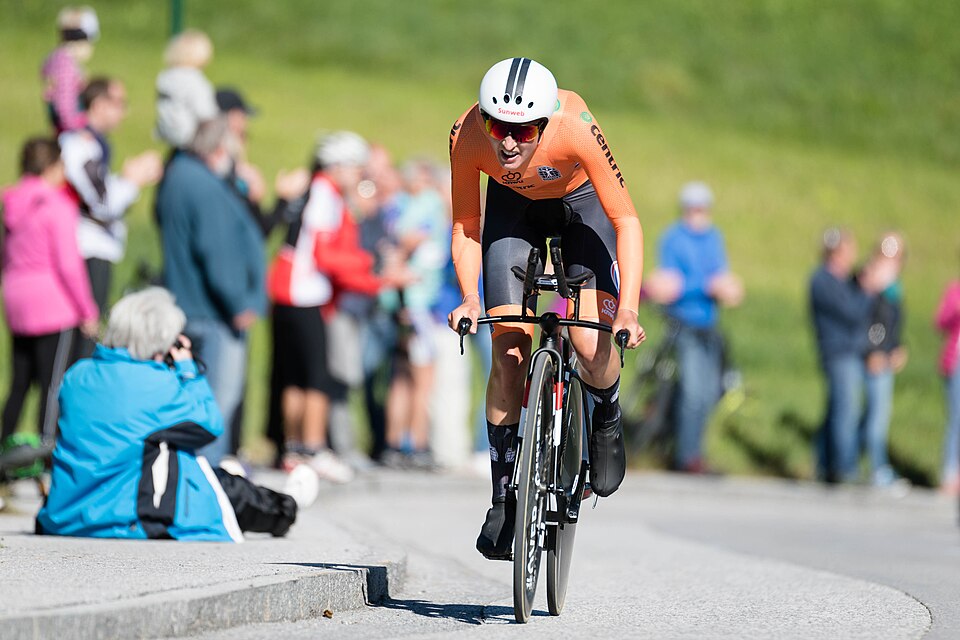
Road bike gearing can make or break your cycling experience. The right setup helps you maintain optimal cadence, conserve energy, and enjoy every ride. Emma Johansson, known as “Silver Emma” for her consistent podium finishes, excelled across varied terrain using versatile gearing that balanced climbing ability with flat-road speed. Her approach to road cycling demonstrates how proper gearing selection can enhance performance.

Choosing the Right Road Bike Gearing

  • Your riding style determines whether you need standard, semi-compact, or compact gearing
  • Steep terrain requires compact chainrings with wide-range cassettes (11-32T or 11-34T)
  • Emma Johansson’s all-around success suggests semi-compact setups offer the best versatility

How to Choose Road Bike Gearing Based on Your Riding Style

Illustration: How to Choose Road Bike Gearing Based on Your Riding Style

Rider Types and Their Gearing Needs: Competitor vs Climber vs Endurance

Different riding styles demand different gearing approaches. Understanding your primary riding type helps narrow down the best setup.

The Competitor/Sprinter focuses on high-speed performance on flat roads and descents. These riders need larger chainrings (53/39T) to maintain momentum at high speeds without spinning out. They prioritize top-end speed over climbing ease.

The Climber/All-Rounder handles steep gradients and rolling terrain. They require “easier” gears to maintain high cadence (spinning) without excessive fatigue. Compact chainrings (50/34T) paired with wide-range cassettes work best for this style.

The Endurance/Recreational Rider values comfort and versatility across mixed terrain. They need a broad gear range to handle everything from long climbs to fast group rides. Semi-compact setups (52/36T) offer the best balance for this riding style.

The Cadence Factor: How Your Pedaling Rhythm Affects Gearing Selection

Cadence refers to your pedaling speed, typically measured in revolutions per minute (RPM). Most cyclists maintain optimal power output between 80-100 RPM. Your preferred cadence significantly influences gearing choice.

Riders who prefer higher cadence (90+ RPM) benefit from smaller chainrings and wider-range cassettes. This allows smoother gear transitions and maintains pedaling efficiency across varied terrain. Lower-cadence riders (70-85 RPM) often prefer larger chainrings for more power per pedal stroke.

Fitness Level Considerations: Matching Gearing to Your Strength

Your physical capability directly impacts appropriate gearing selection. Stronger riders can handle larger chainrings and tighter cassette ranges, while developing cyclists benefit from easier gearing options.

Beginners and recreational riders should start with compact or semi-compact setups. This provides easier climbing gears and builds confidence on varied terrain. As fitness improves, you can transition to larger chainrings if needed. For those just starting out, our Essential Cycling Tips for Beginners Starting Their Journey offers valuable guidance.

Experienced cyclists with strong leg strength can handle standard racing gearing. They maintain high speeds on flats and have the power to tackle climbs without needing extremely low gears.

Road Bike Gearing Configurations Explained

Illustration: Road Bike Gearing Configurations Explained

Standard Gearing (53/39T): The Racing Setup for Speed Demons

Standard gearing features 53-tooth outer chainring and 39-tooth inner chainring. This configuration provides the highest top-end speed for racing and fast group rides.

Best for: Strong riders who primarily ride flat terrain, competitive racers, and cyclists who maintain high speeds on descents.

Advantages: Maximum speed potential, smaller gear jumps between chainrings, ideal for drafting and group riding.

Limitations: Challenging climbing gears, especially for less experienced riders or those tackling steep terrain.

Semi-Compact Gearing (52/36T): The Versatile All-Rounder Option

Semi-compact gearing uses 52-tooth outer chainring and 36-tooth inner chainring. This setup balances speed capabilities with climbing ability.

Best for: Most road cyclists, mixed-terrain riding, and riders who want versatility without sacrificing too much speed.

Advantages: Good climbing gears, maintains reasonable top speed, smaller gear jumps than standard setups.

Emma Johansson’s likely preference: Based on her all-around racing success across stage races and one-day classics, semi-compact gearing would have provided the versatility needed for both hilly terrain and sprint finishes.

Compact Gearing (50/34T): The Climbing Specialist’s Choice

Compact gearing features 50-tooth outer chainring and 34-tooth inner chainring. This configuration prioritizes climbing ability over top-end speed.

Best for: Steep terrain, endurance riding, beginners, and riders who prioritize climbing over flat-road speed.

Advantages: Easiest climbing gears, excellent for long mountain rides, reduces knee strain on steep gradients.

Limitations: May “spin out” at high speeds on descents, larger gear jumps can feel less smooth at racing cadence.

Terrain-Specific Gearing Recommendations

Illustration: Terrain-Specific Gearing Recommendations

Steep Hills and Mountain Terrain: Compact with Wide-Range Cassettes

Mountainous terrain demands the easiest possible climbing gears. Pair compact chainrings with wide-range cassettes for optimal performance.

Recommended setup: 50/34T chainset with 11-32T or 11-34T cassette. This combination provides a 1:1 gear ratio (or lower) for efficient climbing.

Why it works: The wide cassette range gives you extremely low gears for steep gradients while maintaining reasonable top speed on descents.

Flat and Fast Terrain: Tight-Range Cassettes for High-Speed Performance

Flat terrain and fast group rides benefit from tighter cassette ranges that keep gear jumps small and maintain high speed.

Recommended setup: Standard or semi-compact chainset with 11-25T or 11-28T cassette. This keeps gear transitions smooth at racing speeds.

Why it works: Smaller gear jumps allow you to maintain optimal cadence without large power variations between gears.

All-Around Mixed Terrain: The Semi-Compact Compromise

Most cyclists ride mixed terrain that includes flats, rolling hills, and occasional climbs. Semi-compact gearing with moderate cassette range offers the best versatility.

Recommended setup: 52/36T chainset with 11-30T or 11-32T cassette. This provides excellent all-around performance.

Why it works: You get reasonable climbing gears for hills while maintaining good top speed on flats. The gear jumps feel natural across the entire range.

Making Your Final Decision

Most cyclists overestimate their need for racing gearing. Unless you’re a competitive racer who primarily rides flat terrain with strong group rides, semi-compact gearing with a moderate cassette range will serve you better than standard racing setup.

Test before you commit: Many bike shops offer rental or demo programs. Try different gearing setups on your typical routes before making a final decision. Pay attention to how you feel on climbs versus flats.

Consider your terrain: If you live in mountainous areas, prioritize climbing gears. If you ride primarily flat terrain, focus on top-end speed. Mixed terrain riders should choose versatility. Finding the right terrain for your gearing setup is also important, so explore Finding the Best Cycling Routes Near You: A Local Guide.

Start with semi-compact: If you’re unsure, begin with a 52/36T chainset and 11-30T cassette. This setup handles most riding scenarios well and gives you room to adjust based on your experience.

Remember that Emma Johansson’s success came from choosing gearing that supported her all-around racing style. Modern road cyclists can apply the same principle: select gearing that matches your riding reality, not just your aspirations. Proper maintenance of your chosen setup is also crucial, so be sure to follow a Complete Bike Maintenance Checklist Every Cyclist Should Follow.

Frequently Asked Questions About Road Bike Gearing

Illustration: Frequently Asked Questions About Road Bike Gearing

What is the ideal road bike gearing setup for climbing steep hills?

For steep climbs, use a compact crankset (50/34) with a wide-range cassette (11-32) to provide easier gears and maintain cadence without excessive strain.

How do I choose road bike gearing based on my riding style?

Choose gearing based on terrain and fitness: flat roads favor standard 53/39 with narrow cassettes, while hilly areas benefit from compact 50/34 with wider range cassettes for easier climbing gears.

What are the most common road bike gearing configurations?

Common configurations include standard (53/39), compact (50/34), and mid-compact (52/36) cranksets paired with cassettes ranging from 11-25 to 11-32 teeth for varied terrain adaptability.