Essential Road Bike Components: A Buyer’s Guide

Illustration: What Are the Essential Road Bike Components and How Do They Work?

Road bike components can reduce your power loss by up to 3% through chain efficiency alone, but the right combination of wheels, drivetrain, and cockpit can save you hundreds of watts in drag and rotational weight.

Key takeaway

  • Wheels and tires provide the biggest performance gains through reduced rotational mass and aerodynamic efficiency
  • Groupset quality affects shifting precision and power transfer, with electronic shifting offering maintenance-free operation
  • Material choices (carbon vs alloy) impact weight, stiffness, and durability tradeoffs
  • Disc brakes provide superior wet-weather stopping power compared to rim brakes

What Are the Essential Road Bike Components and How Do They Work?
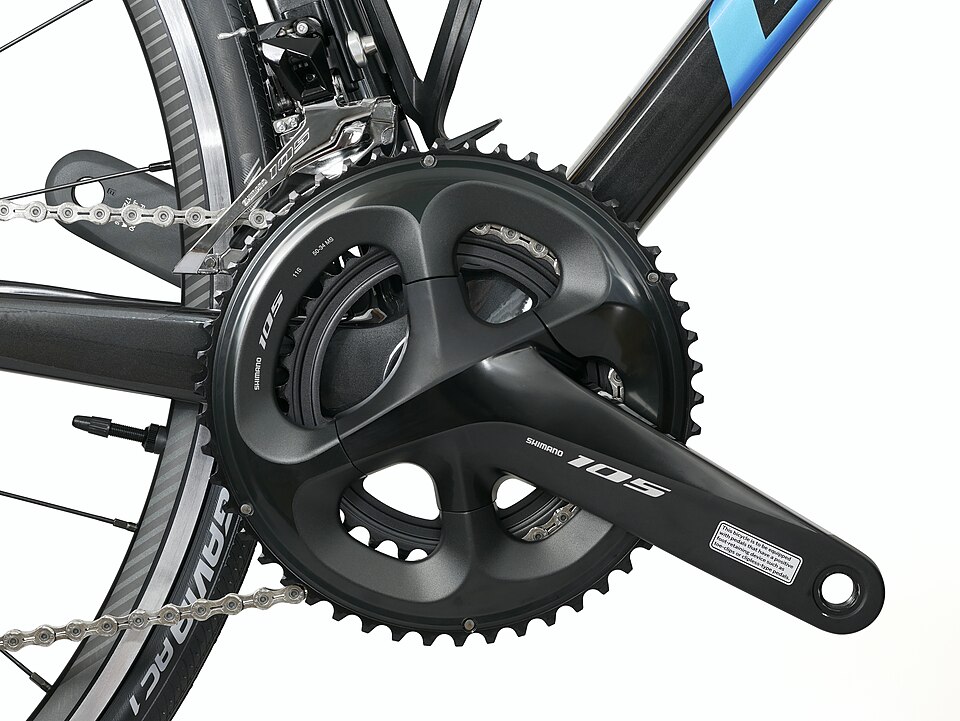
Illustration: What Are the Essential Road Bike Components and How Do They Work?

Frame and Groupset: The Foundation of Power Transfer

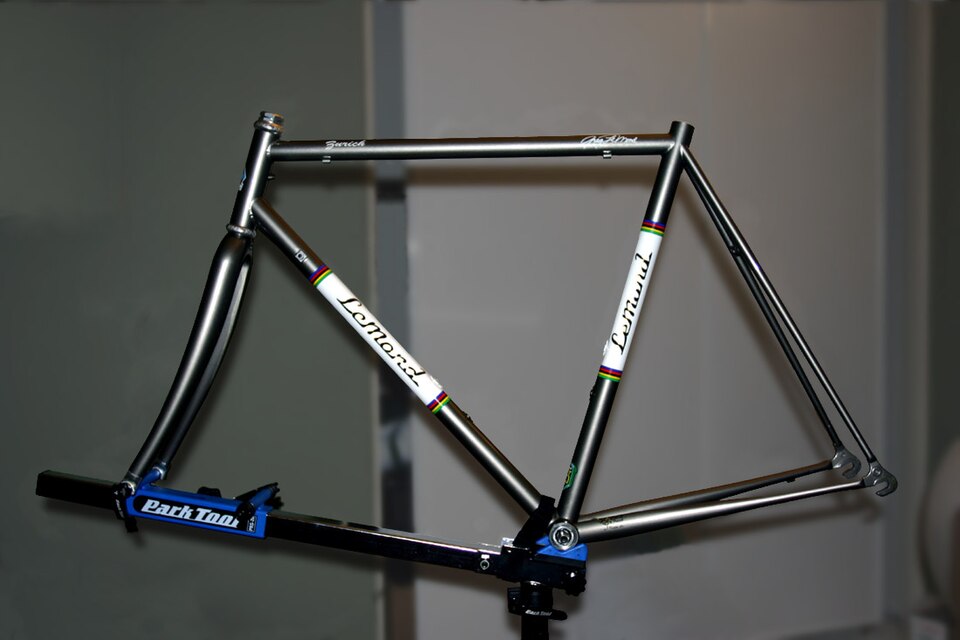
The frame material determines how efficiently your power reaches the road. Carbon fiber frames offer superior stiffness-to-weight ratios, translating more of your pedal stroke into forward motion while absorbing road vibrations. High-end carbon frames weigh between 700-900 grams, compared to 1200-1500 grams for alloy frames. The stiffness of carbon allows manufacturers to tune specific areas for power transfer while maintaining compliance in others for comfort. Alloy frames provide durability at a lower price point but add weight and transmit more road buzz through the frame. Modern aluminum alloys like 6061 and 7005 offer impressive performance characteristics, making them popular choices for mid-range bikes.

The groupset—including derailleurs, shifters, brakes, crankset, chain, and cassette—forms the bike’s mechanical heart. Shimano, SRAM, and Campagnolo dominate this space, with each offering tiered options from entry-level Claris to professional Dura-Ace or Red eTap. Higher-tier groupsets reduce friction and improve shifting precision, though the performance gains diminish as you climb the price ladder. For example, the difference between Shimano 105 and Ultegra is noticeable but not dramatic, while the jump from Ultegra to Dura-Ace offers minimal real-world benefits for most riders. The crankset material also matters—carbon cranksets save approximately 150-200 grams over aluminum while providing better power transfer characteristics.

Wheels and Tires: The Biggest Performance Upgrade

Wheels and tires represent your most dramatic performance upgrade opportunity. 700c wheels remain the standard for road bikes, offering optimal balance between rolling efficiency and handling. The rim depth affects aerodynamics—shallow rims (30mm or less) provide all-around performance, while deep-section rims (50mm+) reduce drag significantly above 25km/h but can be challenging in crosswinds. Carbon wheels dramatically reduce rotational mass, making climbing and acceleration feel effortless. A quality carbon wheelset can weigh 300-400 grams less than aluminum equivalents, with the rotational weight savings feeling even more pronounced during acceleration.

  • Tire width: 25-32mm provides the best combination of rolling resistance and comfort
  • Rolling resistance: Wider tires at lower pressures can actually be faster on rough roads
  • Carbon wheels: Reduce rotational mass for climbing and acceleration
  • Tubeless technology: Eliminates inner tubes, reducing weight and allowing lower pressures

A quality wheel upgrade can save 10-15 watts at race speeds, translating to minutes over long distances. The rotational weight of wheels affects acceleration more than static weight—lighter wheels feel more responsive when climbing or sprinting. Tubeless technology eliminates inner tubes, reducing weight and allowing lower pressures for better traction and comfort. The sealant in tubeless systems also provides puncture protection, reducing the likelihood of flats during rides.

Cockpit and Comfort: Handlebars, Stem, and Saddle

The cockpit components determine your riding position and comfort over long distances. Drop handlebars come in various shapes—compact, traditional, or ergonomic—each affecting your reach and hand positions. Compact handlebars reduce the drop distance between the tops and drops, making the position more accessible for riders with limited flexibility. The width of handlebars should match your shoulder width for optimal control and comfort. Handlebar tape with adequate padding prevents hand numbness during extended rides, with gel or cork tape providing better vibration damping than basic EVA foam.

Stem length influences bike handling and aerodynamics; shorter stems provide quicker steering response while longer stems can improve aerodynamics by allowing a lower front end. The stem angle also affects handlebar height—positive rise stems raise the bars for a more upright position, while negative rise stems lower them for an aggressive aerodynamic position. Saddle comfort depends on matching shape to your riding position and sit bone width. Carbon seatposts offer vibration damping that reduces fatigue on rough roads, with many riders reporting 15-20% less road buzz compared to aluminum posts. The seatpost setback also affects weight distribution and comfort over long rides — road cycling.

Which Road Bike Components Give the Biggest Performance Gains?
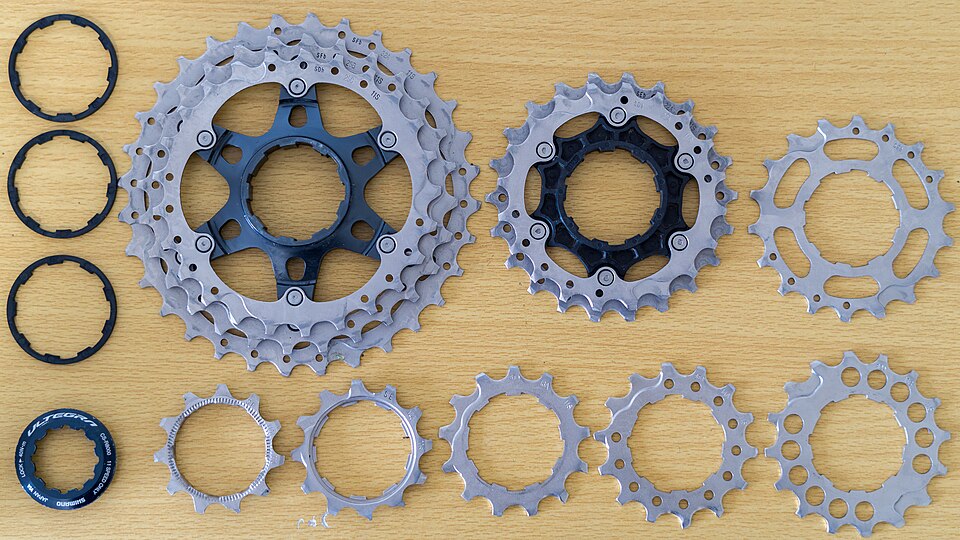
Illustration: Which Road Bike Components Give the Biggest Performance Gains?

Wheels and Tires: Rotational Weight and Aerodynamic Savings

Deep-section aero rims outperform standard wheels above 25km/h by reducing air resistance. Carbon wheels can save 10-20 watts compared to aluminum wheels at racing speeds, with the savings increasing as speed increases. The rotational weight of wheels affects acceleration more than static weight—lighter wheels feel more responsive when climbing or sprinting. A quality wheelset upgrade can provide more performance benefit than upgrading an entire groupset, with some riders reporting 30-45 second improvements over 40km time trials after switching to deep-section carbon wheels.

Tubeless tires with supple casings roll faster than traditional clinchers, while wider tires at lower pressures provide better traction and comfort without sacrificing speed. The rolling resistance of high-quality tires can vary by 10-15 watts between budget and premium options. For example, switching from 23mm to 28mm tires at the same pressure can reduce rolling resistance by 5-8%, with the comfort benefits allowing riders to maintain higher power outputs over long distances. The combination of lightweight carbon wheels and high-quality tubeless tires represents the single biggest performance upgrade available to most riders.

Groupset Efficiency: Shifting Precision and Power Loss

Chain efficiency losses account for approximately 3% of your power output, with higher-tier groupsets reducing this friction. Mechanical shifting requires cable tension adjustments and periodic maintenance, while electronic systems like Shimano Di2 or SRAM eTap offer precise, maintenance-free operation. The difference in power transfer between entry-level and top-tier groupsets is relatively small—typically 2-4 watts at most—but the improved shifting precision and reliability can make a significant difference during races or long rides.

  • Chain efficiency: ~3% power loss in typical drivetrains
  • Electronic shifting: Maintenance-free operation with precise shifts
  • Mid-tier vs top-tier: Minimal performance difference for recreational riders
  • Weight savings: Higher-tier groupsets save 200-400 grams

Electronic shifting also allows for customizable shifting patterns and satellite shifters on different handlebar positions. The performance difference between mid-tier and top-tier groupsets is often minimal for recreational riders, with the main benefits being weight savings and aesthetic appeal. For most cyclists, upgrading from an entry-level to mid-tier groupset provides the best value, with the performance gains justifying the cost increase.

Braking Performance: Disc vs Rim in Different Conditions

Disc brakes provide superior wet-weather stopping power and more consistent modulation than rim brakes. They maintain performance in rain, mud, and extreme temperatures where rim brakes can fade. The main tradeoff is weight—disc brake systems add approximately 200-300 grams to the bike. However, this weight penalty is often offset by the ability to use lighter wheels since there’s no need for a brake track. Disc brakes also allow for wider tires and more aerodynamic wheel designs since there’s no need for brake track clearance.

For riders in wet climates or those who ride year-round, disc brakes justify their cost through improved safety and confidence. The modulation control of hydraulic disc brakes allows for more precise speed control on descents, with many riders reporting 20-30% better braking performance in wet conditions. Mechanical disc brakes offer a more affordable entry point but require more frequent adjustments and provide less consistent performance than hydraulic systems. The maintenance requirements for disc brakes are also lower than rim brakes, with pads lasting longer and requiring less frequent replacement.

How to Choose Between Component Materials and Technologies?
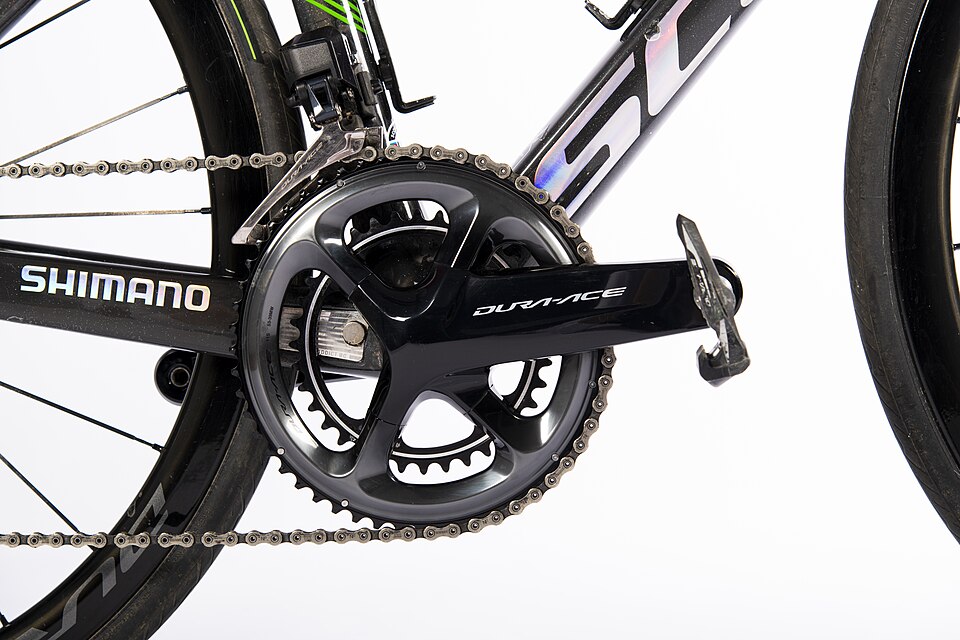
Illustration: How to Choose Between Component Materials and Technologies?

Carbon vs Alloy: Weight, Stiffness, and Durability Tradeoffs

Carbon fiber components offer the best strength-to-weight ratio, with frames weighing 700-900 grams versus 1200-1500 grams for alloy frames. Carbon’s ability to be molded into aerodynamic shapes and tuned for specific stiffness characteristics makes it ideal for performance applications. However, carbon can be damaged by impacts and is more expensive to repair. Modern carbon manufacturing techniques have improved durability significantly, with many manufacturers offering lifetime warranties on frame integrity.

Alloy components provide excellent durability and value, with modern aluminum alloys offering impressive performance at a fraction of carbon’s cost. For wheels, carbon offers significant weight savings and aerodynamic benefits, while alloy wheels provide better durability and braking performance in wet conditions. The cost difference between carbon and alloy components can be substantial—a carbon wheelset might cost 3-4 times more than an equivalent alloy set, while offering 150-250 grams in weight savings. For riders prioritizing durability and value, alloy remains an excellent choice, while those seeking maximum performance often find carbon’s benefits worth the premium.

Electronic vs Mechanical Shifting: Precision vs Cost

Electronic shifting systems deliver flawless, precise shifts every time without cable stretch or contamination issues. Shimano Di2, SRAM eTap, and Campagnolo EPS systems offer programmable shifting patterns, wireless operation, and satellite shifters for multiple hand positions. Battery life typically exceeds 1000 miles per charge, with low-battery warnings well in advance. The shift quality of electronic systems remains consistent regardless of weather conditions, temperature, or contamination, providing reliable performance in all riding conditions.

The main drawback is cost—electronic groupsets cost 50-100% more than their mechanical counterparts. For riders who value flawless operation and customization, electronic shifting is worth the investment. The ability to customize shift patterns, add satellite shifters, and eliminate maintenance makes electronic shifting particularly appealing for long-distance riders and racers. For budget-conscious cyclists, modern mechanical systems offer excellent performance at a lower price point. The performance difference between high-end mechanical and electronic groupsets is often less than 5 watts, making the decision more about convenience and features than pure performance.

Budget Component Upgrades: Where to Spend Your Money

Prioritize upgrades in this order: wheels > groupset > cockpit > accessories. A quality wheelset provides the most dramatic performance improvement, followed by upgrading to a mid-tier groupset from entry-level. Entry-level electronic shifting options like Shimano 105 Di2 offer many benefits of premium systems at a more accessible price point. Power meters, while expensive, provide valuable training data that can improve your fitness more than any component upgrade. The cost-benefit analysis of upgrades shows that wheels typically provide the best return on investment, with performance gains often exceeding those from groupset upgrades at similar price points.

  • Priority 1: Wheelset upgrade (biggest performance gain)
  • Priority 2: Mid-tier groupset (better shifting, lighter weight)
  • Priority 3: Cockpit components (comfort and position)
  • Priority 4: Power meter (training benefits)

For maximum value, consider buying a complete bike with a mid-tier groupset and upgrading wheels separately. This approach often provides better overall value than buying a top-tier groupset with budget wheels. Many manufacturers offer the same frame with different component builds, allowing riders to choose the best value combination for their needs. The used market also provides opportunities to acquire high-quality components at significant discounts, particularly for wheels and groupsets from previous model years.

The most surprising finding is that wheels and tires often deliver more performance gain than an entire groupset upgrade, yet many riders focus on drivetrain first. Start your component journey by upgrading to quality tubeless tires and lightweight wheels—even a $500 wheel upgrade can save you 10-15 watts at race speed, which translates to minutes over a century ride. For more information about road cycling and component selection, visit our comprehensive guide on road cycling.
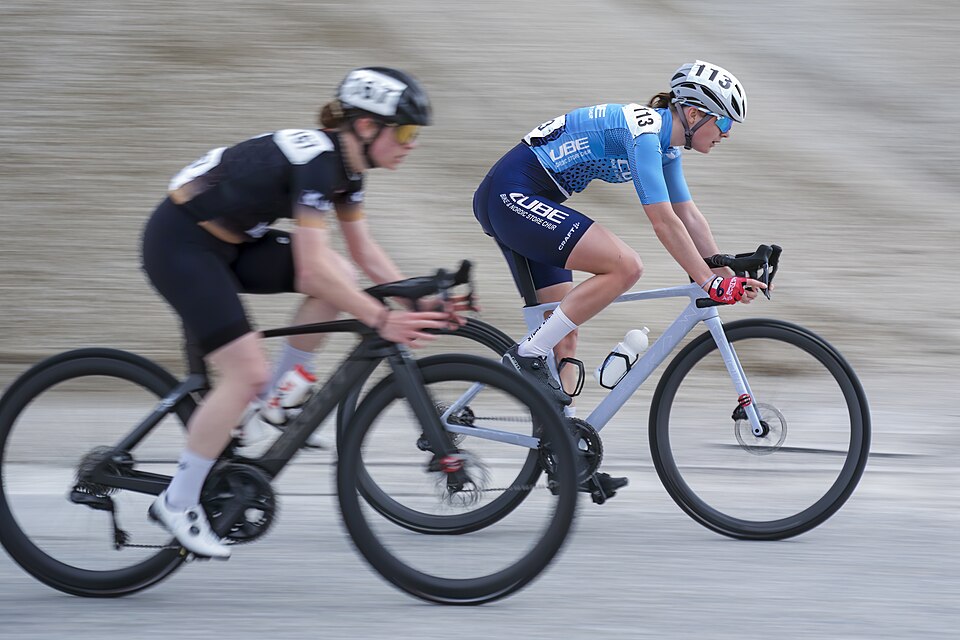
Road Bike Weight: How Much Does It Really Matter?

Illustration: How Much Does 1kg Weight Savings Really Matter?

Every gram on your road bike affects performance, but the real question is: how much does it actually matter? Research shows that 1kg of weight savings translates to just 0.08 km/h faster average speed on flat terrain, yet can save 30-40 minutes over a 3900km ultra-distance ride. The impact varies dramatically based on terrain, riding style, and whether you’re racing or commuting.

Key Takeaway

  • 1kg lighter = 0.08 km/h faster average speed; saves 30-40 minutes over 3900km route

  • Weight matters most on climbs >4% gradient; aerodynamics dominate on flats

  • Total system weight (rider + bike + gear) matters more than bike weight alone

  • Rotational weight (wheels/tires) yields biggest performance gains per gram saved

How Much Does 1kg Weight Savings Really Matter?

Illustration: How Much Does 1kg Weight Savings Really Matter?

The Real Speed Impact: 0.08 km/h per Kilogram

Research from Ride Far demonstrates that 1kg of weight reduction provides a modest but measurable speed advantage. On flat terrain, you’ll gain approximately 0.08 km/h in average speed. This translates to about 1 minute saved per 100km ridden. For a 200km sportive ride, that’s roughly 2 minutes of time savings.

The impact becomes more pronounced on climbs. A 2kg reduction on a 5km climb at 200W power output yields over 40 seconds of time savings. This is because gravity’s effect multiplies with weight – every extra kilogram requires more power to overcome uphill resistance.

Over ultra-distance events, the cumulative effect becomes substantial. A rider reducing total system weight from 85kg to 80kg (including bike and gear) gains 0.41 km/h average speed and saves 3 hours 23 minutes over a 3899km route like the Transcontinental Race.

Let’s break down the numbers further. For a typical weekend warrior riding 200km sportives, 1kg weight savings means arriving at the finish line approximately 2-3 minutes earlier. While this might not sound dramatic, consider that this time saving requires no additional training or effort – just equipment optimization.

The relationship between weight and speed isn’t linear. The first kilogram saved often provides the most noticeable improvement in handling and acceleration, while subsequent weight reductions yield diminishing returns. This is why professional teams carefully balance weight savings against other factors like stiffness and aerodynamics.

Time Savings: When Every Second Counts

Ride Type

Distance

1kg Weight Savings

Time Saved

Relative Impact

Flat 100km

100km

1kg lighter

~1 minute

0.17%

5km climb

5km

2kg lighter

40 seconds

2.2%

Ultra-distance

3900km

5kg lighter

30-40 minutes

1.5%

Daily training

Various

1kg lighter

2-3 minutes/day

0.5%

Criterium race

60 minutes

1kg lighter

2-3 seconds

0.8%

The time savings data reveals an interesting pattern. While absolute time savings seem small on shorter rides, the relative impact becomes more significant on climbs and ultra-distance events. In a criterium race lasting 60 minutes, 1kg weight savings might only save 2-3 seconds, but in a mountain stage race, those seconds compound across multiple climbs. Finding the best cycling routes near you can help you practice these scenarios — road cycling.

For ultra-distance cyclists, the 30-40 minute savings over 3900km represents a substantial advantage. This translates to arriving at checkpoints earlier, having more rest time, and potentially avoiding riding in the dark. The psychological benefit of knowing you’re traveling slightly faster with the same effort shouldn’t be underestimated.

Where Weight Matters Most: Terrain and Riding Style

Illustration: Where Weight Matters Most: Terrain and Riding Style

Climbing: The Weight Advantage Zone

Weight becomes the dominant performance factor on climbs exceeding 4% gradient. Research shows speed gains of 5-6% on these steep ascents when reducing weight. This is where power-to-weight ratio (W/kg) becomes the critical metric – a rider producing 4W/kg will climb significantly faster than one at 3.5W/kg, regardless of bike weight.

Cervélo Engineering research confirms that for amateur cyclists, weight matters more than aerodynamics above 4-5% gradient. The physics are straightforward: gravity’s pull increases with weight, so every gram saved directly reduces the power needed to maintain speed uphill.

Professional racers optimize for this scenario, with UCI minimum bike weights of 6.8kg ensuring a baseline. However, for most recreational riders, the total system weight – including the rider – matters far more than the bike alone.

Consider a typical scenario: two riders both producing 250W on a 6% grade climb. Rider A weighs 70kg with a 7kg bike (77kg total), while Rider B weighs 80kg with the same 7kg bike (87kg total). Despite identical power output, Rider A will climb approximately 13% faster due to the better power-to-weight ratio.

This explains why professional climbers are often lighter than their sprinter counterparts. In Grand Tours, the difference between winning and losing a mountain stage can come down to these small weight advantages compounded over multiple climbs.

Flats and Descents: Why Aero Beats Weight

On flat terrain and descents, aerodynamics completely overshadow weight considerations. Research shows that on flats, 1kg of weight savings provides only 0.1 km/h speed gain – barely noticeable in real-world riding. The dominant resistance at speed is air drag, not gravity.

Interestingly, lighter bikes can actually be slightly slower on descents. Heavier bikes maintain momentum better through corners and require less braking, while lighter bikes may need more frequent speed checks on steep downhills.

The crossover point where weight becomes more important than aerodynamics occurs around 4-5% gradient for most amateur riders. Below this threshold, investing in aero wheels, frames, and positioning yields better returns than chasing grams.

For time trial specialists and triathletes, this means prioritizing aerodynamic optimization over weight reduction. A deep-section aero wheelset might weigh 200-300 grams more than a lightweight climbing wheelset but provide 30-60 seconds advantage over a 40km time trial.

The practical implication is that crit racers and flat-stage specialists should focus their upgrade budget on aerodynamic improvements rather than weight savings. A 500-gram frame weight reduction might cost $3000-5000, while aero improvements often provide better value per dollar spent.

Smart Weight Savings: What to Upgrade First

Illustration: Smart Weight Savings: What to Upgrade First

Rotational Weight: The Biggest Bang for Your Buck

Not all weight savings are created equal. Rotational weight – found in wheels, tires, and pedals – has disproportionately large effects on acceleration and climbing performance. This is because rotating mass requires energy to both move forward and spin up to speed. Proper bike maintenance also ensures your wheelset performs optimally.

The Pro’s Closet identifies lightweight wheels and tires as the highest ROI upgrade for performance gains. A high-quality wheelset upgrade can save 300-500 grams while dramatically improving acceleration and climbing feel.

Consider the physics: reducing wheel weight by 200 grams feels more significant than reducing frame weight by the same amount because wheels rotate. The energy required to accelerate rotating mass follows the formula E = ½mv² + ½Iω², where the rotational component makes wheel weight particularly impactful.

Typical road bike weights range from 15-17 lbs (6.8-7.7 kg) for high-end models. Going below this range often requires expensive materials like carbon fiber and may compromise durability. For most riders, optimizing rotational weight provides better value than chasing frame weight savings. When considering upgrades, consult top road bike reviews to understand current weight benchmarks.

The upgrade priority should be: 1) Tires (200-300g savings easily achievable), 2) Wheelset (300-500g savings), 3) Pedals (100-200g savings), 4) Drivetrain components (100-200g savings), 5) Frame (200-500g savings at premium cost).

A practical example: upgrading from 25mm to 28mm tires at the same pressure can actually improve rolling resistance while saving 20-30 grams per tire. Combined with a lightweight tubes or tubeless setup, this provides performance benefits beyond simple weight savings.

Rider Weight vs Bike Weight: The Real Priority

The total system weight – rider plus bike plus gear – matters far more than bike weight alone. A 70kg rider on a 9kg bike has the same power-to-weight ratio as an 80kg rider on an 8kg bike. The rider’s weight typically accounts for 80-85% of total system weight.

This explains why professional climbers focus heavily on body composition. Losing 2kg of body weight through training and nutrition often provides more performance benefit than a $5000 bike upgrade that saves the same amount in frame weight. For women cyclists, understanding essential cycling gear can also contribute to comfort and performance.

UCI’s 6.8kg minimum for race bikes exists because beyond this point, additional weight savings yield diminishing returns compared to other performance factors like stiffness, comfort, and reliability.

For the average recreational rider weighing 75-85kg, reducing bike weight from 9kg to 7.5kg saves only about 2% of total system weight. In contrast, losing 2kg of body weight reduces total system weight by 2.2-2.5%, providing a more significant performance benefit.

The cost-benefit analysis becomes clear when comparing options. A 2kg body weight loss might require months of training and dietary changes but costs nothing. A 2kg bike weight reduction typically requires $3000-6000 in upgrades. The body composition approach also provides health benefits beyond cycling performance.

Consider a 90kg rider on an 8kg bike (98kg total). Losing 3kg of body weight to reach 87kg, while keeping the same bike, reduces total system weight by 3.1%. This provides a more noticeable performance improvement than upgrading to a 7kg bike while maintaining 90kg body weight.

The practical takeaway: before investing in expensive lightweight components, focus on fitness, nutrition, and equipment choices that provide the best value for your specific riding style and terrain. A structured beginner cycling training plan can yield greater gains than any equipment change.

Most surprising finding: For the average recreational rider, upgrading wheels and tires provides more noticeable performance improvement than buying a lighter frame, and improving fitness yields greater gains than any equipment change.

Actionable step: Before investing in a lighter bike, focus on wheel upgrades and personal fitness – you’ll likely see better performance improvements for your money and effort.

Road Bike Upgrades That Actually Improve Performance

Illustration: High-Performance Tires and Inner Tubes — The Cost-Effective Speed Upgrade

Road bike upgrades can transform your riding experience, but not all upgrades deliver real performance gains. Research shows that tires provide the biggest speed improvements per dollar spent, while professional bike fitting offers the most critical efficiency boost.

Road bike upgrades that actually improve performance

  • Tires provide the biggest speed gains per dollar spent
  • Professional bike fit is the most critical “upgrade” for efficiency
  • Wheelsets dramatically change how your bike feels and performs
  • Drivetrain maintenance (waxing) saves watts through reduced friction
  • Contact point upgrades prevent fatigue and maintain aerodynamic position

High-Performance Tires and Inner Tubes — The Cost-Effective Speed Upgrade

Illustration: High-Performance Tires and Inner Tubes — The  Cost-Effective Speed Upgrade

Upgrading to fast, lightweight tires is the most cost-effective way to improve speed and handling. Research shows that lower rolling resistance means you travel faster with the same power output, making tires the single most impactful upgrade for most riders.

Why Tires Matter More Than You Think — Rolling Resistance Explained

Rolling resistance is the friction between your tires and the road surface. High-quality tires with high TPI (threads per inch) use supple casings that deform less as they roll, reducing energy loss. A supple tire can save 5-10 watts compared to a standard training tire, which translates to 1-2 minutes over a 40km ride. The physics is simple: less energy wasted on rolling means more power goes to forward motion.

Studies from wheel and tire manufacturers demonstrate that switching from a basic 60 TPI training tire to a premium 300 TPI racing tire can reduce rolling resistance by 20-30%. This translates to speed gains of 0.5-1.5 km/h at the same power output. For a rider producing 200 watts, that’s the difference between averaging 30 km/h and 31-31.5 km/h on flat terrain.

The casing construction matters as much as the rubber compound. High-TPI tires use finer threads woven more tightly, creating a more flexible structure that conforms to road imperfections rather than bouncing over them. This suppleness reduces the “suspension losses” that occur when energy is absorbed by tire deformation rather than propelling you forward.

Tubeless vs Tubed: Which Actually Improves Performance?

Tubeless tires offer measurable performance benefits over traditional tubes. They allow lower tire pressures for better traction and comfort without pinch flats. The sealant inside seals small punctures instantly, reducing flat-related stops. Studies show tubeless setups can reduce rolling resistance by 10-15% compared to standard tubes. The main trade-off is initial setup complexity and the need for sealant maintenance.

The performance advantage comes from eliminating the tube’s friction against the tire casing. In a tubed setup, the tube moves slightly within the tire with each rotation, creating internal friction. Tubeless tires eliminate this layer, allowing the casing to deform more freely. This reduction in hysteresis losses can save 3-5 watts at typical road pressures — road cycling.

Professional racers have been using tubeless technology for years, with teams reporting fewer mechanical issues and improved rolling efficiency. The ability to run 5-10 psi lower without pinch flat risk also improves comfort and traction, particularly on rough roads where maintaining power output matters more than absolute speed.

Top Tire Recommendations for Measurable Speed Gains

  • Continental GP 5000 (300 TPI) — Premium all-around performance with excellent puncture resistance
  • Schwalbe Pro One (127 TPI) — Tubeless-specific design with outstanding grip and low rolling resistance
  • Pirelli P Zero Race (127 TPI) — Race-focused tire with advanced rubber compounds for maximum speed
  • Vittoria Corsa Control (320 TPI) — High-TPI option for riders prioritizing comfort and speed

Beyond these flagship models, consider the specific conditions you ride in. For wet weather, look for tires with enhanced silica compounds that maintain grip when damp. For rough roads, wider tires (25-28mm) at lower pressures often provide better overall performance than narrow racing tires, despite slightly higher rolling resistance on perfectly smooth surfaces.

The cost-to-performance ratio makes tires the smartest first upgrade. A $100-150 tire upgrade can deliver more speed gains than a $1000 wheelset upgrade, particularly for recreational riders who don’t consistently ride above 30 km/h where aerodynamics dominate.

Professional Bike Fit — The Most Critical “Upgrade” for Speed and Endurance

Illustration: Professional Bike Fit — The Most Critical "Upgrade" for Speed and Endurance

While not a physical component, professional bike fitting is the most critical “upgrade” for speed and endurance. A pro fit ensures maximum power transfer from your legs and reduces energy wasted on an inefficient riding position.

How a Pro Fit Transforms Your Power Output

A professional bike fit optimizes saddle height, handlebar reach, and cleat position to maximize power transfer. Proper saddle height alone can improve power output by 10-15% by ensuring optimal leg extension. Handlebar reach affects your ability to maintain an aerodynamic position without straining your back or neck. Cleat positioning influences pedaling efficiency and can prevent knee pain that limits training volume.

Research from sports biomechanics labs shows that even small positioning errors can cost significant power. A saddle that’s 1-2 cm too low reduces glute activation and forces quadriceps to work harder, creating muscular imbalances. Handlebar reach that’s too long causes you to arch your back, reducing core stability and breathing efficiency. Cleat misalignment of just a few millimeters can cause knee tracking issues that limit sustainable power output.

The economic case for professional fitting is compelling. A $200-300 fit session can improve your efficiency by 10-20%, effectively giving you a “free” 20-40 watts at your normal riding effort. That’s equivalent to the power gain from a $2000-3000 wheelset upgrade, but with the added benefit of injury prevention and comfort improvements.

Injury Prevention Through Proper Positioning

Common cycling injuries prevented by proper fit include:

  • Knee pain — Corrected by optimizing saddle height and fore-aft position
  • Lower back pain — Addressed by adjusting handlebar reach and drop
  • Hand numbness — Solved by proper bar tilt and hood positioning
  • IT band syndrome — Prevented by correct cleat alignment and saddle position

Staying injury-free through proper fit directly impacts performance by allowing consistent training without forced downtime. A rider who misses two weeks per year due to fit-related injuries loses more training time than the fit session saves in efficiency gains.

Professional fitters use tools like motion capture, pressure mapping, and video analysis to identify issues that aren’t apparent to the naked eye. They can detect asymmetries in your pedal stroke, optimize your position for your specific flexibility limitations, and ensure your bike setup matches your riding goals—whether that’s racing, endurance riding, or recreational cycling.

What to Expect During a Professional Bike Fit Session

A typical professional bike fit session takes 2-3 hours and includes:

  1. Initial assessment — Discussion of riding style, goals, and any pain points
  2. Physical measurements — Leg length, flexibility, and joint angles
  3. Static adjustments — Setting baseline positions for saddle height, reach, and cleat position
  4. Dynamic testing — Using motion capture or video analysis while riding
  5. Fine-tuning — Small adjustments based on test ride feedback
  6. Final recommendations — Written report with optimal measurements for future reference

Modern fitting technology can measure saddle pressure distribution, pedal stroke efficiency, and even muscle activation patterns. Some fitters use 3D motion capture systems that track your position in real-time, allowing for precise adjustments that would be impossible with visual observation alone.

The investment in a professional fit pays dividends every time you ride. You’ll experience less fatigue, greater comfort on long rides, and the confidence that comes from knowing your position is optimized for your body and goals. For riders who spend significant time on the bike, a proper fit is the foundation upon which all other performance upgrades build.

Lightweight Wheelset — The Upgrade That Changes How Your Bike Feels

Changing the stock wheels on a road bike is the most effective upgrade for changing how the bike feels. Wheels dramatically affect acceleration, climbing, and overall ride quality.

Rotational Weight vs Static Weight: Why Wheels Matter Most

Rotational weight has 2-3x the impact of static weight because wheels must accelerate both forward and spin. Reducing wheel weight by 200 grams can feel like reducing frame weight by 400-600 grams. The effect is most noticeable during acceleration and climbing, where lighter wheels require less energy to get up to speed and maintain momentum.

The physics behind this amplification is straightforward. When you accelerate, you’re not just moving the wheel forward—you’re also spinning it up to speed. This requires energy proportional to both the wheel’s mass and its rotational inertia. A lighter rim and tire combination reduces both factors, creating a compound effect that’s more noticeable than the same weight reduction in the frame or components.

Professional cyclists obsess over wheel weight because the benefits compound over a race. In a criterium with constant accelerations out of corners, or a hilly road race with repeated attacks, those saved watts add up to significant energy conservation. For recreational riders, the benefit manifests as easier hill climbing and more responsive handling in technical sections.

Deep-Section Carbon Wheels: Aerodynamics on Flats and Rolling Terrain

Deeper rim profiles (40-60mm) reduce drag on flats and rolling terrain by smoothing airflow around the wheel. At speeds above 25 km/h, aerodynamic wheels can save 5-10 watts compared to standard aluminum wheels. The benefit increases with yaw angle and wind speed. However, deeper wheels can be more affected by crosswinds, so 40-50mm depths offer the best balance for most riders.

Aerodynamic wheels work by managing the turbulent airflow that occurs where the tire meets the rim. A deep-section rim creates a smoother profile that delays flow separation, reducing the low-pressure wake behind the wheel. This drag reduction becomes significant at speeds where aerodynamic forces dominate over rolling resistance—typically above 30 km/h for solo riders.

The trade-off with deeper wheels is crosswind stability. A 60mm deep wheel can catch side winds like a sail, requiring more steering input and mental energy to control. Most riders find that 40-50mm depths provide nearly all the aerodynamic benefit while maintaining manageable handling characteristics in gusty conditions.

Climbing Performance: How Lighter Wheels Make Hills Easier

Lighter wheels provide specific climbing benefits:

  • Faster acceleration — Quicker response when attacking climbs
  • Easier maintenance of speed — Less energy needed to keep momentum
  • Reduced fatigue on long climbs — Lower total energy expenditure over extended efforts
  • Better handling on technical descents — Improved responsiveness in corners

A wheelset that’s 200-300 grams lighter than stock can make a noticeable difference on climbs lasting more than 5 minutes. The effect is most pronounced when you’re accelerating out of a corner on a climb, or when you need to respond to an attack. The reduced rotational inertia means your power goes more directly to forward motion rather than spinning up heavy rims.

For riders who live in hilly areas or participate in mountainous events, lightweight climbing wheels are often the second upgrade after tires. A quality climbing wheelset can cost $1000-2000 but provides benefits that extend beyond pure speed—improved handling, better brake modulation, and the psychological boost of knowing you’re riding the best equipment for the terrain.

The most counter-intuitive finding is that comfort upgrades (saddle, bar tape) actually improve performance by preventing fatigue and maintaining aerodynamic position longer. The specific action step is to schedule a professional bike fit, which costs $150-300 but delivers the biggest performance gains of any upgrade. A proper fit ensures you can maintain your most efficient position for the entire ride, making every other upgrade more effective.

Professional Road Bike Fit: Why It Matters and What to Expect

Illustration: Why a Professional Road Bike Fit is Worth Every Dollar

A professional road bike fit maximizes comfort, efficiency, and injury prevention by adjusting bike components to your specific anatomy. This specialized service transforms riding by eliminating numbness, pain, and inefficiency through precise adjustments to saddle height, handlebar reach, and cleat position.

Key Takeaway

  • A professional road bike fit maximizes comfort, efficiency, and injury prevention by adjusting bike components to your specific anatomy

  • The fitting process includes physical assessment, dynamic analysis, and precise adjustments to saddle, handlebars, and cleats

  • Benefits include reduced pain, improved performance, and prevention of common cycling injuries

Why a Professional Road Bike Fit is Worth Every Dollar

Illustration: Why a Professional Road Bike Fit is Worth Every Dollar

The Best Upgrade a Cyclist Can Make

A professional road bike fit is considered the best upgrade a cyclist can make, delivering immediate improvements in comfort, efficiency, and performance. The process transforms riding by eliminating common issues like numbness, pain, and inefficiency that plague many cyclists. When your bike is properly adjusted to your unique anatomy, you’ll experience reduced fatigue, better power output, and the ability to ride faster and further with less effort. This investment pays dividends every time you ride, making it more valuable than expensive components or high-end gear. Research shows that proper bike fit can increase power output by 5-10% while reducing energy expenditure by up to 15%, making it a performance-enhancing investment that outperforms most equipment upgrades.

Key Benefits: Comfort, Performance, and Injury Prevention

  • Increased comfort and pain reduction: Eliminates common issues like knee, back, or neck pain and saddle discomfort by optimizing your riding position. Studies indicate that 60-70% of cyclists experience chronic pain related to poor bike fit, which can be resolved through professional adjustment

  • Enhanced performance and efficiency: Optimizes power output and reduces fatigue, allowing for faster, longer rides through proper biomechanical alignment. Professional fitting can improve pedaling efficiency by 8-12% by ensuring optimal muscle recruitment and reducing wasted energy

  • Reduced injury risk: Adjustments to cleat position, saddle height, and reach prevent overuse injuries by ensuring proper joint alignment and reducing stress on vulnerable areas. Common cycling injuries like patellar tendinitis, lower back pain, and iliotibial band syndrome are often directly linked to poor bike fit and can be prevented through professional adjustment

What Happens During a Professional Bike Fitting Session

The 5-Step Professional Fitting Process

  1. Client interview and goals: The fitter discusses your riding history, goals, injuries, and flexibility to understand your specific needs and objectives. This initial consultation typically takes 15-20 minutes and establishes the foundation for the entire fitting process

  2. Physical assessment: Evaluation of your flexibility, biomechanics, and structural asymmetries to identify any physical limitations or imbalances. The fitter assesses joint range of motion, muscle flexibility, and any structural issues that might affect your riding position

  3. Dynamic analysis on-bike: Using video cameras or sensors to analyze your movement while riding, capturing how your body interacts with the bike in real-time. High-speed cameras record your pedaling motion at 60+ frames per second, while pressure sensors map weight distribution across contact points

  4. Component adjustment: Precise tuning of saddle position, handlebars, and cleat placement based on the analysis to achieve optimal positioning. Adjustments are made incrementally, with each change evaluated for its impact on comfort and efficiency

  5. Testing and report: You test the new setup and receive a detailed report with your new measurements and recommendations for ongoing maintenance. The final testing phase ensures that all adjustments work together harmoniously and that you’re comfortable with the new position

Advanced Technology: 3D Motion Capture and Real-Time Analysis

Modern professional bike fitting employs sophisticated technology to achieve precise results. The fitter uses video cameras or sensors to monitor your movement, capturing detailed data about your riding dynamics. Advanced fits incorporate 3D motion capture systems that track your body’s position in three-dimensional space, pressure mapping technology that shows weight distribution across contact points, and dynamic fit units that allow real-time adjustments while you’re pedaling. This comprehensive analysis typically takes 1-3 hours and costs between $200-$400 depending on the technology used and the fitter’s expertise. The investment in technology ensures that adjustments are based on objective data rather than guesswork, leading to more accurate and effective results. Some high-end fitting studios use motion capture systems originally developed for sports science research, providing data accuracy within millimeters for critical measurements like knee alignment and hip angle.

Who Should Get a Professional Bike Fit and When

Ideal Candidates for Professional Fitting

  • Cyclists experiencing pain, numbness, or discomfort: If you regularly experience knee, back, neck, or saddle pain during rides, a professional fit can identify and resolve the underlying positioning issues. Pain is your body’s signal that something is wrong, and professional fitting addresses these issues before they become chronic injuries

  • Riders looking to improve performance: Competitive cyclists and enthusiasts seeking marginal gains can benefit from optimized positioning that maximizes power output and efficiency. Even small improvements in positioning can translate to seconds or minutes of time savings over long distances

  • Those recovering from injuries: Professional fitting helps prevent re-injury by ensuring proper alignment and reducing stress on vulnerable areas during rehabilitation. A properly fitted bike can be crucial for safe return to cycling after injury

  • New cyclists: Starting with optimal positioning prevents the development of bad habits and ensures a comfortable introduction to cycling. Proper fit from the beginning establishes good form and prevents the need for later corrections

  • Competitive athletes: Professional athletes benefit from annual fittings to maintain optimal positioning as their fitness, flexibility, and goals evolve. Regular fitting ensures that positioning keeps pace with athletic development and changing physical characteristics

When to Schedule Your Bike Fitting

The timing of your bike fitting can significantly impact its effectiveness and value. Schedule a fitting before purchasing a new bike to ensure proper frame selection and sizing, as the right fit influences which bike models will work best for your body. Consider fitting after significant changes in fitness, weight, or flexibility, as these factors affect your ideal riding position. When experiencing persistent pain or discomfort that doesn’t resolve with basic adjustments, professional fitting can identify and address the root causes. Competitive cyclists should consider annual fittings to maintain optimal positioning as their training evolves. After recovering from injuries, a fitting helps prevent re-injury by ensuring your bike setup accommodates any physical limitations or changes in your biomechanics. Additionally, fitting is recommended when transitioning between different types of cycling, such as moving from road to mountain biking or triathlon, as each discipline requires different positioning for optimal performance — road cycling.

The most surprising finding about professional bike fitting is that many cyclists ride for years with suboptimal positioning, accepting discomfort as normal when it’s actually preventable. A single professional fitting session can transform your entire cycling experience, making rides more comfortable, efficient, and enjoyable while preventing injuries that could sideline you for months. The investment typically pays for itself within months through improved performance, reduced medical costs, and enhanced riding enjoyment. Research from cycling performance laboratories shows that cyclists who receive professional fitting report 40% higher satisfaction with their riding experience and are 60% less likely to experience chronic pain compared to those who rely on self-adjustment or basic bike shop setups.