Team Strategies in Professional Women’s Cycling

Illustration: The Core Team Structure: Leaders and Domestiques

Professional women’s cycling is fundamentally a team sport where individual victories are the culmination of intense teamwork, strategic planning, and personal sacrifice. Understanding these team dynamics is crucial to appreciating the complexities of major races and stage events.

Key Takeaway

  • Team trust and cohesion are essential for achieving performance goals in professional women’s cycling

  • Clear role definition between leaders and domestiques allows for efficient energy conservation and strategic execution

  • Pre-race planning combined with flexible in-race adjustments determines success in major competitions

The Core Team Structure: Leaders and Domestiques
Illustration: The Core Team Structure: Leaders and Domestiques

Defining Roles: Protected Leaders vs. Sacrificing Domestiques

Professional cycling teams establish a clear hierarchy before major races, with one or more protected leaders designated as the primary contenders for victory. These leaders receive the full support of their teammates, who are known as domestiques. The term “domestique,” French for “servant,” accurately reflects their role: riders who prioritize the team leader’s success over their own ambitions. This structure is built on a shared understanding that success in a cycling race is not achieved alone. Domestiques sacrifice their own chances for glory to ensure their leader is in the optimal position to win, whether that’s for a stage victory, a one-day Classic, or the overall classification in a multi-day stage race. The relationship between leader and domestique is one of mutual trust – the leader trusts their teammates to provide flawless support, while domestiques trust that their sacrifices will be recognized and valued by the team.

Energy Conservation: How Domestiques Save Up to 40%

  • Wind Protection: Domestiques ride in front of the leader to break the wind, potentially saving up to 40% of their leader’s energy by shielding them from air resistance. This aerodynamic advantage is crucial, especially in flat stages or time trials where wind resistance is the primary force to overcome

  • Pacing and Control: Setting a high tempo to manage the peloton or chase down breakaways, ensuring the leader doesn’t waste energy in unnecessary efforts. Domestiques maintain a steady pace that keeps the race under control while conserving the leader’s resources for critical moments

  • Logistical Support: Fetching food, water bottles, and clothing from the team car, allowing the leader to stay hydrated and fueled without losing position. This support is especially vital in long, hot stages where proper nutrition and hydration can make the difference between winning and losing

  • Mechanical Assistance: Offering their own bike or wheel to a leader experiencing a mechanical failure, preventing time loss. A well-drilled team can execute a bike exchange in seconds, minimizing the impact of mechanical issues

  • Strategic Positioning: Ensuring the leader is at the front of the peloton before dangerous sections like narrow roads or cobbled climbs. This positioning protects the leader from crashes and splits in the peloton that can cost valuable time

  • Lead-Out Trains: For sprinters, a specialized group of domestiques accelerates to speeds of 65-70 km/h in the final 200-500 meters to deliver their sprinter to the finish line in the optimal position. This requires perfect timing and coordination, with each rider knowing exactly when to pull off and let the next rider take over

Strategic Race Execution: From Planning to Finish Line
Illustration: Strategic Race Execution: From Planning to Finish Line

Pre-Race Planning: Rigid Goals, Flexible Execution

Teams conduct detailed pre-race meetings to assign specific roles and discuss strategy based on the race profile, weather conditions, and competitor analysis. This planning creates a framework that is rigid in its overall goal but flexible in execution. Setting goals as a team before the race is very important and can help set objectives for the team as well as individual riders. The team director and coaching staff analyze the course, identifying key sections where the leader will need protection or where tactical moves might be most effective. Each rider understands their specific responsibilities, whether that’s marking rival teams’ key riders, controlling the pace, or being ready to respond to unexpected attacks. This preparation ensures that when the race begins, everyone knows their role and can execute with confidence. Teams also develop contingency plans for various scenarios – what to do if the leader has a mechanical issue, how to respond if a rival team launches a surprise attack, or how to adjust strategy if weather conditions change dramatically during the race.

In-Race Tactics: Road Captains and Real-Time Adjustments

  • Road Captain Leadership: A designated rider, often a seasoned pro, acts as the leader on the road to adjust tactics on the fly based on race developments. The road captain makes critical decisions about when to chase, when to let a breakaway go, and how to position the team in the peloton

  • Peloton Control: Teams often aim to control the front of the peloton early on to protect their leader and minimize energy expenditure later in the race. This control allows the team to dictate the race’s tempo and respond to rival teams’ moves

  • Attack Coverage: Specific riders are designated to follow other teams’ attacks, while others may ‘counter’ to force rivals into working harder. This cat-and-mouse game requires excellent tactical awareness and physical fitness

  • Breakaway Management: Deciding whether to let a breakaway go or to chase it down based on who’s in the move and how it affects the team’s overall strategy. A well-timed decision can conserve energy or create opportunities for the team

  • Terrain Adaptation: Adjusting tactics for different race sections – protecting the leader in crosswinds, positioning for climbs, or preparing for sprint finishes. Each terrain type requires different team formations and strategies

  • Communication Systems: Constant radio communication between riders and the team car allows for real-time strategy adjustments based on race conditions. This technology enables teams to respond quickly to changing situations and coordinate complex tactical moves

Modern Challenges: Technology and Team Evolution
Illustration: Modern Challenges: Technology and Team Evolution

Data Analytics and Performance Optimization

Modern women’s cycling teams have embraced data analytics and predictive modeling to gain competitive advantages. Teams now leverage data analytics for athlete selection and meticulous race planning. Predictive modeling helps forecast race scenarios, while advanced aerodynamics are optimized for equipment and rider positioning. Pre-race meetings are detailed, assigning specific roles—domestique, leader, breakaway specialist—based on rider strengths and race profiles. Technology plays a pivotal role in executing these strategies through real-time data from wearables and power meters, providing instant performance feedback that aids split-second tactical decisions. Tools like VeloViewer on iPads allow for live route analysis and competitor monitoring via GPS, enabling teams to make informed decisions throughout the race. Teams also use wind tunnel testing to optimize rider positions and equipment, reducing drag and improving efficiency. The integration of technology has transformed cycling from a purely physical sport to one where data-driven decisions can provide crucial advantages — women’s road cycling.

Adapting to Smaller Teams and New Regulations

  • Smaller Team Sizes: Modern race regulations have led to smaller team sizes, requiring more strategic, efficient use of domestiques. With fewer riders, each team member must be capable of multiple roles and ready to adapt to changing race situations

  • Strategic Efficiency: When racing against stronger or better-drilled teams, underdogs often use high-frequency attacks to force the favorites to work and make mistakes. This strategy requires excellent team coordination and physical fitness

  • Specialized Training: Riders train specifically for their assigned roles, whether that’s climbing support, sprint lead-outs, or all-around domestique work. This specialization allows teams to maximize each rider’s strengths while minimizing weaknesses

  • Equipment Optimization: Teams invest in aerodynamic equipment and clothing to maximize efficiency, particularly important when team sizes are limited. Every watt saved through better equipment can make a difference in close races

  • Mental Preparation: The psychological aspect of teamwork becomes even more critical when resources are limited, requiring strong team cohesion and trust. Teams conduct mental training exercises to build resilience and improve communication under pressure

  • Youth Development: With smaller teams, developing young talent becomes crucial for long-term success. Teams invest in development programs to identify and nurture promising riders who can step into key roles as team members retire or move on

Effective team dynamics are often the difference between winning and losing, as a well-functioning, trusted team can outperform a stronger group of individuals. The most surprising finding is that trust and cohesion, not just physical strength, determine race outcomes.
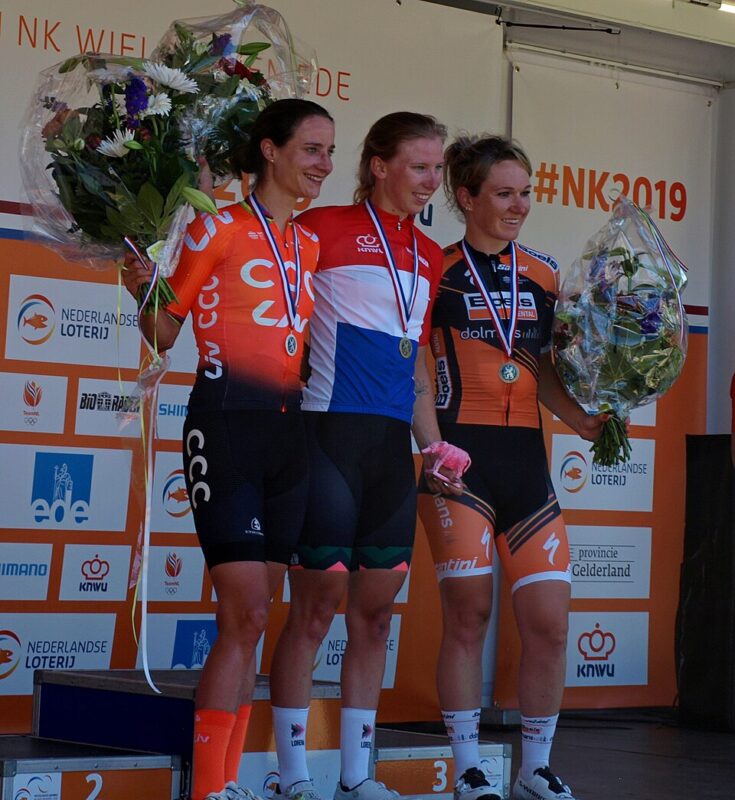
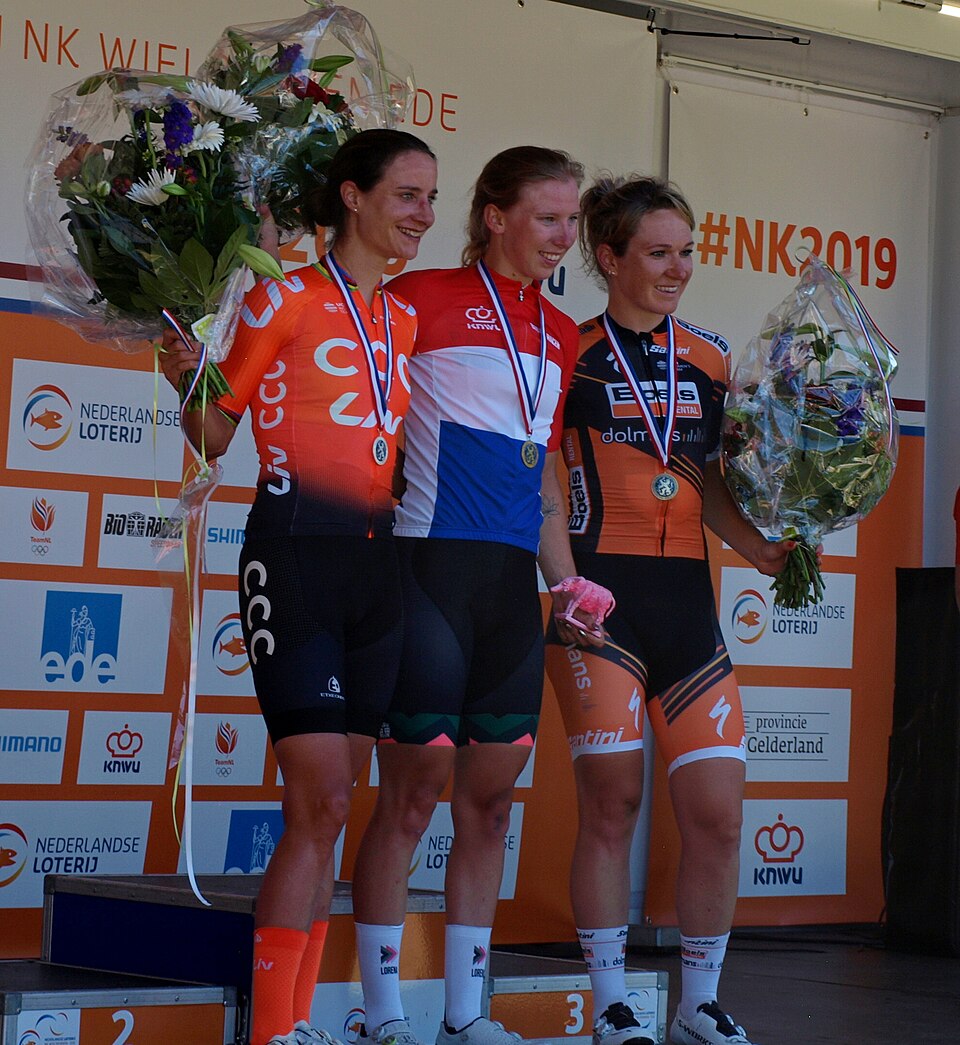
National Championships in Cycling: Pride and Prestige

Illustration: What Makes National Champion Jerseys So Prestigious

The roar of the crowd, the final sprint to the line, and the moment a cyclist realizes they’ve just become their country’s national champion – this is the pinnacle of national achievement in professional cycling. National championships represent more than just another race victory; they symbolize the highest level of accomplishment within a country’s cycling community, earning winners the exclusive right to wear their national champion jersey for an entire year across all UCI-registered events.

National Championships in Cycling: Pride and Prestige

  • National champion jerseys represent one year of exclusive rights to wear the national colors in UCI-registered events
  • Winners earn prestige across multiple disciplines including road, track, mountain biking, and cyclocross
  • The jersey comes with specific rules and responsibilities that extend beyond just racing
  • National championships symbolize national pride and are recognized by the UCI and national governing bodies

What Makes National Champion Jerseys So Prestigious

Illustration: What Makes National Champion Jerseys So Prestigious

National champion jerseys carry immense prestige in the cycling world, representing more than just a victory in a single race. These jerseys symbolize national pride and achievement, with winners earning exclusive rights to wear their national colors for an entire year across all UCI-registered activities in their specific discipline. The prestige stems from the jersey’s visibility, the honor of representing one’s country, and the recognition that comes from being the best cyclist in your nation.

The One-Year Exclusive Rights and Responsibilities

When a cyclist wins a national championship, they earn the right to wear the national champion jersey for one year in their specific discipline and category. This privilege comes with specific rules and responsibilities – the jersey must be worn in all relevant races and UCI-registered activities for the full 12 months. The exclusivity of this honor means only one cyclist per category can wear the national champion jersey at any given time, making it a highly coveted symbol of national achievement in cycling.

The responsibilities extend beyond simply wearing the jersey. National champions become ambassadors for their sport and their country, expected to conduct themselves professionally and represent their nation with pride. They must wear the jersey in all UCI-registered events within their discipline, from WorldTour races to smaller domestic competitions. This visibility creates a powerful connection between the champion and their national identity, as they become the face of cycling excellence for their country during their reign.

The one-year duration is significant because it provides sustained recognition rather than a one-time celebration. During this period, national champions receive special treatment at races, media attention, and the respect of their peers. They also gain automatic qualification for certain international events and may receive invitations to prestigious races they might not otherwise qualify for based on their UCI ranking alone. This combination of prestige, responsibility, and opportunity makes the national champion jersey one of the most coveted prizes in professional cycling.

Cultural Significance and National Pride

National championships represent more than athletic achievement – they embody national pride and cultural identity in cycling. These events are organized by national governing bodies like USA Cycling and recognized by the UCI (Union Cycliste Internationale), giving them official status in the international cycling community. The act of wearing national colors connects the champion to their country’s cycling heritage and creates a powerful visual representation of national achievement on the world stage.

The cultural significance extends to how national champions are celebrated within their home countries. In many cycling nations, national champions receive recognition from government officials, media coverage, and public celebrations. The jersey becomes a symbol of national excellence that transcends sport, connecting to broader themes of national identity and achievement. For smaller cycling nations, a national champion can become a national hero, inspiring the next generation of cyclists and elevating the sport’s profile domestically.

The visual impact of national champion jerseys also contributes to their prestige. The distinctive designs featuring national colors and symbols create immediate recognition among fans and fellow competitors. When a national champion rides in a WorldTour race wearing their national jersey, they carry the hopes and pride of their entire country with them. This creates a unique pressure and motivation that separates national championship victories from other race wins, as champions know they’re not just competing for themselves but representing their nation’s cycling excellence.

The Path to Earning a National Championship Title

Illustration: The Path to Earning a National Championship Title

The journey to becoming a national champion requires dedication, skill, and the ability to perform at the highest level when it matters most. National cycling championships are prestigious events that bring together the best cyclists from across the country to compete for the honor of wearing the national champion jersey. The path to victory involves years of preparation, strategic racing, and the mental fortitude to handle the pressure of national championship competition.

Qualification Process and Competition Structure

National championships are organized by national governing bodies and held across various disciplines including road racing, track, mountain biking, cyclocross, and gravel. The competition structure includes multiple categories such as Elite Men, Elite Women, Under-23, Masters, and Junior divisions. Each category has its own champion, with winners earning the right to represent their country in international competitions.

The qualification process varies by country and discipline but typically involves meeting certain performance standards or earning points through national racing series. In many countries, the national championship is an open event where any licensed cyclist can compete, creating a true national competition that includes both professional and amateur riders. This open format adds to the prestige, as champions must defeat the entire national field rather than just a select group of professionals.

The 2025 Pro Road National Championships, for example, saw Quinn Simmons win the Elite Men’s category and Kristen Faulkner claim victory in the Elite Women’s category. These victories came after intense competition against the nation’s top cyclists, with winners earning not just the title but also automatic qualification for international events like the World Championships. The competition structure ensures that national champions are truly the best in their country, having proven themselves against the toughest possible field in their discipline.

National Championships Across Different Cycling Disciplines

Cycling encompasses multiple disciplines, each with its own national championship events and unique challenges. Understanding the breadth of national championships helps appreciate the diverse skills required to become a national champion across different cycling specialties. From the endurance demands of road racing to the explosive power needed for track cycling, each discipline creates its own path to national glory.

The main disciplines recognized by national governing bodies and the UCI include road racing, track cycling, mountain biking, cyclocross, gravel racing, and paracycling. Each discipline requires different technical skills and physical attributes, with national champions in each category earning the right to wear their discipline-specific national champion jersey. Road racing national championships often feature challenging courses that test both climbing ability and sprinting speed, while track cycling championships focus on specific events like the individual pursuit, points race, or keirin.

Mountain bike national championships test technical descending skills and off-road endurance, with courses featuring steep climbs, technical singletrack, and challenging obstacles. Cyclocross championships combine elements of road and mountain biking, with races held on mixed terrain courses that include mud, sand, and obstacles requiring riders to dismount and carry their bikes. Gravel racing has emerged as a popular discipline with its own national championships, attracting riders who excel at long-distance endurance on mixed-surface roads.

Paracycling national championships provide opportunities for athletes with disabilities to earn national titles across various classifications, from handcycling to tandem events for visually impaired riders. These championships follow similar structures to able-bodied events but are organized to ensure fair competition within disability classifications. Collegiate cycling also has its own national championship events, expanding the opportunities for athletes to earn national titles at different levels of competition and creating a pathway from university racing to professional careers.

For more information about professional cycling achievements, you can read about major cycling achievements that define a professional career or learn about the UCI world ranking system in women’s cycling. Understanding the women’s road cycling scene provides context for how national champions fit into the broader professional cycling landscape.

National championships represent the highest level of achievement within a country’s cycling community. The prestige of wearing a national champion jersey extends beyond the racing itself, creating lasting recognition and respect within the cycling world. These championships continue to be a cornerstone of professional cycling, celebrating national talent and providing a pathway to international competition.

Rio 2016 Olympic Road Race: The Final Chapter

Illustration: The Dramatic Finish: Mara Abbott's Fall and the Sprint for Silver

The 2016 Rio Olympic road race will forever be remembered for one of the most dramatic finishes in Olympic cycling history. American rider Mara Abbott was caught just 100 meters from the finish line, her solo breakaway ending in heartbreak as the chasing trio sprinted for medals. For Emma Johansson, this race marked the final chapter of her remarkable career, ending with her second Olympic silver medal exactly eight years after her first in Beijing.

Key takeaway

  • 7 August 2016 marked Emma Johansson’s final Olympic race, ending her career with silver in Rio
  • The race featured a dramatic finish where Mara Abbott was caught in the final 100 meters by the chasing trio
  • Johansson earned silver behind Anna van der Breggen, describing it as a “what if” moment without a sprint plan

The Race Date and Career Significance

The women’s road race at the 2016 Rio Olympics took place on 7 August 2016, serving as the final major chapter of Emma Johansson’s professional cycling career. This date marked the culmination of over a decade competing at the highest level of women’s cycling, with Johansson entering the race as one of the most decorated riders in the peloton. The technical course in Rio would prove to be both a fitting challenge and a dramatic conclusion to her Olympic journey.

Johansson’s career had been defined by remarkable consistency and tactical intelligence. By 2016, she had already achieved the distinction of being ranked as the number one female road cyclist in the world in 2013, a testament to her sustained excellence across multiple seasons. Her experience in handling pressure situations and reading race dynamics made her one of the favorites heading into the Rio road race.

The Podium Finish: Silver Behind Van der Breggen

Johansson finished second in the race, earning the silver medal in a thrilling three-up sprint finish. The podium was completed by Netherlands’ Anna van der Breggen taking gold, Johansson securing silver, and Italy’s Elisa Longo Borghini claiming bronze. This result mirrored her 2008 Beijing Olympics performance, making Rio her second Olympic silver medal in the road race event.

The final sprint was contested by three riders who had worked together effectively in the closing kilometers to catch the solo breakaway leader. Van der Breggen’s victory was particularly significant as it came just days after her Dutch teammate Annemiek van Vleuten had suffered a horrific crash in the women’s time trial. The emotional context added to the drama of the podium ceremony, where Johansson stood alongside her competitors, having given her all in what would be her final Olympic appearance.

Technical Course and Race Context

The Rio road race was known for its technical difficulty, featuring a treacherous descent that would become the decisive factor in the race’s outcome. The course challenged riders with steep climbs and technical sections that tested both climbing ability and descending skills. These demanding conditions created opportunities for breakaways and set the stage for the dramatic finale that would unfold in the final kilometers.

The circuit included the famous Grumari climb and the technical descent that followed, which proved crucial in determining the race’s outcome. The combination of heat, humidity, and the challenging terrain made this one of the most demanding Olympic road races in recent history. Riders had to balance energy conservation with positioning throughout the race, knowing that a single mistake on the descent could cost them a medal opportunity.

The Dramatic Finish: Mara Abbott’s Fall and the Sprint for Silver

Illustration: The Dramatic Finish: Mara Abbott's Fall and the Sprint for Silver

Mara Abbott’s Solo Break and Final 100 Meters

American rider Mara Abbott launched a daring solo breakaway that saw her lead the race for much of the final circuit. Her courageous effort appeared to be heading for a stunning Olympic gold medal victory as she approached the finish line. However, in one of the most heartbreaking moments in Olympic cycling history, Abbott was caught by the chasing trio in the final 100 meters of the race. Her legs, exhausted from the solo effort, couldn’t respond to the final acceleration of the medal contenders.

Abbott’s solo effort was a masterclass in aggressive racing, as she had attacked repeatedly throughout the race and finally established a decisive gap on the final climb. She maintained her lead through the technical descent and onto the flat run-in to the finish, demonstrating incredible strength and determination. The American’s performance earned her widespread admiration, even in defeat, as she had come within meters of achieving what would have been a career-defining victory.

The Chasing Trio: Van der Breggen, Johansson, Longo Borghini

The group that caught Abbott consisted of three of the world’s top riders: Anna van der Breggen from the Netherlands, Emma Johansson from Sweden, and Elisa Longo Borghini from Italy. These three riders represented a mix of climbing specialists and all-rounders who had conserved enough energy during the race to launch their final chase. Their collaboration in the final kilometers demonstrated the tactical sophistication of elite women’s road racing — women’s road cycling.

  • Anna van der Breggen – The Dutch climber who would take gold with her superior sprint finish
  • Emma Johansson – The Swedish veteran securing her second Olympic silver
  • Elisa Longo Borghini – The Italian rider claiming bronze in a strong final effort

The trio’s cooperation was a classic example of how riders without teammates in a breakaway must work together to maximize their collective chances. Each rider took turns at the front, sharing the workload while maintaining the speed necessary to catch Abbott before the finish line. Their tactical awareness and physical conditioning allowed them to execute this plan perfectly in the final dramatic moments of the race.

The Treacherous Descent That Changed Everything

The technical descent that characterized the Rio course proved to be the decisive factor in the race’s outcome. Abbott, while strong on the climbs, struggled to maintain her advantage on the fast, winding descent where the chasing trio could work together more effectively. This section of the course highlighted the importance of being a complete rider in modern road racing, where climbing prowess must be matched with technical descending skills.

The descent featured tight corners, uneven road surfaces, and required riders to take calculated risks to maintain speed. Abbott’s solo effort, while heroic on the climbs, left her vulnerable on the technical sections where the chasing group could share the workload and maintain higher average speeds. The moment when the trio caught sight of Abbott on the descent marked the beginning of the end for her solo bid, as the collective strength of three fresh riders proved too much for the exhausted American.

Post-Race Reflection and “Silver Emma” Legacy

Illustration: Post-Race Reflection and "Silver Emma" Legacy

The “What If” Moment: No Sprint Plan

After the race, Johansson described her silver medal as a “what if moment,” revealing that she did not have a specific plan for the final sprint. This honest reflection showcased her tactical approach to racing and her willingness to acknowledge the uncertainties that exist even at the highest level of competition. Despite the lack of a sprint strategy, she expressed pride in her achievement and the way she had competed throughout her career.

Johansson’s reflection on the race highlighted the unpredictable nature of road cycling, where even the most experienced riders can find themselves without a clear plan in the decisive moments. Her ability to still secure silver without a predetermined sprint strategy demonstrated her racing instincts and competitive spirit. The “what if” moment she described has become part of her legacy, representing the fine margins that often separate victory from second place in elite competition.

Completing the Olympic Silver Medal Legacy

The 2016 Rio silver medal completed Johansson’s Olympic legacy, coming exactly eight years after her first Olympic silver in Beijing 2008. This eight-year gap between silver medals demonstrated remarkable consistency at the highest level of the sport. The nickname “Silver Emma” that she had earned through frequent podium finishes at major championships was now cemented with two Olympic silver medals, making her one of the most successful Swedish Olympians in cycling history.

The eight-year interval between her Olympic silvers is particularly noteworthy in a sport where physical decline often limits athletes’ competitive lifespan. Johansson’s ability to remain at the top level for nearly a decade, winning major races and contending for medals across multiple Olympic cycles, speaks to her exceptional talent, dedication, and adaptability. Her Olympic journey, from her first silver in Beijing to her final medal in Rio, represents one of the most consistent performances in women’s cycling history.

World Ranking and Career Context

Johansson’s career context included being ranked as the number one female road cyclist in the world in 2013, a testament to her consistent excellence across multiple seasons. Her major victories included winning the Thüringen Rundfahrt der Frauen three times, the Emakumeen Euskal Bira twice, and the Belgium Tour once. These achievements, combined with her Olympic silvers, established her as one of the most successful and respected riders in women’s professional cycling.

Her career victories demonstrate the versatility that made her such a consistent performer at the highest level. The Thüringen Rundfahrt der Frauen, a multi-day stage race in Germany, requires both climbing ability and time trial skills. The Emakumeen Euskal Bira in the Basque Country is known for its challenging mountain stages. Her ability to win these diverse races, along with her Olympic performances, showcases the complete skill set that defined her career and made her such a formidable competitor in any race situation.

The 2016 Rio Olympic road race represented more than just another competition for Emma Johansson—it was the final chapter of a career defined by consistency, tactical intelligence, and remarkable longevity. Her silver medal in Rio, coming eight years after her first Olympic silver, completed a legacy that few cyclists can match. The dramatic finish, with Mara Abbott’s heartbreaking catch just meters from the line, will forever be remembered as one of the most compelling moments in Olympic road racing history. For Johansson, it was the perfect conclusion to a career that had brought her to the top step of the podium countless times, even if Olympic gold remained just out of reach.

The 2008 Beijing Olympic Women’s Road Race: A Historic Competition

Illustration: The 2008 Beijing Olympic Women's Road Race: Race Details and Results

The 2008 Beijing Olympic women’s road race was a 126.4 km battle through heavy rain that ended with a dramatic five-woman sprint finish, where Emma Johansson claimed silver and earned her “Silver Emma” nickname.

2008 Beijing Olympic Road Race: The Race That Created “Silver Emma”

  • August 10, 2008: 126.4 km race in heavy rain on Beijing’s Urban Road Cycling Course
  • Five-woman breakaway with 13 km remaining: Johansson, Cooke, Guderzo, Soeder, Villumsen
  • Final 200-metre sprint decided gold (Cooke) and silver (Johansson) with identical 3:32:24 finish times
  • This performance established Johansson as Sweden’s top cyclist and earned her 2008 Swedish Sportsperson of the Year

The 2008 Beijing Olympic Women’s Road Race: Race Details and Results

Illustration: The 2008 Beijing Olympic Women's Road Race: Race Details and Results

Race Conditions and Course Details: The 126.4 km Battle in Heavy Rain

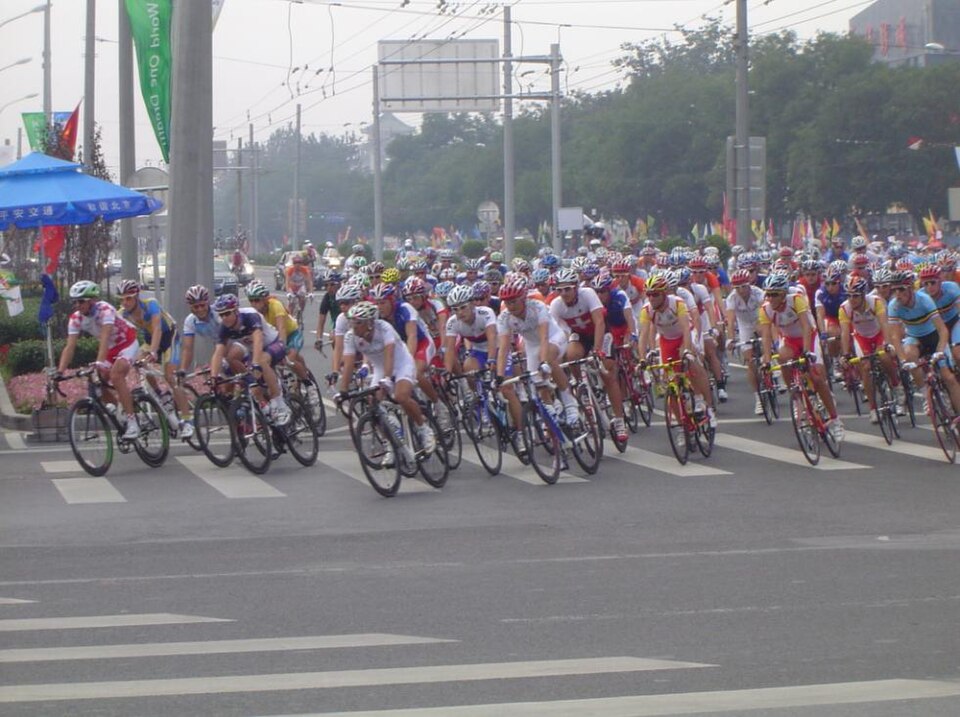
The women’s road race at the 2008 Beijing Olympics took place on August 10, 2008, under challenging weather conditions. The 126.4 km race was held on the Urban Road Cycling Course, where heavy rain made the roads slippery and visibility poor. These conditions tested the endurance and technical skills of all 66 competitors from 36 nations. The course featured multiple climbs and technical descents that became even more treacherous in the wet conditions, setting the stage for a race where strategy and timing would be crucial.

The Urban Road Cycling Course in Beijing was designed to showcase both the city’s modern infrastructure and its surrounding countryside. The route included several categorized climbs that would typically favor climbers, but the heavy rain neutralized some of these advantages by making descents particularly dangerous. Riders had to balance the need for speed with the risk of crashing on wet roads, creating a tactical battle where positioning and bike handling skills were as important as pure power.

The weather conditions on race day were particularly severe, with persistent rainfall throughout the 126.4 km distance. This created a scenario where the traditional favorites had to adapt their strategies, as the rain favored riders with strong bike-handling skills and tactical awareness. The conditions also meant that any breakaways would have to work exceptionally hard to maintain their advantage, as the chasing peloton could draft more effectively in the wet conditions where everyone was forced to ride more conservatively.

The Final Results: Who Finished and Their Times

The top finishers in the 2008 Olympic women’s road race were:

  • Nicole Cooke (Great Britain) – Gold medal, 3:32:24
  • Emma Johansson (Sweden) – Silver medal, 3:32:24
  • Tatiana Guderzo (Italy) – Bronze medal, 3:32:24
  • Christiane Soeder (Austria) – 4th place, 3:32:24
  • Linda Villumsen (Denmark) – 5th place, 3:32:24

All five riders finished with the same time of 3:32:24, separated only by their positioning in the final sprint — women’s road cycling.

The fact that all five breakaway riders finished with identical times of 3:32:24 demonstrates the exceptional nature of this race. In Olympic road racing, it’s rare for such a large group to maintain a cohesive breakaway all the way to the finish line, especially under challenging weather conditions. This result highlighted the tactical sophistication of the riders involved and the effectiveness of their cooperation in the final kilometers.

The identical finishing times also meant that the medals were decided purely on positioning rather than time gaps, adding an extra layer of drama to the final sprint. This situation is relatively uncommon in road racing, where time differences of seconds or even fractions of a second often separate the top finishers. The 2008 race showed how a perfectly executed breakaway could neutralize the traditional time-trial aspects of road racing, making the final sprint the sole determinant of medal positions.

The Five-Woman Breakaway: How the Race Was Decided

The decisive moment came with 13 kilometers remaining when Tatiana Guderzo launched a decisive attack that created a five-woman breakaway group. This move brought together the eventual medal winners along with Christiane Soeder and Linda Villumsen. The breakaway worked together efficiently, maintaining their advantage over the chasing peloton. This strategic move demonstrated the importance of timing and teamwork in Olympic road racing, as the five riders who made this decisive move would determine the final podium positions.

Guderzo’s attack with 13 km to go was a calculated risk that paid off spectacularly. At that point in the race, the peloton was tired from battling the rain and the course’s challenging terrain, making it the perfect moment for a strong rider to test the waters. The fact that four other riders immediately responded to her move shows how well-read the race situation was by the top contenders. They recognized that this was likely their best chance to avoid a bunch sprint finish, where sprinters might have an advantage.

The cooperation within the breakaway group was remarkable, especially considering that four of the five riders would ultimately be disappointed with anything less than gold. In professional racing, breakaways often fail because riders are unwilling to work together when they know only one can win. However, the Olympic context and the challenging conditions created a situation where all five riders understood that their best chance was to work together to maintain their advantage, then decide the medals in a final sprint.

The Dramatic Finish: How Nicole Cooke Won Gold and Emma Johansson Took Silver

Illustration: The Dramatic Finish: How Nicole Cooke Won Gold and Emma Johansson Took Silver

The Final 200 Metres: The Sprint That Decided Gold and Silver

The race came down to a final 200-metre sprint on the finishing straight, where Nicole Cooke launched her decisive move to claim gold. Cooke’s superior sprinting ability allowed her to edge out Emma Johansson in the final meters, despite both riders having identical finishing times of 3:32:24. The photo finish clearly showed Cooke crossing the line first, with Johansson just behind her. This dramatic conclusion highlighted the fine margins that separate Olympic gold from silver in road cycling.

The final 200 metres of the 2008 Olympic road race encapsulated everything that makes road cycling such a compelling sport. After 126.4 km of racing through rain, over climbs, and through technical descents, the medals were decided in a flat-out sprint over a distance that professional sprinters cover in about 12-15 seconds. This dramatic conclusion showed how road racing combines endurance, tactics, and explosive power, with the final sprint being the ultimate test of a rider’s top-end speed.

Cooke’s victory in the final sprint was a testament to her versatility as a rider. While she wasn’t known primarily as a sprinter, her ability to produce a strong finishing effort after a long, hard race demonstrated the all-around capabilities needed to succeed in one-day classics and stage races. Johansson, despite being edged out for gold, showed her own sprinting prowess by beating Guderzo for silver, proving that she was among the fastest finishers in the world despite not being a pure sprinter.

The Medal Ceremony: Three Riders, One Time, Different Medals

The medal ceremony for the 2008 women’s road race was unusual in that Cooke, Johansson, and Guderzo all finished with exactly the same time of 3:32:24. However, the medals were awarded based on their finishing positions in the final sprint. This situation demonstrated how Olympic road racing combines both time trial elements with traditional road racing tactics. The three riders stood together on the podium, separated by mere centimeters in the final sprint but divided by different colored medals.

This unique situation where three riders shared the same finishing time but received different medals created an interesting dynamic for the medal ceremony. While Cooke celebrated her gold medal victory, Johansson and Guderzo had to accept that their identical performances were distinguished only by the order in which they crossed the line. This outcome highlighted the sometimes arbitrary nature of sprint finishes in determining medal positions, especially when riders have demonstrated equal strength throughout the entire race.

The shared finishing time also meant that the bronze medal was decided in the same final sprint that determined gold and silver. Guderzo’s third-place finish over Soeder and Villumsen in the breakaway showed how the medals effectively went to the three best sprinters among the five-rider group. This outcome demonstrated that in road racing, being the fastest sprinter can be just as important as being the strongest climber or time trialist, especially in races that come down to a group finish.

The Other Breakaway Contenders: Soeder and Villumsen’s Roles

Christiane Soeder and Linda Villumsen played crucial roles in the decisive breakaway, contributing to the pace-setting that helped maintain their advantage over the peloton. While they didn’t medal, their participation in the final group demonstrated the unpredictable nature of Olympic road racing, where breakaways can succeed against the odds. Both riders finished just seconds behind the medalists, showing how close the competition was among the top contenders.

Soeder and Villumsen’s contributions to the breakaway were essential to its success. In breakaways, riders must take turns at the front to share the workload, and these two riders likely did their fair share of pace-setting to keep the group away from the chasing peloton. Their selfless riding, despite knowing they were unlikely to medal if the breakaway stayed away, showed the professional dedication required at the highest level of the sport. This kind of teamwork, even among potential rivals, is what makes successful breakaways possible in road racing.

The fact that Soeder and Villumsen finished just outside the medals also highlights how narrow the margins are at the Olympic level. In many sports, finishing fourth or fifth might represent a significant gap to the podium, but in this race, all five breakaway riders finished within seconds of each other. This closeness of competition demonstrates the exceptional depth of talent in women’s road cycling and how small differences in sprinting ability or positioning in the final meters can determine medal positions.

The Significance: How This Race Established “Silver Emma” and Her Olympic Legacy

The Birth of “Silver Emma”: How This Performance Created Her Nickname

This silver medal performance in Beijing marked the beginning of Emma Johansson’s “Silver Emma” nickname, which would follow her throughout her career. The nickname originated from her consistent ability to finish on podiums at major championships, often in second or third place. Her performance in Beijing, combined with her later achievements including another Olympic silver in 2016 and multiple World Championship podiums, cemented this identity. The nickname, while sometimes seen as a backhanded compliment, actually highlighted her remarkable consistency at the highest level of competition.

The “Silver Emma” nickname became both a badge of honor and a source of motivation for Johansson throughout her career. While some might view consistently finishing second as falling short of the top step, Johansson’s career demonstrated that maintaining such a high level of performance over many years is an exceptional achievement in itself. Her ability to repeatedly reach podium positions at the world’s biggest races showed a consistency that many athletes with a single gold medal might envy.

What made the nickname particularly fitting was Johansson’s racing style and personality. She was known as a smart, tactical rider who often played the long game rather than relying on explosive attacks. This approach served her well in stage races and one-day classics, where consistency and tactical awareness are crucial. The “Silver Emma” moniker acknowledged her as a reliable contender who could be counted on to deliver strong performances when it mattered most, even if gold sometimes eluded her.

Swedish Sportsperson of the Year: Recognition and Impact

Johansson’s silver medal performance earned her the 2008 Swedish Sportsperson of the Year title, establishing her as Sweden’s top cyclist. This recognition highlighted the national significance of her achievement and helped raise the profile of women’s cycling in Sweden. The award demonstrated how Olympic success can elevate an athlete’s status and inspire future generations. Her achievement showed that Swedish cyclists could compete at the highest international level, paving the way for future success in the sport.

Winning the Swedish Sportsperson of the Year award was a significant milestone in Johansson’s career, as it recognized not just her athletic achievement but also her impact on Swedish sports culture. This kind of national recognition can transform an athlete from a sports specialist into a mainstream celebrity, opening doors for sponsorships, media opportunities, and role model status. For women’s cycling in Sweden, having a national champion who could compete with the world’s best helped inspire young riders and attract attention to the sport.

The award also reflected the special place that Olympic success holds in Swedish sports culture. While Johansson would go on to achieve many other impressive results, including World Championship medals and victories in prestigious races, her Olympic silver held a unique significance. The Olympics represent the pinnacle of sporting achievement for many Swedes, and Johansson’s success helped cement cycling’s place among the country’s most respected sports, alongside traditional strengths like cross-country skiing and track and field.

The Legacy: From Beijing 2008 to Rio 2016 and Beyond

The 2008 Beijing race launched a career trajectory that would see Johansson achieve sustained excellence over eight more years. She went on to finish the 2013 season as the number one ranked rider on the UCI Women’s World Ranking and claimed her second Olympic silver medal in the 2016 Rio road race. Her consistent podium finishes at major championships, including victories in prestigious one-day races like Omloop Het Nieuwsblad, demonstrated the durability and quality of her performances. This race showed that sometimes silver can be more significant than gold, launching a career that would see her become Sweden’s most decorated female cyclist and a role model for consistency in professional sports.

Johansson’s career after Beijing demonstrated the exceptional longevity and consistency that defined her as an athlete. While many riders experience breakthrough success followed by a decline, Johansson maintained her position among the world’s elite for nearly a decade after her Olympic silver. This sustained excellence is particularly impressive in professional cycling, where the physical demands of the sport and the rapid development of competition make it difficult to remain at the top for many years.

Her 2013 UCI World Number One ranking was a crowning achievement that validated her consistent approach to racing. This ranking, which considers results across an entire season of international racing, showed that Johansson’s success wasn’t limited to major championships but extended to consistent performance in the many races that make up a professional cyclist’s calendar. Her ability to win one-day classics like Omloop Het Nieuwsblad, while also contending for medals at World Championships and Olympics, demonstrated the complete skillset that made her such a formidable competitor.

The 2008 Beijing road race wasn’t just another Olympic event—it was the moment that defined Emma Johansson’s career and created the “Silver Emma” legacy that would follow her for eight more years of consistent excellence. This race showed that sometimes silver can be more significant than gold, launching a career that would see her become Sweden’s most decorated female cyclist and a role model for consistency in professional sports.