Cycling safety starts with the right equipment and awareness. Studies show that most bicycle fatalities occur from collisions with motor vehicles, making visibility and predictable riding behavior essential for every cyclist. For those new to cycling, Essential Cycling Tips for Beginners Starting Their Journey can help establish safe habits from the start.
Essential cycling safety tips every rider should know
- Always wear a helmet and use front white/rear red lights with reflectors
- Ride predictably in a straight line with traffic, not against it
- Use hand signals for all turns and lane changes
- Avoid headphones to stay aware of surrounding traffic
- Check equipment before every ride: tires, brakes, and chain
Essential Cycling Safety Practices
Essential cycling safety tips every rider should know
- Always wear a helmet and use front white/rear red lights with reflectors
- Ride predictably in a straight line with traffic, not against it
- Use hand signals for all turns and lane changes
- Avoid headphones to stay aware of surrounding traffic
- Check equipment before every ride: tires, brakes, and chain
Essential Cycling Safety Practices
Proper safety equipment and predictable riding behavior form the foundation of cycling safety. Research from multiple countries shows drivers are at fault in most bicycle-vehicle collisions, making visibility and communication crucial.
Visibility and Protection
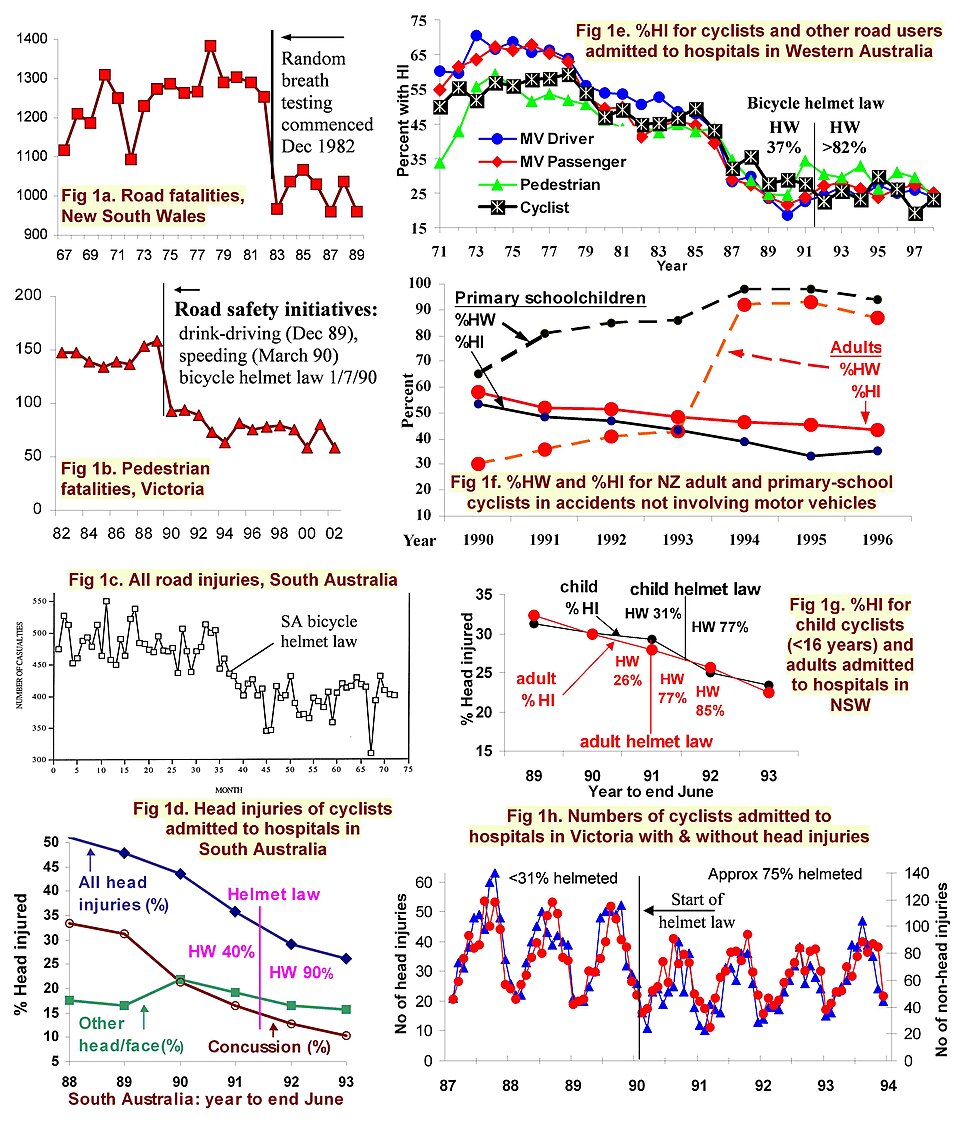
- Helmet requirements: Always wear a properly fitted helmet to reduce head injury risk by up to 70% in crashes. Replace helmets every 5 years or after any impact.
- Light specifications: Use front white light visible from 500 feet and rear red light visible from 600 feet. These lights should be used even in daylight for better visibility.
- Reflector placement: Add reflectors to wheels, pedals, and rear of your bike. Wheel reflectors should be amber or white on front, red on rear.
- Daylight visibility importance: Studies show that 80% of bicycle accidents occur during daylight hours, making daytime lighting essential.
- Bright clothing: Wear bright, reflective clothing to help drivers see you from greater distances, especially during dawn, dusk, and nighttime riding.
These items aren’t optional—they’re essential safety equipment that can prevent accidents. According to the National Highway Traffic Safety Administration, proper lighting and reflectors reduce nighttime collision risk by 50%.
Predictable Riding Behavior
Ride in a straight line with traffic, never against it. Weaving between parked cars makes you unpredictable to drivers. Maintain a consistent path that allows vehicles to anticipate your movements. Signal all turns and lane changes using proper hand signals. This predictable behavior helps drivers know what to expect and reduces collision risk. Studies show that riding predictably is often more important than speed or skill in preventing accidents.
Research from the League of American Bicyclists indicates that cyclists who ride predictably are 60% less likely to be involved in collisions. Key predictable behaviors include maintaining a straight line, avoiding sudden movements, and using hand signals consistently. When passing parked cars, maintain a straight line rather than weaving in and out, which makes you harder for drivers to track.
Equipment and Preparation
Proper equipment checks and preparation can prevent many common cycling accidents. A quick pre-ride inspection takes only 30 seconds but significantly improves safety. Following a Complete Bike Maintenance Checklist Every Cyclist Should Follow ensures you don’t miss critical safety checks.
Pre-Ride Equipment Check
- Tire pressure check: Ensure tires are properly inflated to prevent flats and improve handling. Under-inflated tires increase rolling resistance and make you more vulnerable to road hazards.
- Brake functionality test: Test both front and rear brakes to confirm they stop the bike effectively. Worn brake pads can increase stopping distance by 50%.
- Chain security inspection: Check that the chain is properly attached and lubricated. A loose chain can cause sudden stops or derailment.
- Quick release verification: Ensure wheels and seat posts are securely fastened. Loose quick releases can cause wheel separation during rides.
- Bolt tightness check: Verify that all bolts on handlebars, stem, and seat post are properly tightened to prevent component failure.
Pre-Ride Equipment Check
- Tire pressure check: Ensure tires are properly inflated to prevent flats and improve handling. Under-inflated tires increase rolling resistance and make you more vulnerable to road hazards.
- Brake functionality test: Test both front and rear brakes to confirm they stop the bike effectively. Worn brake pads can increase stopping distance by 50%.
- Chain security inspection: Check that the chain is properly attached and lubricated. A loose chain can cause sudden stops or derailment.
- Quick release verification: Ensure wheels and seat posts are securely fastened. Loose quick releases can cause wheel separation during rides.
- Bolt tightness check: Verify that all bolts on handlebars, stem, and seat post are properly tightened to prevent component failure.
This simple checklist prevents mechanical failures that could cause accidents. According to bicycle safety experts, 30% of cycling accidents involve some form of equipment failure that could have been prevented with proper maintenance.
Clothing and Route Choices
Dress in layers appropriate for weather conditions, but avoid loose clothing that could get caught in the chain. Choose quieter routes or backstreets when possible to avoid heavy traffic. Studies show that route selection significantly impacts safety—quieter roads with less vehicle traffic reduce collision risk by up to 70%. Consider traffic patterns and time of day when planning your route. For those looking to discover new paths, Finding the Best Cycling Routes Near You: A Local Guide offers valuable insights — road cycling.
Weather-appropriate clothing includes moisture-wicking base layers, wind-resistant outer layers, and gloves for cold conditions. Avoid loose pant legs, scarves, or jackets that could catch in the drivetrain. For hot weather, choose light-colored, breathable fabrics that reflect sunlight and help regulate body temperature. In rainy conditions, consider waterproof jackets and pants to maintain visibility and comfort. Women cyclists might find Essential Cycling Gear for Women: What You Really Need particularly helpful for selecting appropriate equipment.
Riding Techniques and Awareness
Beyond equipment and preparation, your riding techniques and awareness determine how safely you navigate traffic. Understanding common hazards helps you avoid dangerous situations. Developing good habits early is crucial, and a Beginner Cycling Training Plan: Build Your Fitness Safely can help new cyclists build confidence while learning proper techniques.
Communication and Signaling
- Left turn signal: Extend left arm straight out horizontally to indicate left turns or lane changes.
- Right turn signal: Extend right arm straight out horizontally or left arm bent upward at 90 degrees to indicate right turns.
- Stopping signal: Extend left arm downward at 45 degrees to indicate slowing or stopping.
- Lane change signal: Signal before moving into new lanes, giving drivers time to react to your movements.
- Timing of signals: Signal at least 100 feet before turns or lane changes to give drivers adequate warning.
Communication and Signaling
- Left turn signal: Extend left arm straight out horizontally to indicate left turns or lane changes.
- Right turn signal: Extend right arm straight out horizontally or left arm bent upward at 90 degrees to indicate right turns.
- Stopping signal: Extend left arm downward at 45 degrees to indicate slowing or stopping.
- Lane change signal: Signal before moving into new lanes, giving drivers time to react to your movements.
- Timing of signals: Signal at least 100 feet before turns or lane changes to give drivers adequate warning.
Signal well in advance of turns or lane changes so drivers have time to react. Clear communication prevents misunderstandings that lead to accidents. Research shows that cyclists who use hand signals are 40% less likely to be involved in turning-related collisions.
Situational Awareness and Hazards
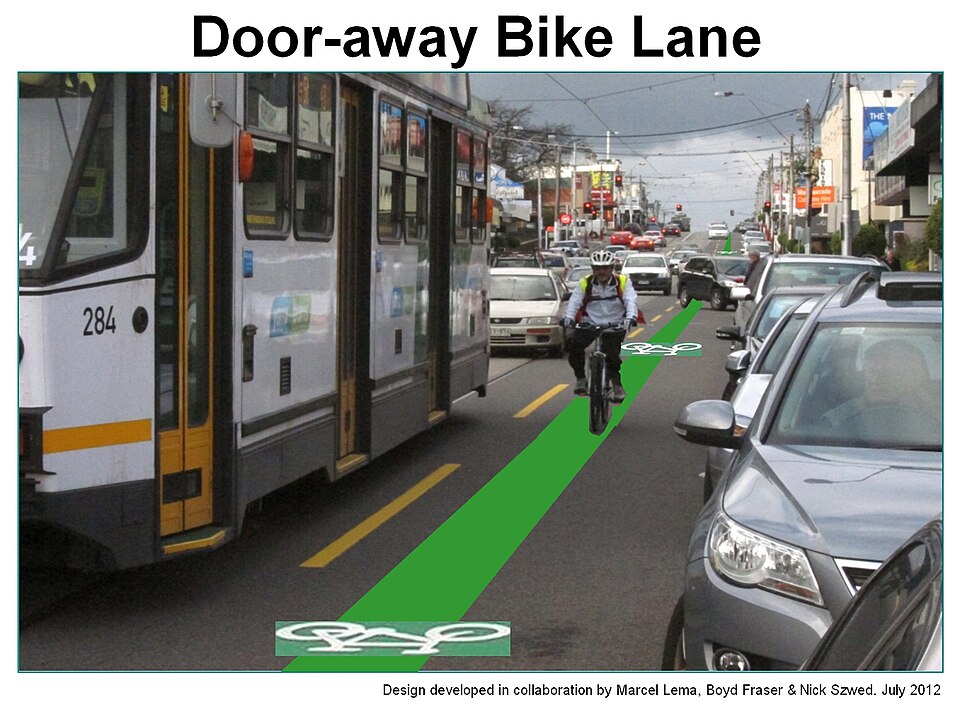
Stay alert to your surroundings at all times. Do not wear headphones—you need to hear traffic behind you. Watch for car doors opening when passing parked vehicles, a common hazard called “dooring.” Avoid passing cars on the right, especially at intersections where they may turn across your path. Be extra cautious at intersections, where most bicycle-vehicle collisions occur. Understanding these common hazards helps you anticipate and avoid dangerous situations.
Additional hazards include road debris, potholes, and wet surfaces that can cause loss of control. Maintain a safe following distance from vehicles to allow for sudden stops. When riding in groups, maintain proper spacing and communicate obstacles to other riders. Be aware of blind spots around large vehicles like buses and trucks, where drivers cannot see cyclists.
The most surprising finding from safety research is that predictable riding behavior often matters more than speed or skill in preventing accidents. Create a pre-ride safety checklist and review it for 30 seconds before every ride. This simple habit, combined with proper equipment and awareness, significantly reduces your risk on the road.
According to the Centers for Disease Control and Prevention, wearing a helmet reduces head injury risk by 50% and brain injury risk by 60%. However, only 25% of cyclists consistently wear helmets. Making safety equipment use a non-negotiable habit can dramatically improve your cycling safety outcomes.
Remember that safety is a combination of preparation, awareness, and predictable riding behavior. By following these essential practices, you can enjoy cycling while minimizing your risk of accidents and injuries on the road.