Road bike handlebars are the primary interface between rider and machine, affecting comfort, control, and aerodynamics. The right handlebar shape can reduce hand fatigue, improve stability, and enhance speed. This guide explores the main handlebar types and how they impact your riding experience.
Key Takeaway
-
Handlebar shape directly impacts comfort, control, and aerodynamics
-
Compact drop bars offer comfort for endurance riders
-
Aero handlebars reduce drag for racing and time trials
-
Flared drop bars increase stability for technical terrain
-
UCI regulations now require minimum 400mm width for road handlebars
Road Bike Handlebar Types and Their Benefits
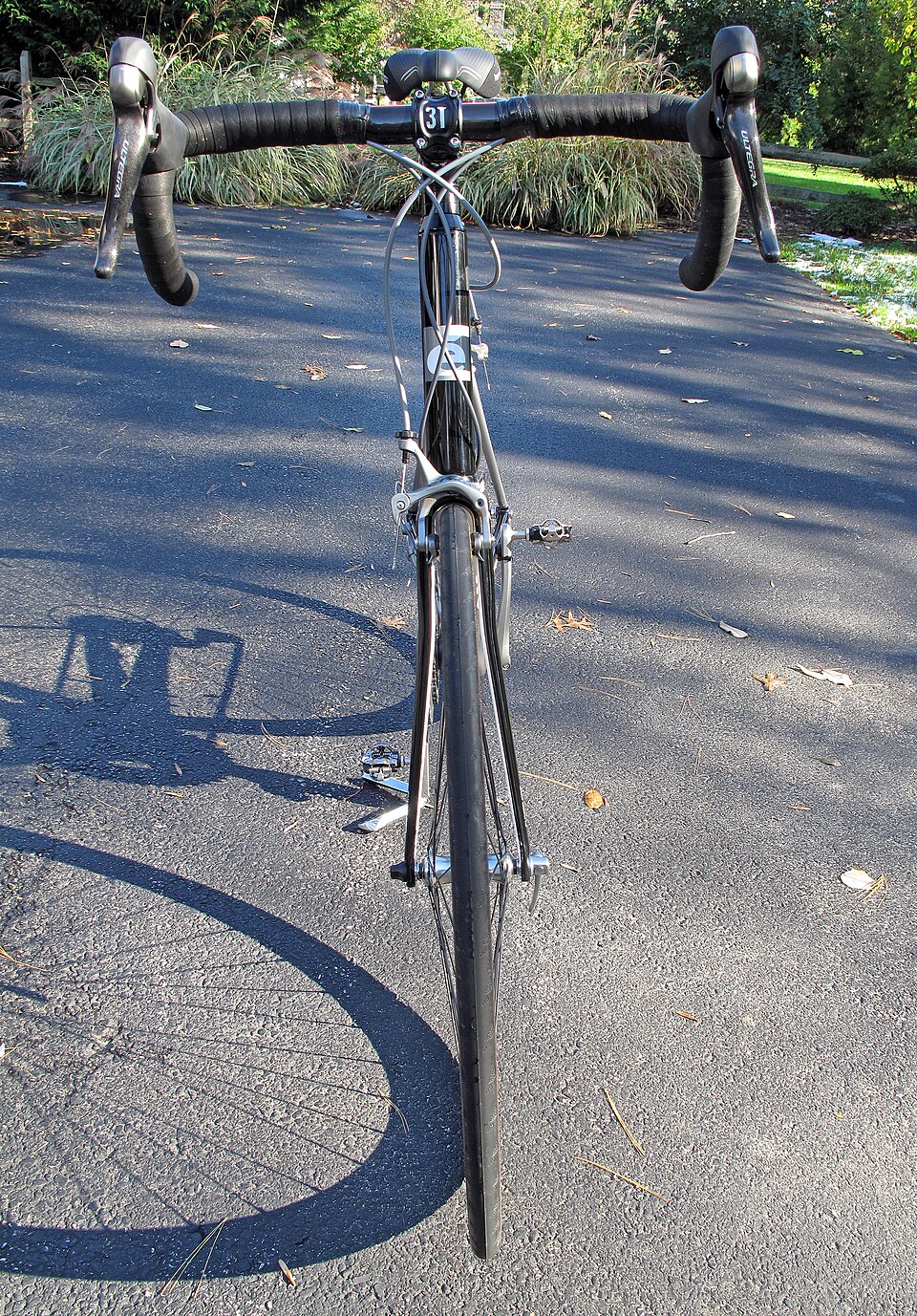
Standard/Traditional Drop Bars: Classic Versatility
Standard drop bars feature the classic curved shape that has been the foundation of road cycling for decades. These handlebars provide multiple hand positions—on the tops for relaxed cruising, on the hoods for general riding, and in the drops for aerodynamic positioning and maximum control. This versatility makes them suitable for various terrains and riding styles, from long-distance touring to competitive racing. The traditional shape allows riders to easily transition between positions, reducing fatigue during extended rides and adapting to changing conditions like headwinds or descents. Most road bikes come equipped with traditional drop bars because they offer the best balance of comfort, control, and aerodynamic efficiency for the majority of riders.
Compact Drop Bars: Comfort for Endurance Riders
Compact drop bars have revolutionized road cycling by making the sport more accessible to a wider range of riders. The key difference lies in the geometry: shorter reach (75–80mm) and shallower drop (120–130mm) compared to traditional bars. This design brings the drops closer to the rider, reducing the need to stretch forward and allowing for a more upright riding position. The benefits are particularly noticeable during long rides where comfort becomes paramount. Beginners appreciate the easier transition between hand positions, while experienced riders find the compact shape reduces strain on the lower back and shoulders. Many professional cyclists now use compact bars for stage races and long-distance events where comfort over extended periods is crucial.
Aero Handlebars: Speed Through Reduced Drag
Aero handlebars represent the cutting edge of handlebar technology, designed to slice through the wind with minimal resistance. The flattened or “wing-shaped” top section is the defining feature, creating a smooth surface that allows air to flow more efficiently over the bars. This design can save several watts of power at racing speeds, which translates to significant time savings over long distances. The wider surface area also provides a comfortable hand rest during long climbs, though the primary focus remains on aerodynamic performance. Professional time trialists and triathletes often use specialized aero bars that extend even further forward, allowing for an extremely tucked position. While these bars excel in racing scenarios, they may feel less comfortable for casual riding or in situations requiring frequent position changes.
How Handlebar Width and Shape Affect Comfort and Control

Handlebar Width: Matching Shoulder Width for Comfort
Handlebar width significantly impacts both comfort and performance, yet many cyclists choose bars based solely on aesthetics or what their bike came with. The trend toward narrower hoods (36–40cm) reflects the ongoing pursuit of aerodynamic efficiency, as narrower bars reduce frontal area and drag. However, width selection should primarily consider shoulder width to prevent neck and shoulder tension. When bars are too wide, riders must constantly hold their arms outward, leading to fatigue and discomfort. Conversely, bars that are too narrow can feel unstable and restrict breathing. Most manufacturers offer widths from 36cm to 46cm center-to-center, allowing riders to find their optimal fit. Wider bars (44–46cm) provide better control on rough surfaces and technical terrain, while narrower options (36–40cm) favor aerodynamics for racing applications.
Flare and Backsweep: Stability and Wrist Comfort
Flare and backsweep are subtle design elements that significantly impact riding comfort and control. Flare refers to the outward angle of the drops, typically ranging from 6° on traditional road bars to 15–25° on gravel and endurance models. Increased flare provides a wider, more stable stance when riding in the drops, particularly beneficial for technical descents and rough terrain. This design allows riders to maintain better control while descending steep hills or navigating uneven surfaces. Backsweep, usually 4–5°, maintains a more natural wrist position by angling the bar ends slightly rearward. This reduces strain on the wrists and forearms during long rides, preventing numbness and discomfort. Together, these features create a more ergonomic interface between rider and bike, especially important for those who spend significant time in the drops.
Materials: Carbon vs Aluminum for Comfort
The choice between carbon fiber and aluminum handlebars involves balancing performance characteristics with budget considerations. Carbon fiber excels at vibration dampening, absorbing high-frequency road vibrations that would otherwise travel through the bars to the rider’s hands. This property makes carbon bars particularly appealing for endurance cyclists who spend long hours on the bike, as reduced vibration translates to less hand fatigue and arm pump. Carbon construction also allows for more complex shaping and aerodynamic optimization. However, aluminum remains popular due to its durability, lower cost, and consistent performance across various conditions. Modern aluminum bars often incorporate ergonomic shaping and can provide excellent comfort at a more accessible price point. The weight difference between high-end carbon and aluminum bars is typically 50–75 grams, a consideration for weight-conscious riders but less significant for recreational cyclists.
Aerodynamics and 2026 UCI Regulations
2026 UCI Minimum Width Requirements
The 2026 UCI regulation change marks a significant shift in professional road cycling equipment standards. Starting January 1, 2026, all road handlebars must measure at least 400mm outside-to-outside at the drops, measured at the lever mounting point. This regulation emerged from concerns about rider safety and the extreme aerodynamic positions that were becoming common in professional racing. The minimum width requirement prevents the use of ultra-narrow bars that could compromise control in peloton situations. While the regulation may seem restrictive to some, it actually permits moderate flare for better controlled handling while maintaining aerodynamic efficiency. Teams and manufacturers have been preparing for this change, developing new designs that optimize the balance between width, aerodynamics, and control within the new constraints.
Integrated Cockpits and Internal Routing
Integrated cockpits represent the latest evolution in handlebar technology, combining the handlebar and stem into a single aerodynamic unit. This one-piece design reduces weight and drag by eliminating the traditional faceplate and creating a smoother front-end profile. The integration extends to internal cable routing, which hides brake and shift cables within the bar structure, further reducing aerodynamic drag and providing a clean aesthetic. However, integrated systems come with trade-offs: they’re typically more expensive than traditional setups and harder to adjust or repair. The lack of adjustability can be problematic for bike fitters who need to fine-tune handlebar position. Despite these limitations, integrated cockpits have become standard on high-end road bikes, particularly in professional racing where every aerodynamic advantage matters.
Top Handlebar Choices for 2026
|
Model |
Price |
Key Features |
|---|---|---|
|
Enve SES Aero IN-Route |
$495 |
Wind tunnel optimized, integrated design, internal routing, carbon construction |
|
ENVE Composites SES AR |
$400 |
Compound flared drops, aerodynamic shaping, carbon fiber, UCI compliant width |
|
Easton EC70 Aero Carbon |
$249.99 |
Flattened top profile, vibration dampening, carbon construction, moderate flare |
|
PRO Vibe Aero Alloy |
Budget-friendly |
6° flare, aluminum construction, internal routing compatible, durable |
The right handlebar shape depends on your riding style. Racing favors narrow aero for speed, while endurance riding benefits from comfort-oriented ergonomic and flared options. Consider your flexibility, terrain, and goals when selecting handlebars. A surprising finding: many cyclists overlook the impact of handlebar width on neck and shoulder tension, yet matching your bars to your shoulder width can significantly reduce fatigue on long rides. Start by measuring your shoulder width and selecting bars that match—this simple adjustment often provides immediate comfort improvements. Additionally, consider your primary riding terrain: if you frequently ride on rough roads or gravel, flared bars may provide the stability and control you need for a more confident ride.