Road bike groupsets determine 60-70% of your bike’s performance and can add or subtract hundreds of dollars from the price tag. Understanding these component collections is essential for making informed purchasing decisions and getting the right performance for your riding style. If you’re new to the sport, our road cycling guide covers the basics you need to know.
Road Bike Groupsets: What You Need to Know
- Groupsets include all mechanical components except frame, wheels, and cockpit
- Shimano, SRAM, and Campagnolo offer tiered options from entry to professional level
- Higher tiers provide lighter weight, faster shifting, and better braking
- Electronic shifting is now available across all price ranges
- Mid-tier groupsets often offer the best value-to-performance ratio
What is a road bike groupset and why does it matter?
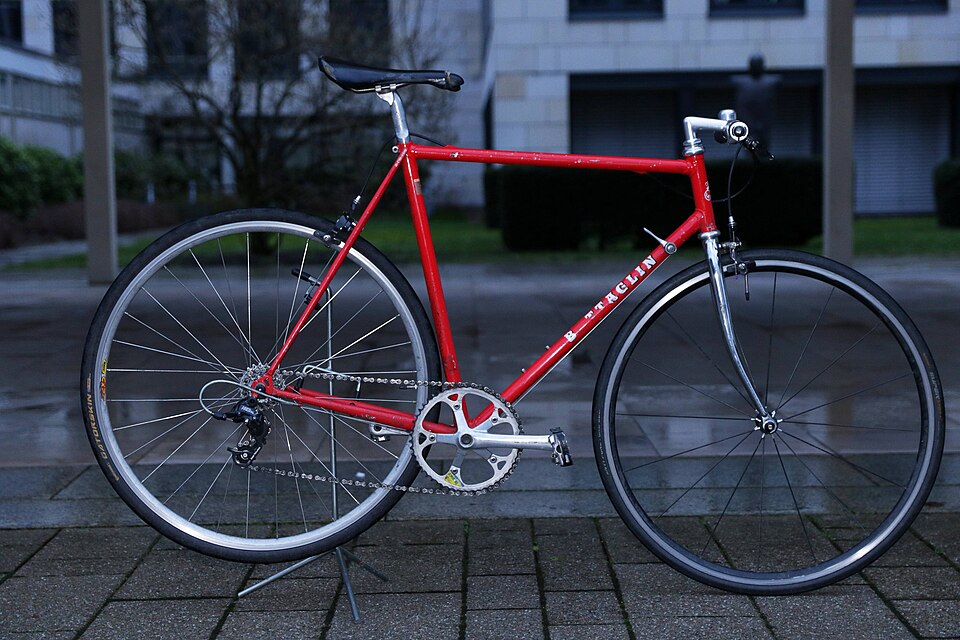
A road bike groupset is a collection of mechanical components that work together to provide shifting, braking, and power transfer on your bicycle. These components include shifters, derailleurs, cranksets, cassettes, brakes, and chains – essentially everything except the frame, wheels, and cockpit controls. The groupset you choose affects your riding experience, maintenance costs, and overall bike performance.
Groupset components and their functions
The main groupset components each serve specific functions that impact your riding experience:
- Shifters/Brake Levers: Control gear changes and braking. Electronic shifting (Shimano Di2, SRAM AXS) offers faster, more precise shifts with customizable settings. Wireless systems (SRAM AXS) provide cleaner aesthetics and easier installation.
- Derailleurs (Front & Rear): Move the chain between cogs and chainrings. Higher-end derailleurs are lighter and shift more rapidly and accurately under load. Electronic derailleurs maintain perfect alignment automatically.
- Crankset & Bottom Bracket: Transfer power from your pedals to the drivetrain. Materials range from aluminum to carbon fiber, affecting weight and stiffness. Crank arm lengths (170-175mm) should match your leg length for optimal power transfer.
- Cassette/Cogset: Rear cogs that provide different gear ratios. Wider ranges (11-34T vs 11-28T) help with climbing and varied terrain. Higher-tier cassettes use lighter materials and tighter gear steps.
- Brakes (Calipers/Disc): Essential for stopping. Disc brakes offer superior performance in various conditions compared to rim brakes. Hydraulic systems provide better modulation than mechanical options.
- Chain: Connects the crankset to the cassette. Higher-end chains provide smoother engagement and increased durability. Some feature special coatings to reduce friction and wear.
How groupsets affect bike performance and cost
Groupset quality directly impacts your riding experience through several factors. Weight reduction is a primary benefit – higher-tier groupsets use carbon fiber and titanium instead of aluminum, saving 200-400 grams. Shifting speed and precision improve dramatically with electronic systems, allowing gear changes under heavy load that would be impossible with mechanical shifting. Durability increases with better materials and construction, extending component lifespan from 2,000 to 5,000+ miles. Price varies significantly, with entry-level groupsets costing $200-400 and professional-grade electronic systems exceeding $3,000. For detailed maintenance schedules and component care, see our Complete Bike Maintenance Checklist Every Cyclist Should Follow.
How do Shimano, SRAM, and Campagnolo groupset tiers compare?
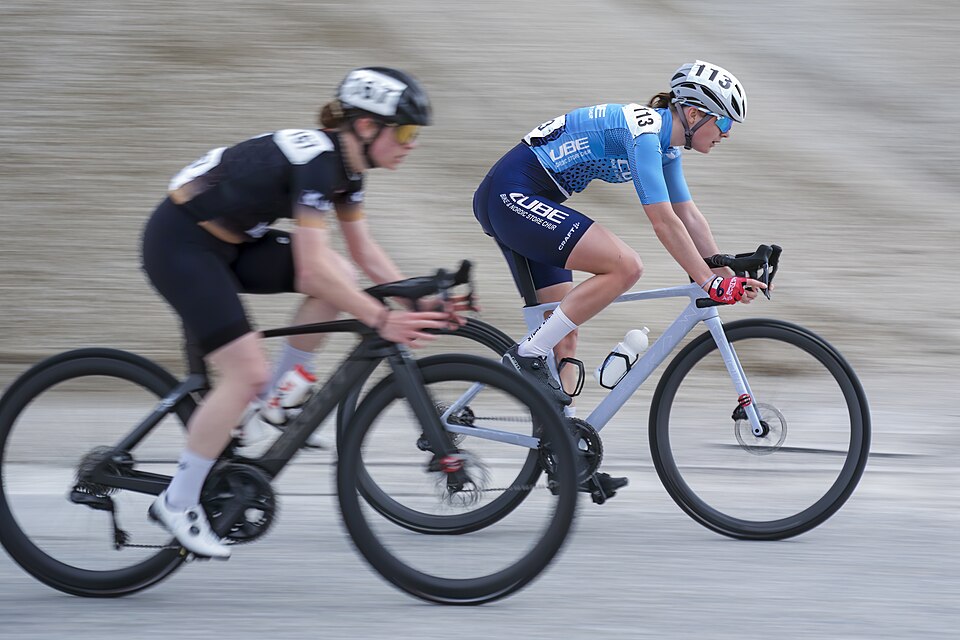
Each major manufacturer offers tiered groupsets targeting different budgets and performance needs. Understanding these hierarchies helps you choose the right components for your riding style.
Shimano groupset hierarchy and characteristics
Shimano’s road groupsets range from entry-level to professional, with each tier offering specific benefits:
- Claris: Entry-level components for casual riders and commuters. Basic shifting performance with durable construction. Features 8-speed gearing and weighs approximately 2,800 grams complete.
- Sora: Step up from Claris with improved shifting and braking. Popular for fitness bikes and entry-level road bikes. Offers 9-speed gearing and better ergonomics than Claris.
- Tiagra: Mid-range option with 10-speed gearing and better materials. Good balance of performance and value. Features compact cranksets for easier climbing.
- 105: Considered the sweet spot for many riders. 11-speed with excellent shifting precision and durability. Available in mechanical and Di2 electronic versions. Weighs around 2,250 grams.
- Ultegra: High-performance components used by serious enthusiasts and amateur racers. Available in mechanical and electronic (Di2) versions. Features carbon fiber in key components and weighs approximately 2,000 grams.
- Dura-Ace: Professional-grade groupset with maximum performance, lightest weight, and electronic shifting only. Uses premium materials like titanium and carbon fiber. Weighs under 1,900 grams complete.
SRAM groupset hierarchy and characteristics
SRAM takes a different approach with its tiered system, emphasizing wireless technology and wider gear ranges:
- Apex: Entry-level components focusing on simplicity and reliability. Often features 1x drivetrain options for easier operation. Weighs approximately 2,700 grams complete.
- Rival: Mid-range with 12-speed gearing and electronic (eTap AXS) options. Good value for performance-oriented riders. Features wider gear ranges for varied terrain.
- Force: High-performance groupset with wireless electronic shifting standard. Lighter weight and better materials than Rival. Popular among competitive amateurs.
- Red: Professional-grade components with maximum weight savings and performance. Fully wireless AXS technology. Weighs under 1,800 grams complete.
Campagnolo groupset hierarchy and characteristics
Campagnolo offers Italian-made components with unique features and premium positioning:
- Centaur: Entry-level offering from Campagnolo with 13-speed gearing and good performance characteristics. Features Italian design and manufacturing.
- Chorus: Mid-range option with excellent shifting and braking performance. Available in mechanical and EPS electronic versions. Popular among enthusiasts who prefer Campagnolo’s ergonomics.
- Record: High-performance groupset with carbon fiber components and precise shifting. Weighs approximately 1,950 grams complete. Features Campagnolo’s unique Ultra-Shift technology.
- Super Record: Professional-grade with maximum performance, lightweight materials, and advanced electronic shifting. Weighs under 1,800 grams. Features titanium and ceramic components.
What performance differences exist between groupset tiers?

Performance differences between groupset tiers become apparent in weight, shifting technology, and braking capabilities. Understanding these distinctions helps you determine which tier matches your riding needs.
Weight and material differences across tiers
Weight savings increase significantly as you move up groupset tiers. Entry-level groupsets use aluminum and steel components, weighing 2,500-2,800 grams complete. Mid-range options reduce weight to 2,200-2,400 grams using better aluminum alloys and some carbon fiber. High-end groupsets achieve 1,800-2,100 grams through extensive carbon fiber use and titanium hardware. Professional groupsets can weigh under 1,800 grams, with the lightest configurations around 1,600 grams. These weight differences translate to approximately 30-60 seconds saved per hour of climbing, depending on gradient and rider weight.
Shifting performance and electronic options
Shifting technology varies dramatically across groupset tiers. Mechanical systems use cables and require manual adjustment for optimal performance. Entry-level mechanical shifting might need adjustment every few hundred miles, while high-end mechanical systems maintain precision longer. Electronic shifting eliminates cable stretch and provides consistent, lightning-fast shifts. Shimano Di2 uses wired connections for reliable power delivery. SRAM AXS offers fully wireless operation with customizable shift patterns. Campagnolo EPS provides Italian-engineered electronic precision. Electronic systems enable features like multi-shift (holding the lever for multiple gear changes) and synchronized shifting (front and rear derailleurs working together).
Braking performance and technology
Braking technology has evolved significantly, with disc brakes now dominating higher tiers. Rim brakes remain common on entry-level groupsets due to lower cost and simpler maintenance. Mechanical disc brakes appear on mid-range options, offering improved wet-weather performance. Hydraulic disc brakes dominate high-end groupsets, providing superior modulation, power, and consistency. Electronic integration allows features like automatic brake pad adjustment and wear monitoring. Disc brakes enable wider tire clearance and improve overall bike handling in varied conditions.
Before upgrading your groupset, consider whether your riding style actually demands professional-level components. The biggest performance jump isn’t from entry to mid-tier, but from mid to high-tier groupsets. Most recreational riders get 90% of the performance benefits from mid-tier options at 60% of the cost. For most cyclists, groupsets like Shimano 105, SRAM Rival, or Campagnolo Chorus provide excellent performance without the premium price of top-tier components. Focus on choosing components that match your riding frequency, terrain, and performance goals rather than simply buying the most expensive option available. Beginners should also review our Essential Cycling Tips for Beginners Starting Their Journey before making major equipment decisions.