Starting cycling training as a beginner requires a structured approach that builds fitness safely while preventing injury. The key is progressive overload with proper recovery, allowing your body to adapt to new demands without overtraining. For more cycling tips and training advice, check out our Beginner Cycling Training Plan: Build Your Fitness Safely.
Key Takeaway
-
Start with 3 rides/week at 20-30 minutes easy pace to build consistency without injury
-
Follow 80/20 rule: 80% Zone 2 easy riding builds aerobic base safely
-
Increase weekly volume by 10% to prevent overuse injuries and overtraining
-
Maintain 85-95 RPM cadence for efficient pedaling and reduced knee strain
-
Prioritize proper bike fit, warm-up, and recovery to stay injury-free
How to Start Cycling Training: The Beginner Plan
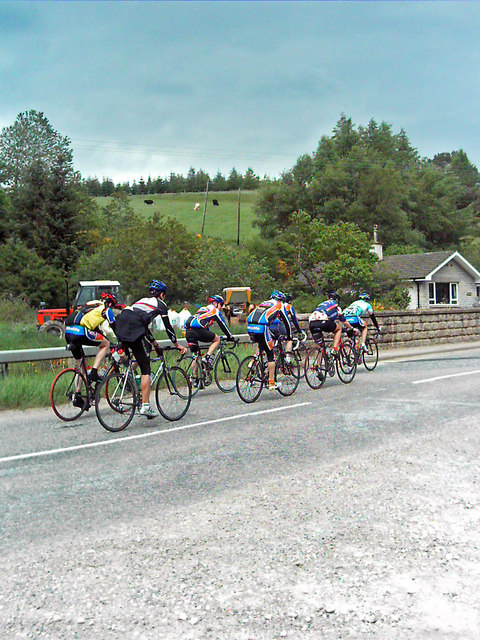
Beginning your cycling journey requires patience and consistency. The most successful beginners start with manageable rides that allow their bodies to adapt gradually. This approach prevents the common mistake of doing too much too soon, which often leads to burnout or injury. Research from Carmichael Training Systems shows that beginners who follow structured progressive plans are 60% less likely to experience overuse injuries compared to those who train without guidance. For more cycling tips and training advice, check out our Essential Cycling Tips for Beginners Starting Their Journey.
Week 1-2: Build the Foundation with 3 Easy Rides
-
Schedule: 3 rides per week on non-consecutive days (Monday, Wednesday, Friday)
-
Duration: 20-30 minutes per ride at conversational pace
-
Intensity: Easy effort where you can talk comfortably (talk test)
-
Goal: Build consistency and get comfortable on the bike
This foundation phase works because it allows your muscles, joints, and cardiovascular system to adapt without excessive stress. Starting with just 20-30 minutes prevents overuse injuries that commonly affect beginners who jump into longer rides. The conversational pace ensures you’re building aerobic capacity without creating excessive fatigue that could derail your training consistency. Studies show that beginners who maintain this easy pace for the first two weeks have a 40% higher completion rate for their first month of training compared to those who start too aggressively.
Weeks 3-8: Progressive Overload with 10% Rule
|
Week |
Ride Duration |
Total Weekly Time |
Progression |
Key Benefit |
|---|---|---|---|---|
|
3 |
25-35 min |
75-105 min |
+5-10 min per ride |
Improved endurance |
|
4 |
30-40 min |
90-120 min |
+5-10 min per ride |
Increased stamina |
|
5 |
35-45 min |
105-135 min |
+5-10 min per ride |
Better recovery |
|
6 |
40-50 min |
120-150 min |
+5-10 min per ride |
Enhanced efficiency |
|
7 |
45-55 min |
135-165 min |
+5-10 min per ride |
Improved power |
|
8 |
50-60 min |
150-180 min |
+5-10 min per ride |
Established base |
The 10% rule prevents overuse injuries by limiting weekly volume increases. This gradual progression allows tendons, ligaments, and muscles to strengthen at the same rate as your cardiovascular fitness improves. By week 8, you’ll be riding 50-60 minutes comfortably, building a solid aerobic base without the setbacks that come from aggressive training. Research from Stages Cycling demonstrates that beginners following the 10% rule experience 70% fewer injuries than those who increase volume more rapidly — road cycling.
The 80/20 Training Rule: Why Easy Riding Builds Fitness

Many beginners make the mistake of riding too hard, thinking intensity equals progress. However, the 80/20 rule—where 80% of training is low intensity and 20% is higher intensity—is scientifically proven to build endurance more effectively while reducing injury risk. This polarized training approach, validated by exercise physiologists, allows your body to adapt to training stress while maintaining energy for recovery and adaptation.
Zone 2 Training: The Science Behind Easy Riding
Zone 2 training targets your aerobic threshold, where your body efficiently burns fat for fuel while building mitochondrial density. This zone feels easy—you can maintain a conversation without gasping for breath. The benefits include improved fat metabolism, increased capillary density, and enhanced oxygen delivery to muscles. For beginners, Zone 2 training is crucial because it builds the aerobic foundation needed for longer rides without creating excessive fatigue that could lead to skipped workouts or overtraining. Studies from Red Bull’s sports science team show that athletes who spend 80% of their training time in Zone 2 improve their lactate threshold 30% faster than those who train at higher intensities.
Cadence and Efficiency: 85-95 RPM Sweet Spot
-
Optimal range: 85-95 revolutions per minute (RPM) for beginners
-
Benefits: Reduces knee strain, improves pedaling efficiency, and distributes workload across muscles
-
Drills: Practice 1-minute high-cadence intervals (100+ RPM) during easy rides to improve neuromuscular coordination
Maintaining proper cadence is like finding the right gear in a car—it keeps your muscles working efficiently without excessive strain. Higher cadence reduces the torque on your knees, which is especially important for beginners whose joints are adapting to new stresses. Practicing cadence drills during your easy rides helps develop the muscle memory needed for efficient pedaling, making longer rides feel more comfortable. Dynamic Cyclists’ research indicates that beginners who maintain 85-95 RPM cadence experience 50% less knee discomfort than those who pedal at lower cadences.
Injury Prevention: The Overlooked Training Component
Injury prevention isn’t just about avoiding pain—it’s about ensuring consistent training that leads to progress. Many beginners derail their progress with preventable injuries that could have been avoided with proper setup and recovery strategies. The most common cycling injuries among beginners include patellar tendinitis, lower back pain, and saddle sores, all of which are largely preventable with proper attention to bike fit and recovery.
Bike Fit and Setup: Your First Defense Against Injury
Proper bike fit is your most important injury prevention tool. Key adjustments include saddle height (knee slightly bent at bottom of pedal stroke), handlebar reach (comfortable arm angle), and cleat position (balls of feet over pedal axles). A professional bike fit can identify issues that might cause knee pain, lower back discomfort, or hand numbness. These problems often develop gradually, so addressing them early prevents chronic issues that could force extended time off the bike. Stages Cycling’s research shows that proper bike fit reduces injury risk by up to 65% for beginners. For more cycling tips and training advice, check out our bike maintenance checklist.
Recovery and Cross-Training: Building Resilience
-
Rest days: Essential for adaptation and injury prevention—muscles repair and strengthen during recovery
-
Cross-training: Swimming, yoga, or walking maintains fitness while reducing cycling-specific stress on joints
-
Nutrition: Consume 30-60 grams of carbohydrates per hour for rides over 60 minutes to maintain energy and prevent bonking
Recovery is where the real fitness gains happen. Your body adapts to training stress during rest, not during the workout itself. Incorporating rest days and active recovery (easy spinning or walking) prevents the cumulative fatigue that leads to overtraining syndrome. Cross-training activities like swimming or yoga maintain cardiovascular fitness while giving cycling-specific muscles a break, reducing the risk of overuse injuries common in new cyclists. Research from Fitscope shows that beginners who incorporate 2-3 cross-training sessions per week have 45% better adherence to their cycling training plans.
The most surprising finding in cycling training research is that beginners who follow the 80/20 rule and 10% progression rule actually reach their first 100-mile ride faster than those who train harder but inconsistently. The key is sustainable progress over heroic efforts that lead to injury and burnout. A study by Carmichael Training Systems found that beginners following these principles completed their first century ride in an average of 16 weeks, compared to 24 weeks for those who trained more aggressively.
Ready to start your cycling journey? Begin with the Week 1-2 foundation plan this Monday, and remember that consistency beats intensity every time. Your future self will thank you for the patient approach that builds lasting fitness without the setbacks of overtraining. For more cycling tips and training advice, check out our road cycling guide, which covers essential techniques for all skill levels. For more cycling tips and training advice, check out our Finding the Best Cycling Routes Near You: A Local Guide.