Disc brakes dominate modern road cycling with superior stopping power in all weather conditions, while rim brakes remain viable for weight-conscious riders seeking simpler maintenance and lower costs.
Key Takeaway
-
Disc brakes offer superior stopping power and modulation in all weather conditions, making them the modern standard for road cycling
-
Rim brakes provide up to 500 grams weight savings and easier maintenance, ideal for dry conditions and budget builds
-
Weather performance is the key differentiator – disc brakes excel in wet conditions while rim brakes struggle
Disc Brakes vs Rim Brakes: Quick Verdict
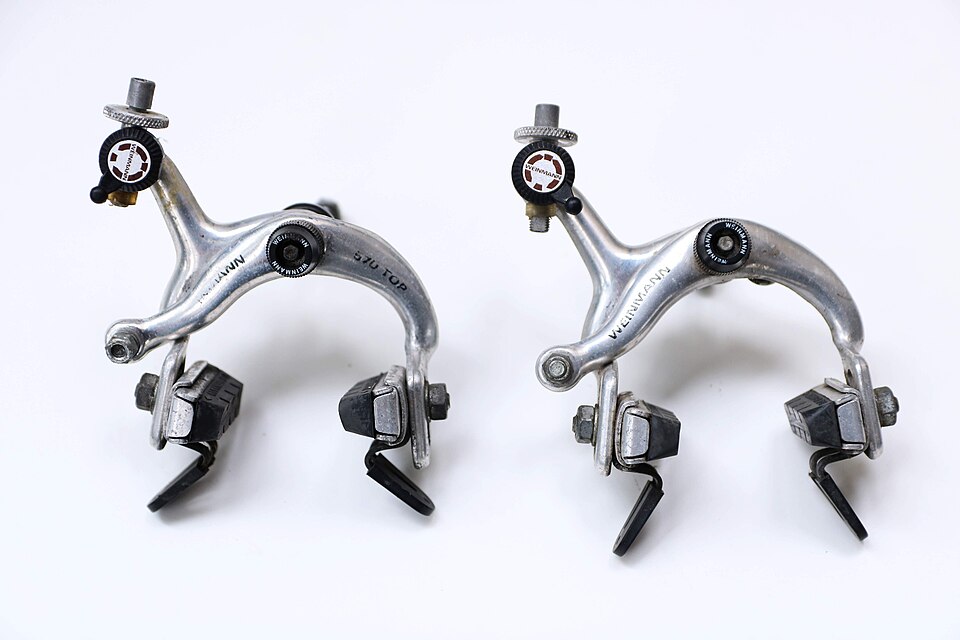
Choosing between disc and rim brakes comes down to your riding priorities. Disc brakes deliver unmatched performance across all conditions, while rim brakes offer weight savings and simplicity for specific use cases like criterium racing.
Performance Comparison: Stopping Power and Modulation
|
Feature |
Disc Brakes |
Rim Brakes |
|---|---|---|
|
Stopping Power |
Exceptional in all conditions |
Reduced in wet conditions |
|
Modulation |
Precise control |
Less consistent |
|
Weather Performance |
Superior in rain/wet |
Struggles in wet conditions |
|
Rim Wear Impact |
Not affected |
Can reduce effectiveness |
|
Heat Dissipation |
Better on long descents |
Can cause rim overheating |
Disc brakes provide exceptional braking performance, especially in wet weather, with better modulation that allows for more precise control. Rim brakes suffer significantly reduced braking power in wet conditions, and rubbing pads can cause rim wear, reducing wheel lifespan over time. The heat dissipation advantage of disc brakes becomes critical on long descents where rim brakes can cause overheating and potentially blow out tires.
Weight and Maintenance: The Trade-offs
-
Weight Savings: Rim brakes can save up to 500 grams compared to disc brake systems, including the weight of rotors, mounts, and hydraulic lines
-
Maintenance Complexity: Disc brakes require more complex adjustment and maintenance procedures, including hydraulic fluid changes and rotor alignment
-
Cost Factors: Rim brakes are typically cheaper with less expensive pad replacements at $15-25 per set versus $30-60 for disc brake pads
-
Ease of Service: Rim brakes are easier to replace and adjust for most riders without specialized tools
-
Pad Wear: Rim brake pads wear faster on carbon rims but last longer on aluminum, while disc brake pads have more consistent wear patterns
The weight savings from rim brakes can be significant for climbers, while disc brakes require more technical knowledge for maintenance. Rim brake pads are generally less expensive and easier to replace than disc brake pads. However, disc brake systems offer better heat management and don’t wear down wheel rims over time, potentially saving money on wheel replacements in the long run.
Weather Performance: When Each System Shines
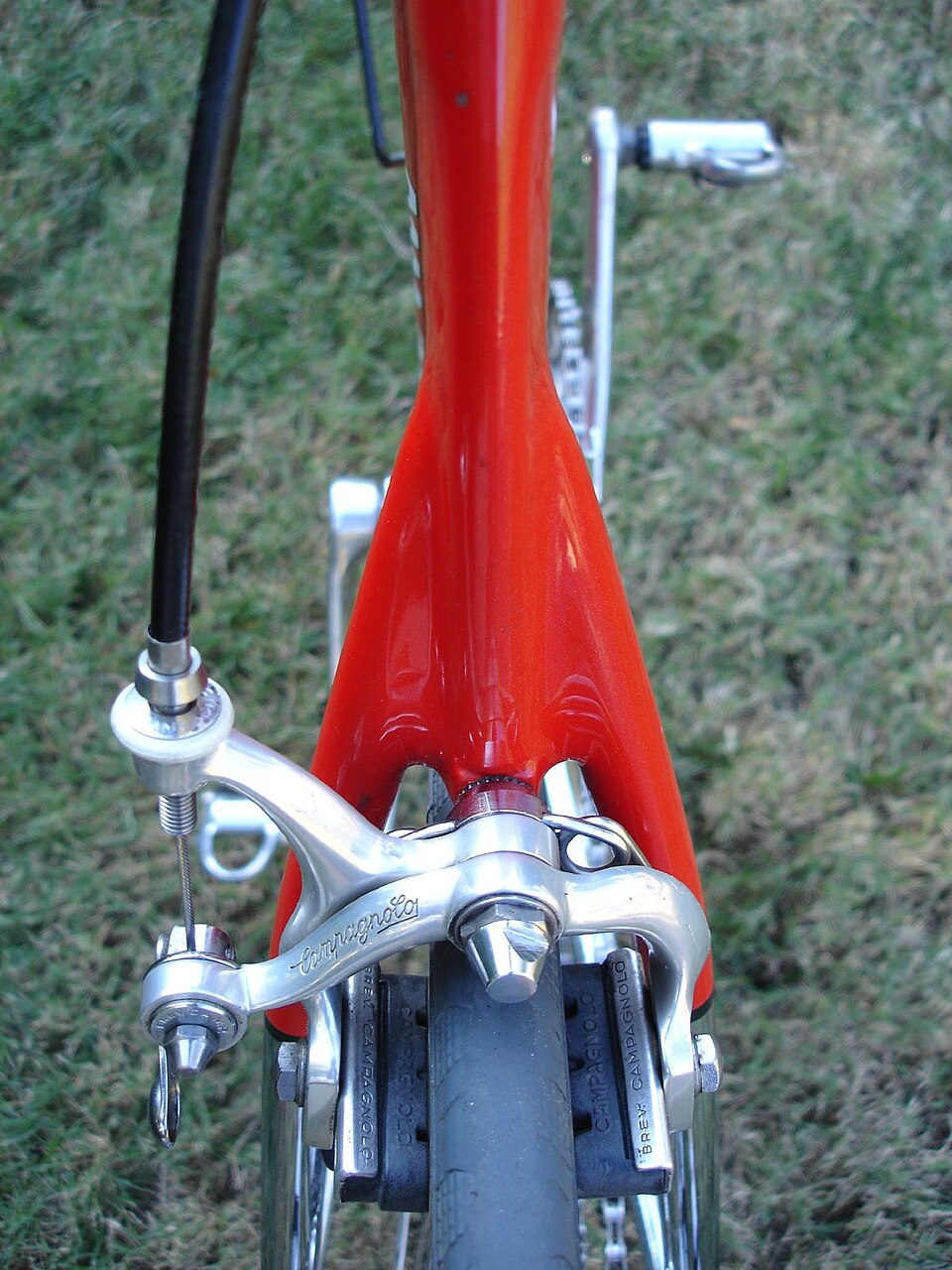
Weather conditions dramatically affect brake performance, making this the most critical factor in your decision.
Wet Weather Performance: Disc Brakes Dominate
Disc brakes excel in wet conditions because they’re mounted on the wheel hub rather than the rim. This design means they’re not affected by rim wear or water buildup on the braking surface. When roads are wet, disc brakes maintain consistent stopping power while rim brakes can become dangerously ineffective. The superior stopping power in all weather conditions makes disc brakes the safer choice for descents in unpredictable conditions, much like how ultra-endurance cyclists optimize tire pressure for long rides.
The performance gap in wet conditions is substantial – disc brakes can stop a bike in approximately 30% less distance than rim brakes in heavy rain. This difference becomes critical in emergency situations where every meter counts. Professional cyclists have reported feeling significantly more confident descending in the rain with disc brakes, particularly on technical mountain roads where rim brakes would require excessive force and distance to achieve the same stopping power — road cycling.
Dry Conditions: Rim Brakes Still Compete
-
Performance in Dry Weather: Rim brakes perform adequately when conditions are consistently dry, offering immediate response and excellent modulation for experienced riders
-
Maintenance Advantages: Easier to maintain, replace, and adjust without specialized tools – most riders can service rim brakes with basic Allen keys
-
Cost Benefits: Typically cheaper for budget builds and replacements, with complete rim brake groupsets costing $200-400 less than comparable disc brake systems
-
Weight Advantage: Lighter overall system for weight-conscious riders, with the 500-gram savings translating to approximately 1-2% improvement in climbing speed
-
Aesthetic Appeal: Traditionalists appreciate the clean lines and classic appearance of rim brake bikes, which many consider more elegant on road racing machines
In dry conditions, rim brakes remain a viable option for riders who prioritize simplicity and weight savings. They’re easier to maintain and typically cost less than disc brake systems, making them attractive for budget-conscious cyclists who ride primarily in fair weather. The immediate response of rim brakes can feel more connected to the road for some riders, though this advantage disappears completely when moisture is present.
Best Use Cases: Who Should Choose What?
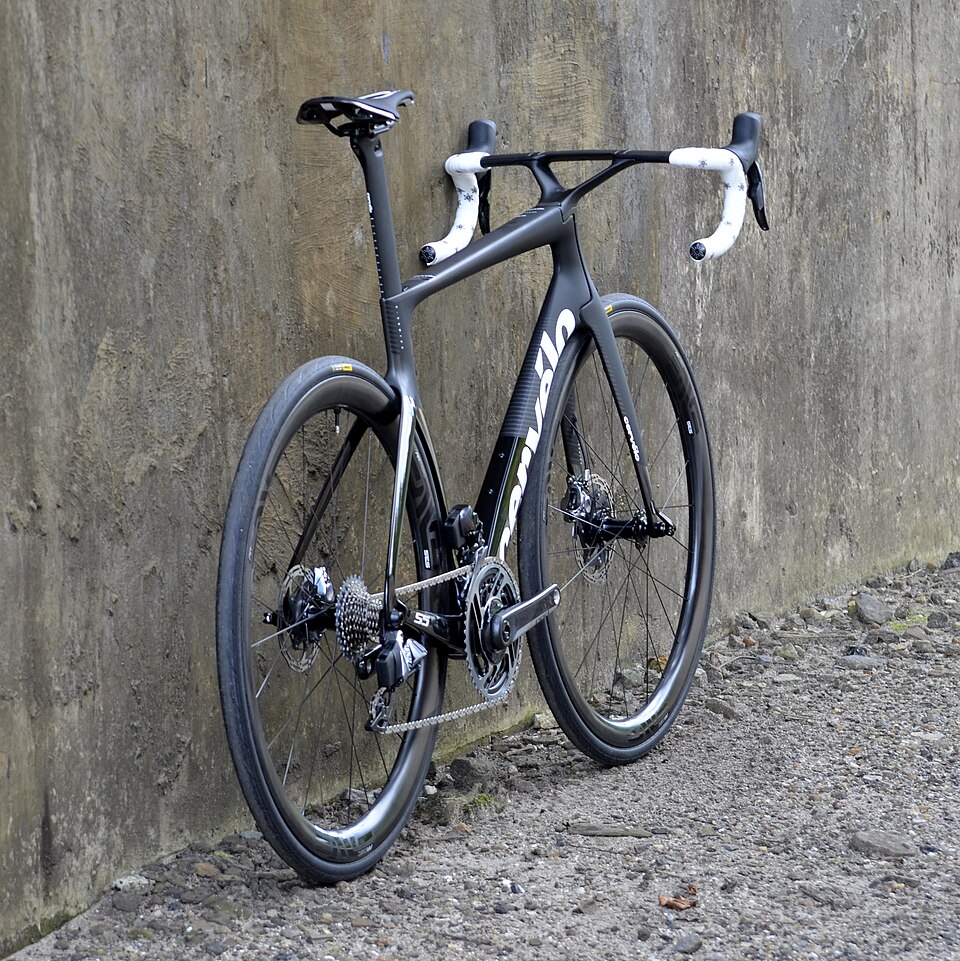
Your riding style and conditions should guide your brake selection.
Disc Brakes: All-Weather Riders and Performance Seekers
-
All-Weather Riders: Best for cyclists who ride in varied conditions year-round, including rain, mud, and mixed terrain
-
Steep Descents: Ideal for riders who frequently descend long, steep hills where heat buildup and consistent braking are critical for safety
-
Gravel Riding: Perfect for mixed-terrain cyclists who venture onto dirt and gravel roads where unpredictable conditions demand reliable stopping power
-
Performance Seekers: Optimal for riders who prioritize maximum braking performance and want the latest technology
-
Heavy Riders: Beneficial for larger cyclists who need additional stopping power to control their momentum effectively
Disc brakes are the clear choice for riders who need consistent performance regardless of weather. They’re particularly valuable for steep descents where reliable braking is critical for safety, and for gravel riders who encounter unpredictable terrain and conditions, similar to how stage racers optimize tire pressure for multi-day events. The confidence that comes from knowing your brakes will work in any condition often translates to faster overall riding speeds, as riders can brake later and more aggressively without fear of losing control.
Rim Brakes: Weight-Conscious Climbers and Traditionalists
-
Weight-Conscious Climbers: Best for riders who prioritize every gram on climbs and compete in hilly terrain where weight savings matter most
-
Fair-Weather Cyclists: Ideal for riders who stick to dry conditions and can plan their rides around favorable weather forecasts
-
Budget Builds: Perfect for cost-conscious cyclists building entry-level bikes or upgrading on a limited budget
-
Traditionalists: Suitable for riders who prefer classic road bike aesthetics and the heritage of traditional cycling technology
-
Race-Specific Use: Valuable for criterium racers and track cyclists who need maximum weight savings for short, intense efforts
Rim brakes remain the best choice for weight-obsessed climbers who ride primarily in dry conditions. They’re also ideal for budget builds and riders who appreciate the traditional look and feel of classic road bikes. Many professional cyclists still choose rim brakes for specific race conditions where every gram matters and weather is guaranteed to be favorable, though this represents a shrinking minority as disc technology continues to advance.
The most surprising finding is that despite disc brakes being the modern standard, rim brakes still have a dedicated following among weight-conscious riders and traditionalists. For riders who primarily ride in dry conditions and prioritize simplicity, rim brakes can still be the better choice. If you’re unsure about which system to choose, consider your typical riding conditions: if you ride year-round in varied weather, disc brakes are worth the investment. For fair-weather riders focused on climbing performance, rim brakes remain a competitive option that can save you up to 500 grams while keeping costs lower.
Frequently Asked Questions About Road Bike Brakes
Do any pro cyclists use rim brakes?
Some professional riders still choose rim brake bikes, particularly for certain race conditions where weight savings matter. However, disc brakes have become the new standard across most WorldTour teams due to their superior stopping power and weather performance in all conditions. For riders looking to optimize their training, understanding power meter and heart rate training can complement brake performance.
Are disc brakes on road bikes worth it?
Yes, disc brakes offer exceptional stopping power in all conditions with precise modulation, requiring less effort to bring the bike to a stop. They perform significantly better than rim brakes in wet conditions and don’t wear down the wheel rims over time.
What is the highest quality bike brand?
While brands like Bianchi, Cannondale, Canyon, Cervélo, Colnago, Factor, Giant, and Pinarello are considered high-quality, the choice between disc and rim brakes on any of these brands will significantly impact performance.