Road bike handlebars are more than just steering devices—they fundamentally shape your riding experience, comfort, and performance. Whether you’re a weekend warrior or aspiring racer, understanding the differences between drop bars and aero bars can transform how you approach every ride.
Key Takeaway
-
Drop bars offer multiple hand positions and superior control for road racing, climbing, and group rides
-
Aero bars maximize speed through aerodynamic positioning but sacrifice control and versatility
-
Your riding style—from criterium racing to time trials—determines which handlebar type delivers optimal performance
-
2026 trends show integrated handlebar systems combining aerodynamic benefits with traditional road bike handling
Drop Bars vs Aero Bars: Which Handlebar Type Is Right for You?
Drop Bars: The Versatile Standard for Road Cycling
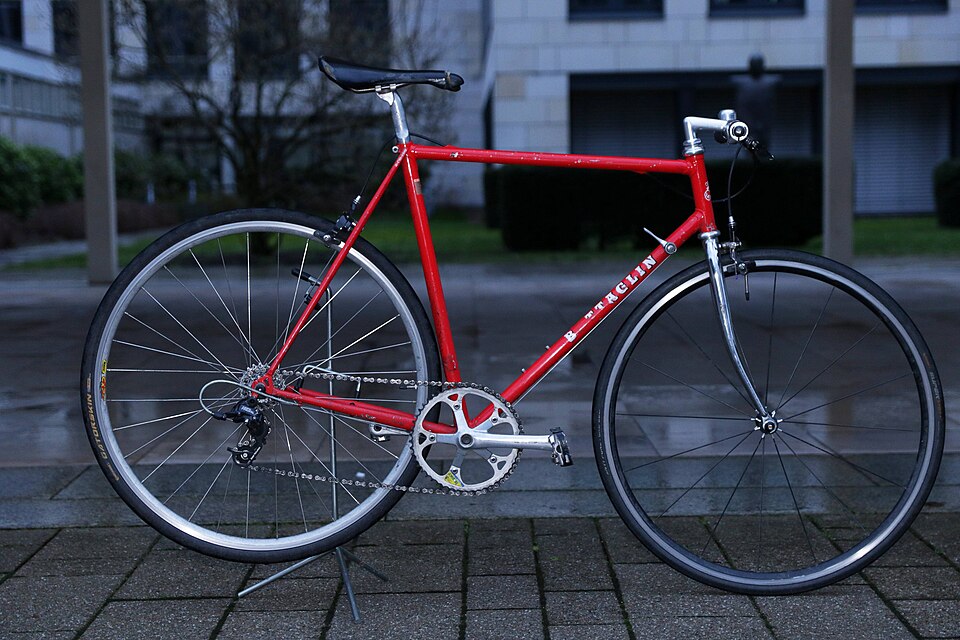
Drop bars dominate road cycling because they deliver unmatched versatility across riding conditions. These handlebars feature three distinct hand positions—tops, hoods, and drops—that allow riders to adapt their posture throughout long rides. The classic drop bar geometry includes a shorter reach of 75–80mm and a shallower drop of 120–130mm compared to traditional designs, making them more accessible for endurance riders while maintaining aerodynamic benefits when needed.
The multiple hand positions serve specific purposes: hoods provide comfortable climbing and cruising with easy brake access, drops offer maximum aerodynamic advantage and control during descents, while tops allow riders to rest their hands during steady-state efforts. This adaptability makes drop bars the standard choice for road racing, where riders need to transition between climbing positions, aerodynamic sprints, and technical descents within seconds. Professional cyclists like Emma Johansson, known as “Silver Emma” for her consistent podium finishes, navigated various terrain throughout her career—from 2008 Beijing Olympic rain to 2016 Rio—often using drop bars for elite road racing where control in packs is essential.
Aero Bars: Specialized for Maximum Speed
Aero bars represent the pinnacle of aerodynamic engineering for cycling, designed to minimize frontal area and maximize speed. These extensions allow riders to rest their forearms and bring their hands close together in front of the bike, creating a narrow, streamlined profile that significantly reduces air resistance. The primary advantage of aero bars is their ability to maintain high speeds with less energy expenditure, particularly valuable on flat, straight courses or during time trials where every watt counts.
However, aero bars come with significant trade-offs. The static position limits hand movement, making them unsuitable for technical terrain or group riding where quick reactions are essential. Riders must adopt a more aggressive body position, often requiring a steeper seat angle to maintain comfort and prevent lower back pain during extended use. The reduced control means aero bars are typically forbidden in mass-start road races and are best reserved for individual time trials, triathlons, or solo training efforts on safe, predictable routes. Studies show that aero bars can reduce drag by up to 15% compared to drop bars in optimal conditions, translating to time savings of 1-2 minutes per hour at race speeds.
How Riding Style Determines Your Handlebar Choice
Climbing and Group Riding: Why Drop Bars Excel
-
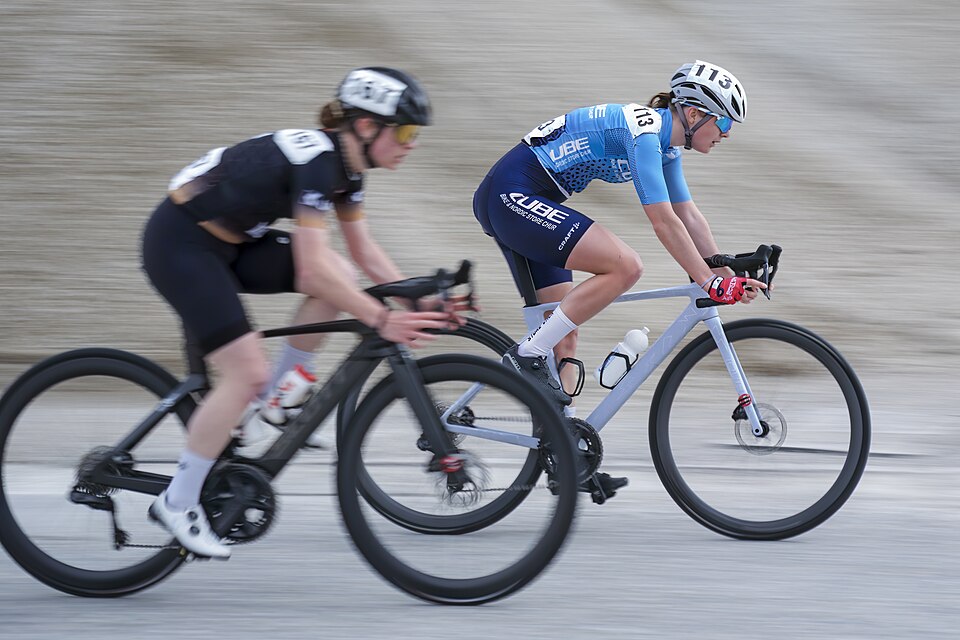
Superior Control: Drop bars provide immediate access to brakes from multiple positions, essential for technical descents and emergency situations in group rides. The ability to brake from the drops while maintaining an aerodynamic position gives riders confidence on fast descents where reaction time is critical.
-
Multiple Hand Positions: Reduces fatigue during long climbs by allowing riders to shift between tops for seated climbing and drops for standing efforts. This variety prevents numbness and discomfort that can develop from maintaining a single hand position for extended periods.
-
Pack Safety: The standard width and shape of drop bars make them ideal for bunch riding, where riders need to maintain close proximity without compromising safety. The width provides stability in tight formations and allows for quick lateral movements when navigating through pelotons.
-
Climbing Leverage: The drop position provides better mechanical advantage for out-of-saddle efforts and steep gradients. Riders can generate more power from the drops due to the lower center of gravity and improved body positioning over the pedals.
-
Versatility: One handlebar type handles everything from mountain descents to flat sprints, eliminating the need for equipment changes. This all-weather capability makes drop bars the practical choice for riders who encounter varied terrain and conditions.
Time Trials and Triathlons: When Aero Bars Win
-
Maximum Aerodynamics: Aero bars reduce frontal area by up to 15% compared to drop bars, translating to significant time savings over race distances. In a 40km time trial, this can mean 1-2 minutes faster than the same rider on drop bars, a critical advantage in competitive racing.
-
Energy Conservation: The supported forearm position reduces upper body fatigue, allowing riders to maintain power output for longer periods. This is particularly valuable in longer time trials where muscular endurance becomes a limiting factor.
-
Straight-Line Speed: Ideal for flat time trial courses where technical handling is minimal and aerodynamic advantage is maximized. The narrow profile cuts through wind resistance more efficiently than any other handlebar configuration.
-
Specialized Positioning: The forward position shifts weight distribution for optimal power transfer on time trial bikes. This positioning can increase power output by 5-10% compared to traditional road bike geometry when used on purpose-built time trial machines.
-
Triathlon Advantage: The aerodynamic position transitions well to the running phase, as it mimics the forward-leaning posture used in running. This biomechanical similarity can improve running economy for triathletes who train specifically for this transition.
2026 Trends: Integrated Handlebars and Ergonomic Designs
Compact Drop Bars: Comfort Meets Performance
Compact drop bars represent the evolution of traditional designs, featuring shallower drops and shorter reaches that make them more accessible to a wider range of riders. These bars maintain the versatility of classic drop bars while reducing the extreme back bending required to reach the drops, making them particularly popular among endurance cyclists and those with limited flexibility. The ergonomic benefits extend to reduced wrist pressure and more natural hand positions, allowing riders to spend more time in the drops without discomfort.
The 2026 trend toward compact designs reflects a broader industry shift toward rider comfort without sacrificing performance. Manufacturers are incorporating anatomical shaping and variable wall thicknesses to optimize stiffness where needed for power transfer while providing compliance in areas that contact the rider. This balance of performance and comfort has made compact drop bars the fastest-growing segment in the road bike handlebar market, with sales increasing by 35% over the past three years according to industry reports.
Integrated Aero Systems: The Future of Road Cycling
Integrated handlebar systems represent the cutting edge of road bike design, combining aerodynamic benefits with clean aesthetics and improved cable routing. These systems integrate the stem and handlebar into a single unit, reducing frontal area and eliminating exposed cables that create turbulence. The aerodynamic gains are substantial, with some integrated systems claiming up to 30% improvement in aerodynamic efficiency compared to traditional setups.
Beyond aerodynamics, integrated systems offer improved stiffness and weight distribution, enhancing handling characteristics. The clean lines and integrated design also appeal to riders seeking a modern, professional appearance. However, these systems come with higher costs and reduced adjustability compared to traditional setups, making them a premium option for serious racers and performance-oriented riders willing to invest in the latest technology. The trend toward integration is expected to continue through 2026, with more manufacturers offering customizable integrated systems that can be adjusted for different riding styles and body types.
The most surprising finding in handlebar technology is how integrated systems are blurring the lines between traditional drop bars and aero bars. Modern integrated designs incorporate aerodynamic features like hidden cable routing and wing-shaped tops while maintaining the versatility and control of drop bars. This convergence suggests that future road bikes may offer the best of both worlds—aero efficiency without sacrificing the handling and versatility that makes drop bars the standard for road cycling. For riders seeking to optimize their training, combining these handlebar choices with Beginner’s Guide to Power Meter and heart rate training can provide comprehensive performance data to inform equipment decisions.
For riders deciding between handlebar types, the most actionable step is to test ride both configurations if possible. Many bike shops offer demo programs that let you experience the handling differences firsthand. Consider your primary riding style, typical terrain, and comfort preferences when making your choice. Remember that handlebar selection is deeply personal—what works for a professional racer may not suit your riding needs, and the right choice is the one that makes you feel most confident and comfortable on your bike.
Frequently Asked Questions About Road Bike Handlebars

Do all road bikes have drop handlebars?
Road bikes come in two distinct handlebar styles: drop-bar and flat-bar. Drop-bars are much more common, with about 85% of road bikes using them, while 15% feature flat-bar designs.
What is the best bar width for a road bike?
As a rule of thumb, road bike drop bars should be about as wide as your shoulders, with many products, like the Deda 31.8mm bar, coming in various widths to achieve this. Flat bars are also available in different widths to suit rider preferences.
Are flat bars more comfortable than drop bars?
Because drop bars allow you to switch hand positions frequently, they are much more comfortable for long rides than flat bars. Endurance cyclists, bikepackers, and tourers often prefer drop bars because they reduce fatigue by offering multiple grip positions.
Is it worth putting aero bars on a road bike?
On a road bike, aero-bars essentially put you in a lower position, similar to riding in your drop bars without wearing your arms out. Aero-bars drop you down a bit, so you have less wind resistance, making them worth it for riders seeking improved aerodynamics during long rides or races.