A road bike drivetrain is the complete system that transfers power from your pedals to the rear wheel, consisting of crankset, chainrings, chain, cassette, derailleurs, shifters, and bottom bracket. This “engine room” of your bike has evolved significantly, with 12-speed electronic shifting and hydraulic disc brakes now dominating the market in 2024.
Key Takeaway
-
Modern road bike drivetrains feature 12-speed electronic shifting as standard on mid-to-high-end bikes
-
Shimano and SRAM dominate the market with distinct hierarchies: Shimano (Dura-Ace > Ultegra > 105) and SRAM (RED AXS > Force AXS > Rival AXS)
-
Hydraulic disc brakes have replaced rim brakes as the standard choice for superior stopping power
-
Maintenance intervals vary by component quality, with high-end groupsets requiring less frequent service
What Makes Up a Road Bike Drivetrain
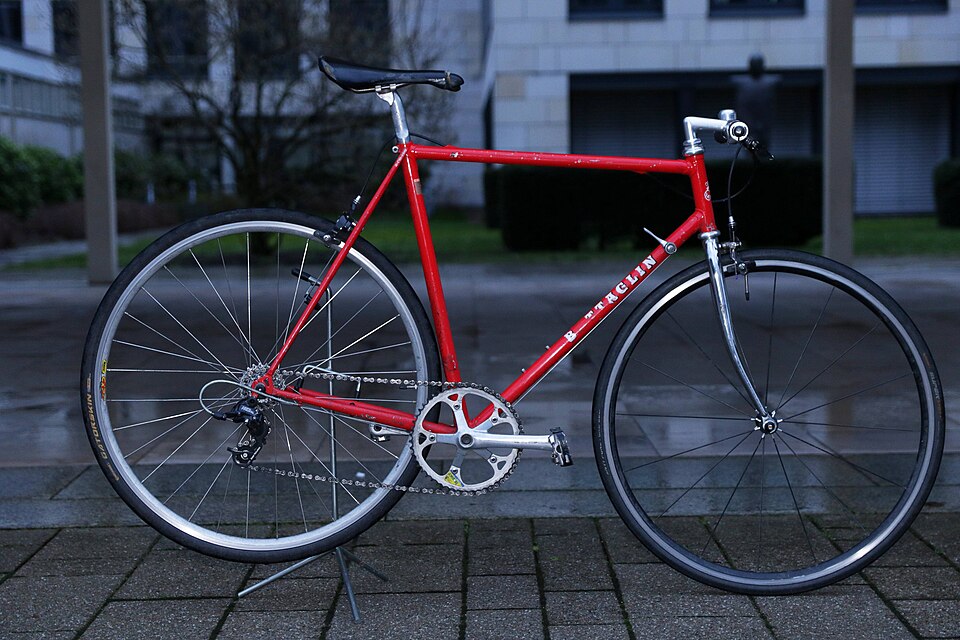
Complete Component Breakdown
-
Crankset: The arm assembly that connects pedals to the chainrings, typically made from aluminum or carbon fiber. Modern cranksets feature 4-arm or 5-arm designs with varying Q-factors (pedal stance width) to accommodate different rider anatomies. High-end models use hollow construction and ceramic bearings to reduce weight and friction.
-
Chainrings: Front gears (usually 50/34 or 52/36 tooth combinations) that transfer power to the chain. Compact (50/34) setups dominate recreational cycling for easier climbing, while standard (52/36) remains popular among racers. Single-chainring (1x) setups eliminate front derailleurs for simplicity but sacrifice some gear range.
-
Bottom bracket: The bearing assembly that allows the crankset to rotate smoothly within the frame. Modern external bearing designs (BB30, PF30, BB86) offer wider bearing placement for increased stiffness. Press-fit vs threaded bottom brackets remain debated, with threaded designs offering easier maintenance.
-
Chain: The link system that transfers power from chainrings to cassette, now typically 12-speed for modern drivetrains. Shimano’s Hyperglide+ and SRAM’s Flattop chains feature directional designs and specific inner/outer plate shapes for improved shifting under load. Chain width has decreased from 3/32″ to approximately 5.25mm for 12-speed systems.
-
Cassette: The rear gear cluster (11-30T to 11-34T range) that provides gear range options. Wider range cassettes (11-34T) help recreational riders tackle steep climbs, while racing cassettes (11-28T) prioritize close gear steps for maintaining optimal cadence. Cassette materials range from steel to titanium and even carbon fiber in ultra-premium models.
-
Rear derailleur: The mechanism that moves the chain across cassette cogs, often featuring clutch technology for chain retention. Modern derailleurs include clutch mechanisms that maintain chain tension, reducing dropped chains on rough roads. Cage length (short, medium, long) determines maximum cassette cog capacity and total gear range.
-
Front derailleur: The mechanism that shifts the chain between chainrings (absent on 1x setups). Electronic front derailleurs can automatically trim to prevent chain rub in extreme cross-gear combinations. Mechanical front derailleurs require manual adjustment for optimal performance.
-
Shifters: The control levers that operate derailleurs, now predominantly electronic with button-activated shifting. Integrated brake/shift levers (brifters) combine multiple functions in one unit. Electronic shifters offer programmable shifting patterns, multi-shift capabilities, and wireless connectivity to cycling computers.
How Components Work Together
The drivetrain functions as an integrated power transmission system where each component plays a specific role. When you push the pedals, the crankset rotates the chainrings, which pull the chain forward. The chain then engages with the cassette cogs, and the rear derailleur maintains proper chain tension while allowing smooth gear changes. Electronic shifting systems use battery-powered motors to move derailleurs with precise, programmable movements, eliminating the need for mechanical cable tension. Hydraulic disc brakes work independently of the drivetrain but are now standard on modern road bikes, providing consistent stopping power regardless of weather conditions or wheel position — road cycling.
Shimano vs SRAM: Which Drivetrain is Right for You
Key Technology Differences
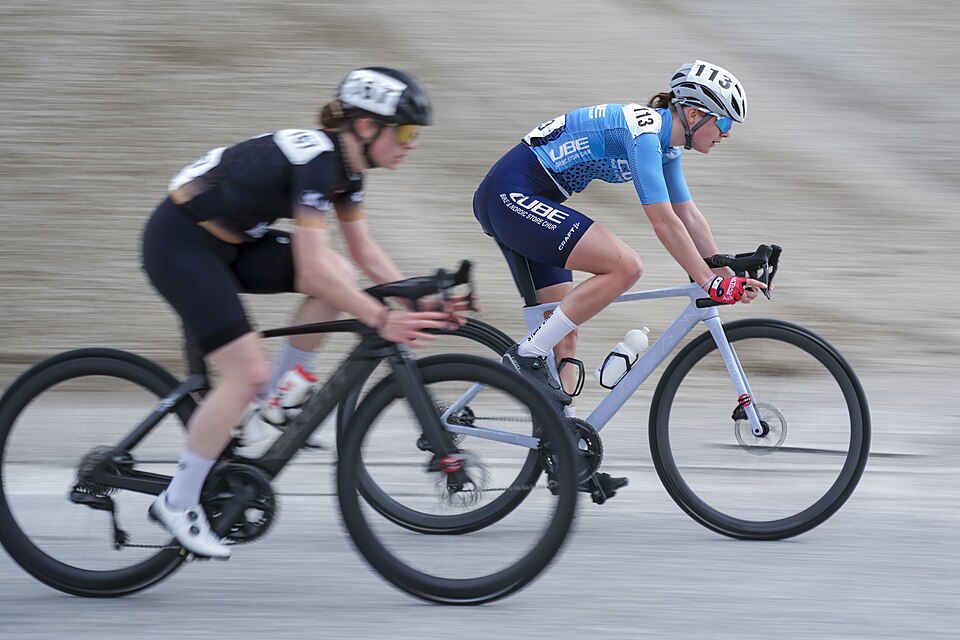
Shimano and SRAM take fundamentally different approaches to drivetrain design. Shimano emphasizes refined ergonomics and gradual performance progression across its hierarchy, with mechanical shifting remaining available even on high-end models. Their Di2 electronic system offers programmable shifting patterns and automatic front derailleur trimming. SRAM pioneered the 1x (single chainring) revolution for road bikes and focuses on wireless electronic shifting with their eTap system, eliminating all shift cables. SRAM’s approach emphasizes simplicity and weight reduction, while Shimano prioritizes versatility with traditional 2x setups that offer wider gear ranges for varied terrain. Campagnolo remains a premium Italian alternative, known for its distinctive lever ergonomics and heritage in professional racing.
Performance and Weight Comparison
|
Component |
Shimano Dura-Ace |
SRAM RED AXS |
Campagnolo Super Record |
Weight Difference |
|---|---|---|---|---|
|
Crankset (4-arm) |
668g |
625g |
652g |
SRAM lighter by 43g |
|
Derailleurs (pair) |
310g |
280g |
298g |
SRAM lighter by 30g |
|
Shifters (pair) |
400g |
370g |
420g |
SRAM lighter by 30g |
|
Complete Groupset |
2,150g |
2,050g |
2,200g |
SRAM lighter by 100g |
|
Battery Life |
1,000 miles |
1,000 miles |
900 miles |
Shimano/SRAM equal |
|
Price (MSRP) |
$3,500 |
$3,200 |
$3,800 |
SRAM more affordable |
SRAM’s wireless design eliminates cable housing weight and routing complexity, contributing to their groupsets being approximately 100g lighter than comparable Shimano models. However, Shimano’s mechanical groupsets offer better value, with Ultegra providing near-Dura-Ace performance at significantly lower cost. The weight difference becomes less significant when considering that a water bottle weighs 750g when full. Campagnolo’s Super Record remains the most expensive option, appealing to enthusiasts who value Italian craftsmanship and distinctive lever ergonomics. Electronic shifting reliability has improved dramatically, with all three manufacturers offering waterproof designs that withstand extreme conditions.
Choosing the Right Drivetrain for Your Riding Style

Performance vs Budget Options
-
Professional/Competitive: Shimano Dura-Ace or SRAM RED AXS – 12-speed electronic shifting, carbon components, ceramic bearings, $2,500-3,500. These top-tier groupsets feature the lightest materials, most precise shifting, and longest service intervals. Professional teams often use these components for their reliability under extreme racing conditions.
-
Enthusiast: Shimano Ultegra or SRAM Force AXS – Near-professional performance, durable construction, $1,500-2,000. These mid-tier options provide 90% of top-tier performance at 60% of the cost. Many amateur racers and serious enthusiasts choose these for their excellent value proposition.
-
Recreational: Shimano 105 or SRAM Rival AXS – Excellent value, electronic shifting available, $1,000-1,500. These groupsets offer electronic shifting technology that was once exclusive to professional racing. 105 mechanical provides exceptional value for those who prefer traditional shifting feel.
-
Entry-Level: Shimano Tiagra or SRAM Apex – Reliable performance, mechanical shifting, $600-900. These components provide dependable performance for new cyclists and commuters. While heavier than higher-tier options, they offer excellent durability and ease of maintenance.
-
Budget-Conscious: Microshift or SunRace – Basic performance, mechanical shifting, $300-500. These aftermarket options work well for budget builds and replacement parts, though they lack the refinement and durability of major brands.
Maintenance and Service Intervals
Electronic drivetrains significantly reduce maintenance requirements compared to mechanical systems. Shimano Di2 and SRAM eTap batteries typically need charging every 500-1,000 miles, with charge indicators showing remaining capacity. Chains should be replaced every 2,000-3,000 miles or when wear exceeds 0.5% elongation using a chain wear tool. Cassettes last 5,000-8,000 miles with proper chain maintenance. Bottom brackets in modern external bearing designs typically last 5,000-10,000 miles before needing service. Hydraulic brake fluid should be replaced annually, and brake pads need replacement when pad material reaches 1mm thickness. Electronic systems require minimal maintenance beyond keeping contacts clean and updating firmware when available. Regular drivetrain cleaning with degreaser and appropriate lubricants can extend component life by 30-50% and maintain optimal shifting performance.
The most surprising finding is that electronic shifting, once considered a premium luxury, has become standard on mid-range bikes, making professional-level shifting performance accessible to recreational cyclists. For immediate action, check your chain wear with a simple wear indicator tool – replacing a worn chain before it damages your cassette can save you $200-300 in replacement costs and keep your drivetrain shifting smoothly for years to come.