Finding the perfect road bike saddle isn’t about chasing the softest option—it’s about matching the saddle’s width, shape, and padding to your unique anatomy and riding style. The right saddle can transform your cycling experience from painful to comfortable, allowing you to ride longer and perform better. Professional cyclists consistently demonstrate that proper fit matters more than initial softness, with most choosing firm foam over gel for long-distance support.
Road bike saddle selection guide
- Measure sit bone width and add 20-30mm for correct saddle width
- Match saddle shape to your riding position: aggressive = flat/narrow, endurance = curved/wider
- Consider gender-specific designs and pressure relief cutouts for comfort
How to Measure Your Sit Bones for Perfect Saddle Width
The 20-30mm Rule: Why Saddle Width Matters
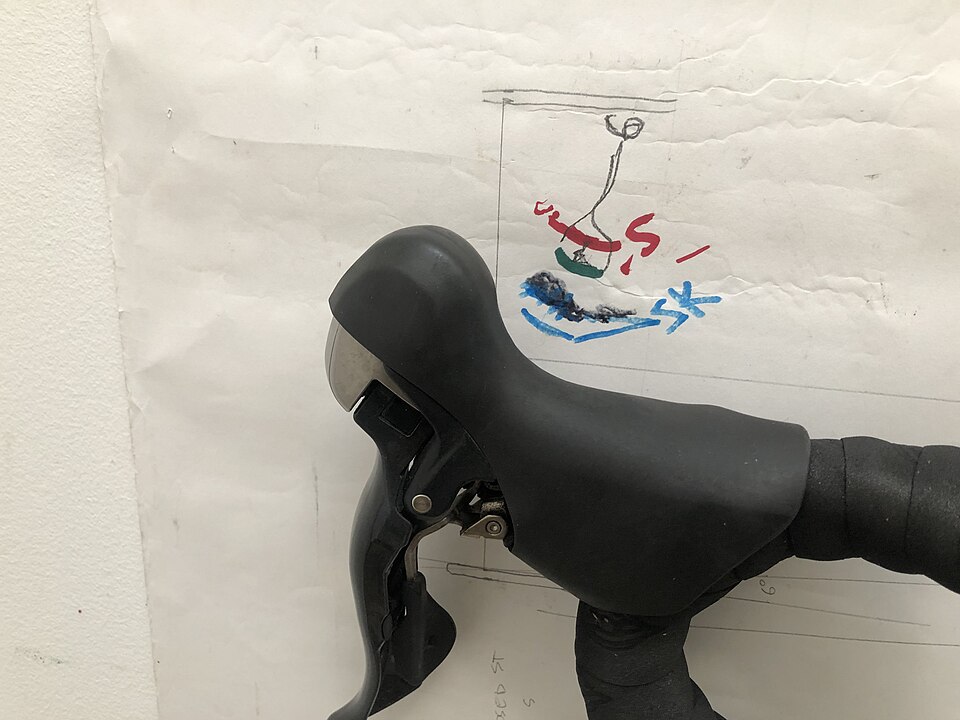
Your sit bones support your weight while cycling, and the saddle should be 20mm to 30mm wider than this measurement. This critical width ensures your sit bones bear the load while keeping pressure off sensitive soft tissue. A saddle that’s too narrow forces pressure onto soft tissue, causing discomfort and numbness. Conversely, a saddle that’s too wide creates friction and chafing against your inner thighs during pedaling. The 20-30mm rule provides a buffer zone that accommodates natural movement and prevents pressure points from developing during long rides.
Simple Methods to Measure Your Sit Bones at Home
- Cardboard method: Place a piece of soft cardboard or foam on a hard chair, sit down with your cycling shorts on, and lean forward slightly as if riding. After 30 seconds, stand up and measure the distance between the center of the two impressions left behind. This method provides surprisingly accurate results for most riders.
- Memory foam method: Use a memory foam cushion or pillow, sit on it for 30-60 seconds, then measure the impressions. Memory foam captures the exact shape of your sit bones for precise measurement.
- Bike shop tools: Many professional bike shops offer specialized sit bone measuring devices that use pressure mapping or indentation technology to provide exact measurements. These tools typically cost between $20-$50 for a professional fitting session.
- Specialized measuring devices: Some cyclists invest in at-home sit bone measurement tools that create clear imprints and provide digital readouts. These devices range from $30-$100 but offer the most accurate results for serious riders.
Once you have your measurement, add 20-30mm to determine your ideal saddle width. For example, if your sit bones measure 110mm apart, look for saddles between 130-140mm wide. This measurement becomes your foundation for selecting a saddle that provides proper support and eliminates discomfort.
Matching Saddle Shape to Your Riding Position
Aggressive vs Endurance Position: Shape Differences
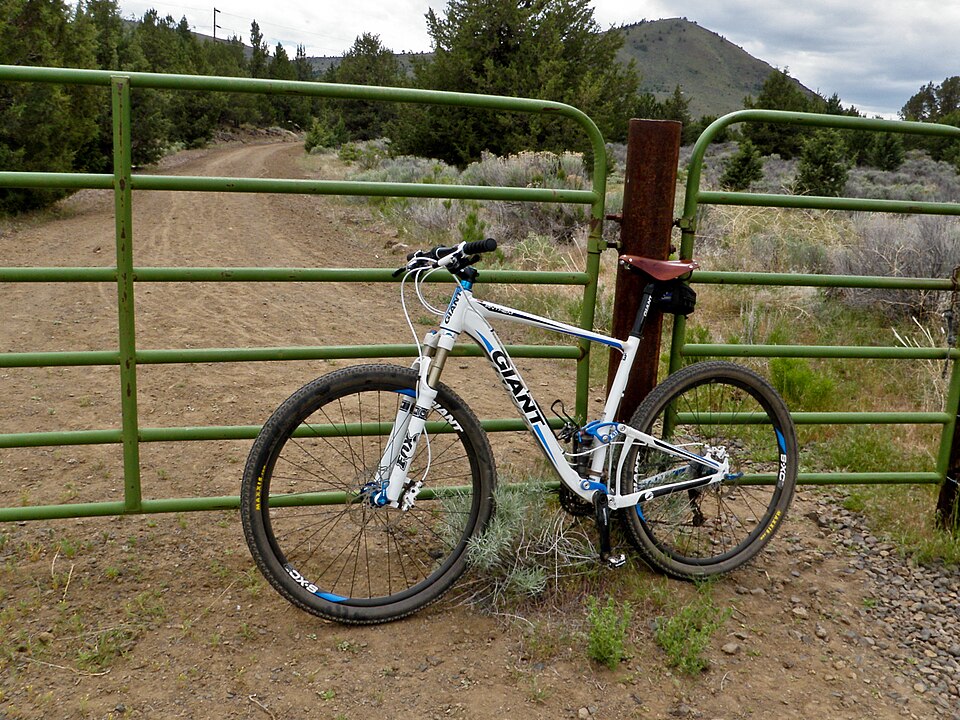
Your riding position determines the ideal saddle shape. For aggressive or racing positions, where you’re leaned forward with a low torso angle, a flatter, narrower saddle with minimal padding works best. This shape allows you to maintain a steady, low position without interference. For endurance or upright positions, where you sit more vertically, a curved, slightly wider saddle with more padding provides better support for greater pelvic tilt. The key difference is that aggressive riders need less width to accommodate their forward-leaning posture, while endurance riders benefit from additional width for stability.
Road saddles are generally narrower and have less padding than city bikes to accommodate a leaned-forward, aggressive posture. A flatter, narrower saddle with minimal padding works best for maintaining a steady, low position. The flatter profile prevents you from sliding forward or backward during intense efforts, while the minimal padding ensures efficient power transfer to the pedals — road cycling.
Short-Nosed Saddles: The Modern Performance Option
Modern short-nosed saddles like the Specialized Power and Fizik Argo represent a significant innovation in saddle design. These saddles encourage an efficient, stable posture by reducing the length you need to slide forward on. The shorter nose also reduces pressure on soft tissue, making them particularly effective for aggressive riding positions. Many professional cyclists now prefer these designs for their ability to maintain comfort during long, intense rides while supporting a forward-leaning position.
Short-nosed designs work by allowing you to position your sit bones more rearward on the saddle, which opens up your hip angle and reduces pressure on the perineal area. This design is especially beneficial for riders who maintain an aggressive position for extended periods, as it eliminates the need to constantly adjust your position on the saddle nose.
Gender-Specific Design and Pressure Relief Features
Women’s Specific Saddle Design: What Makes Them Different
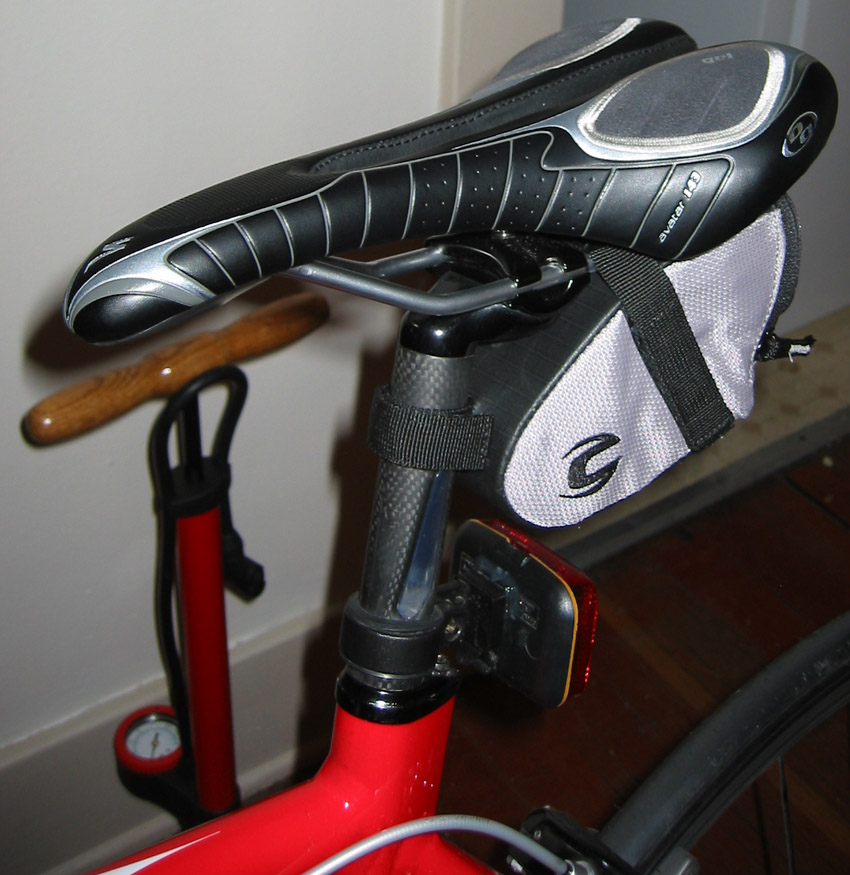
- Wider rear section: Women’s specific saddles typically feature a wider rear section to accommodate broader sit bones, which are on average 1-2cm wider than men’s sit bones. This wider design provides better weight distribution and prevents pressure points from developing during long rides.
- More pronounced cutout: Due to differences in pelvic anatomy, women often require different saddle designs than men. Women’s specific saddles feature a more pronounced cutout to reduce pressure on the pubic arch, which can cause discomfort during long rides. The enhanced cutout relieves pressure on sensitive areas that can cause numbness and pain.
- Anatomic considerations: Women’s specific saddles are designed with the female pelvis in mind, featuring a shape that accommodates the wider hip structure and different soft tissue distribution. This anatomical difference makes gender-specific designs essential for many female cyclists.
Cutouts, Padding, and Rails: Comfort Technology
- Center cutouts: Modern saddle technology offers various comfort features, with center cutouts or channels being one of the most effective. These cutouts help relieve pressure on the perineal area, significantly increasing comfort for riders prone to numbness. The cutout design allows for better blood flow and reduces pressure on sensitive nerves.
- Firm foam vs gel: Road riders often prefer firm foam padding over gel, as foam provides better support over long distances without compressing and creating hot spots. Gel might seem more comfortable initially, but it compresses under pressure and creates pressure points during long rides. Firm foam maintains its shape and provides consistent support mile after mile.
- 3D printed saddles: Advanced 3D printed saddles offer variable density padding that provides support where needed and comfort elsewhere. These high-tech saddles use computer modeling to create zones of different firmness, optimizing comfort for different riding positions and pressure points.
- Rails technology: The rails also matter—carbon rails are lighter but can be stiffer, while alloy or manganese rails offer more comfort at the cost of additional weight. Carbon rails typically weigh 20-30% less than alloy rails but may transmit more road vibration to the rider.
The most surprising fact about professional cyclists is that they overwhelmingly choose firm foam padding over gel. While gel might seem more comfortable initially, it compresses under pressure and creates hot spots during long rides. Firm foam maintains its shape and provides consistent support mile after mile. This insight reveals that true saddle comfort comes from proper fit and support rather than initial softness.
Ready to find your perfect saddle? Start by measuring your sit bones this week using the cardboard method described above. This simple measurement will give you the foundation for selecting a saddle that eliminates discomfort and enhances your cycling performance. For more cycling tips for beginners, check out our beginner’s guide.